A Seasonal Guide for Healthy Clivias and Exceptional Flowers
By Carrie Krüger – Utopia Clivias
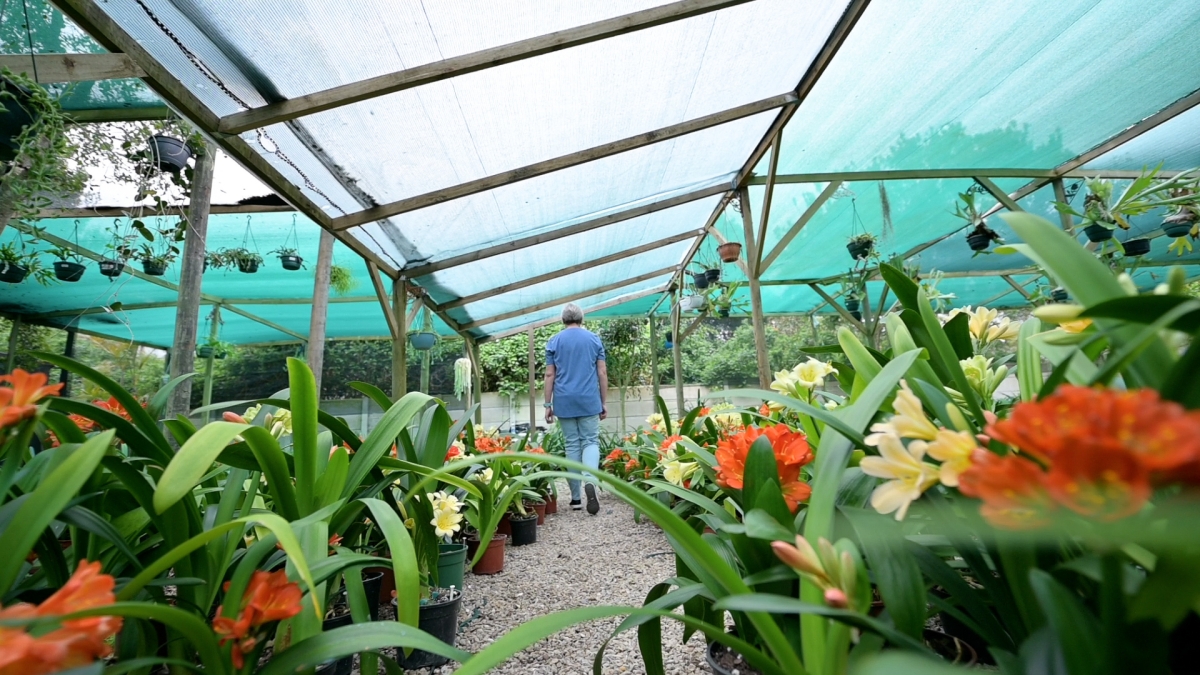
Clivias are one of South Africa’s most beloved shade garden plants. Known for their striking flowers and resilience, these plants thrive when their natural seasonal growth cycle is respected.
Whether you are growing Clivias in pots, shade houses, or garden beds, understanding when to water, feed, divide, and harvest seed makes a significant difference in plant health and flowering performance.
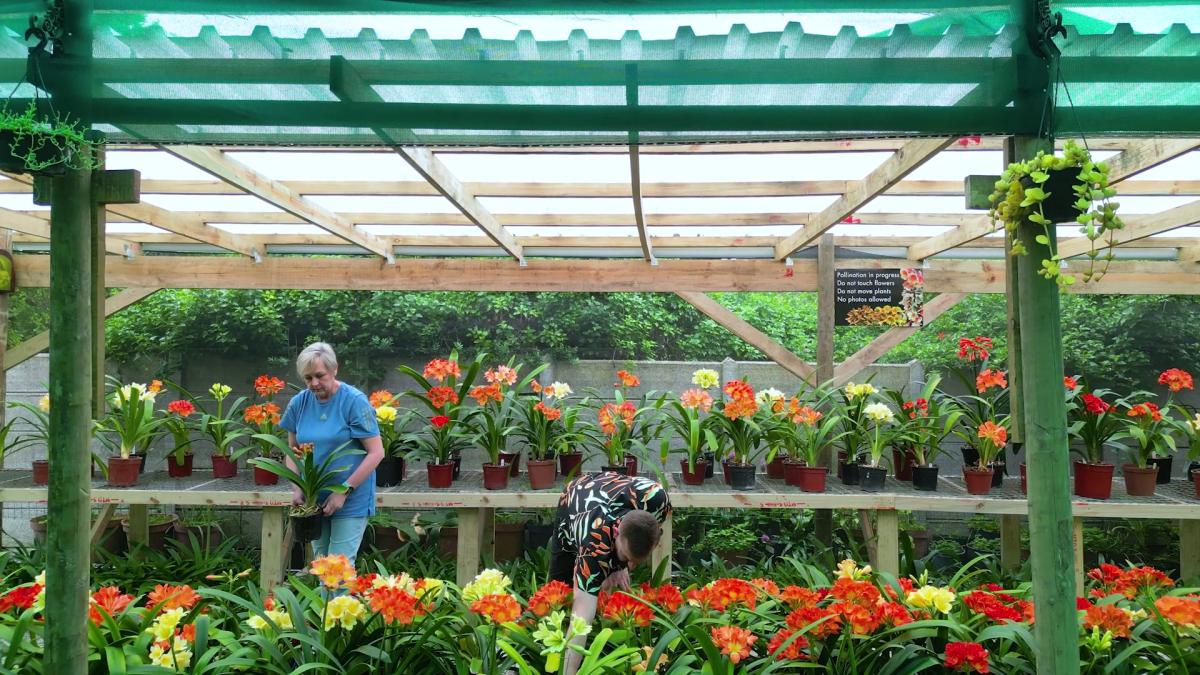
At Utopia Clivias, we follow a structured seasonal management system that supports strong plants and successful breeding. This guide explains how to care for Clivias throughout the year under Southern Hemisphere growing conditions.
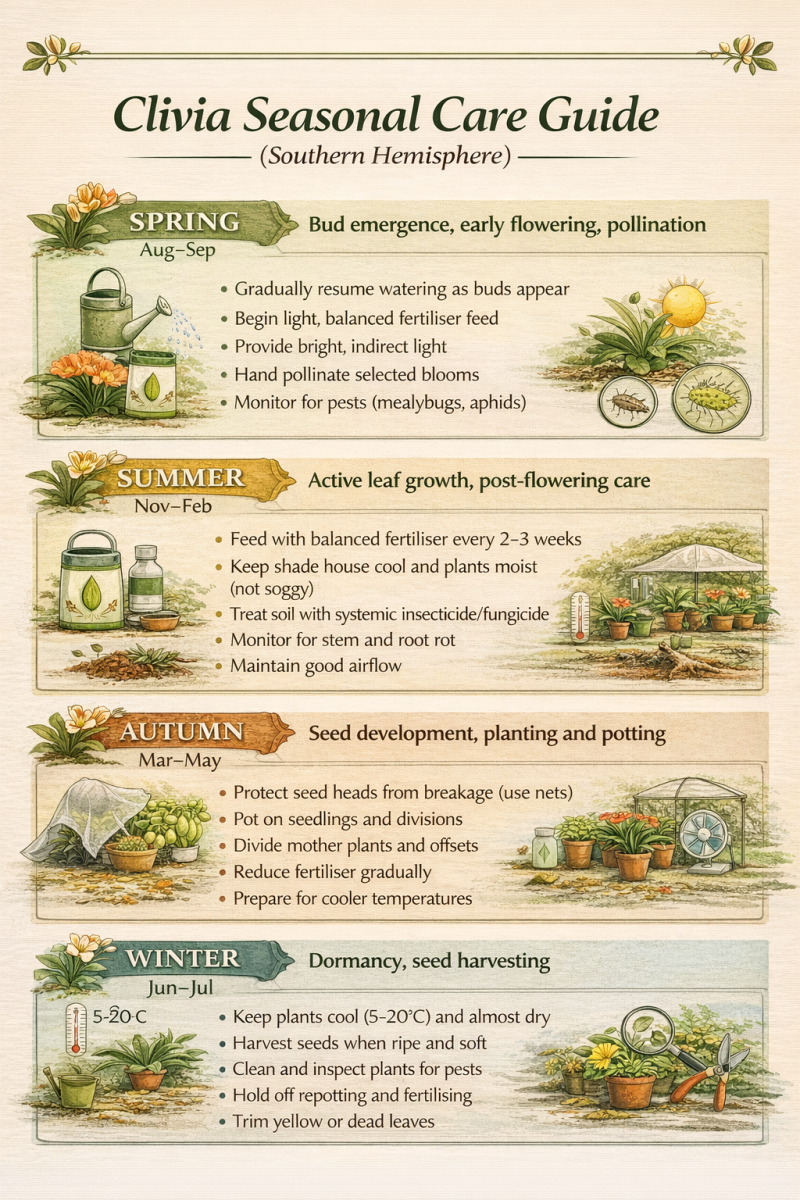
Clivia Seasonal Care Calendar – Southern Hemisphere
Season | Growth Stage | Key Tasks |
|---|---|---|
Summer | Active leaf growth | Feed with balanced fertiliser every 2–3 weeks; keep shade houses cool and plants moist but not waterlogged; monitor for stem and root rot; maintain good airflow; apply fertiliser, systemic insecticide and fungicide treatment. |
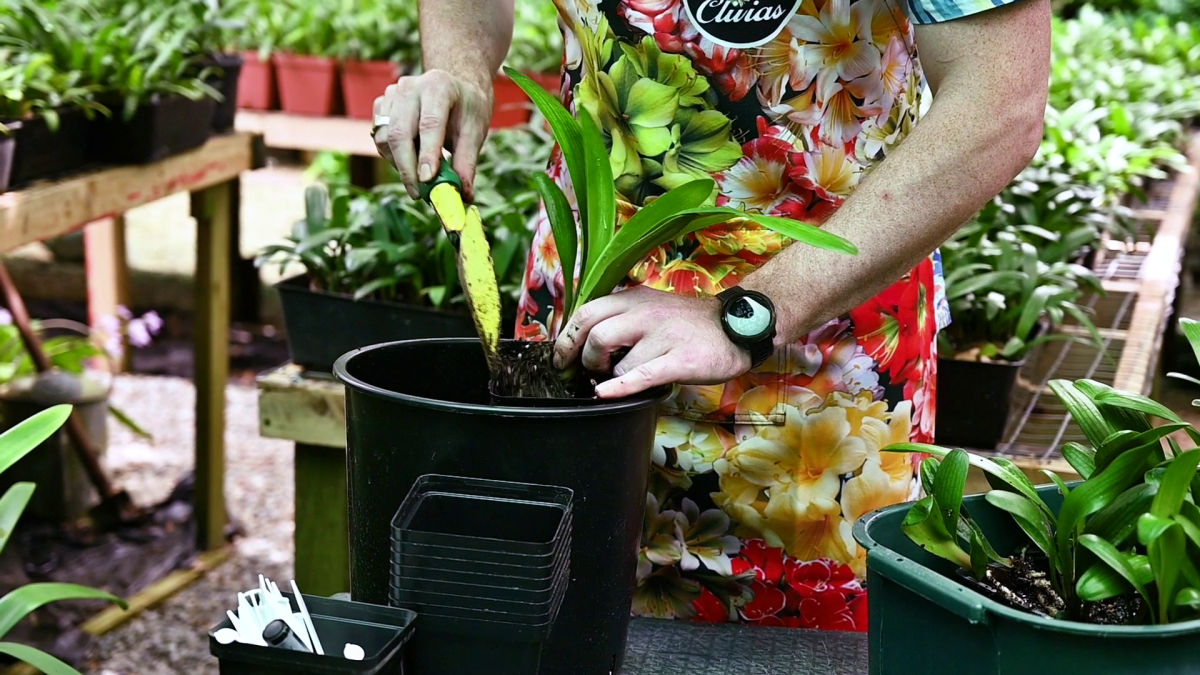
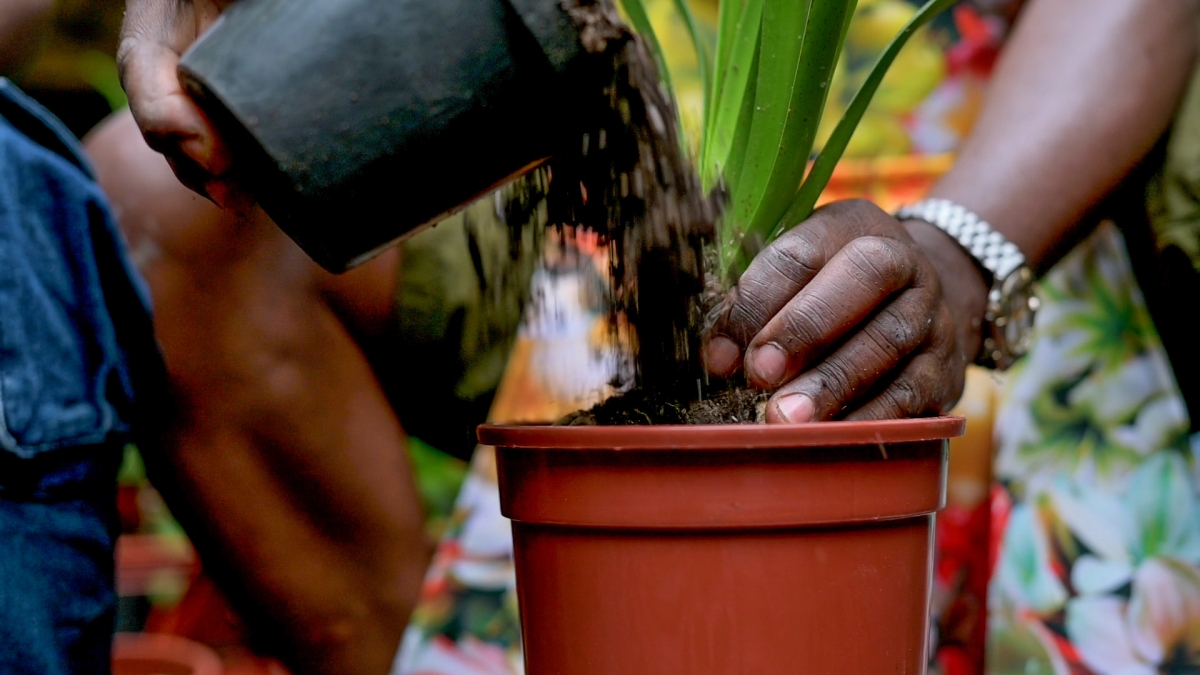
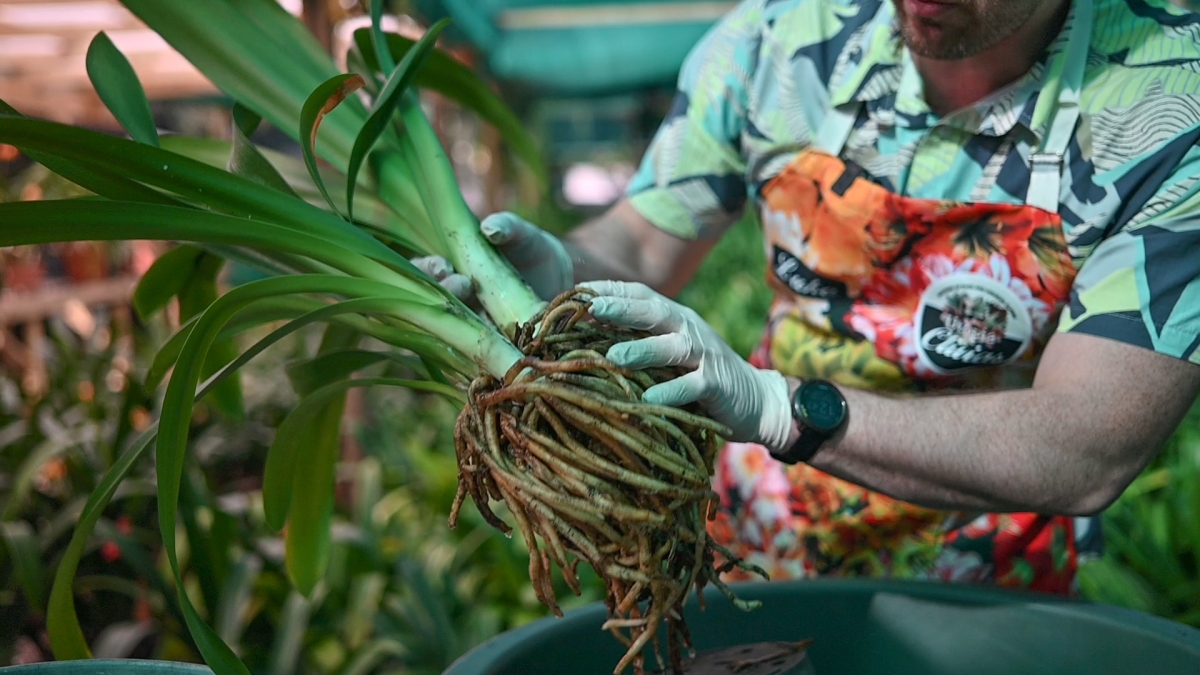
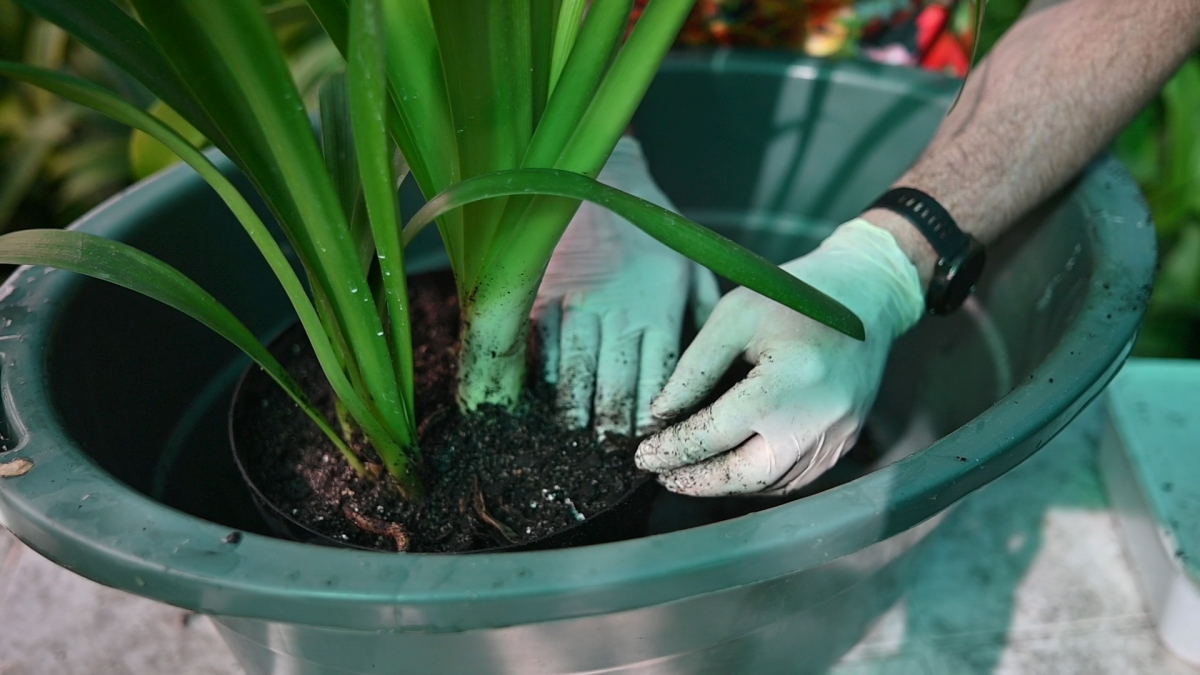
Autumn | Seed development & preparation | Protect seed heads using nets; pot on seedlings and divisions; divide mother plants and replant offsets; gradually reduce fertiliser as temperatures cool. |
Winter | Dormancy & seed harvest | Keep plants cool (5–20°C) and almost dry; harvest ripe seeds; clean plants and remove dead leaves; avoid repotting and fertilising during dormancy. |
Spring | Flowering & pollination | Gradually resume watering; provide bright indirect light; begin light feeding; monitor pests; hand pollinate selected flowers. |
Summer Clivia Care (November – February)
Growth, Feeding, and Plant Maintenance
Summer is the active growth period for Clivia plants. After spring flowering, plants focus on producing new foliage while developing berries from pollinated flowers.
At Utopia Clivias we apply a balanced liquid fertiliser, a systemic insecticide, and a fungicide soil treatment to support healthy growth while protecting plants from pests and diseases during the warmer months.
Feed Your Clivias
After flowering, plants benefit from a balanced feeding program.
At Utopia Clivias we apply:
A balanced liquid fertiliser
A systemic insecticide
A fungicide soil treatment
This combination supports healthy growth while protecting plants from pests and diseases during the warmer months.
Manage Heat and Watering
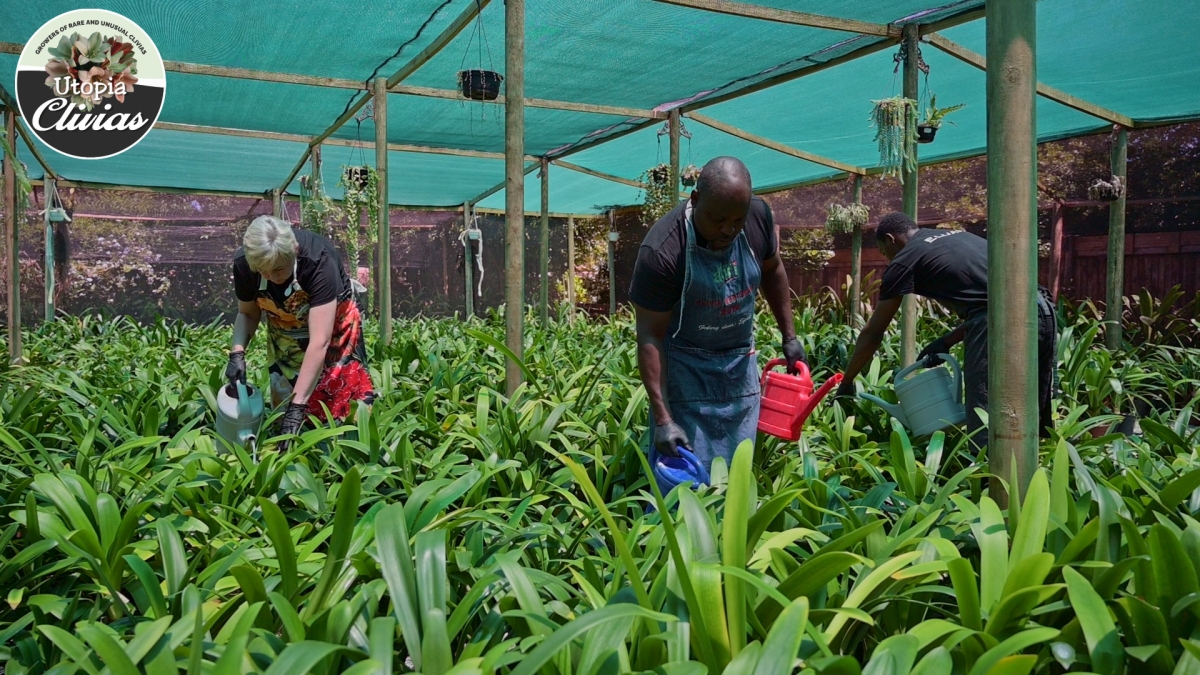
Summer temperatures can be intense, particularly in South African shade houses.
Best practices include:
Maintaining good airflow
Keeping shade structures cool
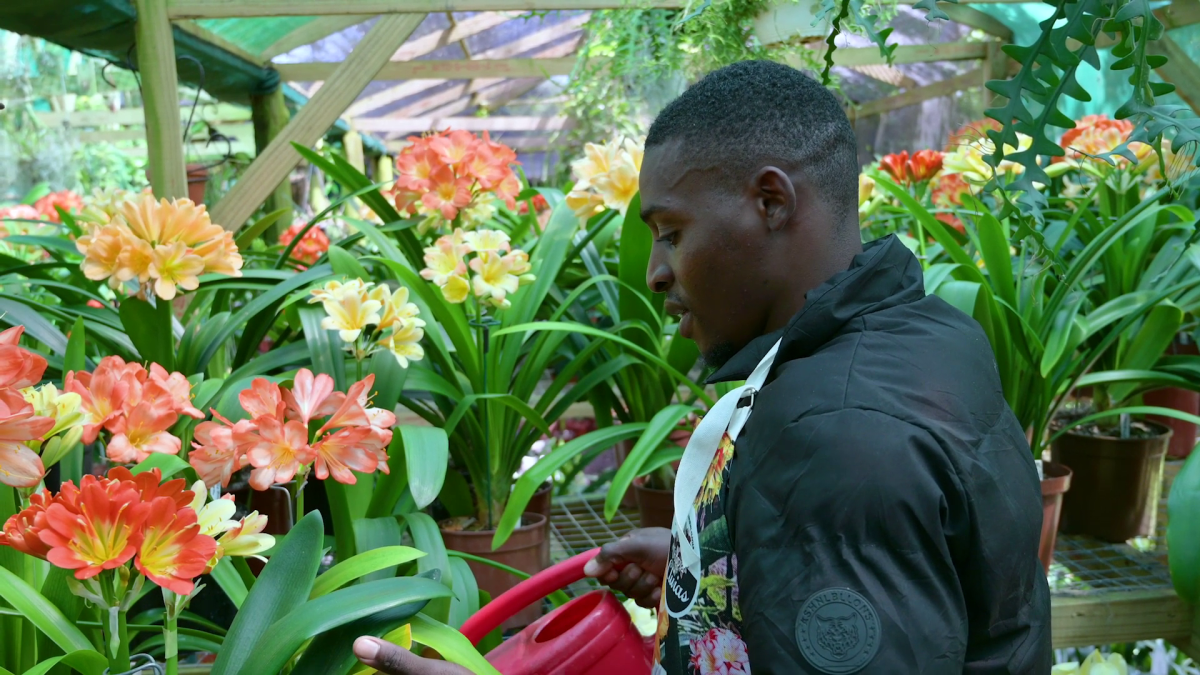
Watering regularly but avoiding overwatering
Ensuring excellent drainage
Too much heat combined with excess moisture can encourage fungal problems.
Watch for Root and Stem Rot
Warm, humid conditions can cause fungal diseases.
Preventative measures include:
Monitoring plants regularly
Using hydrogen peroxide or contact/systemic fungicides around the root zone
Maintaining healthy airflow
Early intervention prevents serious damage to plants.
Autumn Clivia Care (March – May)
Seed Protection and Plant Management
Autumn is a transitional period when Clivias prepare for their winter dormancy.
It is also an important time for protecting developing seed pods and managing young plants.
Protect Developing Seeds
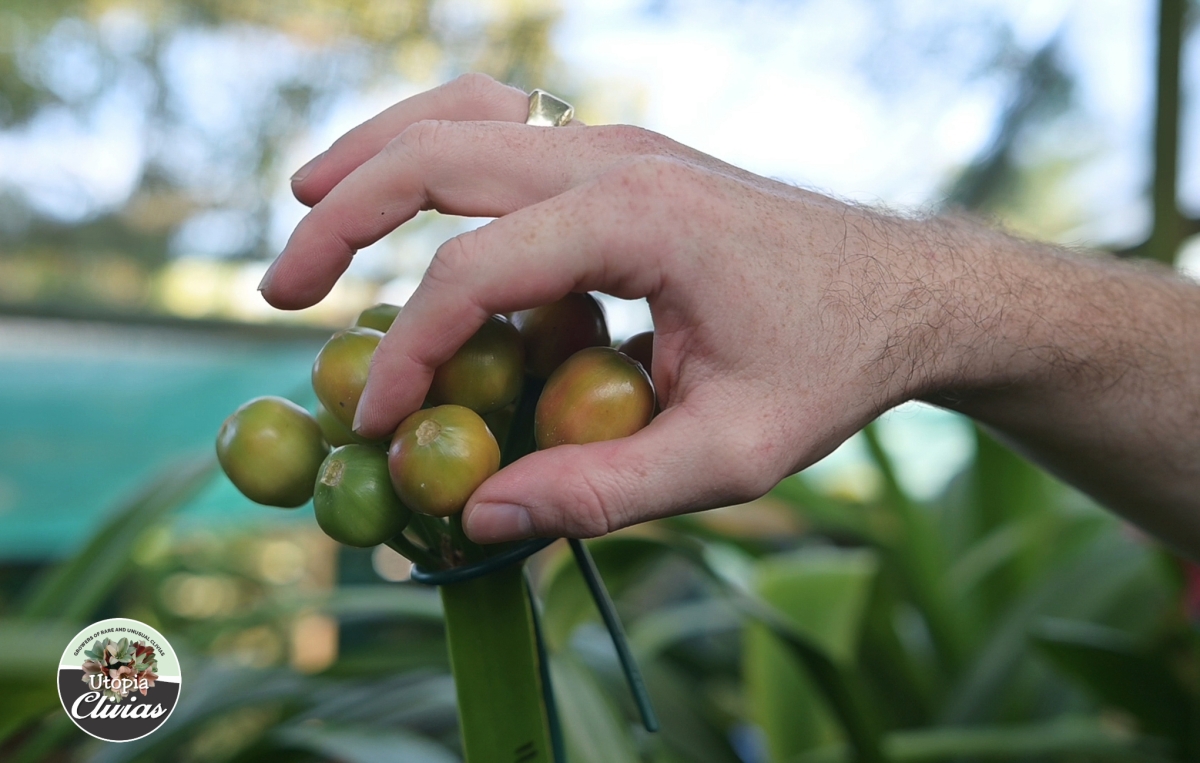
Clivia berries continue to mature during autumn.
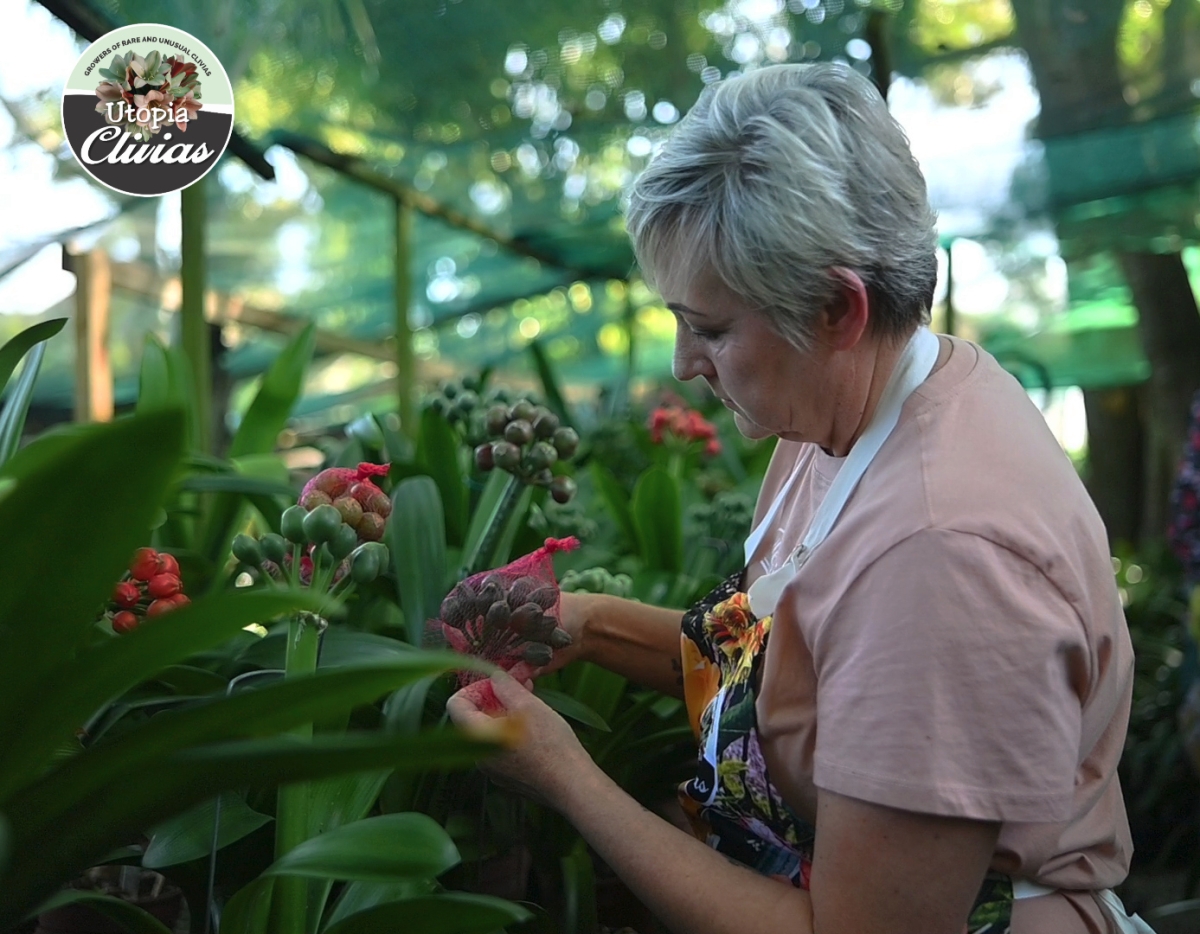
Seed heads should be:
Staked for support
Protected with vegetable netting or mesh
This prevents stems from breaking and ensures seeds mature successfully.
Plant Out Seedlings
March is an excellent time to transplant young plants.
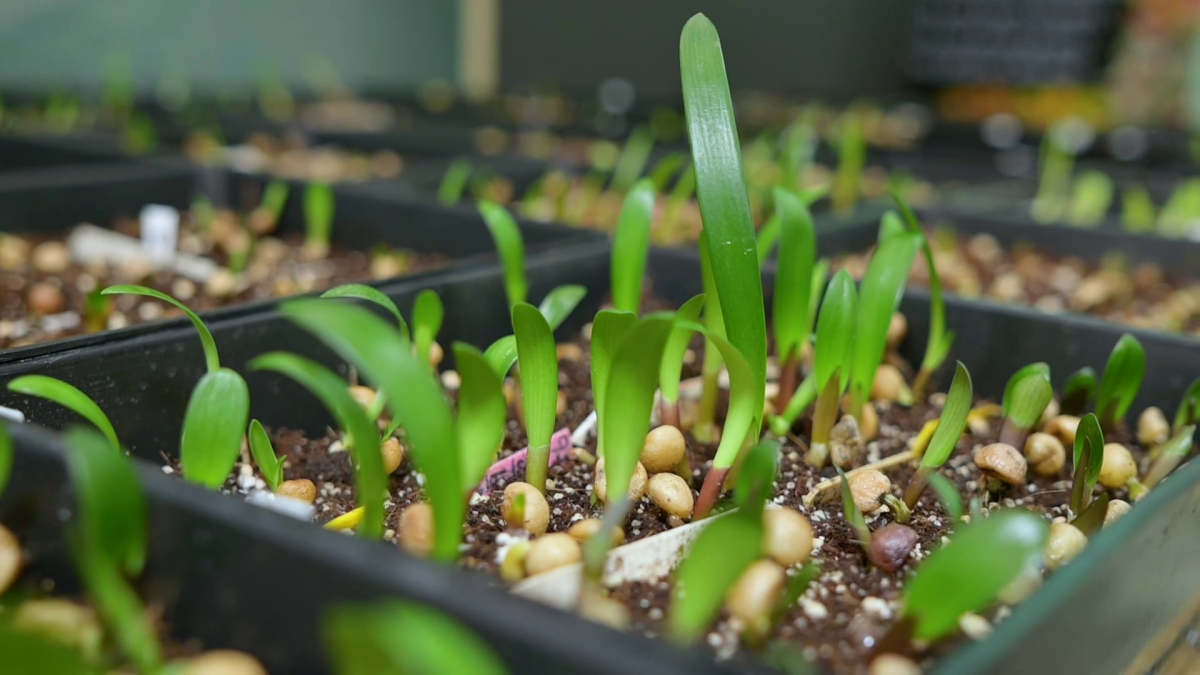
One- and two-year-old seedlings can be moved from trays
Plant them into individual pots or community containers
This allows the root systems to establish before winter.
Repotting and Dividing Clivias
Autumn is also an ideal time to:
Repot larger plants
Divide mature Clivia clumps
Replant offsets from mother plants
Cooler temperatures reduce stress and allow plants to settle before winter.
Winter Clivia Care (June – August)
Dormancy and Seed Harvesting
Winter is a crucial rest period for Clivias. Cool temperatures encourage the development of the next season’s flower buds.
Proper winter care strongly influences spring flowering.
Harvesting Clivia Seeds
Clivia berries typically ripen between June and August.
Seeds are ready when berries feel soft when gently pressed.
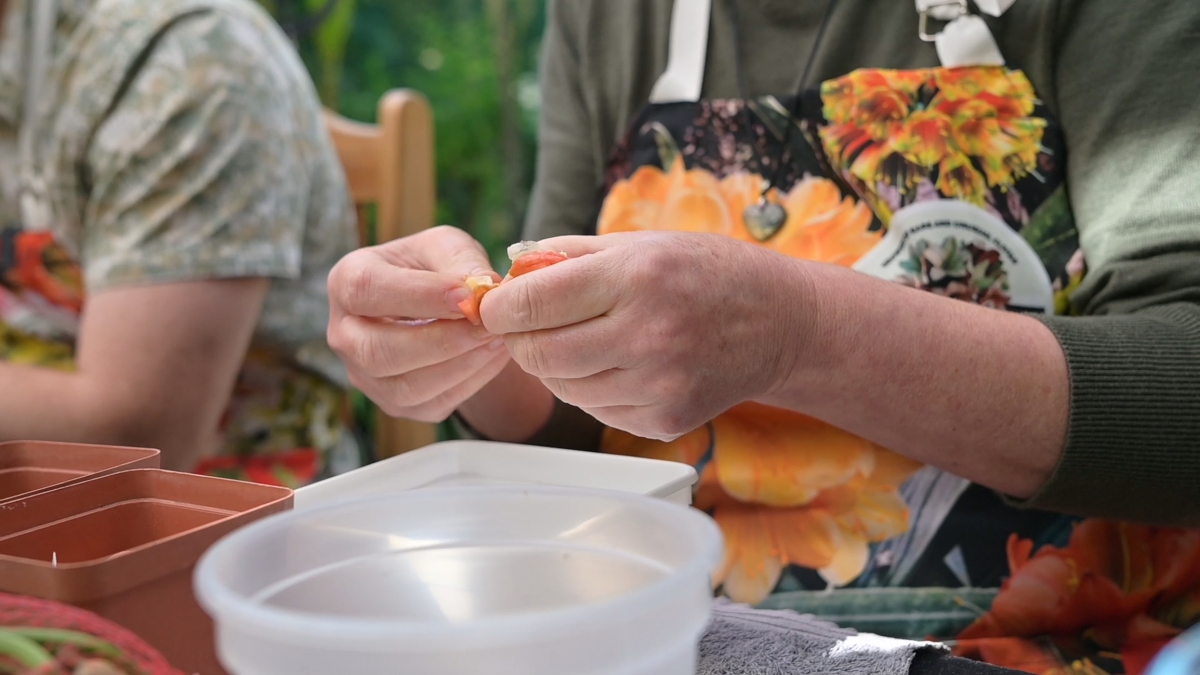
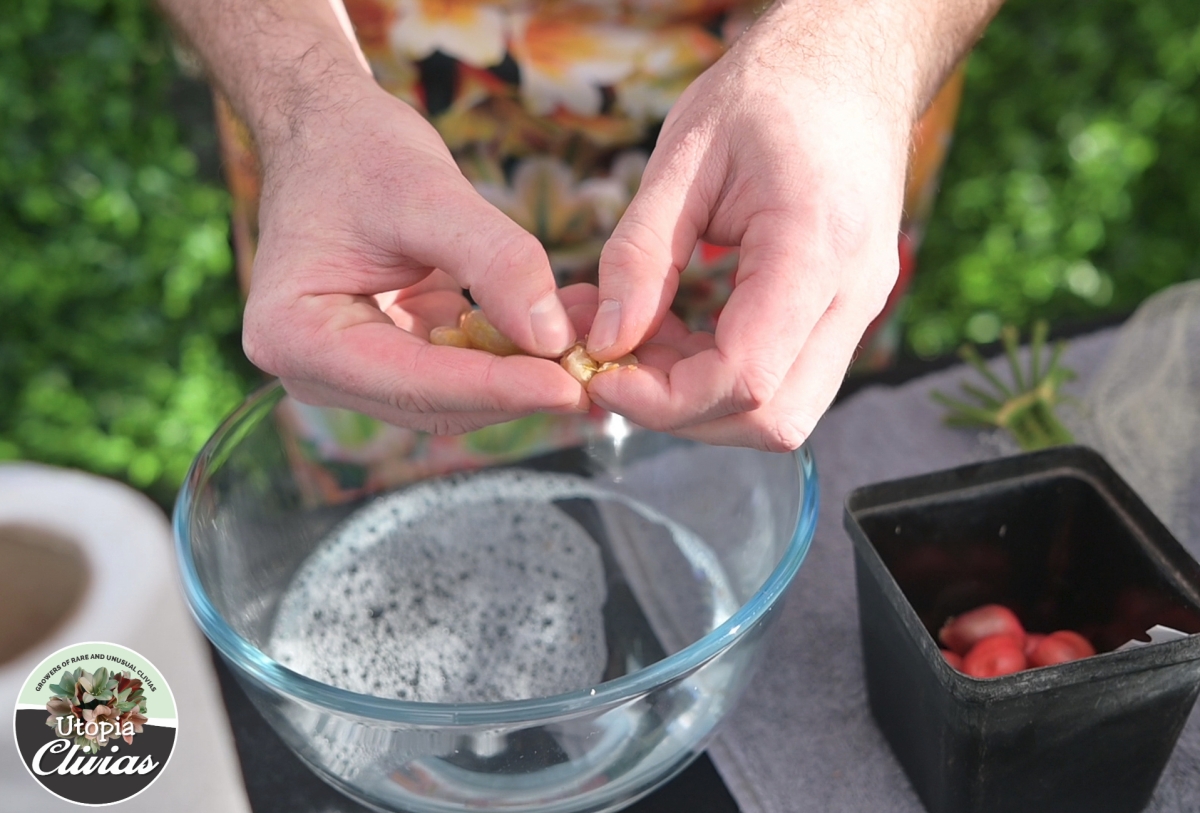
Seed Preparation Steps
Harvest berries using clean scissors or a knife
Wash seeds to remove all pulp
Disinfect seeds with mild bleach, fungicide, or hydrogen peroxide
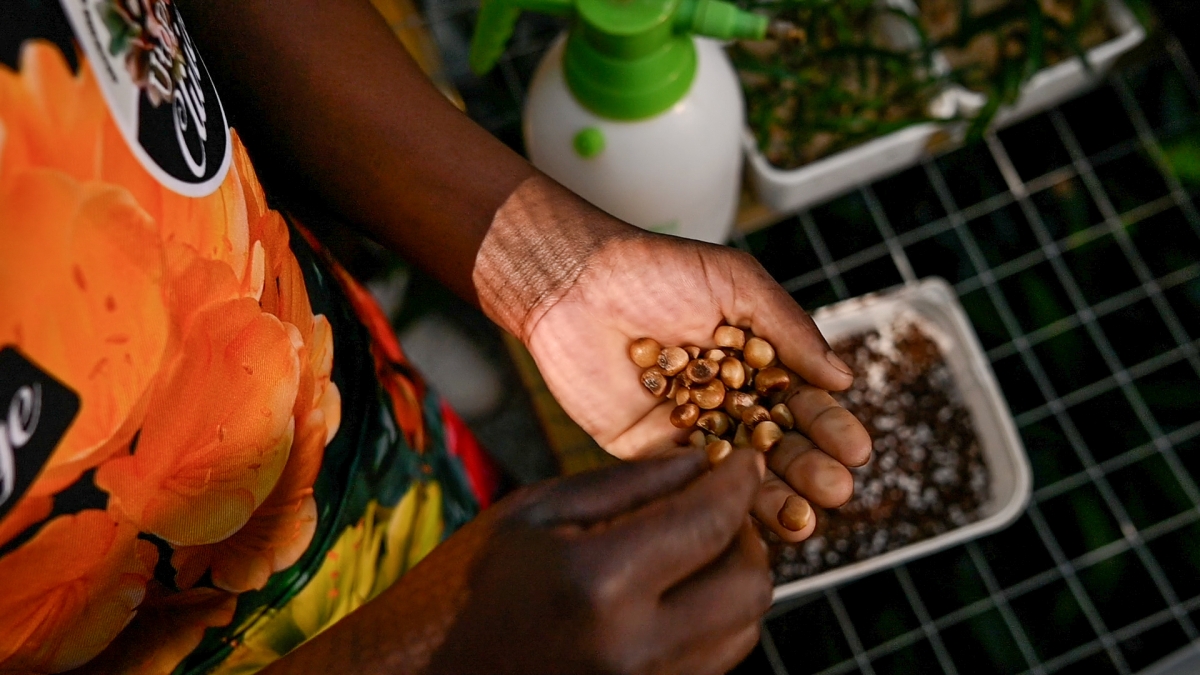
Allow seeds to air dry for 24–48 hours
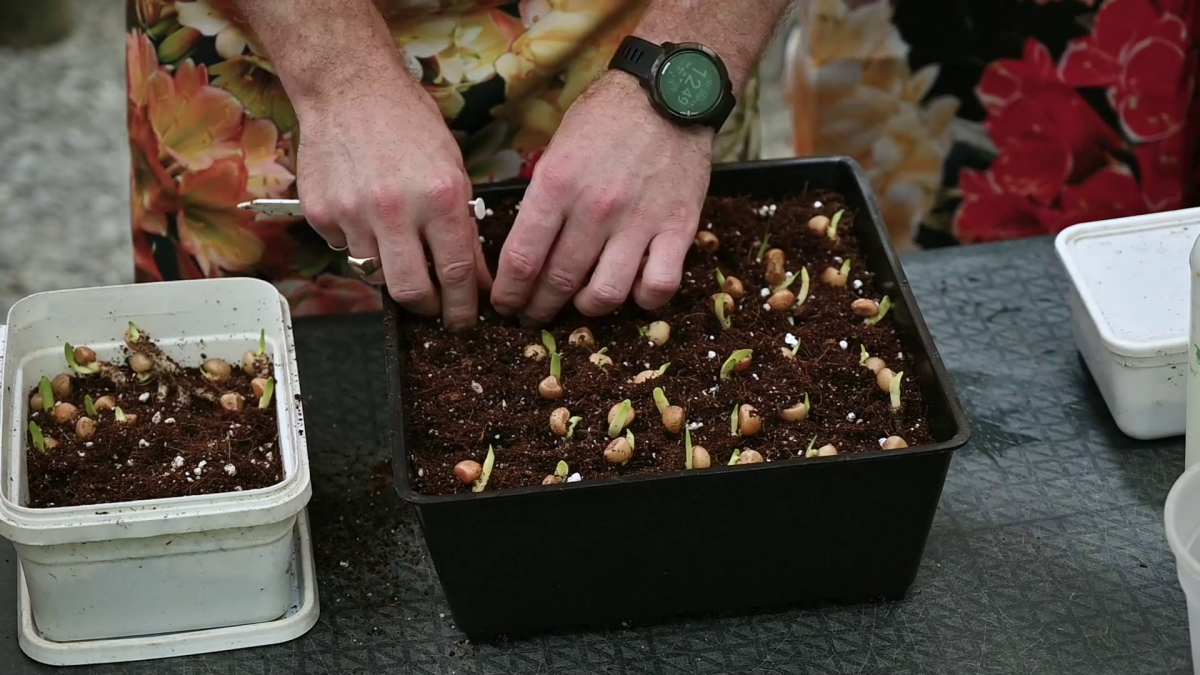
Sow immediately or store temporarily in the refrigerator
Always label seeds with the parent cross and date for breeding records.
Reduce Watering
During winter, Clivias require very little water.
Water only when soil becomes almost completely dry
Avoid constant moisture
Ensure containers drain well
Overwatering during winter is one of the most common causes of plant problems.
Maintain Cool Temperatures
Clivias require cool winter temperatures for successful flowering.
Ideal conditions:
Night: 5–10°C
Day: 18–20°C
Plants should be protected from frost but not kept in warm heated spaces, as this can interfere with flower development.
Spring Clivia Care (August – September)
Bud Development, Flowering, and Pollination
Spring is the most exciting time in the Clivia growing cycle. Plants break dormancy, flower spikes emerge, and the breeding season begins.
Increase Watering Gradually
As buds begin to push:
Gradually increase watering
Avoid sudden heavy irrigation
Maintain good drainage
Begin Light Feeding
Start a balanced fertiliser at half strength to support flower development.
Avoid excessive nitrogen, which encourages leaf growth rather than flowers.
Monitor Pests
Spring pests can affect developing buds.
Watch for:
Mealybugs
Aphids
Early detection helps protect flowers.
Controlled Pollination
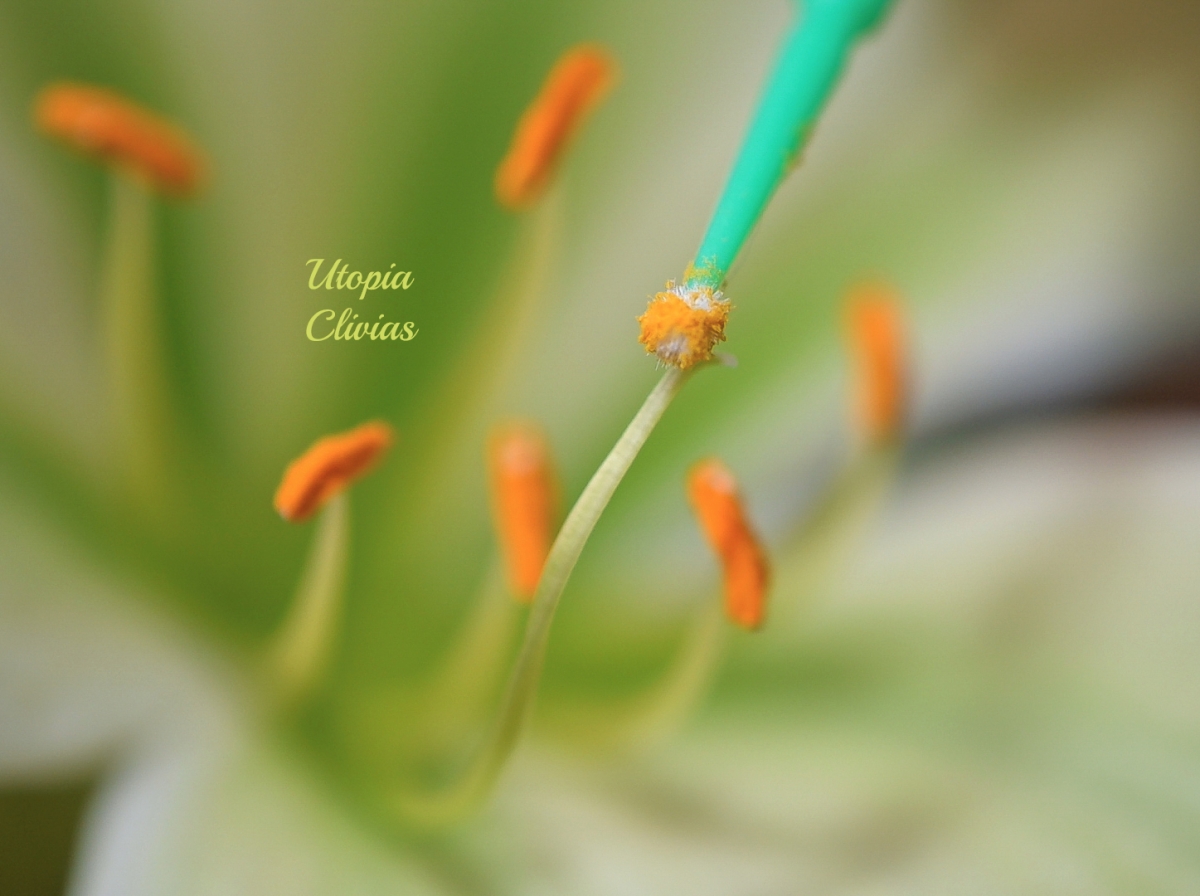
The best time to pollinate Clivia flowers is 3–5 days after the bloom opens, typically in the morning when pollen is most viable.
At Utopia Clivias every plant is hand pollinated to ensure controlled breeding and elite plant selection.
Accurate labeling and record keeping are essential when producing new hybrids.
Growing Better Clivias
Successful Clivia growing depends on working with the plant’s natural seasonal cycle. Each season plays an important role in plant health, flowering quality, and seed production.
By following a structured Clivia care calendar, growers can produce stronger plants, better flowers, and healthier seedlings year after year.
At Utopia Clivias, this seasonal approach forms the foundation of our nursery management and breeding programme.