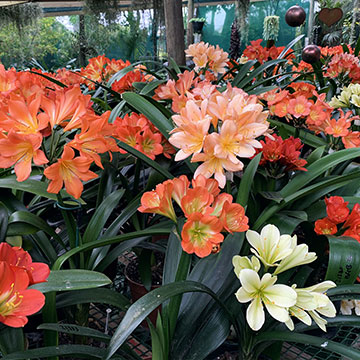
Clivia gardenii – Forest Clivia with Graceful Arching Leaves and Pendulous Flowers
Clivia gardenii is a graceful Clivia species native to South Africa, prized for its arching green leaves, pendulous flowers, and versatility in breeding programs. Found in the mistbelt forests of KwaZulu-Natal, it remains a fascinating species for collectors, gardeners, and hybridisers alike.
Natural Habitat and Distribution
Clivia gardenii naturally occurs in evergreen forests beneath tall, closed canopies, particularly in the Maputaland-Pondoland region, the Midlands, and Ngome Forest of KwaZulu-Natal.
The species thrives in well-drained loamy soil on steep slopes or cliffs, but some populations are also found in marshy areas, demonstrating its adaptability. Plants flourish in shaded, humid conditions under 20 m-high forest canopies, preferring environments that balance moisture with excellent drainage.
Growth Habit and Plant Structure
Clivia gardenii grows to 800–1300 mm tall, with 10–12 bright green leaves emerging from the base:
Leaf width: 25–60 mm
Leaf length: 350–900 mm, tapering to a soft point
Leaves are arching and gracefully spaced, forming an open rosette
Population Differences
Midlands Form
Narrower, more arching leaves
Compact growth habit
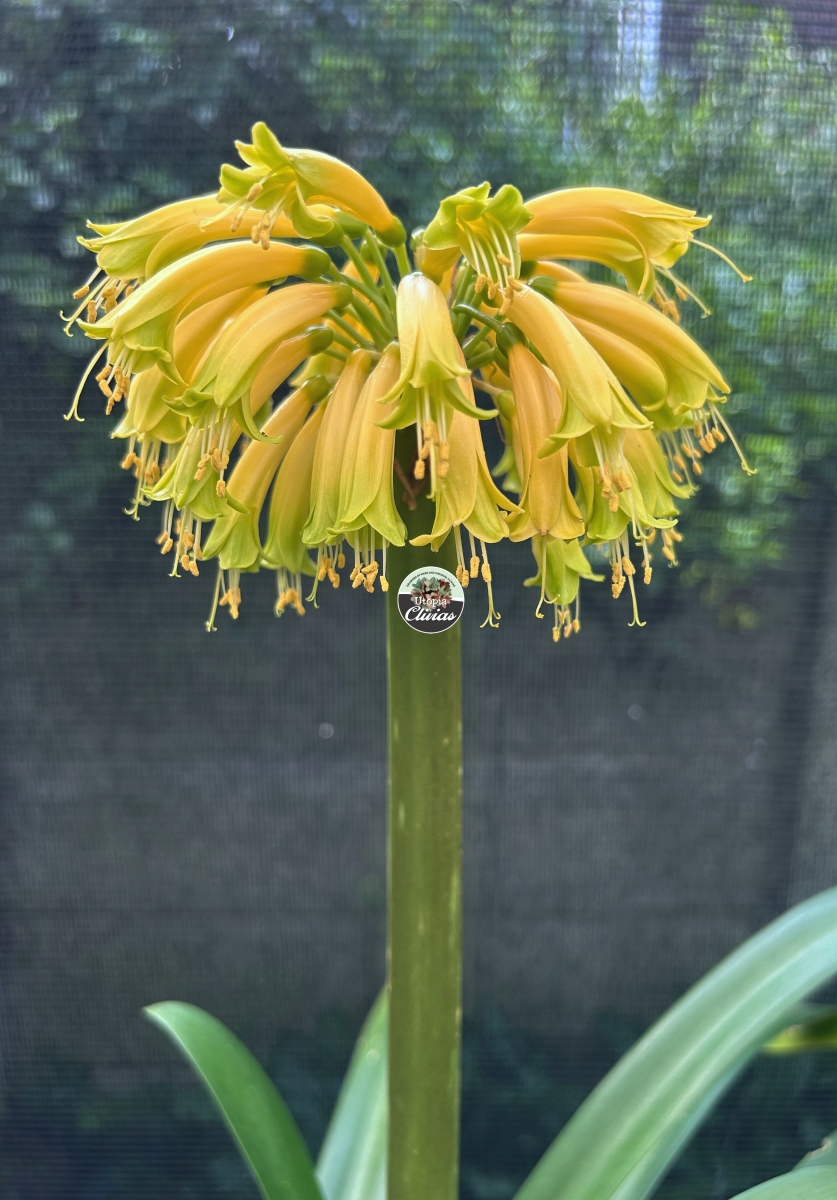
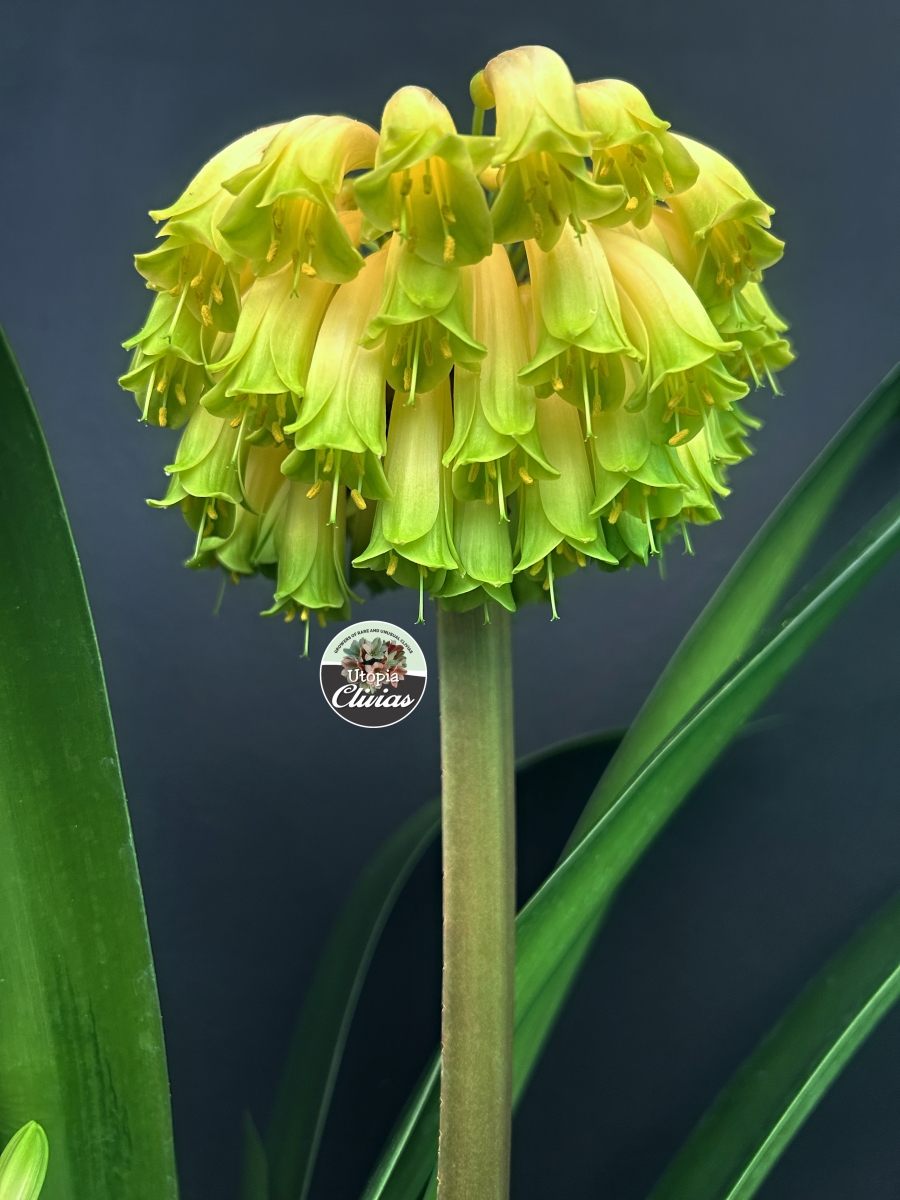
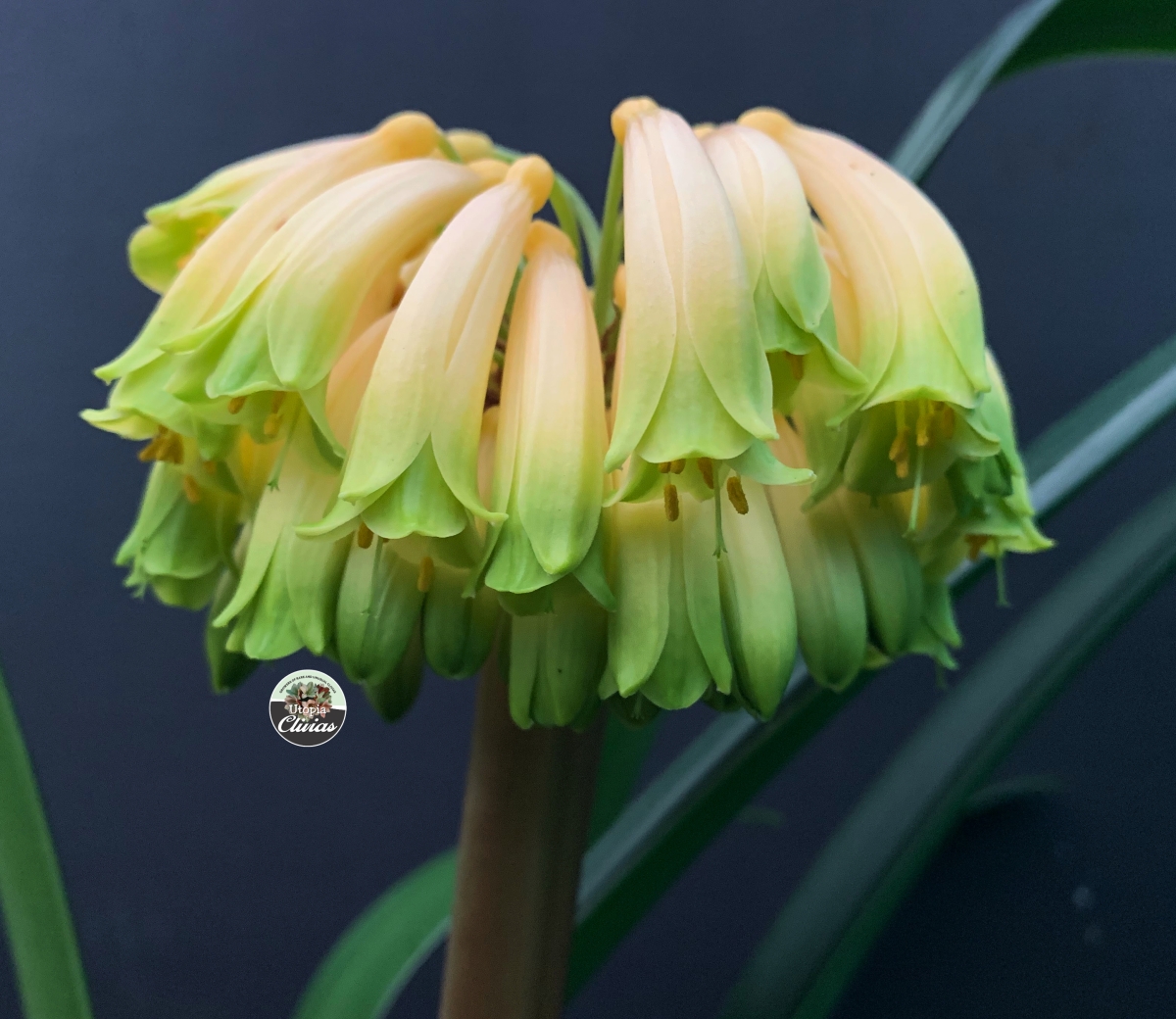
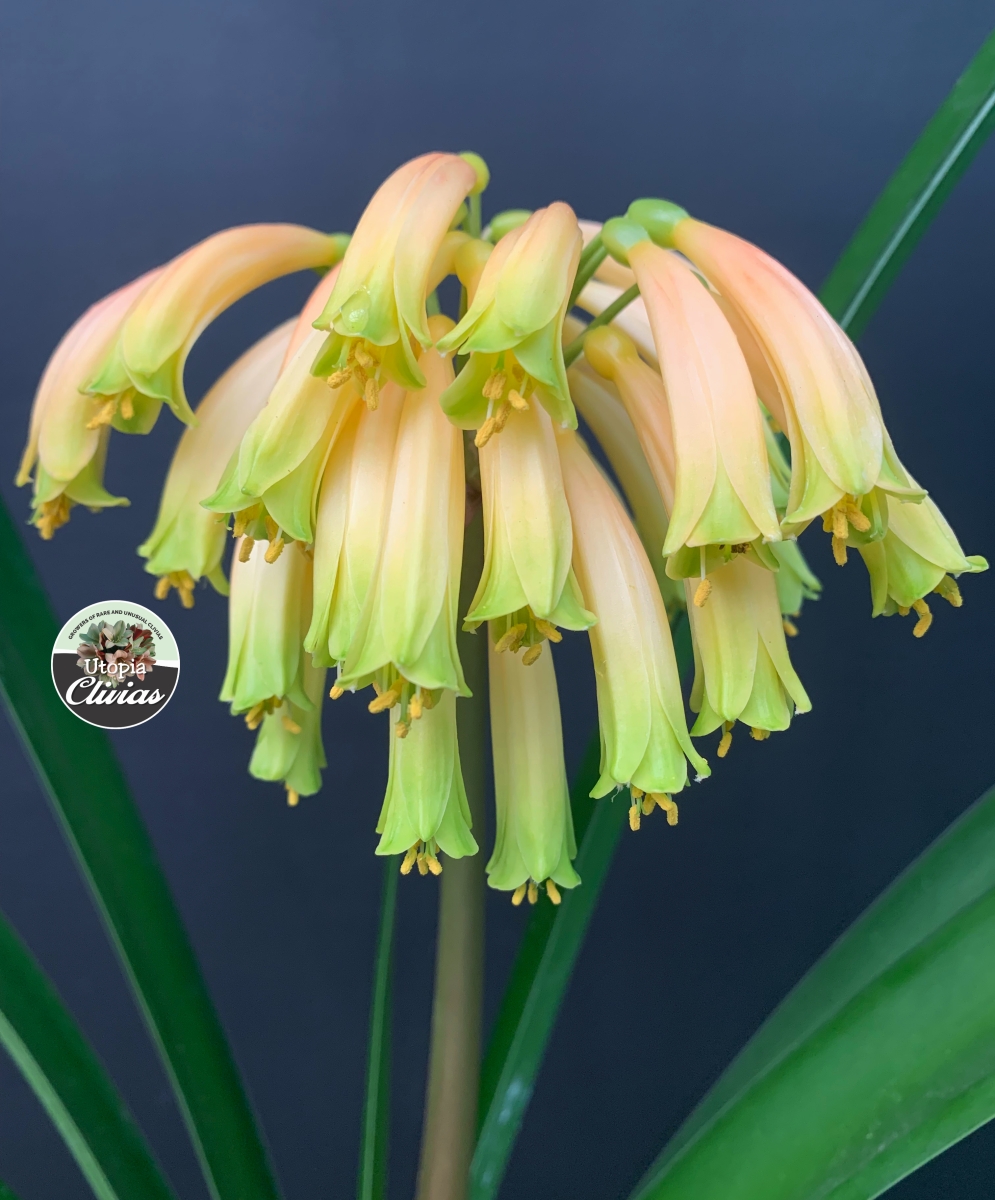
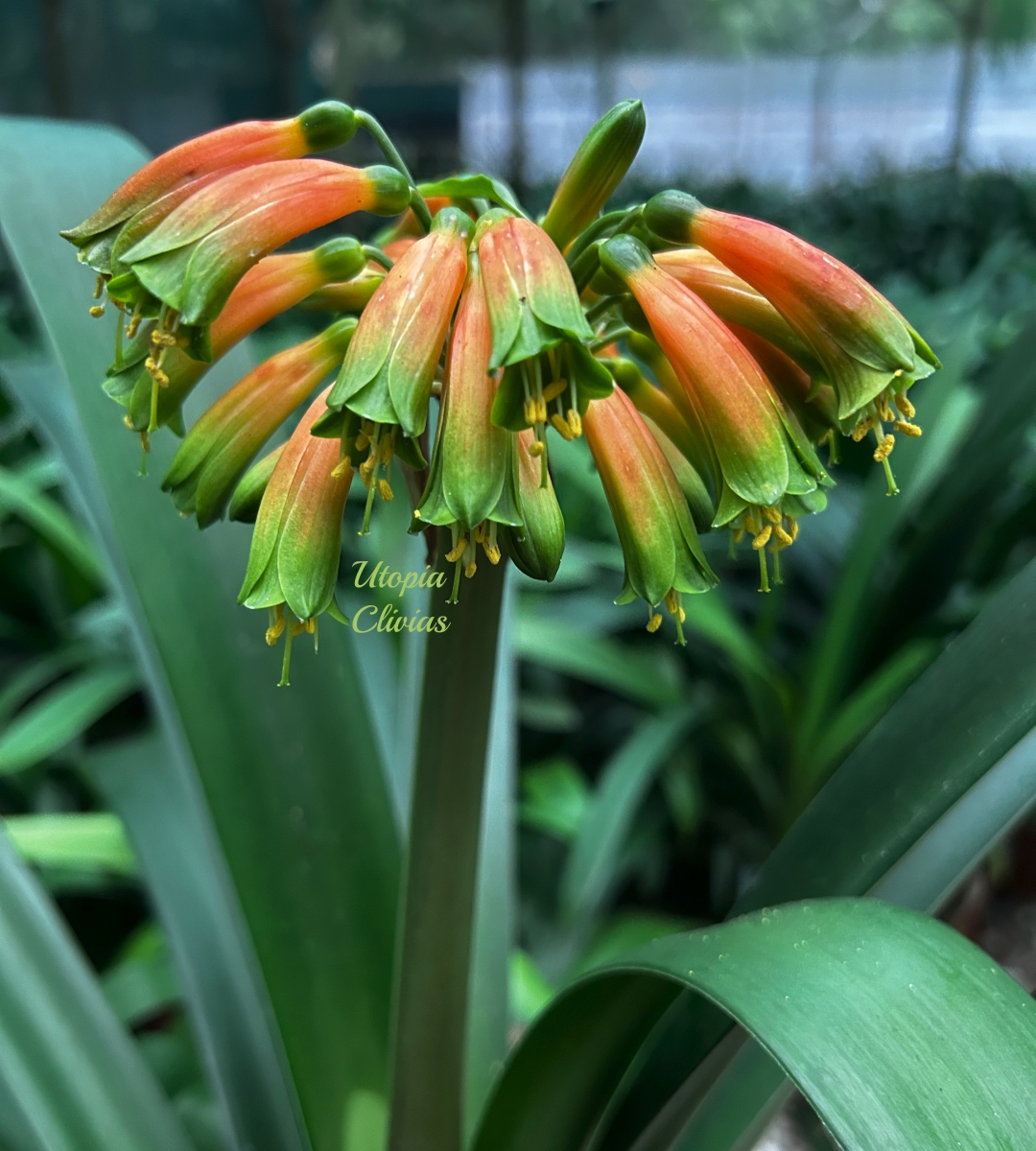
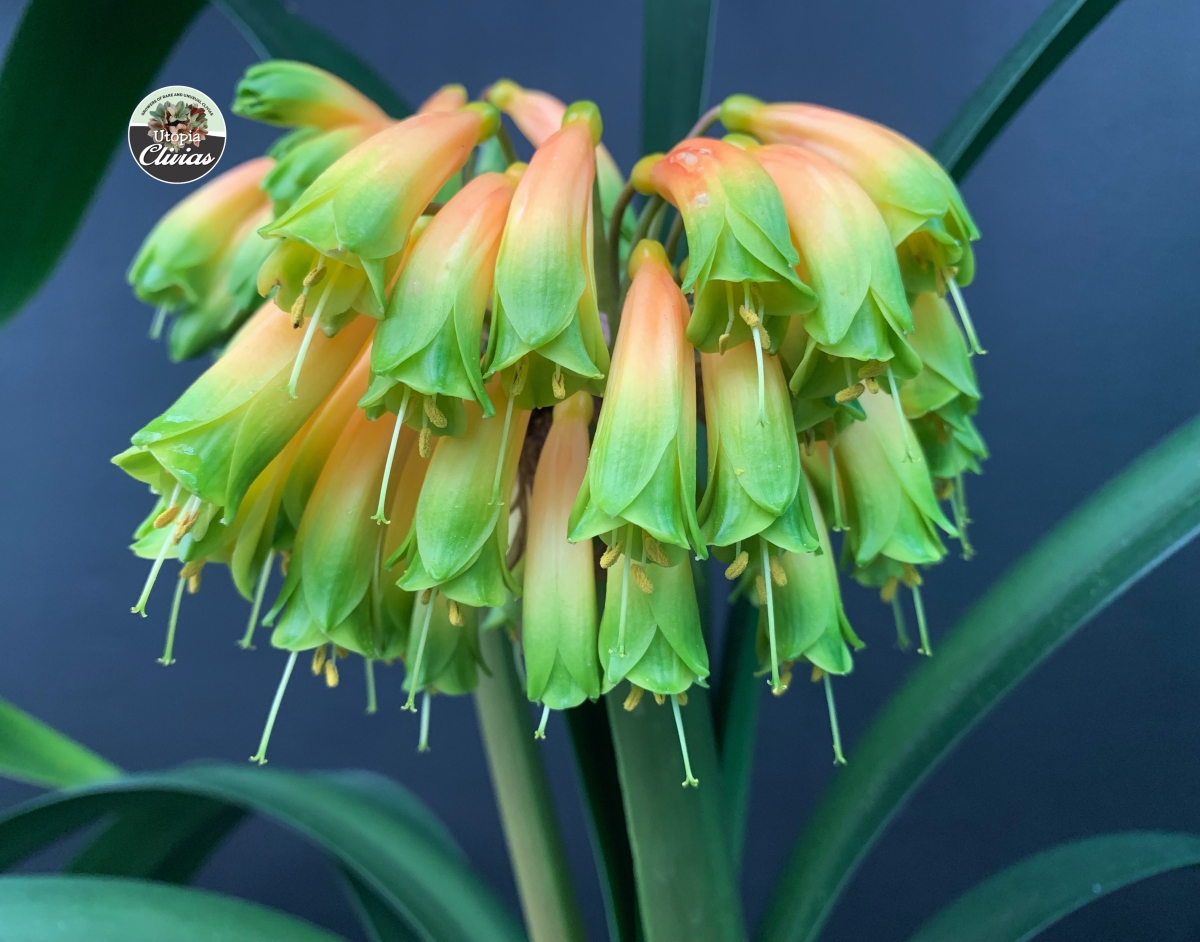
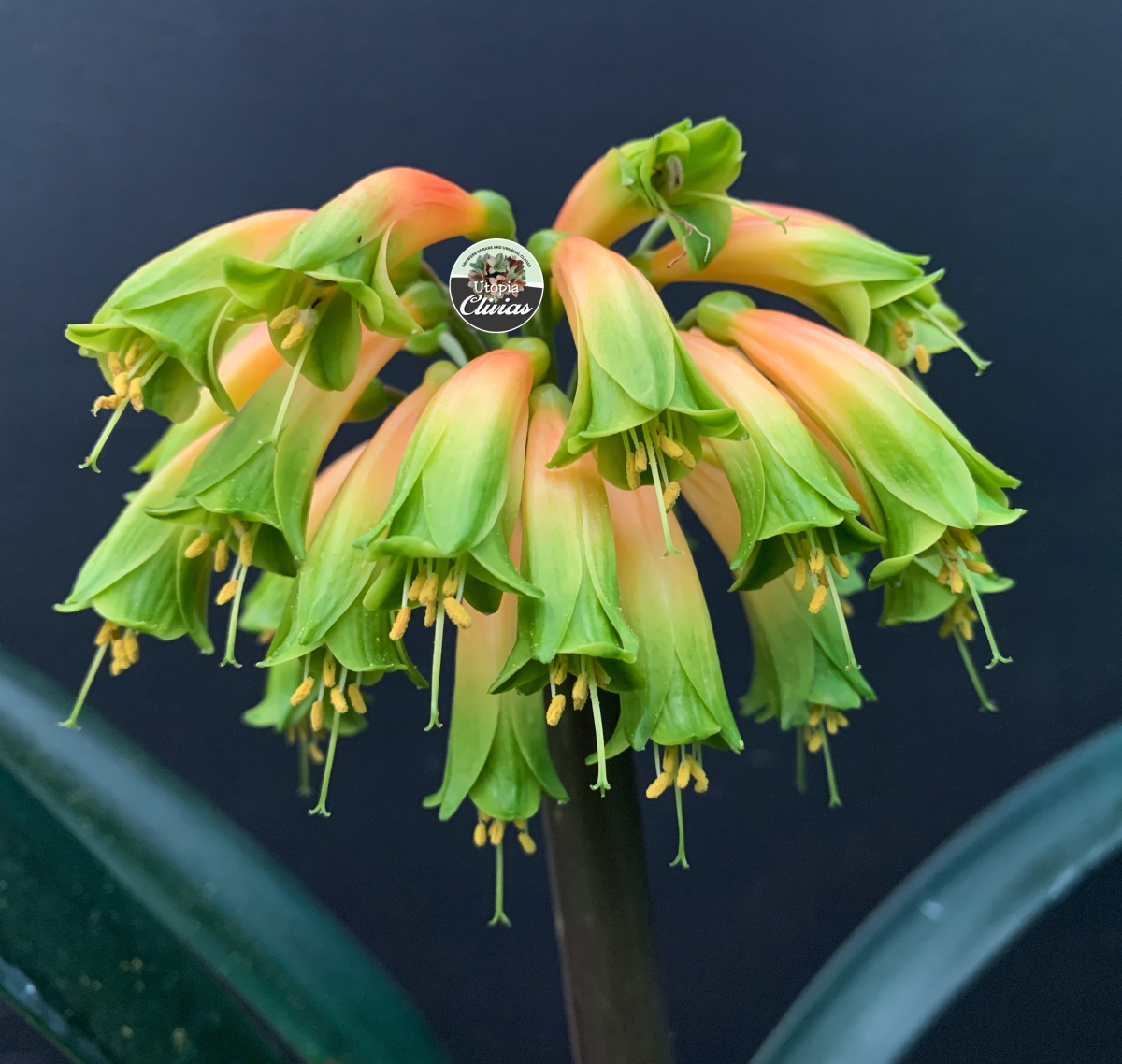
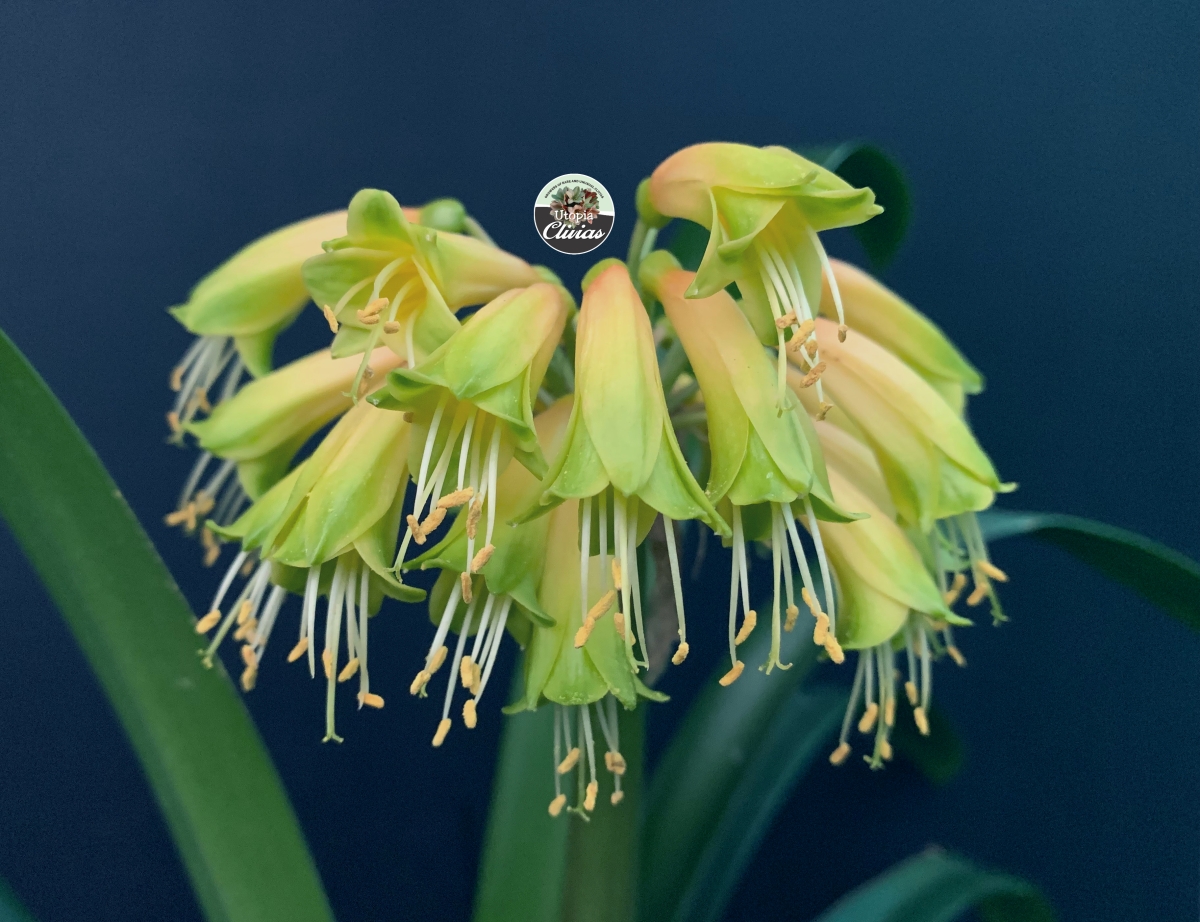
Flowers are more tubular and pendulous
Flower scapes slightly shorter and more graceful
Ngome Form
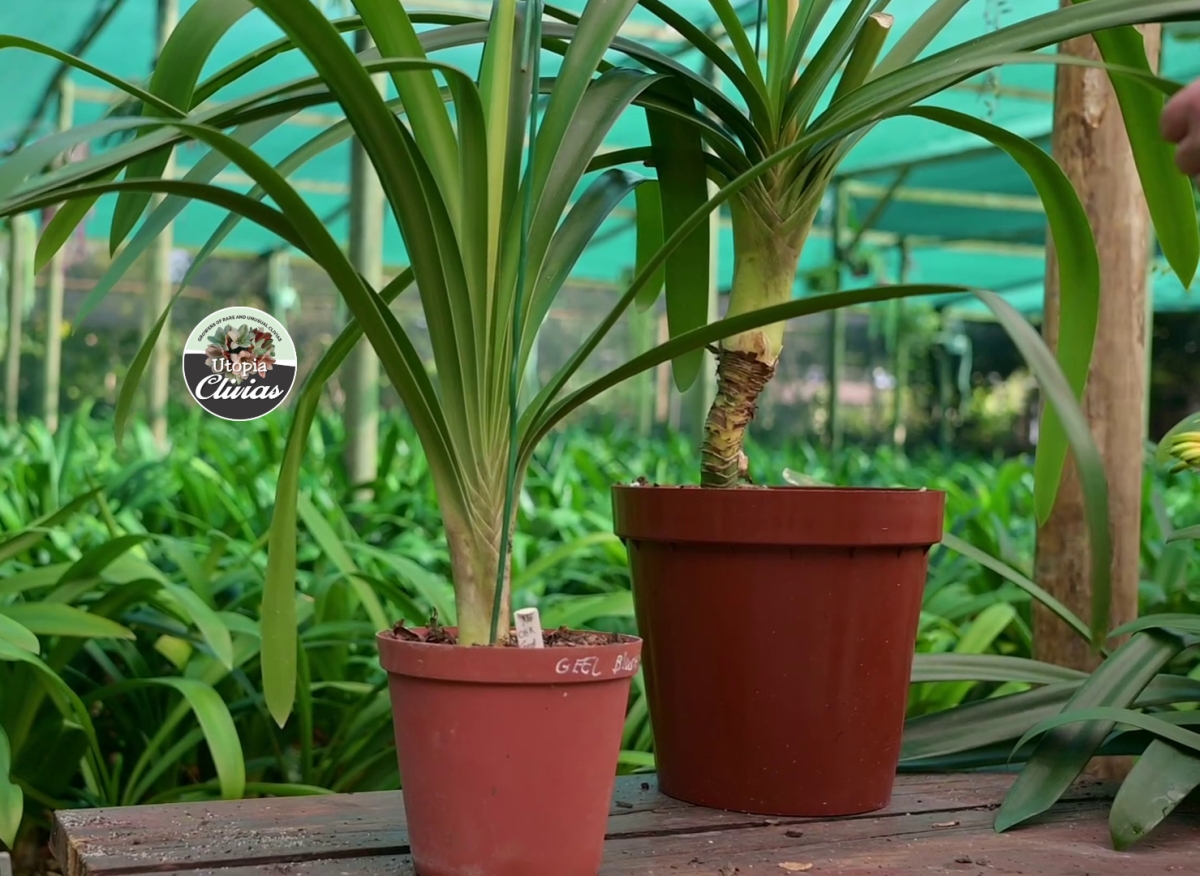
More upright and robust growth
Slightly broader leaves
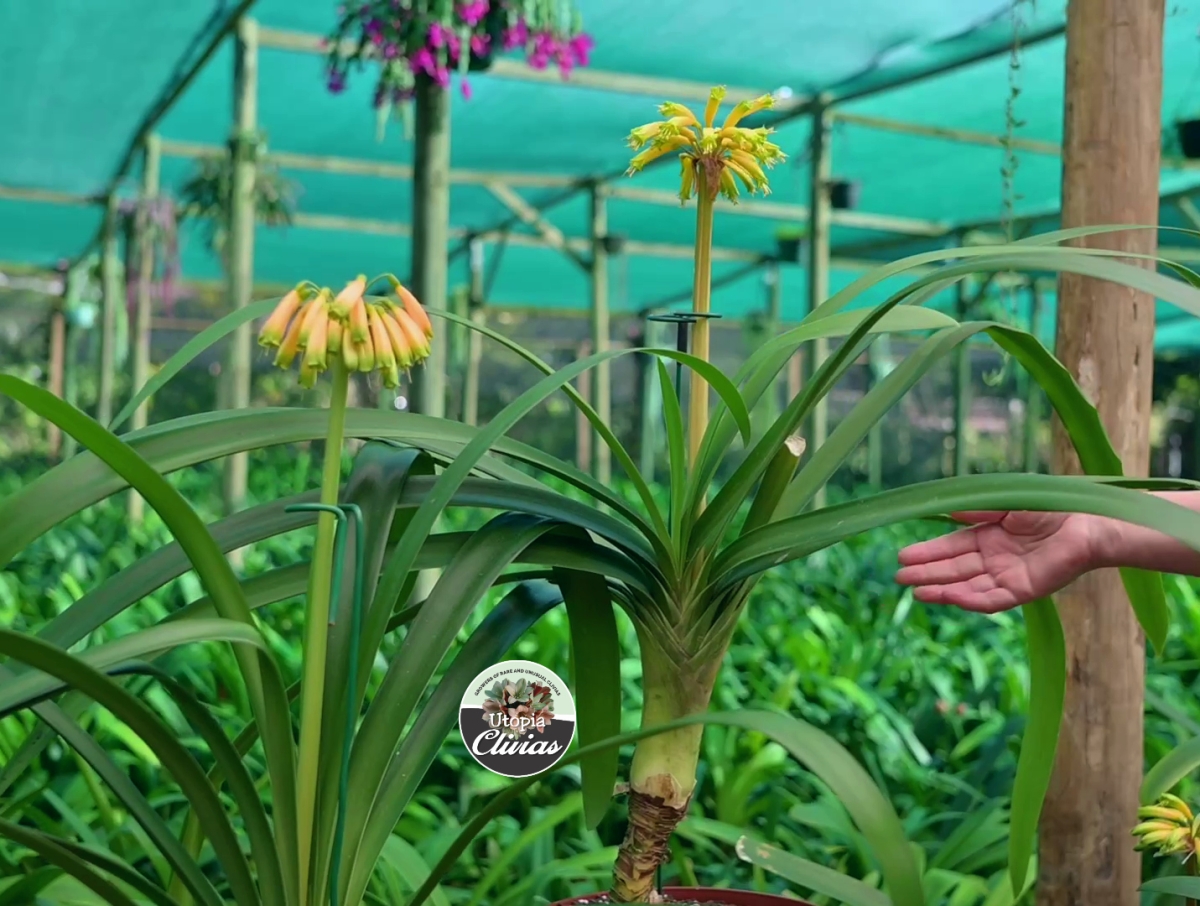
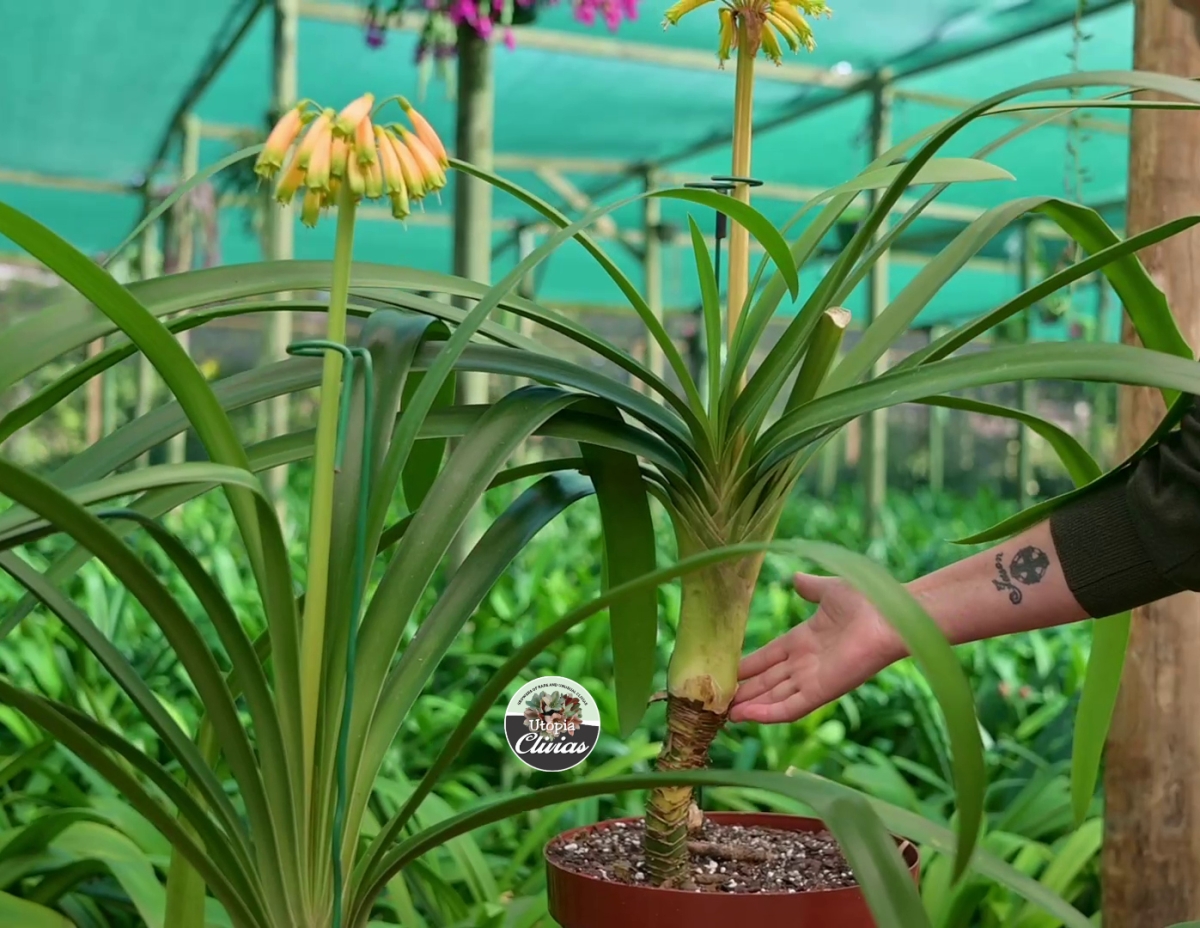
Develops a slight but significant stem as it matures
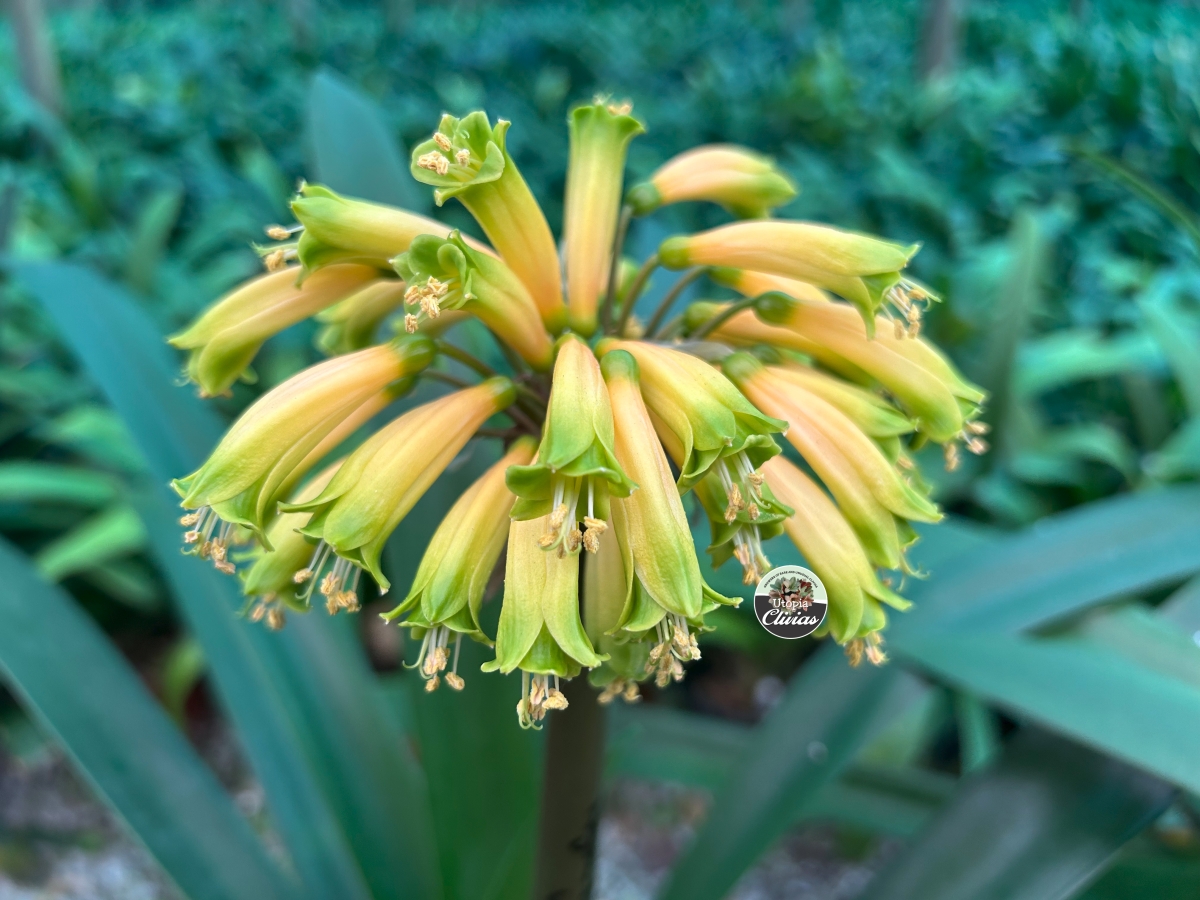
Flower scapes taller with a wider, more open display
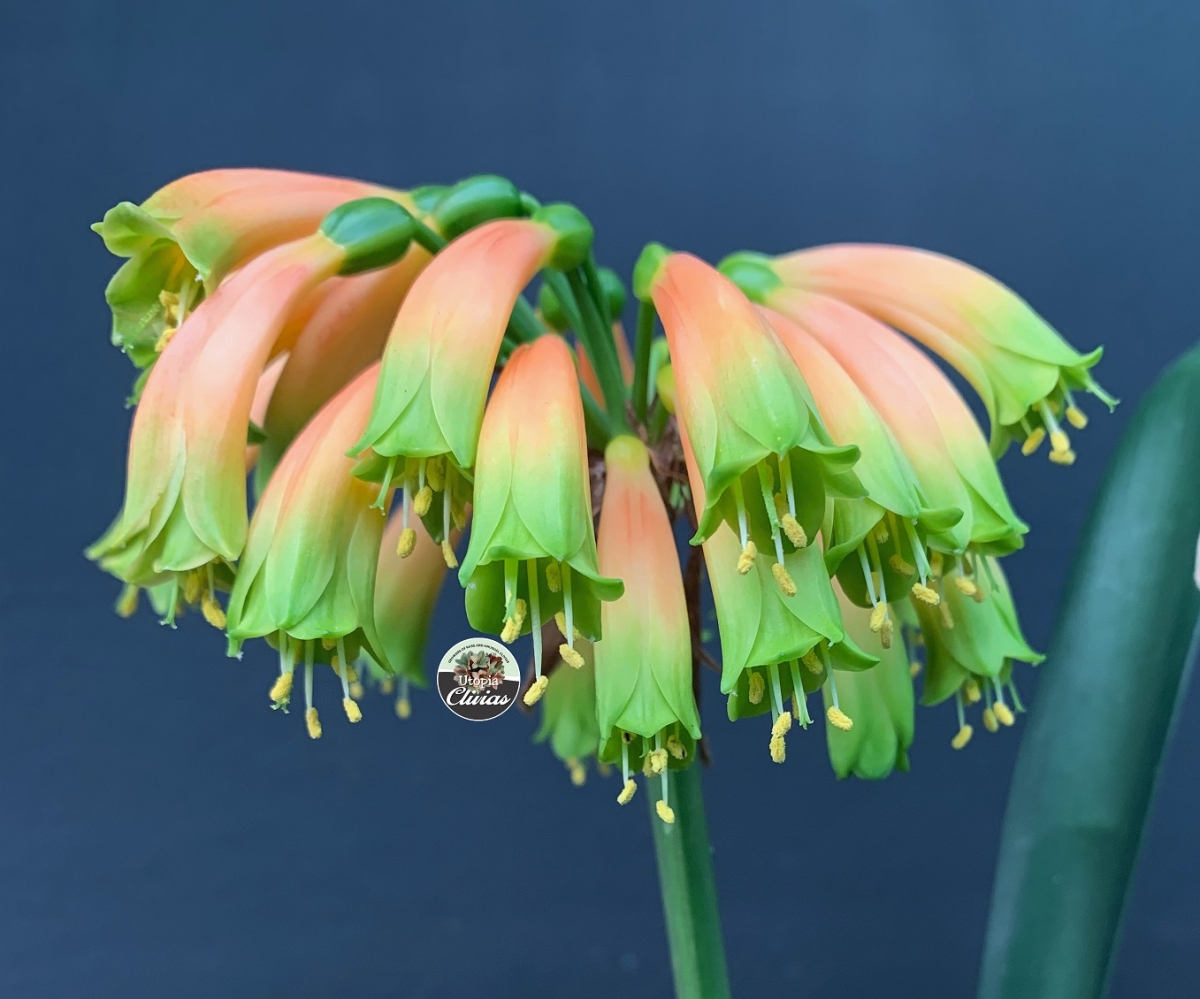
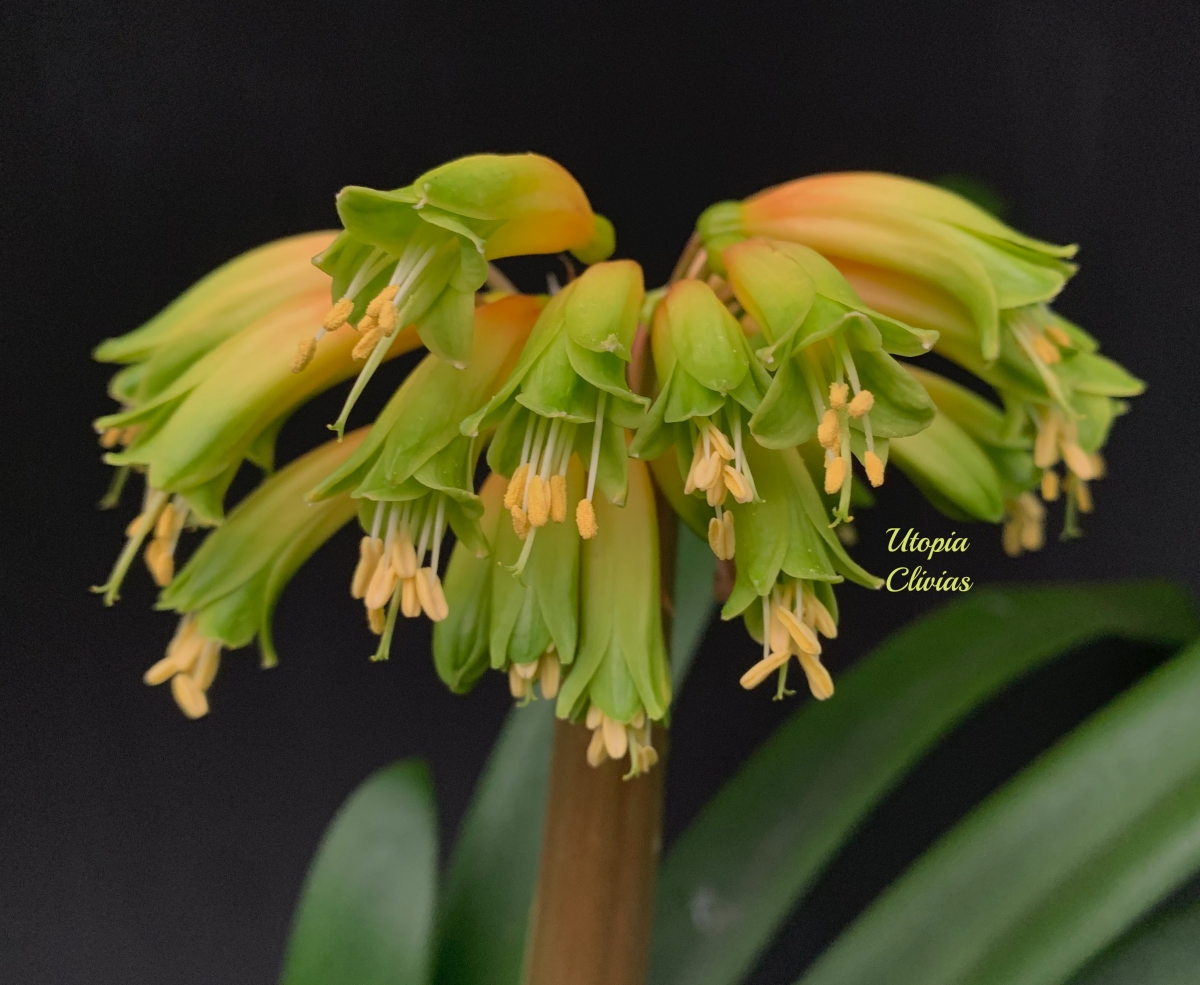
Flowers slightly recurved with more intense green tips
These differences highlight the natural variation within Clivia gardenii, making both forms attractive to collectors and breeders for different traits.
Flowers and Flowering Season
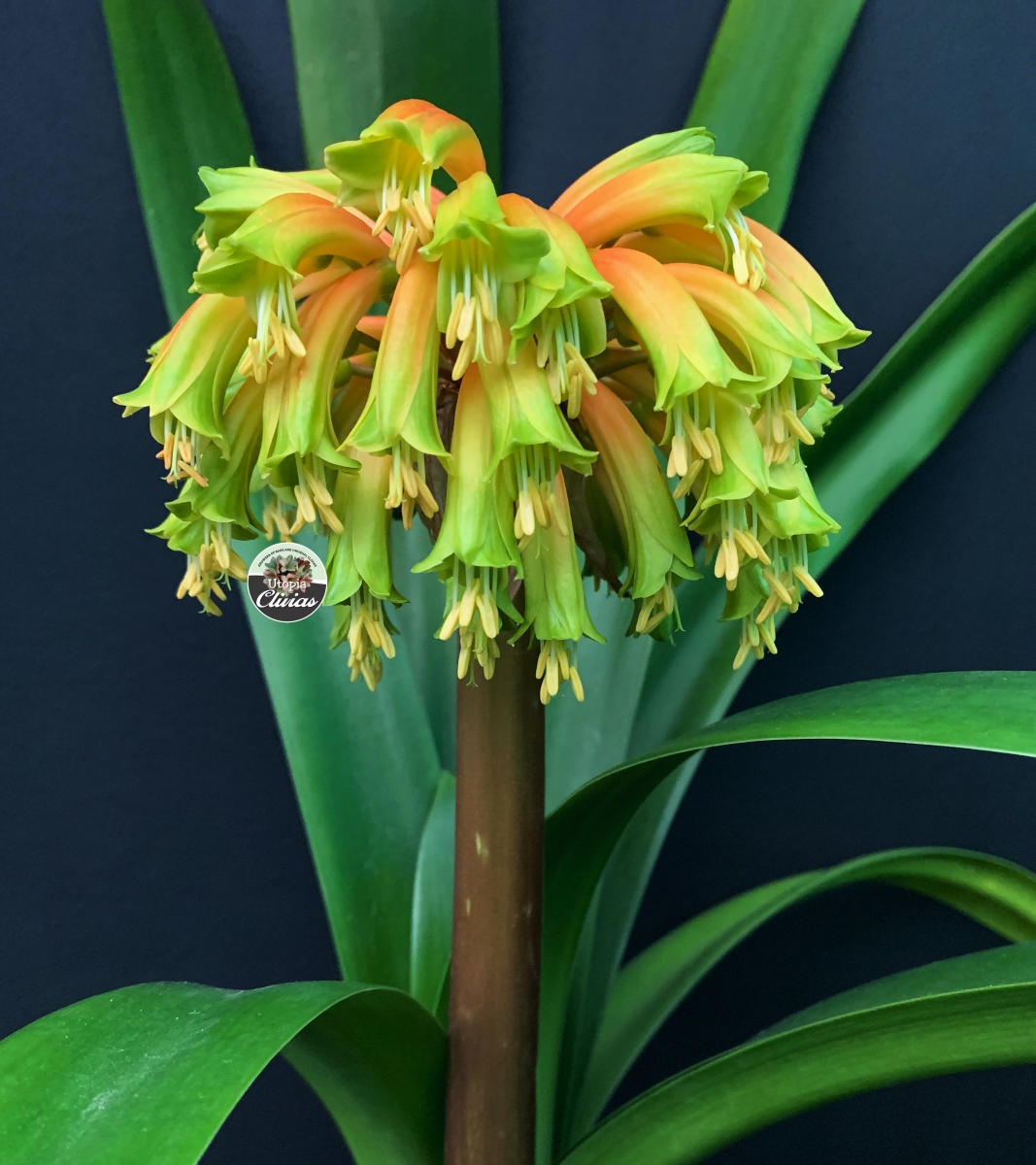
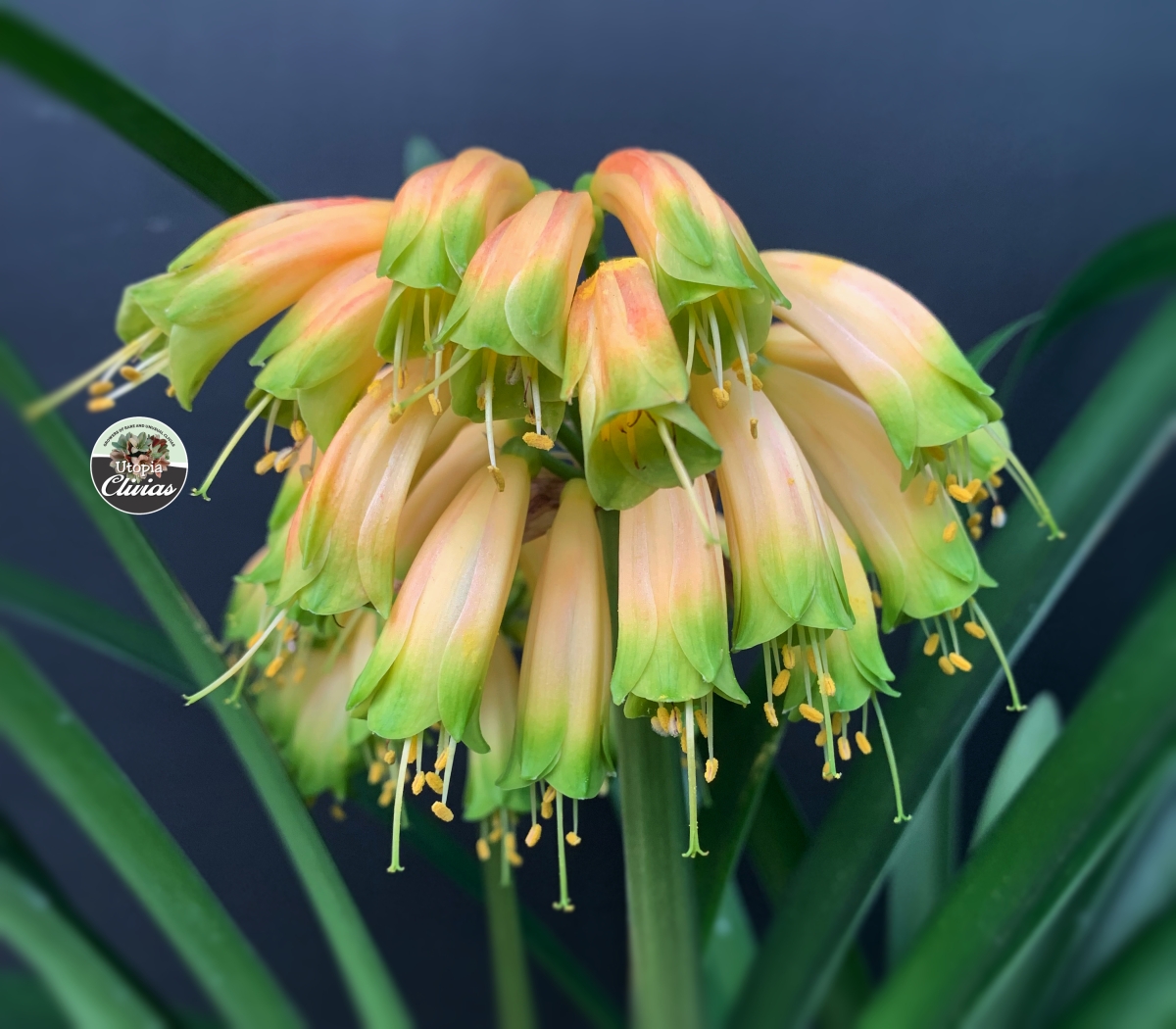
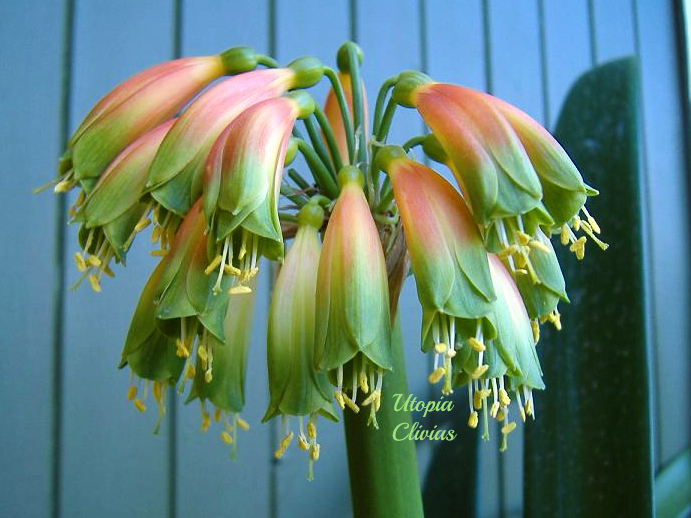
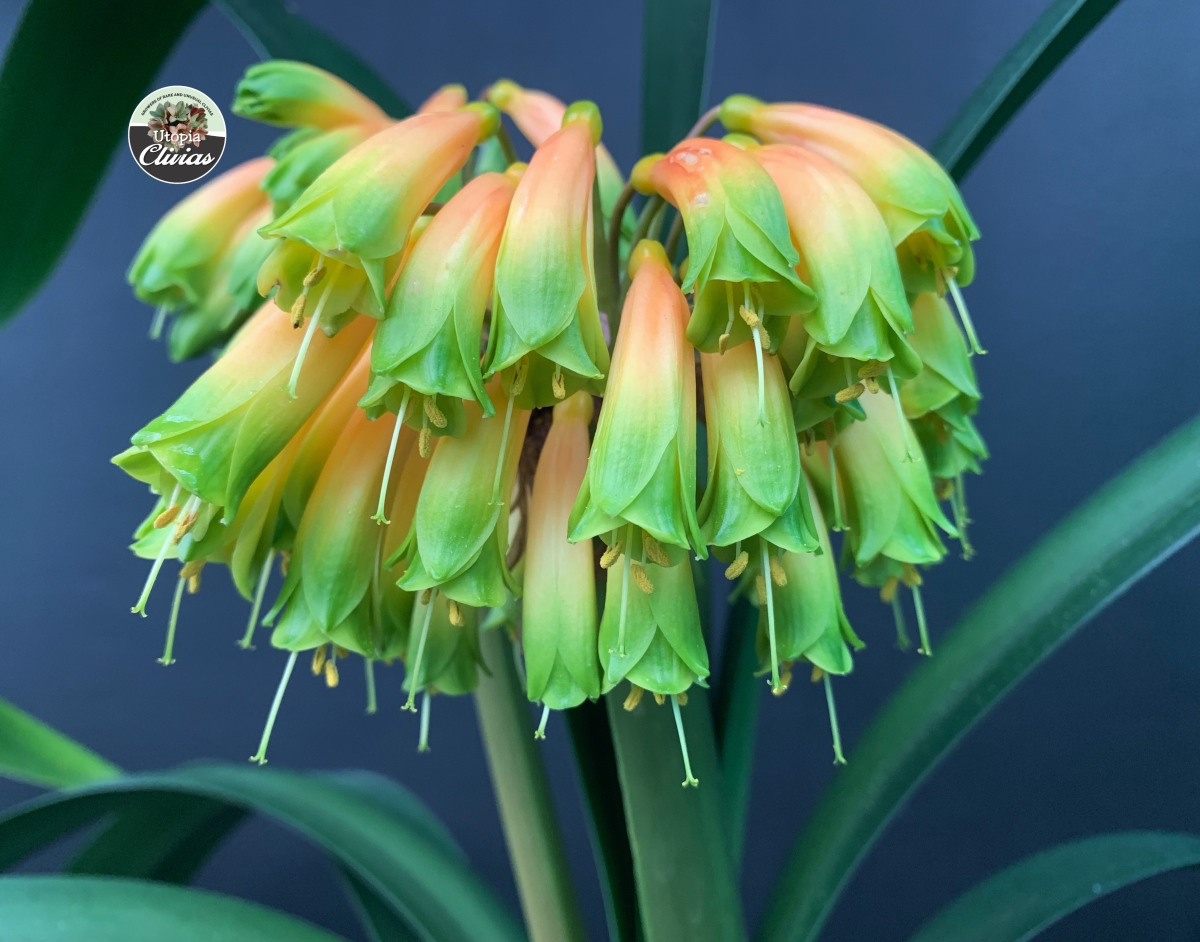
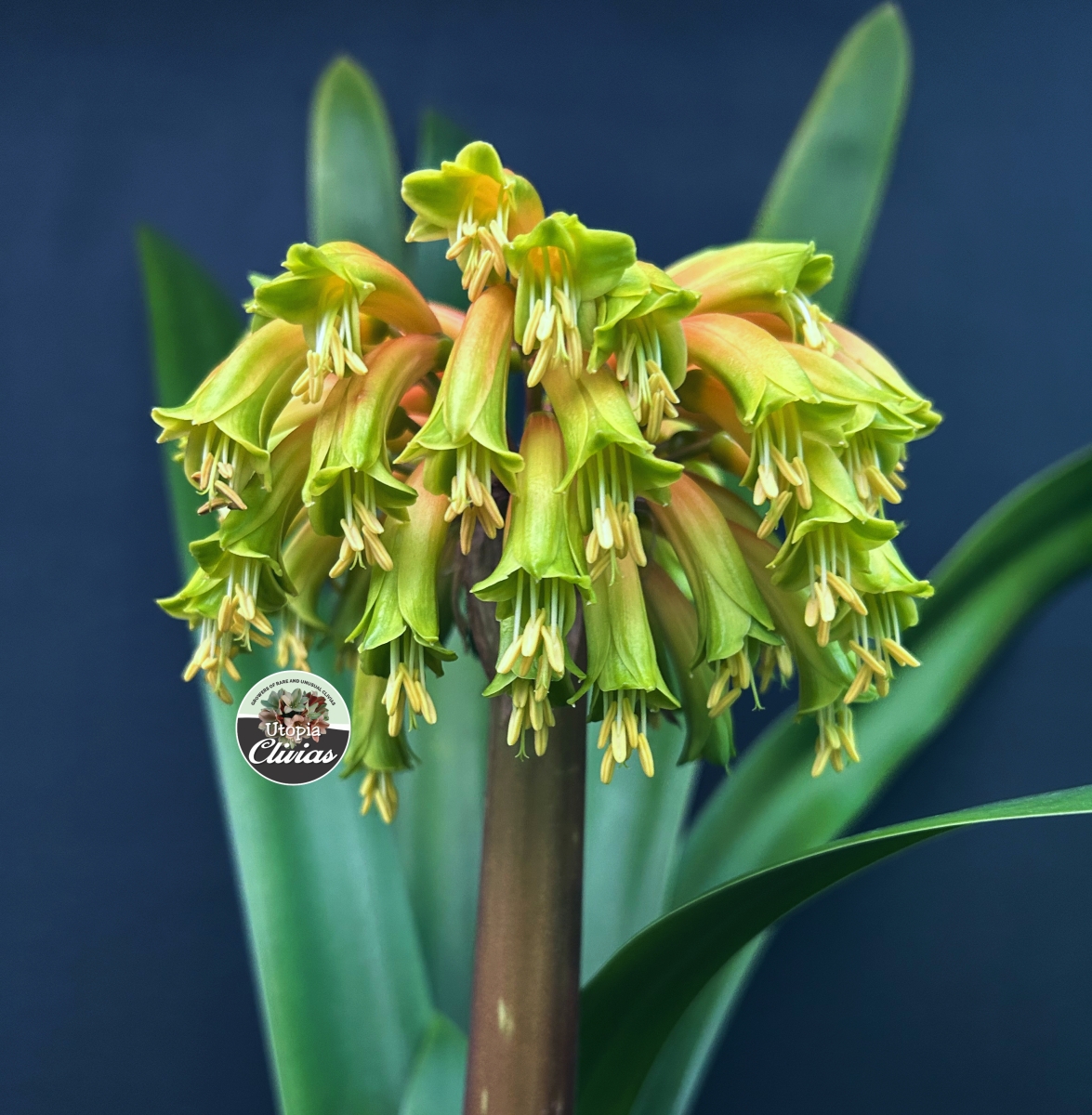
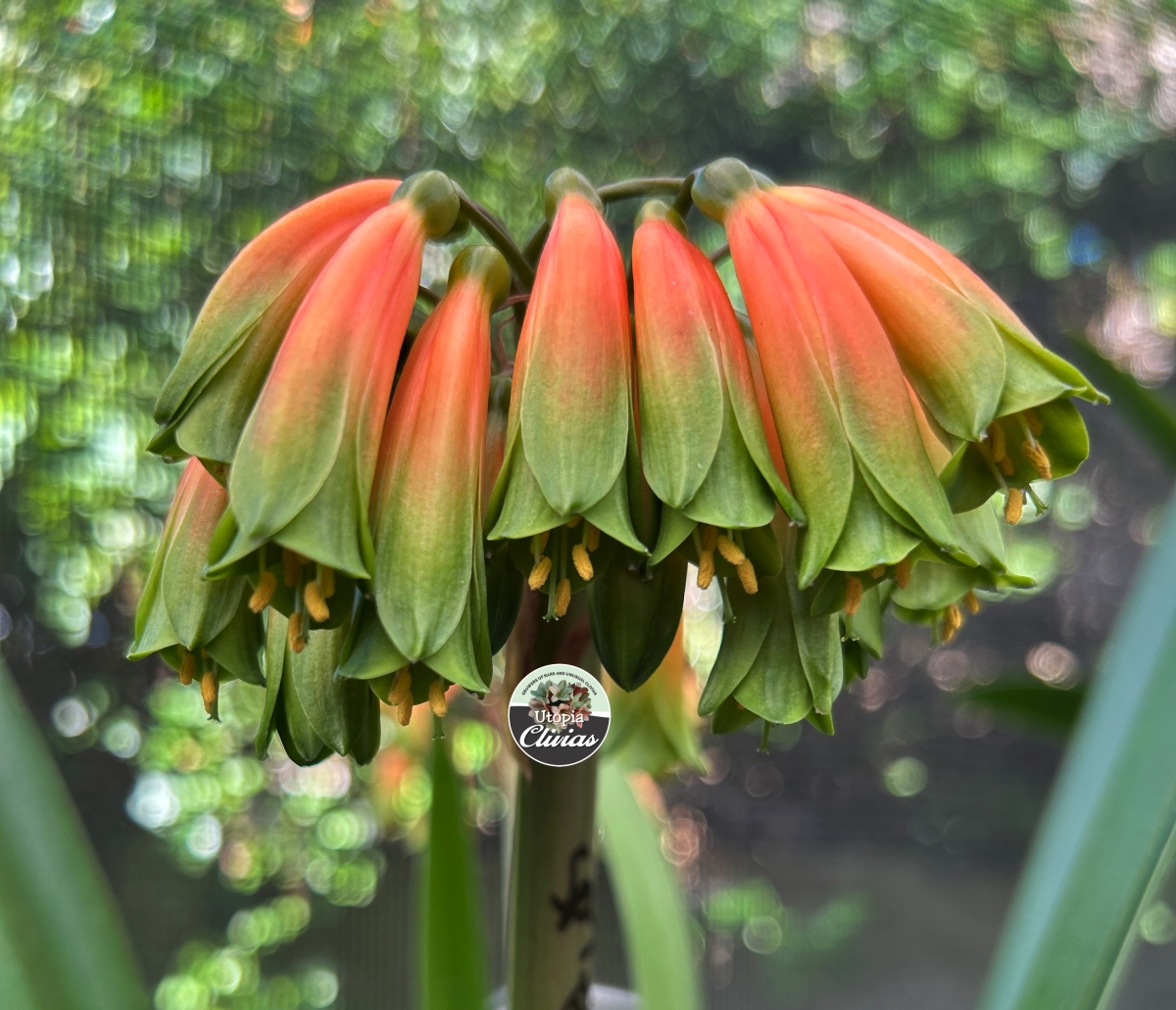
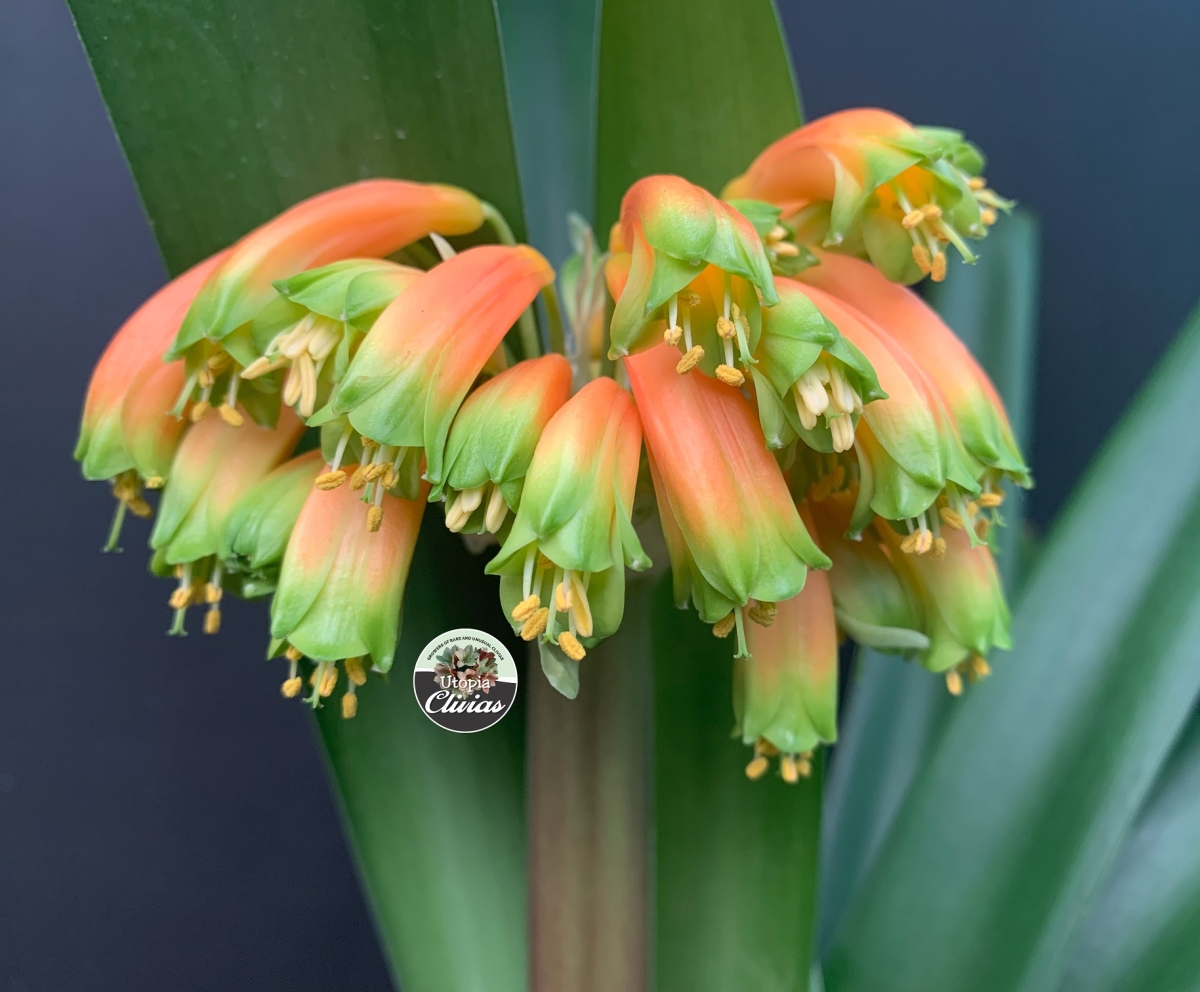
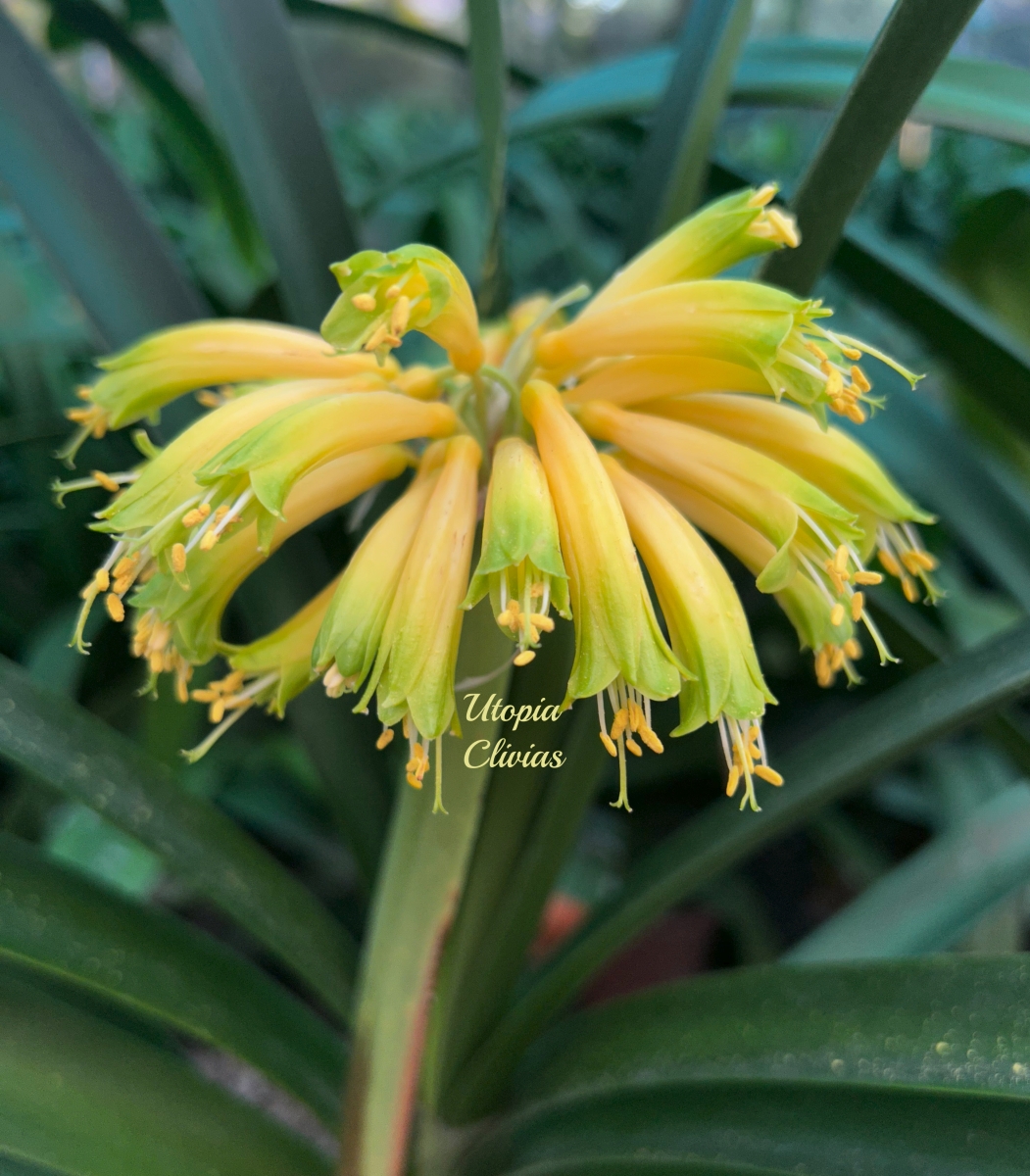
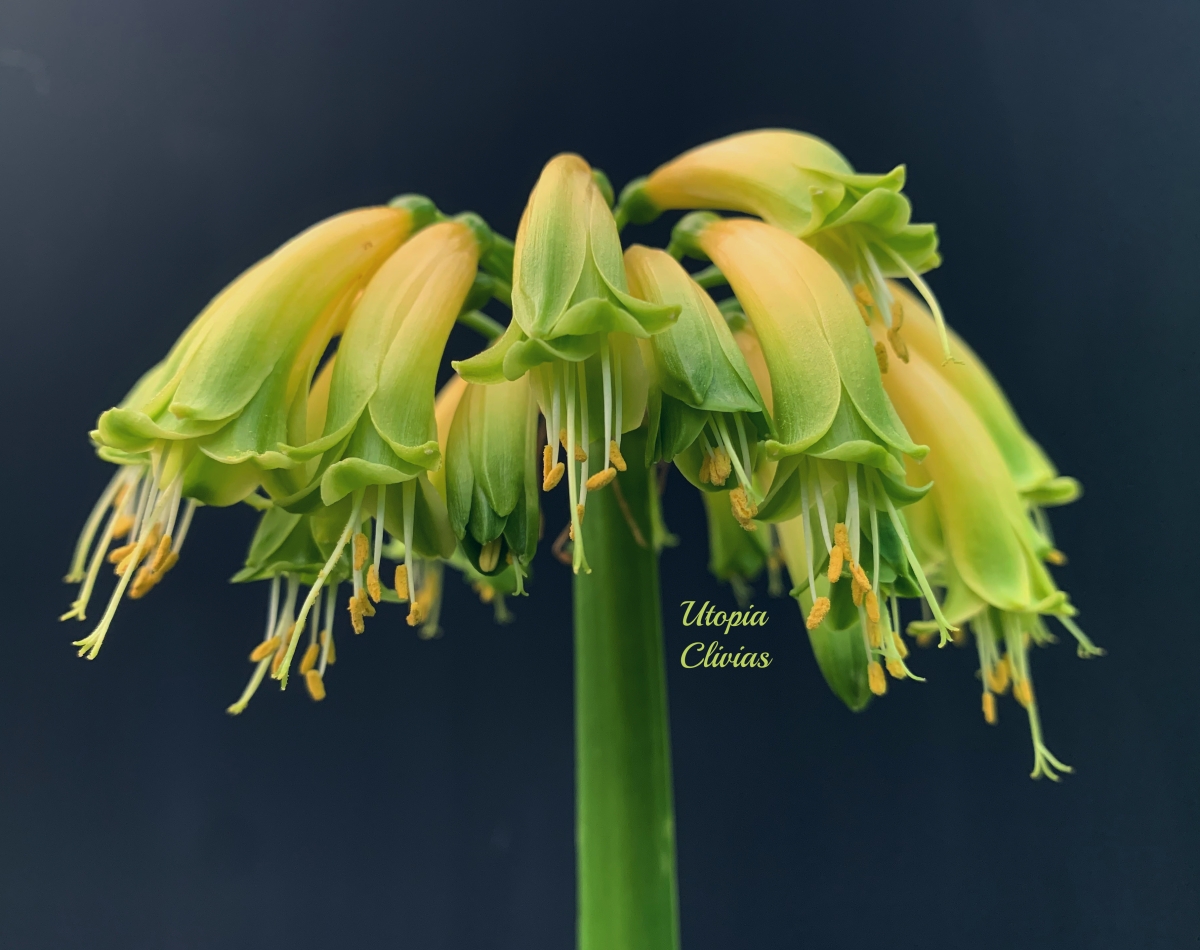
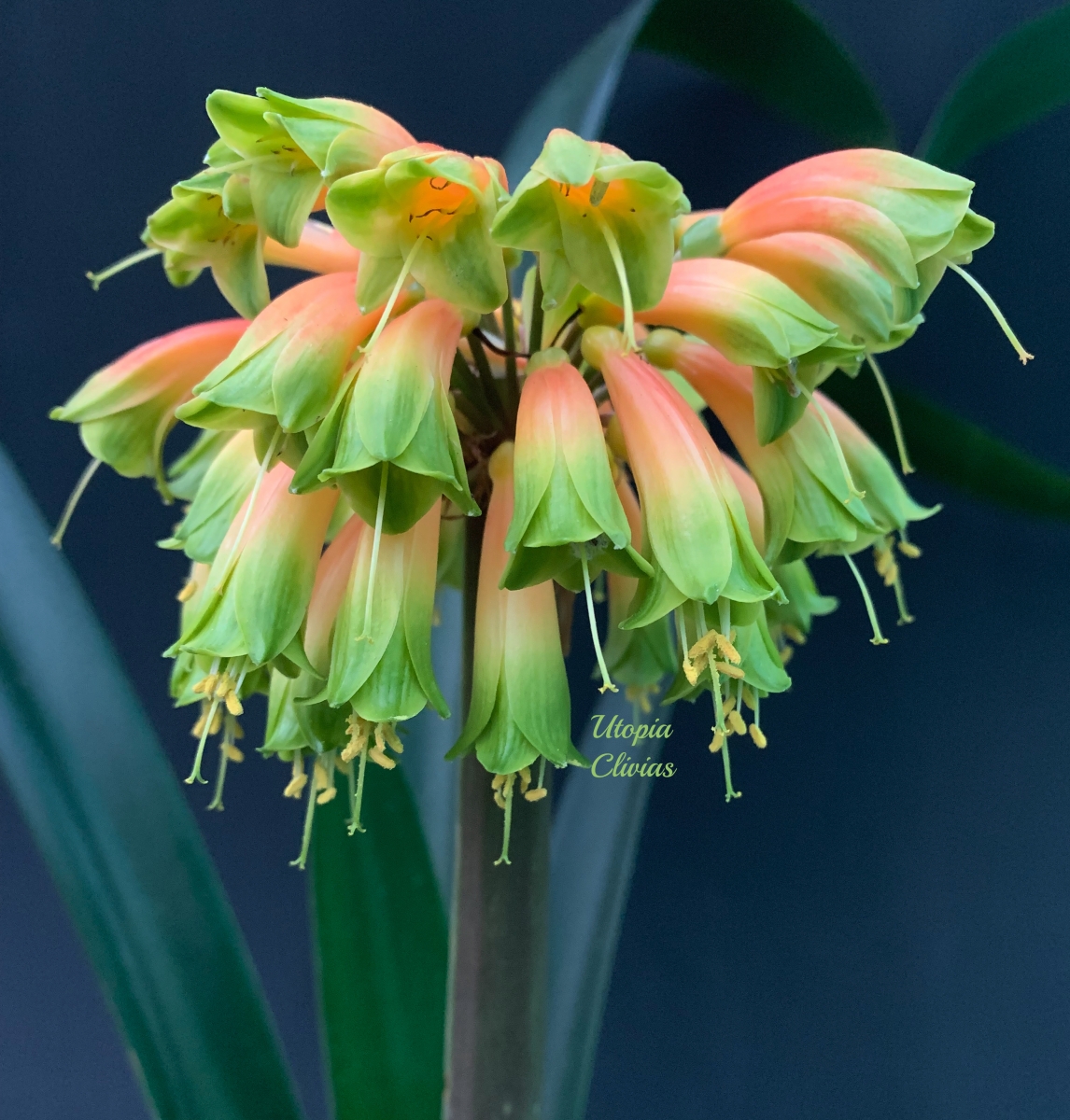
The flowers of Clivia gardenii are elegant and refined:
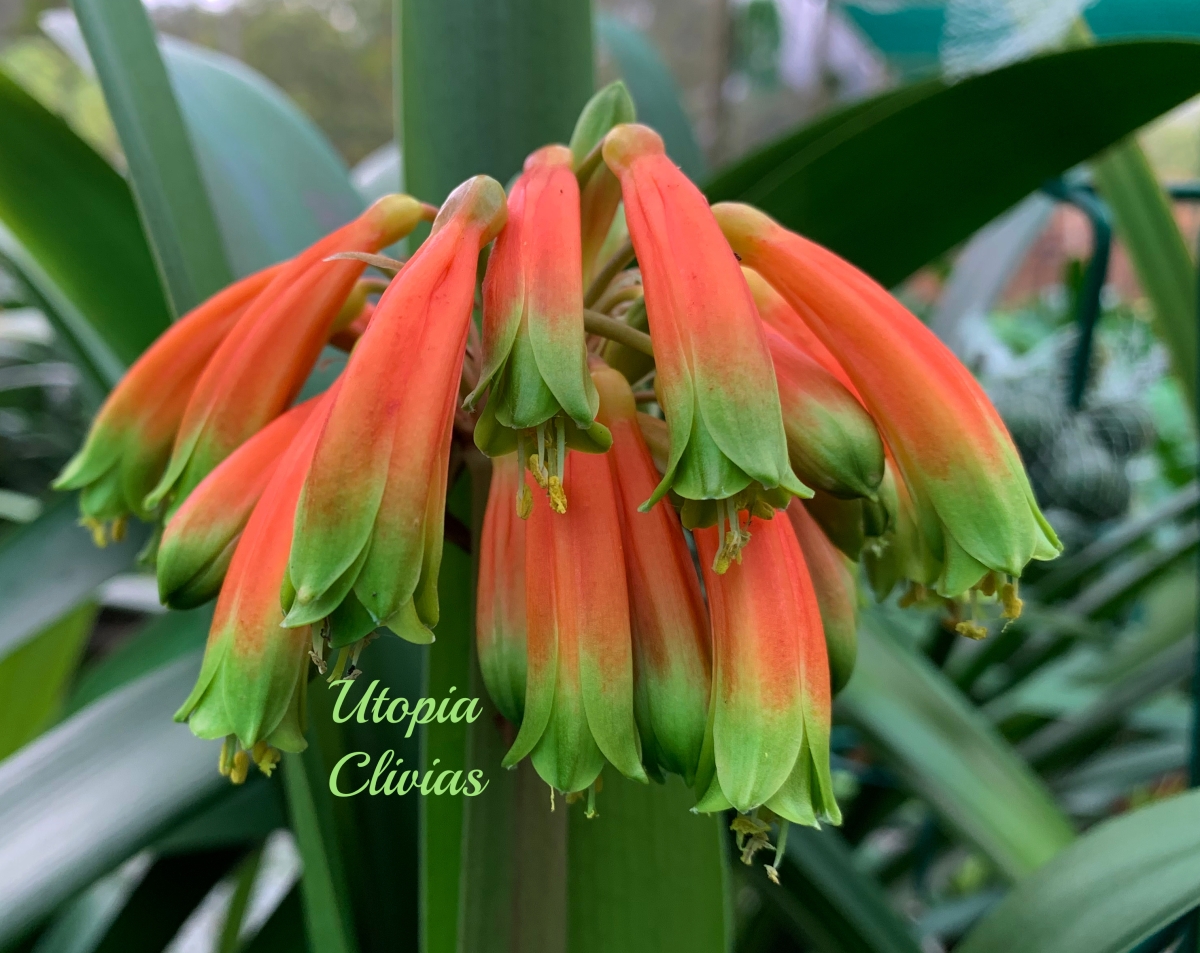
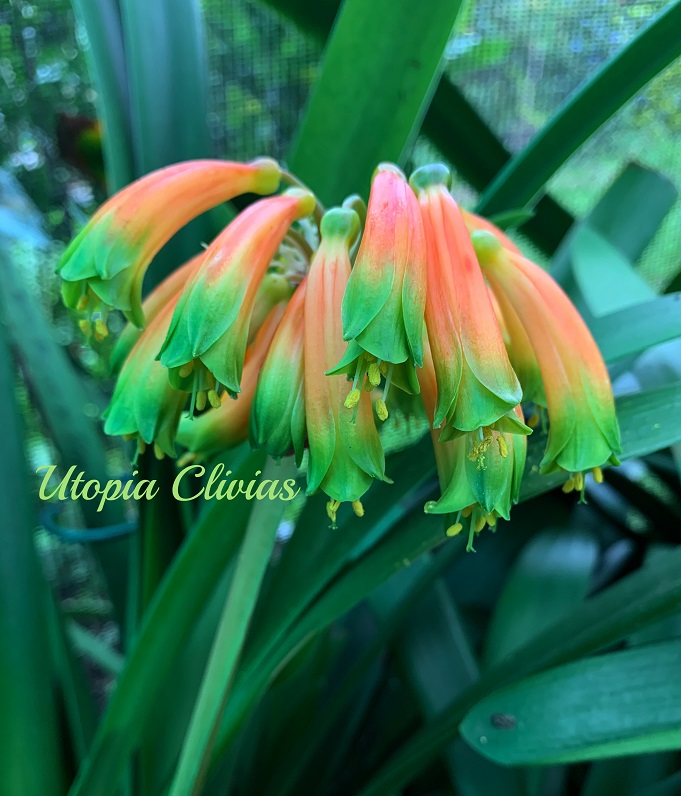
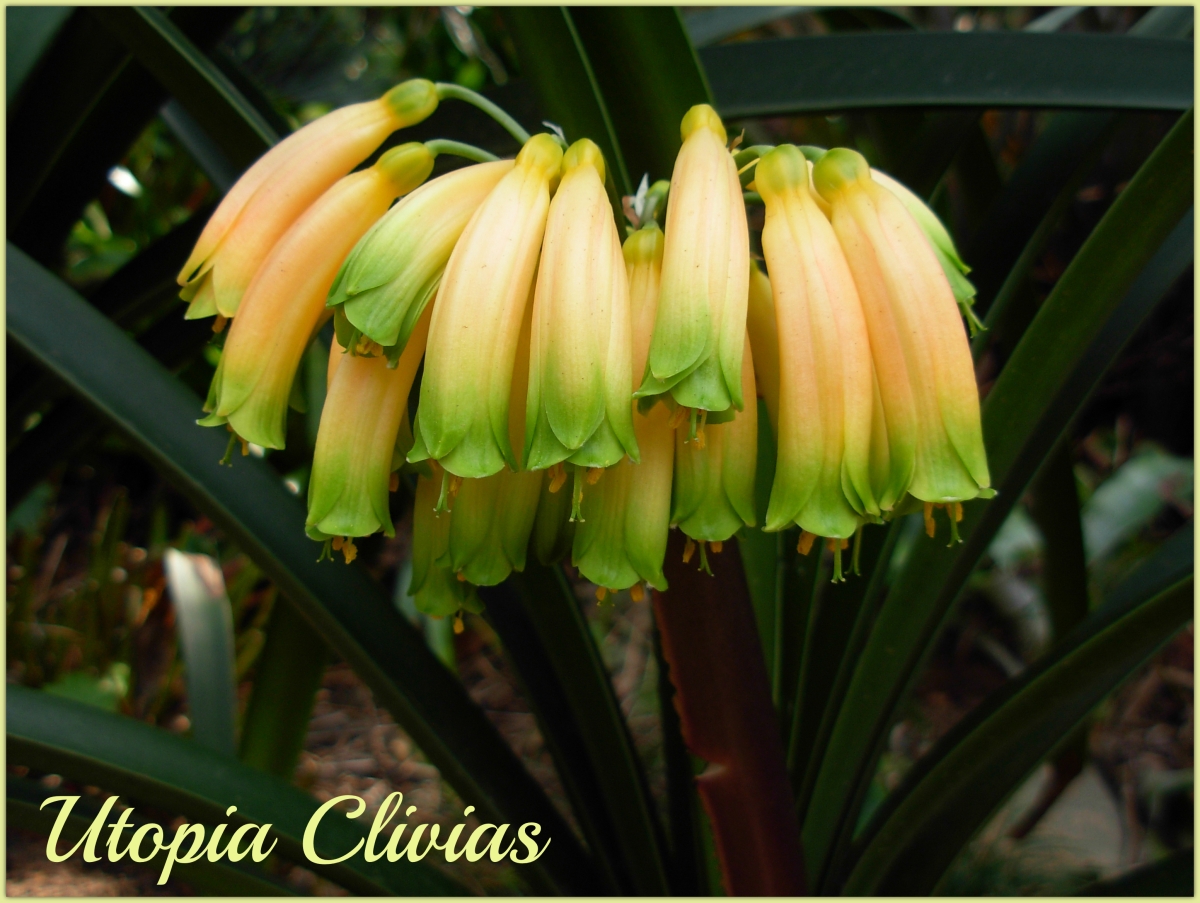
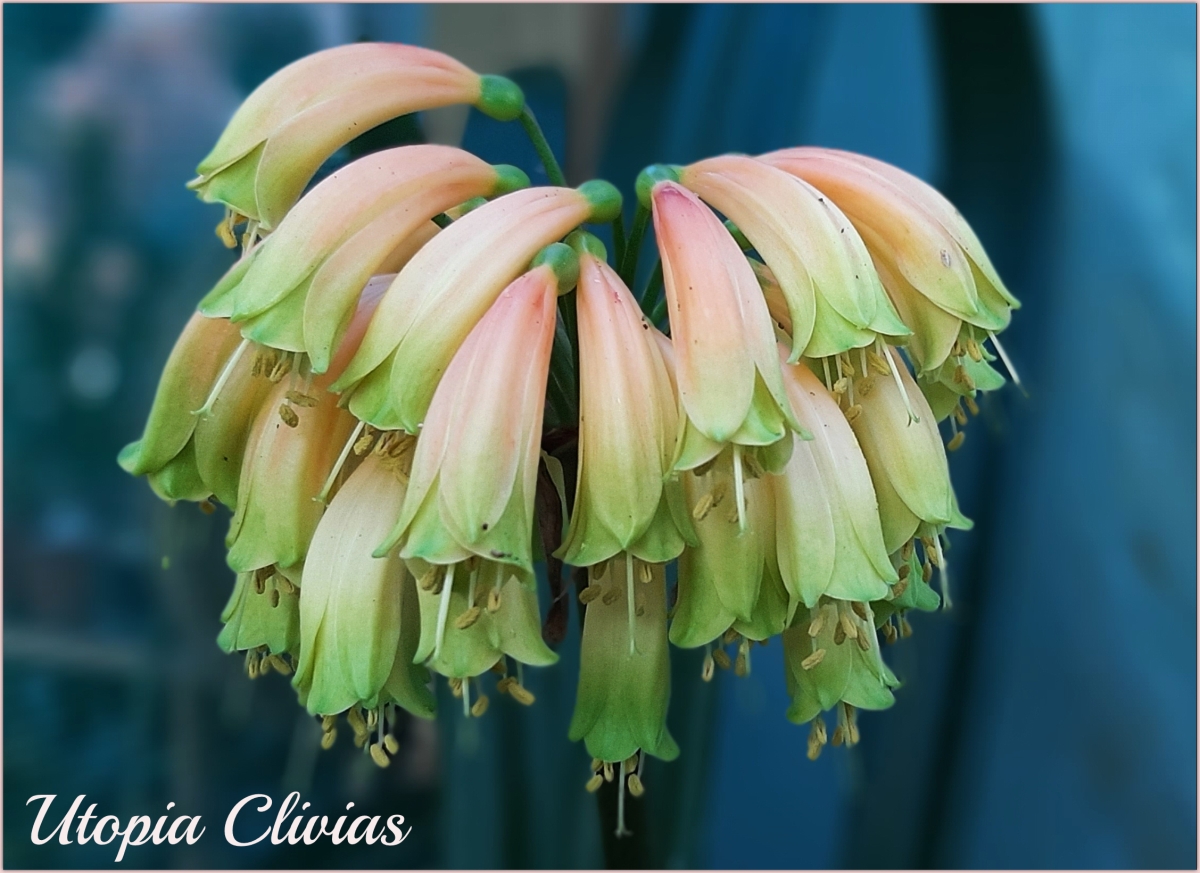
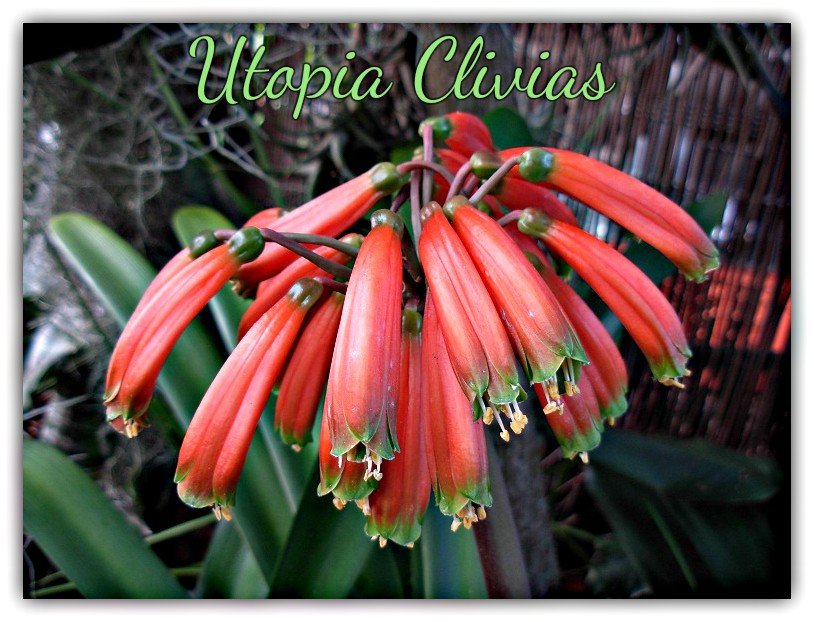
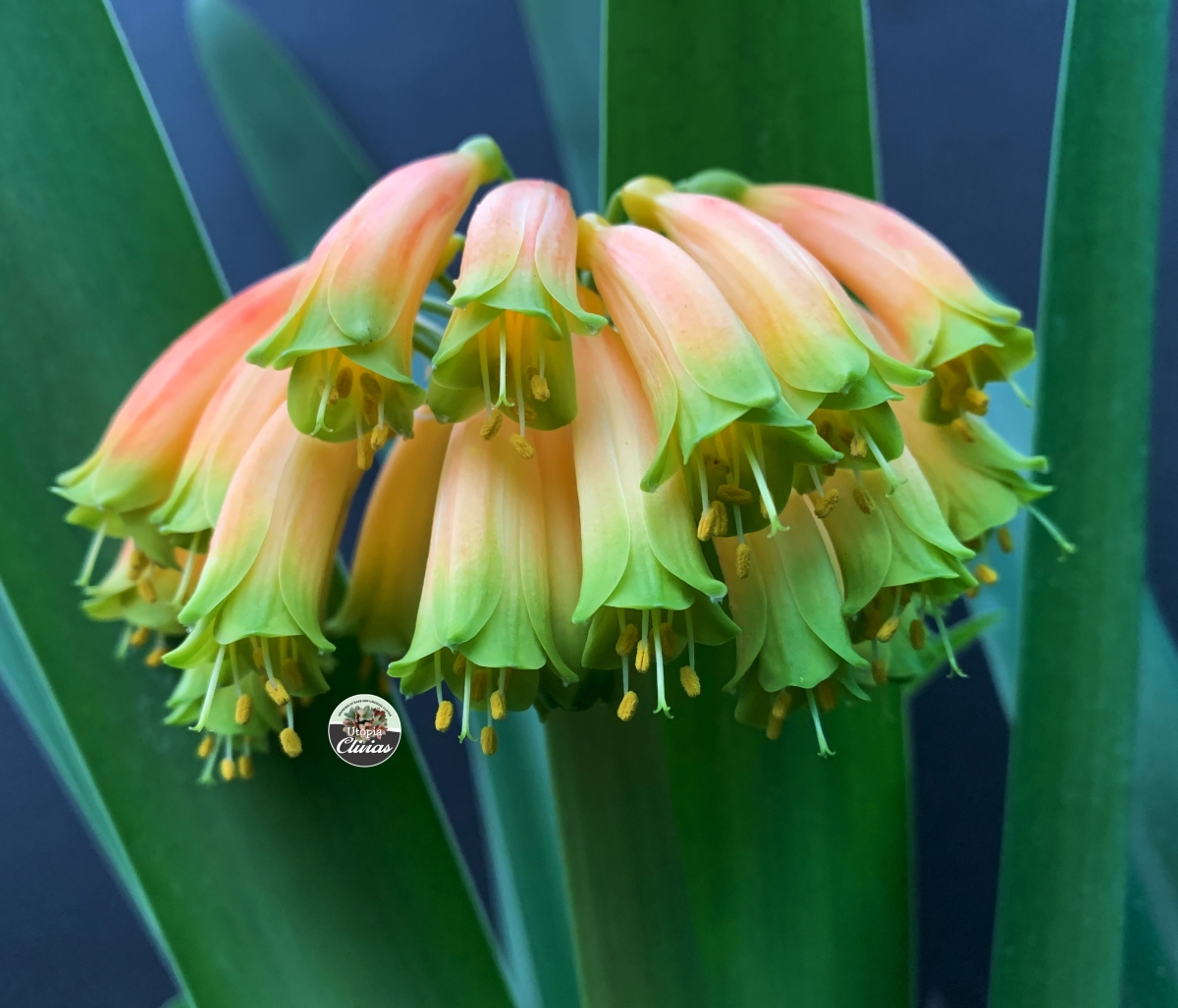
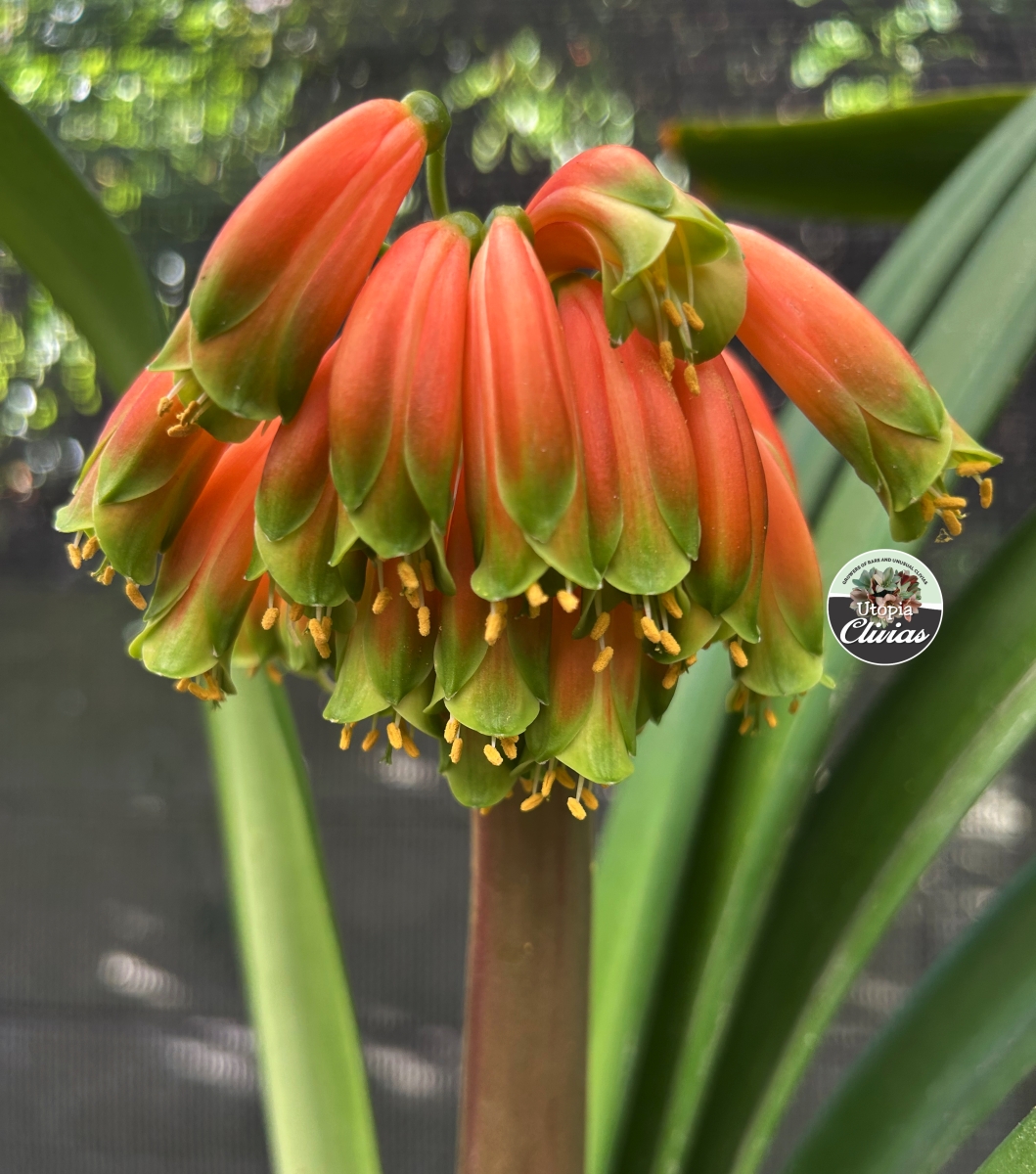
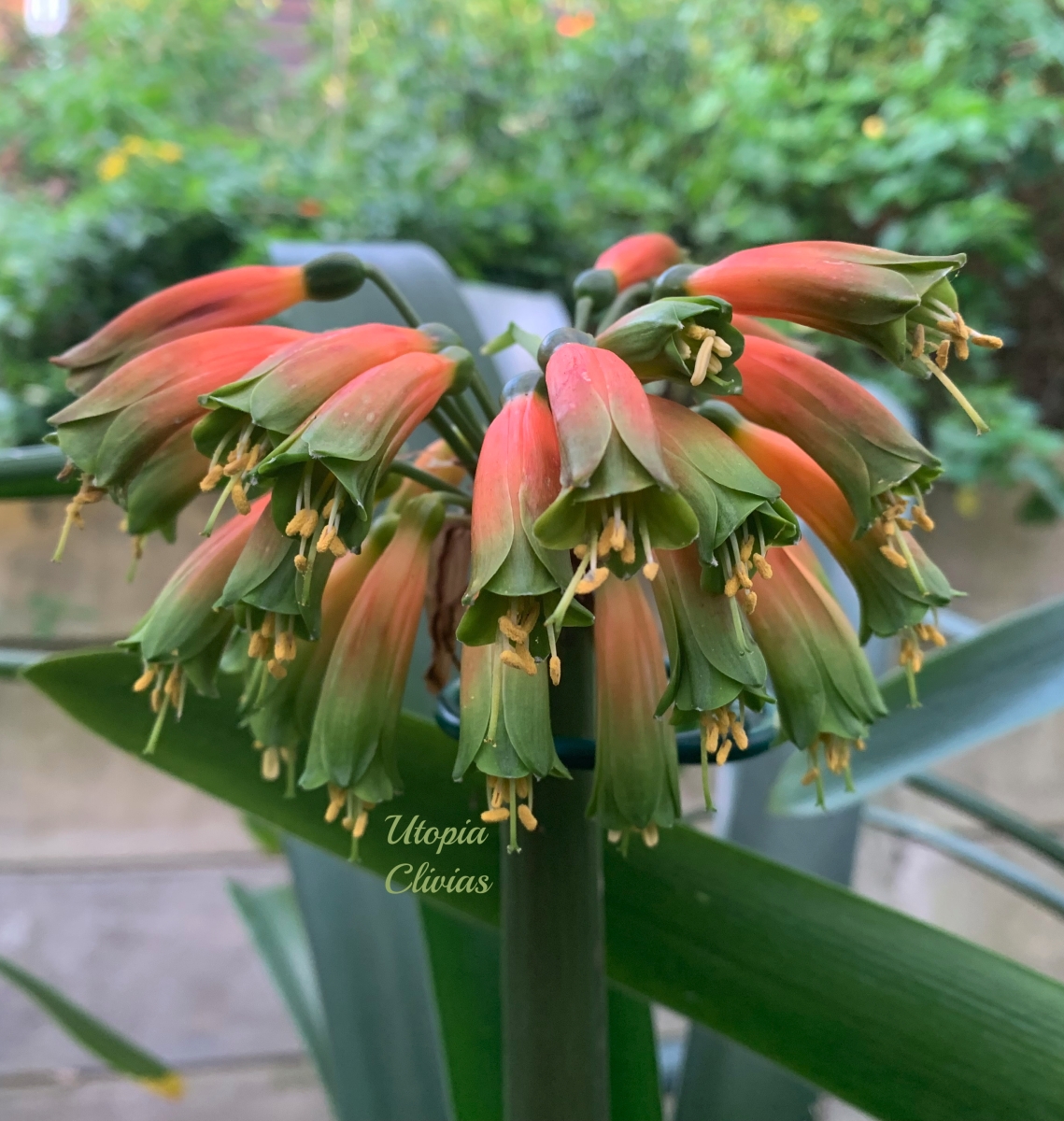
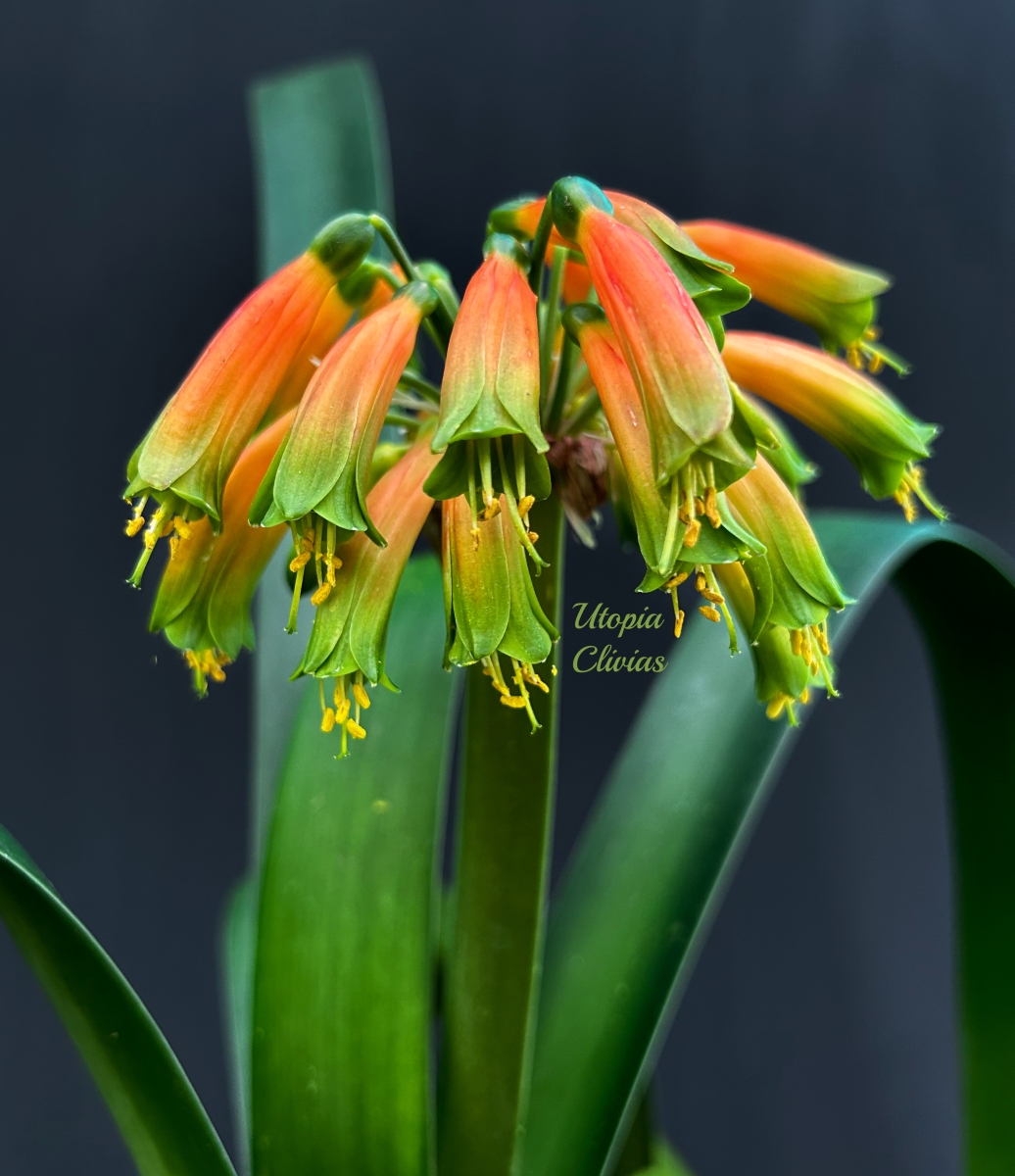
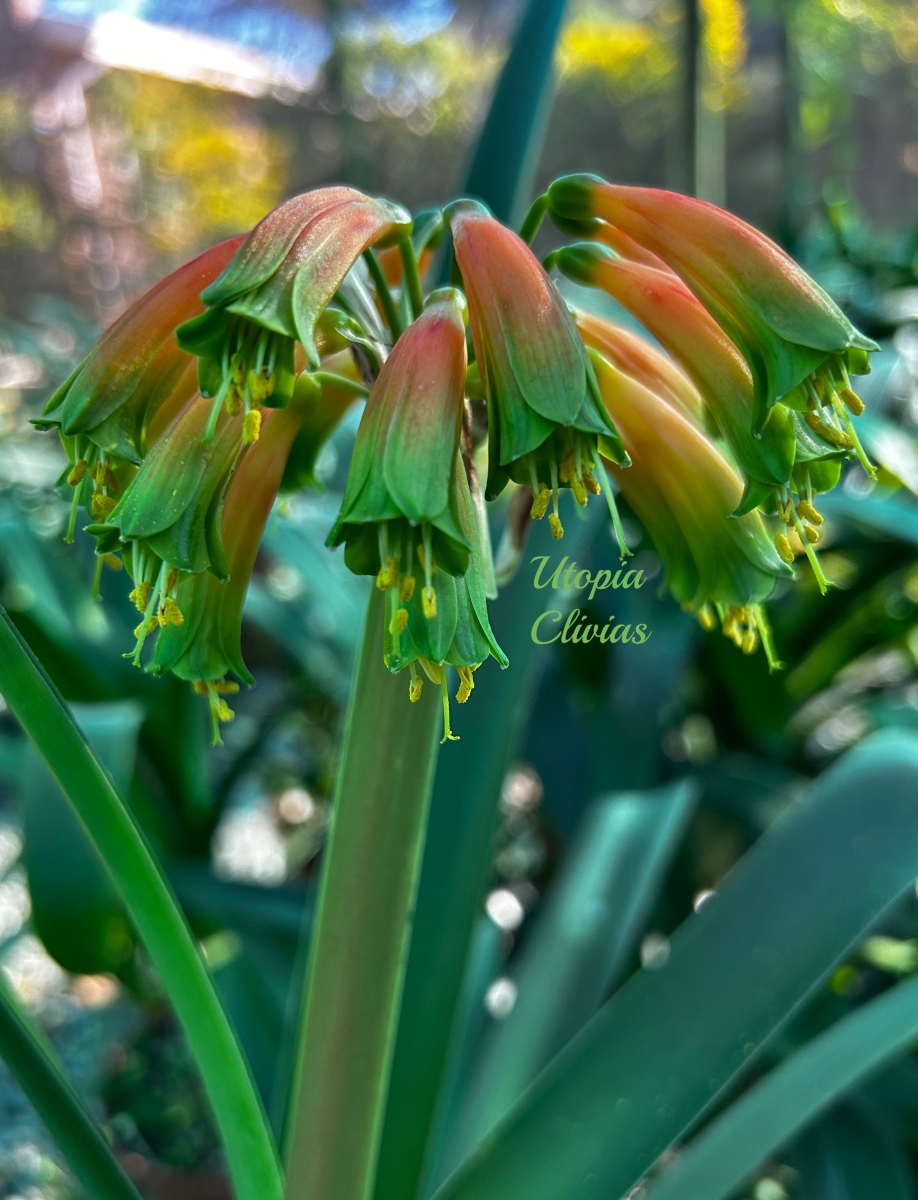
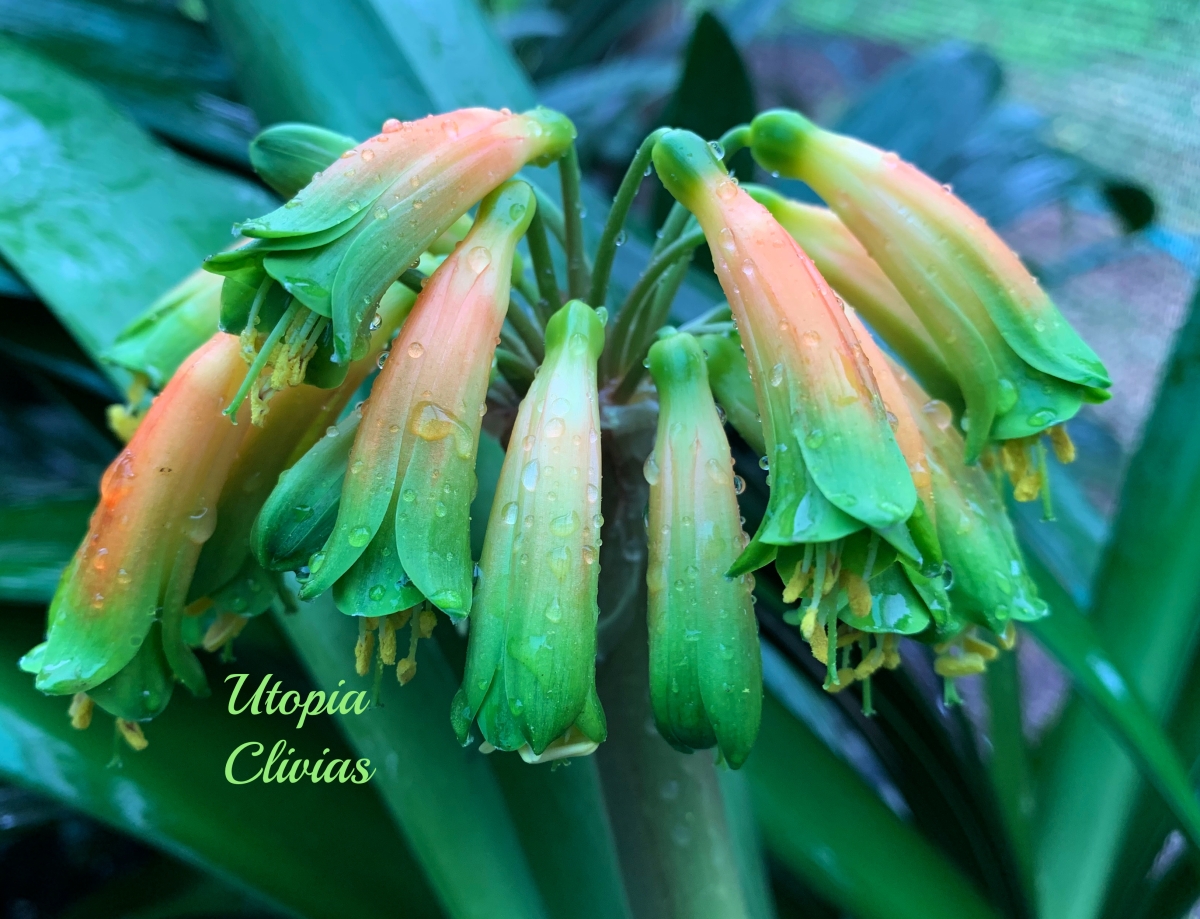
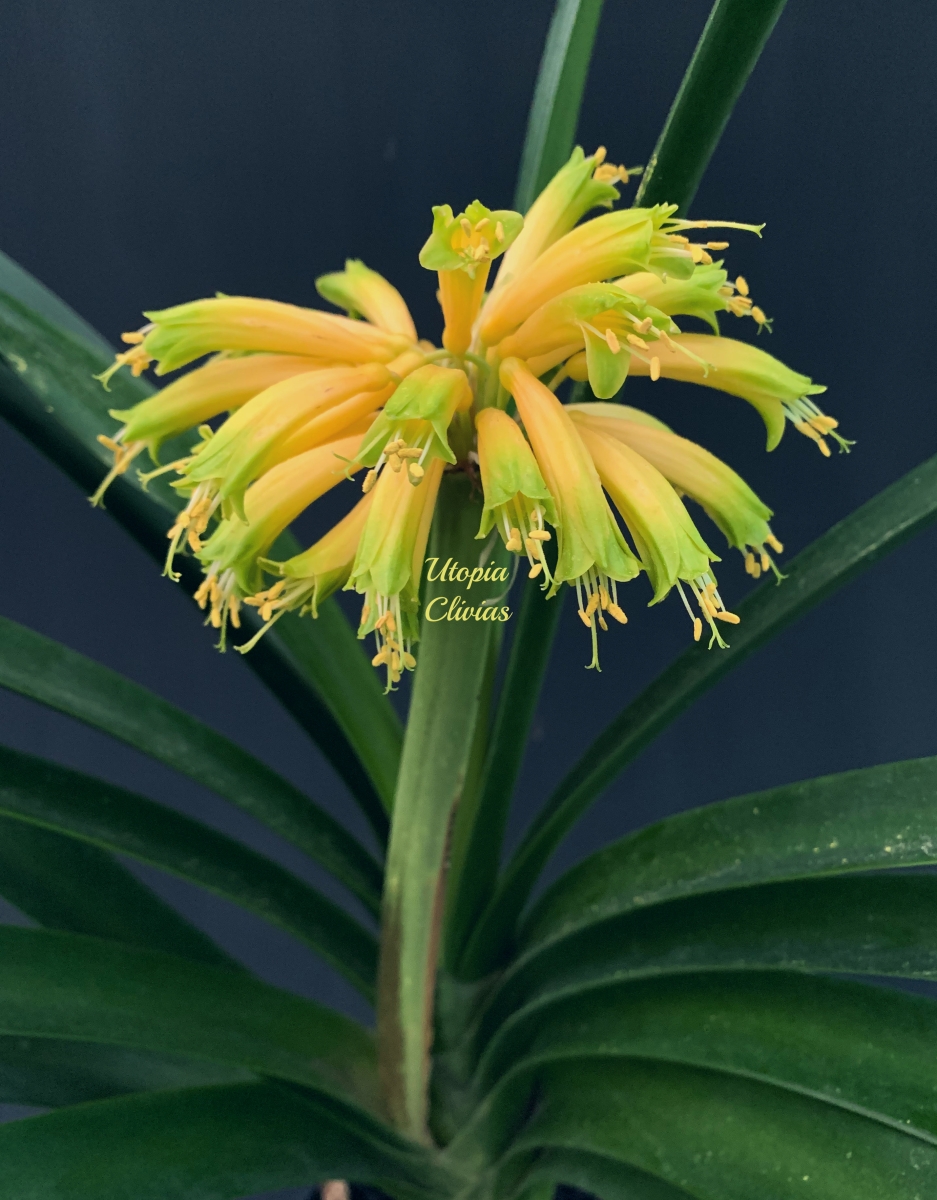
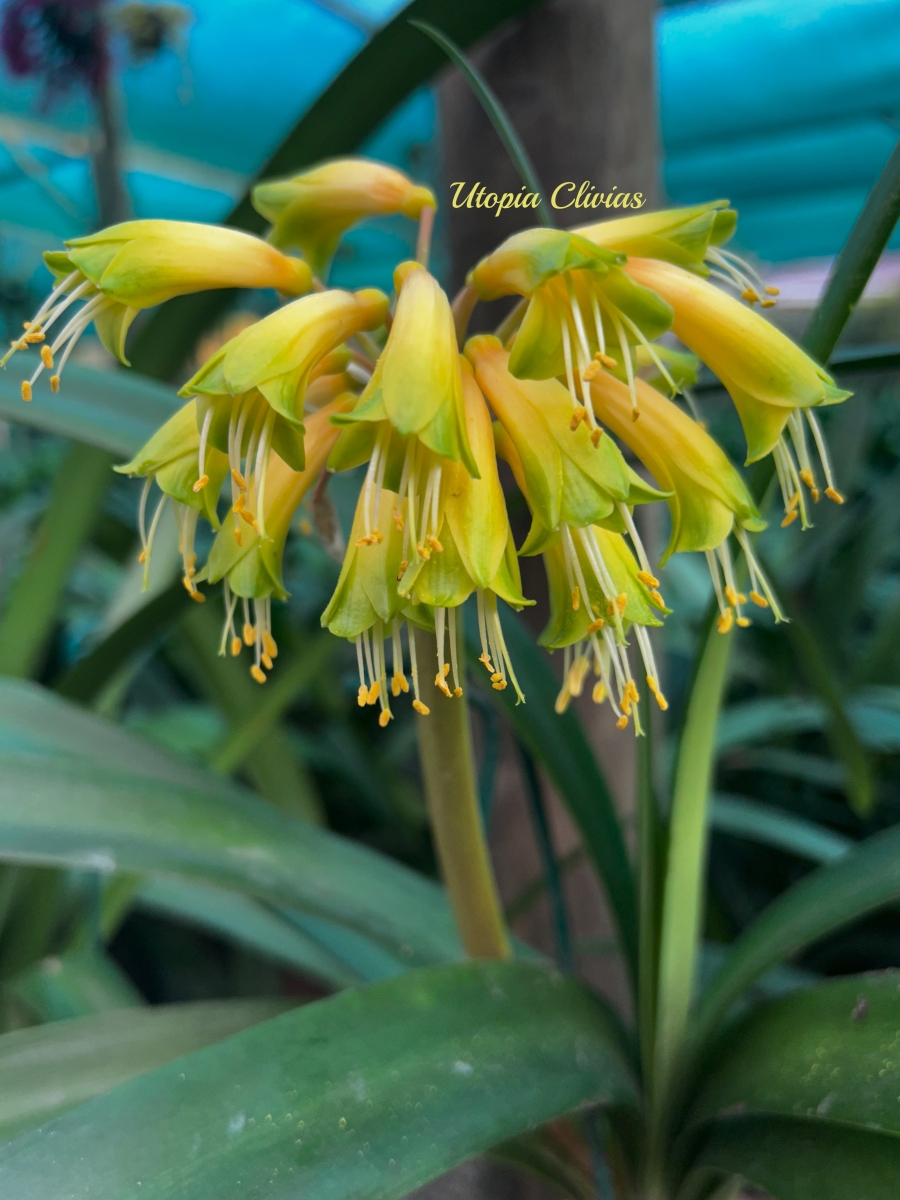
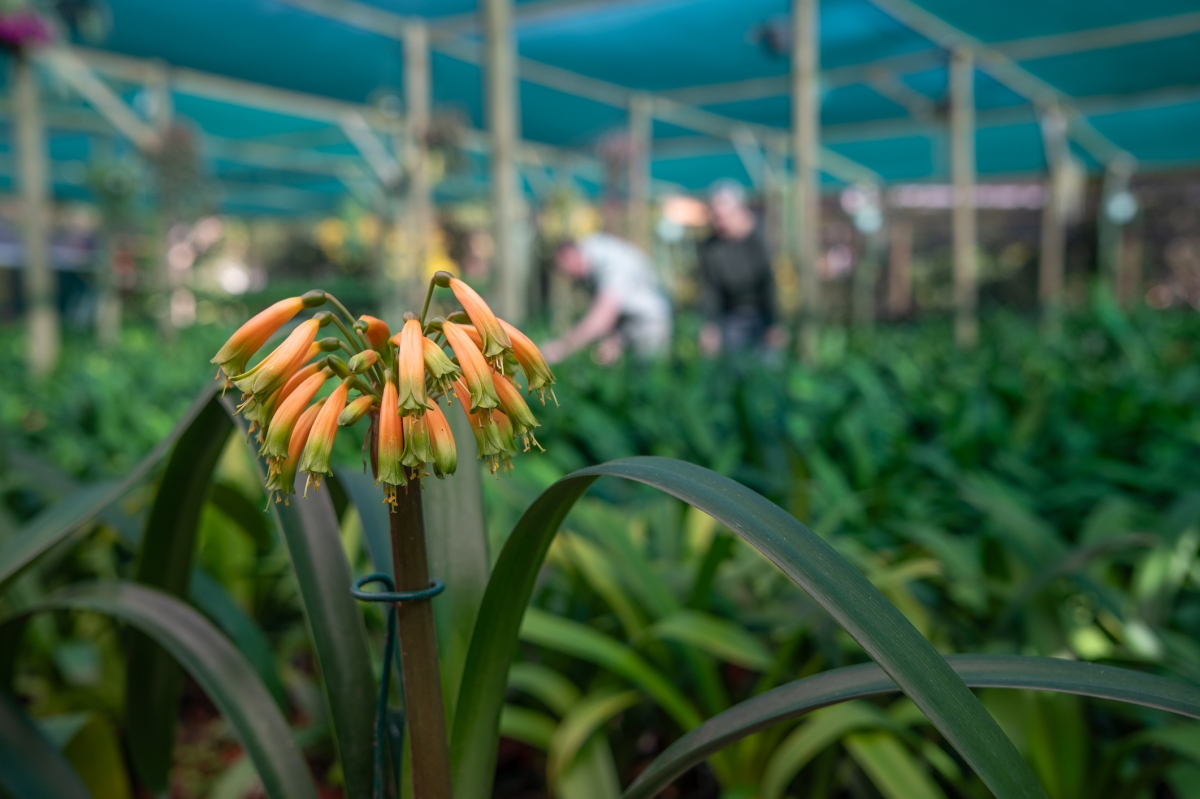
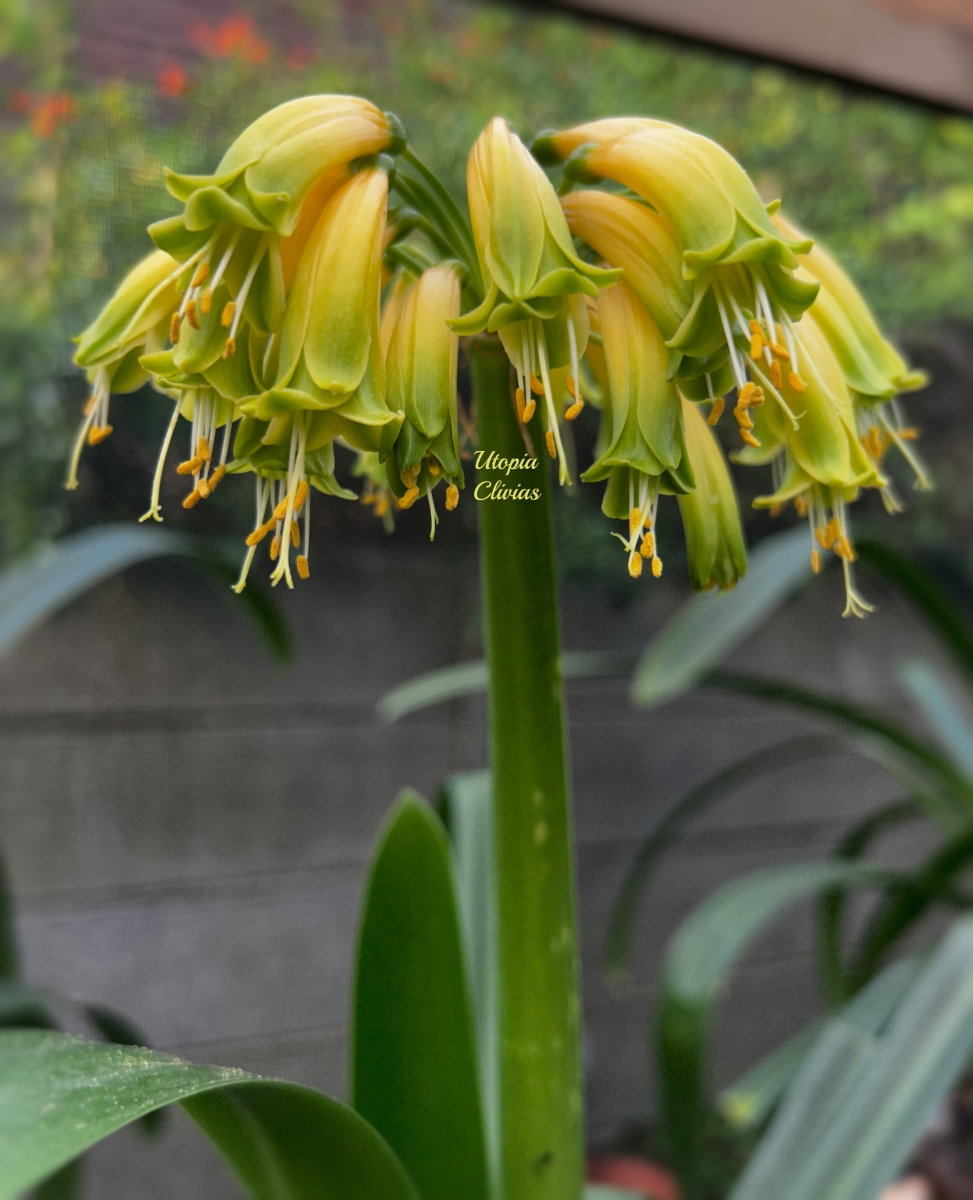
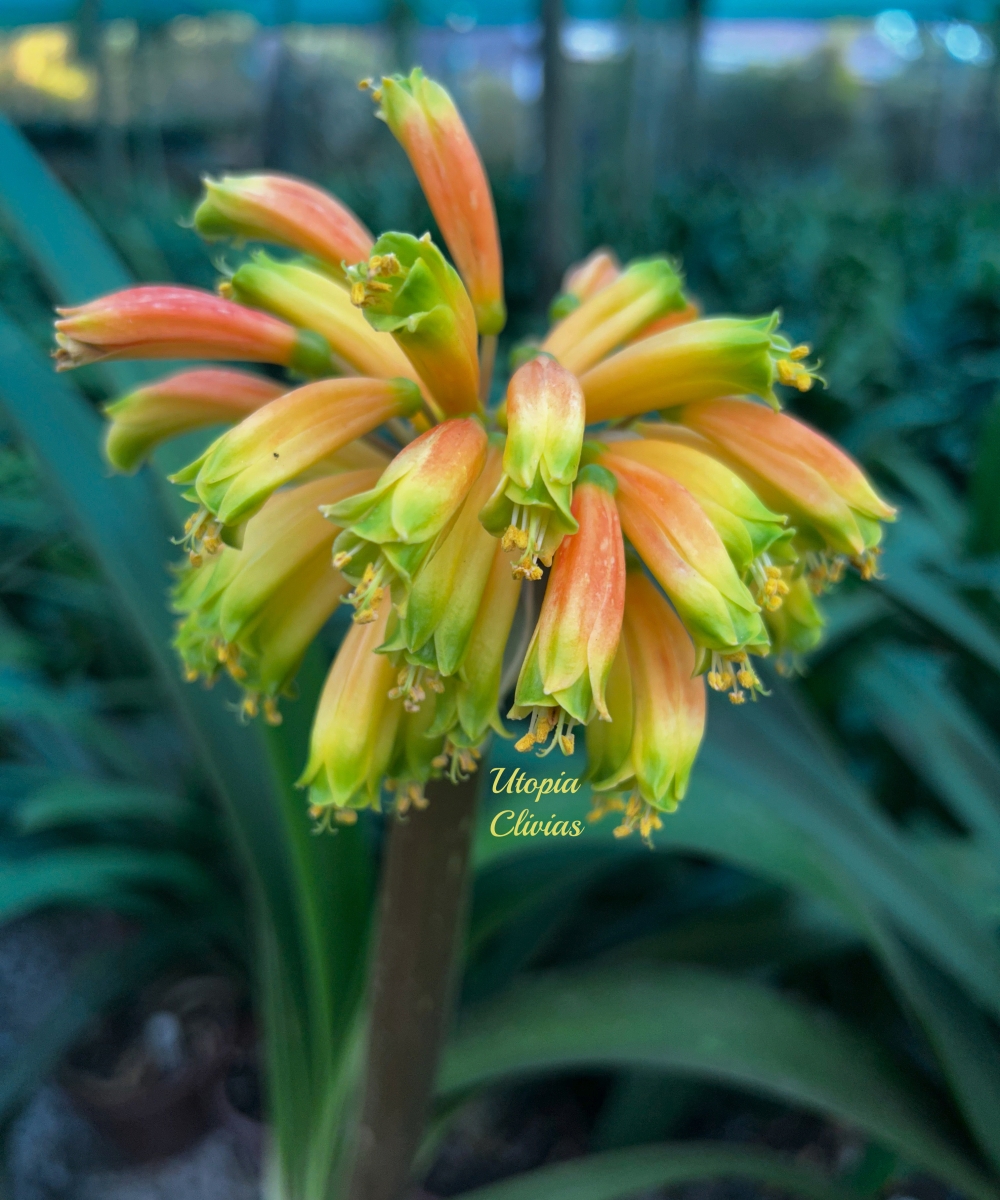
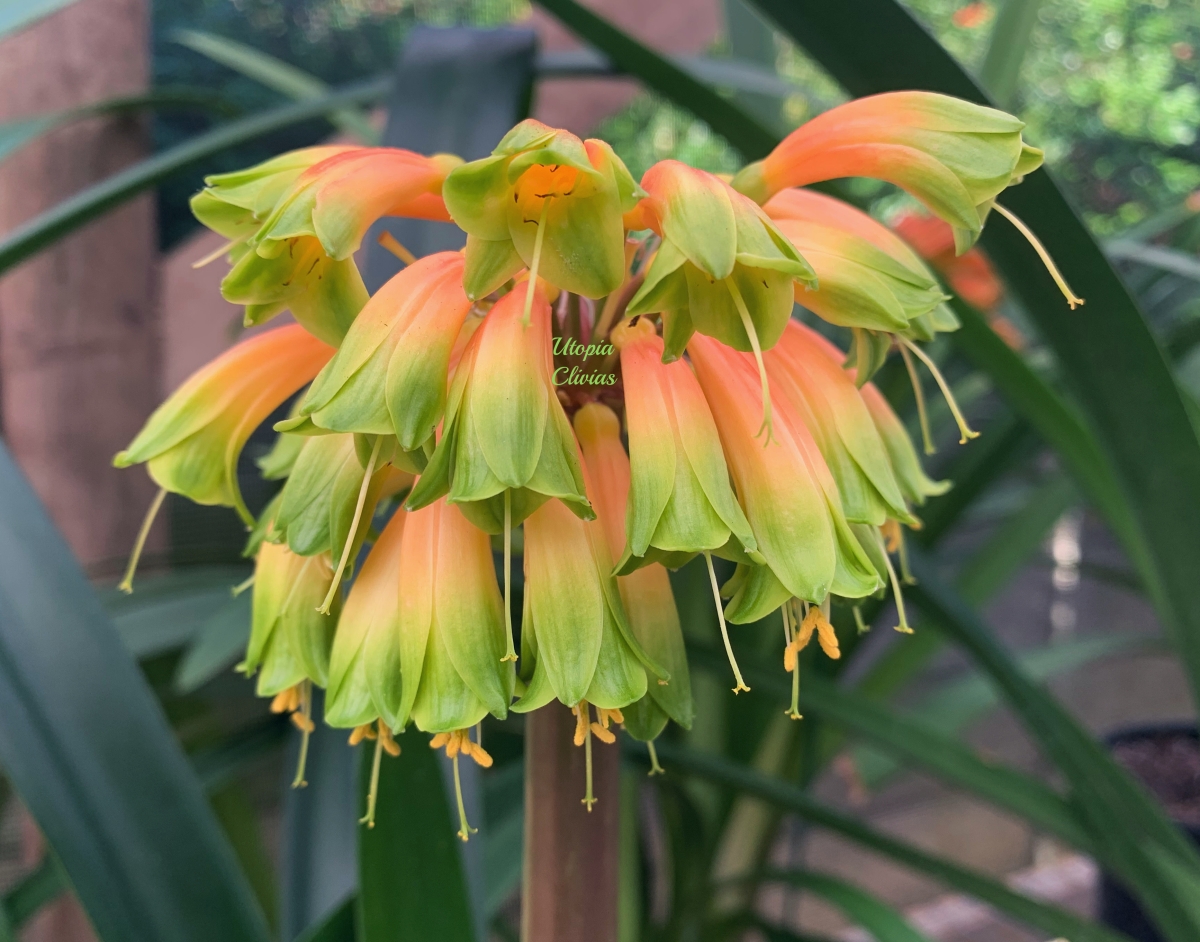
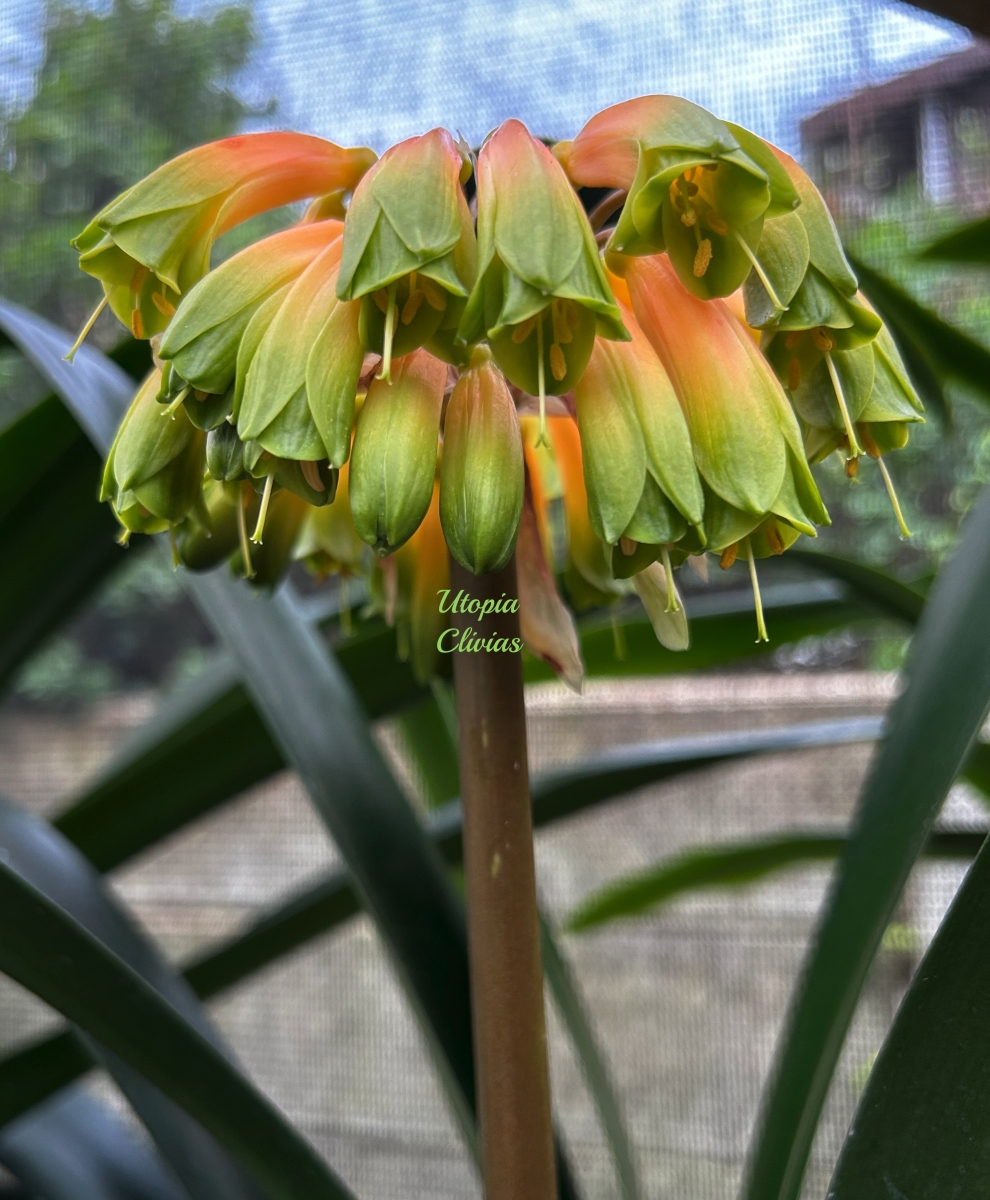
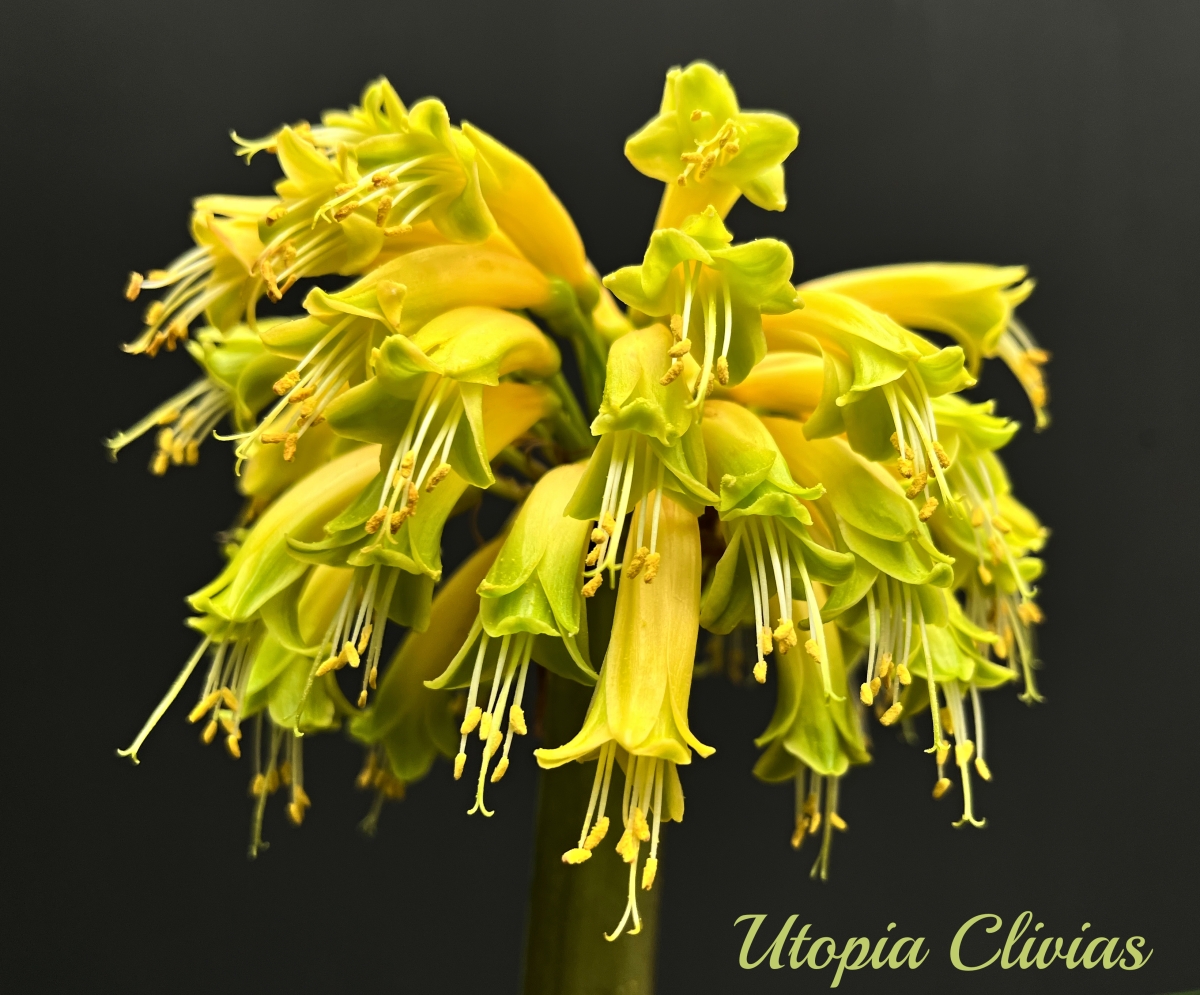
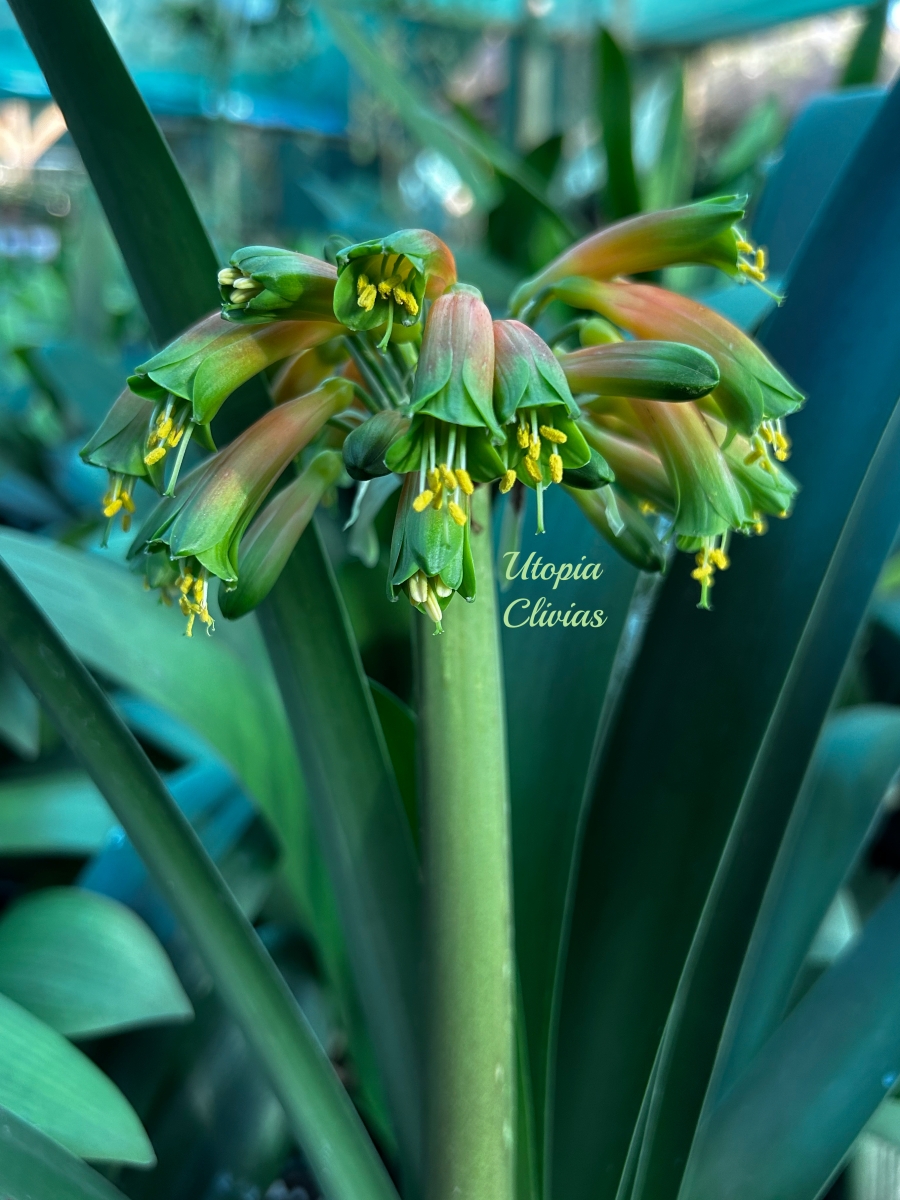
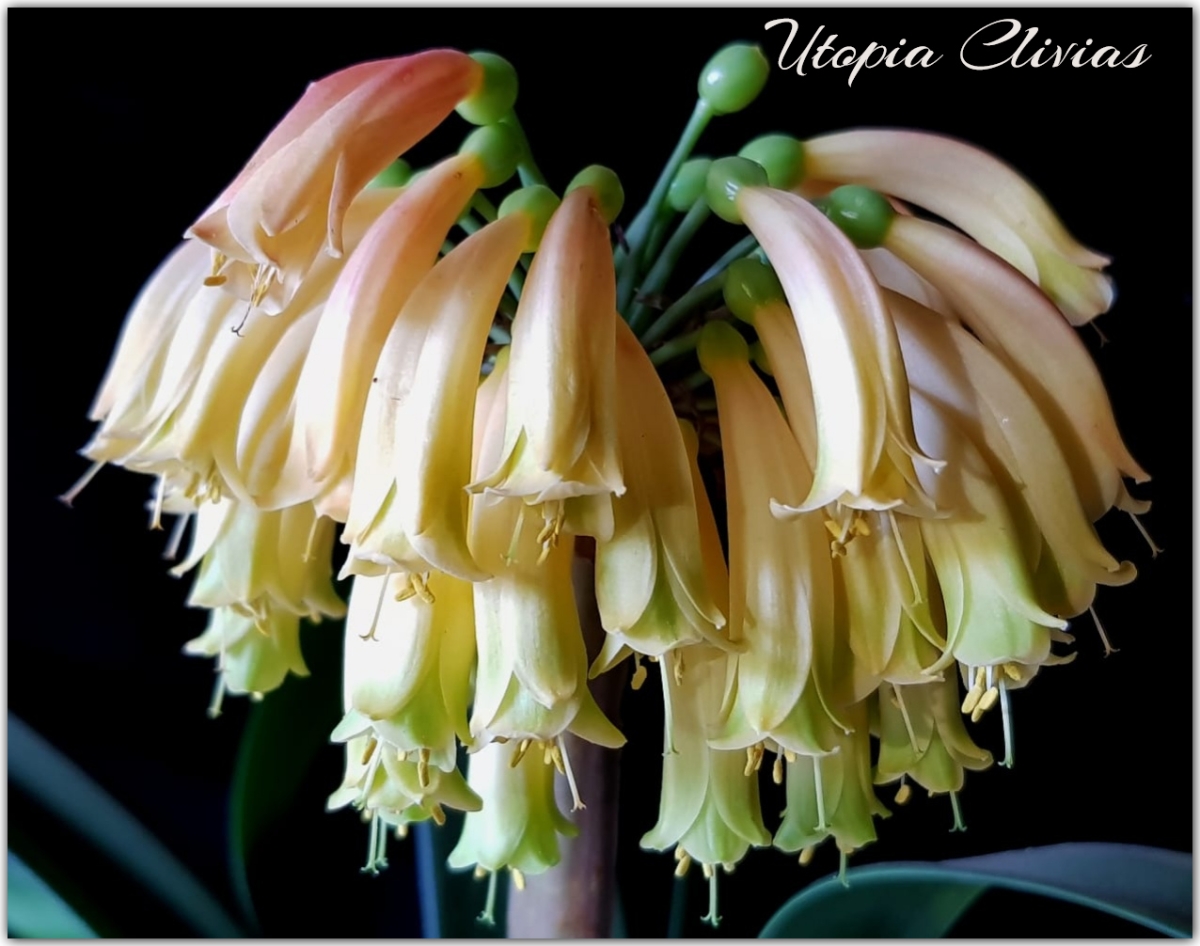
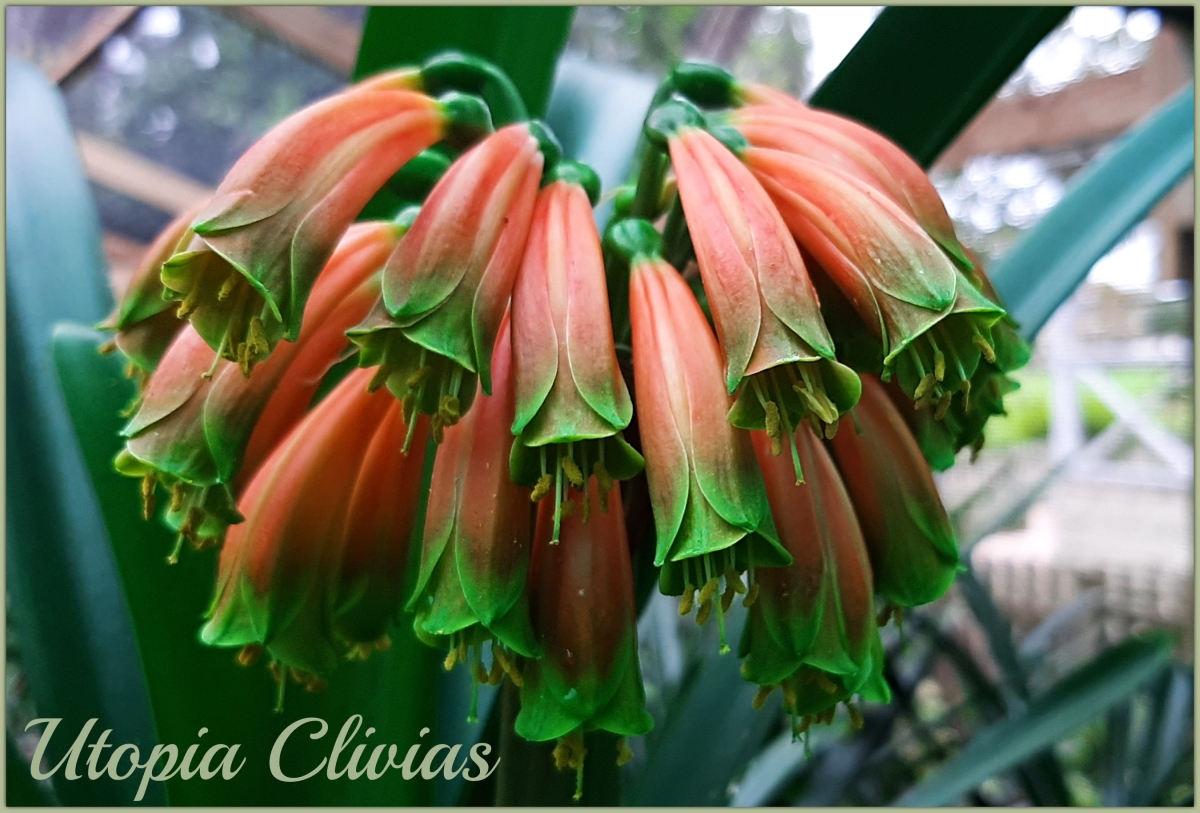
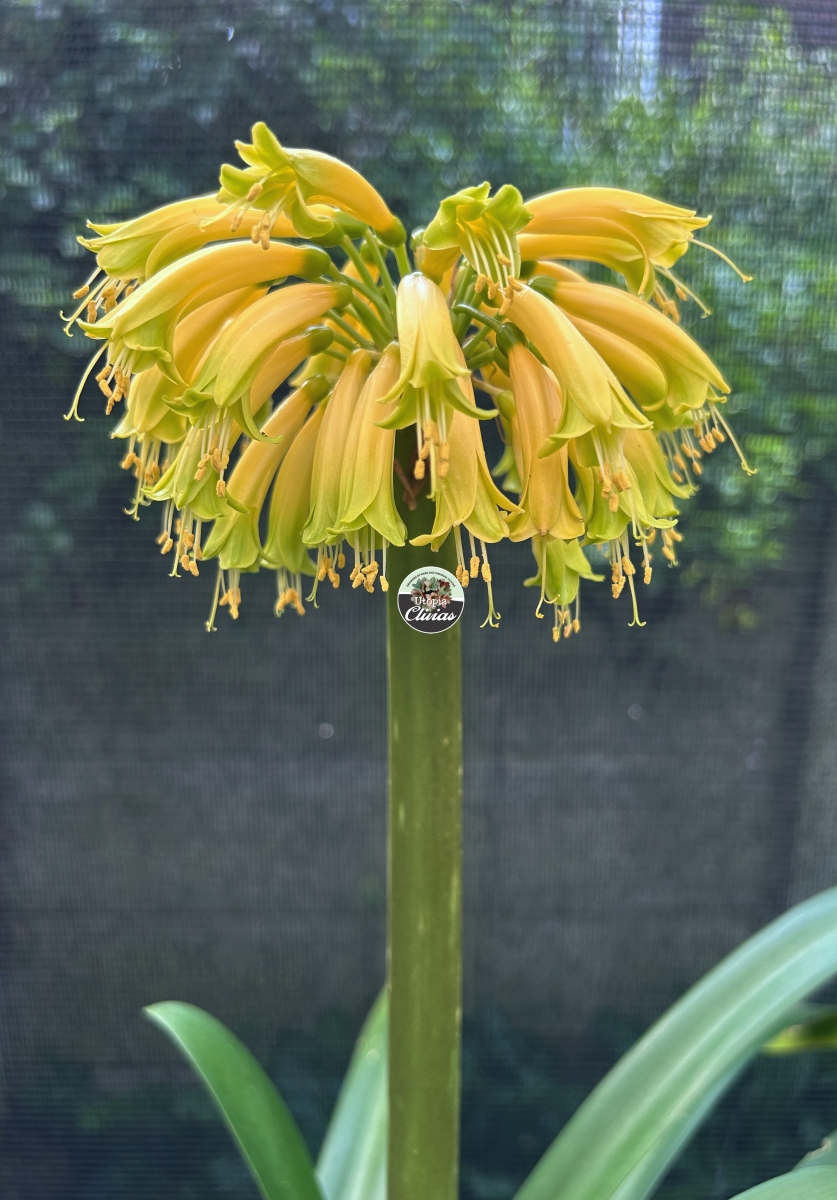
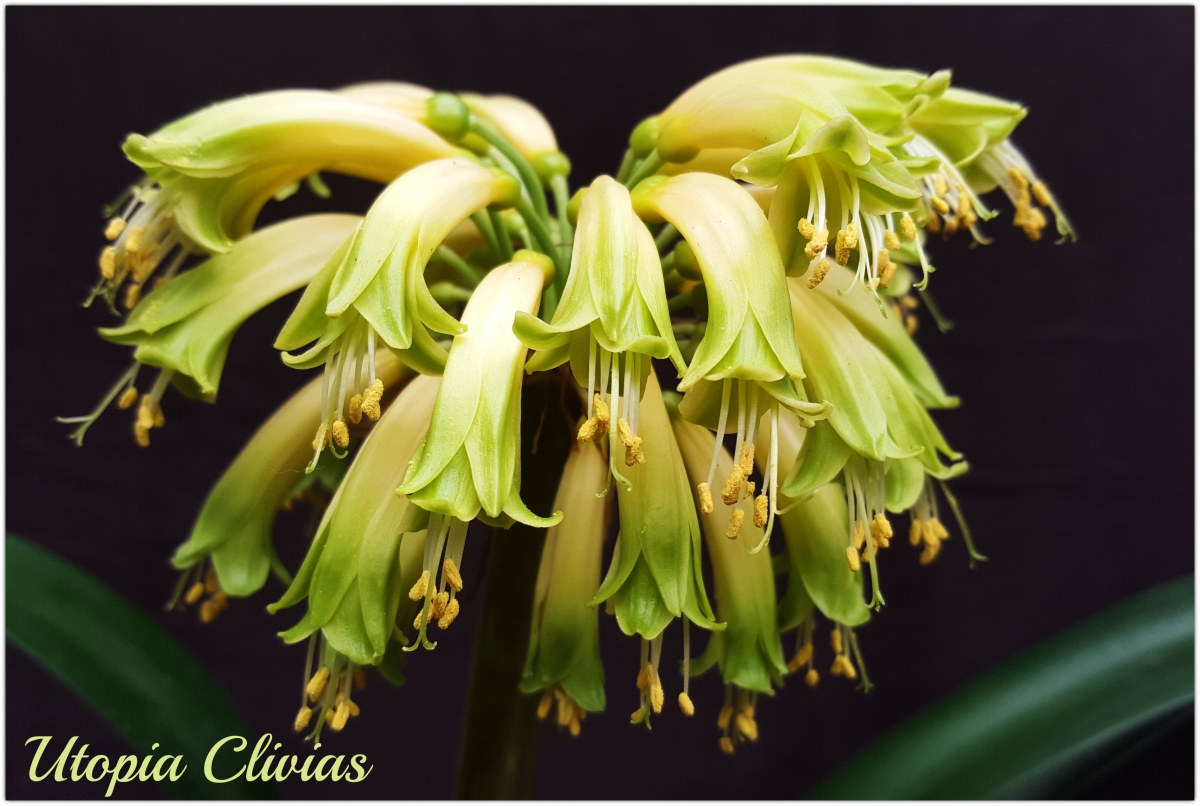
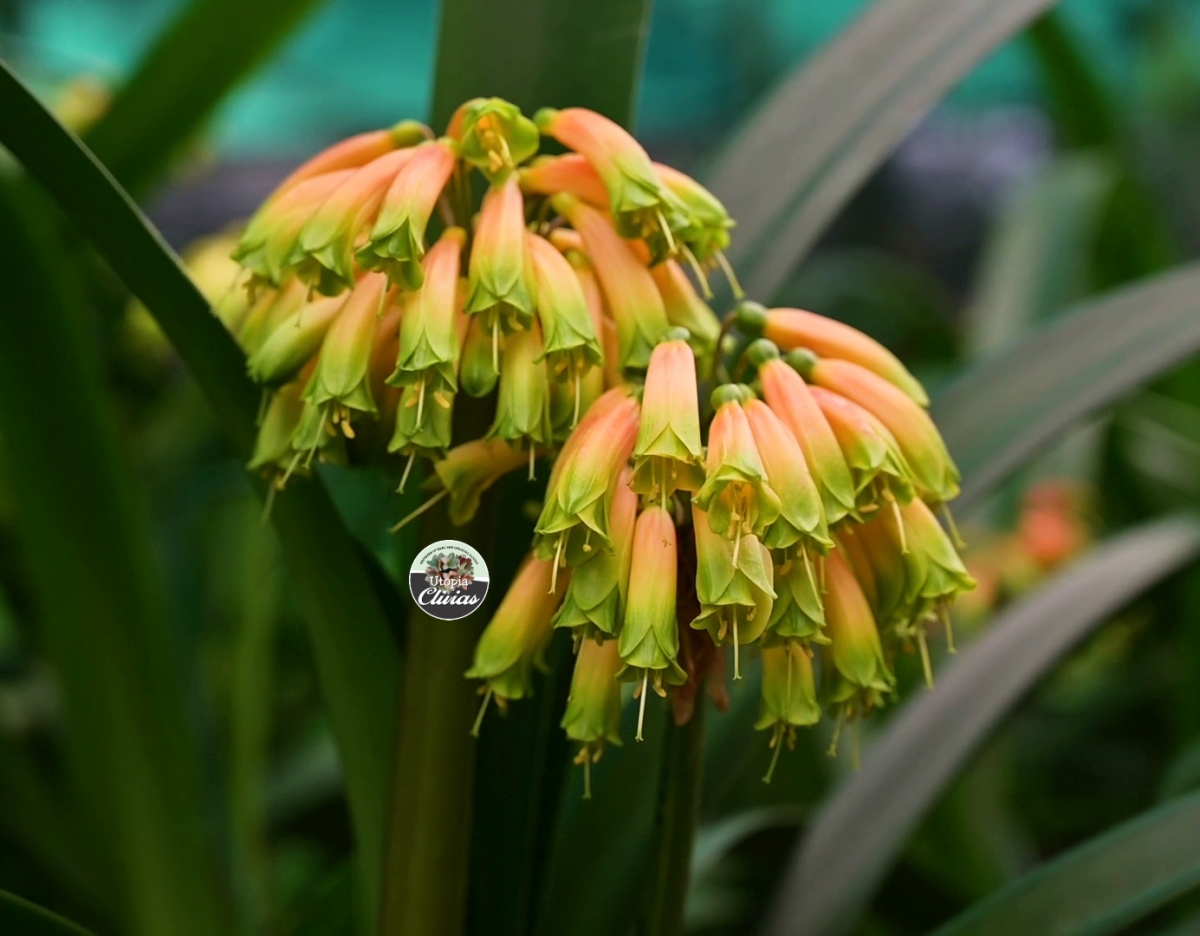
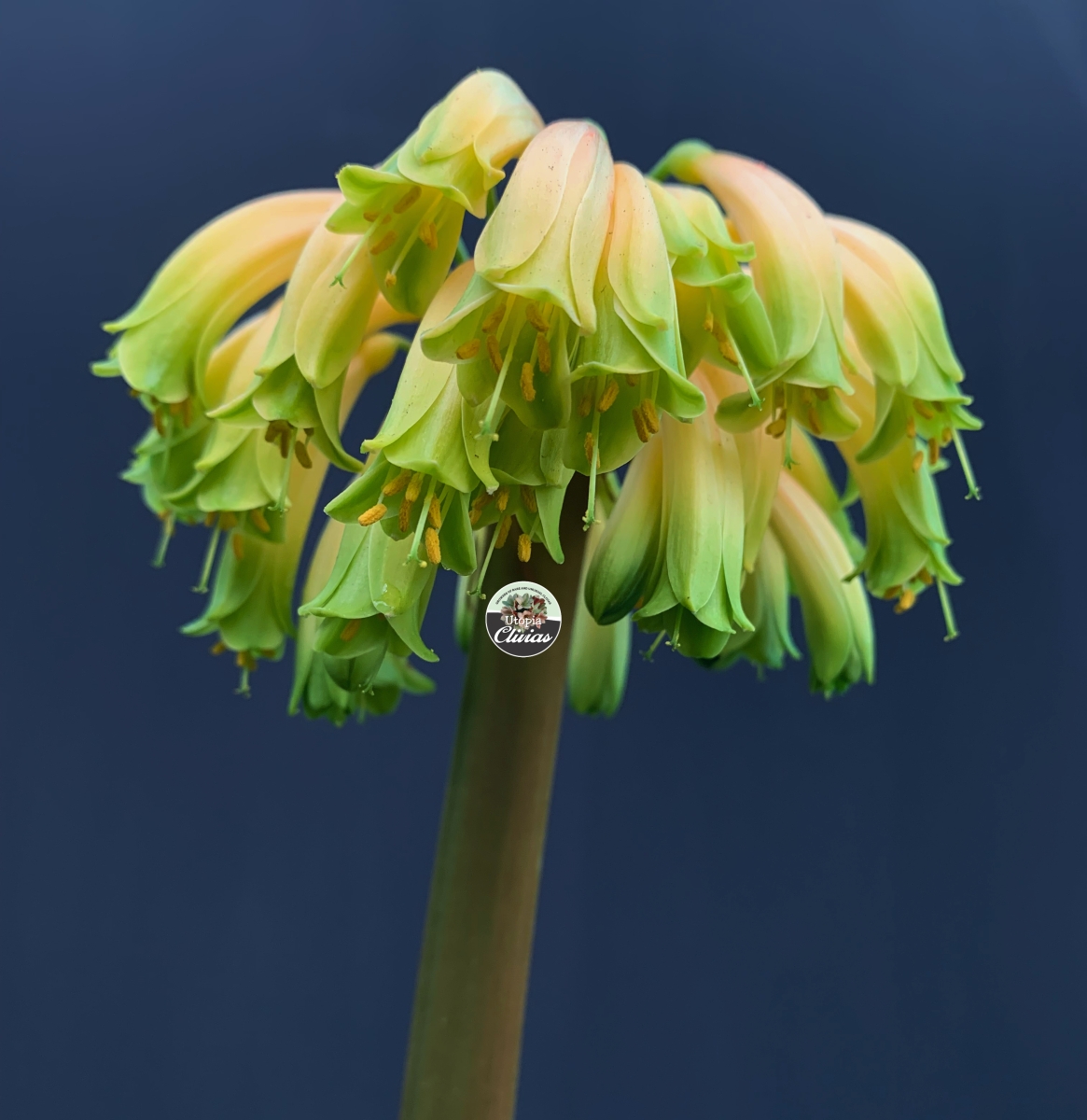
Slender, tubular, pendulous blooms
Primary colour: orange-red with green tips, with occasional yellows, blushes, and pastel variations
Flowering season: May to July
Within the same population, some plants may already set seed while others are still in bud
Flower Scape Differences
Midlands Form – Slightly shorter, compact, graceful inflorescences
Ngome Form – Taller flower scapes with wider, more open floral display
Fruit and Seed
Berries develop 12–15 months after pollination, ripening in winter:
Each berry contains 1–2 large seeds
Seeds are suitable for propagation in controlled nursery conditions
Breeding Value and Interspecific Hybridisation
Clivia gardenii is highly valued in interspecific hybrid breeding, contributing:
Pendulous flower forms
Early flowering
Wide colour range
Refined plant structure
Directional crosses produce predictable results:
Gardenii × Miniata
Graceful, slightly curved flowers
Subtle colour nuances
Maintains elegant plant structure
Miniata × Gardenii
Larger, more open blooms
Balanced F1 flower quality
Retains compact or open growth habit depending on parent population
Gallery images highlight first- and second-generation hybrids and demonstrate the species’ versatility.
Conservation and Ethical Cultivation
Clivia gardenii is protected in the wild. Ethical cultivation relies on nursery-grown plants from seed, ensuring wild populations remain undisturbed. Responsible breeding and compliance with conservation regulations are essential for the species’ long-term survival.
Clivia gardenii at Utopia Clivias
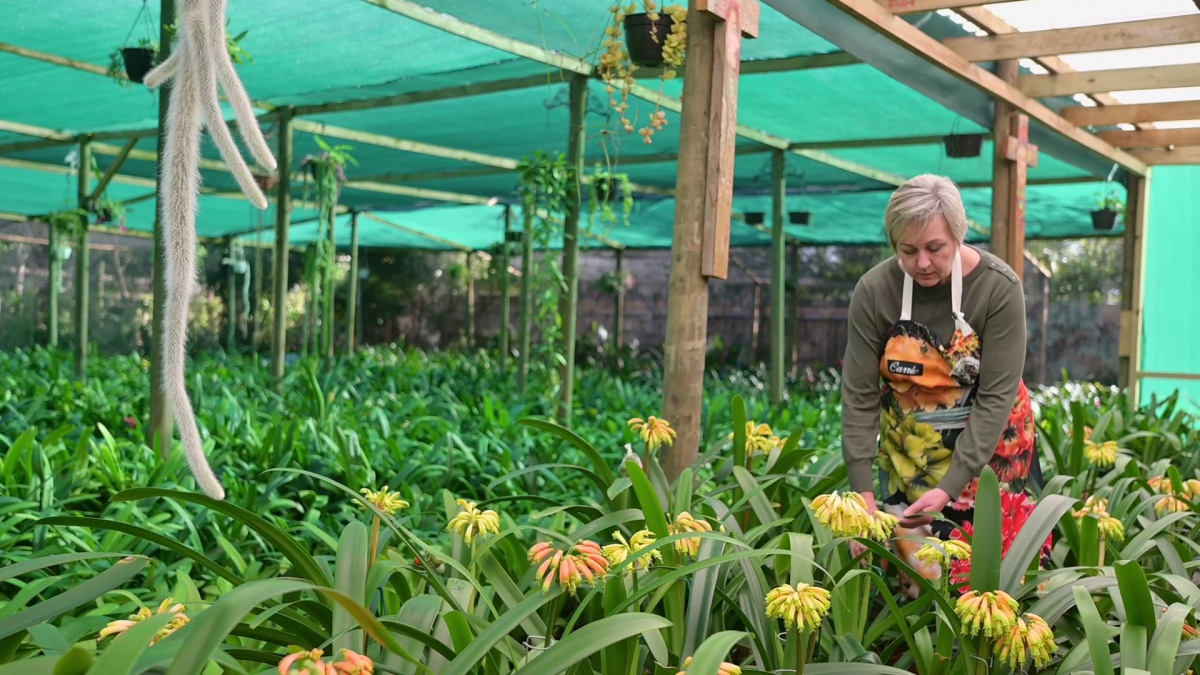
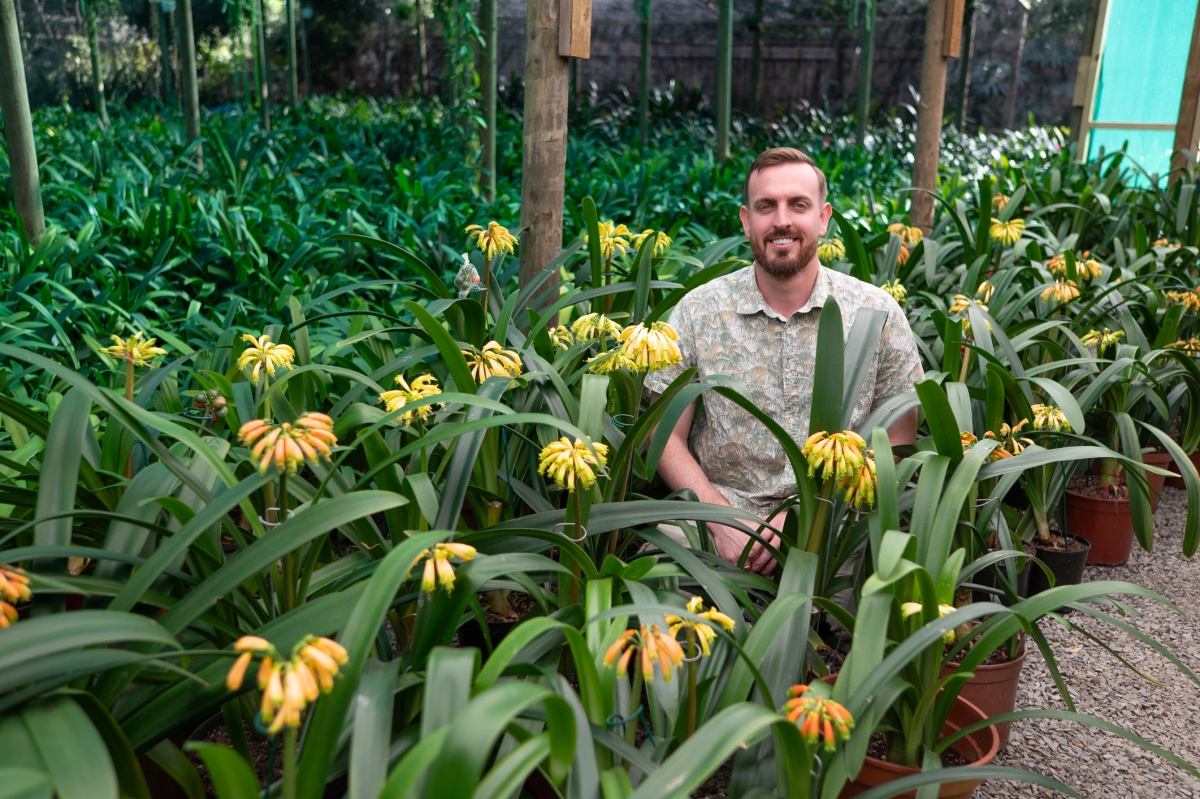
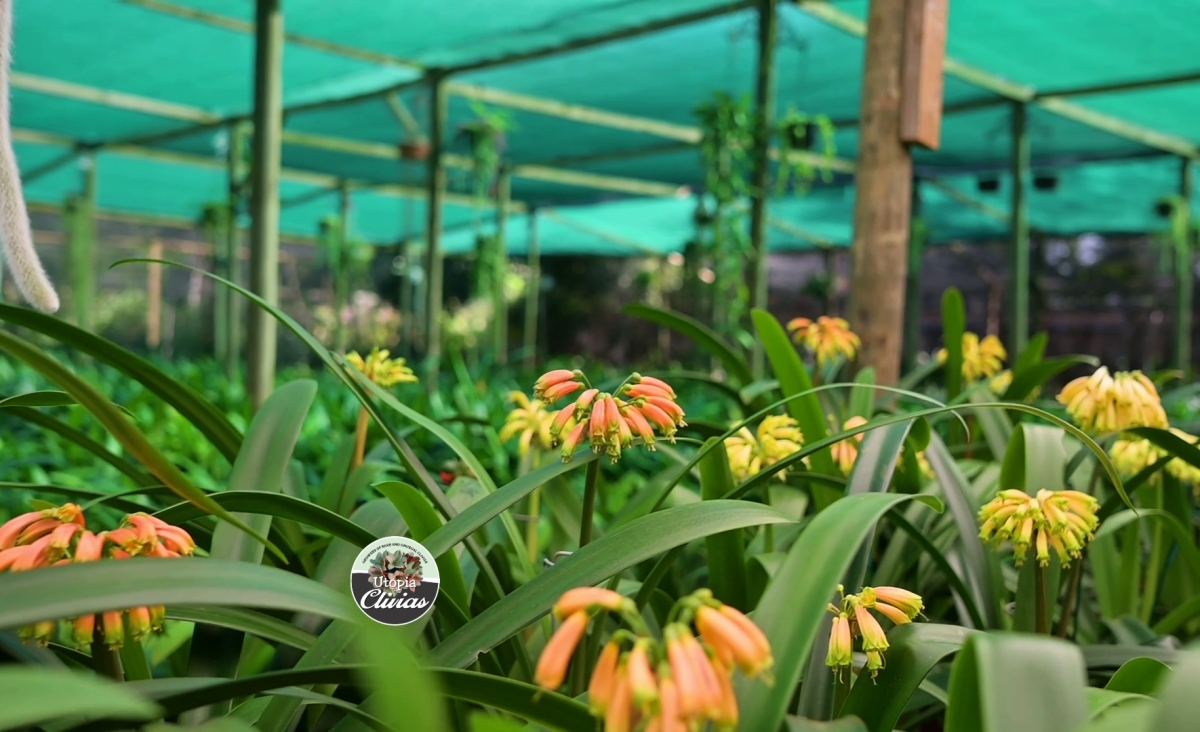
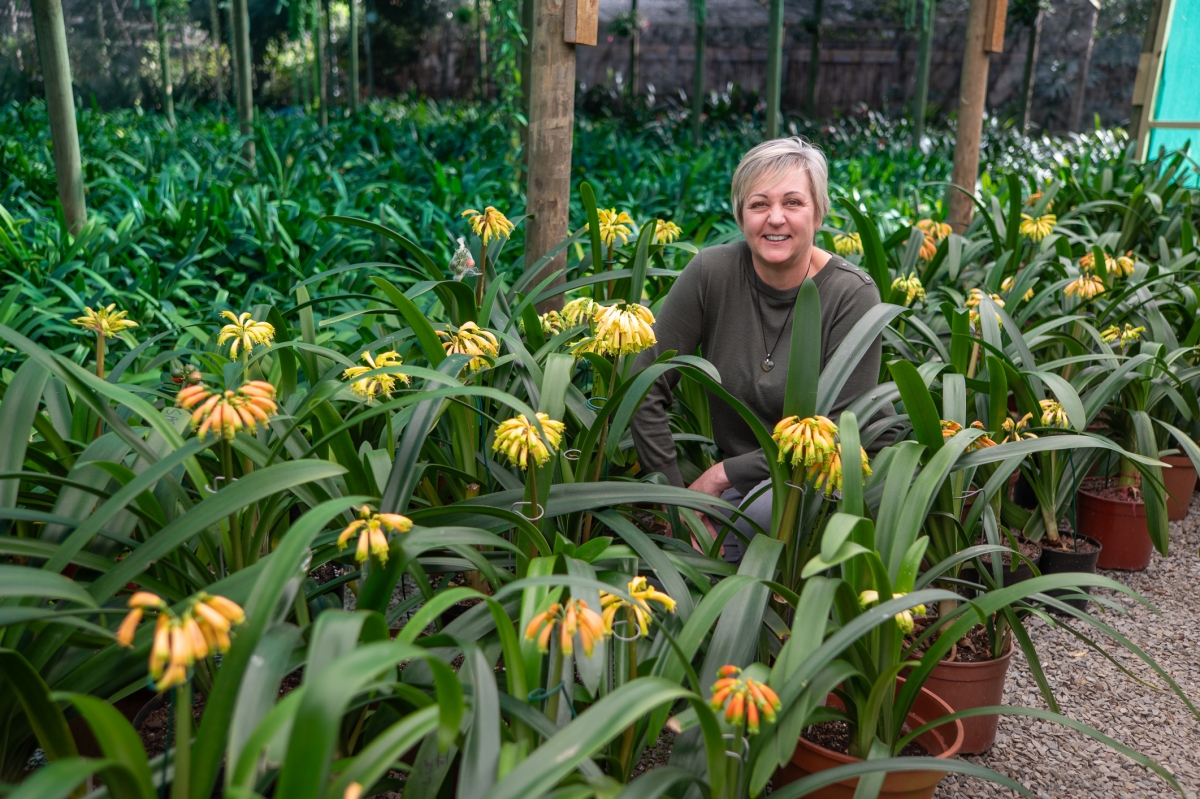
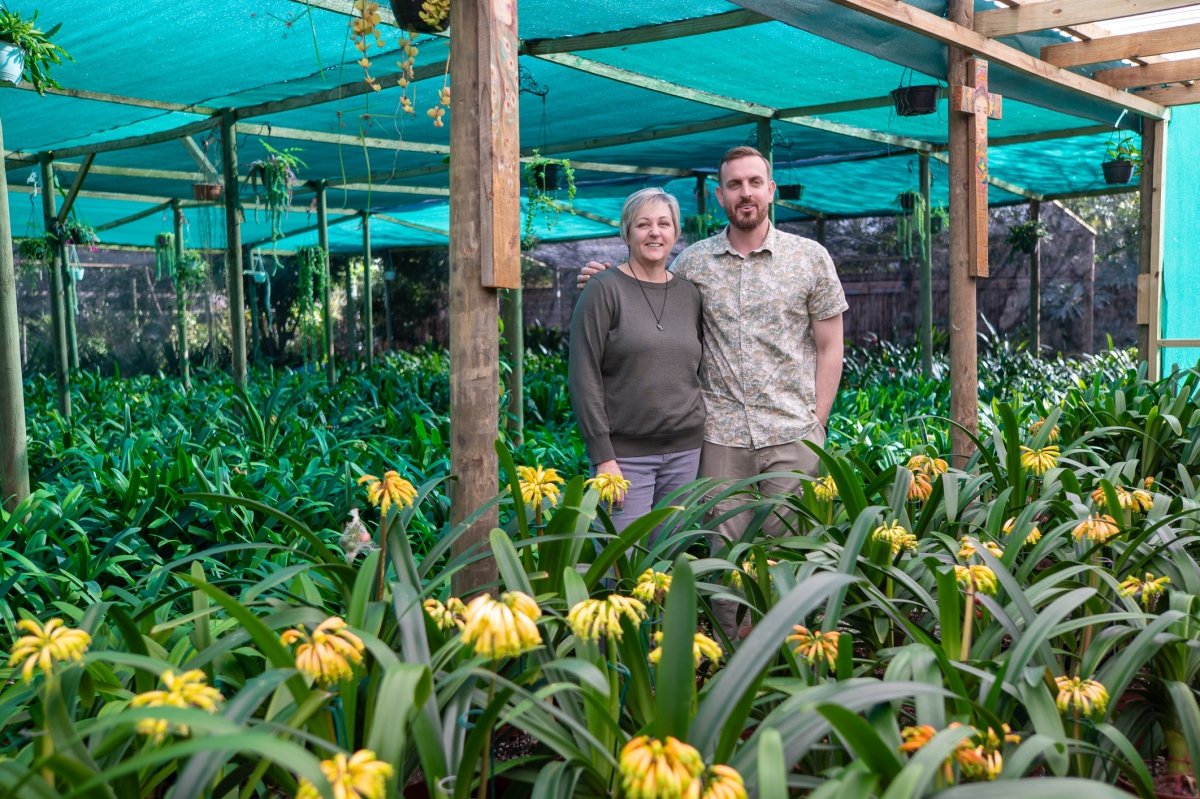
At Utopia Clivias, we grow Clivia gardenii with careful attention to population variation and hybrid potential:
Midlands plants – Compact, arching leaves; tubular, pendulous flowers; slightly shorter, graceful flower scapes
Ngome plants – Upright, robust growth; slightly broader leaves; develops a slight but significant stem as it matures; taller flower scapes; slightly recurved flowers with pronounced green tips
These subtle differences, combined with the species’ versatility in breeding, make C. gardenii a captivating and rewarding plant for collectors and hybridisers alike.