The Subtle Differences Between Clivia gardenii, robusta and caulescens
By Carrie Kruger – Utopia Clivias
In the fascinating world of Clivia breeding, knowing the subtle differences between species is essential—especially when working with interspecific hybrids. Three species stand out for their distinct characteristics and strong genetic influence: Clivia gardenii, Clivia robusta, and Clivia caulescens.
At Utopia Clivias, we often use these species in our breeding programme to develop plants with improved structure, unique flowers, and enhanced flowering times. Here's a breakdown of how they differ—and how each contributes to the exciting diversity seen in today’s clivia hybrids.
🌸 1. Flowering Times (Southern Hemisphere)
The three species each flower at different times, allowing breeders to extend the blooming season:
Gardenii: May – July
Robusta: April – July
Caulescens: September – October
This staggered flowering allows gardeners to enjoy clivia blooms across multiple seasons and enables breeders to carefully plan their hybridisation schedules.
🌿 2. Leaf and Plant Structure
Each species has its own distinctive growth form, size, and foliage characteristics:
Clivia gardenii
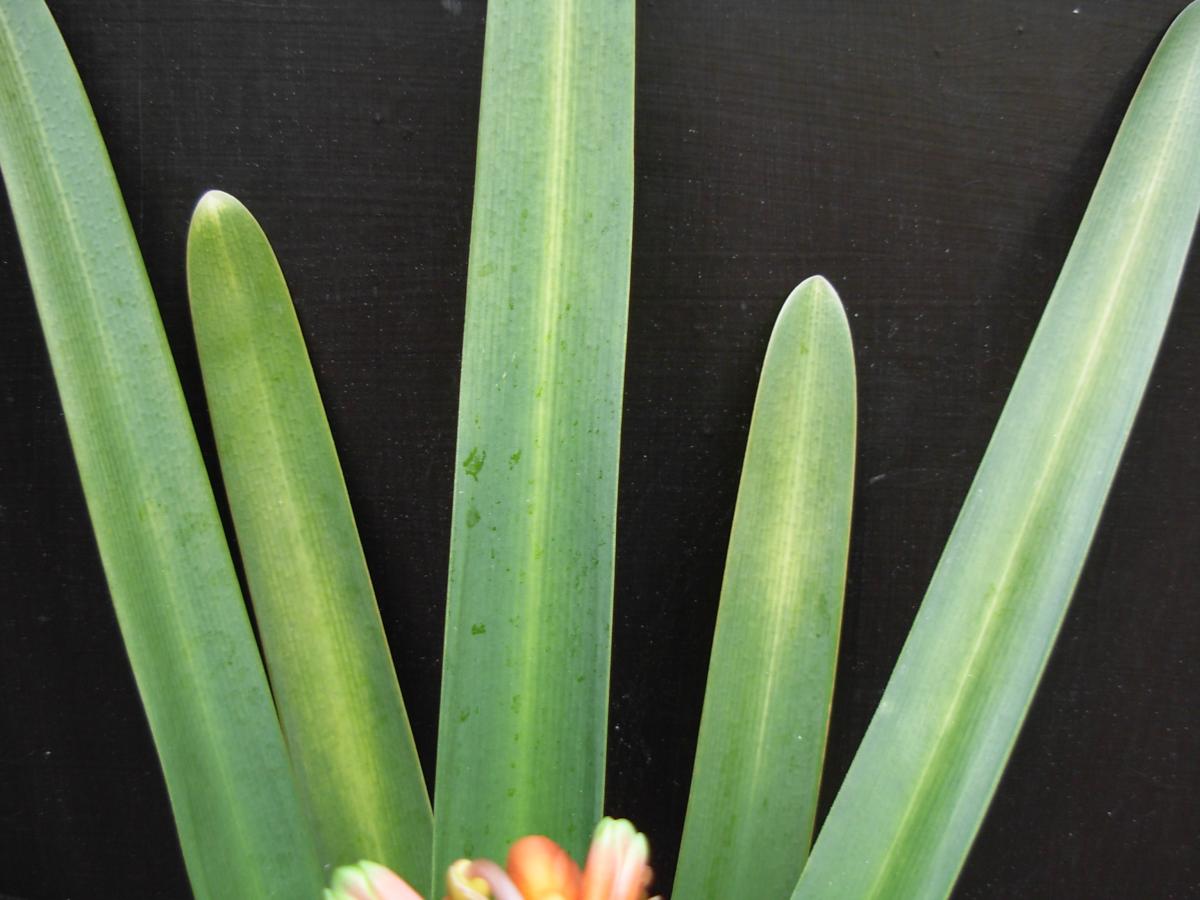
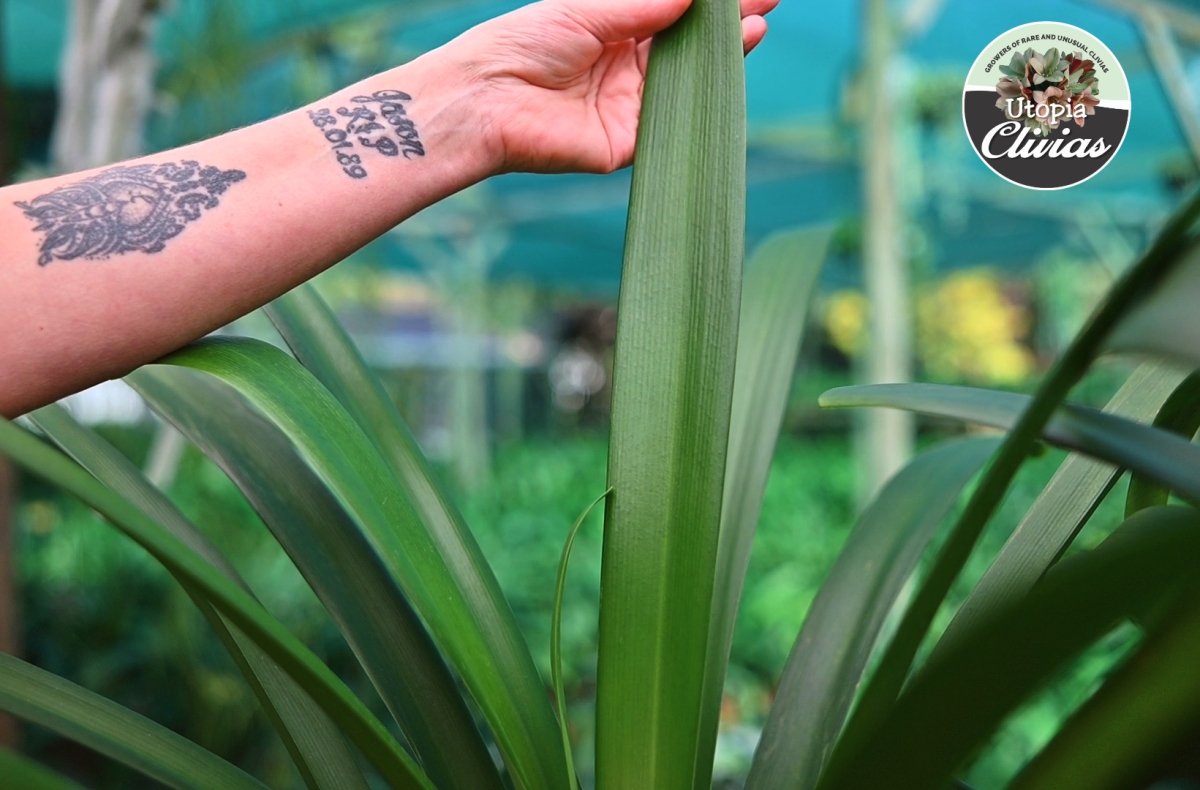
Tall, thin, strappy leaves up to 90 cm
Bright green in colour, narrowing to a fine point
Freely suckers and does not form a pronounced basal stem
Ideal for breeders looking for elegant, upright leaf structure in hybrids
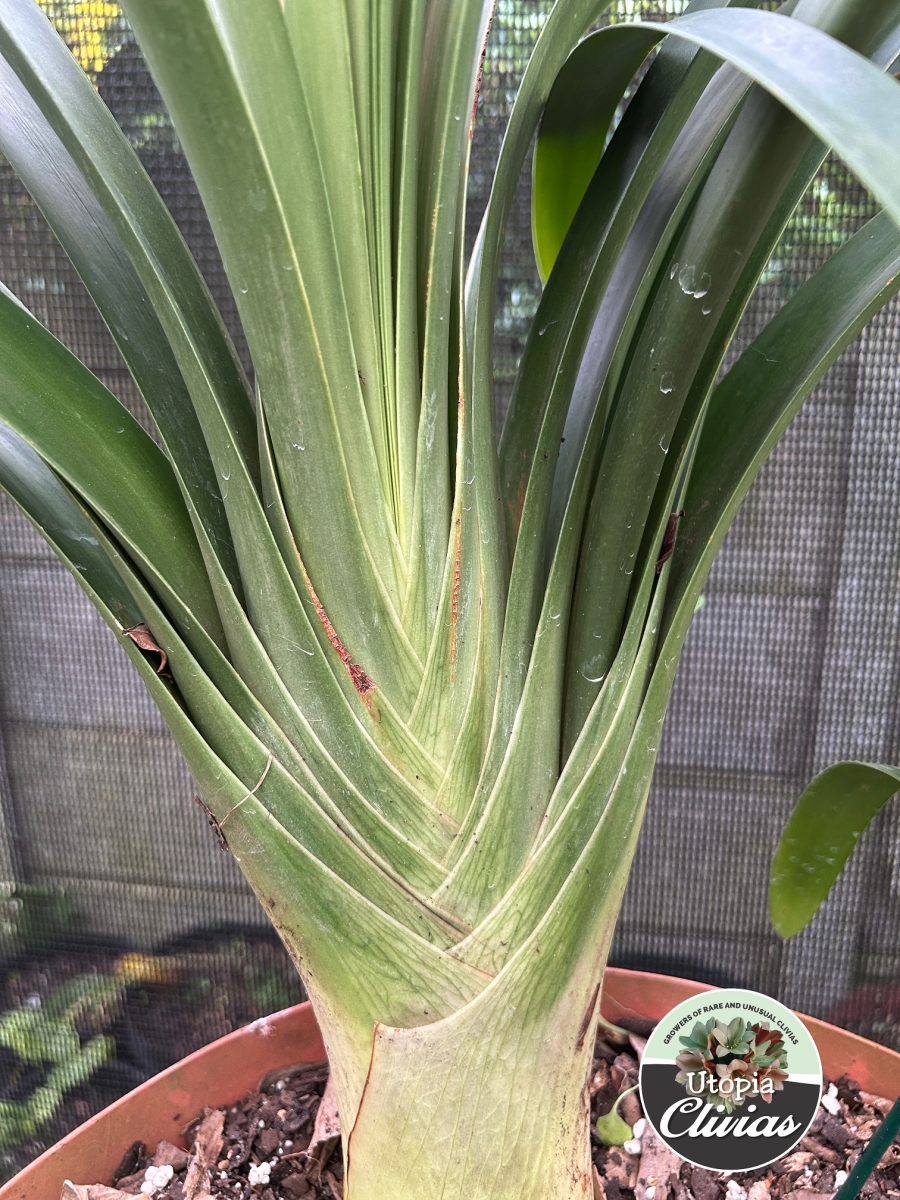
Clivia robusta
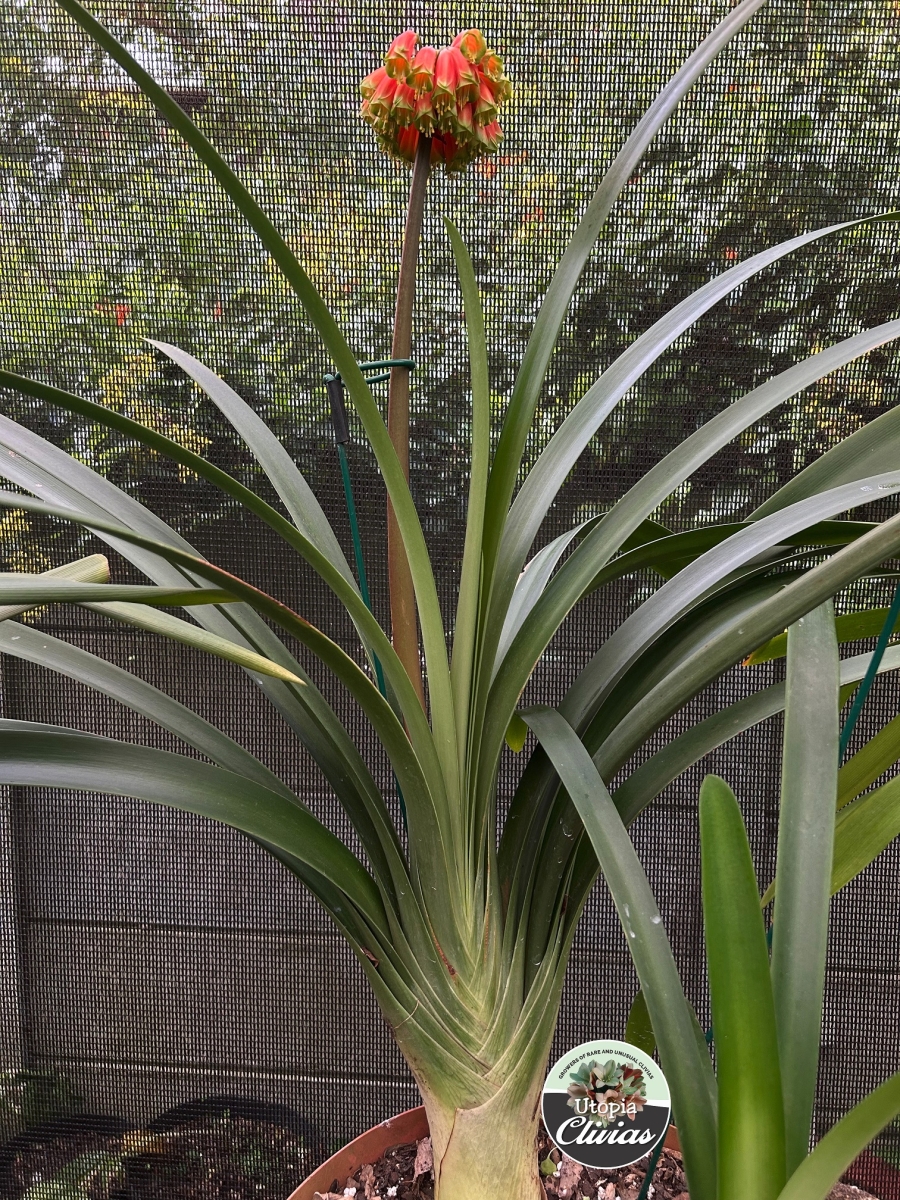
Very tall plants with light green leaves reaching up to 1.8 m
Thicker leaves than gardenii, with slightly rounded tips
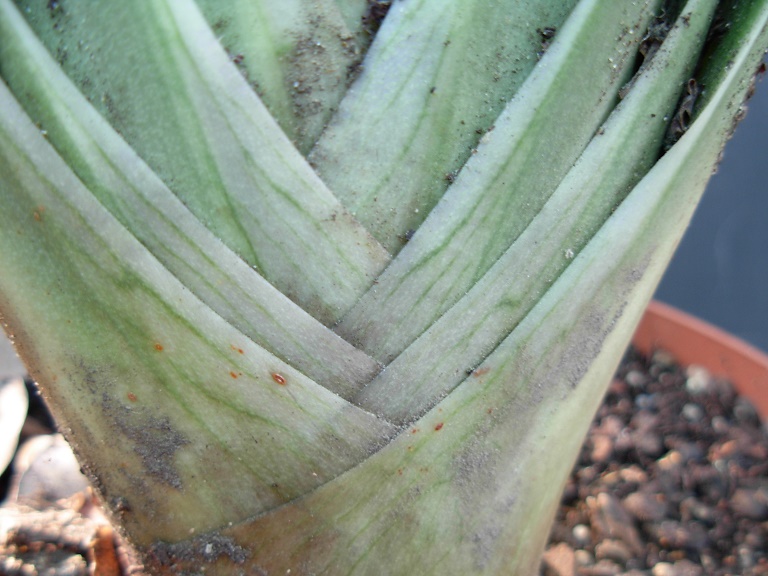
Forms strong fan-shaped bases and a robust overall plant structure
Leaf bases are often grey-green with darker veining
Adds vigour and strength to hybrids—especially important for outdoor or landscaping use
Clivia caulescens
Medium-sized plants with broad, slightly pointed leaves up to 50 cm
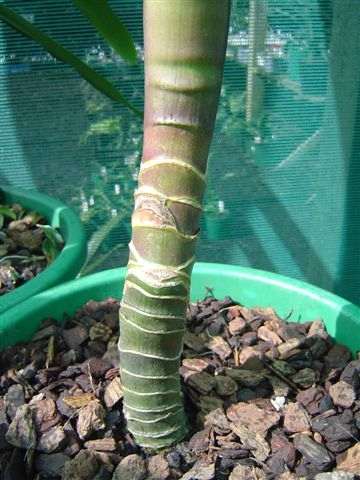
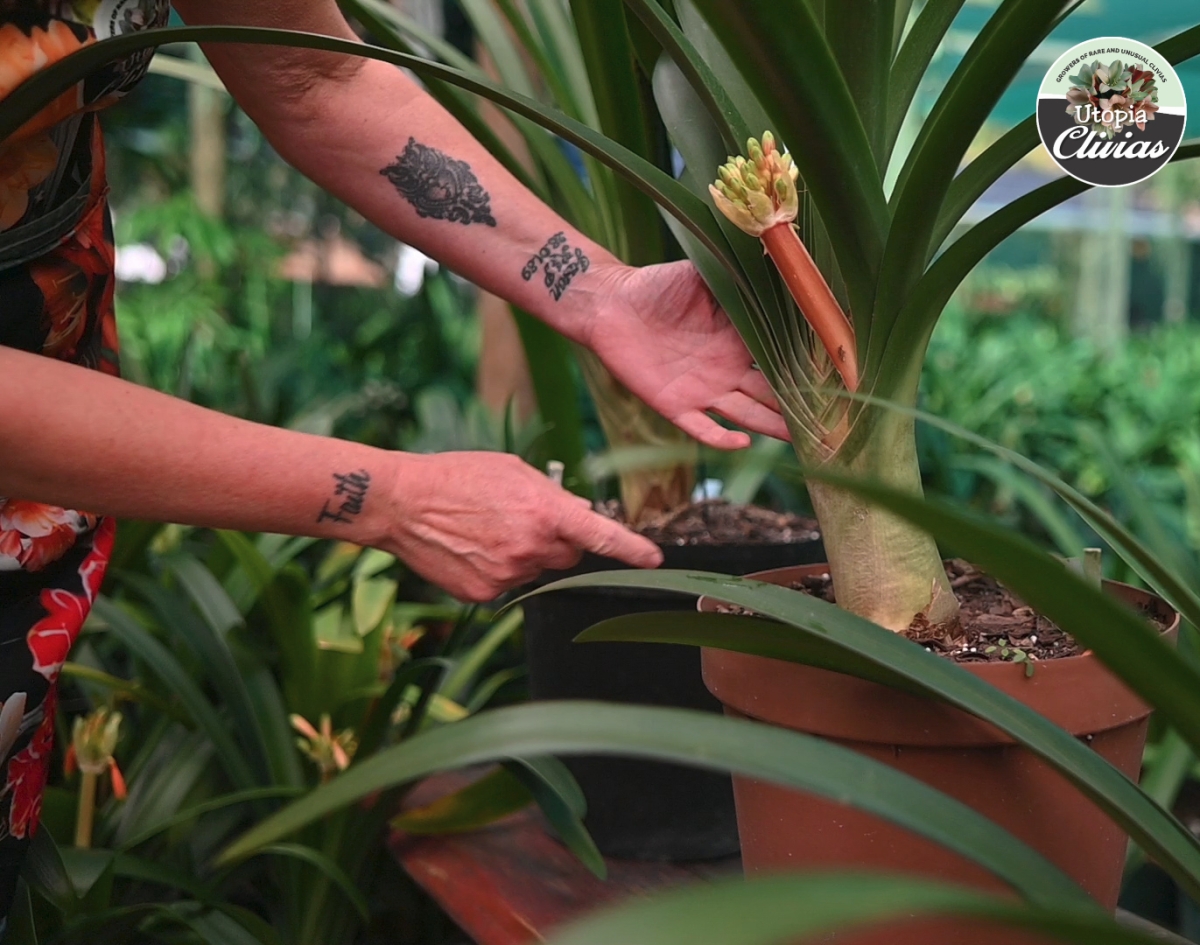
Known for developing aerial stems that can reach 1 m or more in height
Brings a more vertical, wild look and is prized for its unique growth habit
🌼 3. Flower Characteristics
Each species produces different flower shapes, arrangements, and colour variations:
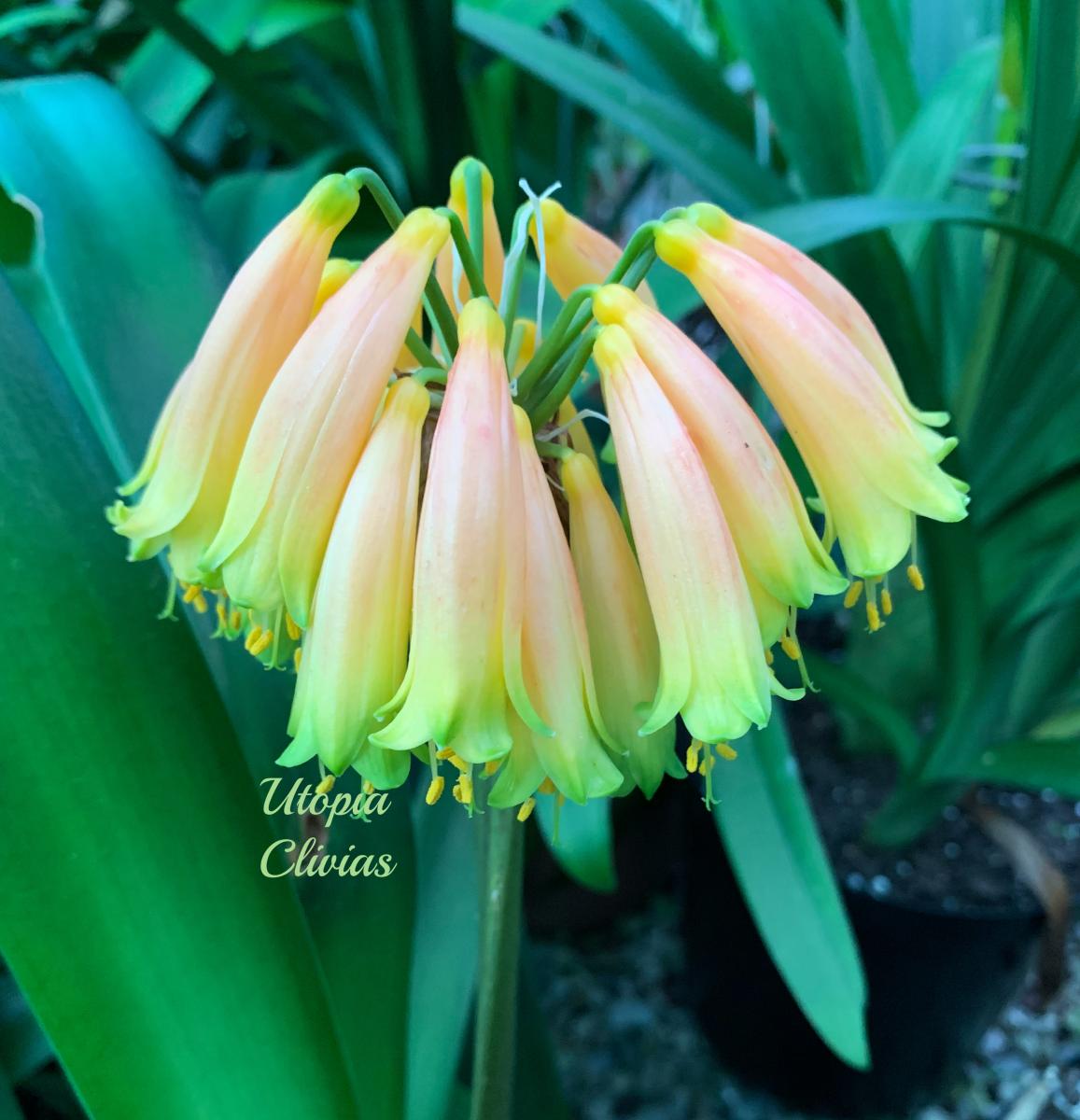
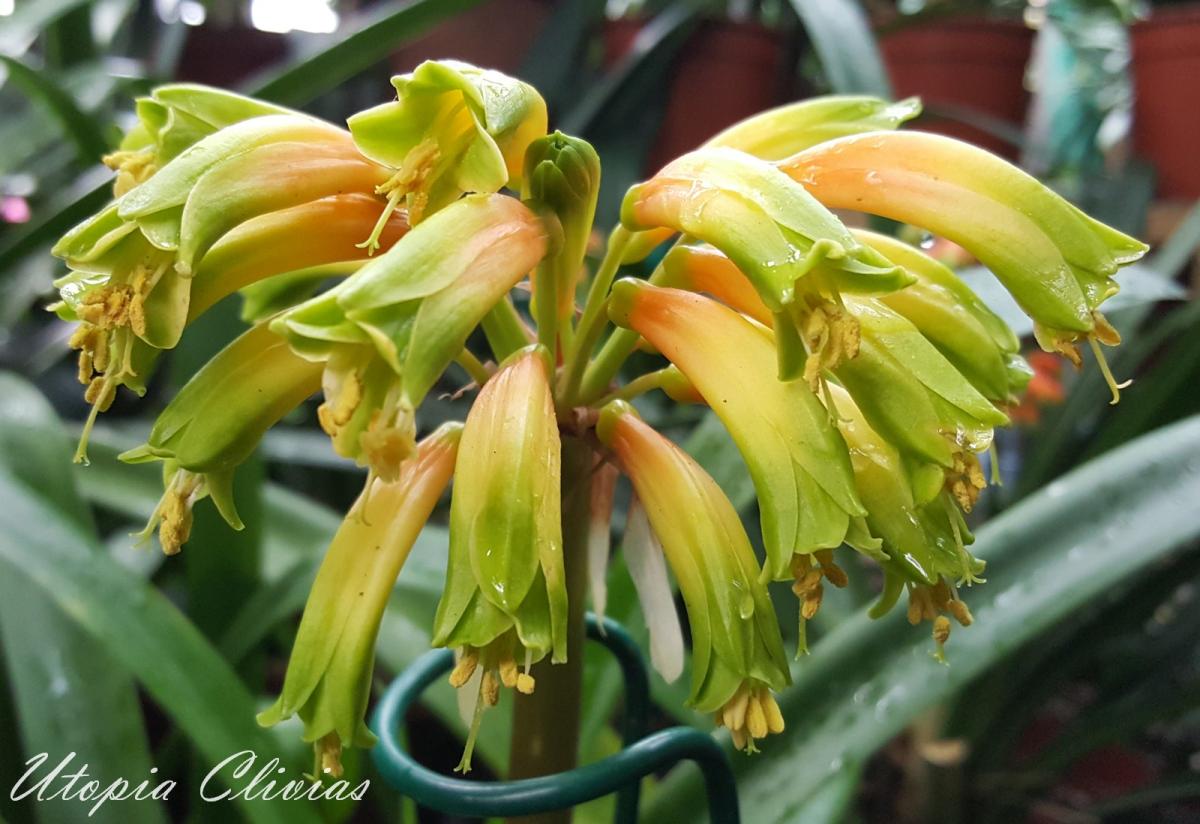
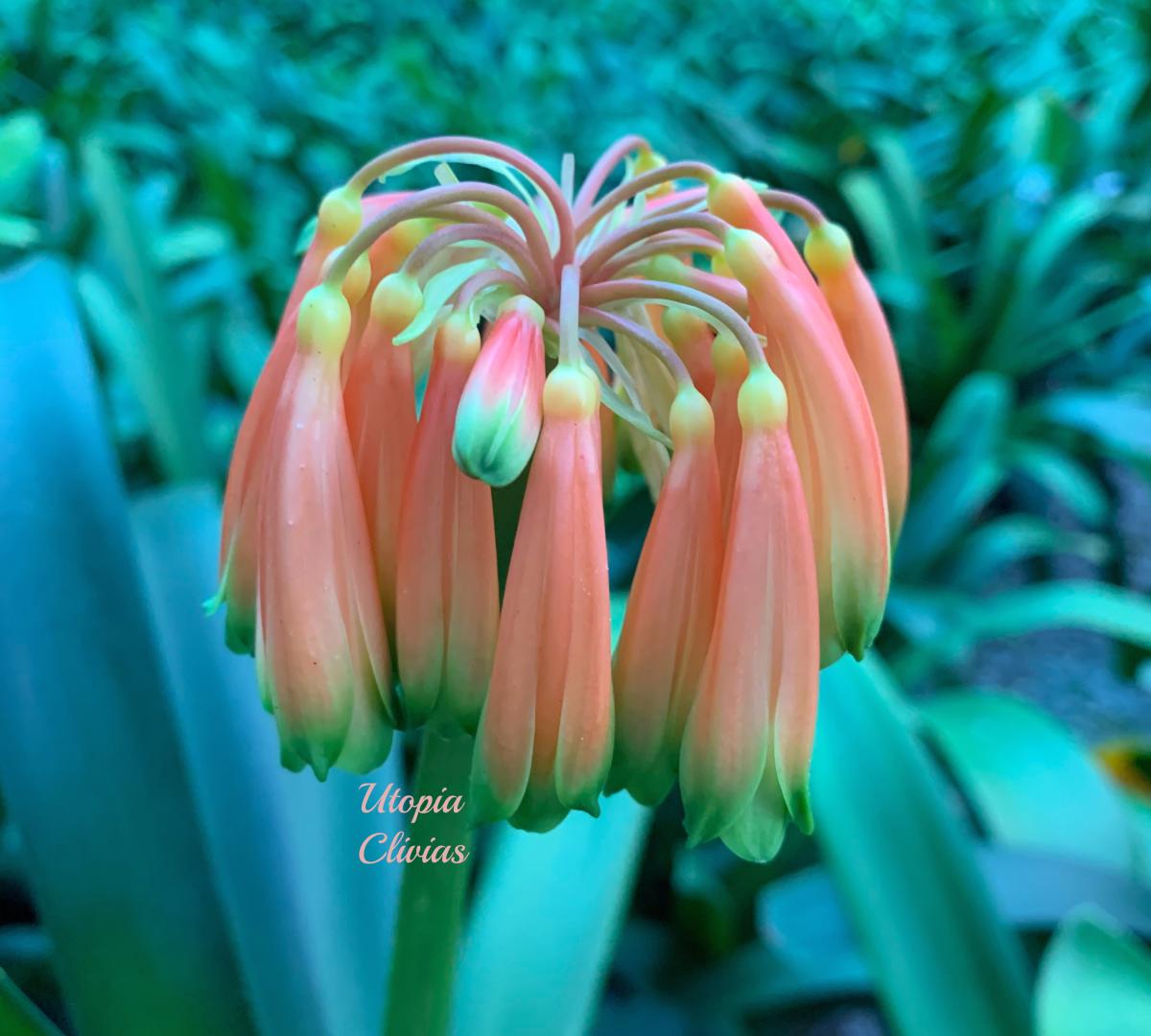
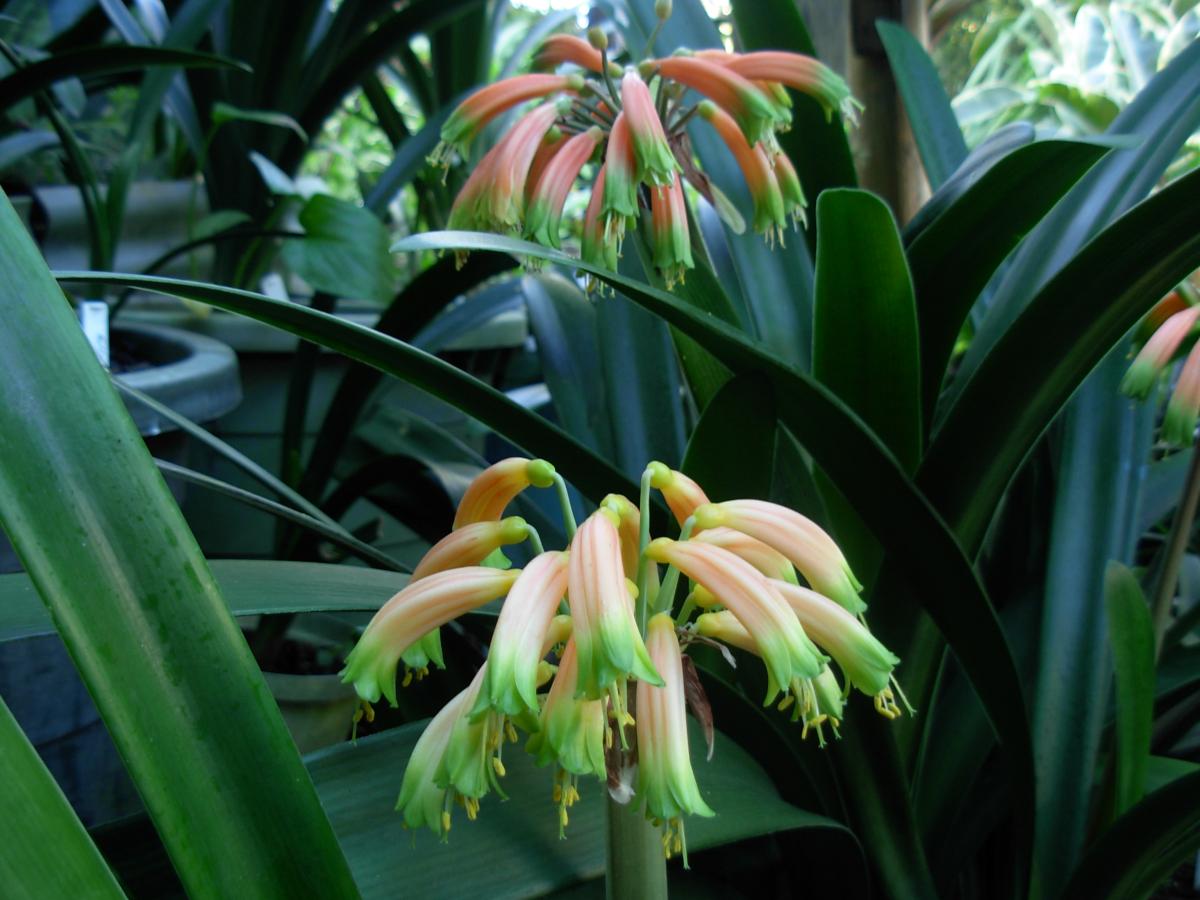
Clivia gardenii
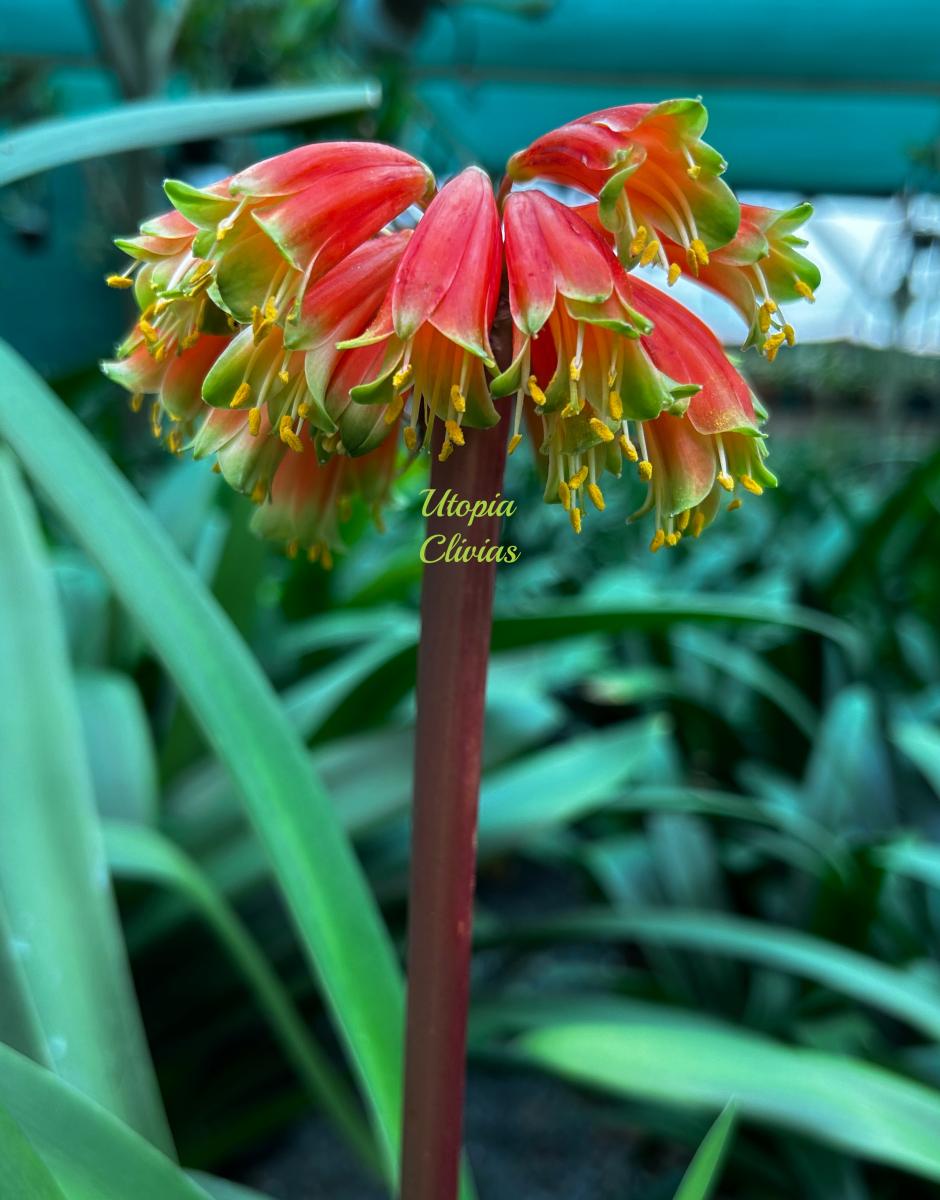
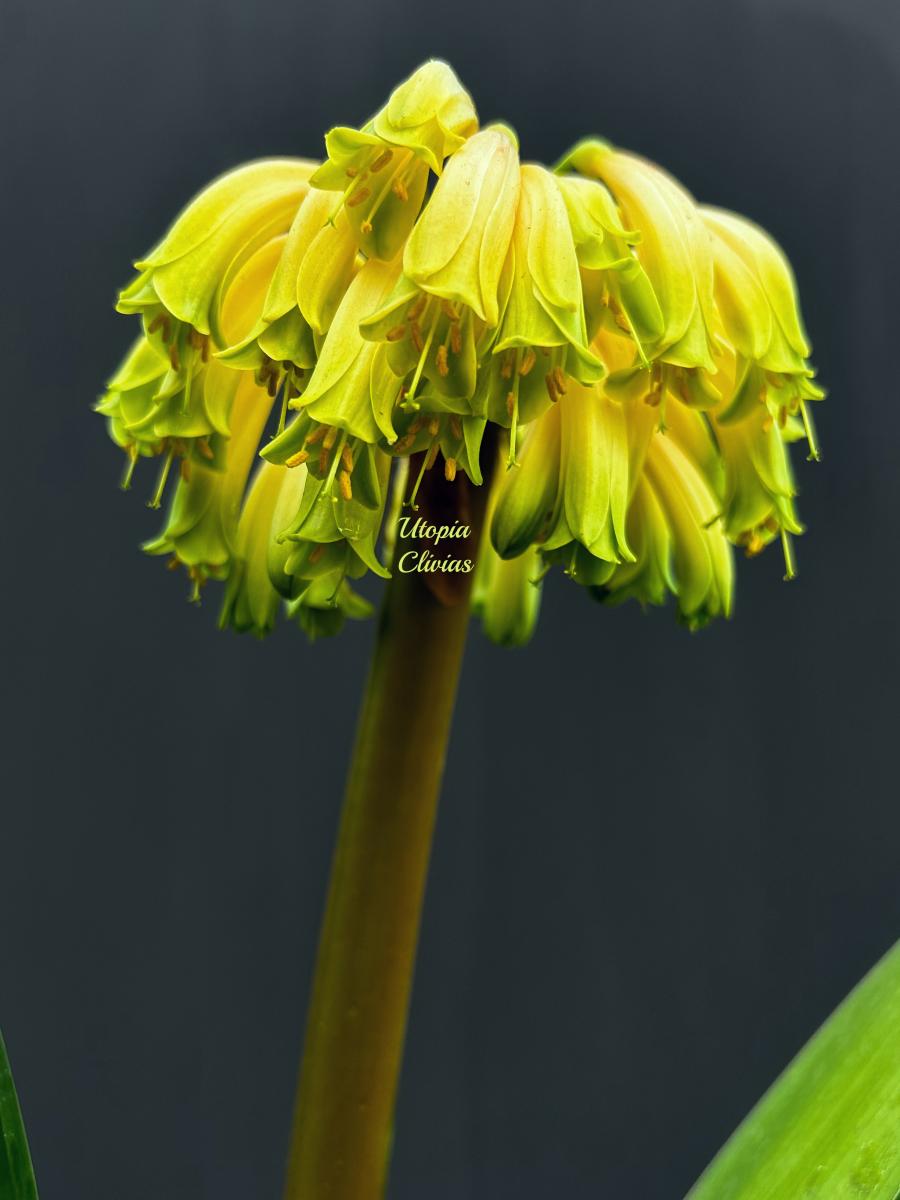
Less pendulous than other species
Thick flower stalks with long, protruding pollen anthers
Wide range of colours, from classic orange to rare pink, yellow, and blush tones
Flowers often display prominent green tips, making them ideal for subtle, refined hybrids
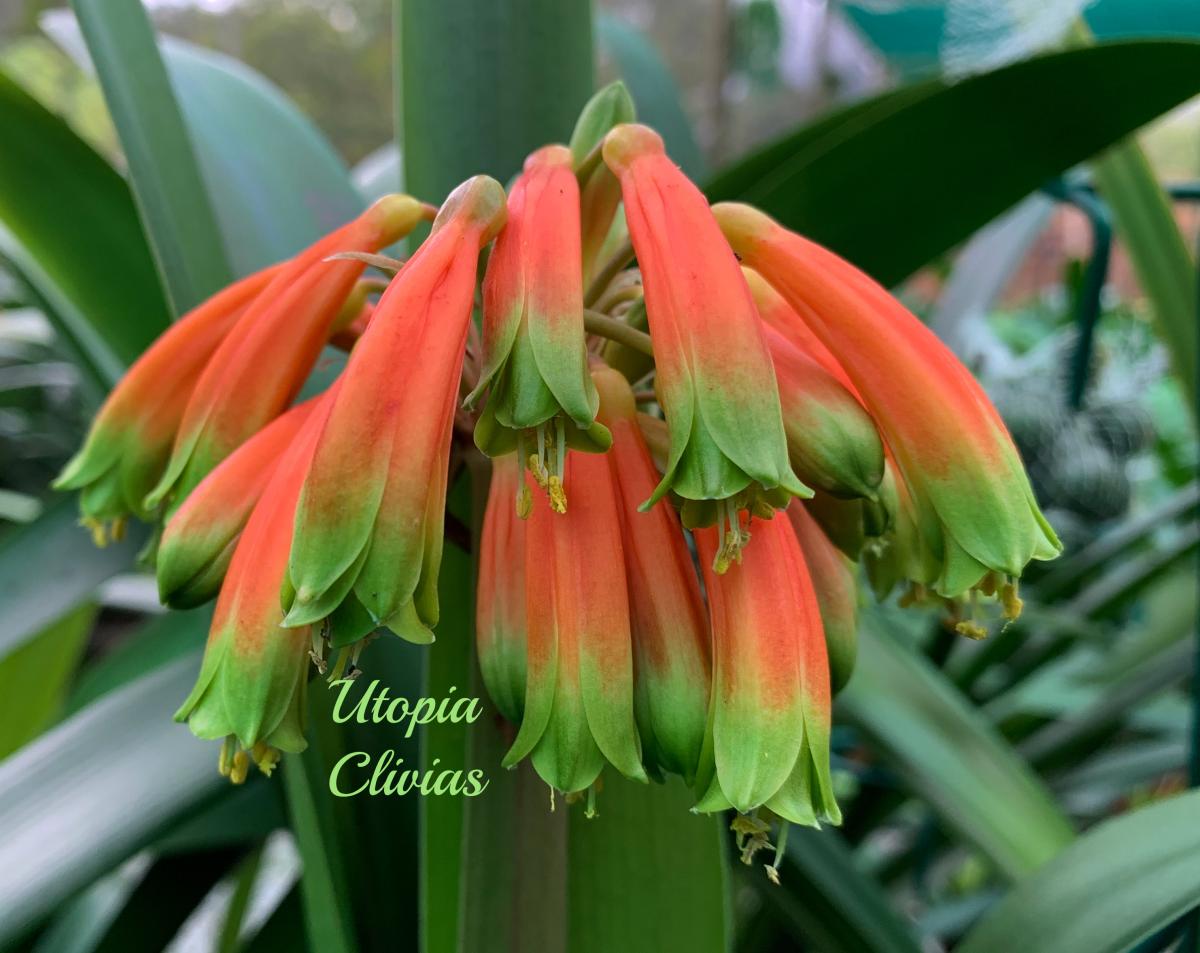
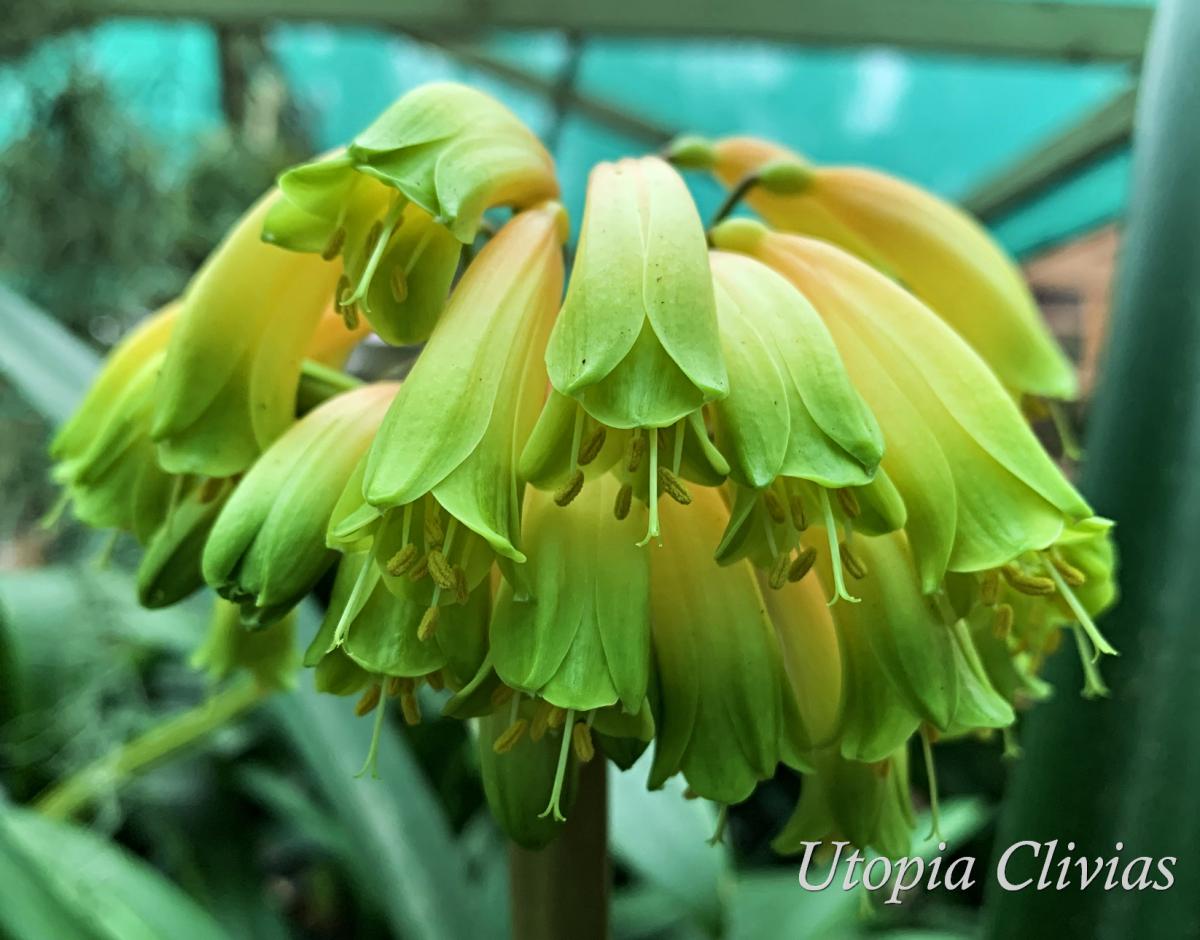
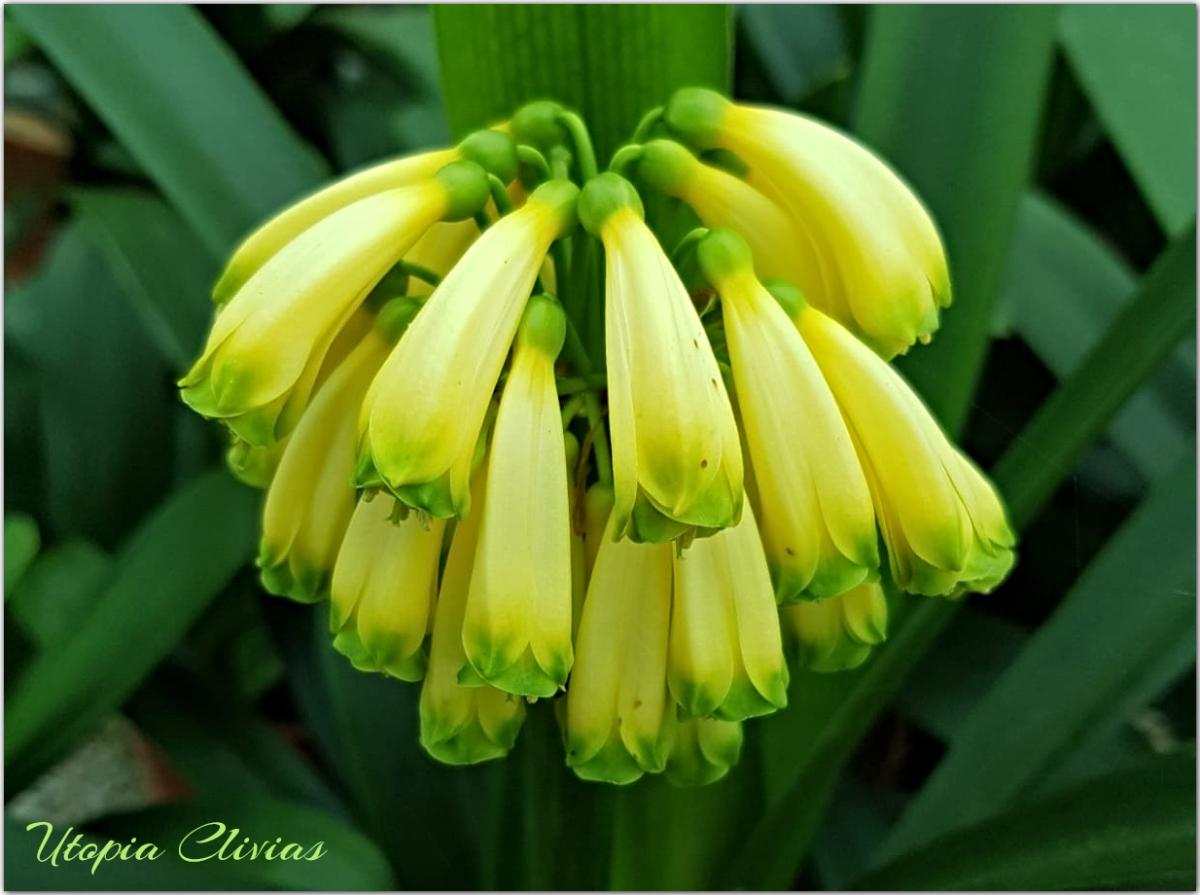
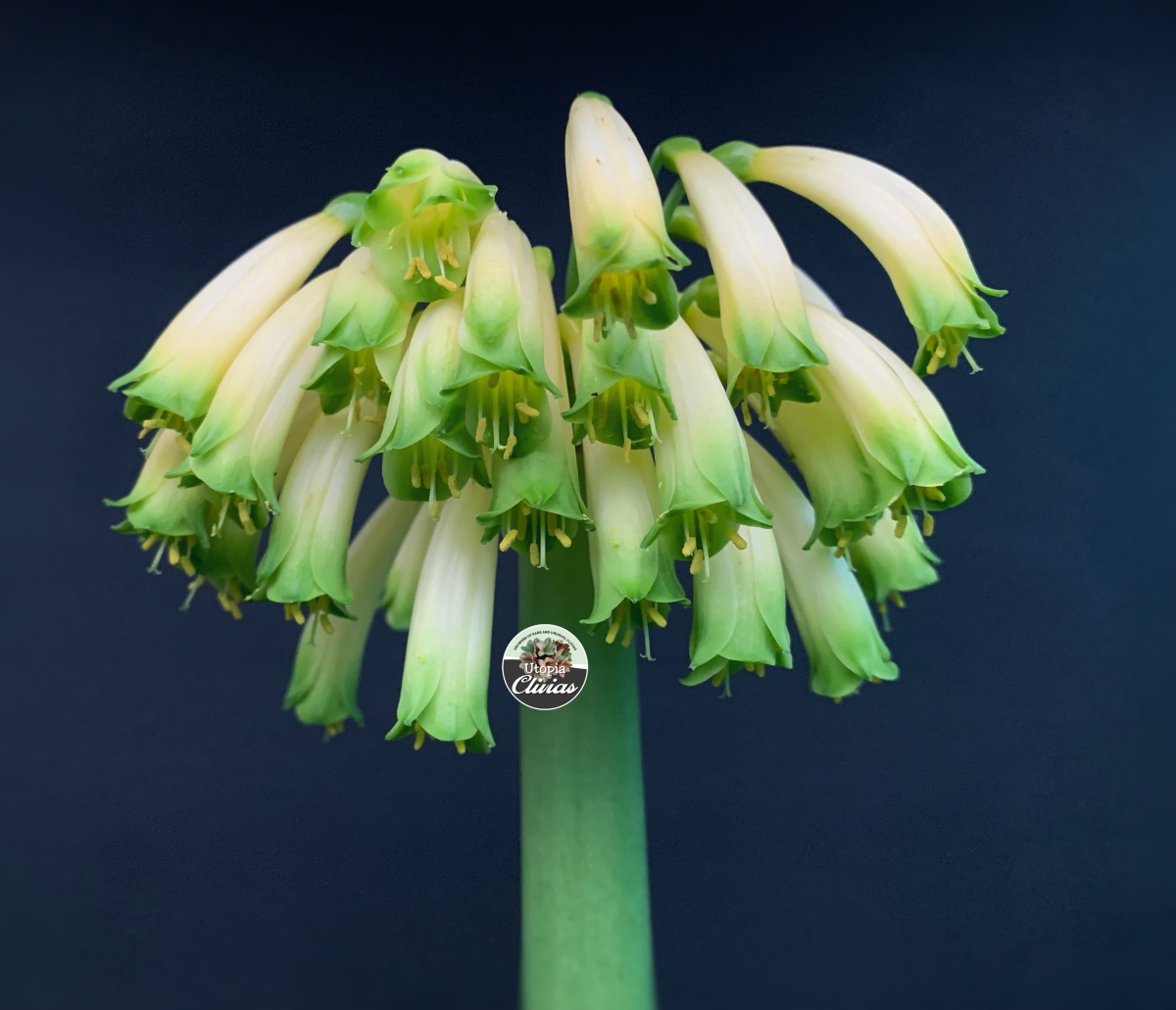
Clivia robusta
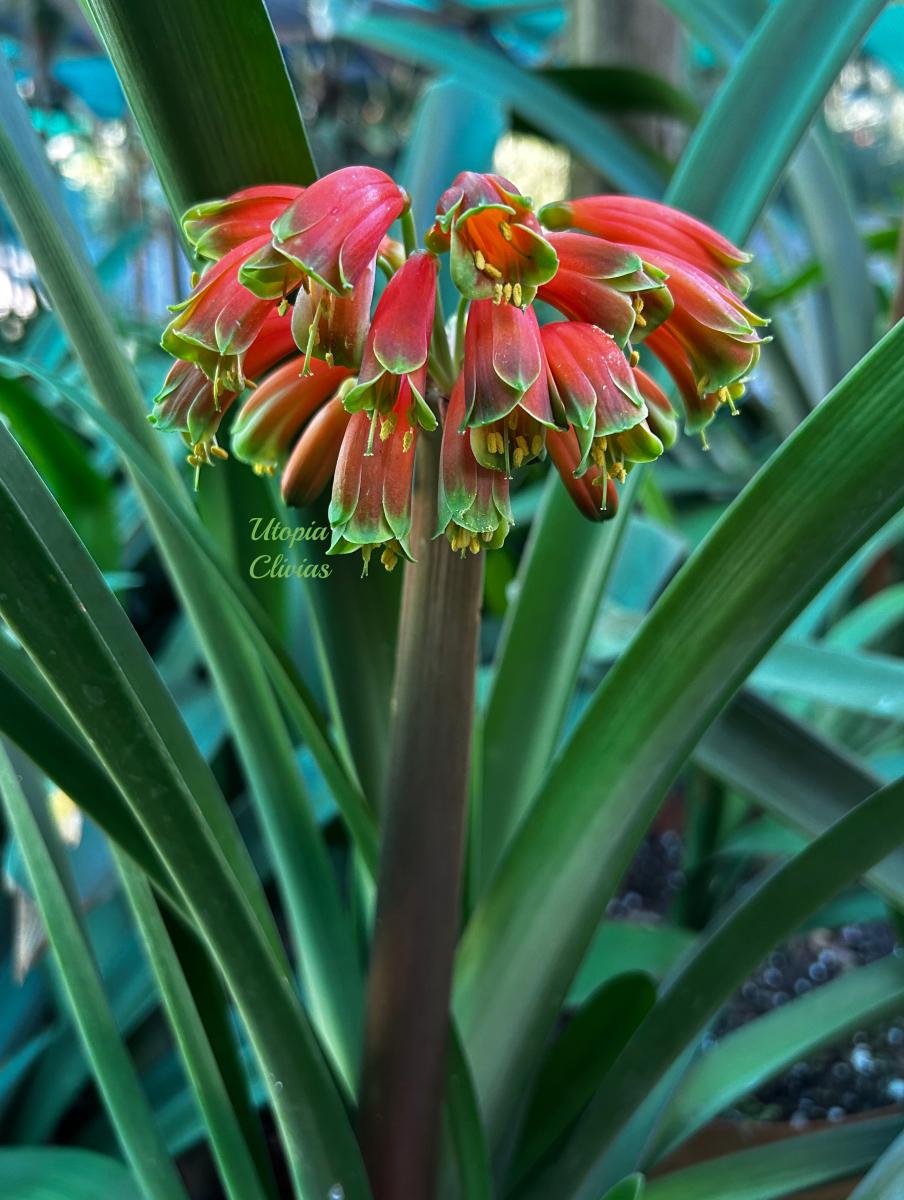
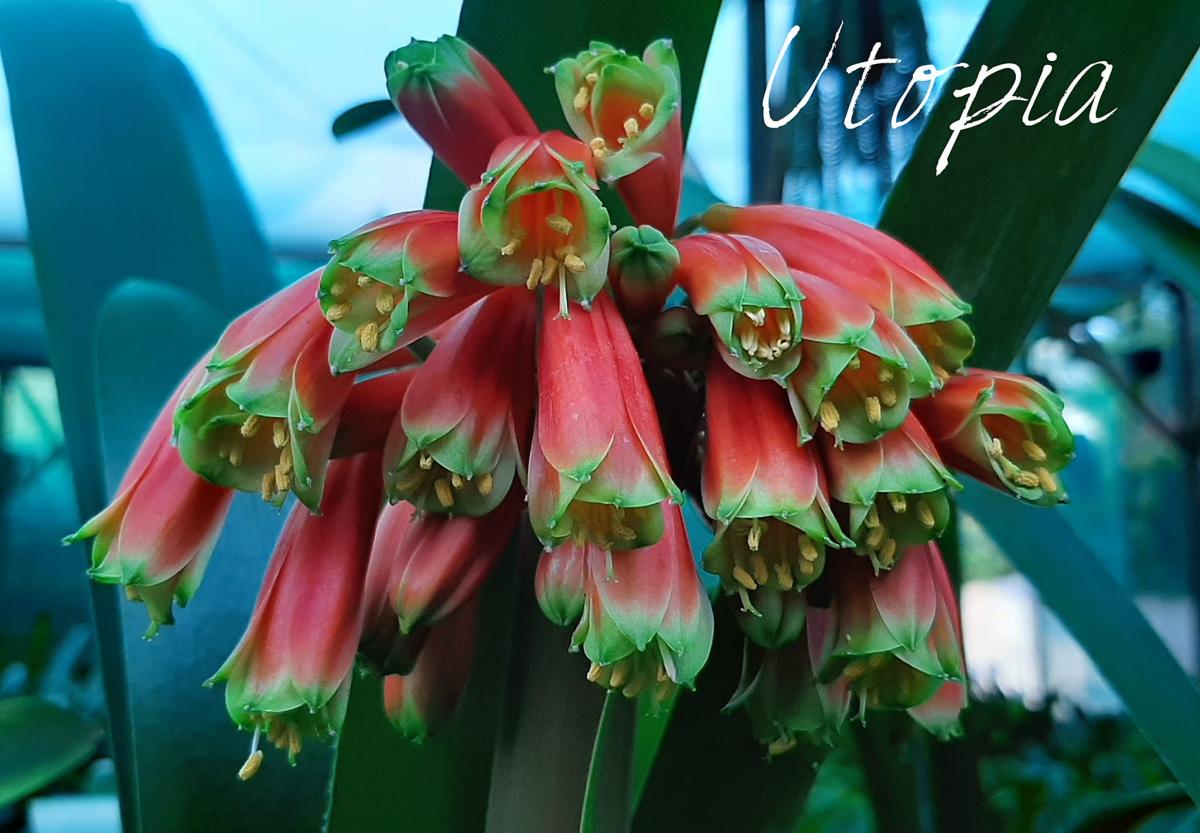
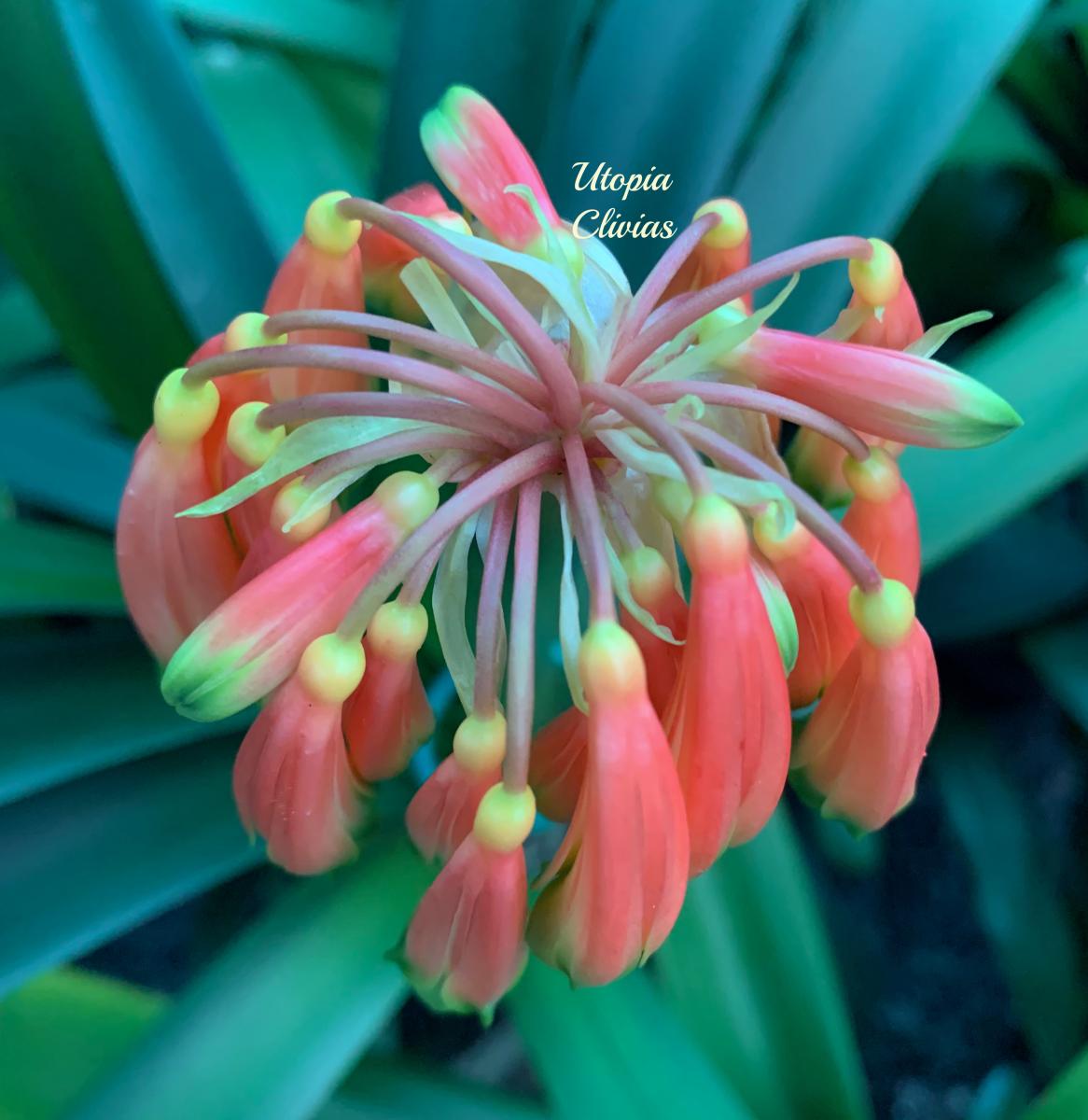
More pendulous than gardenii, with more flowers per umbel
Pollen is typically held inside the flowers, though occasionally visible
Colour range includes baby pink, red, bronze, and rare yellow and near-white forms
Adds elegance and floriferousness to breeding lines
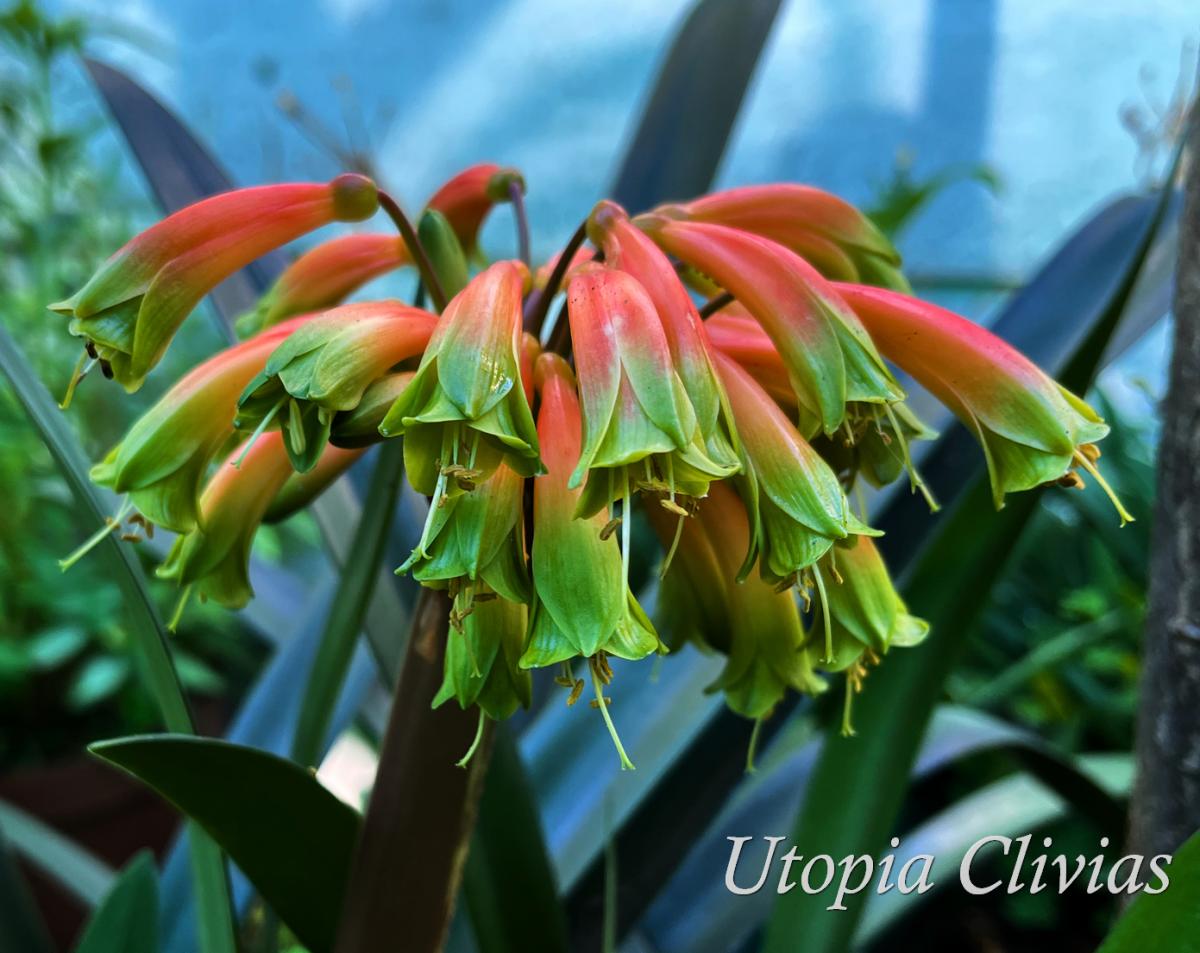
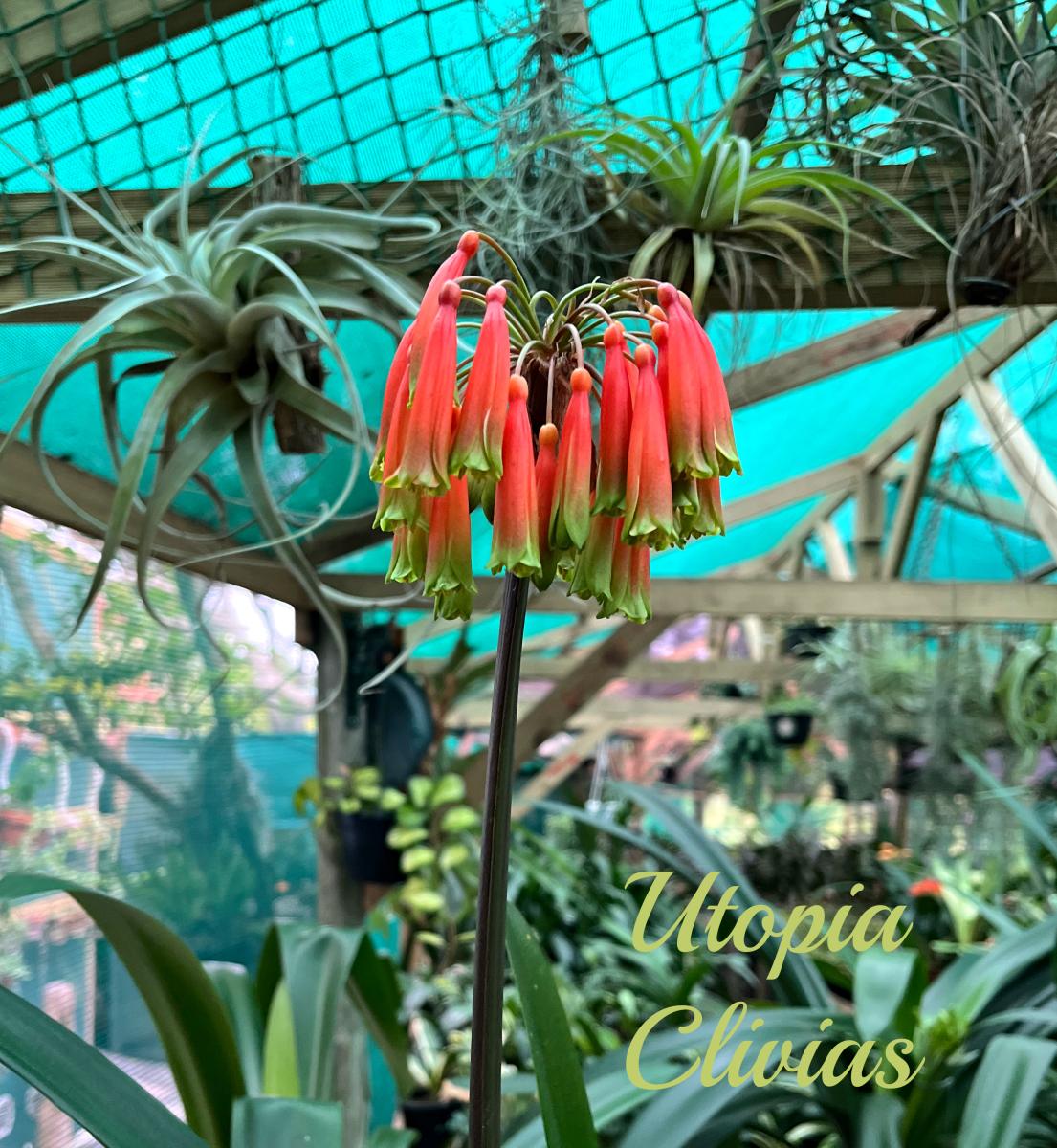
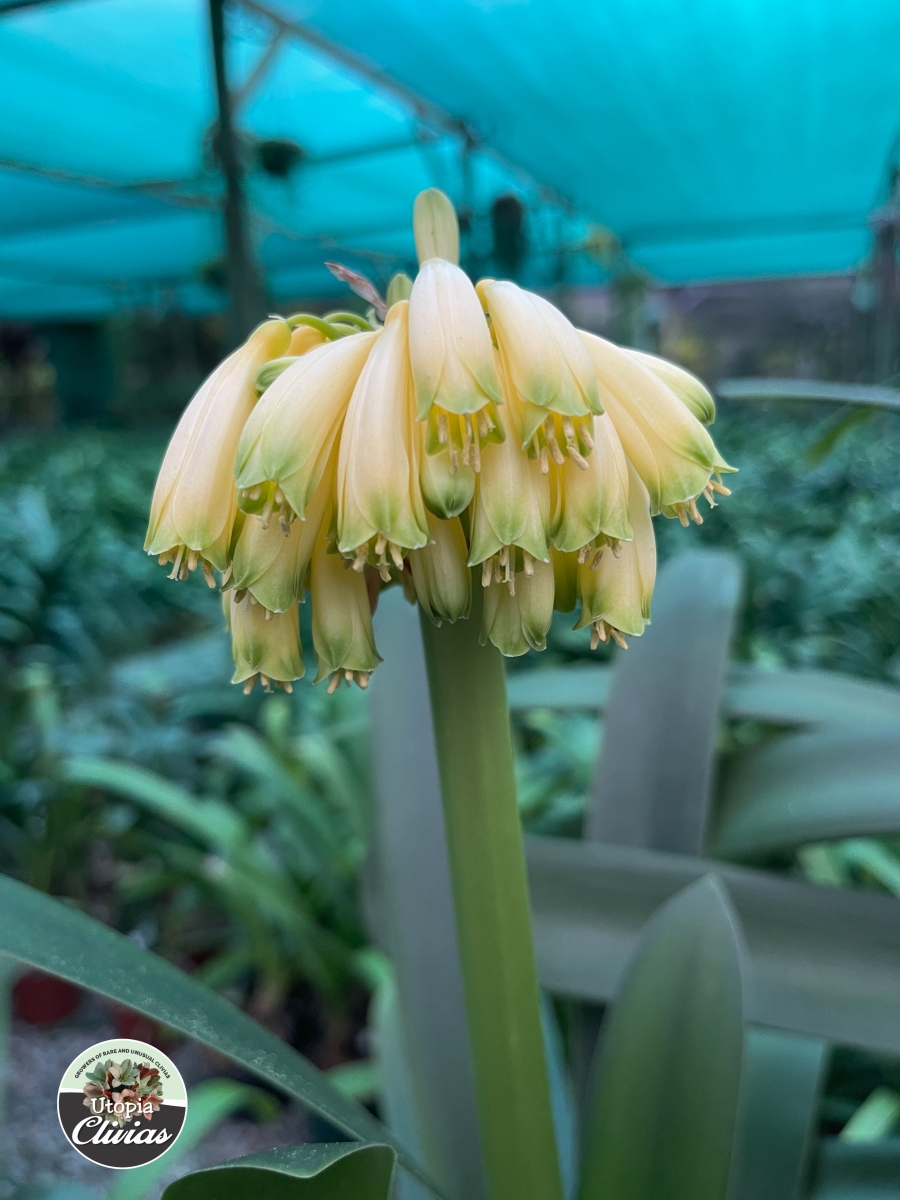
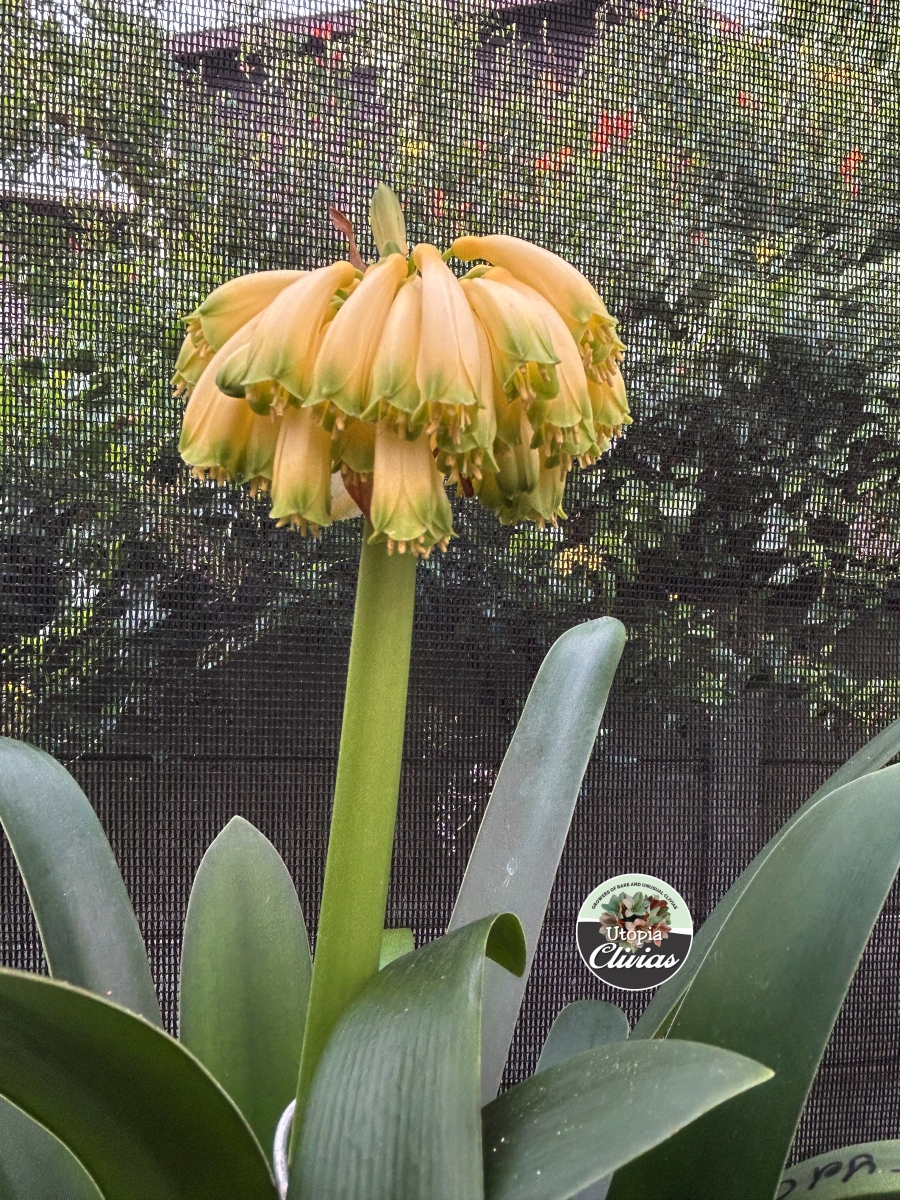
Clivia caulescens
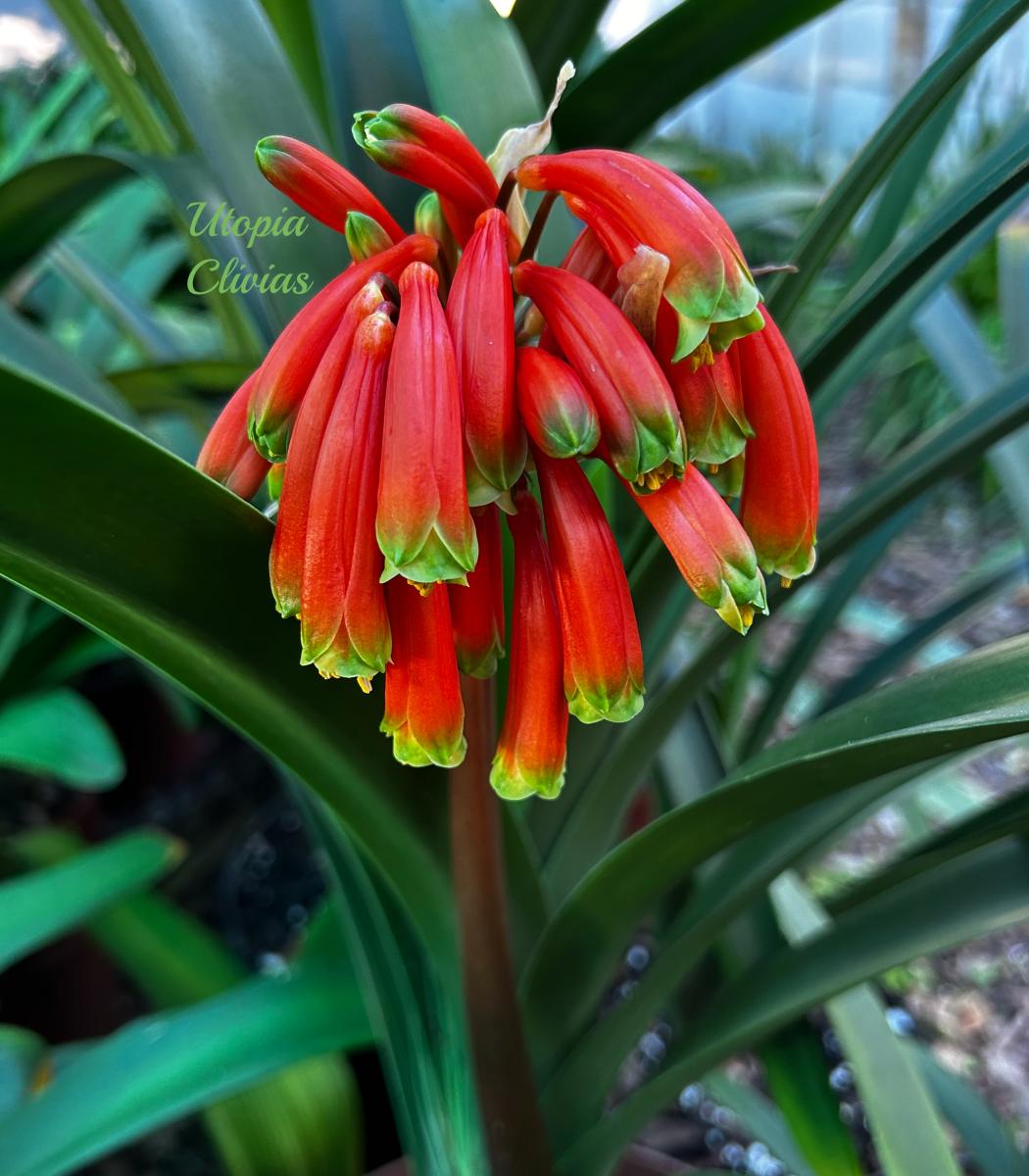
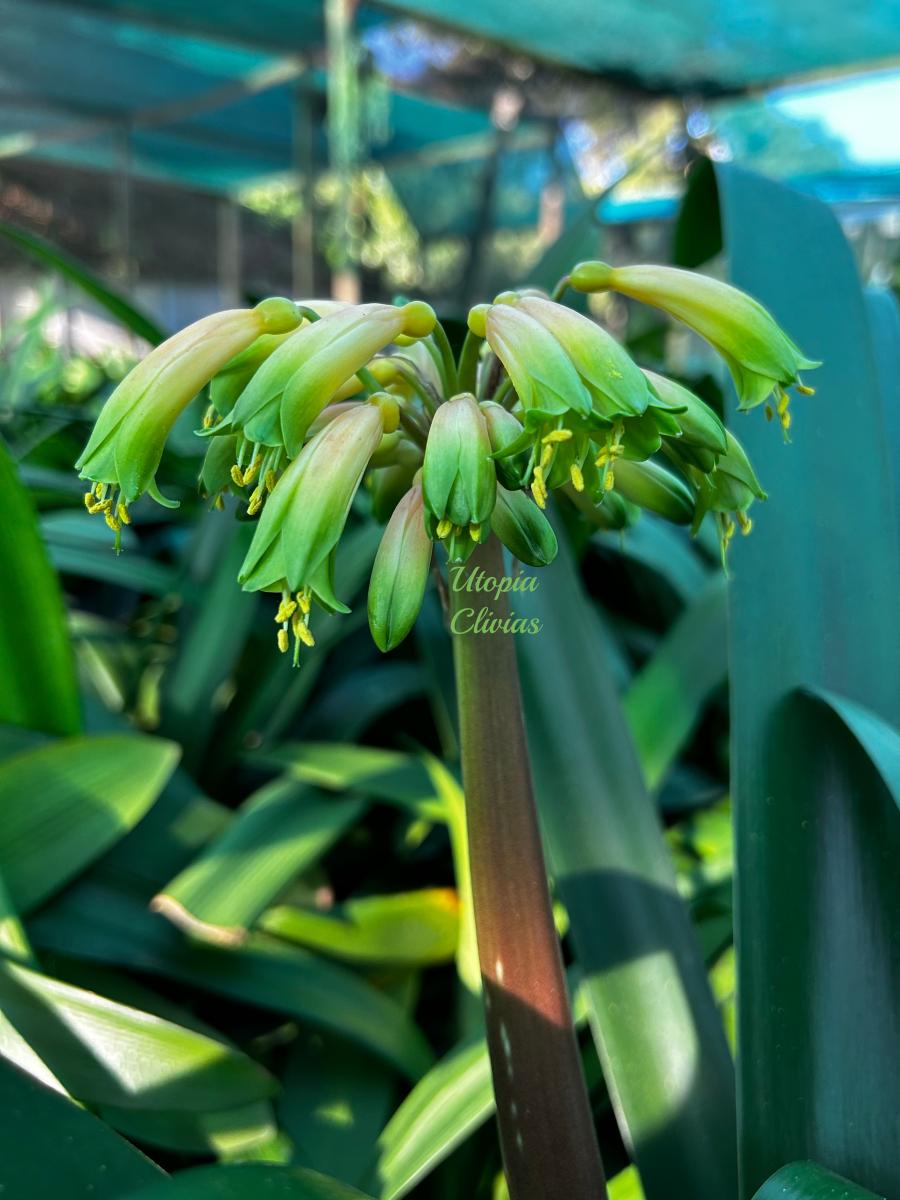
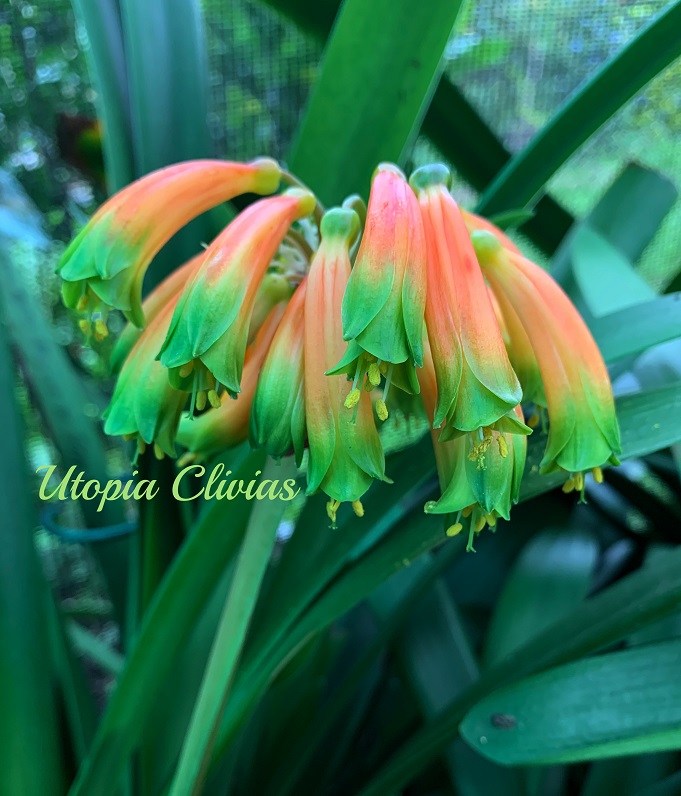
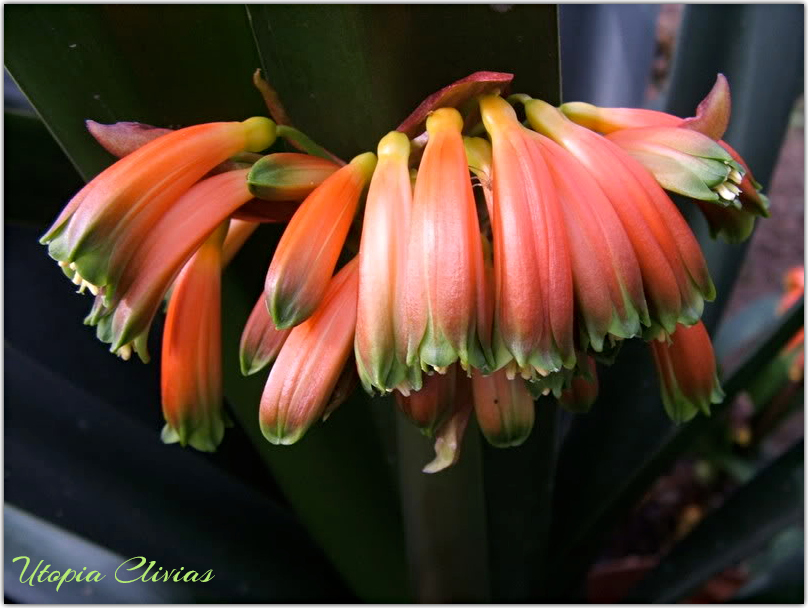
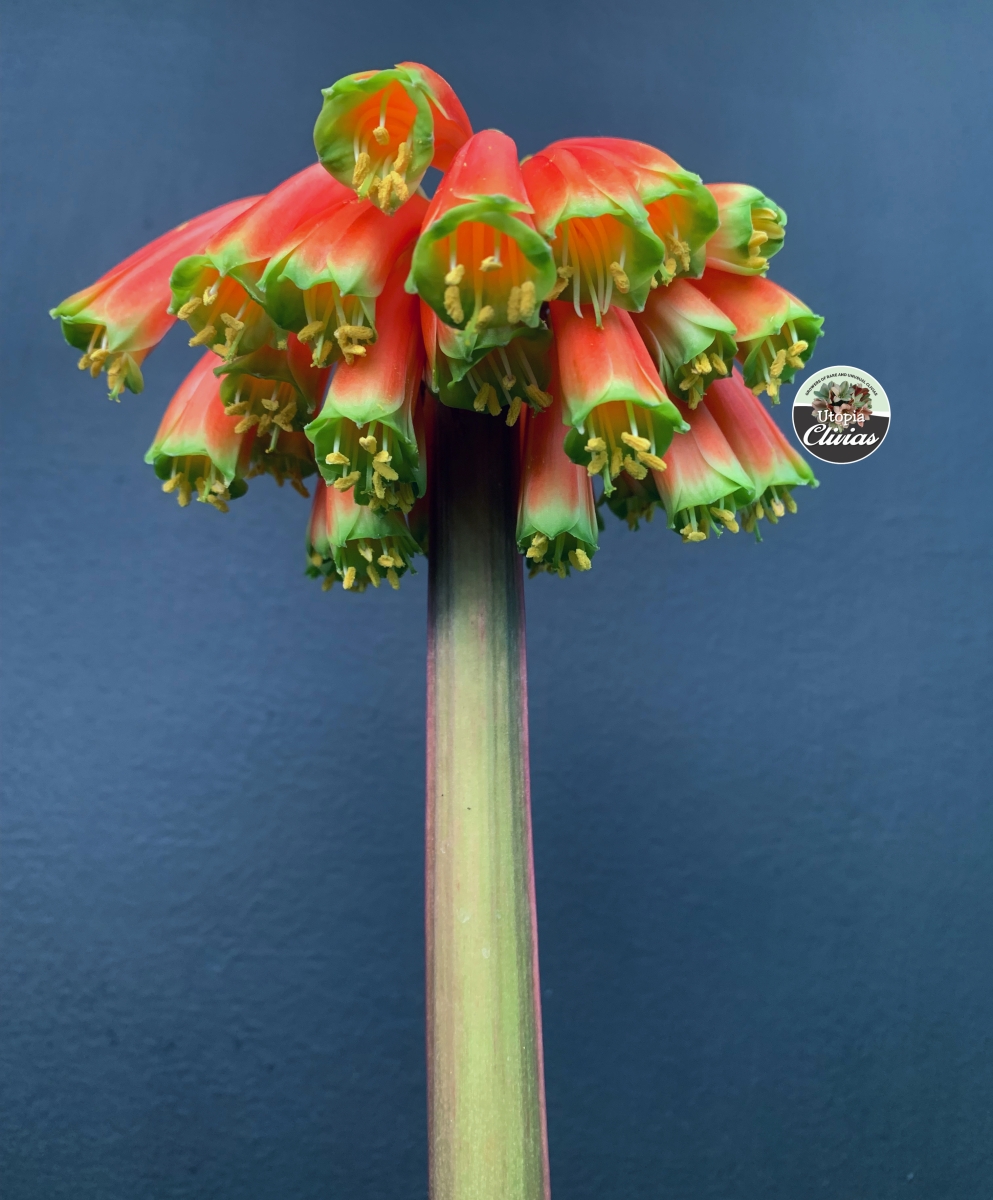
Produces tightly grouped, pendulous and tubular flowers
Anthers remain hidden inside the flower tubes
Flower colours range from pastels to deep red, with the yellow form being exceptionally rare
Can flower twice a year, making it a valuable parent for extending bloom periods
🔁 Breeding Potential: How These Species Influence Hybrids
When crossed with Clivia miniata, these species yield striking hybrid results:
Gardenii × Miniata: Produces more pendulous, tubular flowers
Miniata × Gardenii: Results in more upright flowers, still showing tubular influence
Robusta × Miniata: Enhances pendulous, tubular shape, improves flower count
Miniata × Robusta: Delivers larger, more open flowers—F1 hybrids are often especially attractive
Caulescens × Miniata: Brings out tubular and pendulous traits
Miniata × Caulescens: Produces larger, more open blooms, with impressive F1 flower quality
🌱 In Conclusion
While Clivia gardenii, robusta, and caulescens may look similar to the untrained eye, their subtle differences have a big impact on both breeding and garden performance. Each species contributes its own unique strengths—from extended flowering times and rare flower colours to leaf form and plant structure.
Understanding these traits helps breeders unlock the full potential of interspecific hybrids—and brings gardeners closer to cultivating something truly exceptional.
🌿 Explore our interspecific breeding lines and species collections at Utopia Clivias.
Visit us in person at 20 Crane Walk, Sedgefield, or browse online at www.utopiaclivias.co.za