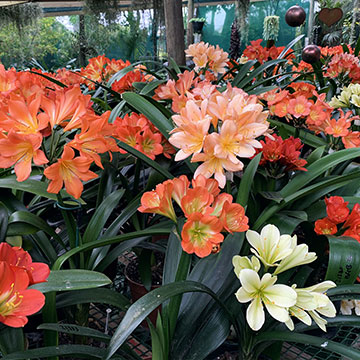
Overview of Clivia Species in South Africa
1. Clivia caulescens
Clivia caulescens thrives on the forest floor of evergreen forests, often growing on moss- and lichen-covered rocks or even on tree trunks. These forests typically occur in sheltered ravines, moist valleys, and incised valley heads, usually facing south. The species is found in the mountainous areas from Kaapsehoop in the south to Tzaneen in the north, and from Barberton in the east to Potgietersrus in the west.
Plants range from 500 mm to 1500 mm in height. Mature specimens can form long, leaf-bearing aerial stems over 1 metre, occasionally reaching up to 3 metres. The soft, smooth, slightly arching leaves are 35–70 mm wide and up to 300 mm long.
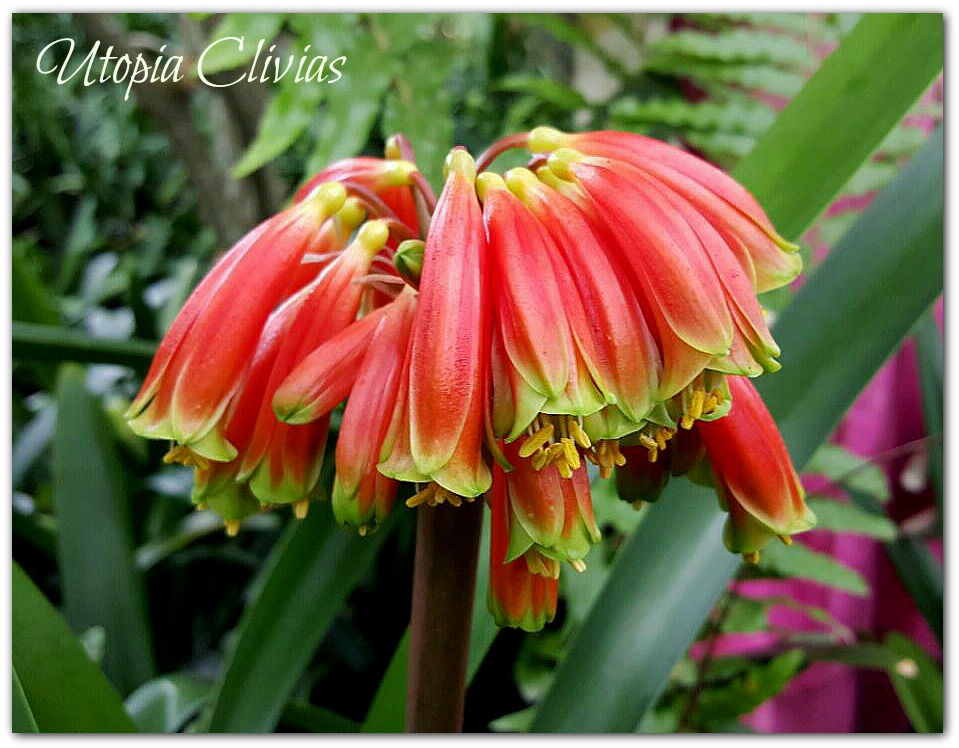
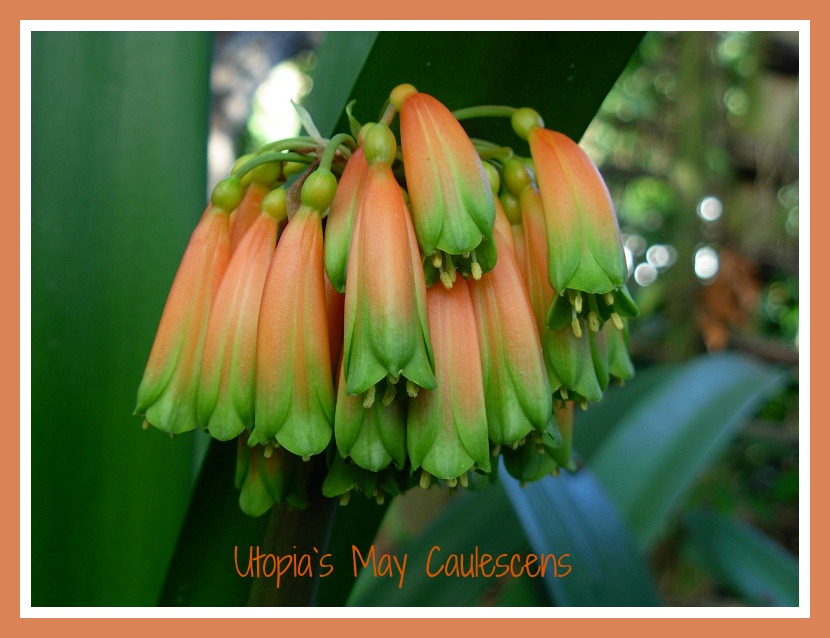
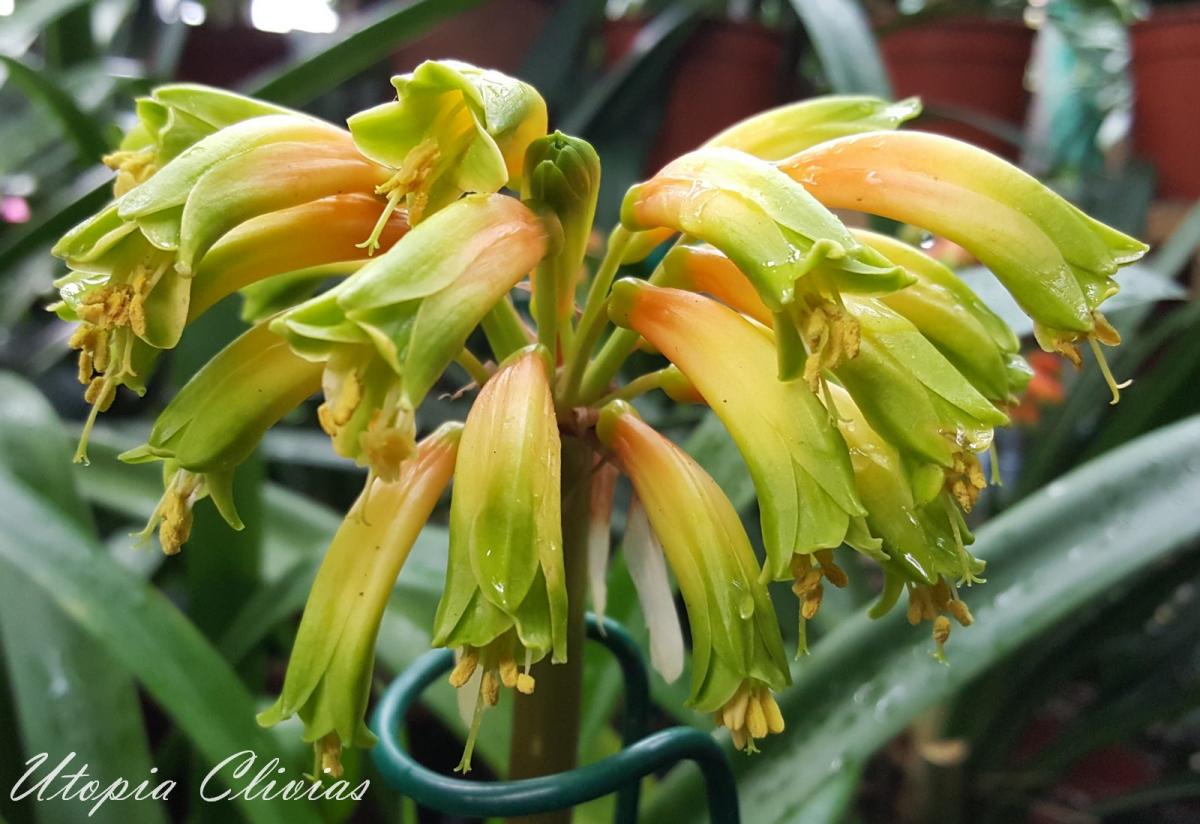
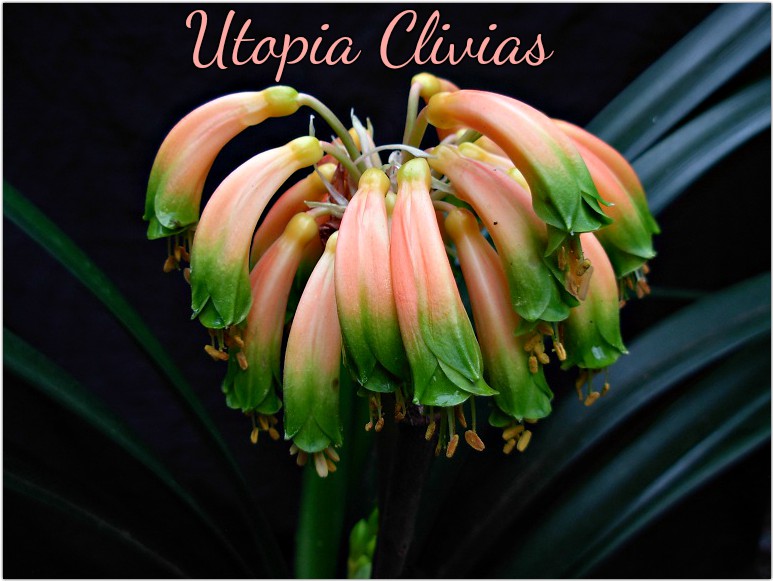
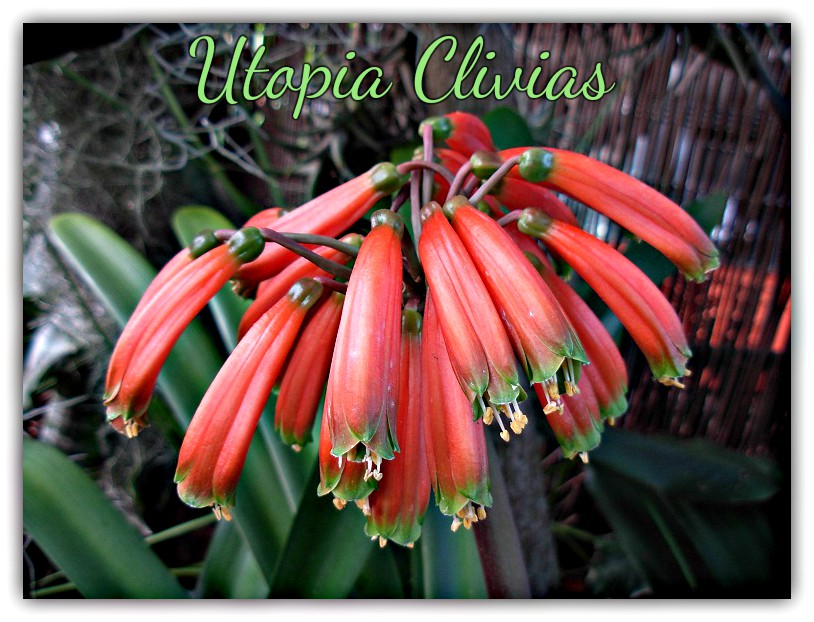
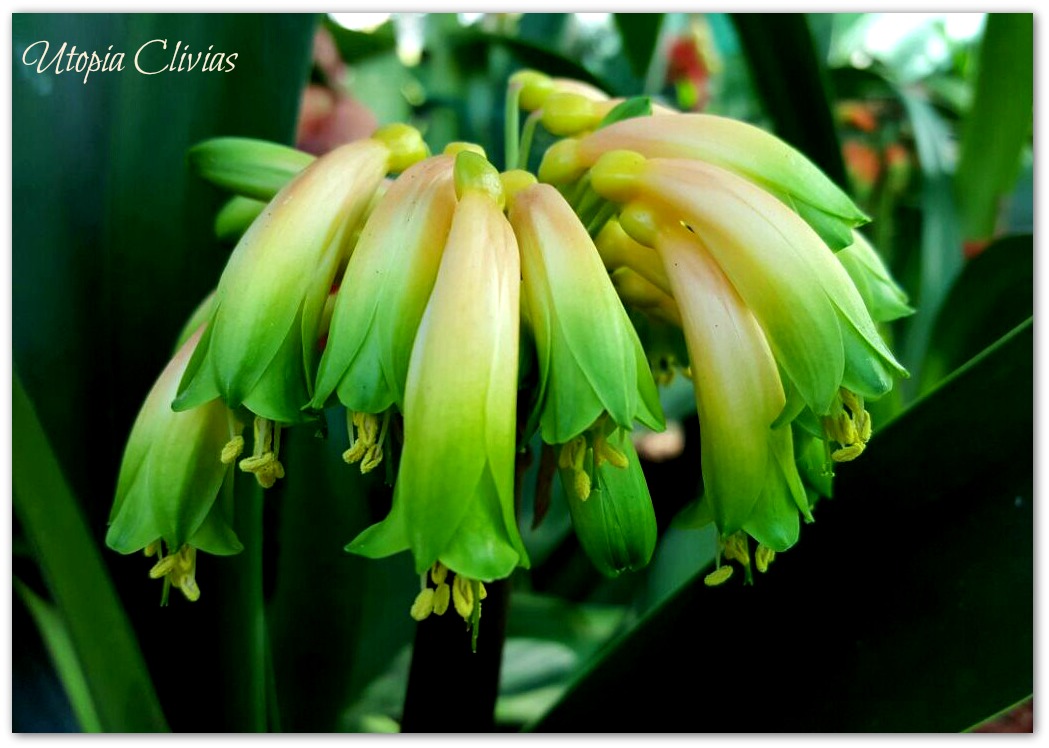
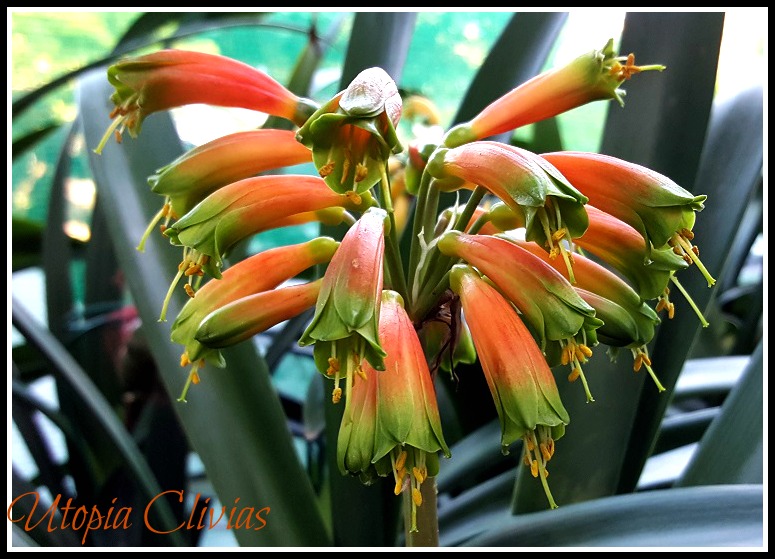
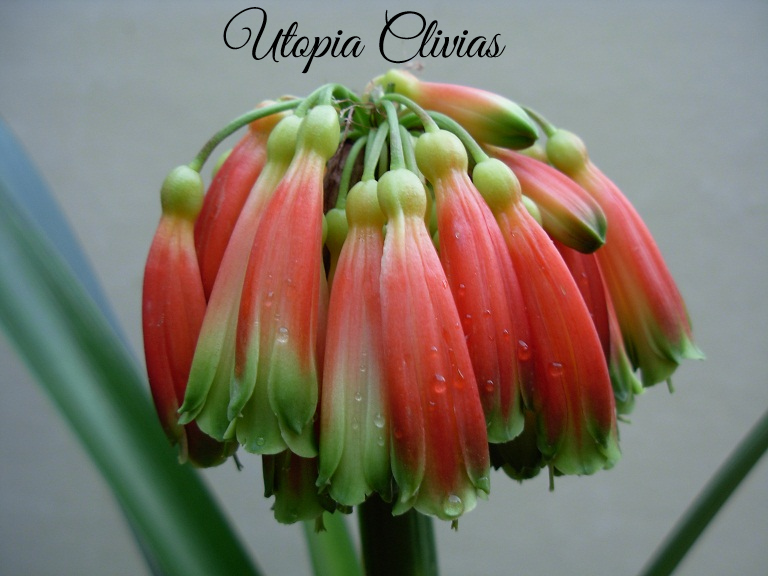
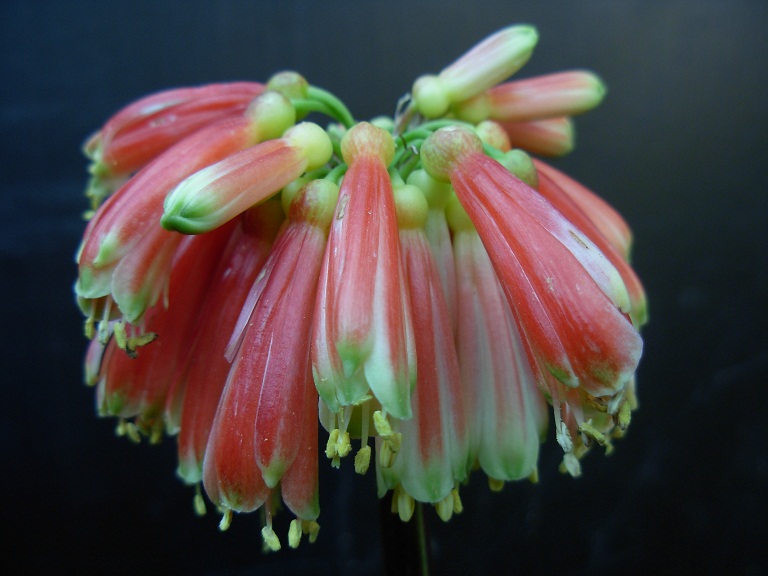
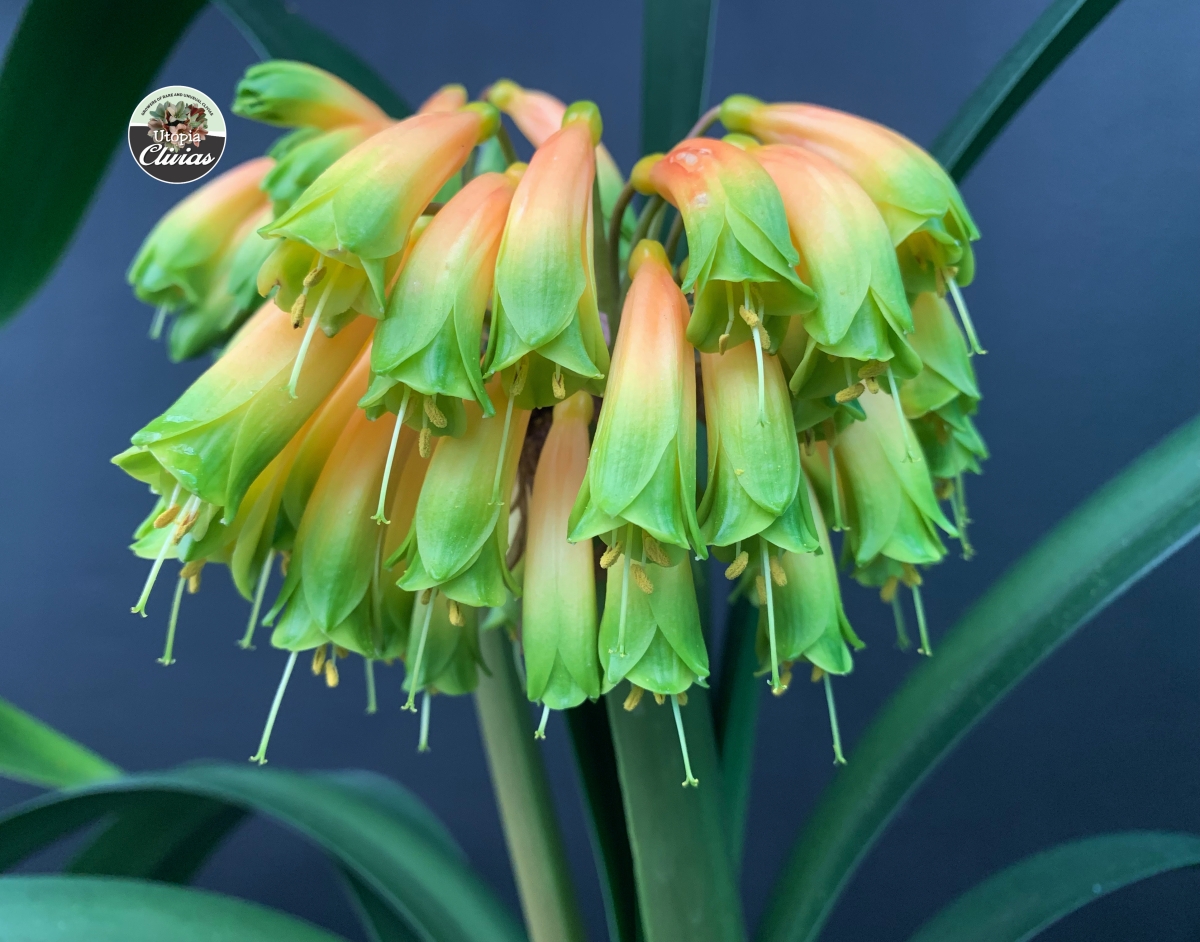
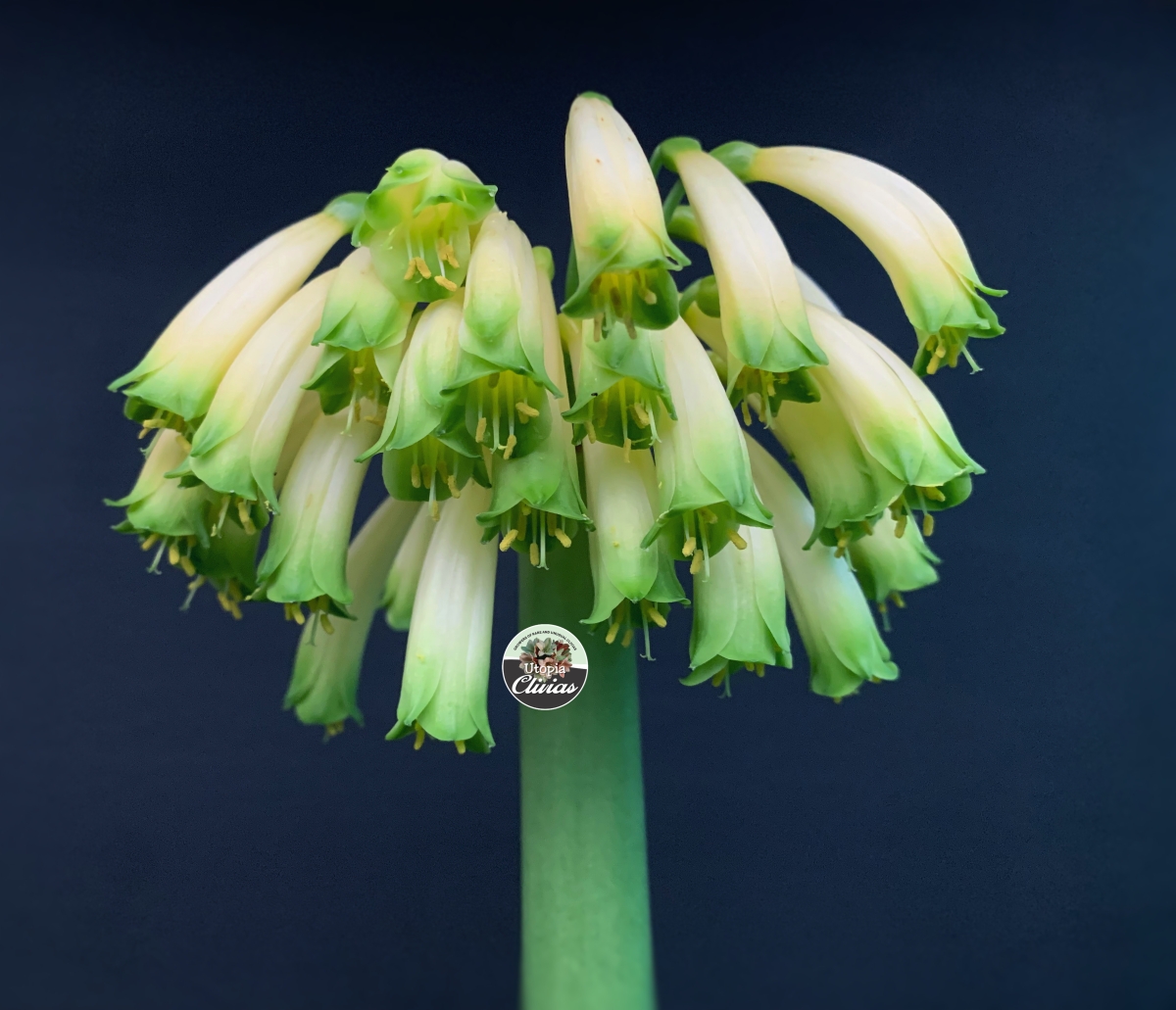
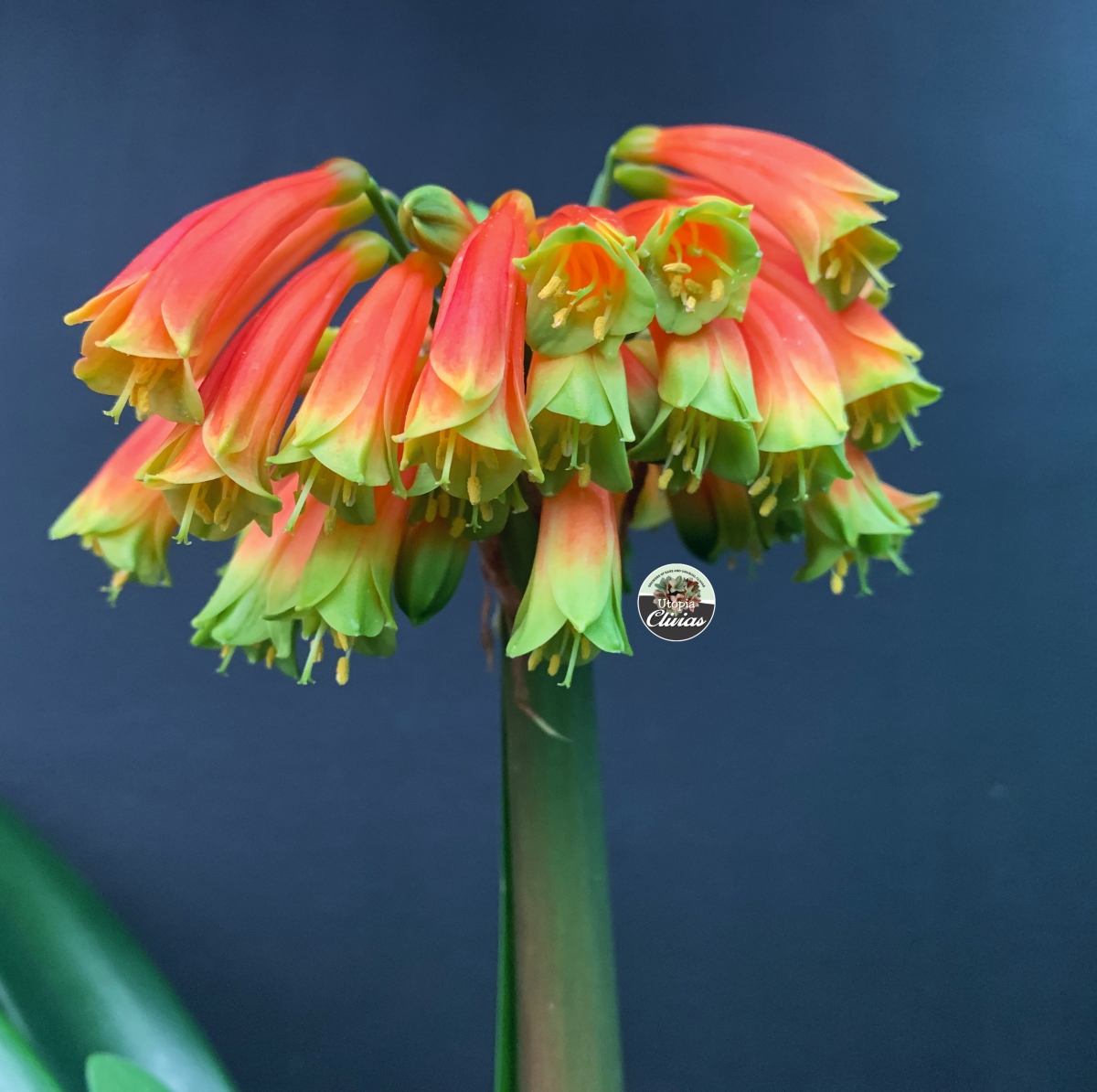
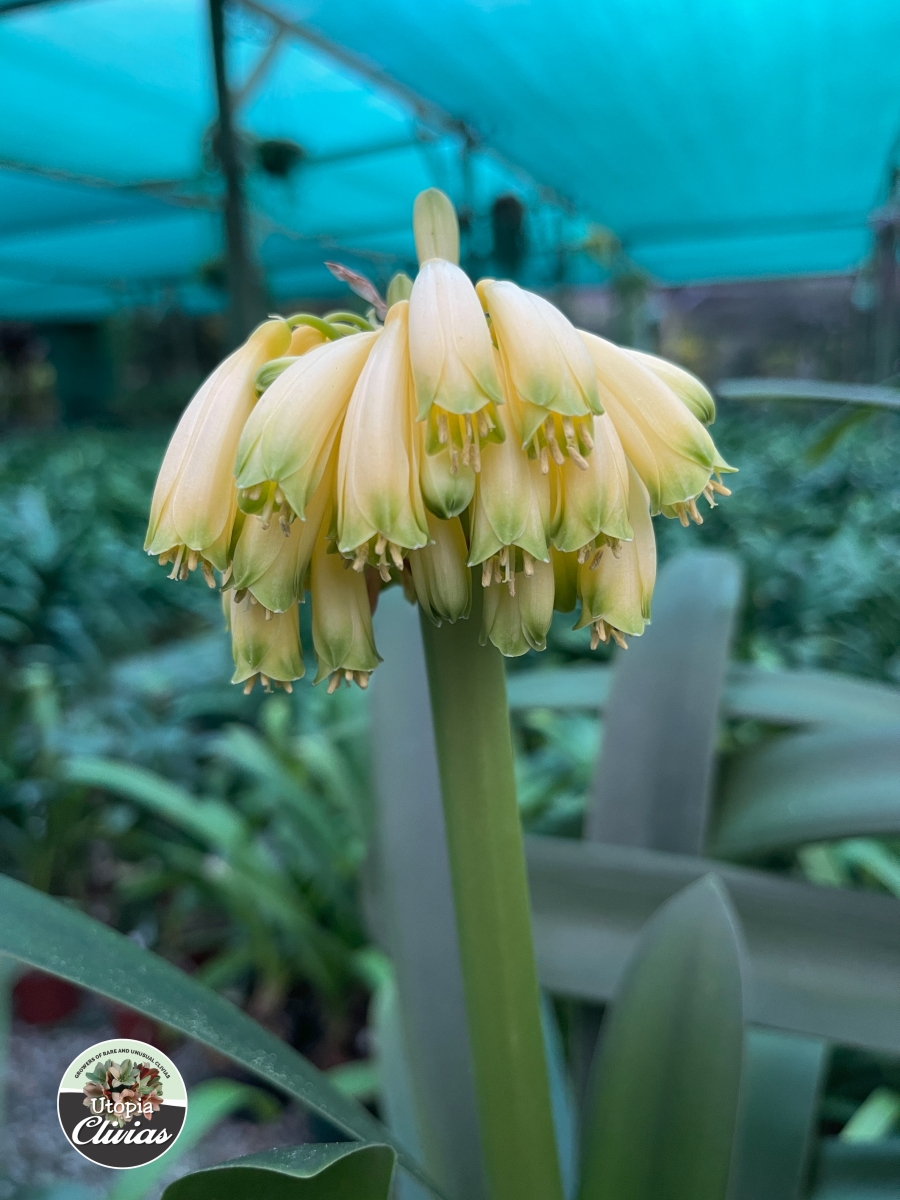
The pendulous, tubular flowers are orange-red with green tips and usually appear in spring and summer (Southern Hemisphere). Bright red berries ripen in winter, about six months after pollination, containing 1–4 seeds (9–13 mm in diameter).
2. Clivia gardenii
Clivia gardenii prefers well-drained loamy soil and is often found on steep slopes or cliffs, though it can also grow in marshy areas. It occurs in evergreen forests beneath tall, 20 m high closed canopies in the Maputaland-Pondoland region, as well as the Ngome Forest in KwaZulu-Natal.
Plants typically grow 800–1300 mm tall, with 10–12 bright green leaves in a tuft. These leaves are 25–60 mm wide and 350–900 mm long, tapering to a point. The orange-red, pendulous flowers—marked by prominent green tips—vary in colour from yellow to brownish red. Compared to C. caulescens and C. nobilis, the flowers are less pendulous and more curved.
The flowering season is from May to July. Berries, containing one or two large seeds, ripen the following winter—12 to 15 months after pollination.
3. Clivia nobilis
Endemic to the Eastern Cape Province, Clivia nobilis ranges from the Sundays River Mouth along the coast to the Mbashe River, extending inland to Grahamstown and the Olifantskop Pass. This region experiences a mild coastal climate (9–25°C) with annual rainfall of 600–900 mm and minimal frost.
C. nobilis grows under evergreen forest, low bush thicket, and coastal dune vegetation. Inland, it prefers wooded kloofs, riverbanks, rocky outcrops, and forest margins. Plants on coastal dunes vary based on exposure: those in full sun have shorter leaves and smaller roots, while shaded plants under taller canopies exhibit longer leaves and extended roots.
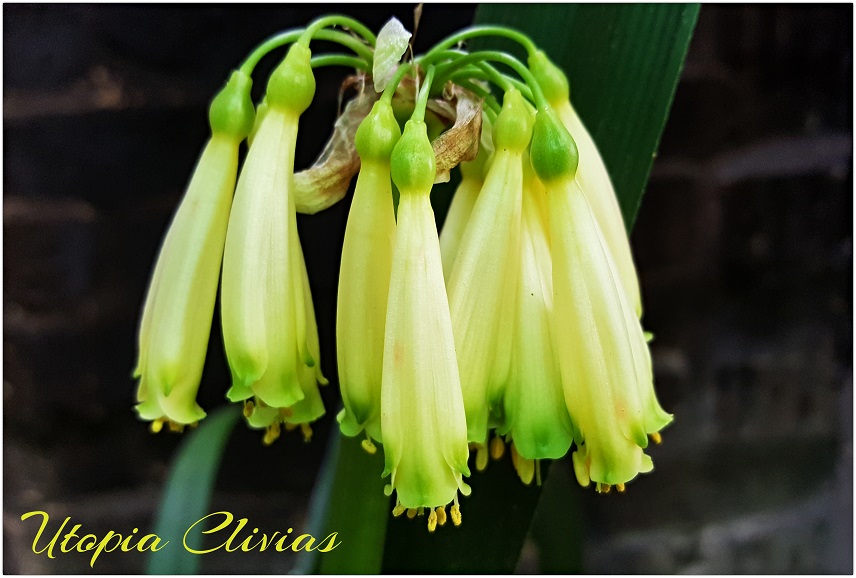
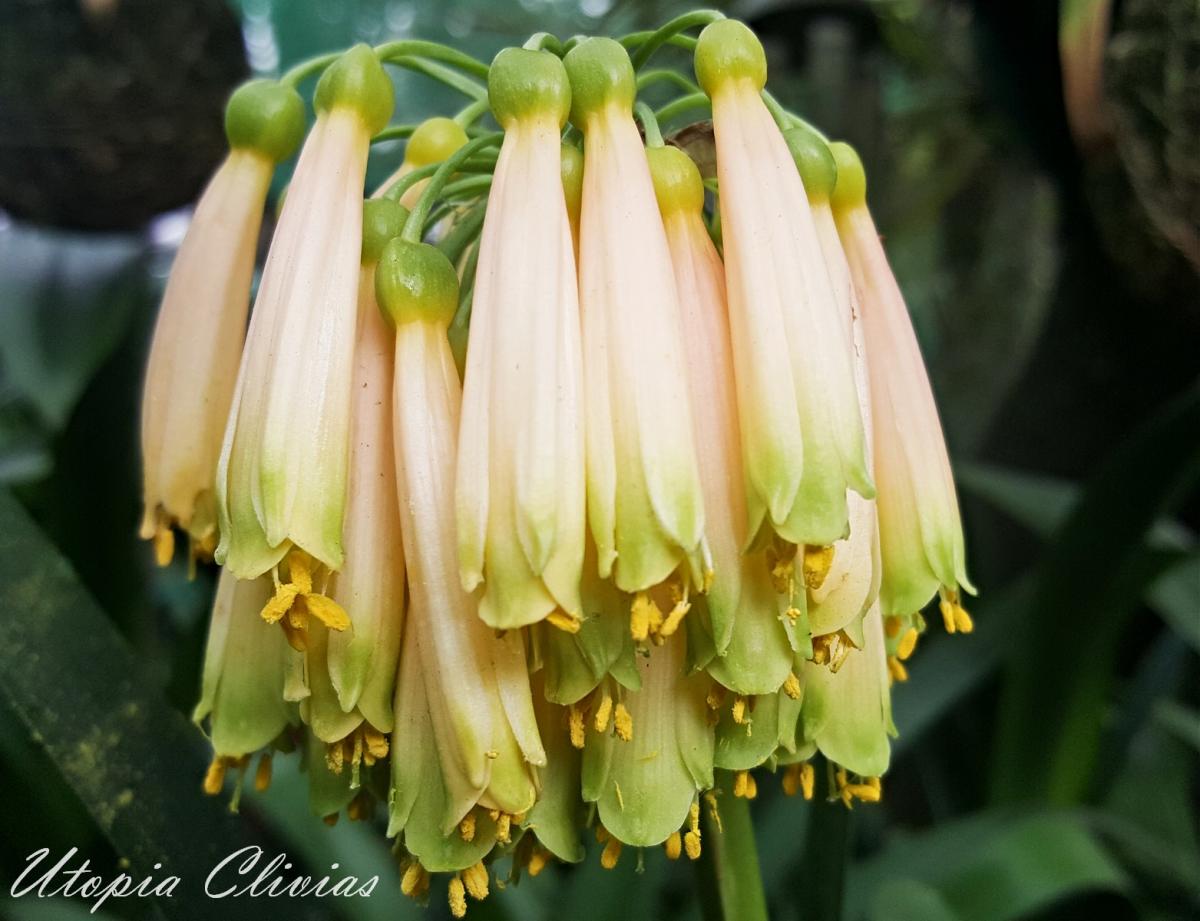
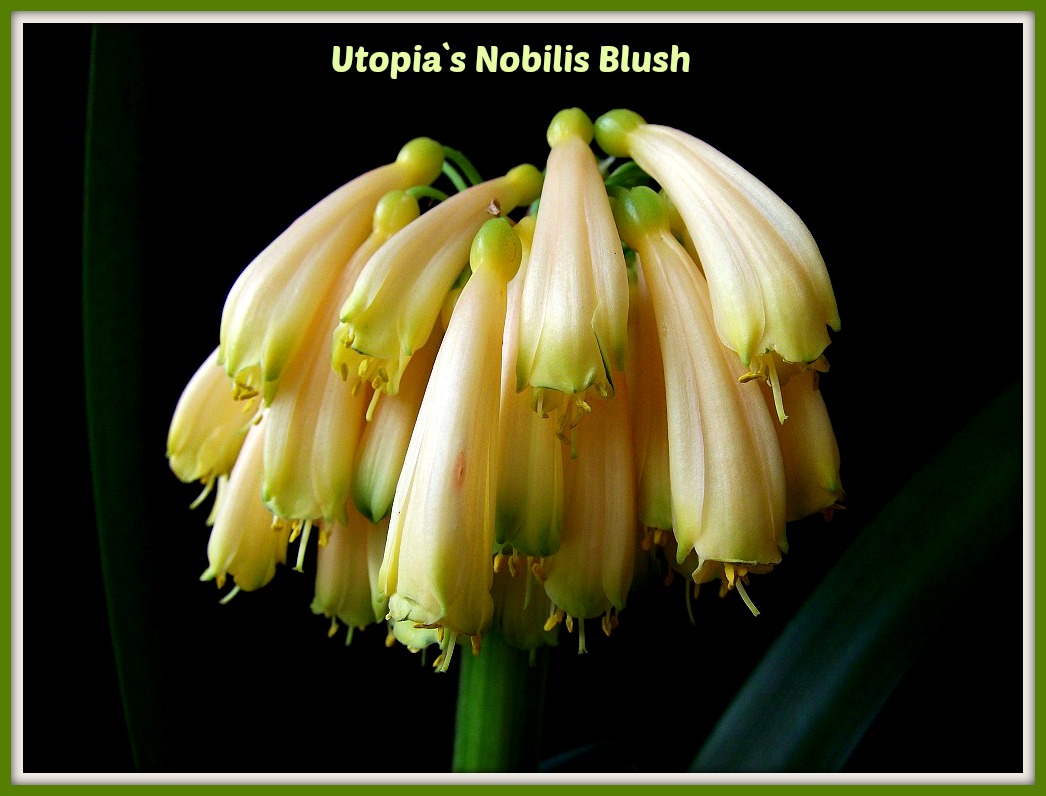
Leaves are strap-shaped, stiff, and slightly rough along the margins, ranging from 300–800 mm long and 25–50 mm wide. A median stripe is often visible, and the leaf tip may be indented to very obtuse. The flower head (umbel) bears 20–60 tubular, pendulous florets (25–40 mm long, 11 mm wide) in pinkish-yellow to dark red, with green tips.
C. nobilis has a strong capacity for self-pollination. The berries—round to teardrop-shaped—ripen to a purplish-red in about 9 months and contain up to 6 smaller seeds. The germinating radicle is just 1.5 mm thick.
4. Clivia mirabilis
This rare species is restricted to the Oorlogskloof Nature Reserve in the Northern Cape. Clivia mirabilis grows in humus-rich crevices of sandstone rock, often in shade but sometimes in full sun, where sun and drought stress can cause visible leaf damage.
The leaves are firm, like those of C. nobilis, but with more rounded tips and a prominent median line. They measure 800–1200 mm in length and 25–40 mm in width. The striking orange-red, bi-coloured, pendulous flowers are carried on orange-red pedicels, with 20–48 florets per head, borne on a purple-red peduncle during October and November.
Bright red berries, ripening by March, contain 1–3 seeds (occasionally up to 7), maturing faster than any other Clivia species.
5. Clivia robusta
As its name suggests, Clivia robusta is the largest of the Clivia species, preferring damp habitats—such as marshes, swampy slopes, and cliff edges. It thrives in evergreen forests with 20 m high closed canopies, especially in the Maputaland-Pondoland region and the southern coastal areas of KwaZulu-Natal.
Plants range from 1200–1800 mm tall with 10–20 light green leaves, each 40–125 mm wide and up to 1800 mm long, ending in a slightly rounded tip. The orange-red, pendulous flowers resemble those of C. gardenii, with green tips and a wide range of colours from soft pink to deep red. Occasional forms in yellow, peach, or apricot also occur.
Flowering occurs between May and July, and the fruits take 12–15 months to ripen. Each berry contains one or two large seeds.
6. Clivia miniata
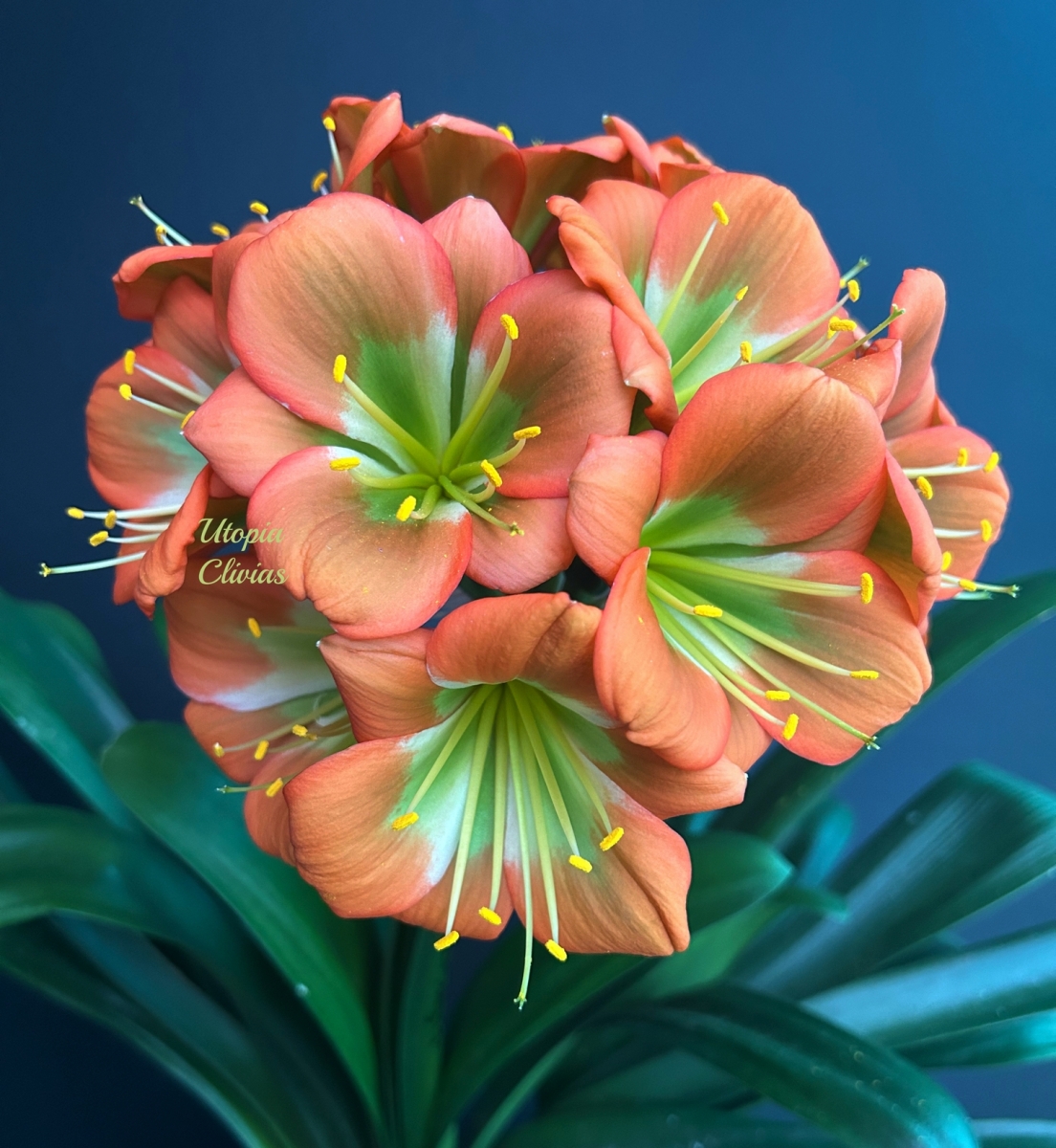
Clivia miniata is the most widely cultivated and globally recognized Clivia species, valued for its bold, upright, trumpet-shaped flowers and broad adaptability. It is native to the forested areas of the Eastern Cape, KwaZulu-Natal, and Mpumalanga provinces of South Africa, where it grows on the forest floor in well-drained, humus-rich soils under a closed evergreen canopy. It thrives in dappled shade and is often found on rocky slopes, cliffs, and forest margins.
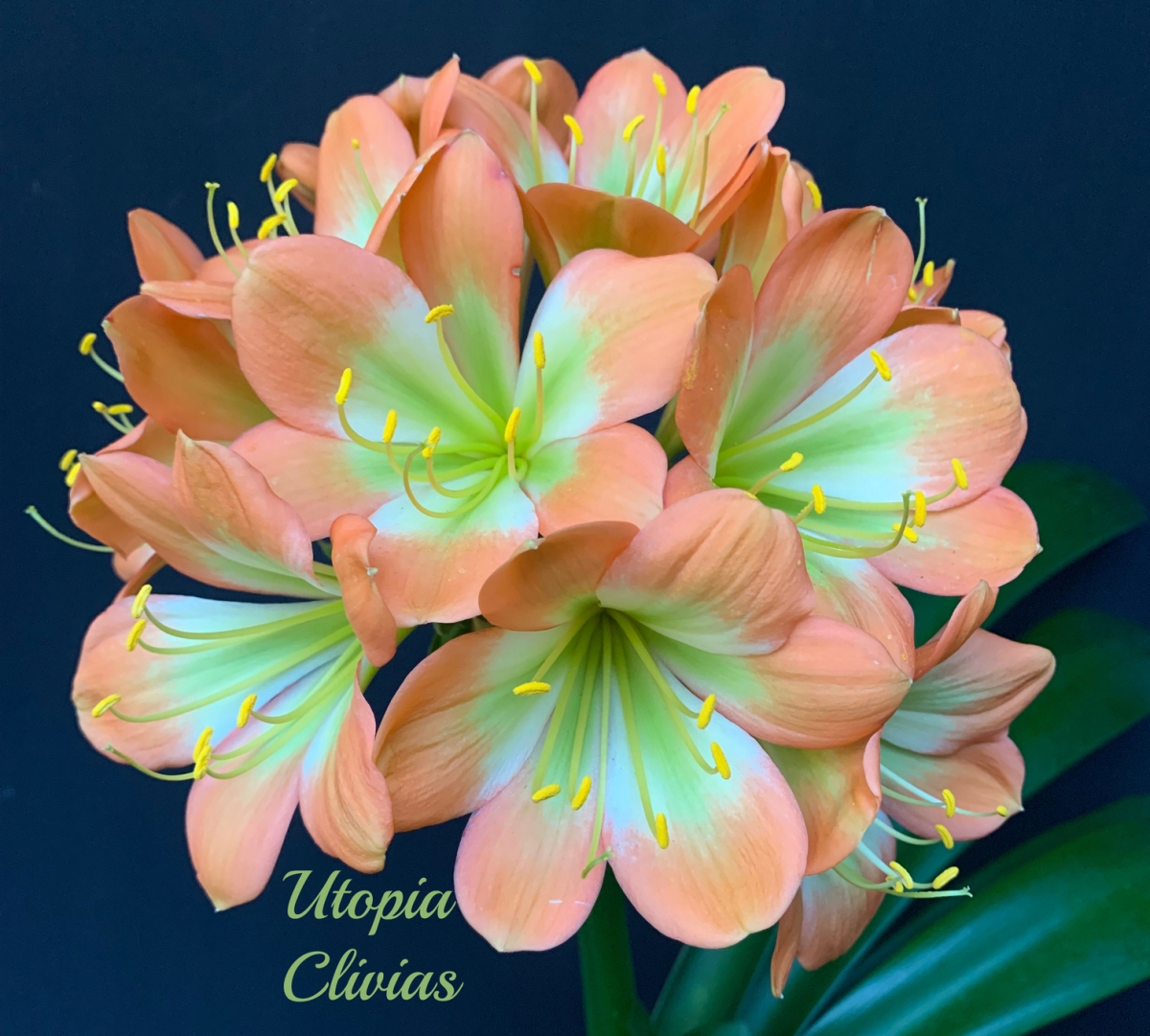
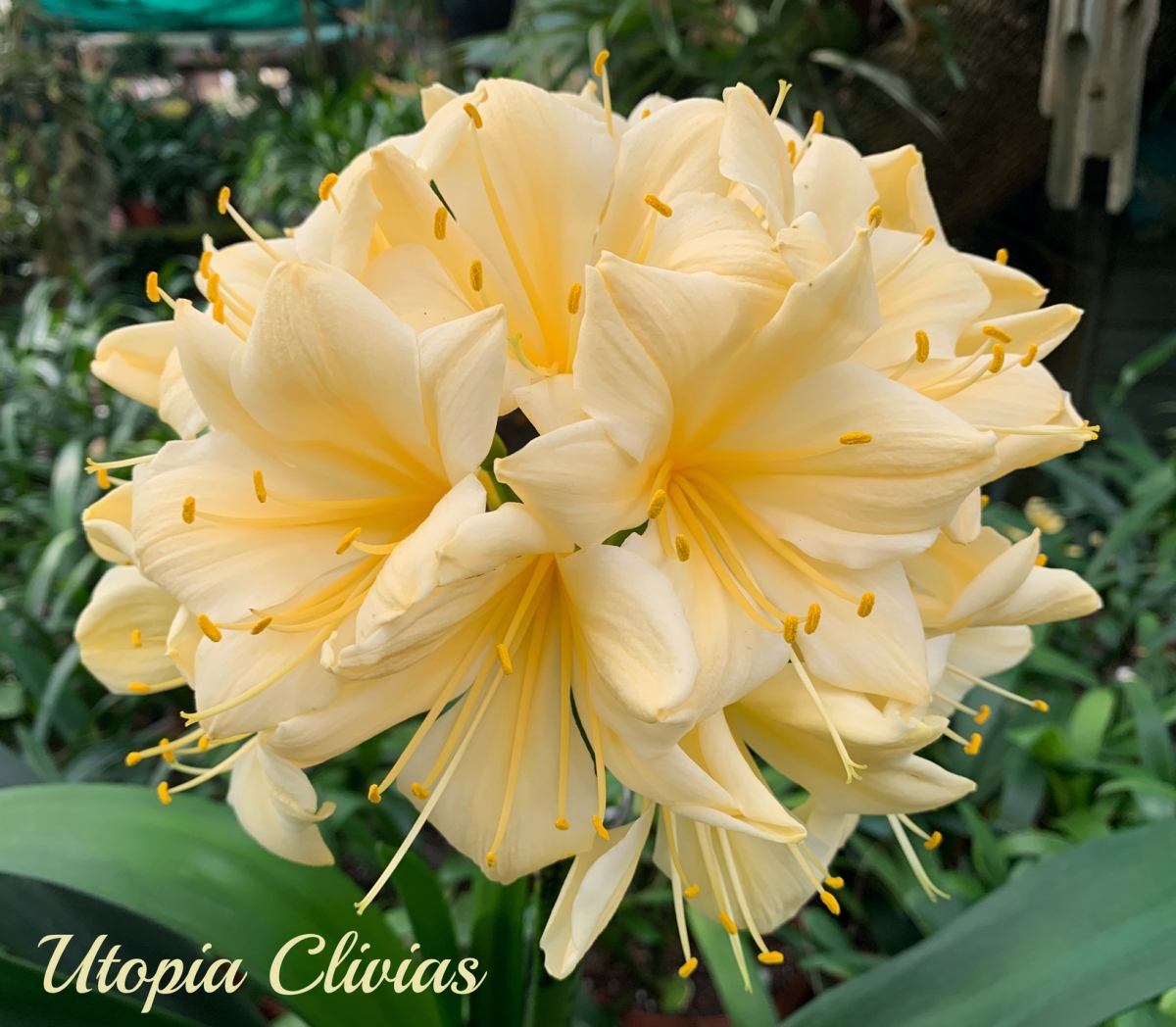
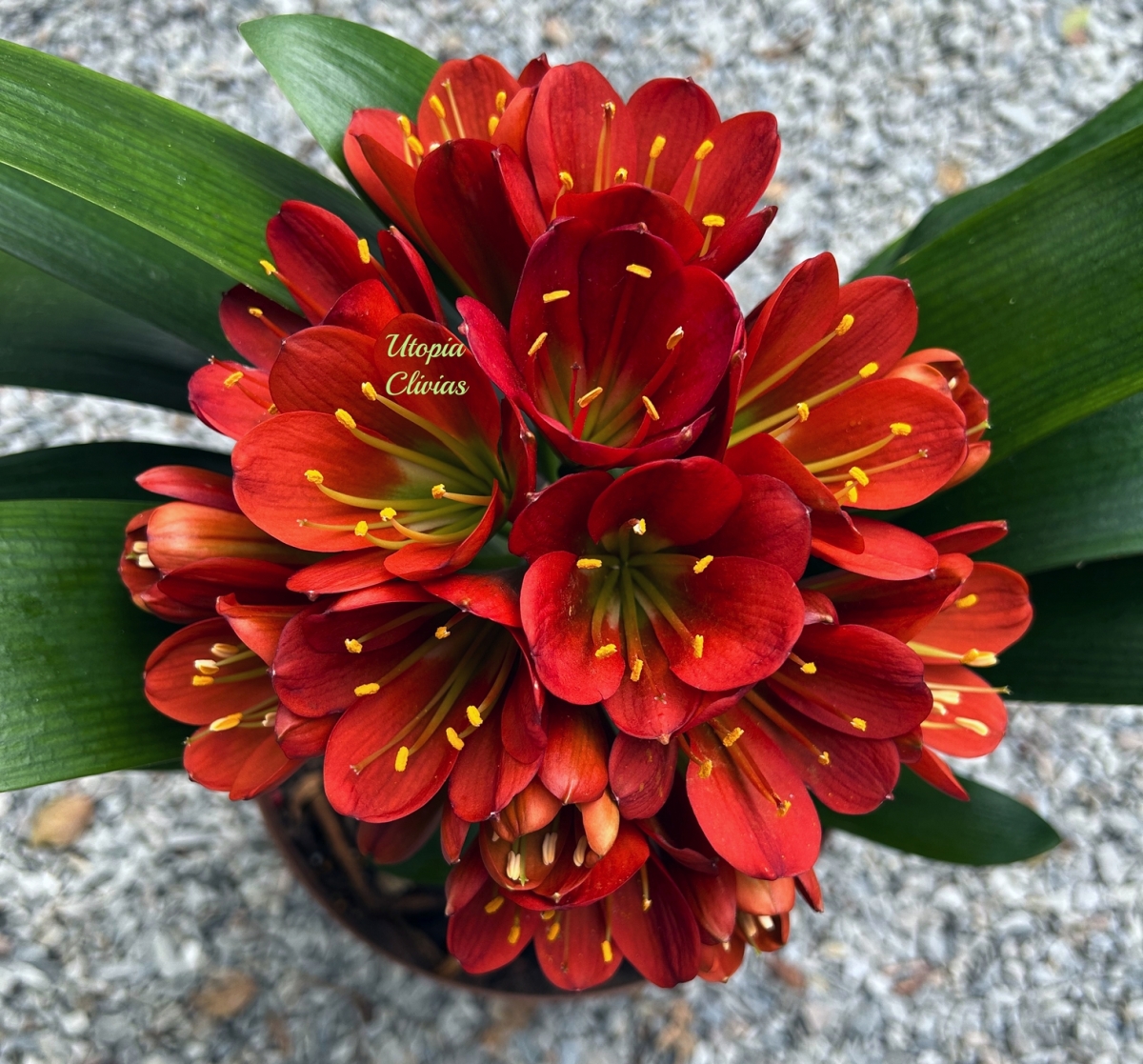
This species forms dense clumps, typically reaching 400 to 600 mm in height. The leaves are dark green, strap-shaped, smooth, and broad—measuring 50–100 mm in width and 300–600 mm in length. Unlike other Clivia species, the flowers of C. miniata are erect and trumpet-shaped (not pendulous), arranged in an umbel of 10–20 or more florets per head.
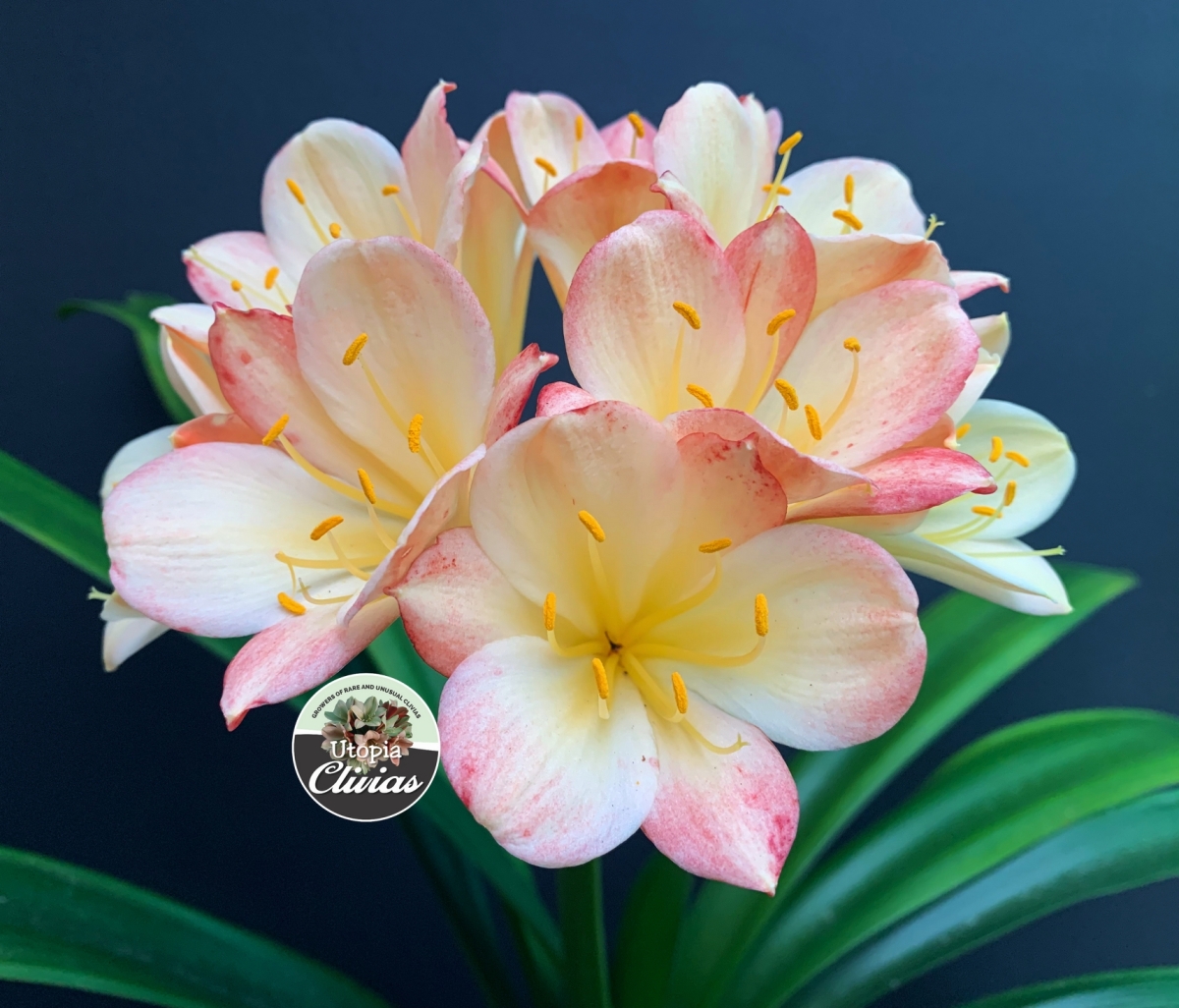
Flower colour ranges from orange to deep red, usually with a yellow throat, although cream, peach, pink, and yellow cultivars have been developed through breeding. It blooms in late winter to early spring (August to October in the Southern Hemisphere), although under ideal conditions, it may flower more than once a year.
Berries are round, typically red or orange, and ripen over 9 to 12 months after pollination. They contain 1–4 relatively large seeds. Clivia miniata is notable for its ease of cultivation, making it a favourite in gardens and indoor collections worldwide.