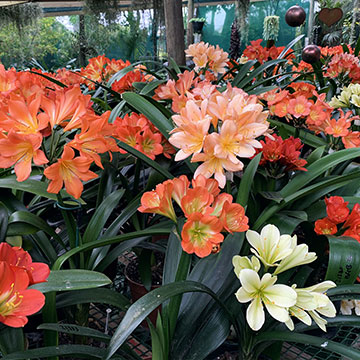
Clivia Flower Power: Why Bloom Count Improves with Maturity
Clivias are long-lived, rewarding plants that often hold a special place in collectors’ hearts. Known for their stunning umbels of trumpet-shaped blooms, they are a symbol of patience paying off in the gardening world. One of the most fascinating — and sometimes frustrating — aspects of growing clivias is watching how their flower production evolves over time. While young plants may bloom modestly or even sparsely, mature clivias can produce spectacular displays with dozens of flowers per stalk. So why does this happen, and what can you expect as your clivia matures?
Flower Count Increases with Age
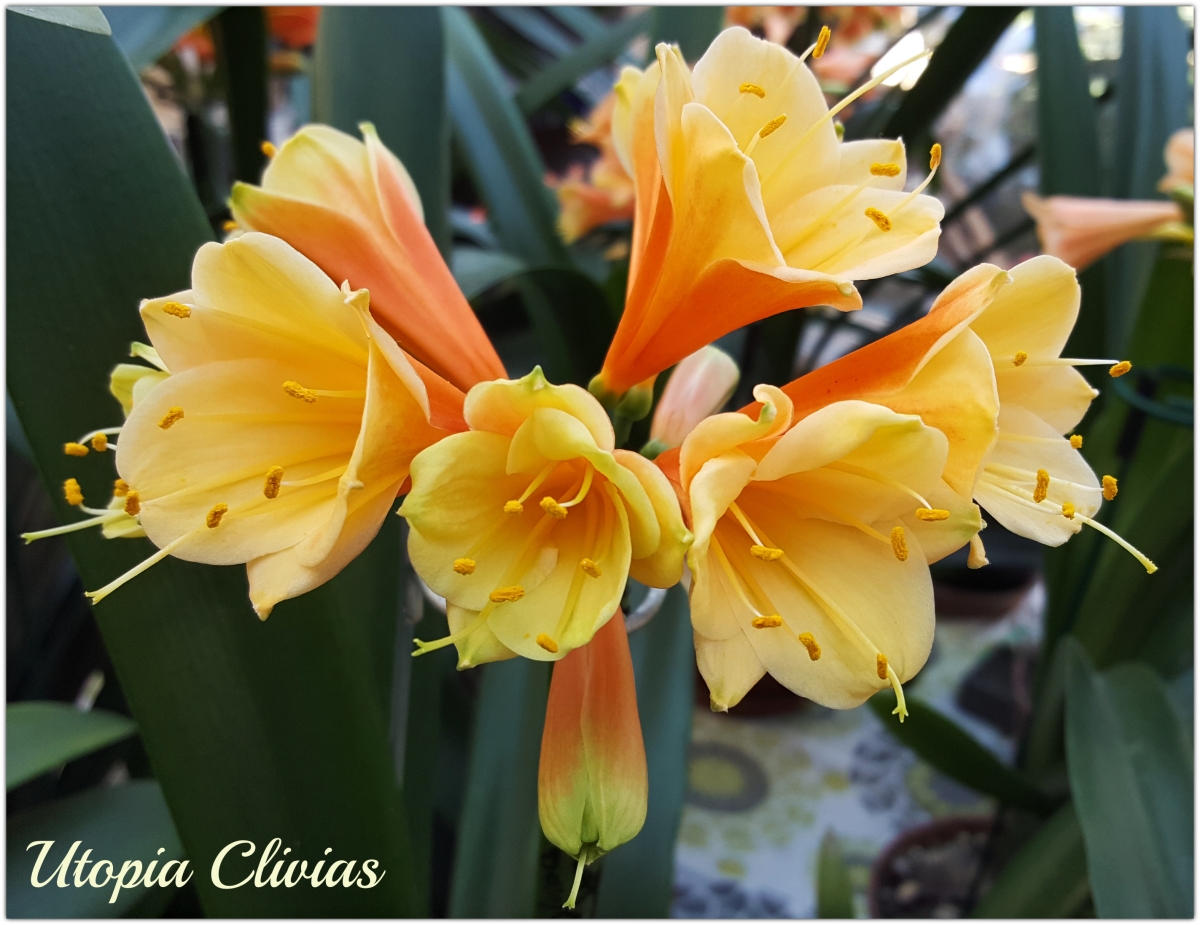
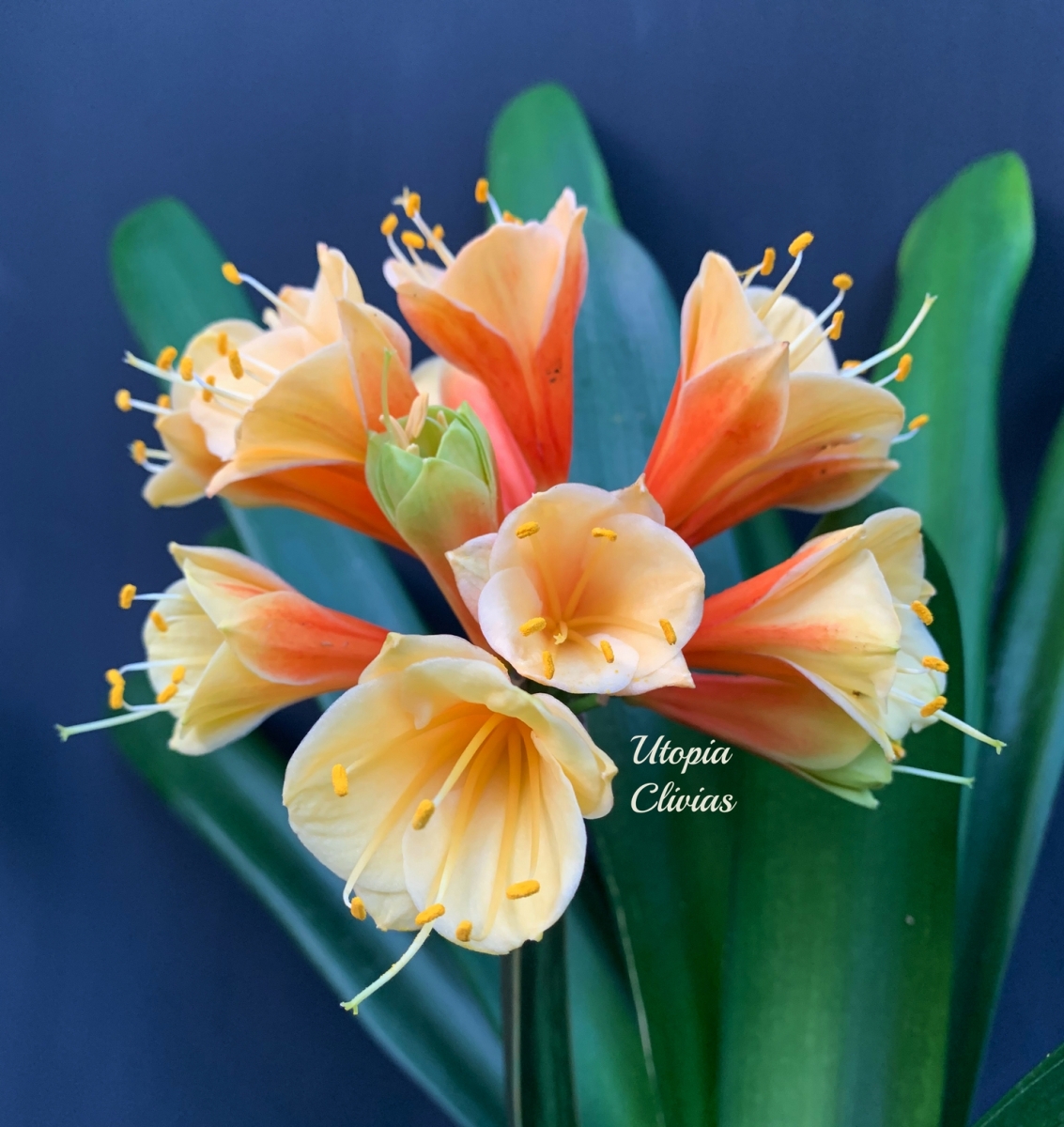
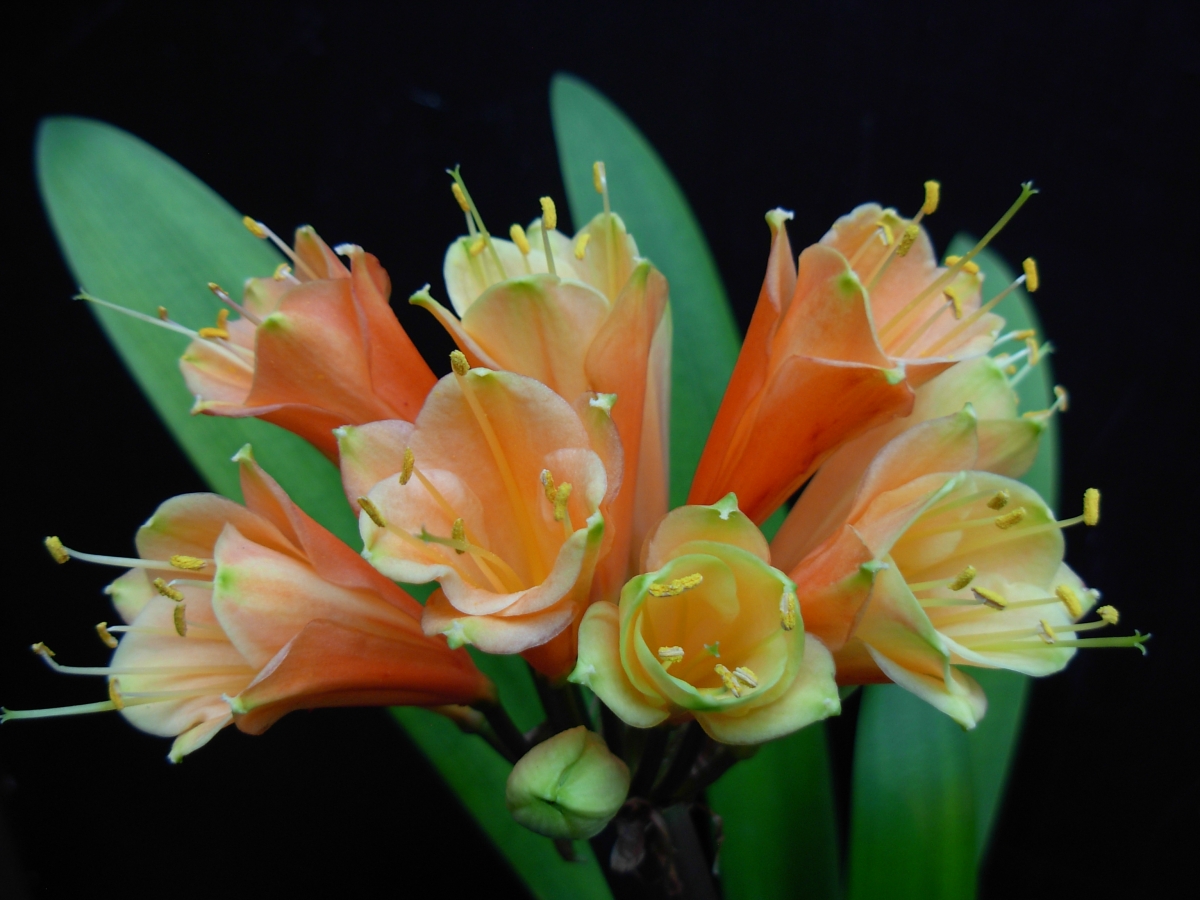
Young clivia seedlings, especially those grown from seed, often begin flowering at around 3 to 5 years of age, depending on growing conditions. Their first blooms might be charming but underwhelming — just a few flowers per umbel, sometimes even irregular in shape or color. This is completely normal.
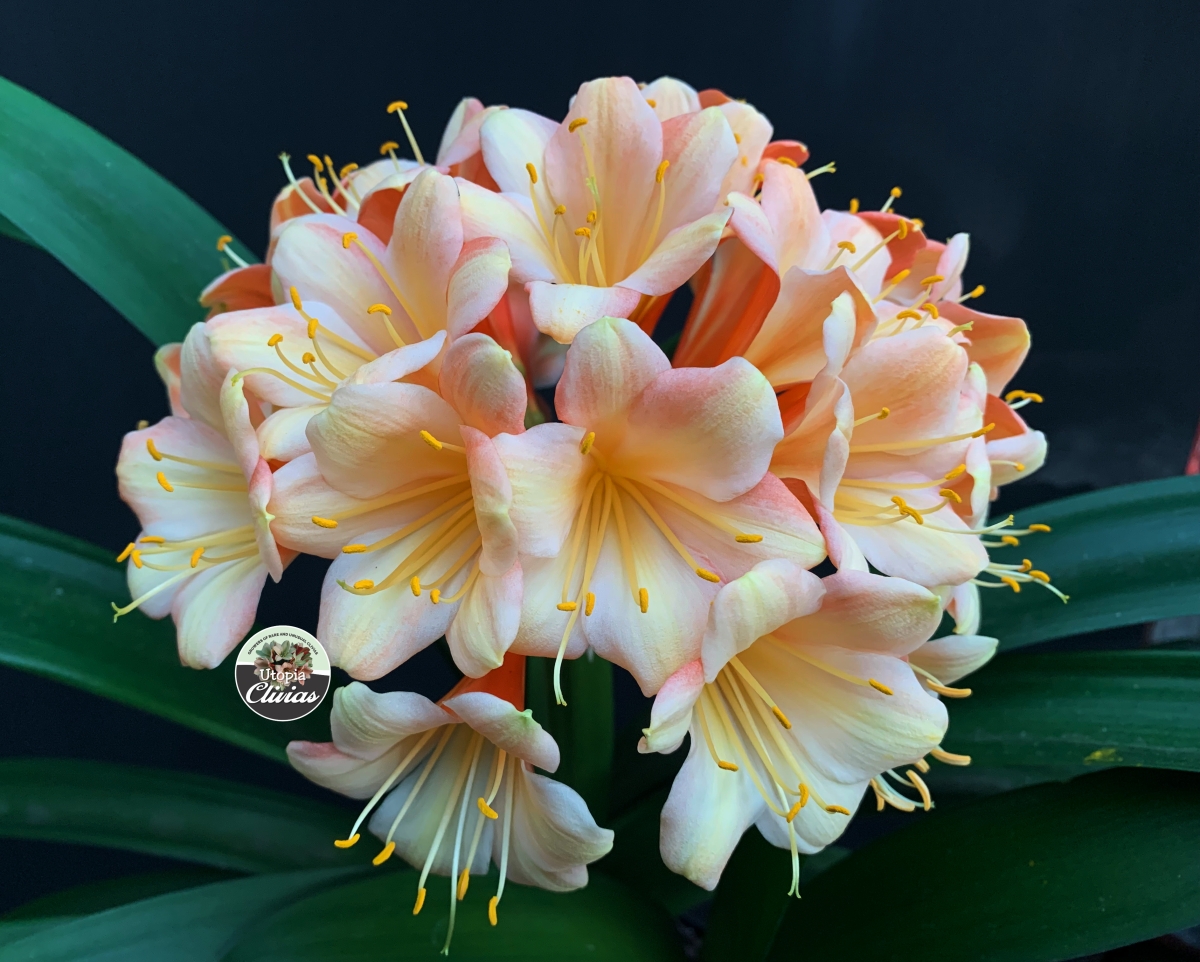
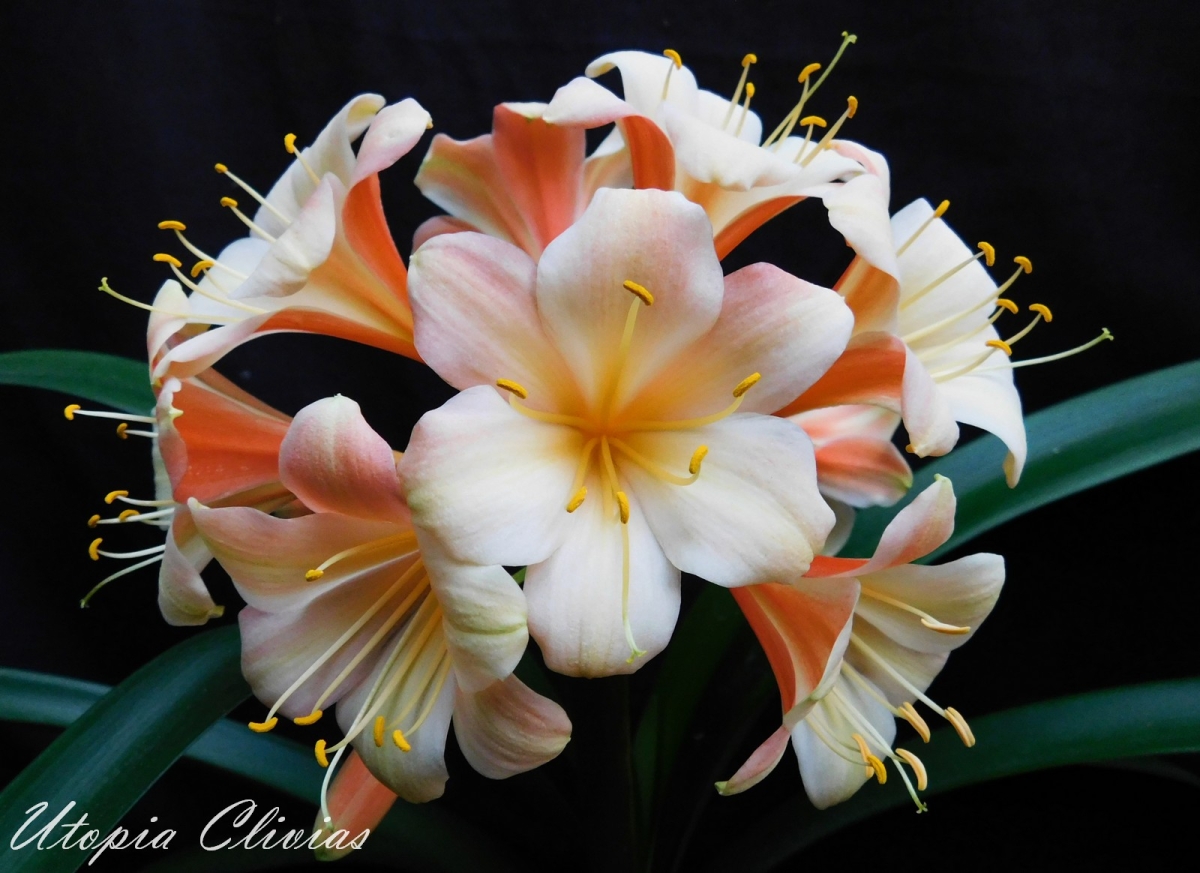
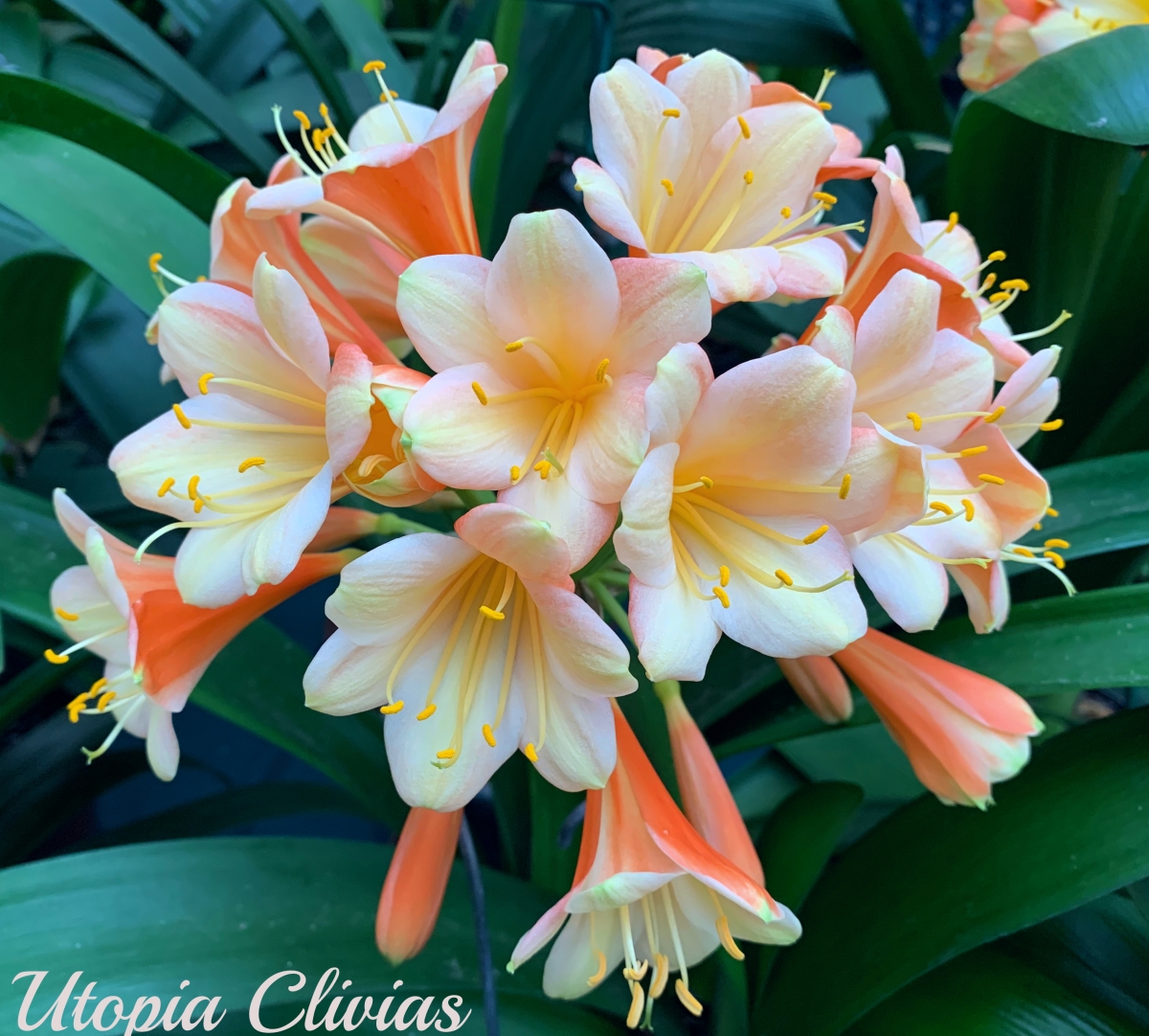
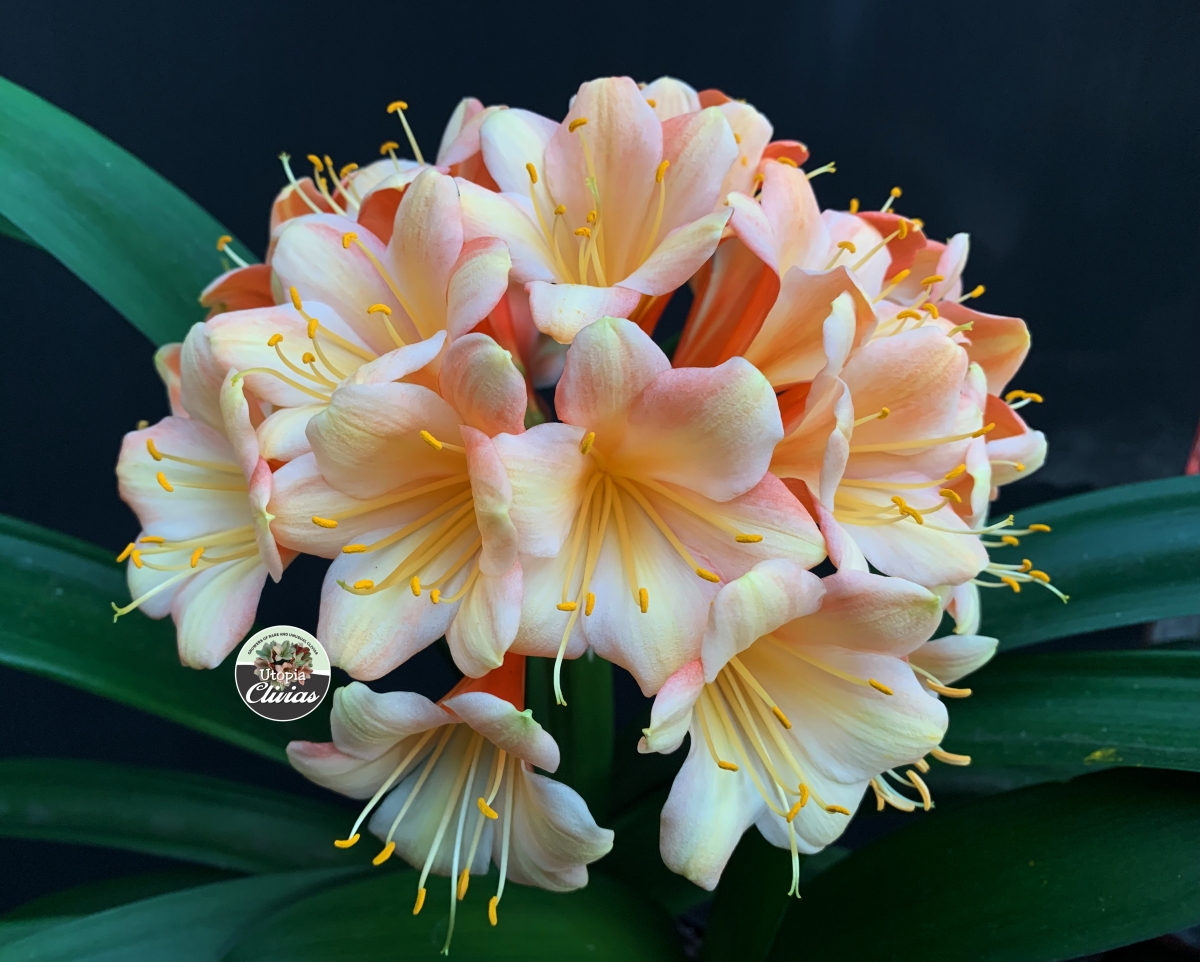
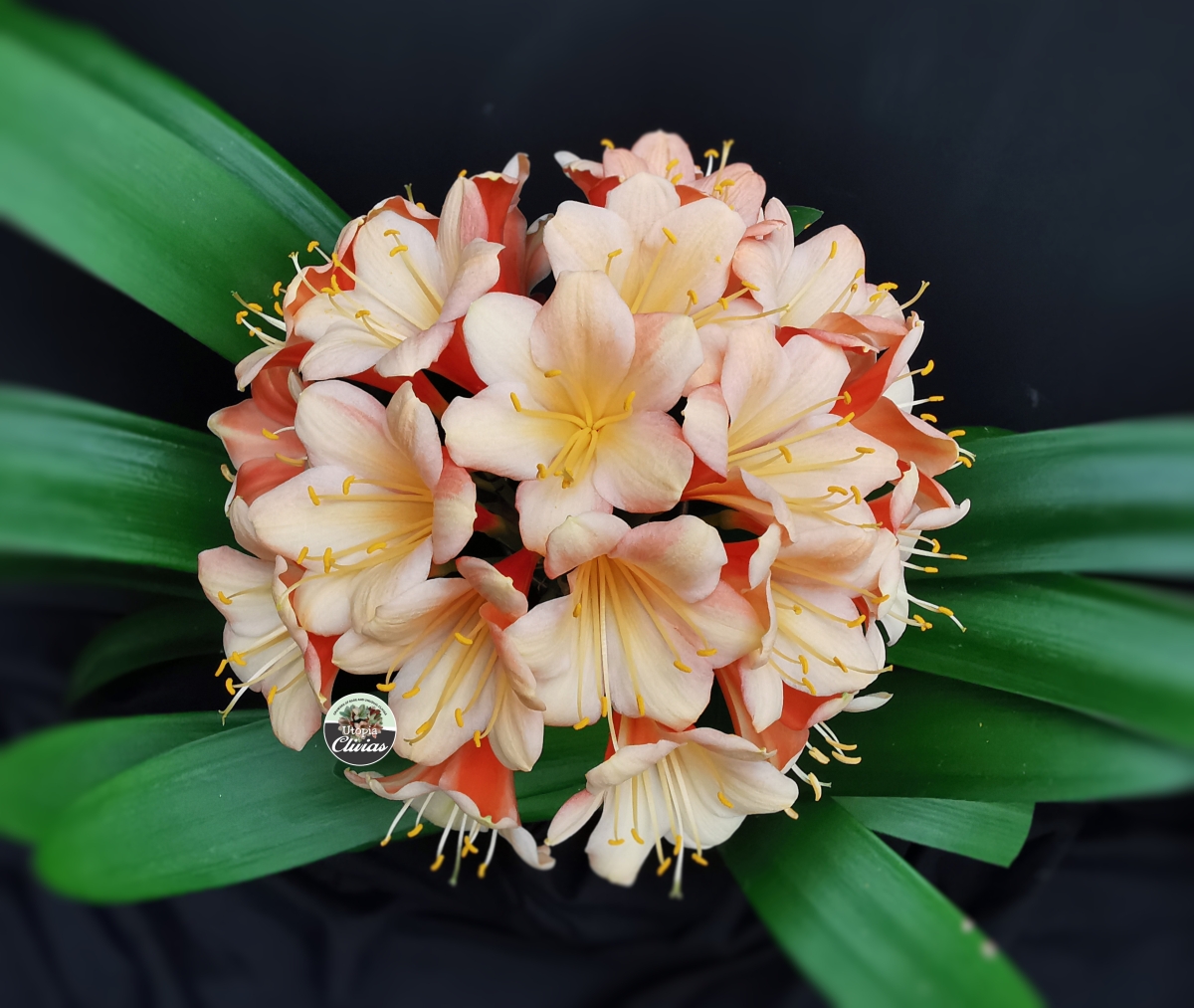
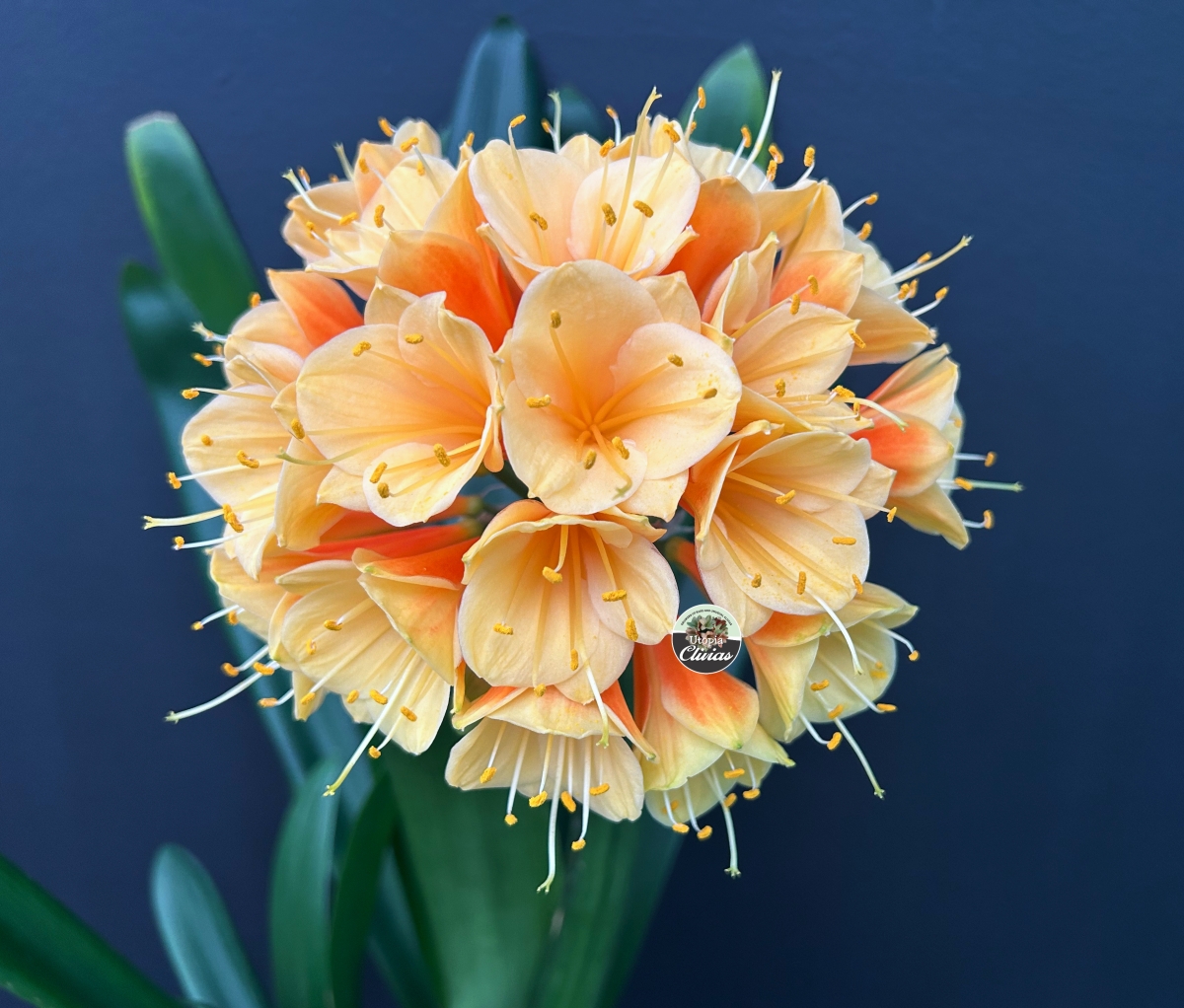
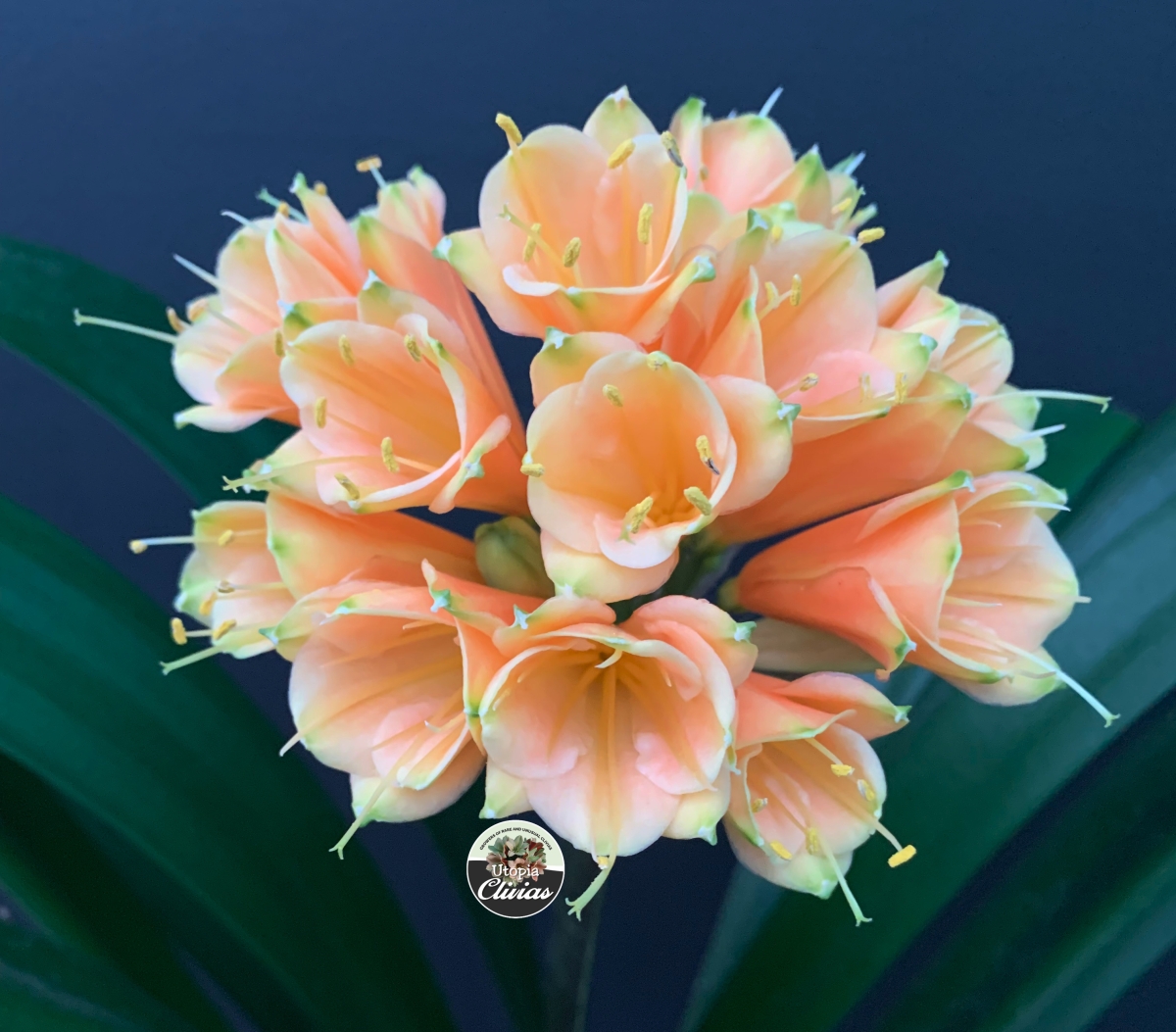
As the plant matures, however, the flower count increases steadily. By the time a clivia reaches full maturity — typically around 6 years old or older — it often produces large, rounded umbels with 20 or more flowers, creating the full, dramatic show these plants are known for.
Why Do Older Clivias Bloom Better?
Several factors contribute to the improvement in flower count with age:
Stronger Root System
Mature clivias have an extensive, well-established root system that can absorb nutrients and water more efficiently, supporting stronger growth and better blooming.
Larger Rhizome
Clivias grow from a thickened rhizome, which stores energy. Over time, this rhizome enlarges, allowing the plant to support more flowers and sometimes even multiple flower stalks in a season.
Greater Leaf Mass
Older clivias typically have more leaves — and larger ones — which means increased photosynthesis. This energy boost helps fuel the development of robust floral displays.
Genetic Expression
In many hybrids, full color saturation, form, and bloom potential don’t fully express themselves until the plant matures. Some of the most exciting traits in Clivia breeding — like rare colors or multiple umbels — often don’t reveal their full potential until year 6 or later.
What to Expect Each Year
| Age | Typical Flower Count | Comments |
|---|---|---|
| Year 3–4 | 2–6 flowers | First signs of blooming; may be inconsistent. |
| Year 5 | 6–12 flowers | More regular blooms; color and form improving. |
| Year 6+ | 12–25+ flowers | Full potential realized; stable, show-quality umbels. |
Clivias are not plants for the impatient, but those who wait are richly rewarded. As each year passes, the plant grows stronger, more stable, and more spectacular. A mature, six-year-old clivia in full bloom is not just a flower — it’s a triumph. Whether you're growing for display, breeding, or simple admiration, there's nothing quite like the thrill of seeing a favorite plant come into its prime.
So if your clivia is still in its early years, keep the faith. The best is truly yet to come.
ChatGPT said: