Ghosts: Are They Real?
By Carrie Krüger – Utopia Clivias, South Africa
What Are “Ghost” Clivias?
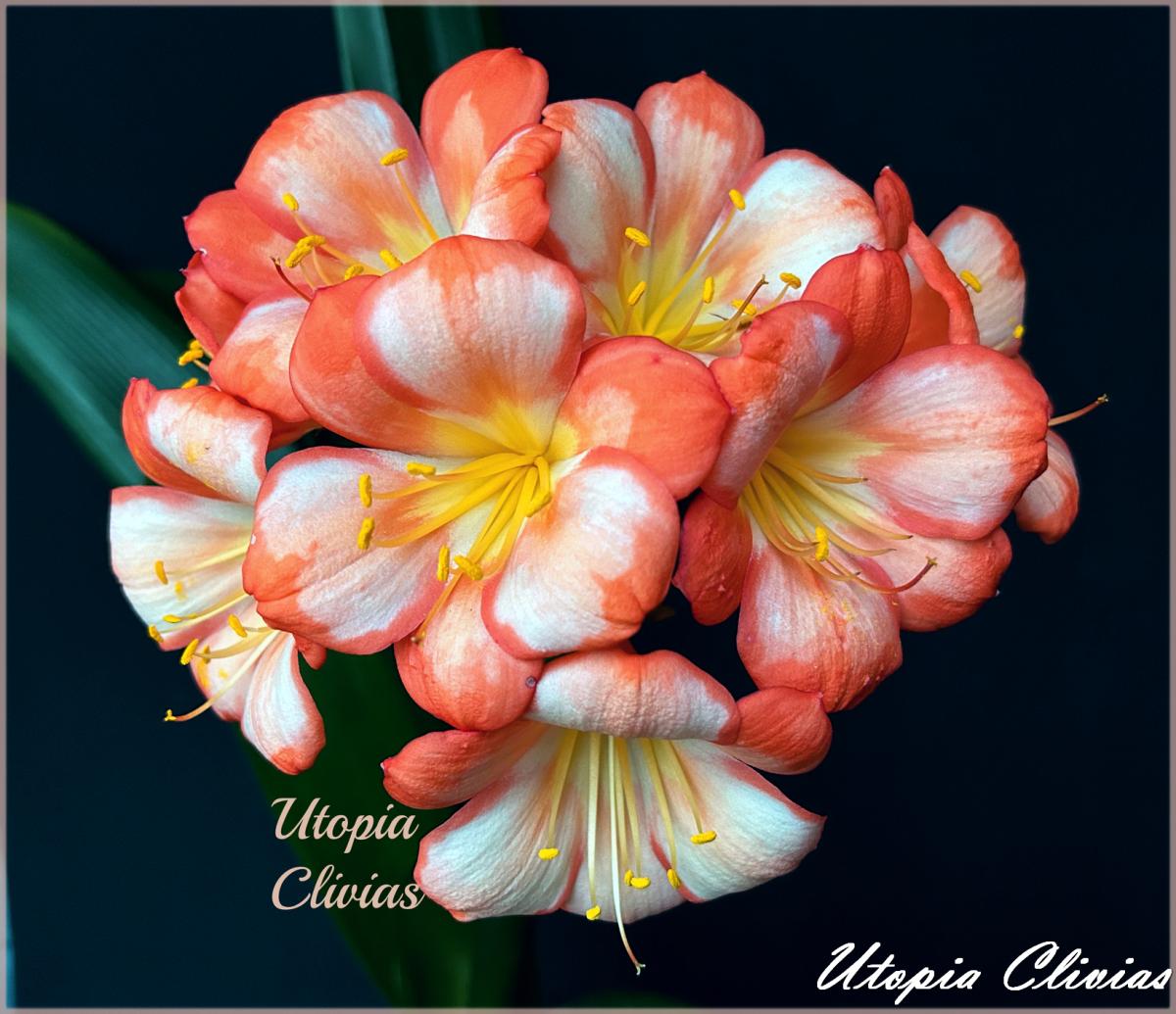
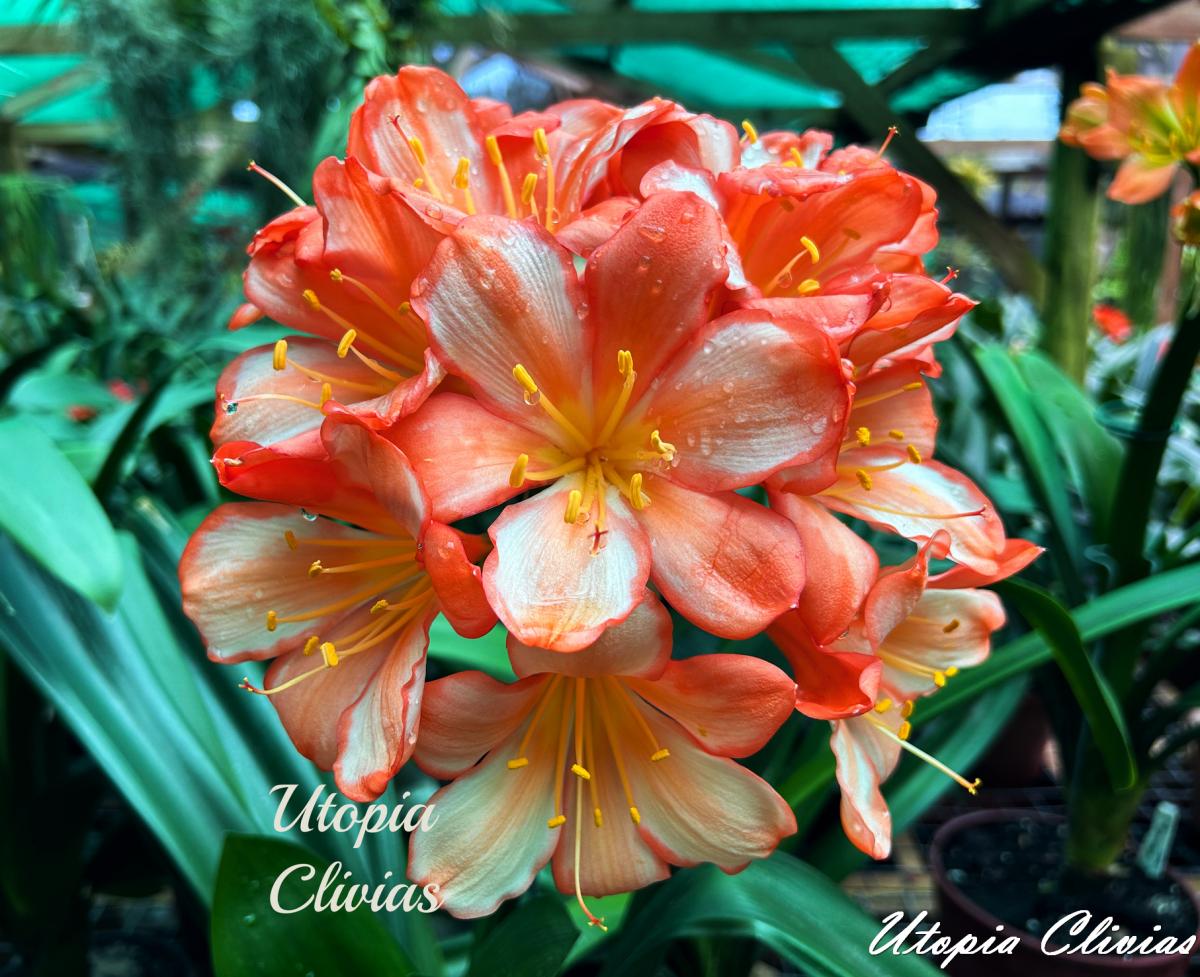
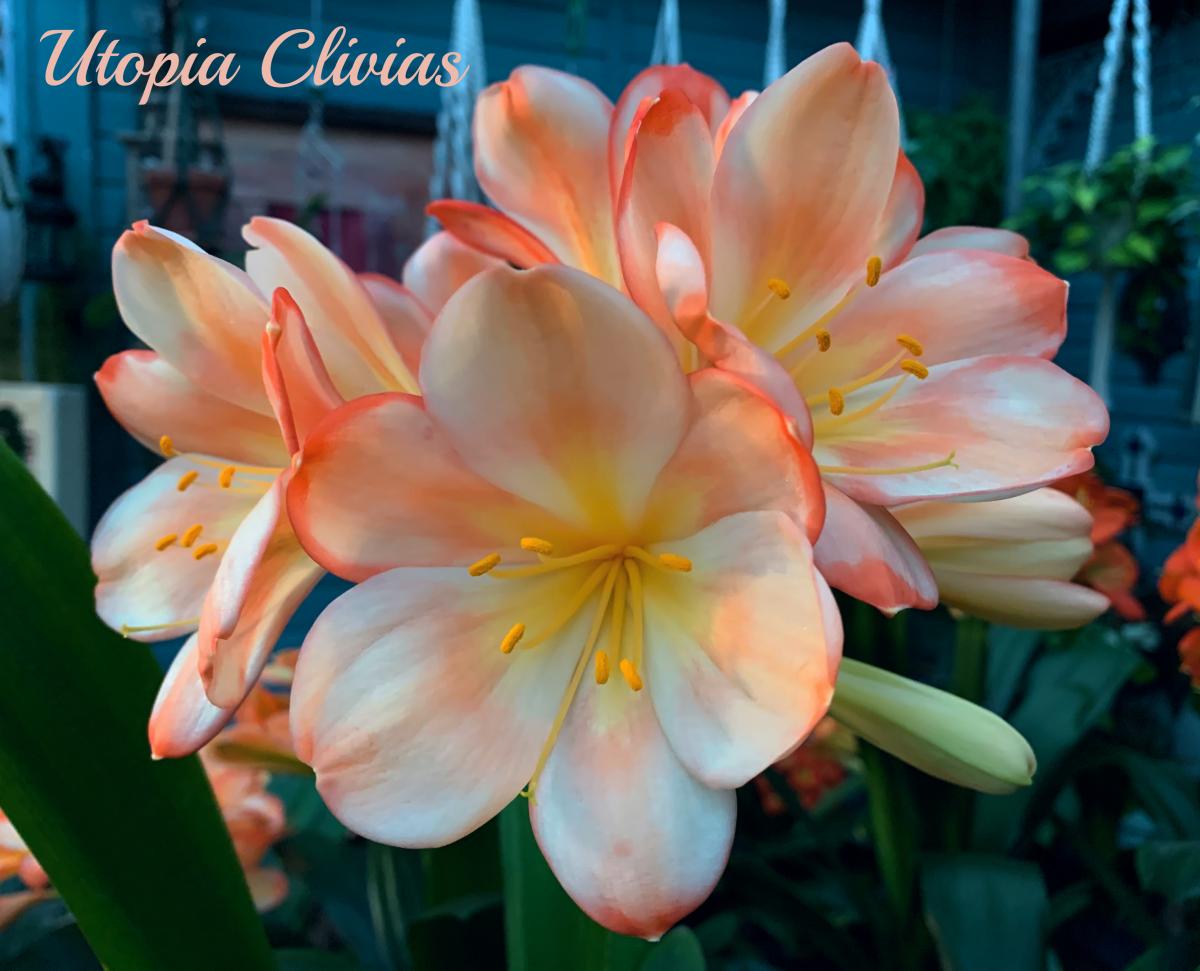
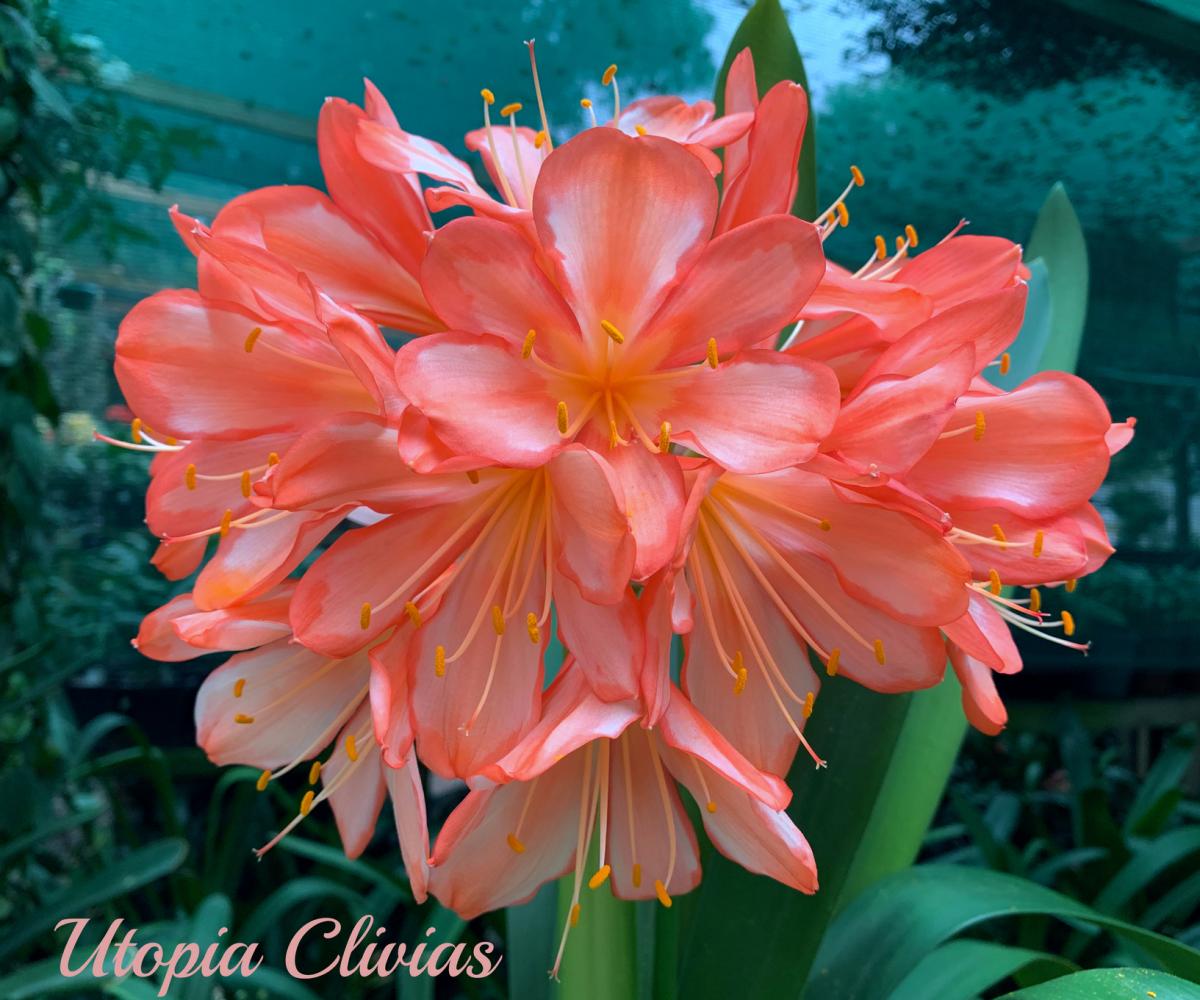
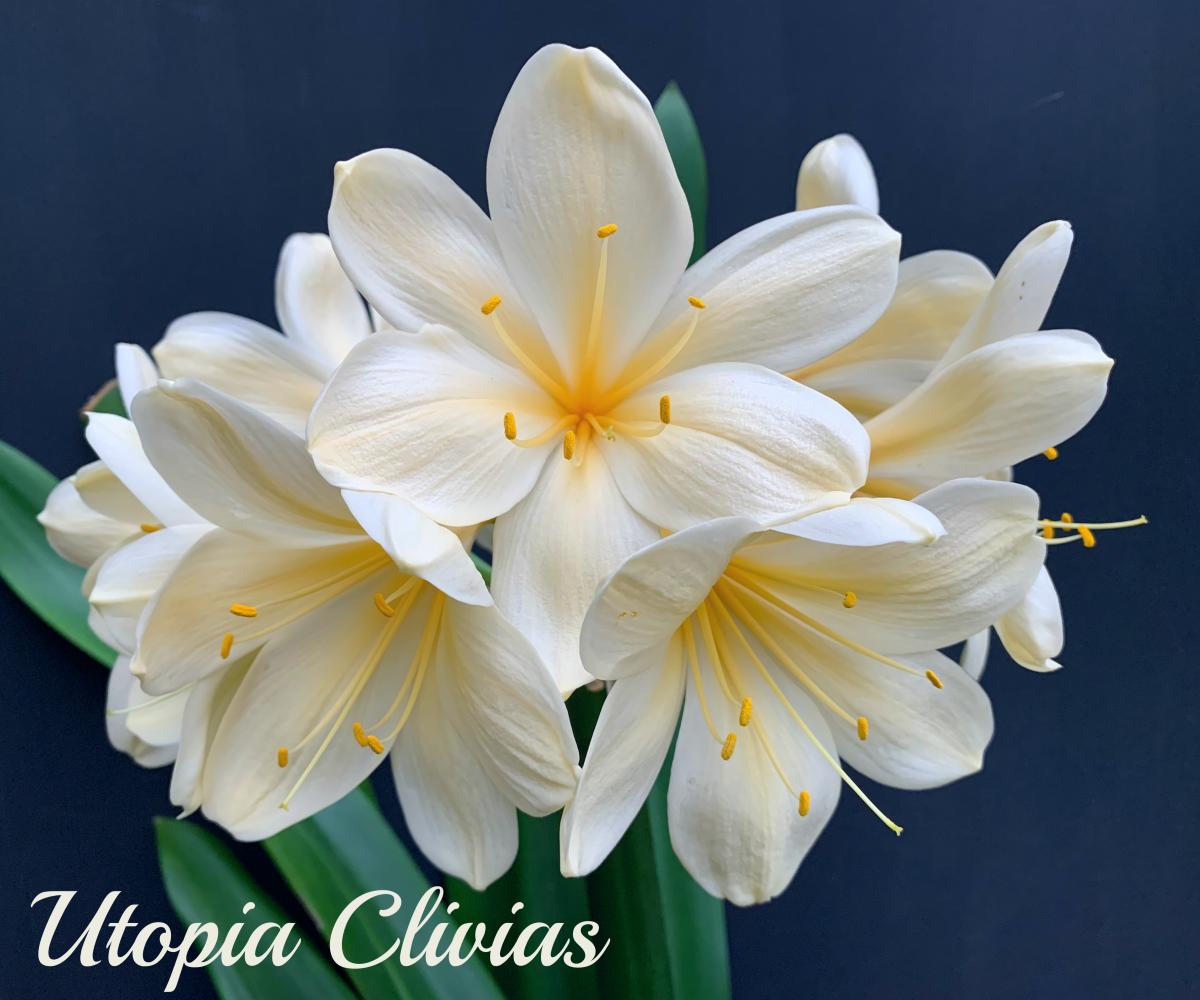
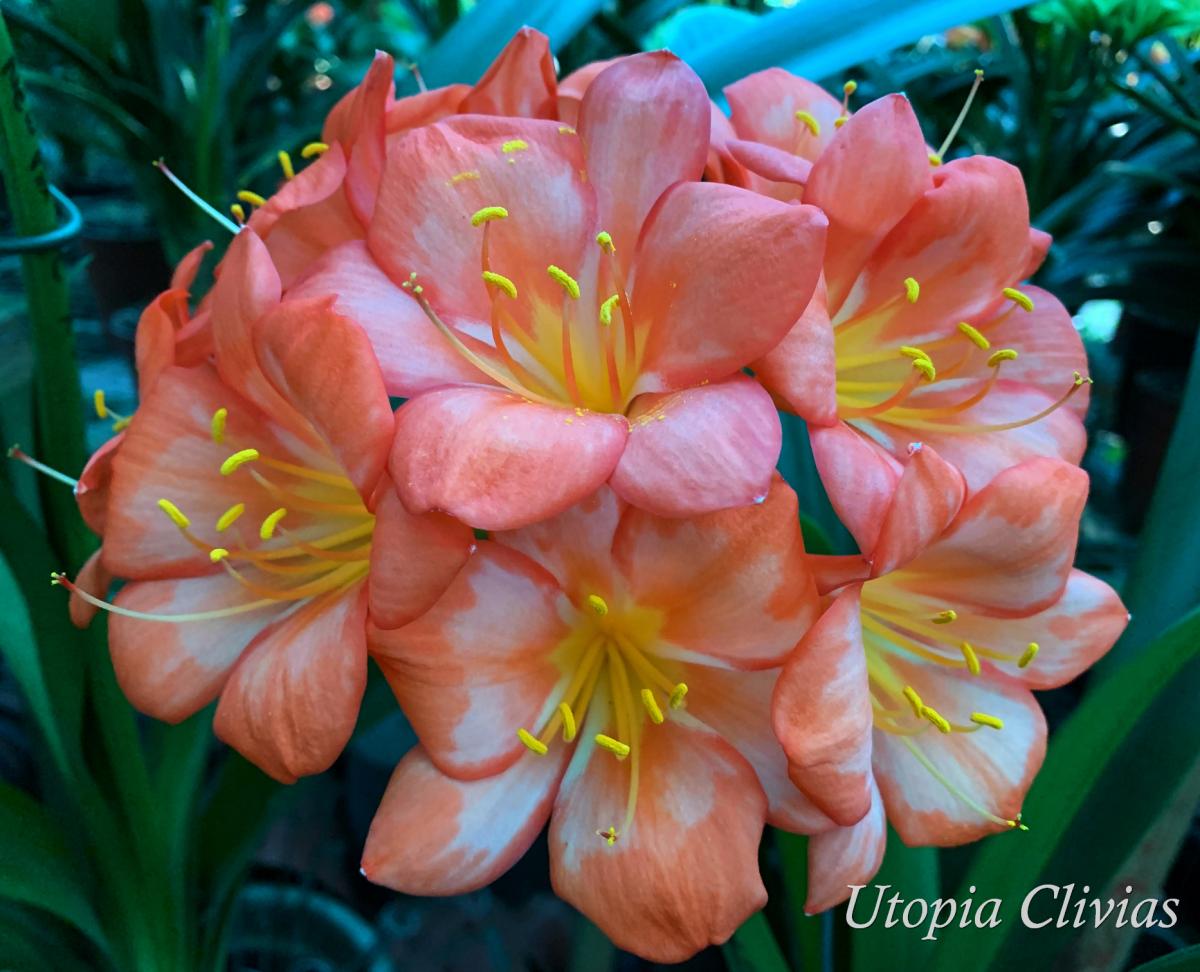
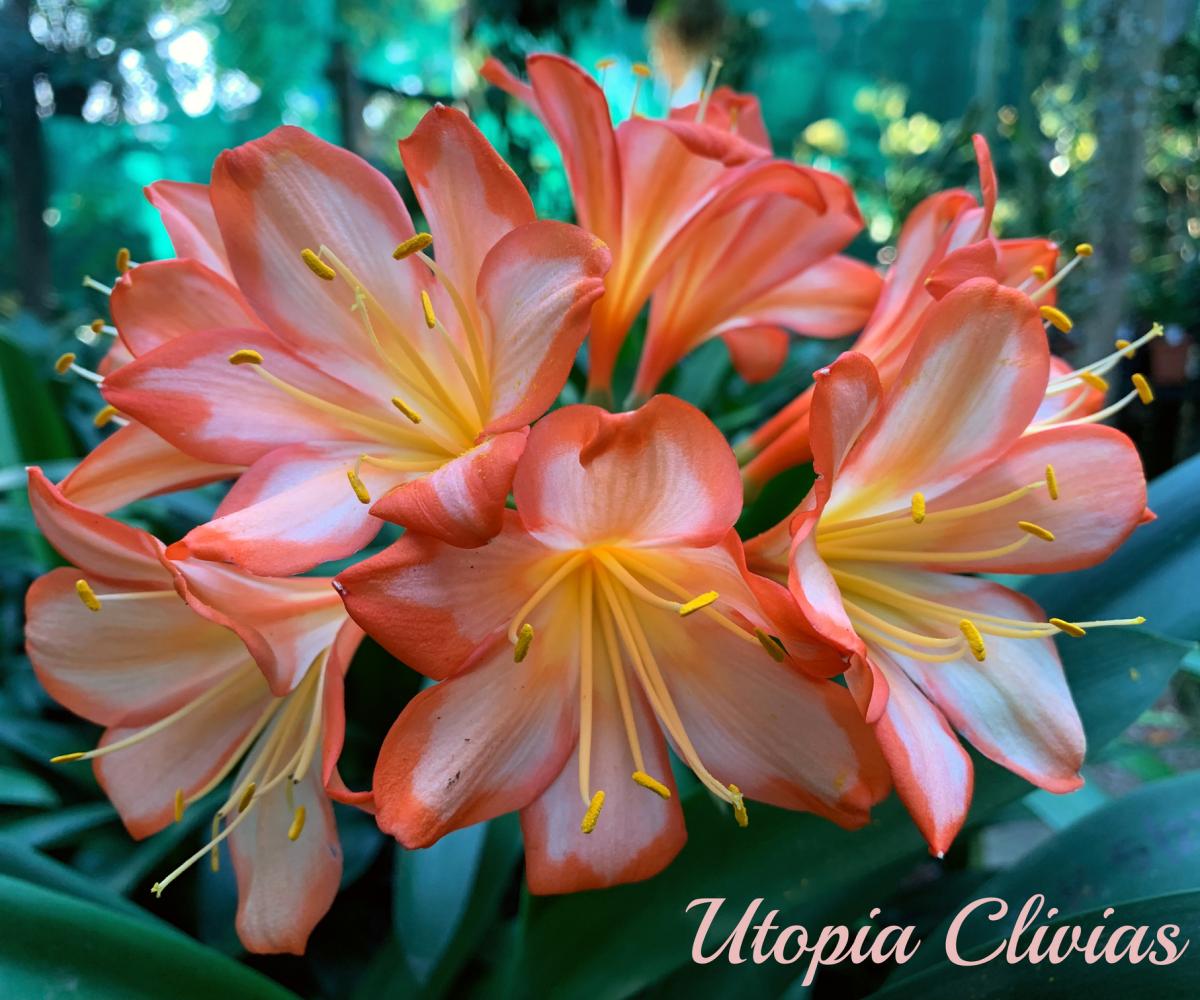
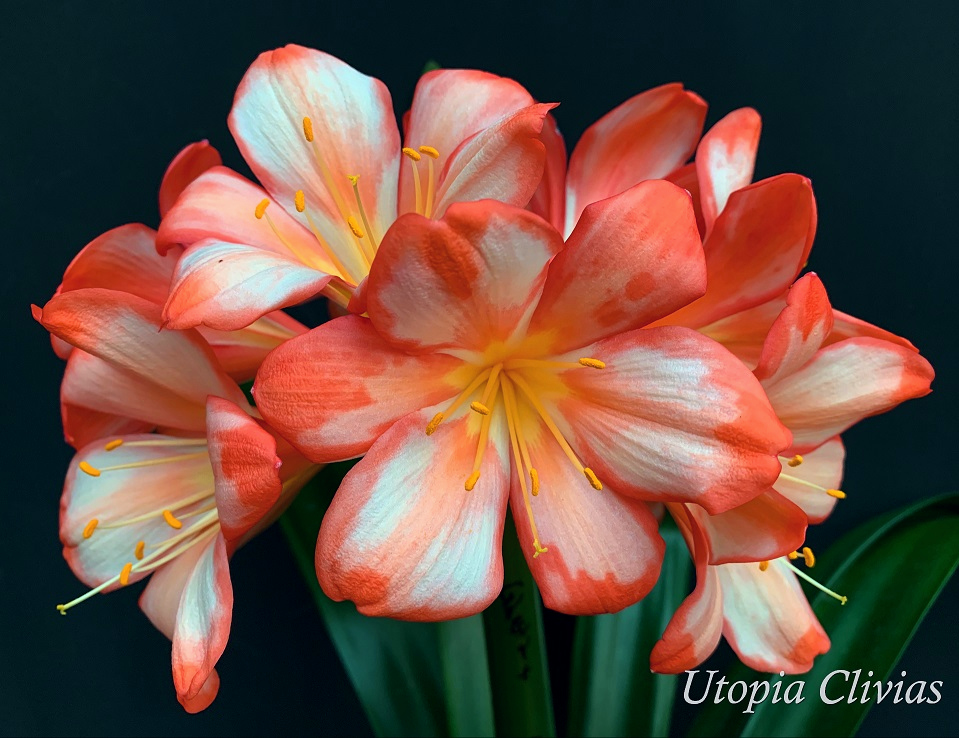
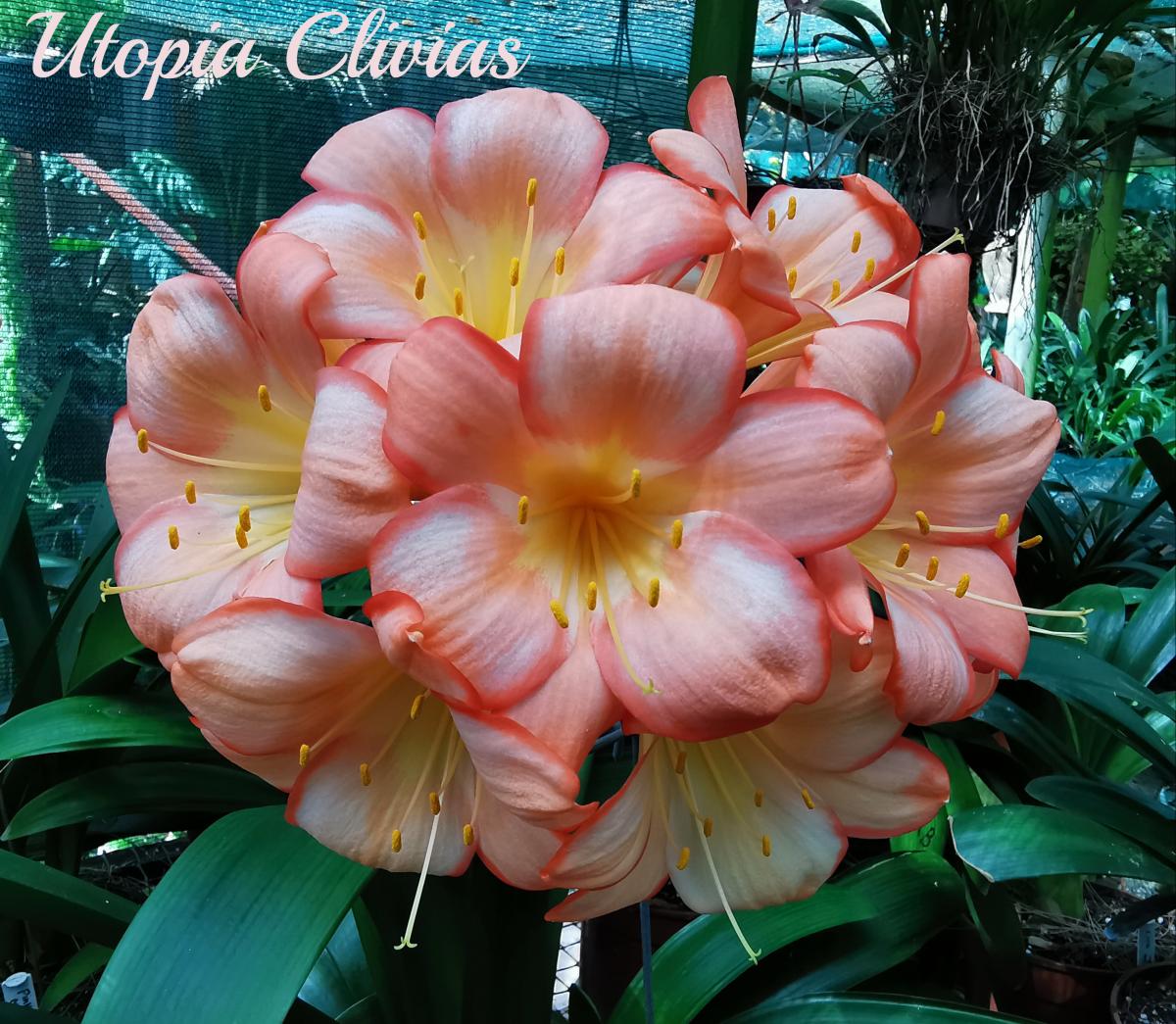
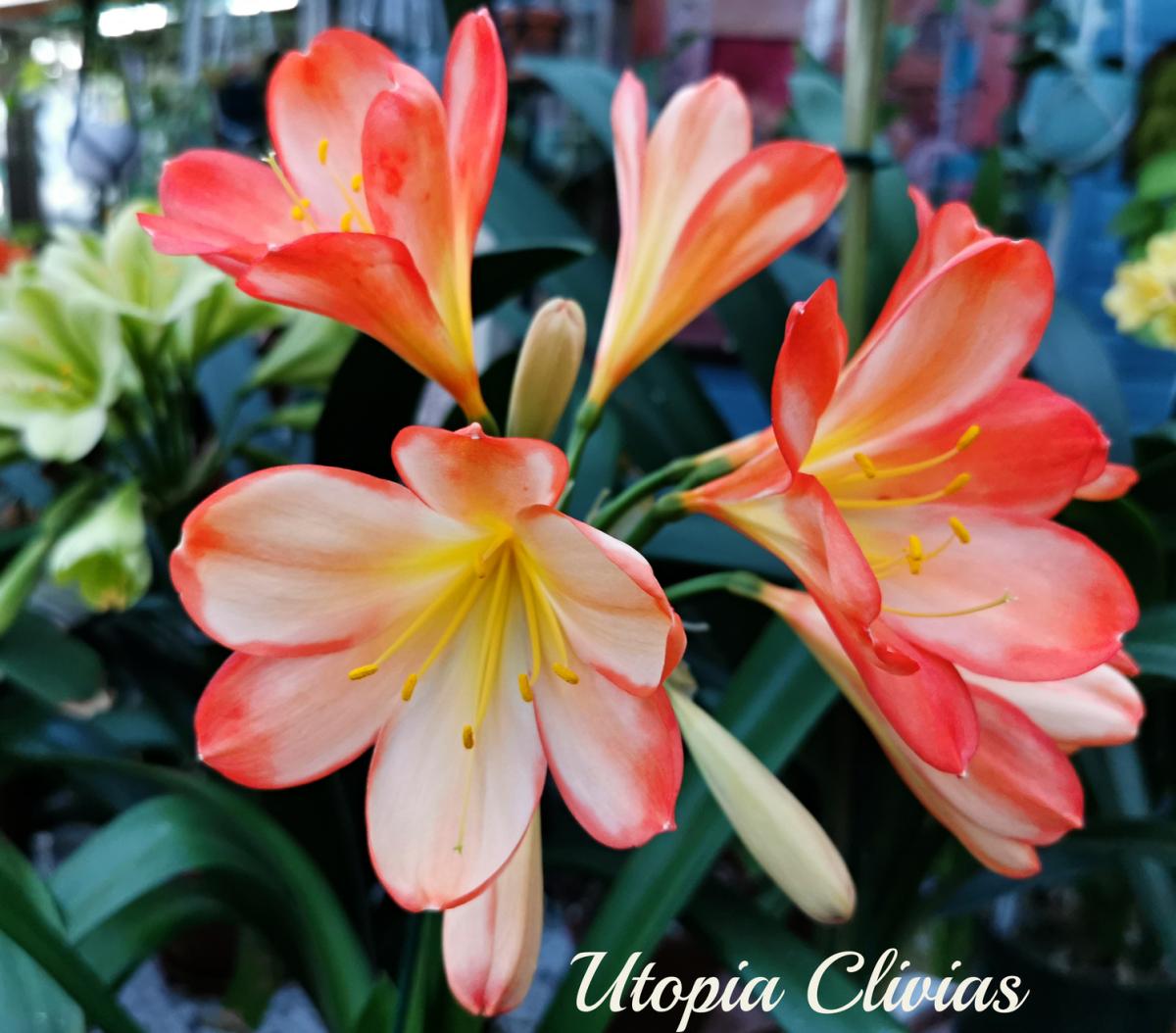
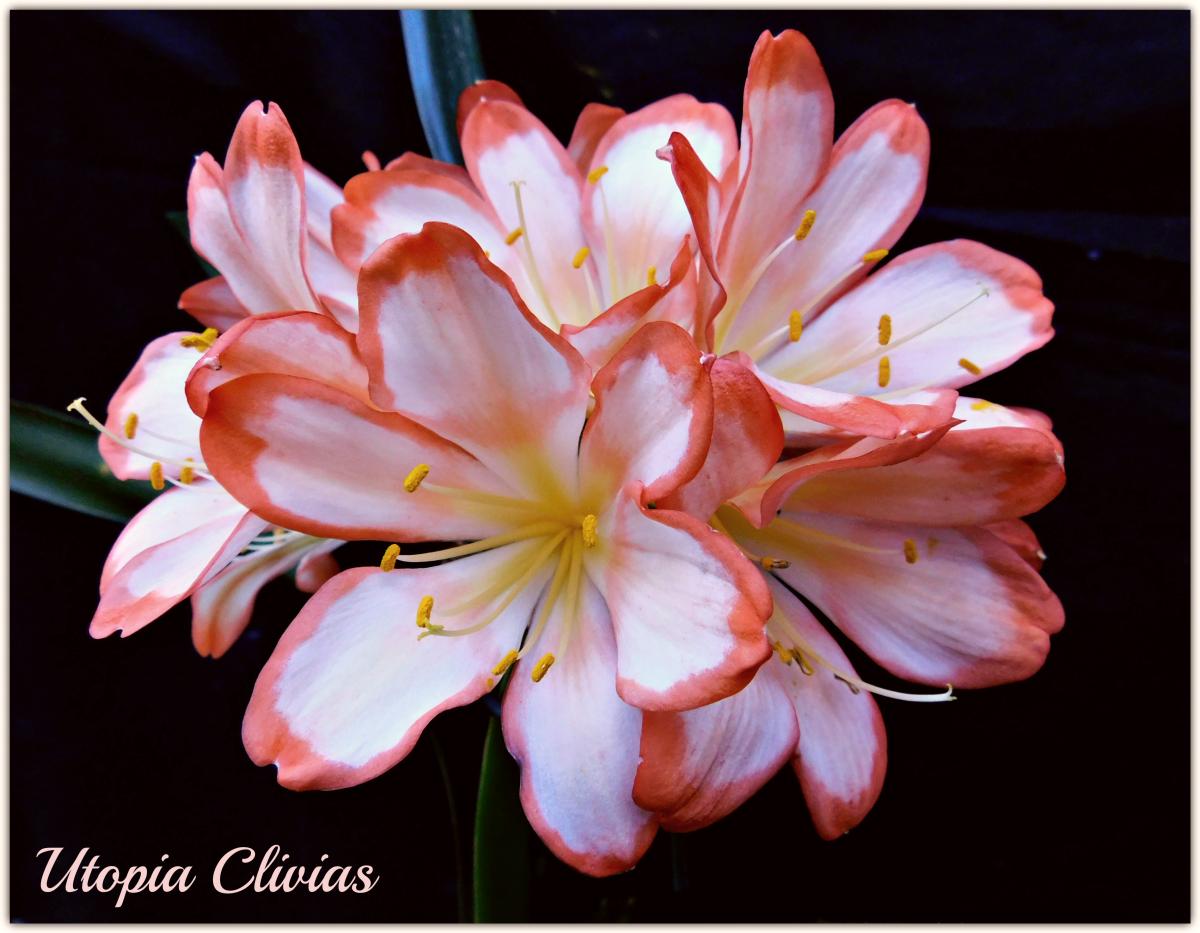
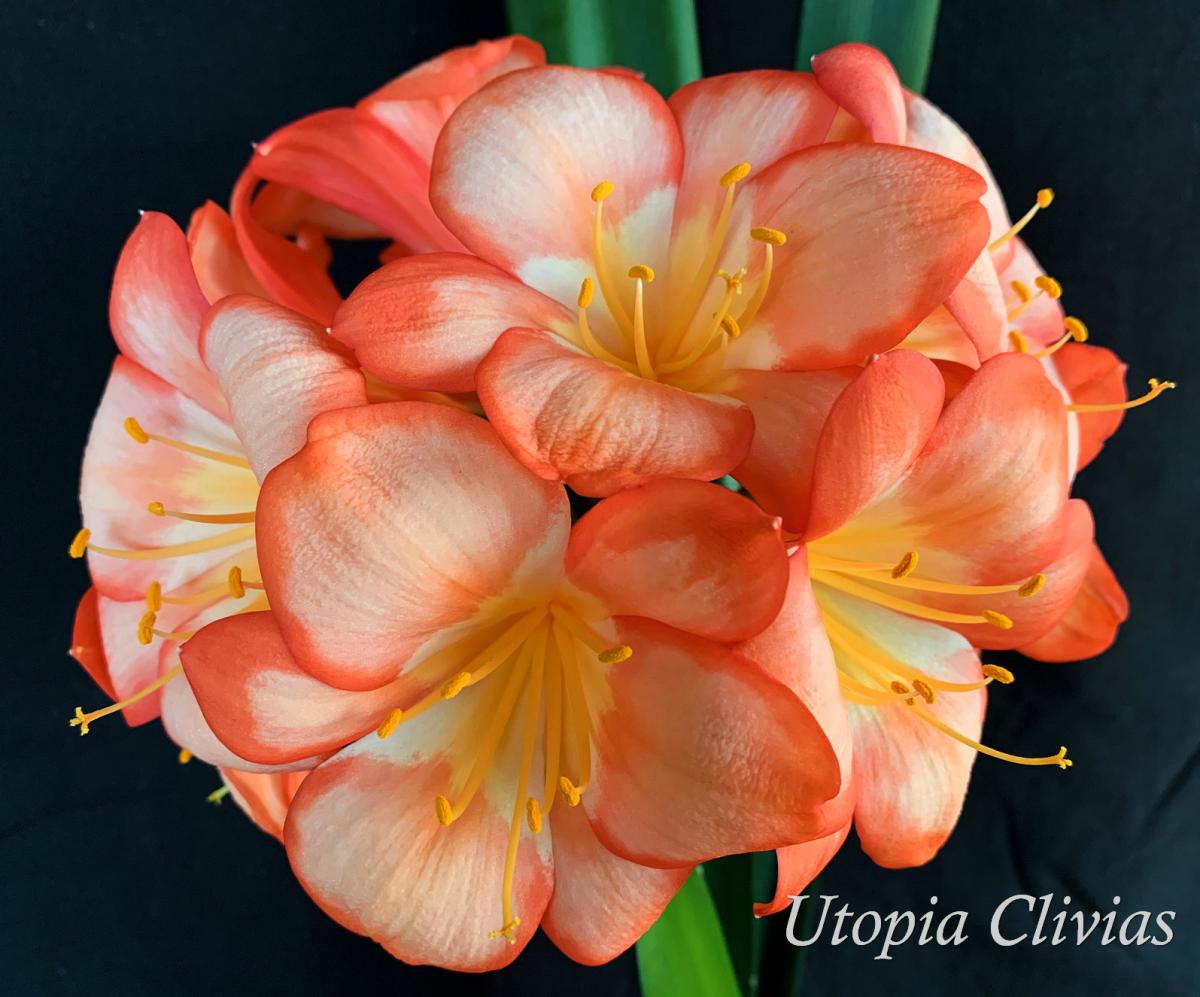
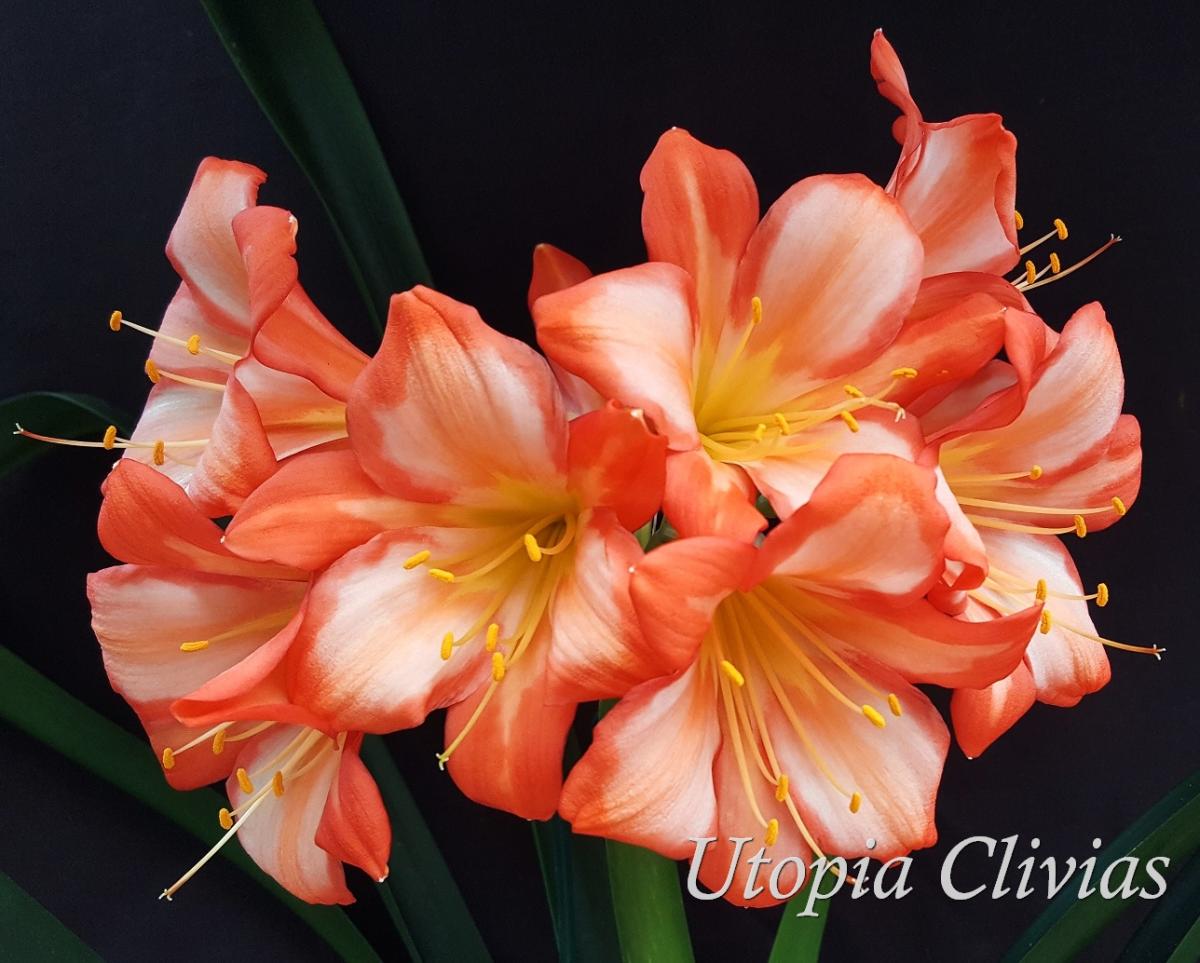
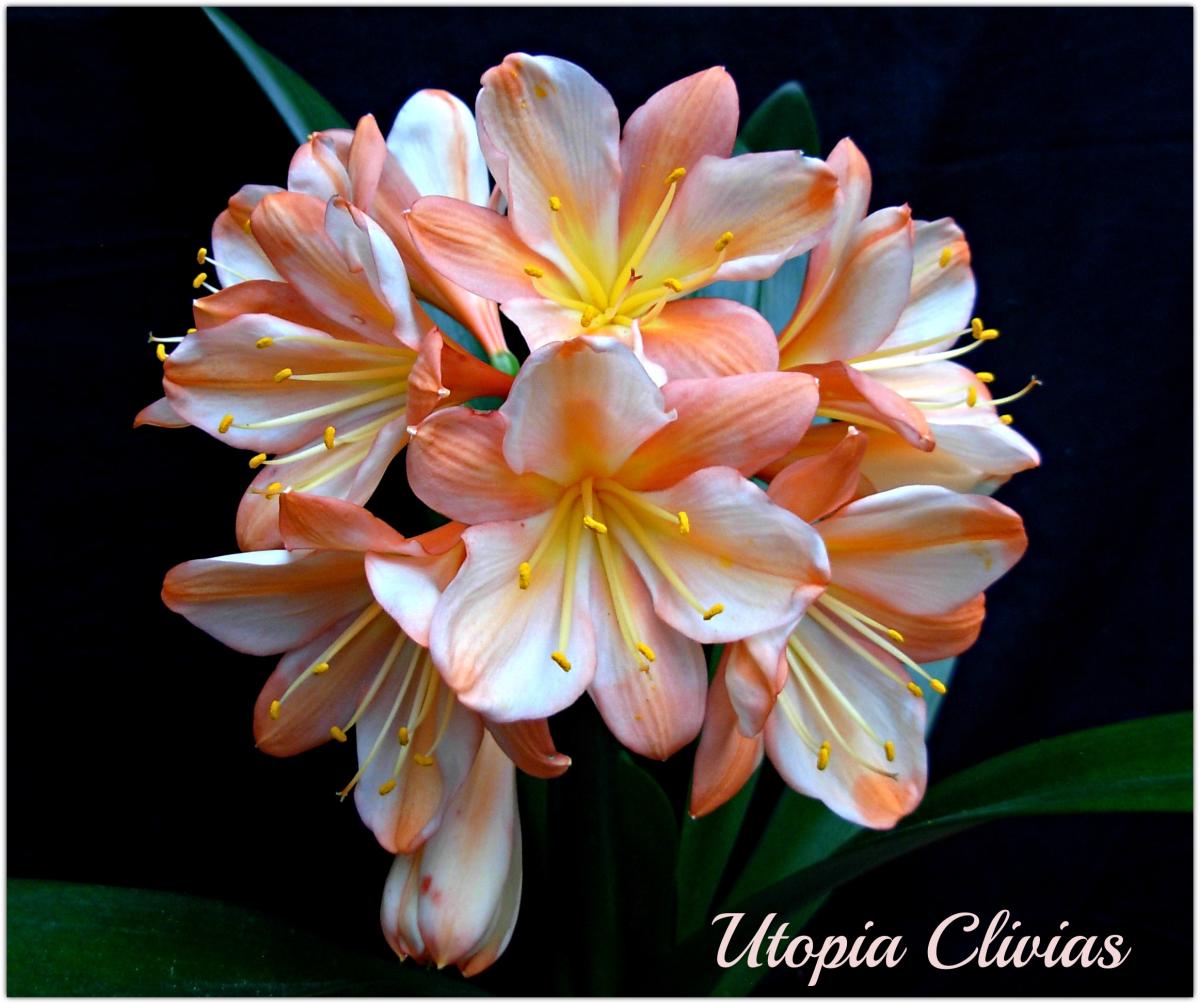
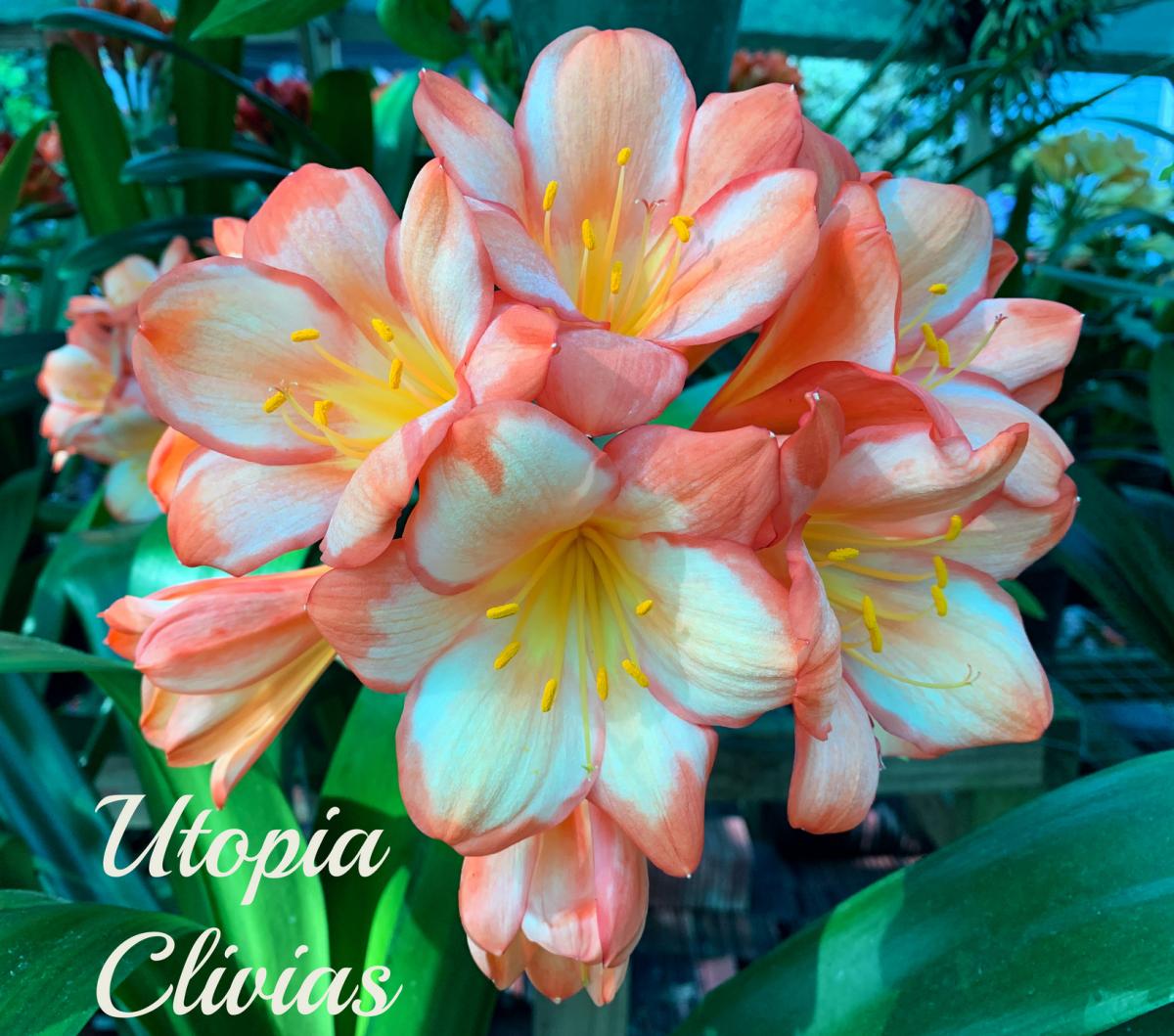
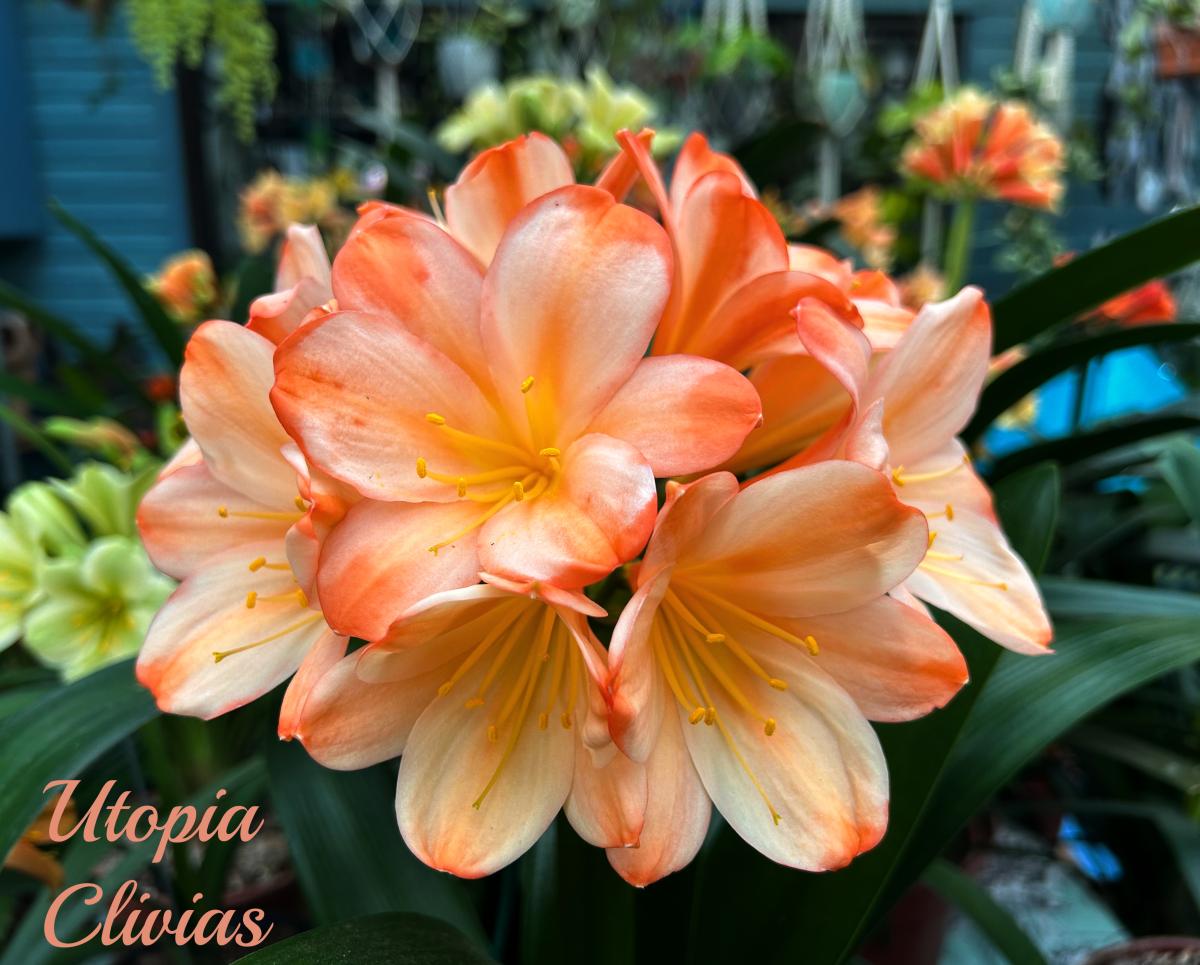
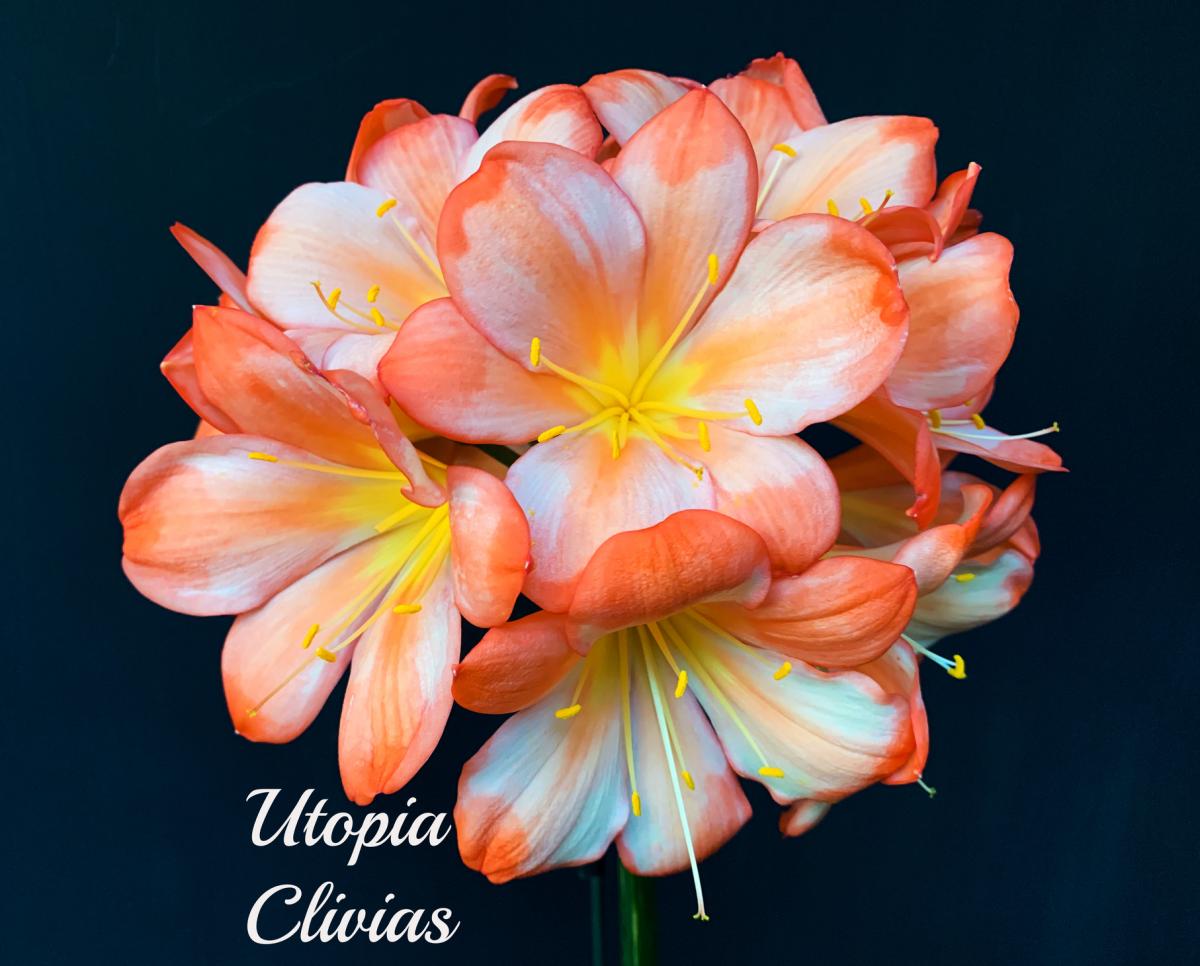
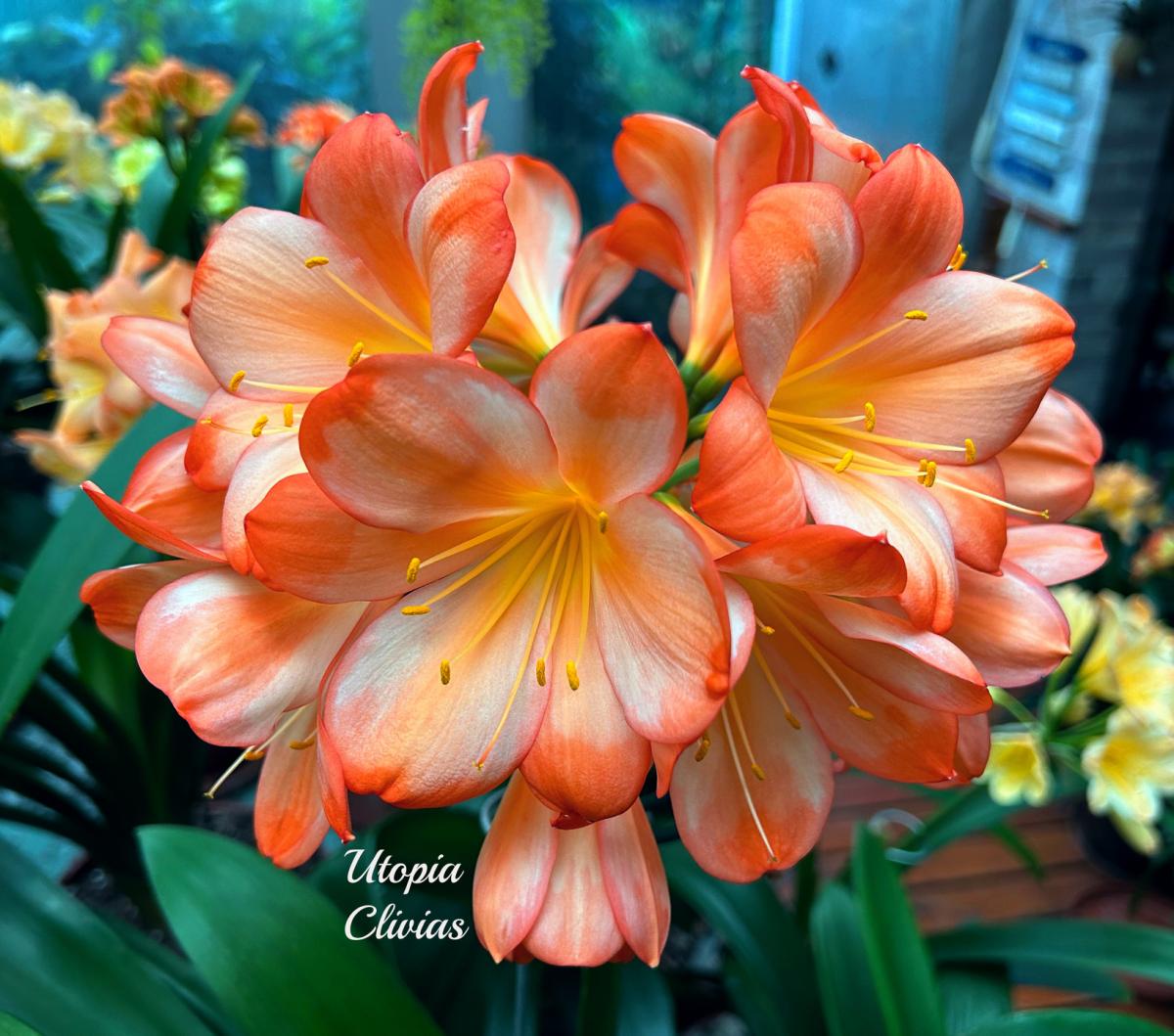
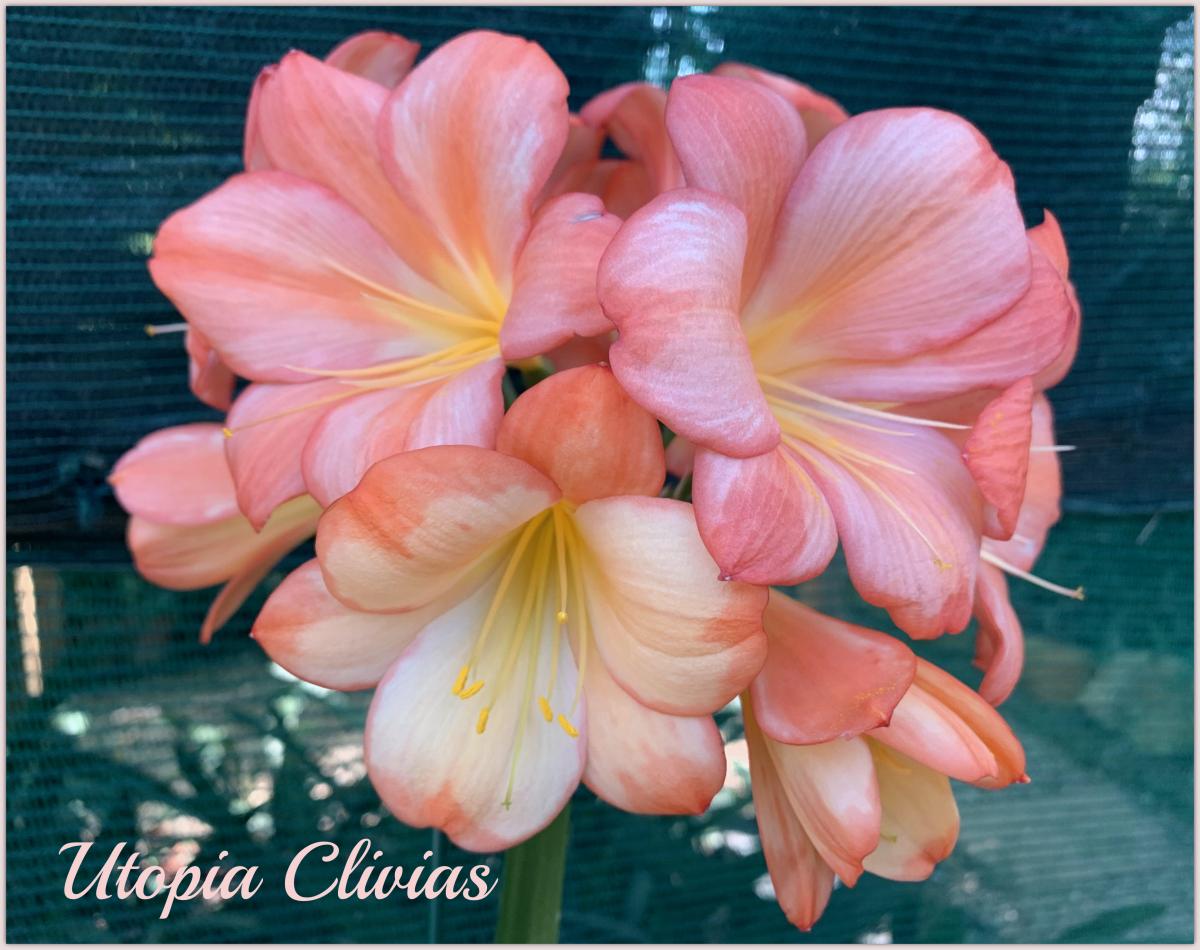
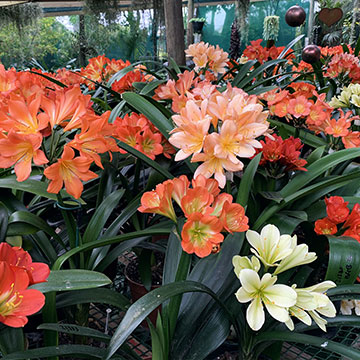
“Ghost flowers” refer to Clivias displaying a distinct dilution or partial loss of tepal pigmentation, particularly on the inner surfaces. These flowers show visible colour reduction, creating striking contrasts, watercolour effects, or near-white expressions.
This definition aligns with the latest Clivia Society show standards, where ghosts, watercolours, and particolours are now formally recognised in dedicated exhibition categories. Florid white lip forms are also included within this classification.
As more ghost and watercolour types flower each year, their popularity among collectors continues to grow.
Breeding Philosophy and Objectives
Successful breeding begins with passion, patience, and a clear vision. At Utopia Clivias, our ghost breeding programme focuses on:
Selecting only the strongest ghost-type plants for pollen use
Applying structured selfing, intercrossing, and backcrossing strategies
Maintaining long-term genetic direction rather than short-term results
Over the years, this consistent approach has produced refined colour variations, including:
Pink pastel ghosts
Super ghosts with extensive tepal whitening
Ghosts with fine pencil-thin picotee edges
Notable examples include Lipstick Ghost and Spirit Ghost.
A primary focus of our programme has been the continued development of a specific and influential clone: Ghost 2.
The History of Ghost 2
According to information from Charl Malan:
During a visit to Yoshi Nakamura in 1994, Charl received several ghost seeds. These were grown, and in 2000, two outstanding plants were selected and named Ghost 1 and Ghost 2.
Because both plants flowered simultaneously, they were crossed with one another. Their offspring produced exceptional ghosts, as well as pink and yellow variations, forming the foundation for future ghost development.
Breeding Results Using Ghost 2
Ghost 2 has proven to be a highly influential pollen parent.
Key Outcomes Include:
Spectre
Produced from Ghost 2 × Florid White Lips.
This cross yielded a super ghost with extensive tepal whitening and was awarded Judges’ Choice at the EP Show in 2016.
Vision
(Pastel × Chiba Orange) × Ghost 2.
A refined pastel ghost demonstrating strong dilution characteristics.
Phantasm
Kelly’s Globe (large yellow) × Ghost 2.
Bred by the late Mark Lewis and widely used in our breeding programme.
Ghost 2 pollen consistently produces a high percentage of ghost-type offspring. It is genetically dominant when used as a pollen parent.
Genetic Characteristics of Ghost 2
Does not self well; seed set is often limited
Large and robust plant
Produces few offsets
Split for Group 1 Yellow
When crossed with Chiba genetics, can produce unpigmented stems
Contributes to near-white, yellow, and pink expressions
Examples of resulting plants include Greater White, Jon Snow, and Daenerys, which demonstrate the influence of diluted pigmentation combined with strong structure.
These crosses have resulted in exceptional near-whites, refined yellows, and soft pinks.
Ongoing Developments
Modern ghost breeding now includes:
Multi-tepal ghost forms
Advanced backcrosses
Structured particolour development
Continued refinement of dilution patterns
Ghost and particolour breeding remains an evolving field. With each generation, new and exciting colour combinations continue to emerge.
Conclusion
Ghost breeding is still in its developmental stage, but progress has been significant. Through disciplined selection and long-term strategy, we continue to expand the genetic possibilities within this category.
At Utopia Clivias, our focus remains on improving form, stability, and colour clarity — ensuring that ghost genetics contribute meaningfully to the future of Clivia breeding.