The History of Clivias in South Africa
How These Remarkable Plants Became Collector Favourites
Clivias are among the most admired garden plants in South Africa. With their bold evergreen foliage and spectacular spring flowers, they have captured the attention of gardeners and collectors around the world. The history of Clivias spans continents, centuries, and a rich tradition of botanical discovery and careful cultivation.
This article traces the origins of Clivias, their early spread into cultivation, and South Africa’s central role in their development and ongoing breeding.
Natural Origins and Habitat
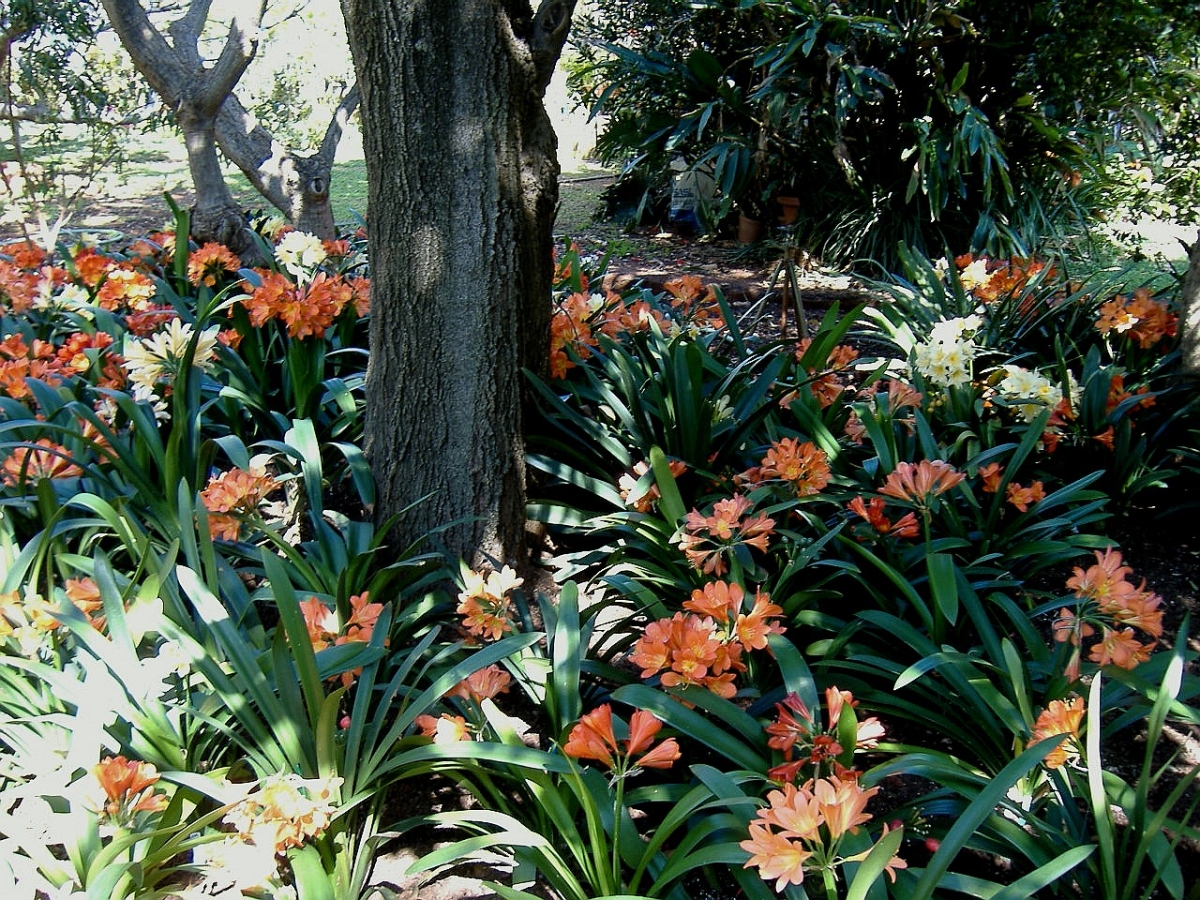
Clivias are endemic to the southern African subregion, particularly forests and woodland margins in South Africa and Eswatini. In the wild, they grow in shaded forest understories, on slopes with rich leaf humus, and among rocks or sheltered ravines.
Their natural habitats typically feature:
Shaded to filtered light
Well-drained, organic-rich soils
Moderate temperatures
Protection from direct harsh sun
These conditions mirror the environments Clivias prefer in cultivation and explain their success in shaded gardens and under tree canopies.
Clivias belong to the Amaryllidaceae family, a group of perennial herbs that evolved under the forest canopy. Their form and growth habits reflect adaptation to shaded and moist forest floors with light that is bright but indirect.
Early Botanical Discovery
The first scientific record of a Clivia was made in September 1815 near the mouth of the Great Fish River in the Eastern Cape. The English naturalist William J. Burchell collected specimens that would later form part of the botanical knowledge of these plants.
In the early 1820s, botanical collector James Bowie, who worked with Kew Gardens, sent specimens of what would become known as Clivia nobilis to England. In 1828, the prominent botanist John Lindley formally described the genus Clivia and named it in honour of Lady Charlotte Florentine Clive, Duchess of Northumberland. Lady Clive was among the first to cultivate these plants in her English conservatory, and her name has remained associated with the genus ever since.
Introduction to Horticulture and Early Cultivation
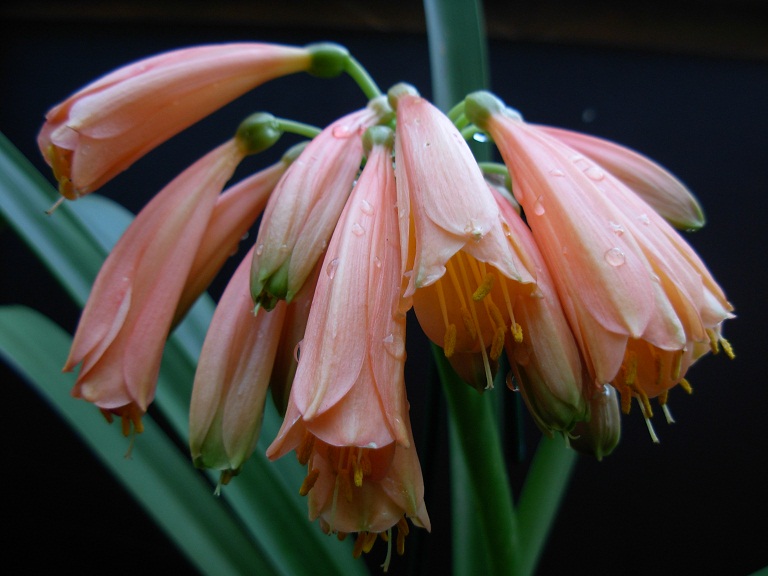
The striking, trumpet-shaped flowers of Clivia miniata were discovered later in the forests of KwaZulu‑Natal during the mid‑19th century. This species was subsequently introduced to European horticulturists around the 1850s, where it quickly gained popularity in Victorian gardens and glasshouses due to its bold colour and shade tolerance.
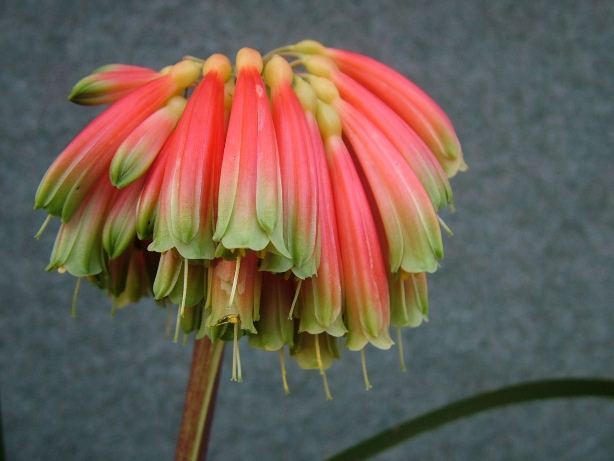
Other species such as Clivia gardenii and Clivia caulescens were described later in the 1800s and into the early 1900s. These discoveries expanded the scientific understanding of the genus and expanded the range of plants available to collectors.
Early Colour Variants and Botanical Interest
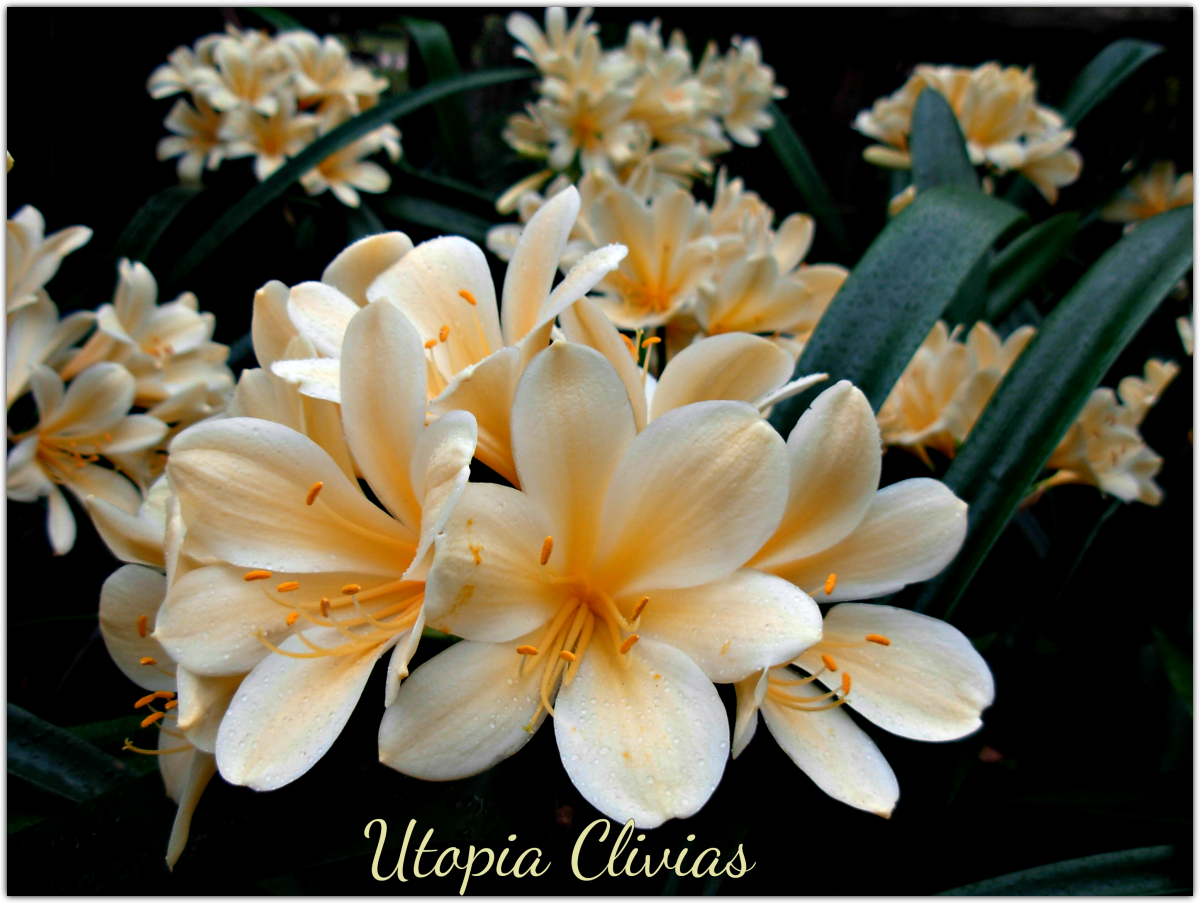
Natural variation within Clivias was recognised early in their botanical history. A notable example is a yellow form of Clivia miniata discovered in the forests of eastern KwaZulu‑Natal in 1888. This plant was documented through botanical illustration and later sent to England, where it contributed to the recognition of the variety now known as Clivia miniata var. citrina.
Such early discoveries of colour variation helped stimulate interest among growers and collectors and laid the foundation for the diversity of cultivated forms seen today.
Early Hybridisation and Global Spread
Soon after Clivias were introduced to European plant collectors, hybridisation began. One of the earliest hybrids recorded outside South Africa was Clivia × cyrtanthiflora, a cross between Clivia miniata and Clivia nobilis, produced in Belgium during the mid‑1800s.
Throughout the 20th century, nurseries and hobbyists in Europe, Japan, China, Australia, and the United States contributed to Clivia breeding. These efforts expanded available colour ranges, leaf forms, and variations in plant habit.
South Africa’s Central Role in Clivia Cultivation
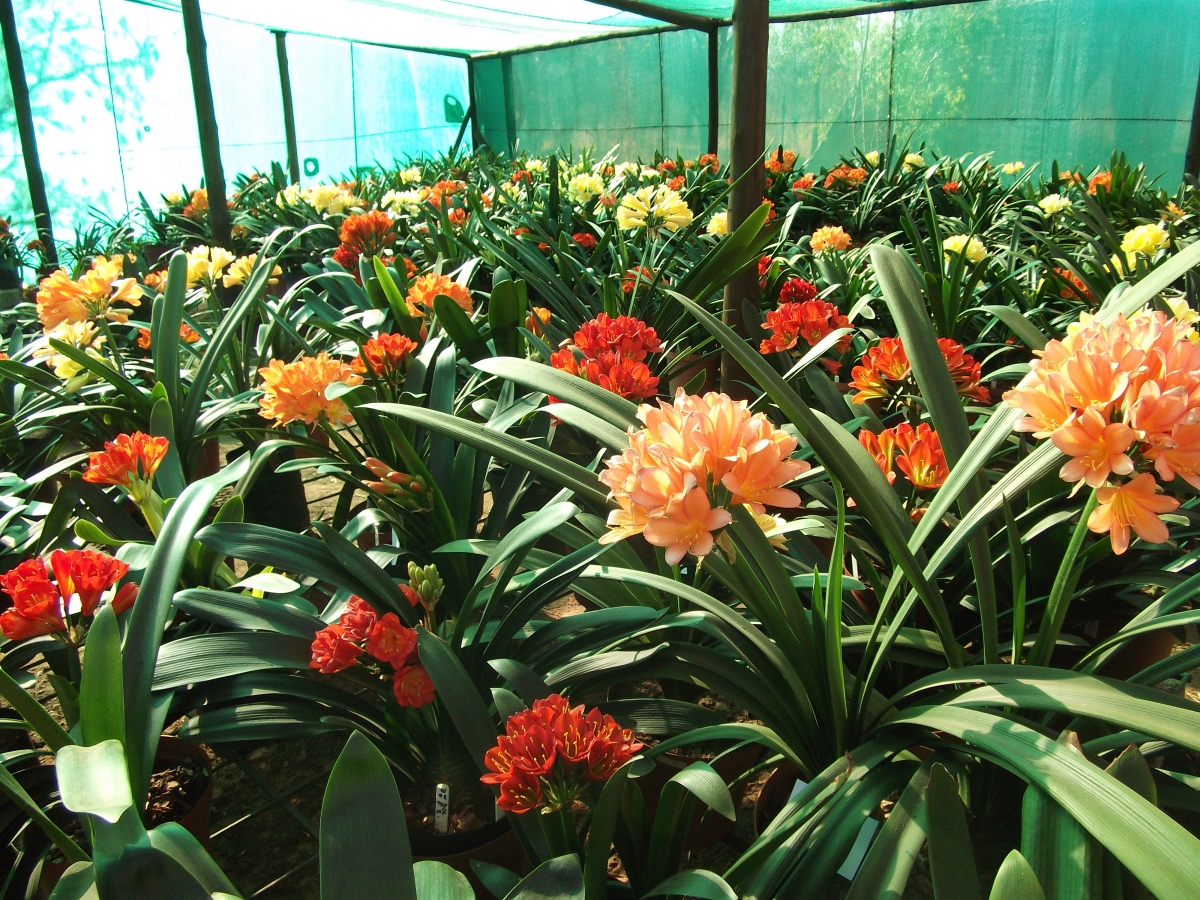
While Clivia cultivation spread globally, South Africa remains the primary centre of Clivia diversity and breeding. Natural species are found across the Afromontane forests and woodland regions of South Africa, including the Eastern Cape, KwaZulu‑Natal, Mpumalanga, and Limpopo.
South African growers and collectors have played a significant role in developing Clivia as a cultivated plant. Over decades, careful selection and controlled breeding have produced:
Larger and more refined flower forms
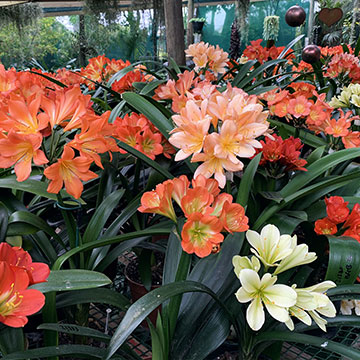
Unique colour variations
Enhanced plant vigour
Novel hybrid series
Local growers continue to refine and expand Clivia genetics, hosting plant shows, forming specialist clubs, and developing new hybrids through deliberate pollination and selection.
Clivias Today
Modern Clivia cultivation combines traditional knowledge with formal breeding practices. Collectors and nurseries around the world value these plants not only for their aesthetic qualities but also for their genetic diversity.
In South Africa, Clivias are celebrated in nursery collections, private gardens, and international hybrid competitions. History, habitat, and horticultural enthusiasm come together to make Clivas one of the nation’s most distinguished ornamental plants.
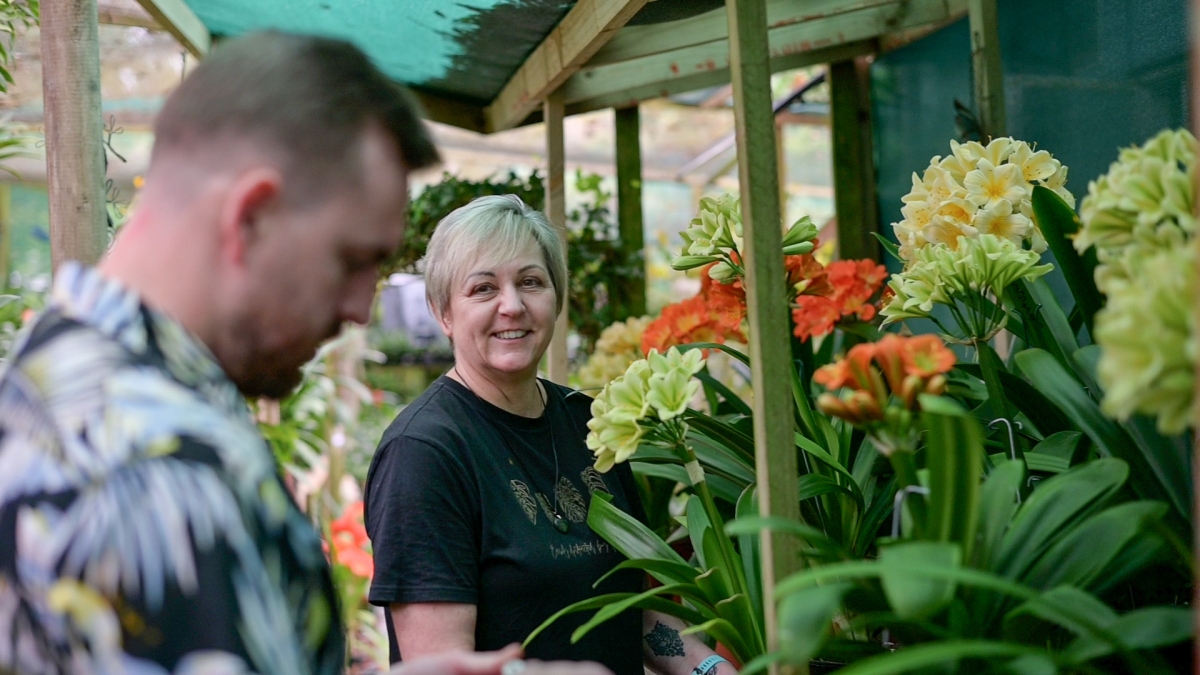
At Utopia Clivias, careful hand pollination and deliberate selection form the foundation of our breeding programme, ensuring that each generation of plants maintains both high quality and genetic integrity.
Final Perspective
From their discovery in the forests of southern Africa to their place in gardens worldwide, Clivias have a rich botanical and horticultural history. Their journey reflects a blend of natural adaptation, early scientific study, and decades of thoughtful cultivation.
This history underscores why Clivias remain cherished — not only for their remarkable flowers but for the dedicated community of growers and collectors who continue to shape their future.