How to Get Clivias to Bloom
A Complete Guide by Utopia Clivias (Northern & Southern Hemisphere)
At Utopia Clivias, one of the most frequent questions we receive is:
“Why is my Clivia not flowering?”
Clivias do not bloom by chance. Flower initiation is triggered by very specific environmental conditions — most importantly a cool, dry winter rest period. When you understand and replicate their natural seasonal cycle, flowering becomes reliable and consistent.
Below is our complete grower-level guide.
Understanding the Clivia Flowering Cycle
Clivias are indigenous to woodland regions where winters are cool and relatively dry. During this period, the plant initiates its flower spike internally — long before you see visible buds.
If this dormancy trigger is missed, flowering will be reduced or absent.
To induce blooming successfully, you must provide:
A controlled cool rest period
Reduced watering
Bright, indirect light
Balanced nutrition
Proper root restriction
Step-by-Step: How to Induce Clivia Blooming
1. The Critical Dry & Cool Period
This is the single most important factor.
Ideal Conditions:
Temperature: 10–13°C (50–55°F)
Duration: 5–8 weeks
Minimal watering
Bright but cool position
No fertiliser
Northern Hemisphere Timing:
Withhold water from early November through January
Keep in an unheated conservatory, enclosed patio, cool room, or frost-free greenhouse
Southern Hemisphere Timing:
Reduce watering from May through July
Natural winter conditions in many regions are sufficient
During this period, allow the soil to become dry between very light waterings. Do not allow complete root desiccation, but avoid consistent moisture.
This stress signals the plant to initiate flowering.
2. Resume Care at Bud Appearance
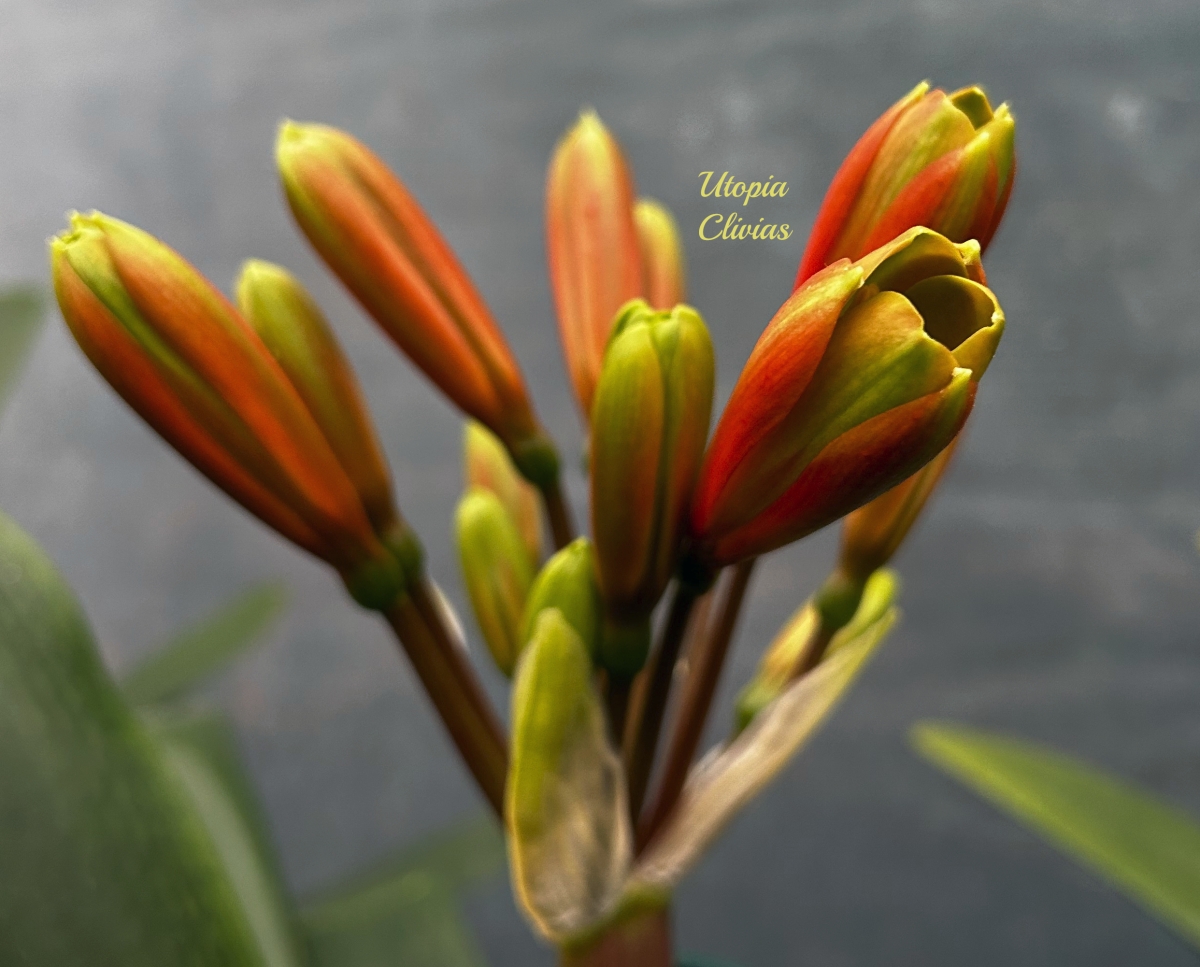
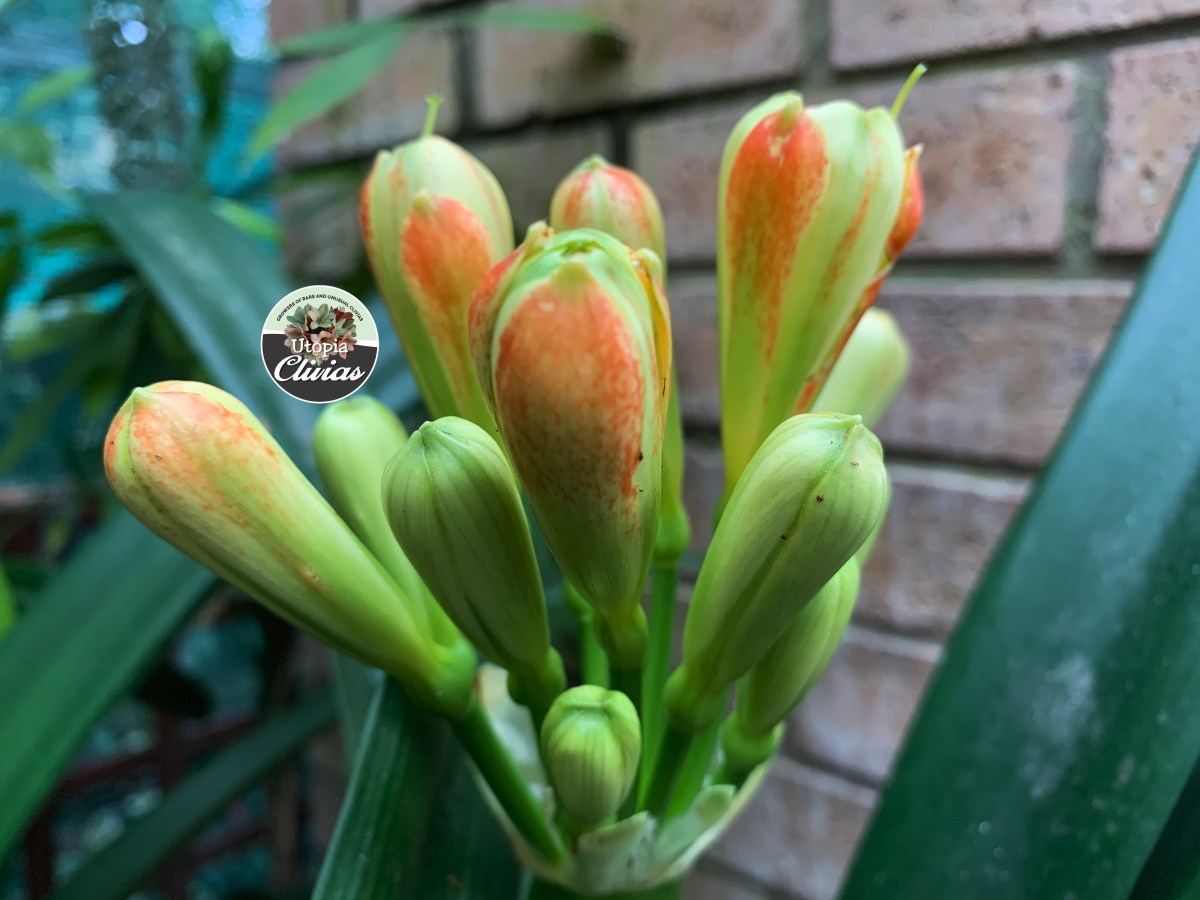
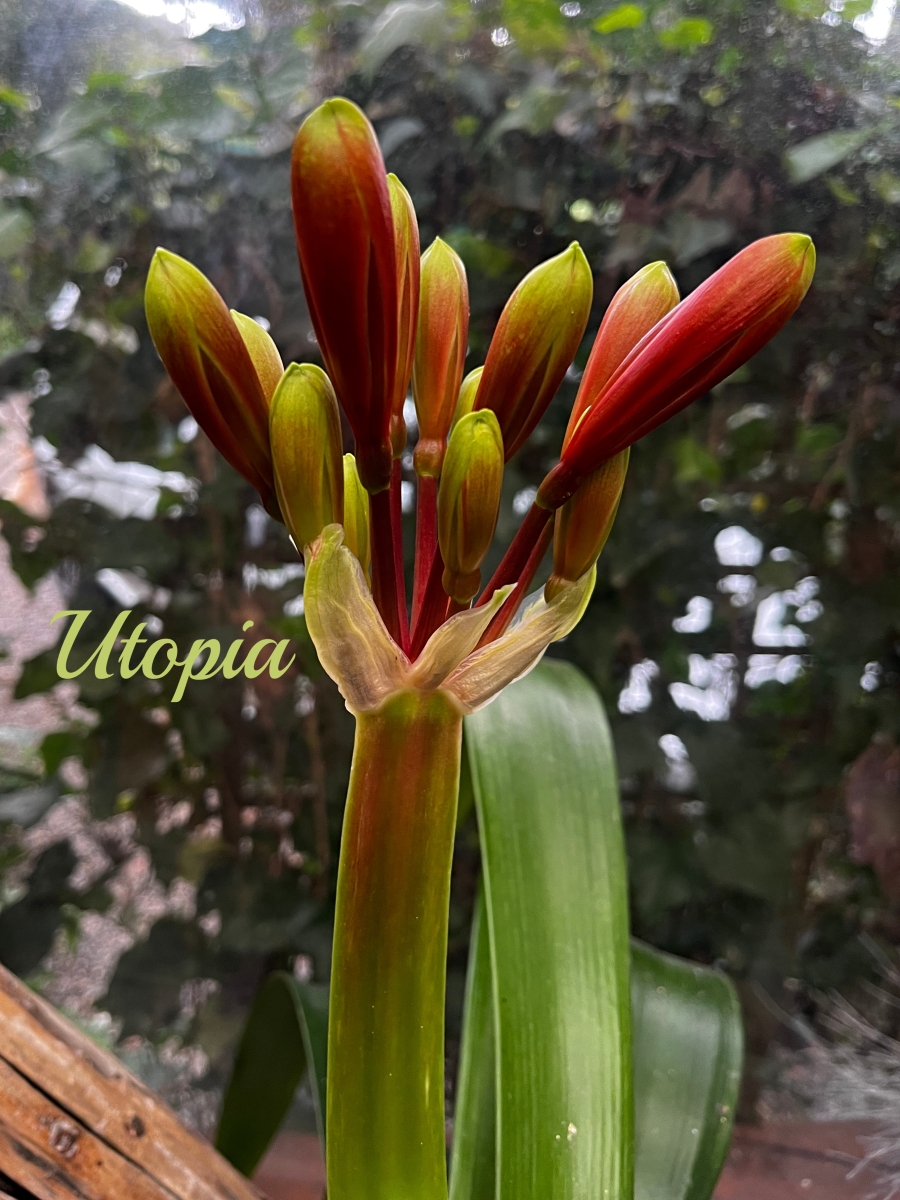
When buds begin forming (typically February–March in the Northern Hemisphere, July–August in the Southern Hemisphere):
Move the plant to a slightly warmer location
Gradually resume normal watering
Maintain bright, indirect light
Avoid overwatering during spike development
3. Light Requirements for Flowering
Clivias require bright, filtered light.
Ideal positioning:
Under trees outdoors
40–60% shade cloth
Near a bright east- or north-facing window indoors
Avoid:
Harsh midday sun (leaf scorch)
Deep shade (no flowering)
Insufficient light is one of the leading causes of non-flowering plants.
4. Pot-Bound is Beneficial
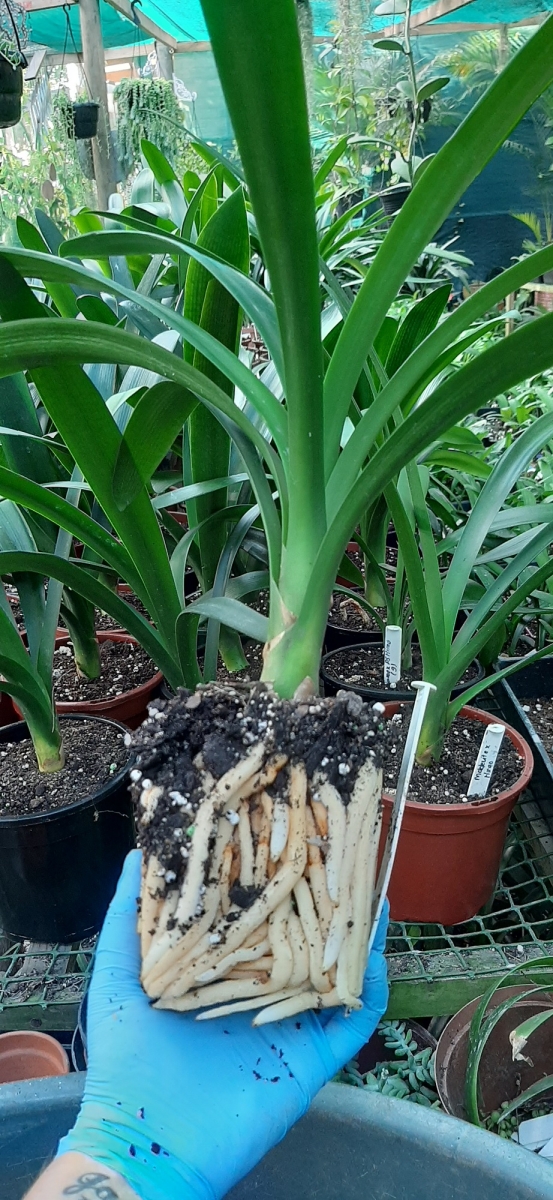
Clivias bloom better when slightly root-bound.
Do not:
Overpot
Repot annually
Disturb roots unnecessarily
Repot only every 3–5 years, or when roots significantly crowd the container.
Use a well-draining mix such as:
Quality potting soil
Pine bark
Coarse sand or perlite
Excess space promotes vegetative growth instead of flowering.
5. Fertilising for Maximum Bloom Performance
Nutrition must be strategic.
During Active Growth (Spring & Autumn):
Use a high-potassium fertiliser
Feed every 2–3 weeks
Avoid high nitrogen formulations
Excess nitrogen encourages leaf growth at the expense of flowers.
Stop feeding during the cold rest period.
6. Avoid These Common Blooming Mistakes
Clivias fail to flower when:
❌ No cold rest period is provided
❌ Overwatered during winter
❌ Excess nitrogen is applied
❌ Insufficient light
❌ Recently divided or repotted
❌ Plant is immature (seed-grown plants need 3–5 years)
If your bloom stalk appears short or “stuck,” it usually indicates the rest period was not cool or dry enough.
7. Flowering Calendar by Hemisphere
| Hemisphere | Rest Period | Bud Emergence | Peak Bloom |
|---|---|---|---|
| Northern | Nov–Jan | Feb–March | March–April |
| Southern | May–July | July–August | August–September |
Climate variations may shift timing slightly.
Advanced Grower Insight from Utopia Clivias
In structured breeding programs, consistent bloom performance depends on:
Precise winter cooling
Balanced potassium nutrition
Disease-free root systems
Controlled moisture management
For growers experiencing root or rhizome problems, we recommend reviewing our guide on How to Save a Clivia Plant with Root or Rhizome Rot, as compromised roots significantly impact bloom quality.
Interspecific Clivia (miniata × other species)
Interspecific hybrids may include genetics from:
Clivia nobilis
Clivia caulescens
Clivia gardenii
Clivia robusta
These species originate from slightly different ecological niches, and this influences dormancy behaviour.
Key Differences:
Reduced Cold Requirement (Sometimes)
Some hybrids will flower with a milder rest period.
Caulescens and robusta influence can increase tolerance to warmer winters.
More Flexible Water Tolerance
Certain interspecific lines are less sensitive to winter moisture.
However, overwatering is still detrimental.
Extended or Staggered Blooming
Some interspecifics flower earlier or later than pure miniata.
Bloom stems may elongate differently.
Less Pronounced Dormancy in Some Lines
Especially in strongly caulescens-based hybrids.
They may not require as strict a dry period as miniata.
Even if an interspecific is more forgiving, providing a cool rest still improves bloom quality and stem strength.
Final Thoughts
To get Clivias to bloom reliably:
Simulate their natural winter rest
Keep them slightly pot-bound
Provide bright, indirect light
Manage water carefully
Feed strategically
When grown in rhythm with their seasonal cycle, Clivias will reward you with strong stems, full umbels, and consistent flowering year after year.
At Utopia Clivias, careful seasonal management is the foundation of our breeding and selection program — and it remains the key to bloom success for every grower.