How to Save a Clivia Plant with Root or Rhizome Rot
Clivia are resilient plants, and even severely affected specimens can often be saved if there is still healthy tissue present. Successful recovery depends on early intervention, complete removal of rot, proper sterilisation, and correct aftercare. The following method combines best-practice techniques used by experienced Clivia growers and breeders.
1. Remove the Plant and Assess the Damage
Carefully remove the Clivia from its pot and discard all old growing medium. Rinse the roots and rhizome thoroughly so that healthy and diseased tissue can be clearly identified.
- Healthy tissue is firm and white to cream in colour.
- Rotten tissue appears brown to black, soft, water‑soaked, and may emit an unpleasant odour.
If the entire rhizome is soft, the plant cannot be saved. If any firm tissue remains, proceed immediately.
2. Cut Away All Rot
Using a sharp, sterile knife or blade (sterilise with alcohol or flame), remove all rotted tissue. Continue cutting until only clean, firm tissue remains.
- Remove all dead or mushy roots.
- Shorten remaining roots if necessary.
Leaving even a small amount of infected tissue will almost always result in reinfection.
3. Sterilise the Plant
Once all rot has been removed, the plant should be sterilised to reduce fungal and bacterial load.
Recommended options:
- Soak the plant overnight in a solution containing 3% hydrogen peroxide (diluted if preferred for sensitive plants).
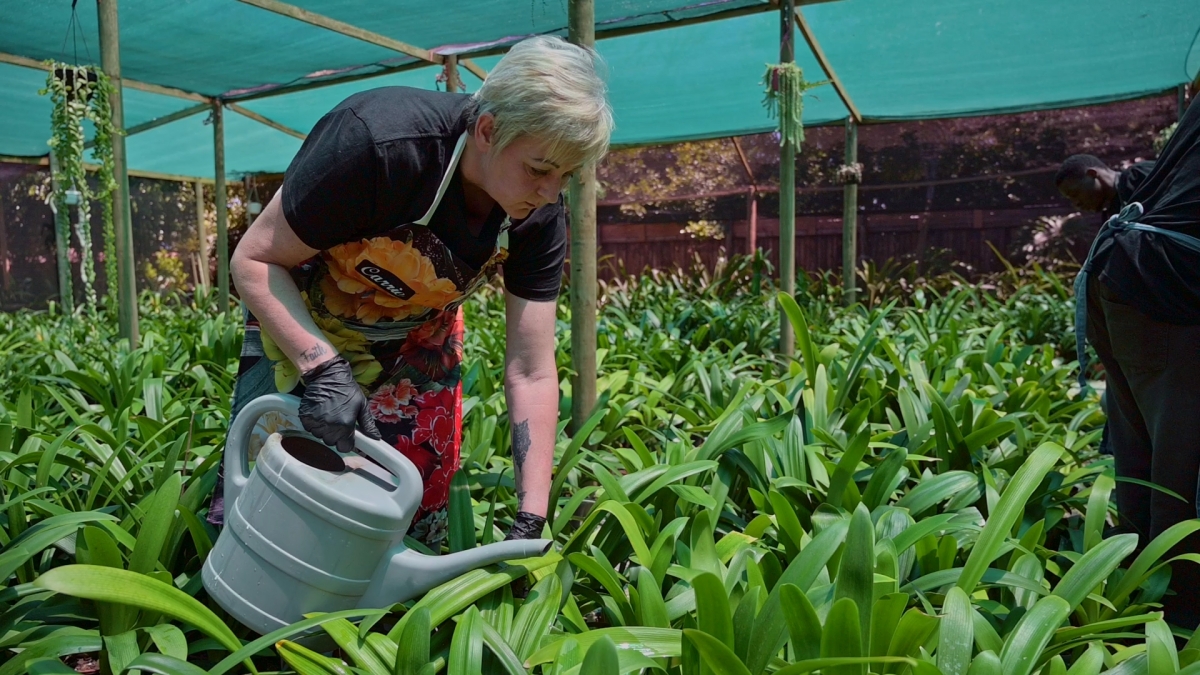
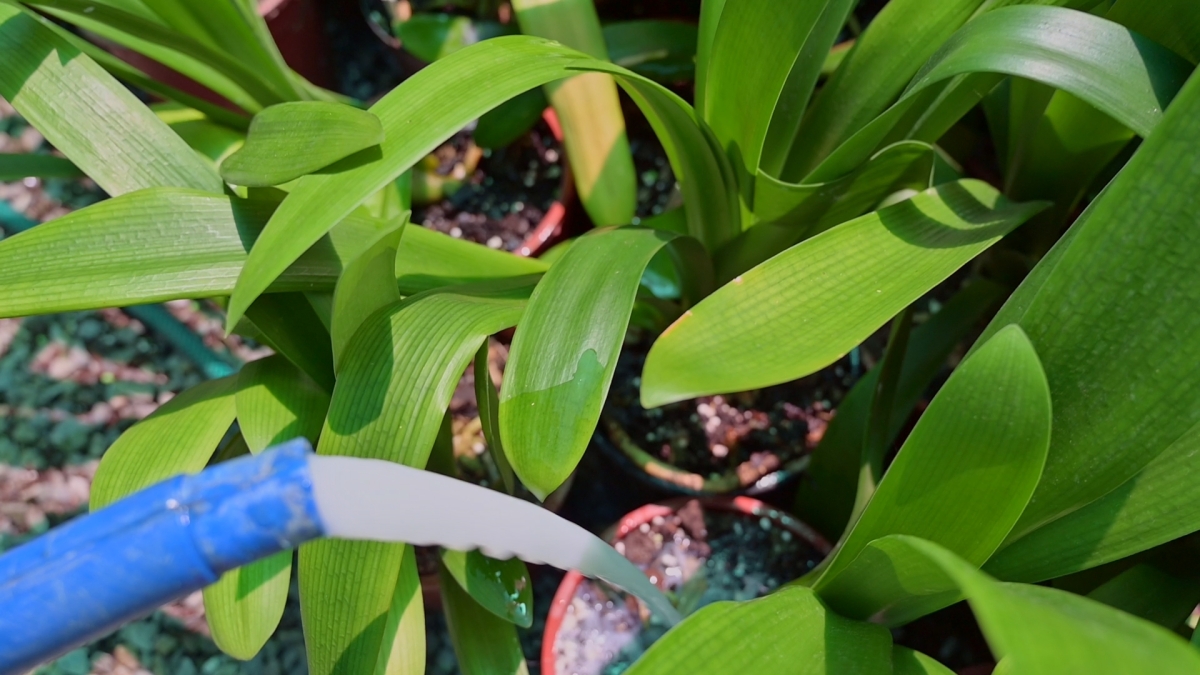
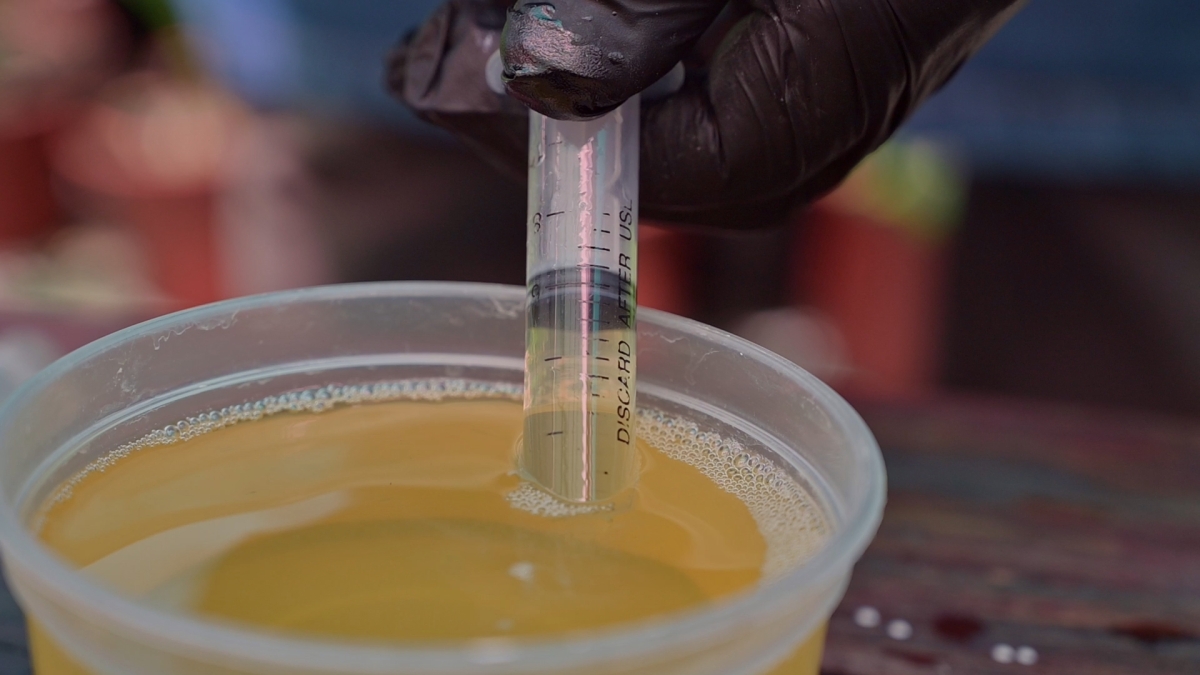
- Alternatively, rinse thoroughly and then water or soak with a broad‑spectrum fungicide.
After treatment, allow excess moisture to drain away.
4. Dry and Allow to Callus
Place the treated plant in a dry, shaded, well‑ventilated area for several days. All cut surfaces must be allowed to dry and callus fully before replanting.
For additional protection, cut areas may be dusted with:
- Sulphur powder
- A copper‑based fungicide
- Cinnamon (as an emergency antifungal)
This step is critical in preventing renewed infection.
5. Replant into Sterile Silica Sand
For badly damaged or valuable plants, replant into clean silica sand (pool filter sand) only.
- Use a clean pot with excellent drainage.
- Position the rhizome above the sand, with only the roots in contact with the medium.
- Do not water heavily; keep the sand just lightly moist.
Silica sand is sterile and free‑draining, allowing new roots to emerge without exposure to pathogens.
Maintain the plant in this medium until healthy new root growth is clearly visible.
6. Transition Back to Soil
Once strong new roots have developed, replant the Clivia into a free‑draining Clivia mix, such as:
- Coarse bark
- Perlite
- A small amount of composted pine bark
Ensure the pot drains freely and that the rhizome remains above the soil surface.
7. Aftercare During Recovery
- Keep the plant warm and in bright, indirect light.
- Water sparingly; Clivia tolerate dryness far better than excess moisture.
- Avoid fertiliser until active new growth is visible.
- Monitor regularly for any return of softness or odour.
If rot reappears, repeat the process immediately.
Common Causes of Clivia Rot (Prevention)
- Overwatering, especially in cool weather
- Poor drainage or heavy soil mixes
- Water trapped at the crown
- Planting the rhizome too deeply
Final Notes
Even a small section of healthy rhizome can regenerate into a strong plant with patience and correct care. This intensive rescue method is particularly recommended for rare, breeding, or irreplaceable Clivia.
Correct drainage, careful watering, and proper planting depth remain the best long‑term defence against rot.
Fungicide Options for South African Growers
When treating or preventing fungal issues in Clivia — especially root or rhizome rot, leaf spots, or other fungal diseases — using a properly selected fungicide can significantly improve outcomes. Always follow the label directions for dosage and safety, and use appropriate personal protective equipment when applying.
1. Organic or Low-Toxicity Fungicides (Safer for Ornamentals)
Margaret Roberts Organic Fungicide – A broad-spectrum organic fungicide/bactericide based on plant organic acids. Suitable for ornamentals and garden use; gentle on beneficial insects when used as directed.
2. Contact and Broad-Spectrum Chemical Fungicides
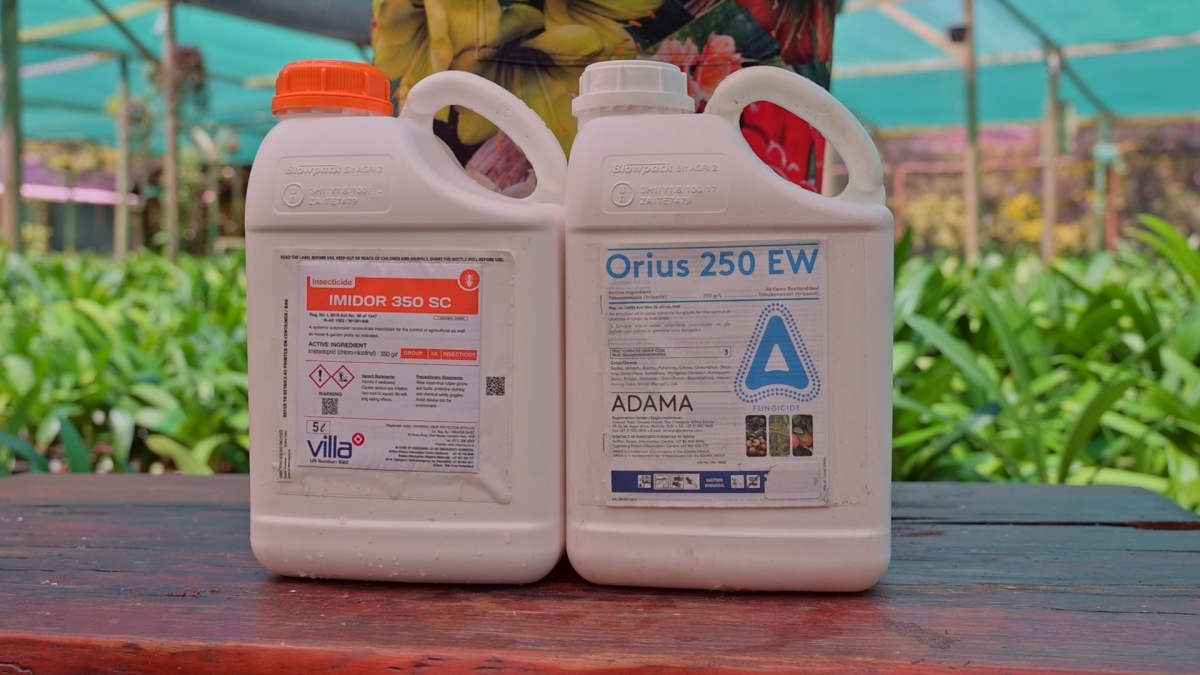
Orius 250 EW – A widely used systemic fungicide in South Africa with active ingredient tebuconazole. Orius provides both curative and preventive action against a broad range of fungal pathogens affecting ornamentals, including leaf disease and some rot-associated fungi.
Orius is a key product recommended by many South African growers for Clivia disease management.Chlorothalonil-based products – Non-systemic broad-spectrum fungicides effective against leaf spots, rusts, anthracnose and other common fungal diseases when applied preventively or at first signs of infection.
Odeon 720 SC Fungicide – A broad-spectrum contact fungicide commonly available in garden centres. Useful as a preventive or early-stage treatment for fungal leaf and crown issues.
3. Systemic and Combination Fungicides
Tebuconazole-based fungicides – Orius is the primary example growers use; equivalent tebuconazole products with ornamental labels may also be found.
Combination systemic products – Some fungicides combine multiple active ingredients (e.g., triazole plus strobilurin classes) for extended control spectra. Check local crop protection suppliers for registered options suitable for ornamentals.
4. Copper-Based or Biologically-Oriented Fungicides
Copper soap or low-load copper fungicides – These act broadly against fungal pathogens and are often permissible on ornamentals where less aggressive chemistry is preferred.
5. Biological Fungicide Options
Bio-Tricho Natural Biological Fungicide – Contains Trichoderma harzianum, a beneficial organism that competes with soil-borne pathogens (such as Fusarium, Phytophthora, Pythium). Useful as a preventive or early-stage root health treatment, especially in propagation and recovery phases.
Usage Guidance
Preventive vs Curative: Contact and organic fungicides are most effective when used before heavy infection. Systemic products like Orius provide curative action once disease pressure is present but still work best at early onset.
Read the Label: Confirm whether a fungicide is registered for ornamentals and suitable for your specific disease concern. Labels also provide essential safety instructions and re-entry intervals.
Safety: Apply fungicides in well-ventilated areas, avoid treatment in hot sun, and wear protective clothing, gloves, and eye protection.