Isolating Clivia Plants During Pollination: Why It Matters
Isolation during Clivia pollination is not optional for serious breeders. It is the difference between controlled genetics and unpredictable seedlings.
If you are selecting for specific colours, forms, or breeding direction, you need full control over pollen transfer—not chance.
Without isolation, even a carefully selected elite line can be compromised. The result is seedlings that no longer reflect your intended breeding direction—effectively losing years of work.
Where unwanted pollination comes from
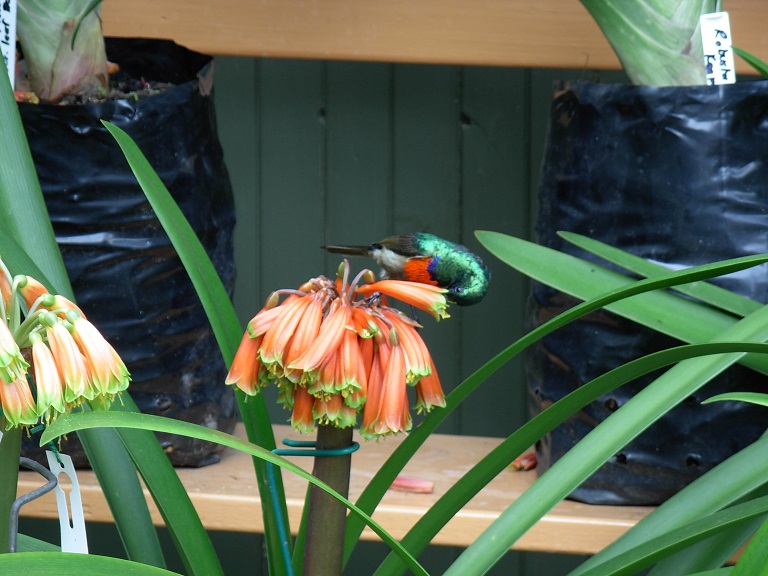
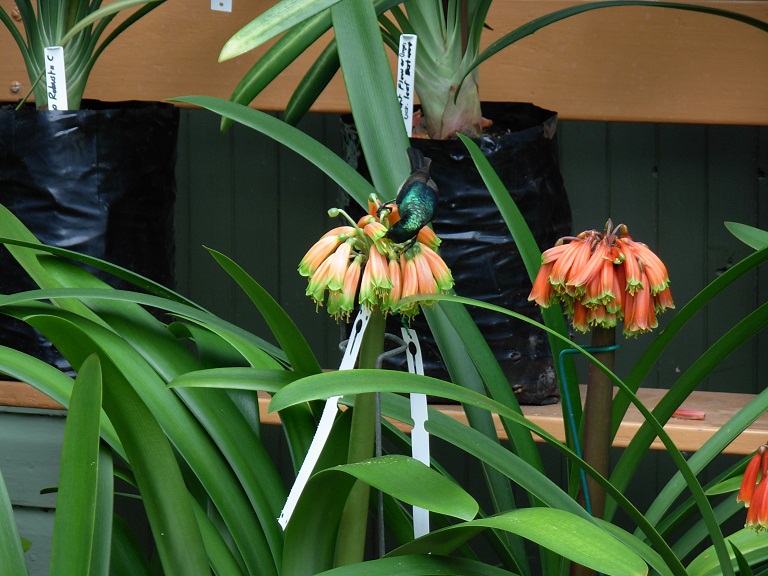
In real Clivia collections, contamination typically happens through:
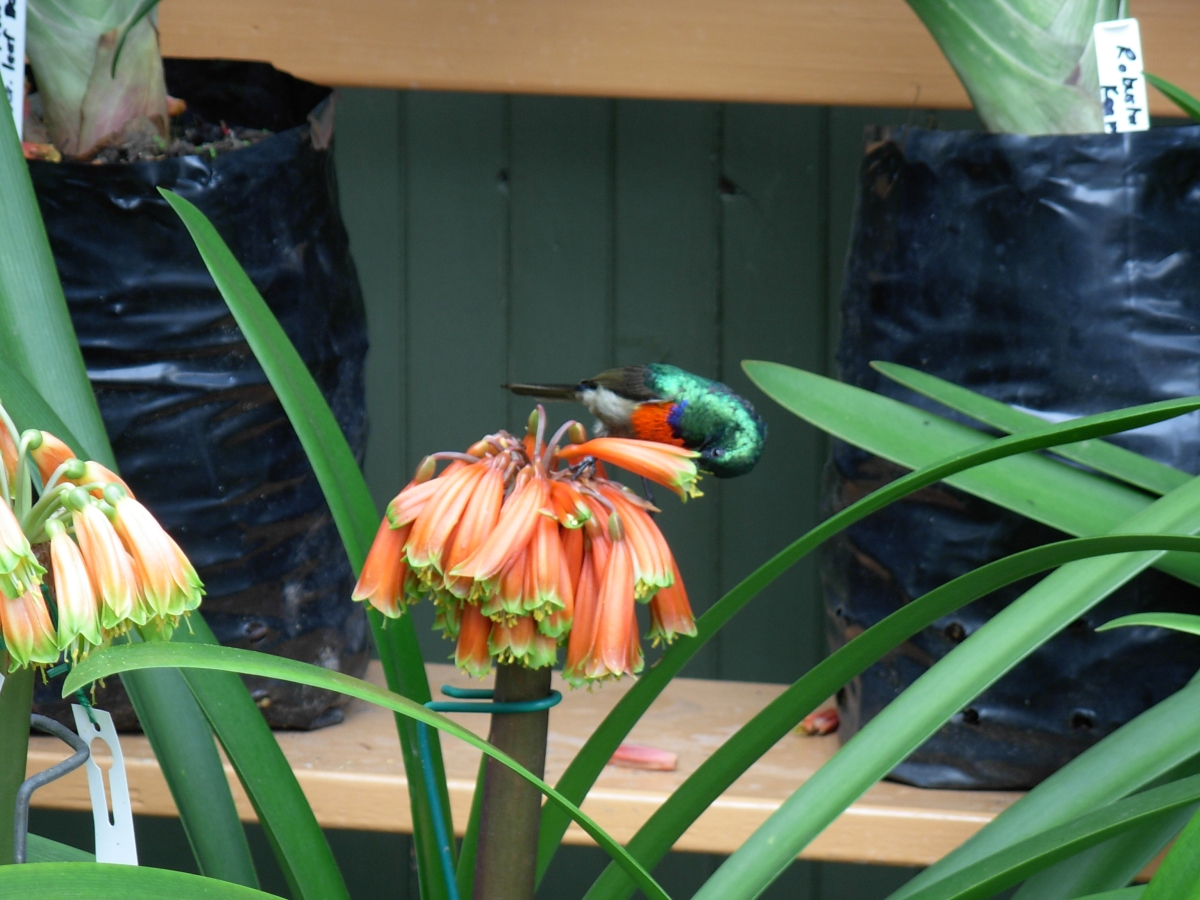
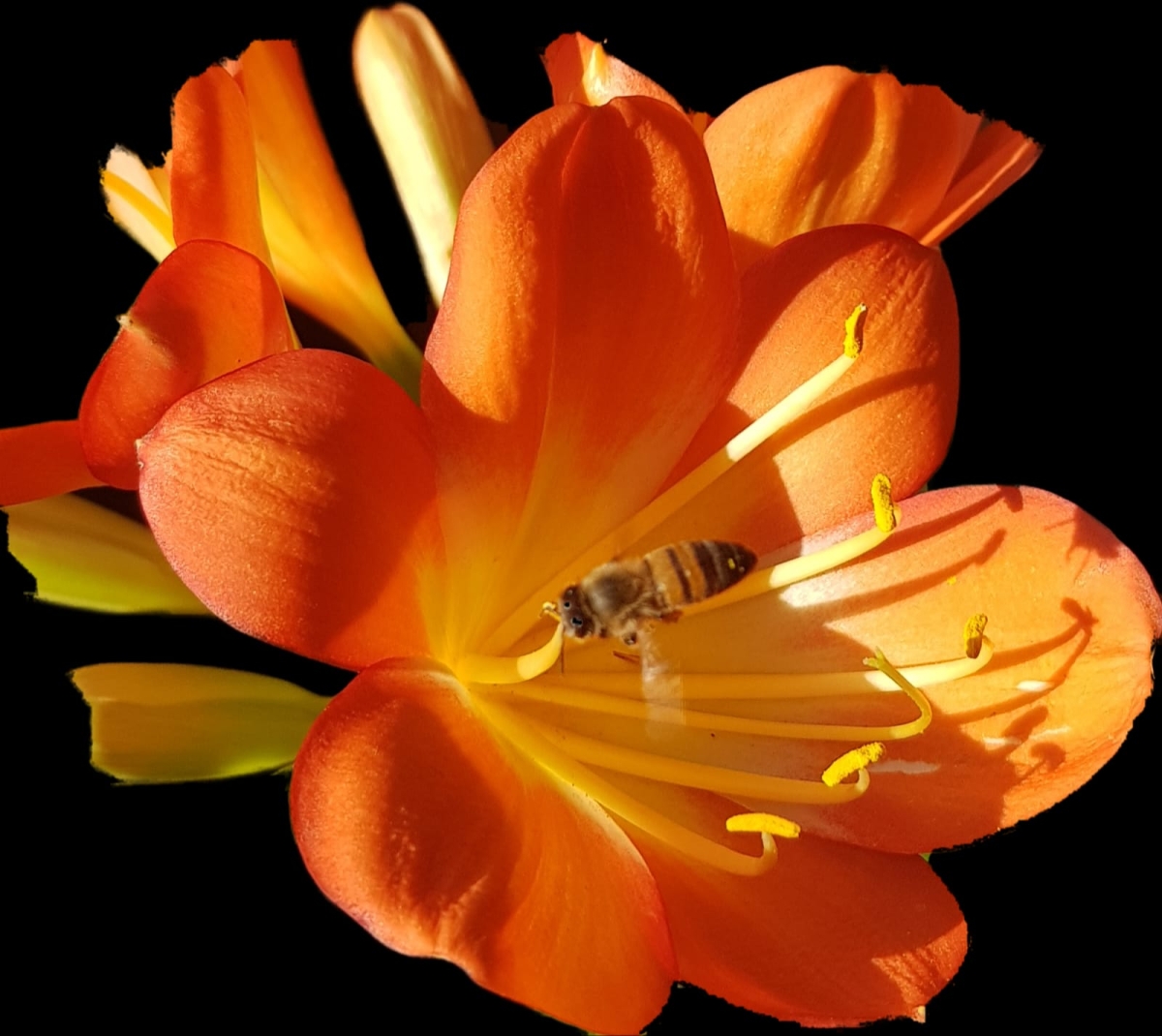
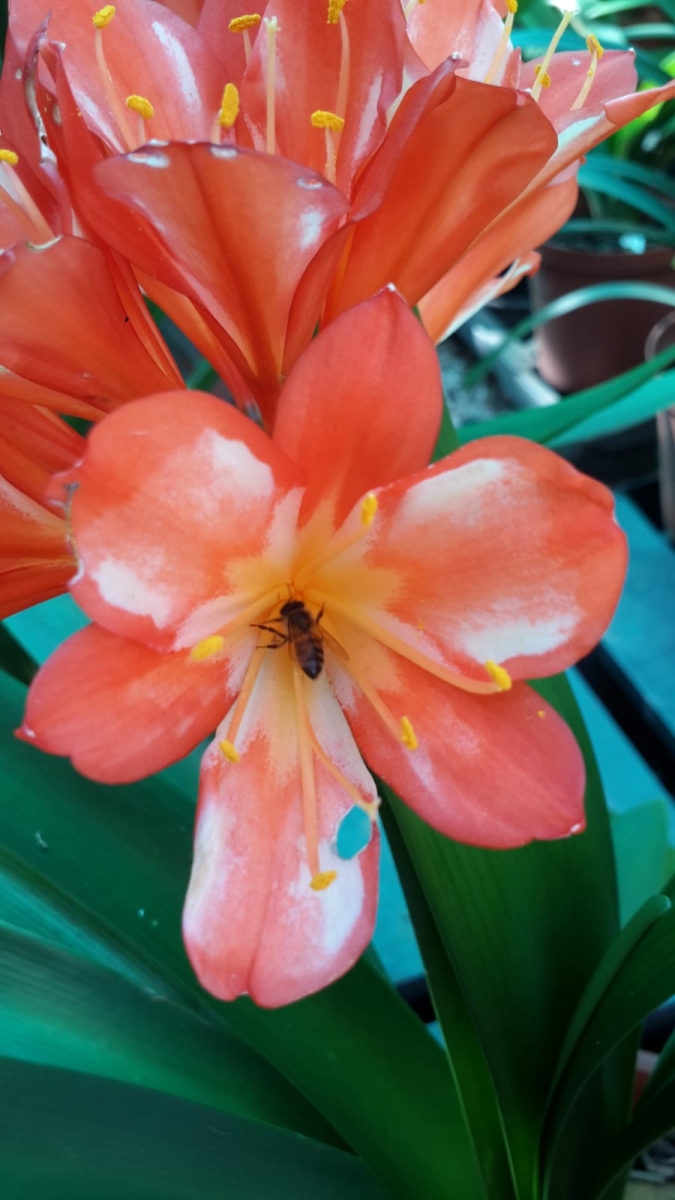
- Bees and insect activity between flowering plants
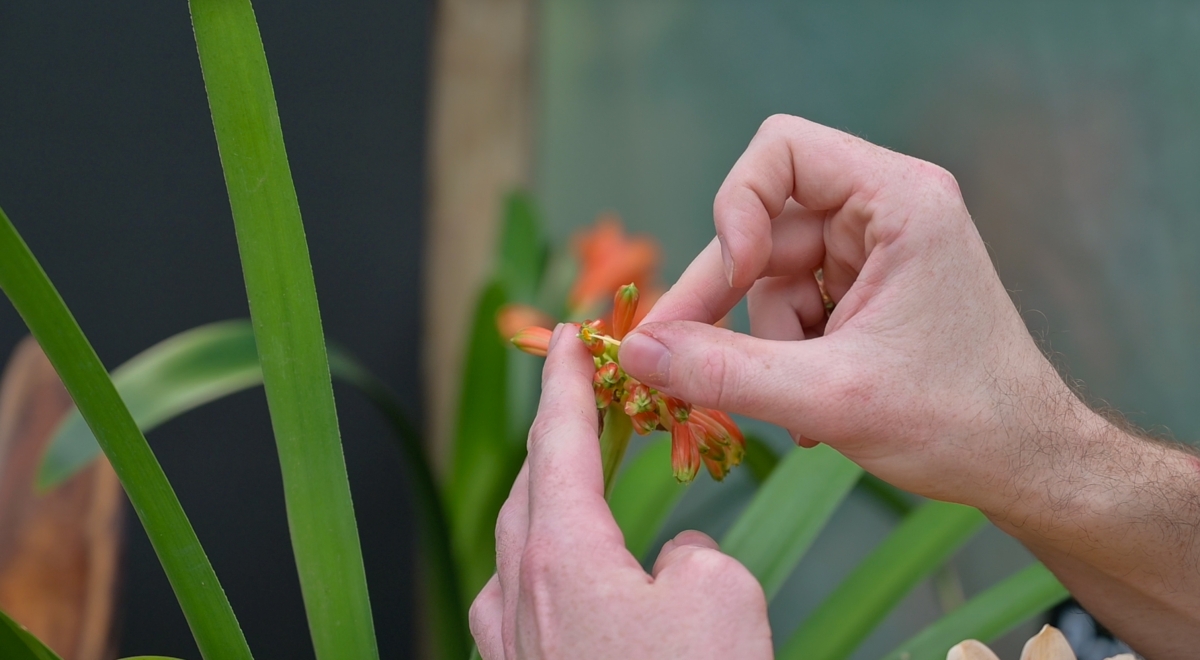
- Human movement during pollination work
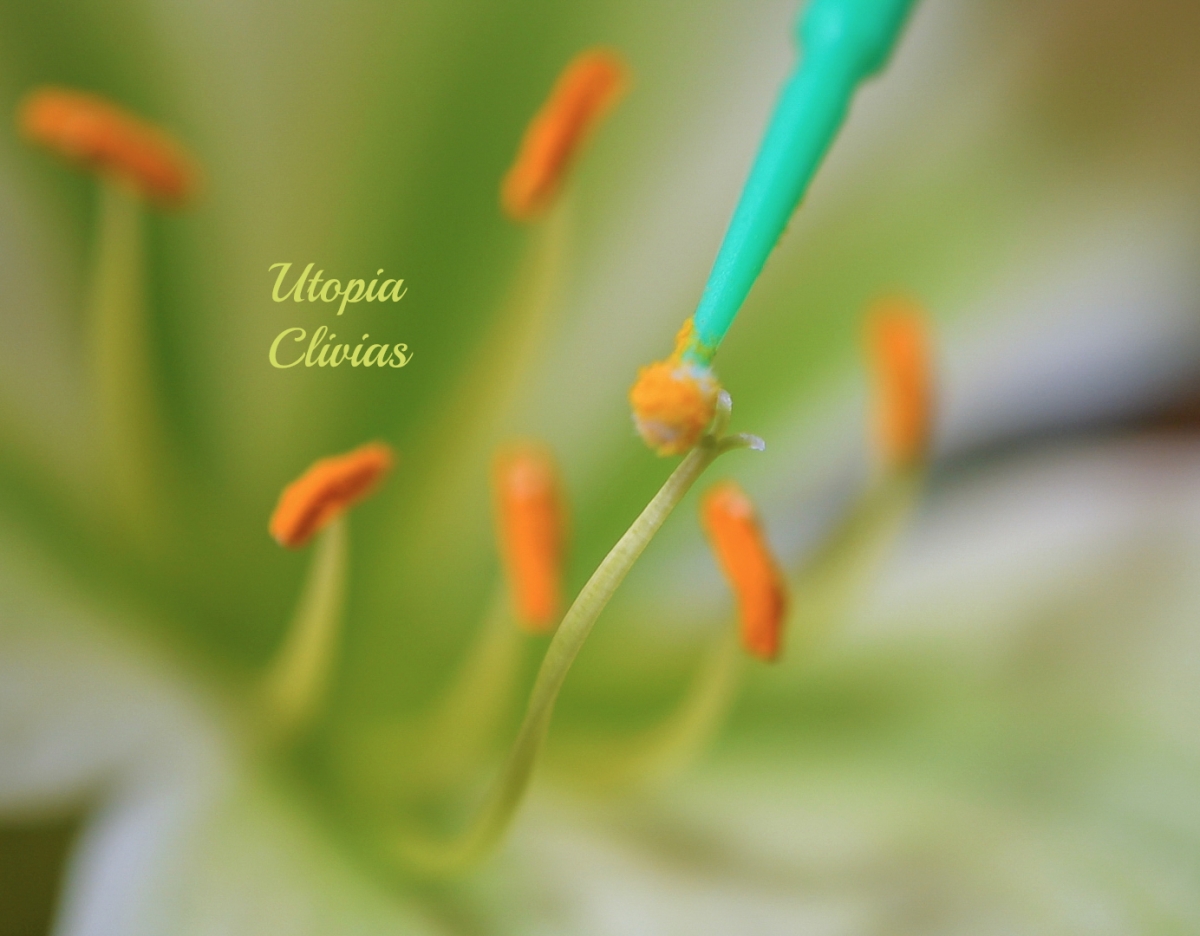
- Accidental transfer via hands, tools, or clothing
Wind has minimal impact. The real risk comes from insects and handling during active pollination.
Once foreign pollen reaches a receptive stigma, the cross is permanent.
How professional Clivia breeders control isolation
Effective breeding is not based on covering flowers—it is based on environmental control and discipline.
Key methods include:
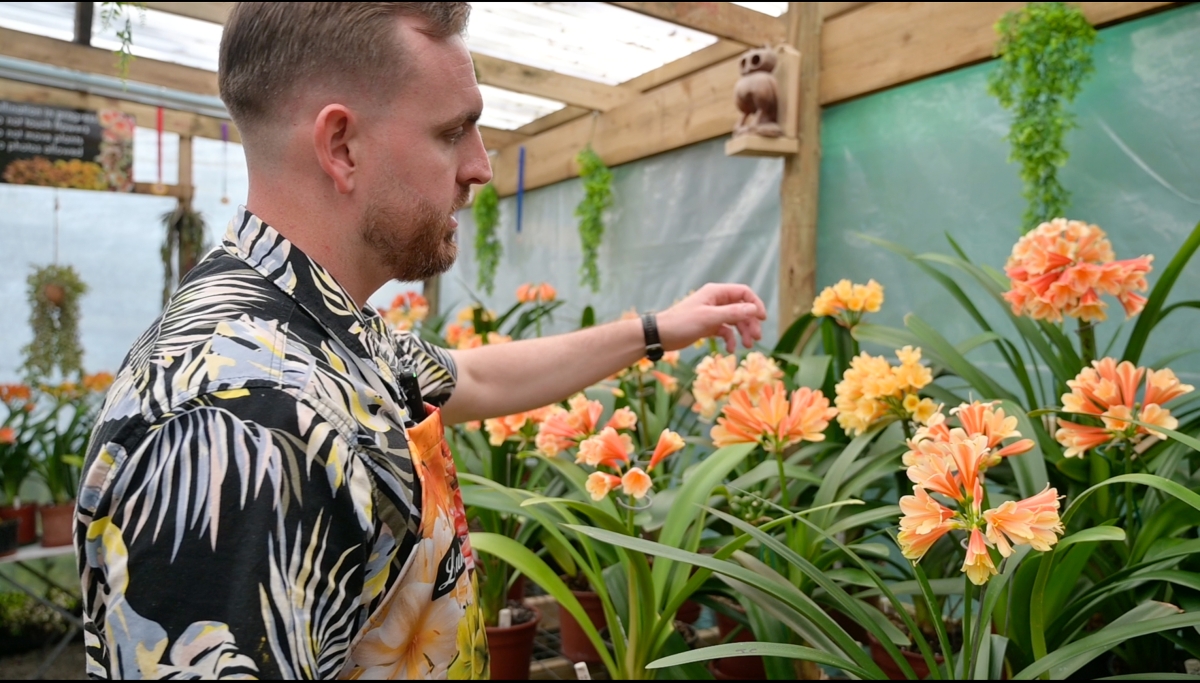
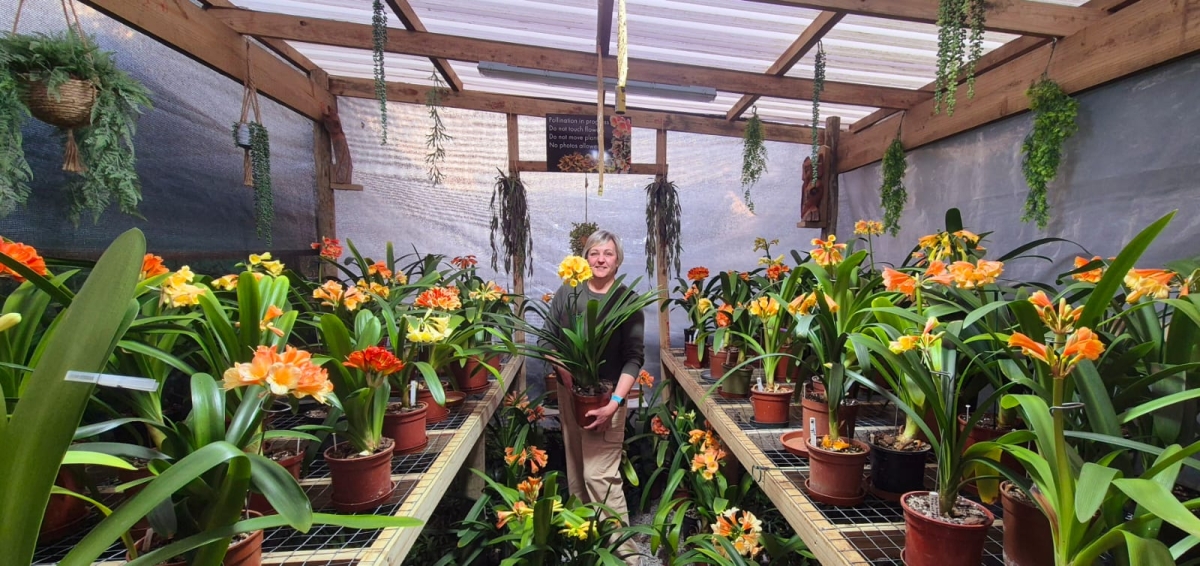
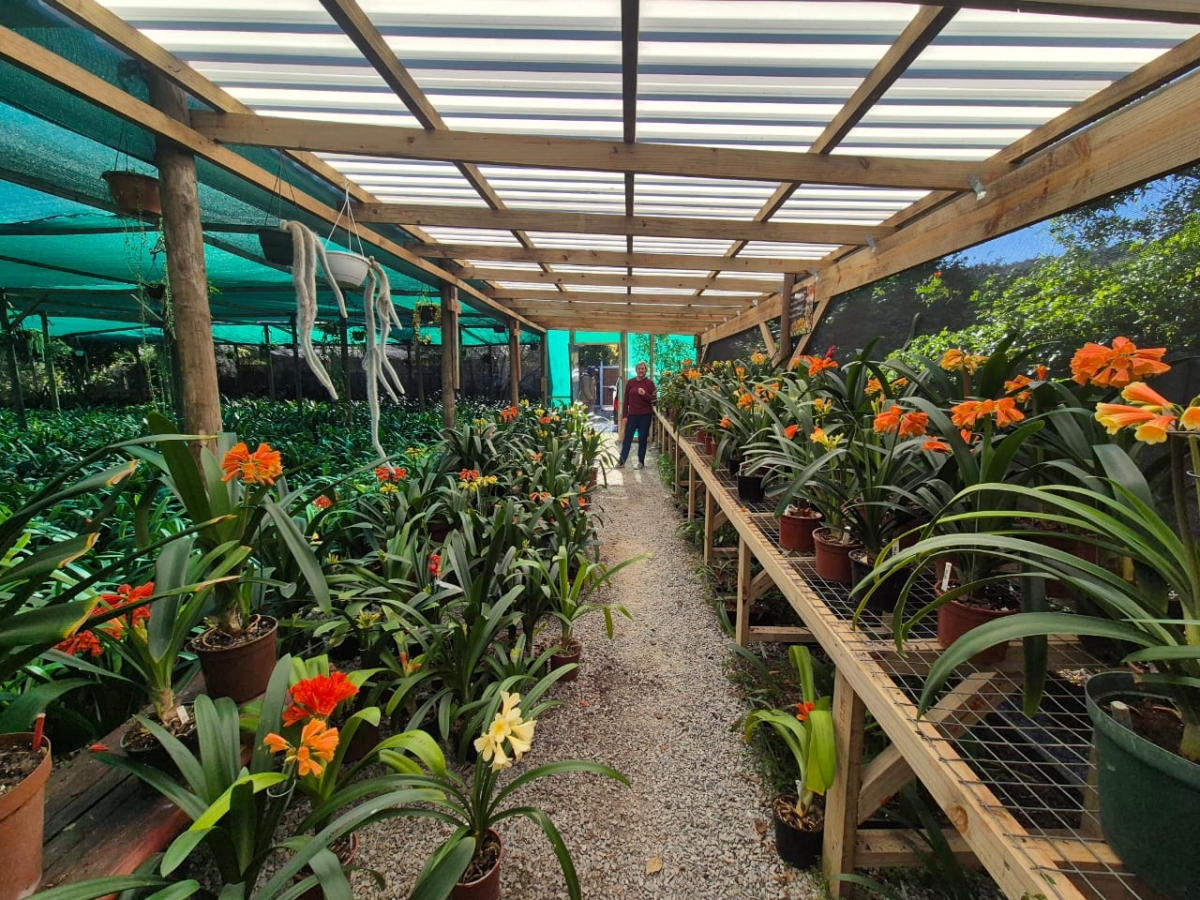
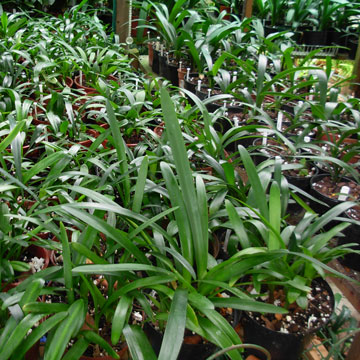
Dedicated breeding spaces
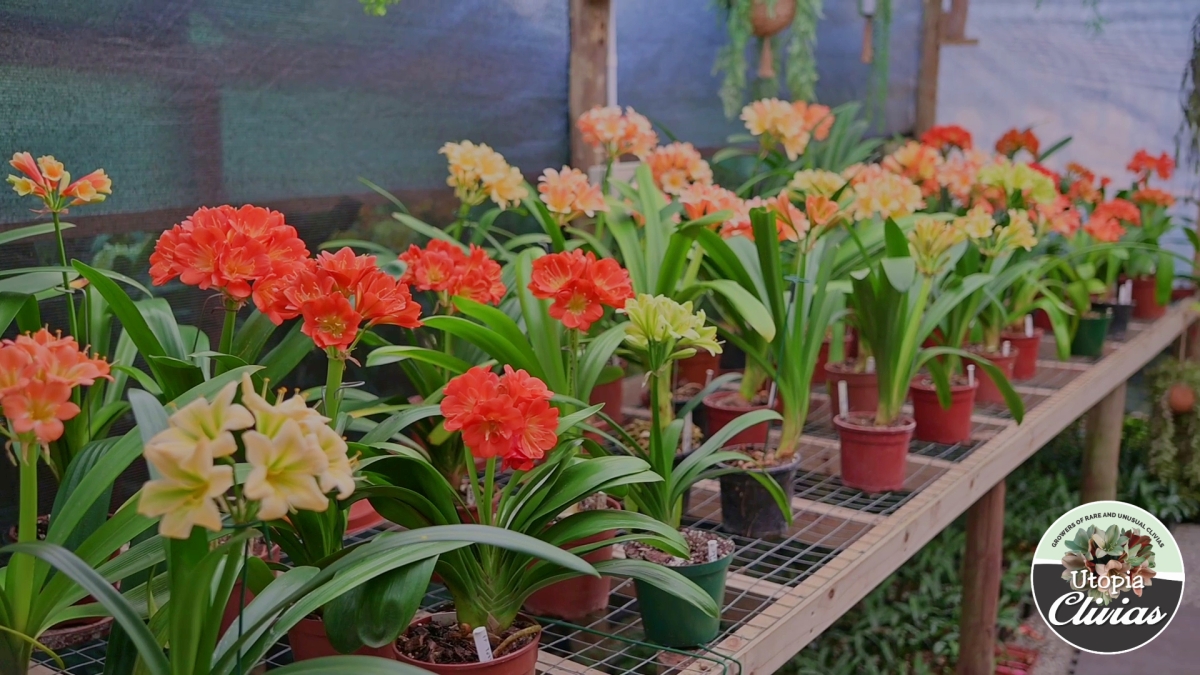
Shade houses or greenhouses where only selected breeding plants are flowering at the same time.
Physical separation of breeding stock
Keeping breeding lines grouped away from the general collection significantly reduces contamination pressure.
Strict pollination control
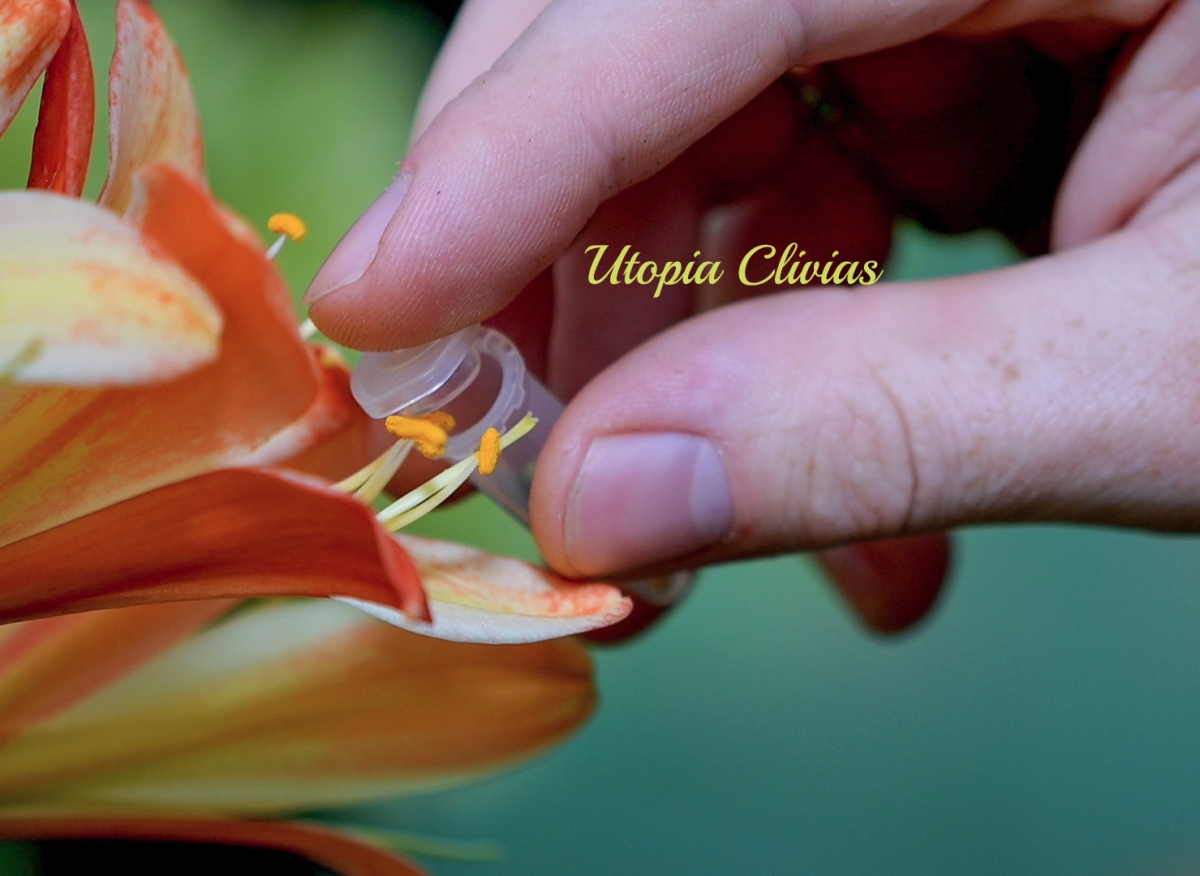
Every cross is recorded and labelled immediately at the point of pollination to maintain genetic traceability.
Timing of pollination work
Pollination is done very early in the morning and again late at night, when insect activity is at its lowest. This reduces exposure during the most sensitive stages.
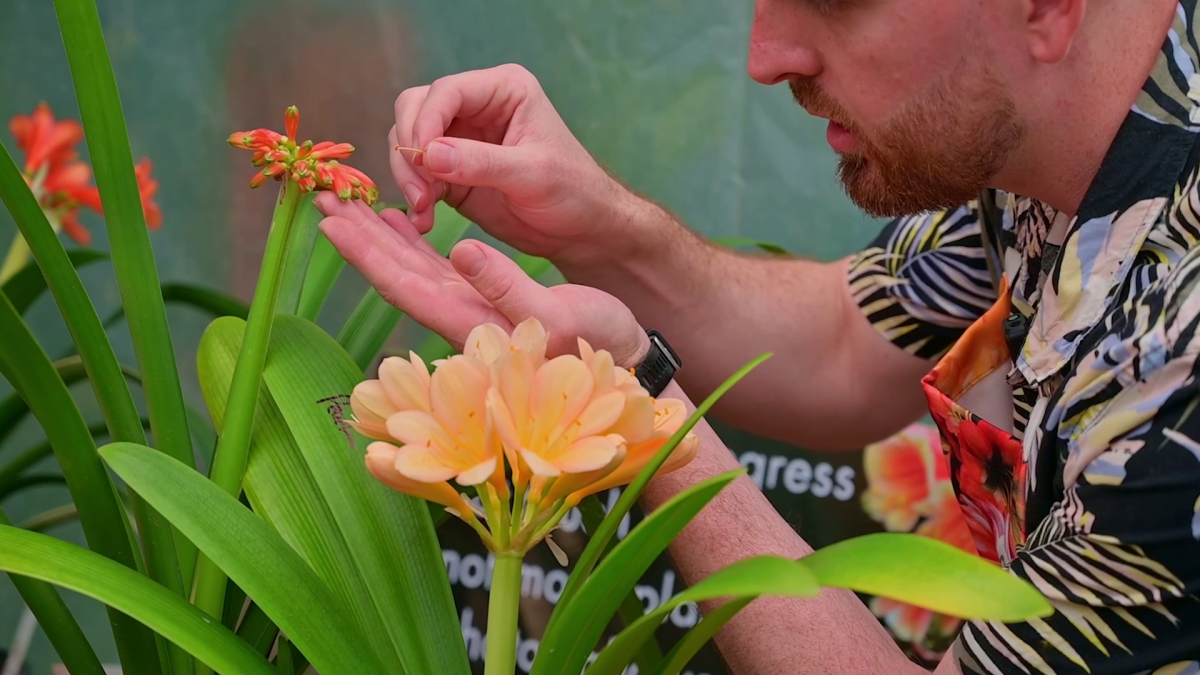
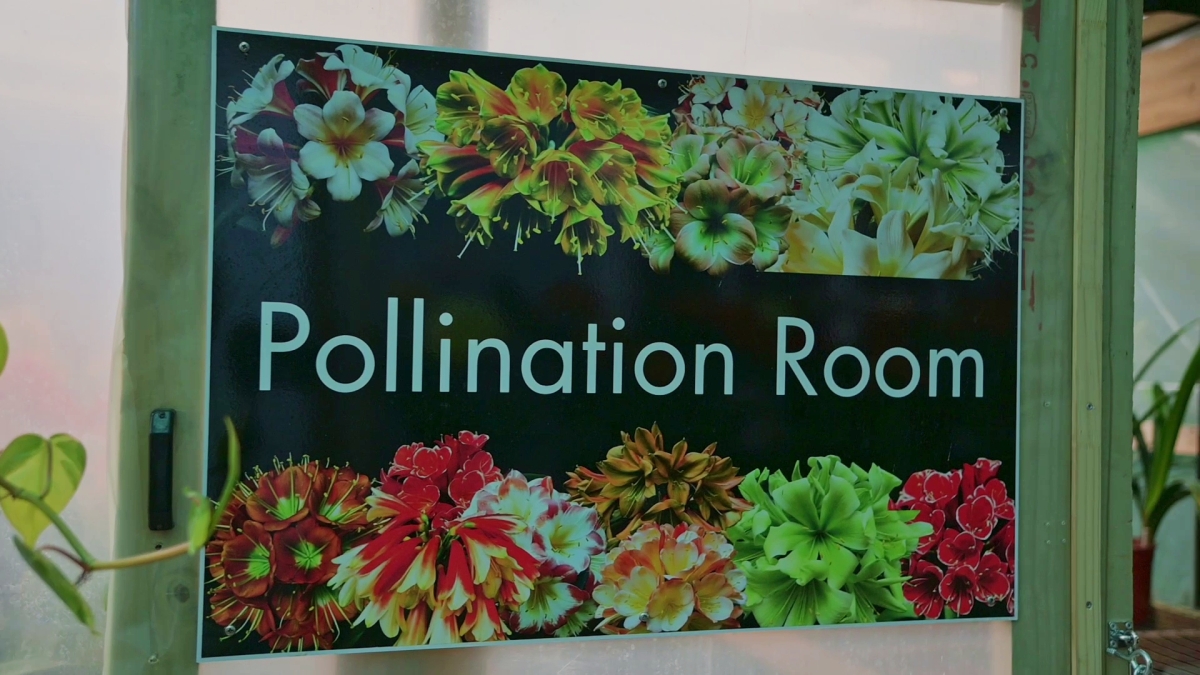
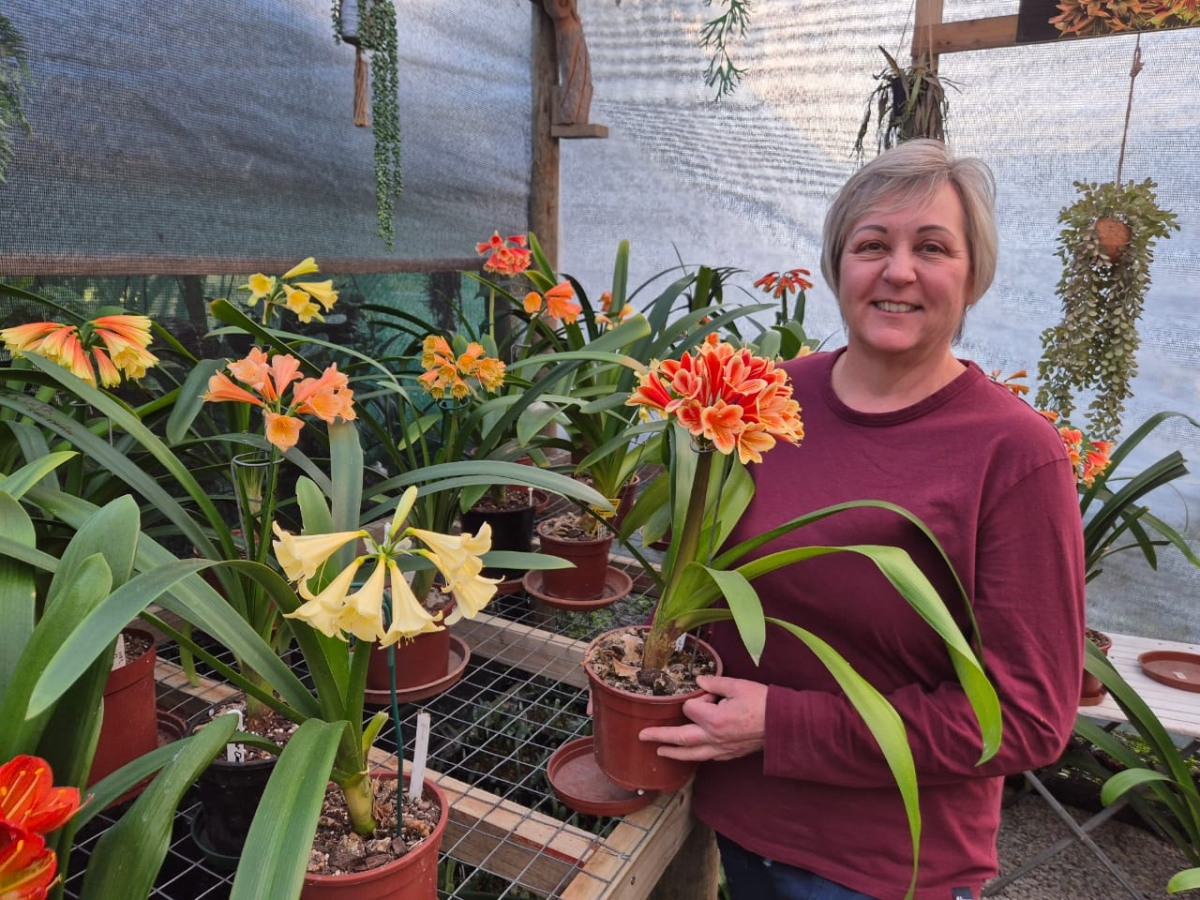
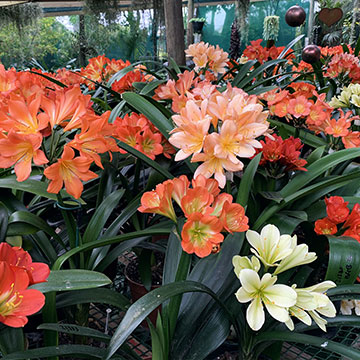
At Utopia Clivias in Sedgefield, an enclosed pollination structure is used to ensure complete control over all breeding crosses.
The cost of poor isolation
Without proper isolation, results become inconsistent and unpredictable:
- Mixed or unstable seedling populations
- Loss of direction in selected breeding lines
- Wasted growing space, time, and resources
- Long-term genetic confusion in breeding stock
The biggest issue is delay—contamination is only revealed years later when plants reach flowering stage.
Practical isolation tips for small growers
Even without dedicated infrastructure, controlled breeding is still possible.
You can improve results by:
- Grouping breeding plants away from general collections
- Pollinating early or late when insect activity is low
- Cleaning tools between each cross
- Labelling immediately after pollination
- Using netting or partial enclosures where possible
Consistency matters more than complexity. Small improvements in control dramatically improve breeding accuracy.
Final thoughts
Isolation is not about covering flowers—it is about controlling every variable that influences pollination.
When properly applied, it protects your genetics, preserves breeding direction, and ensures every seed reflects intentional selection rather than chance.
At Utopia Clivias, this level of control forms the foundation of every cross we make.