Gallery Introduction
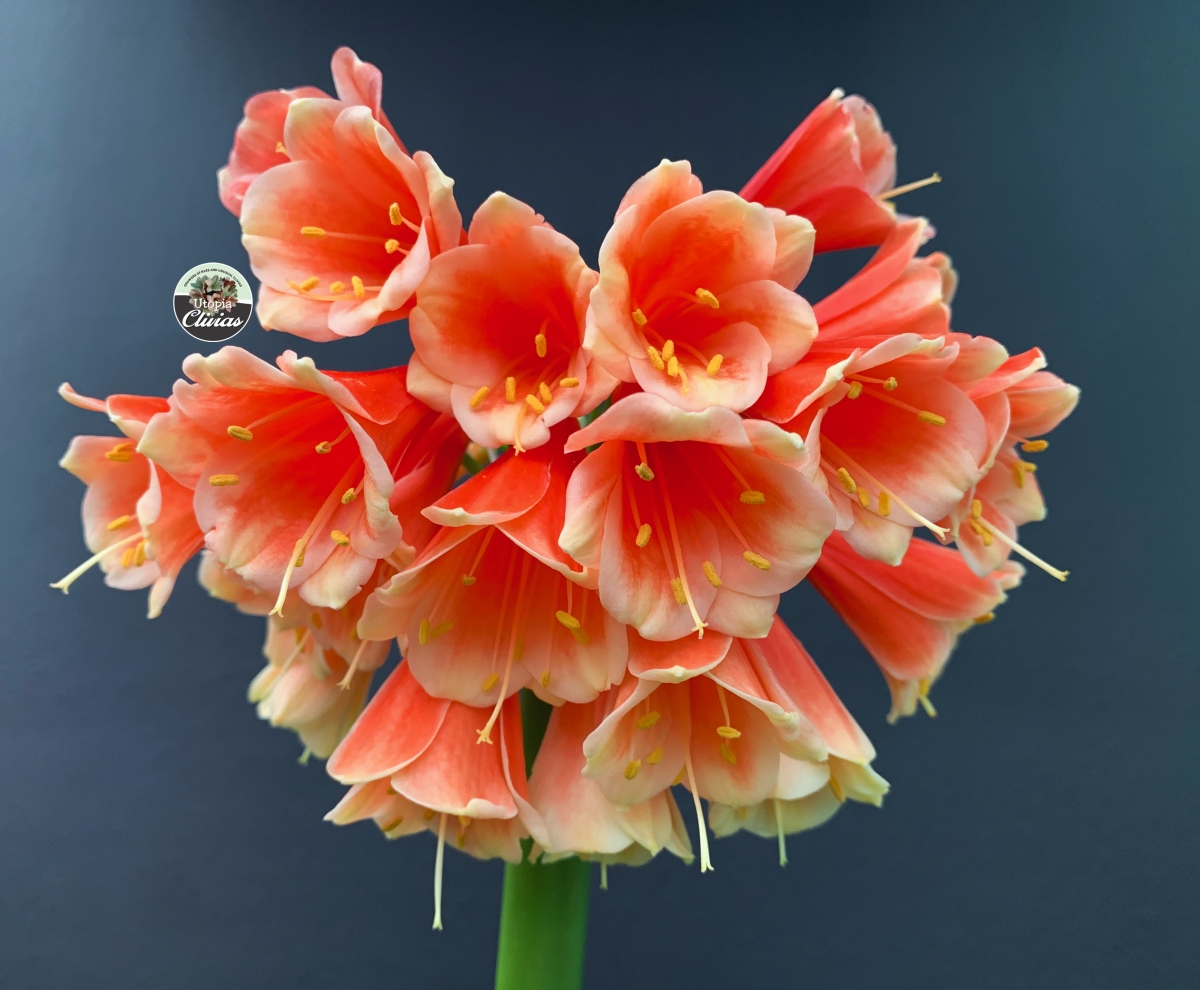
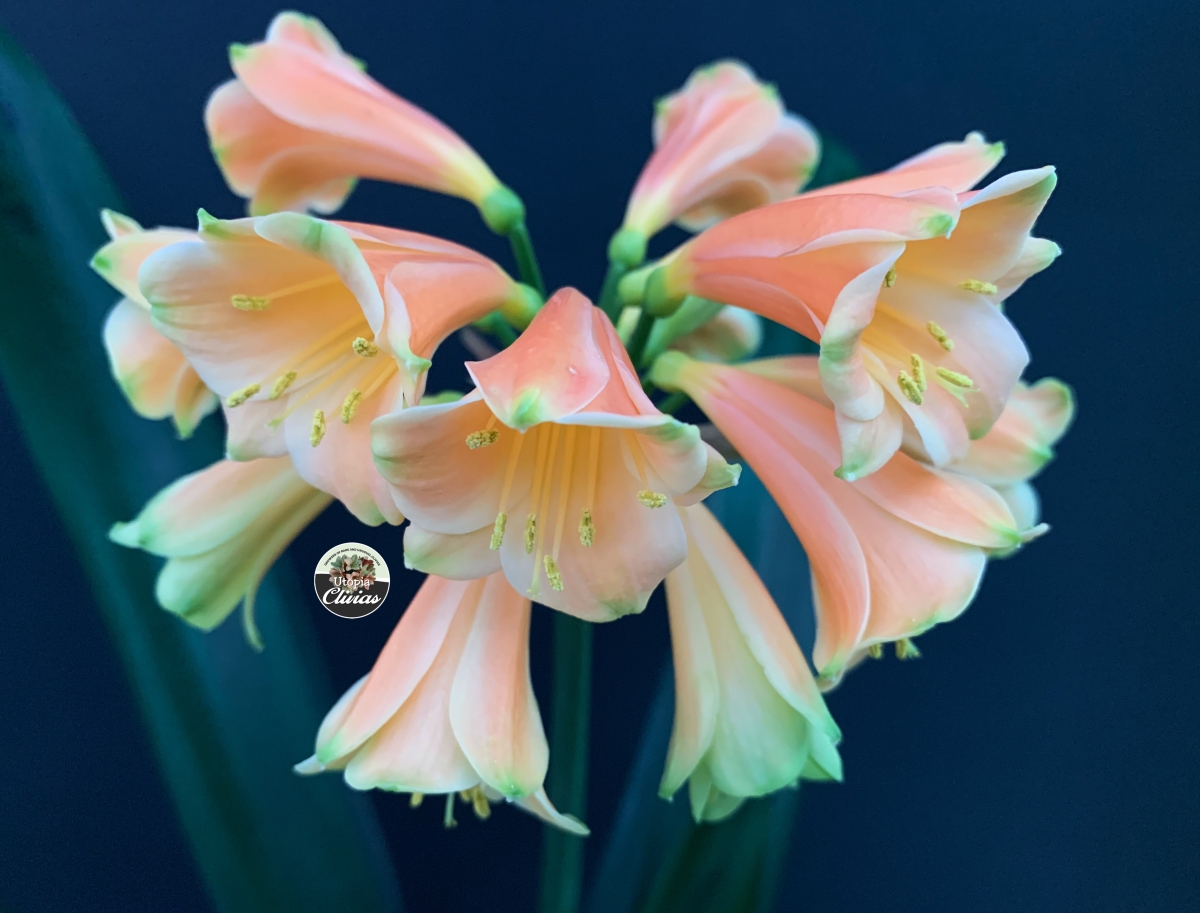
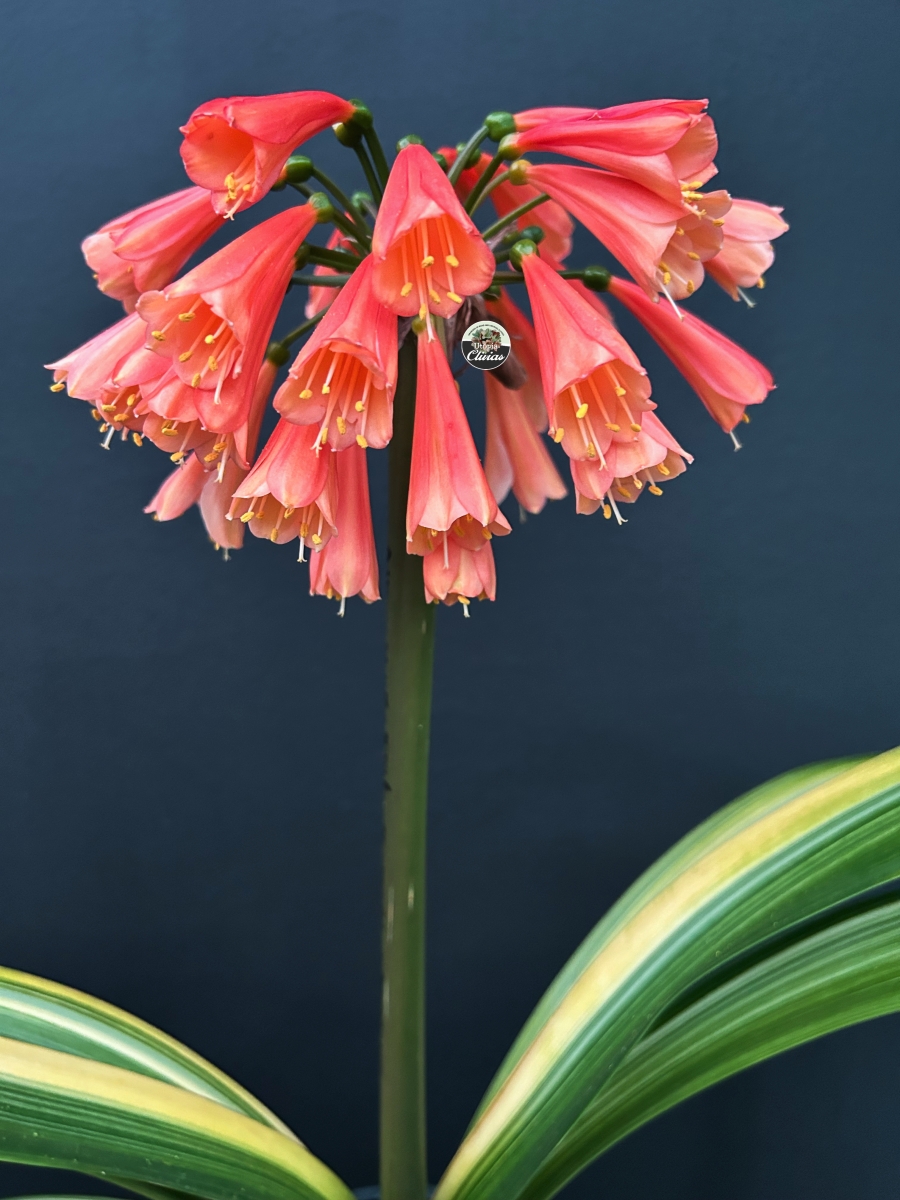
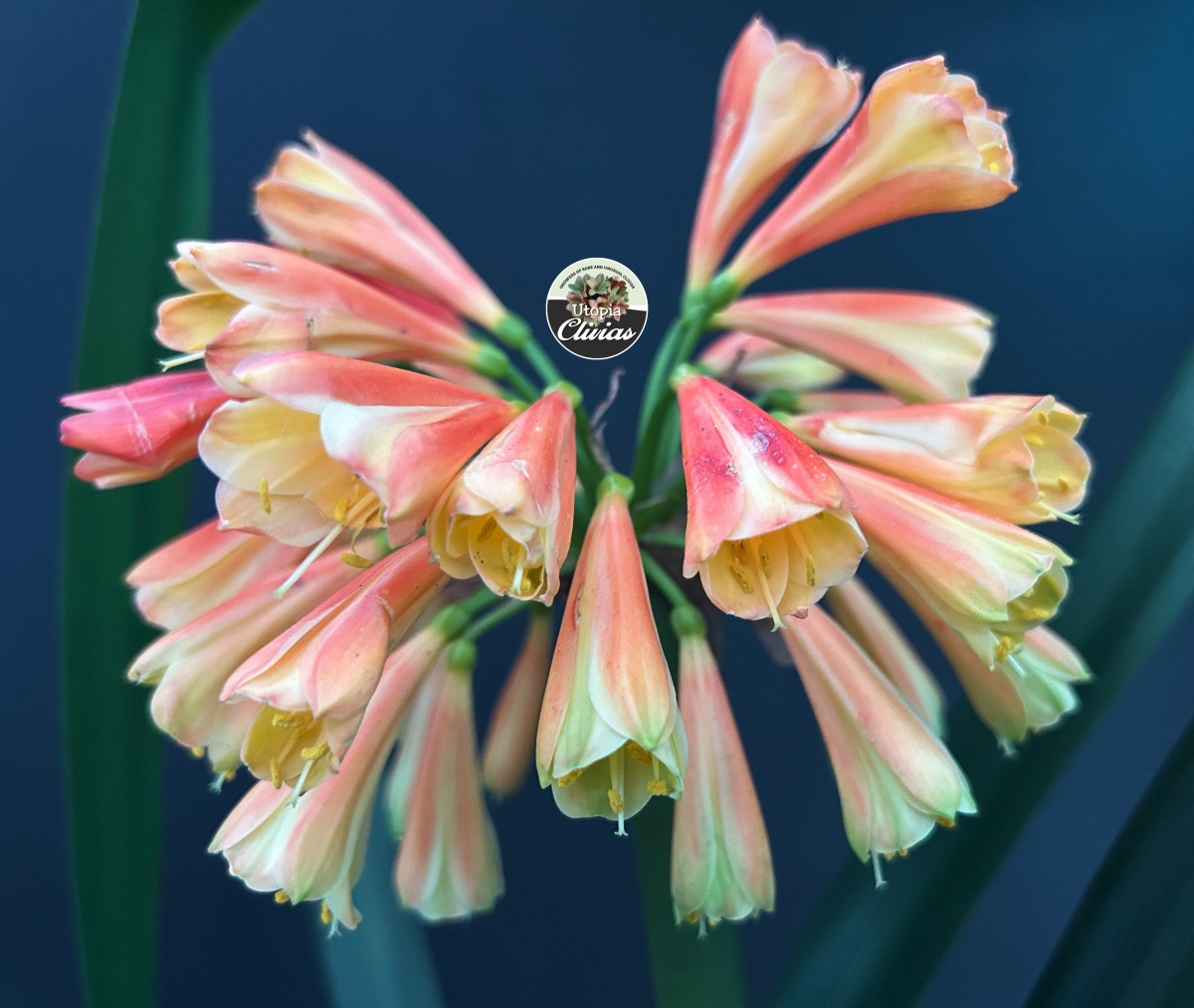
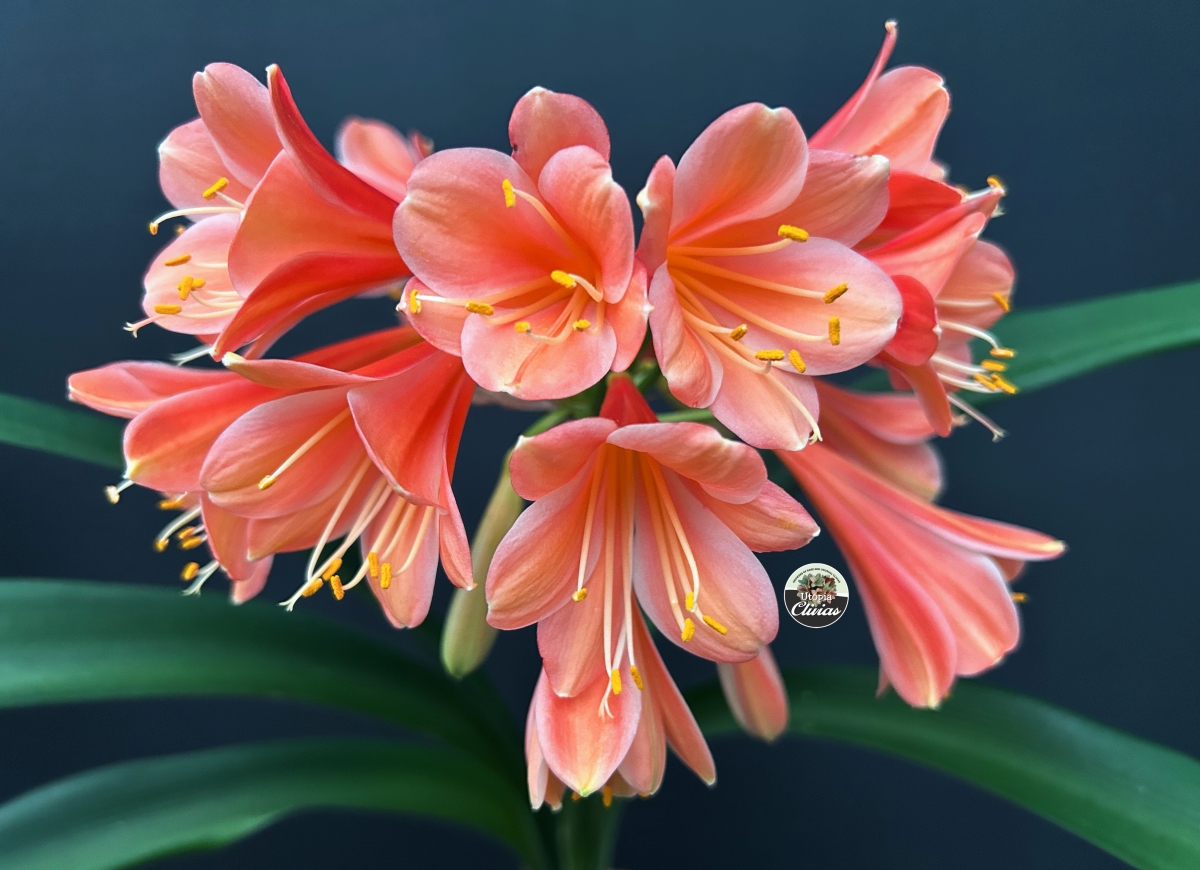
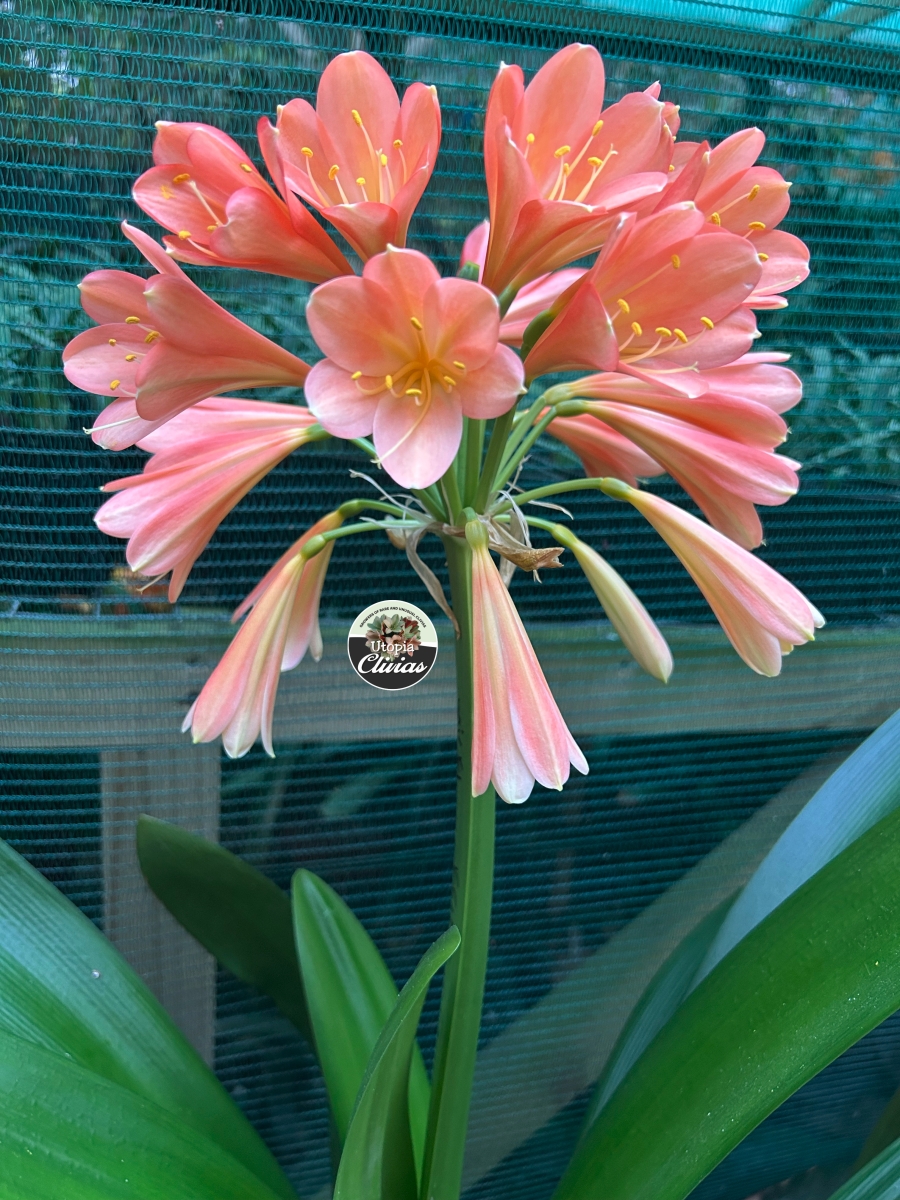
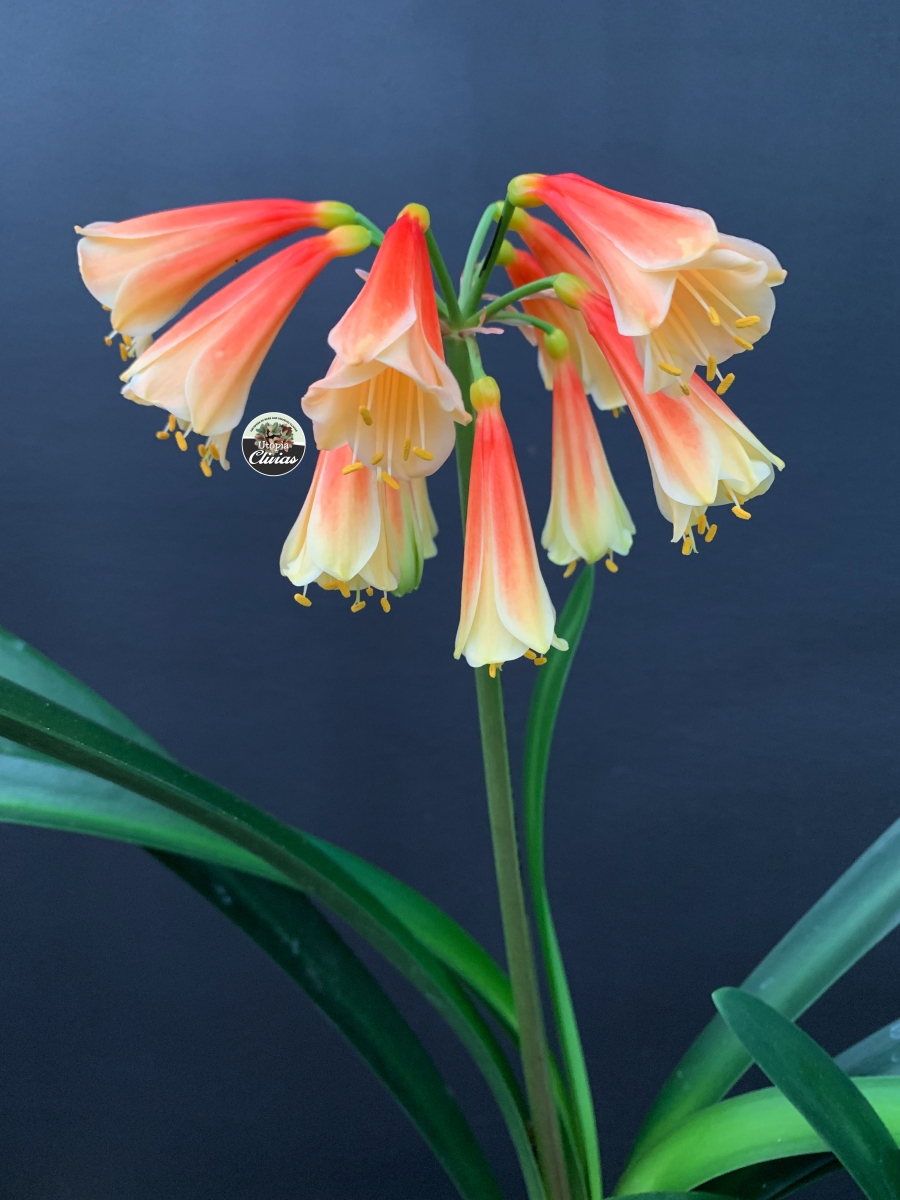
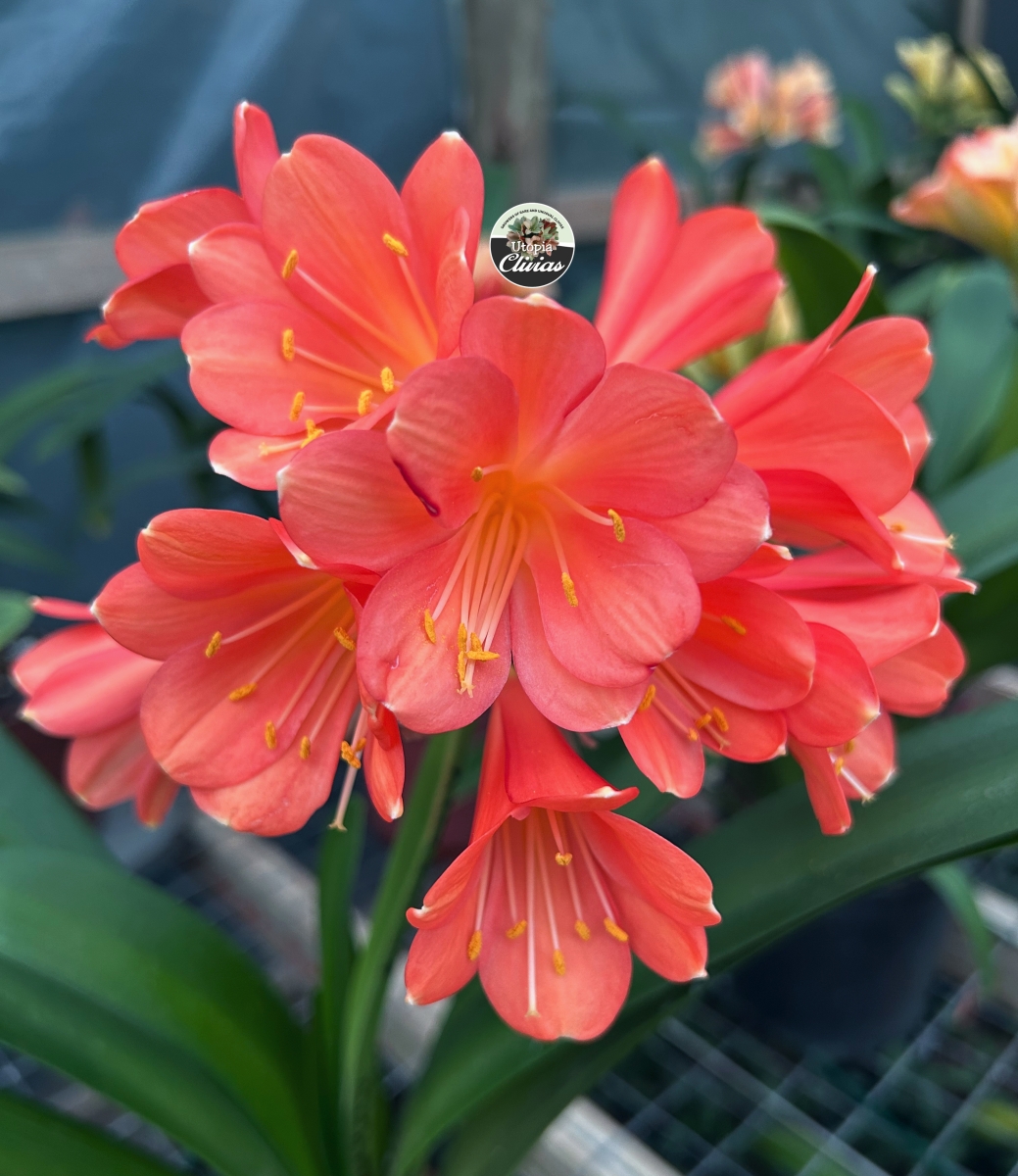
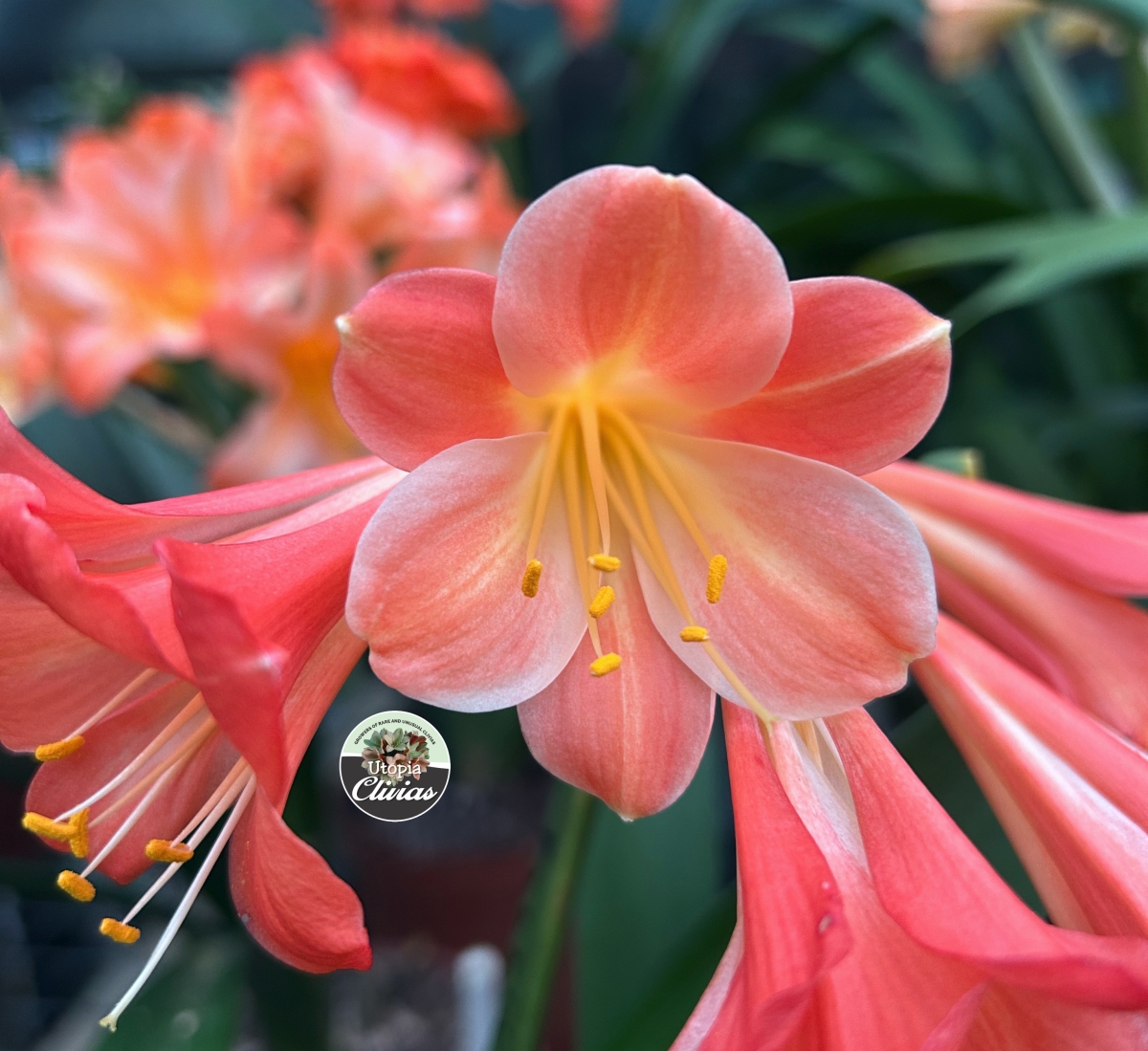
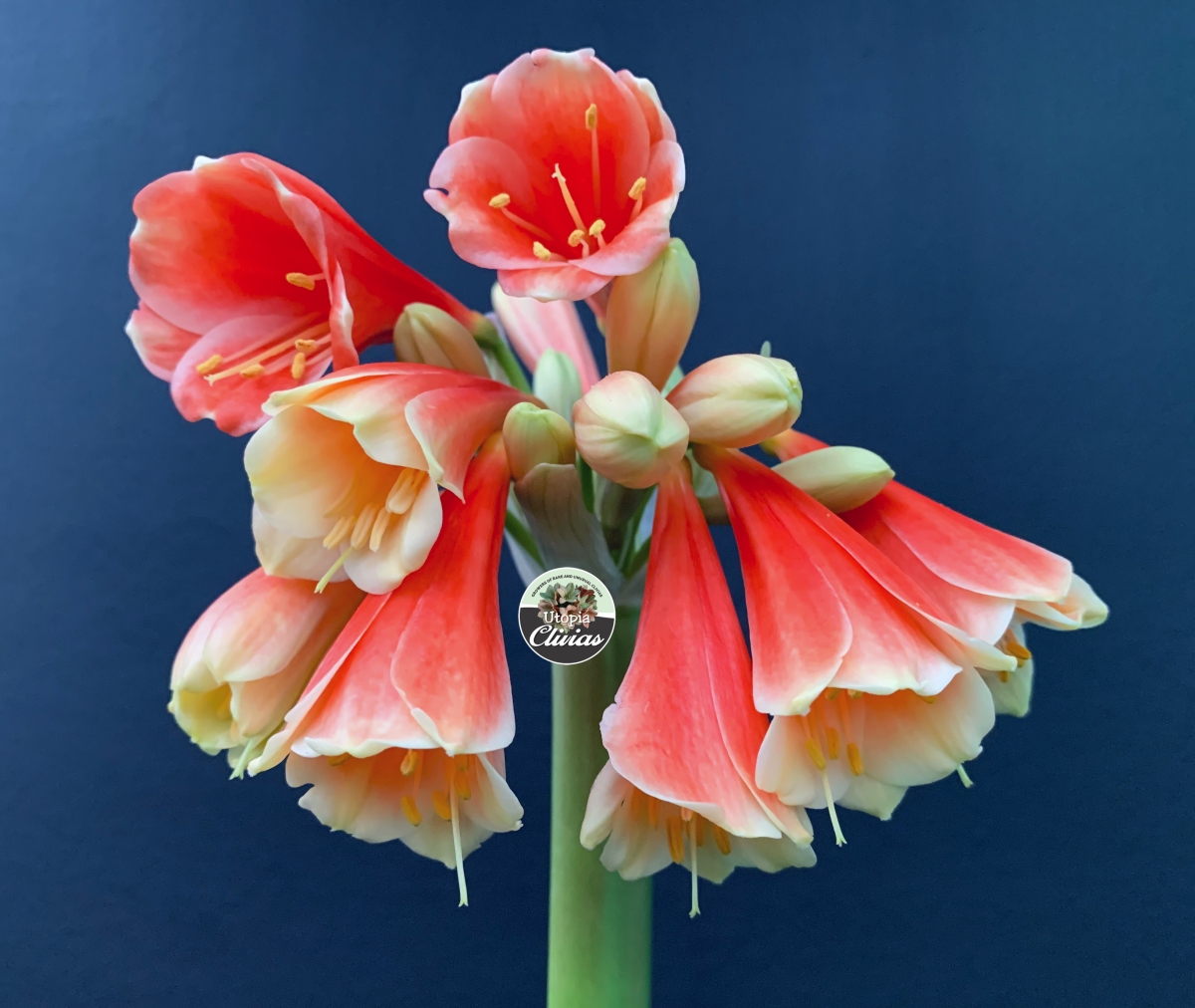
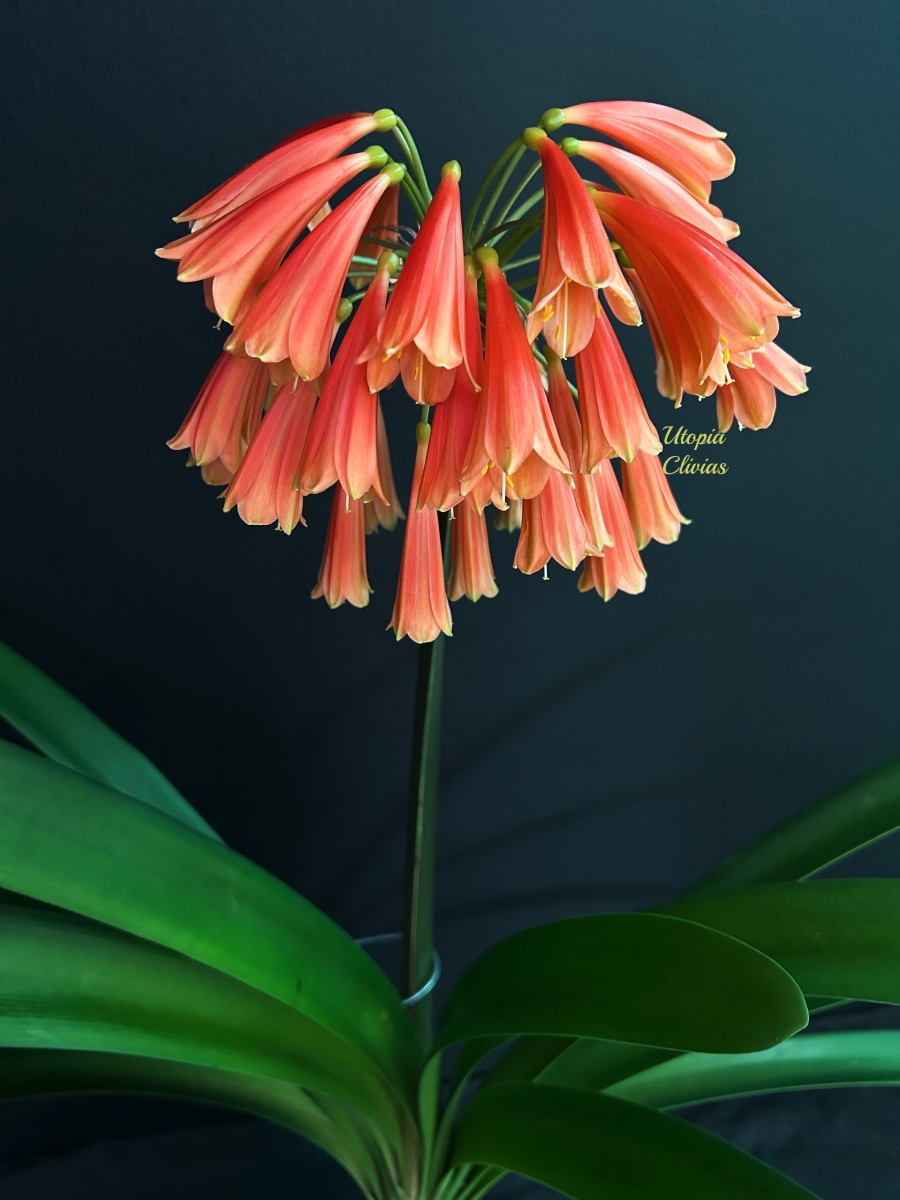
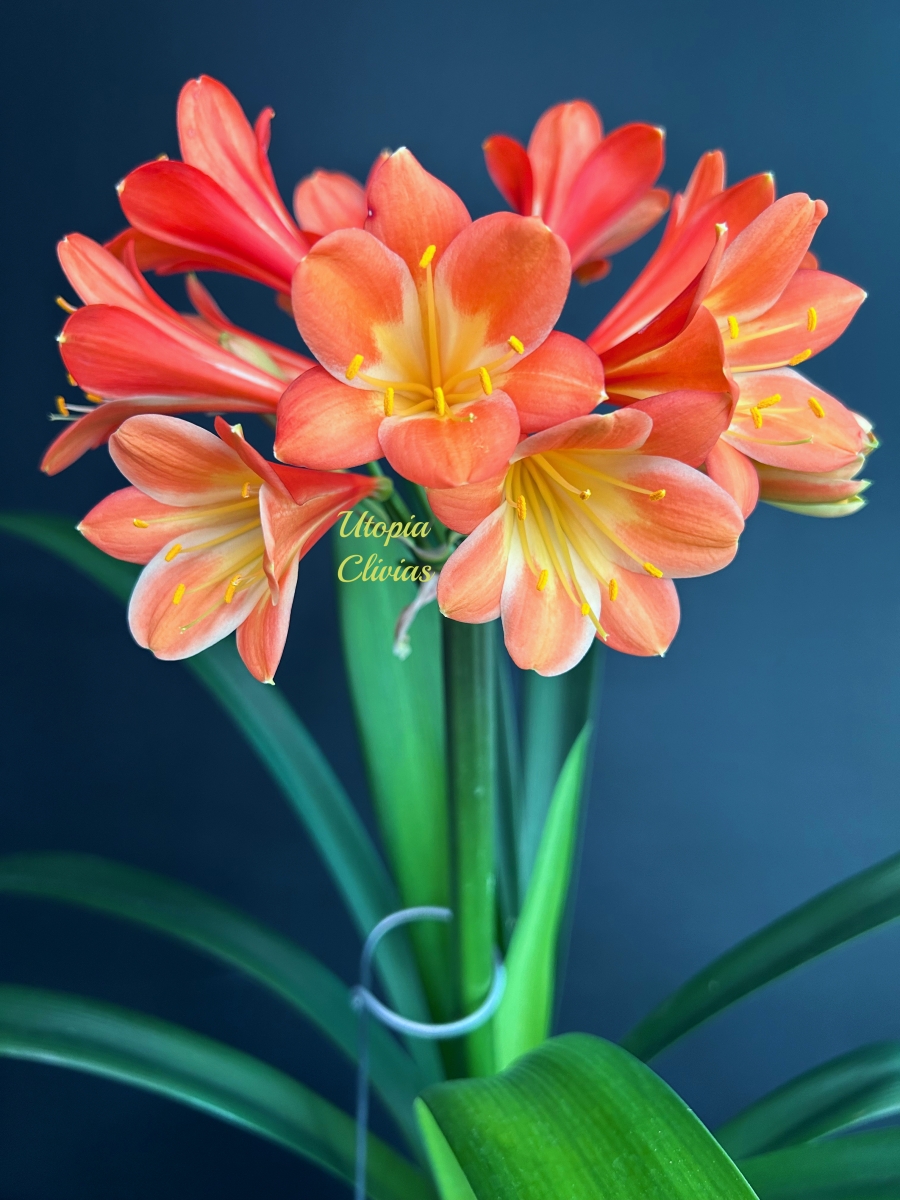
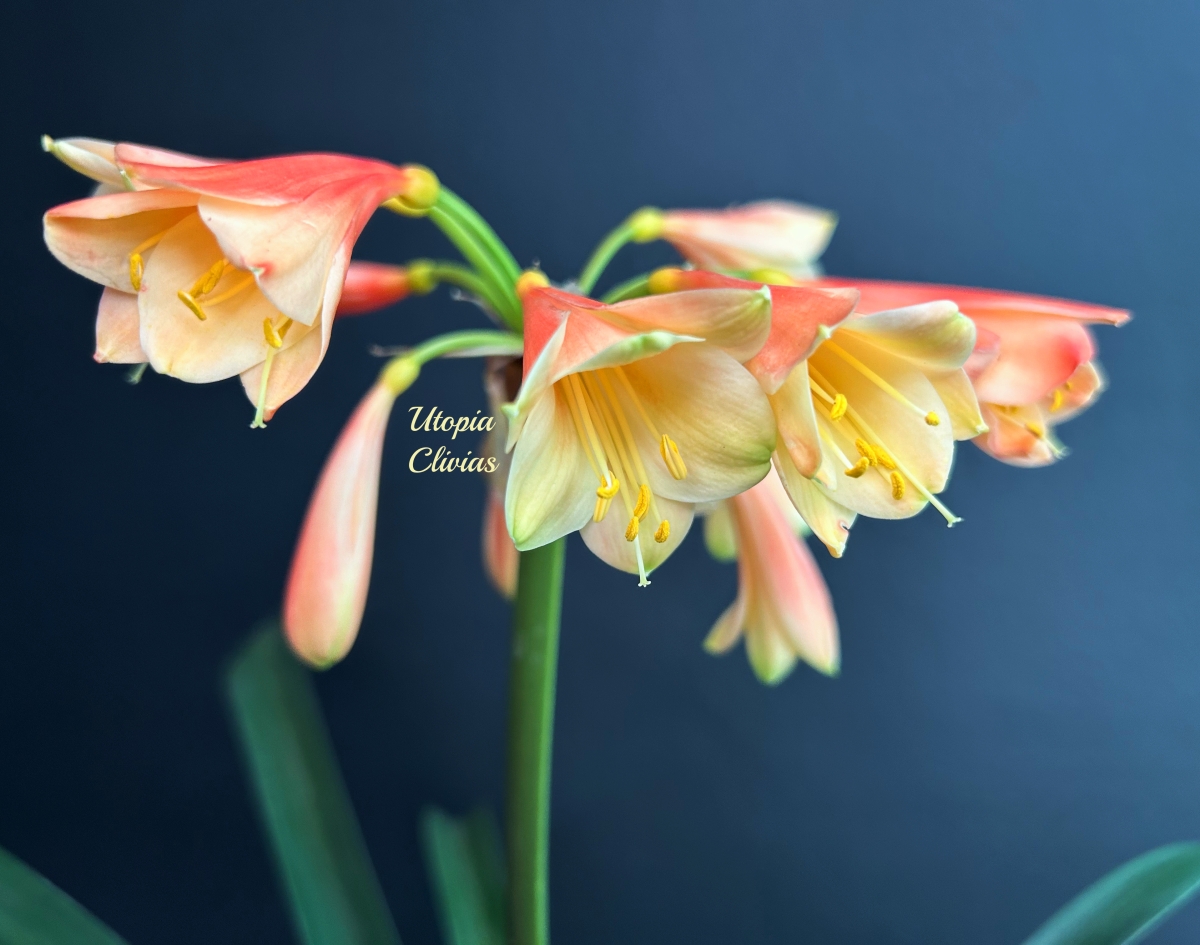
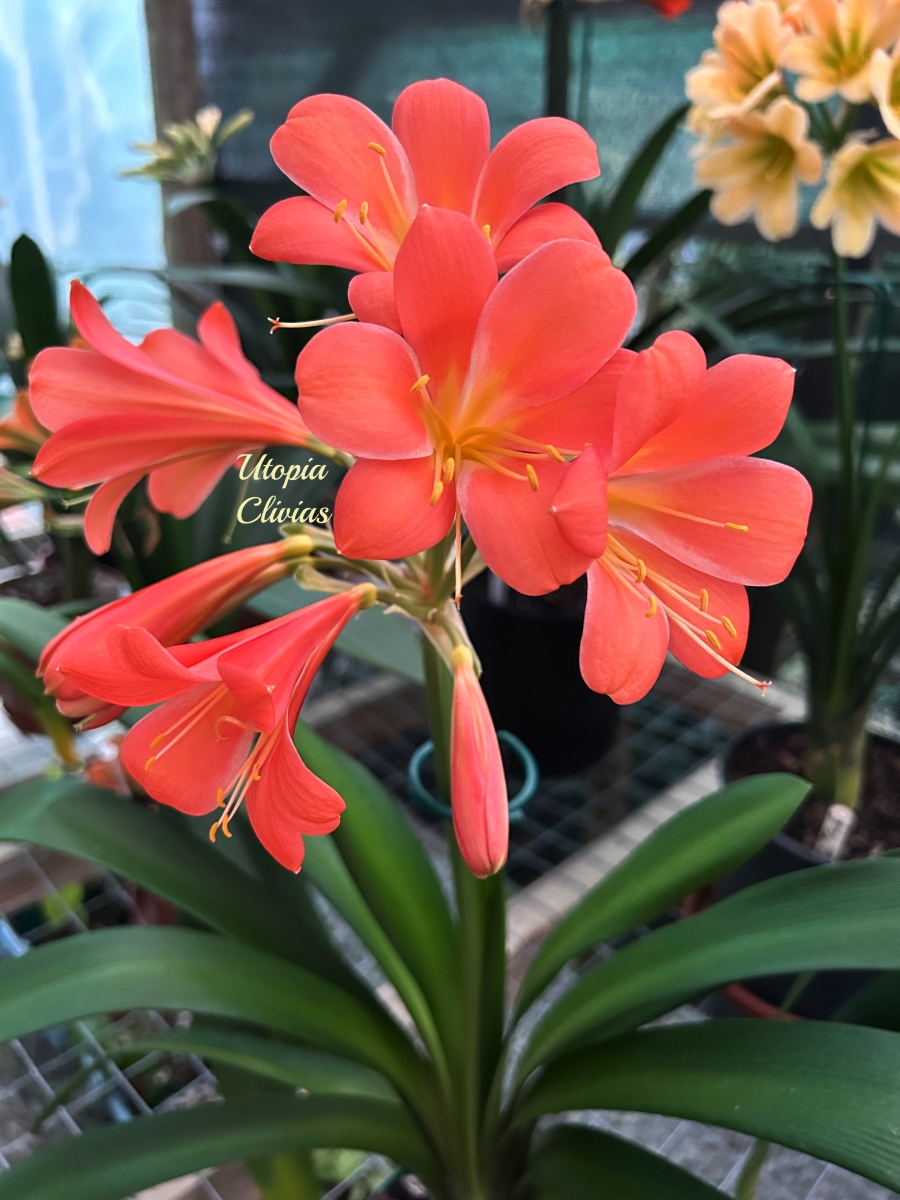
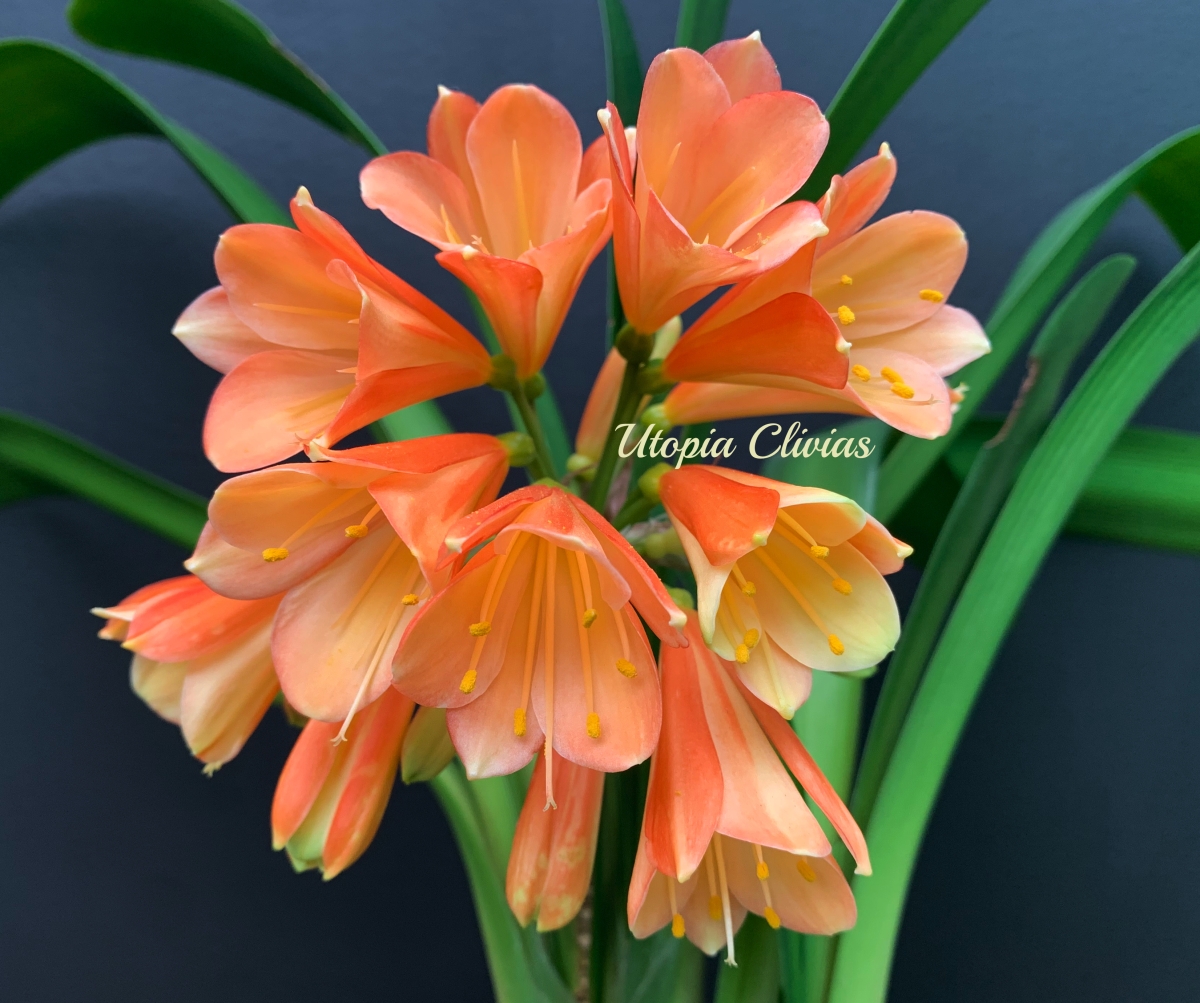
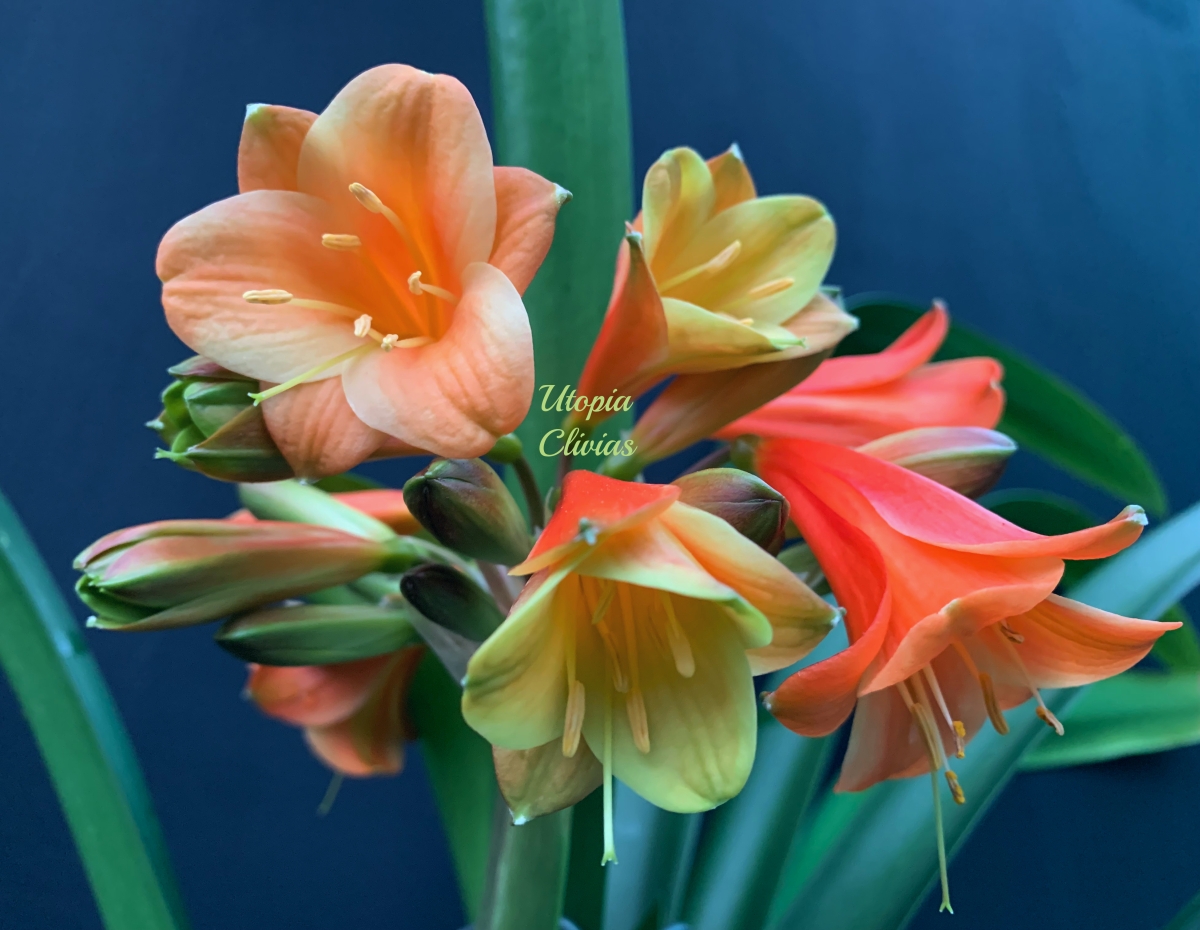
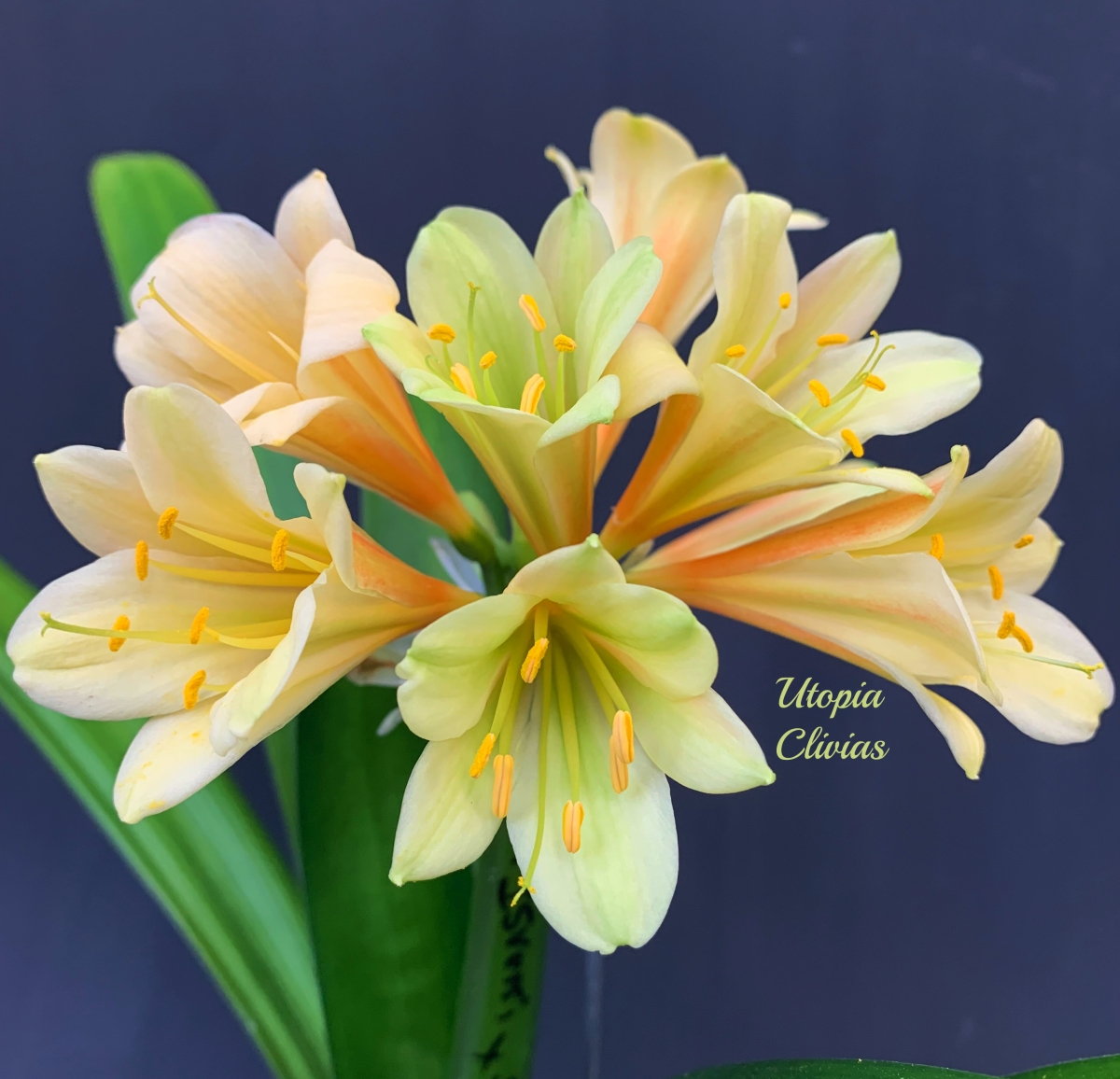
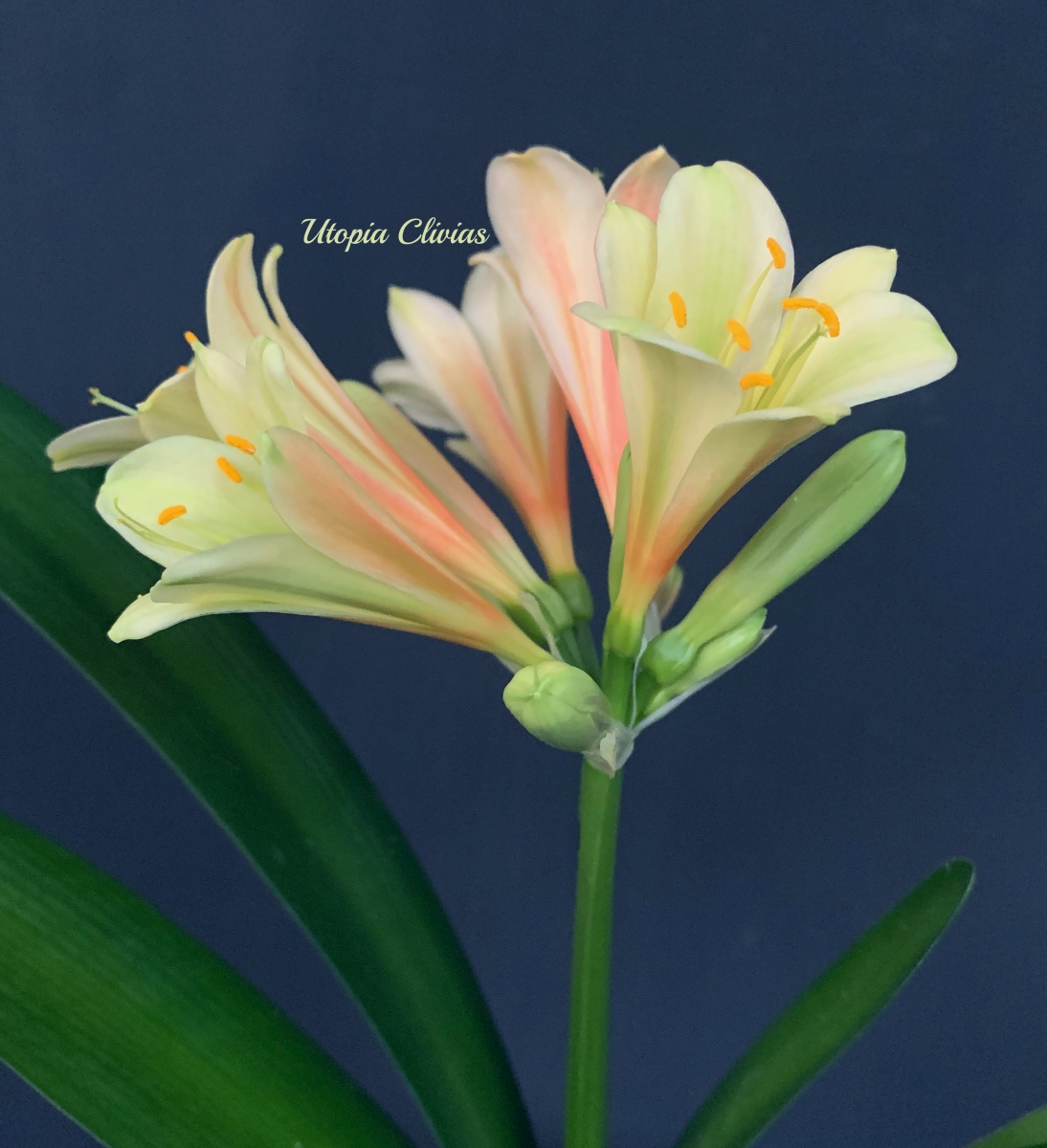
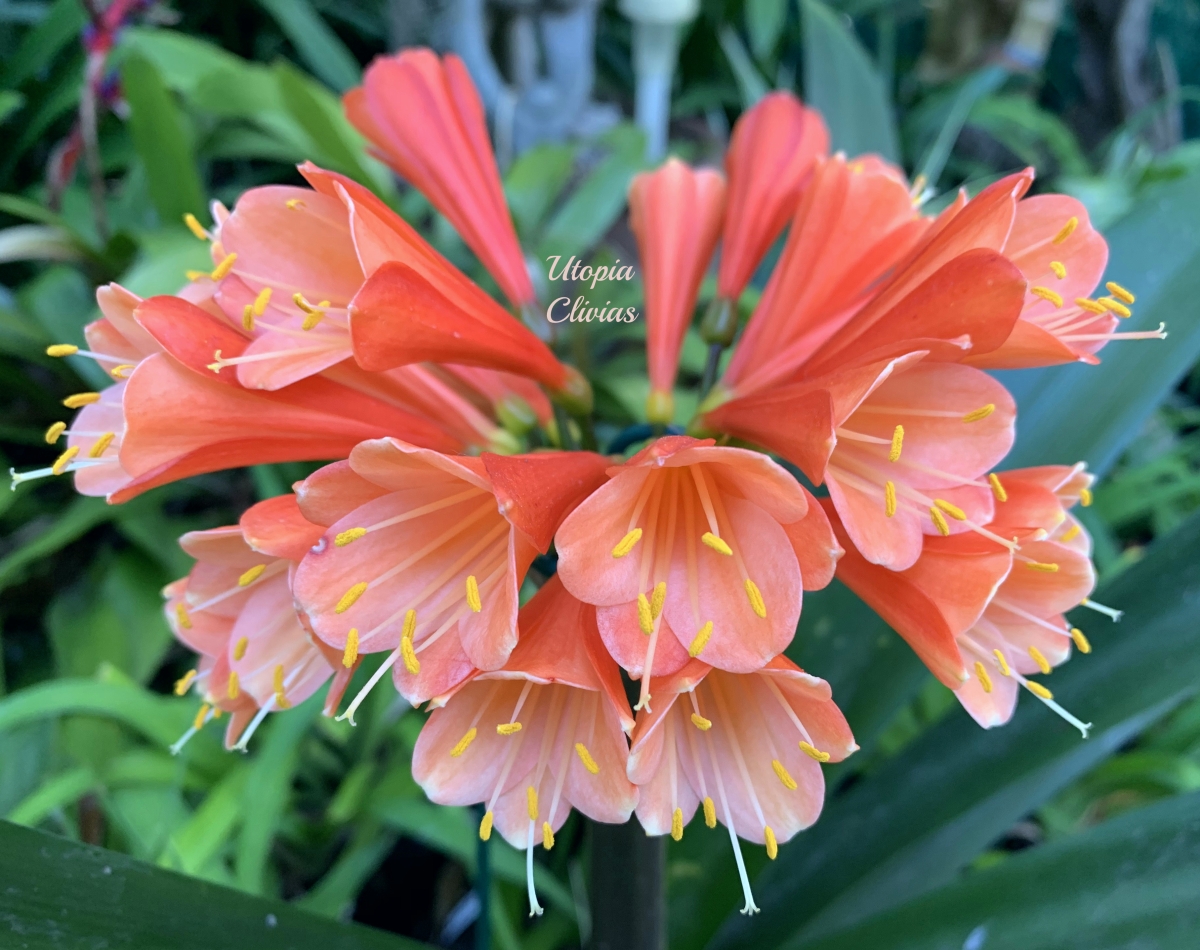
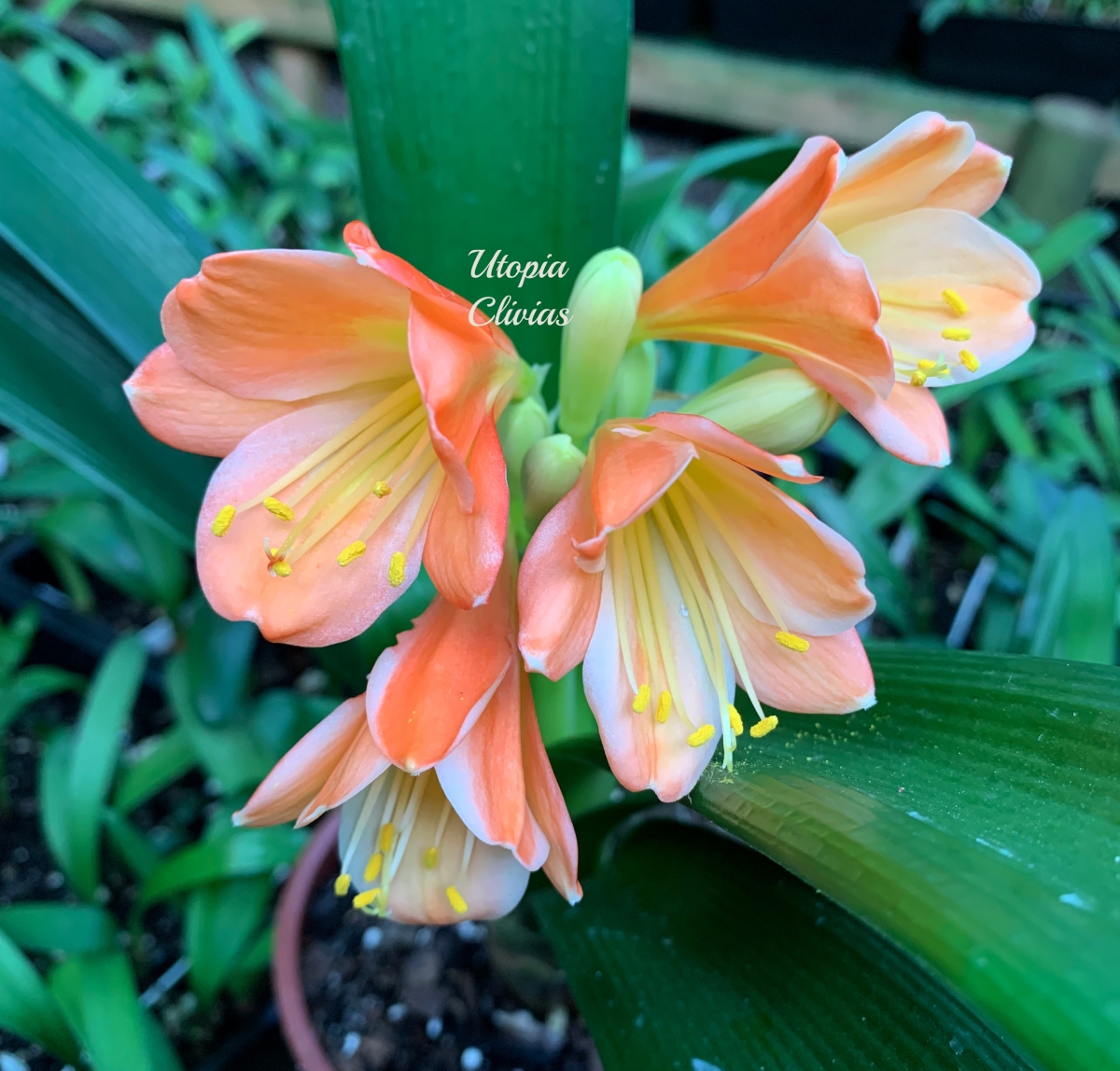
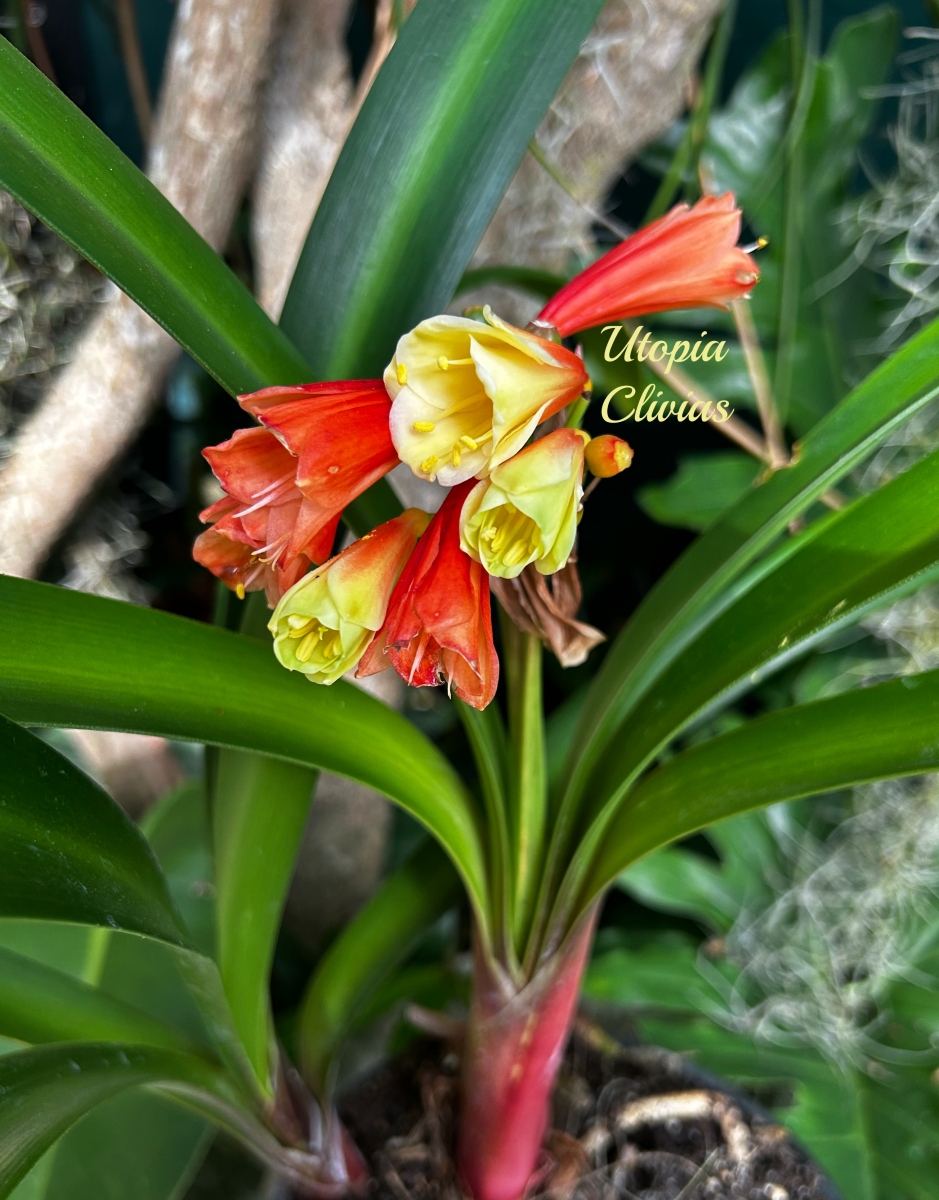
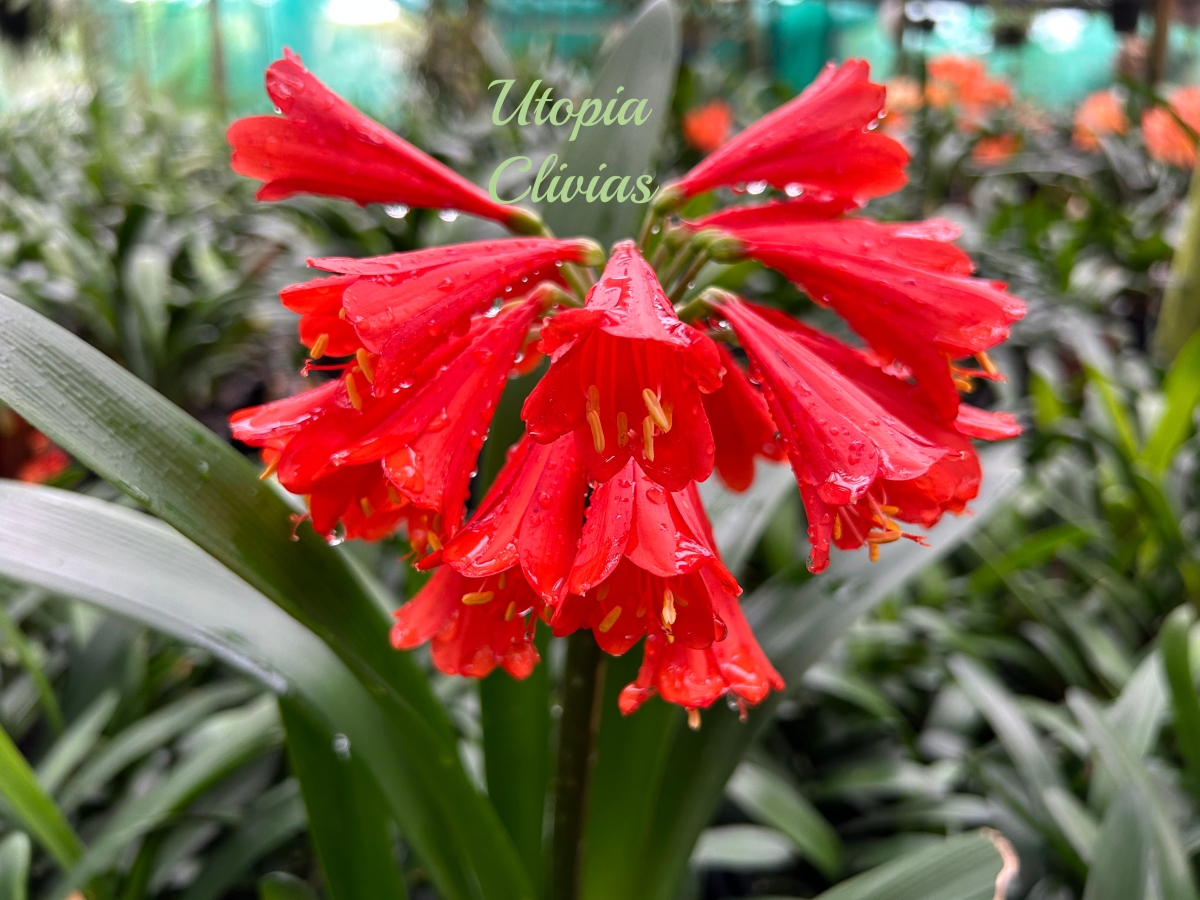
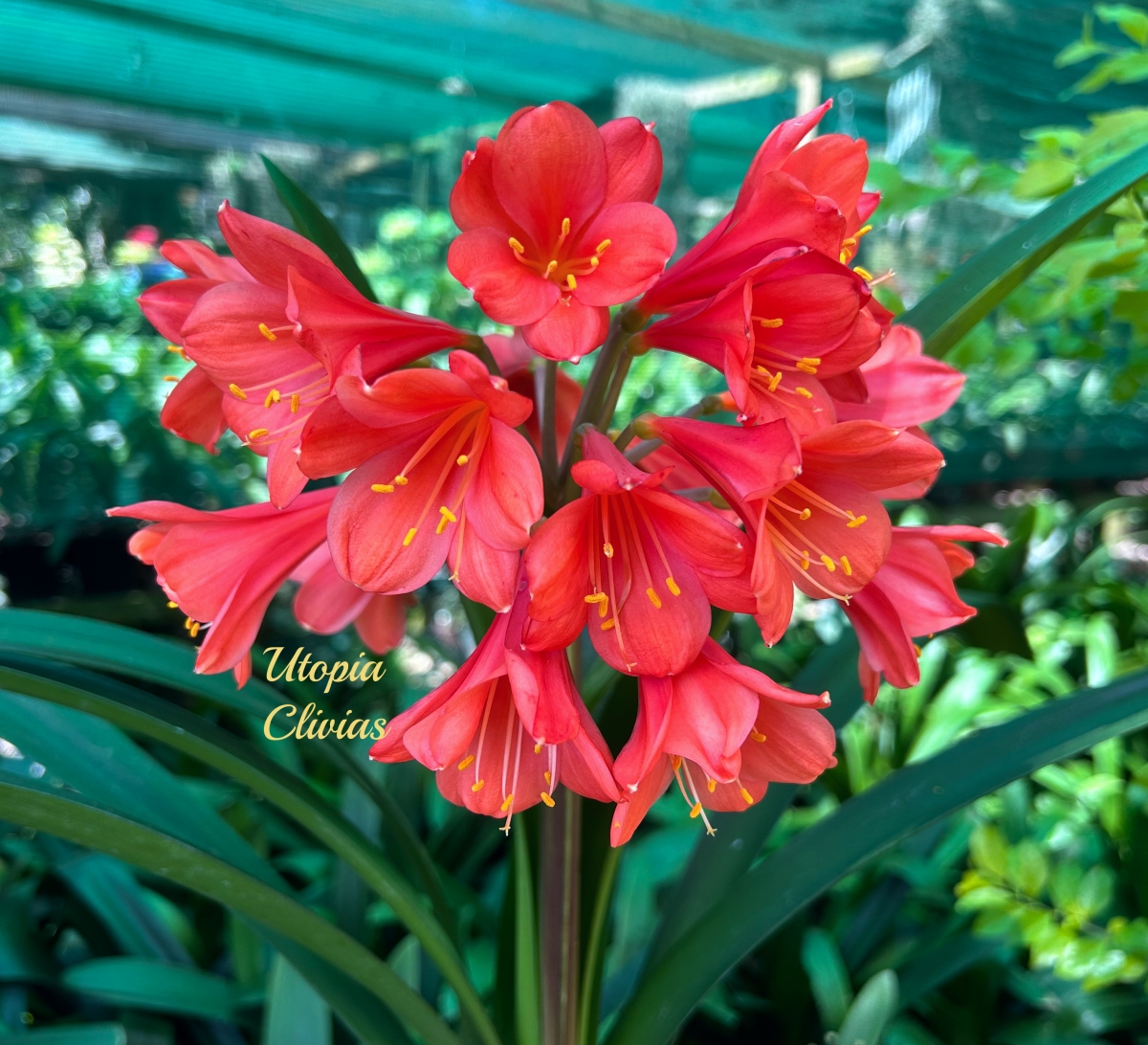
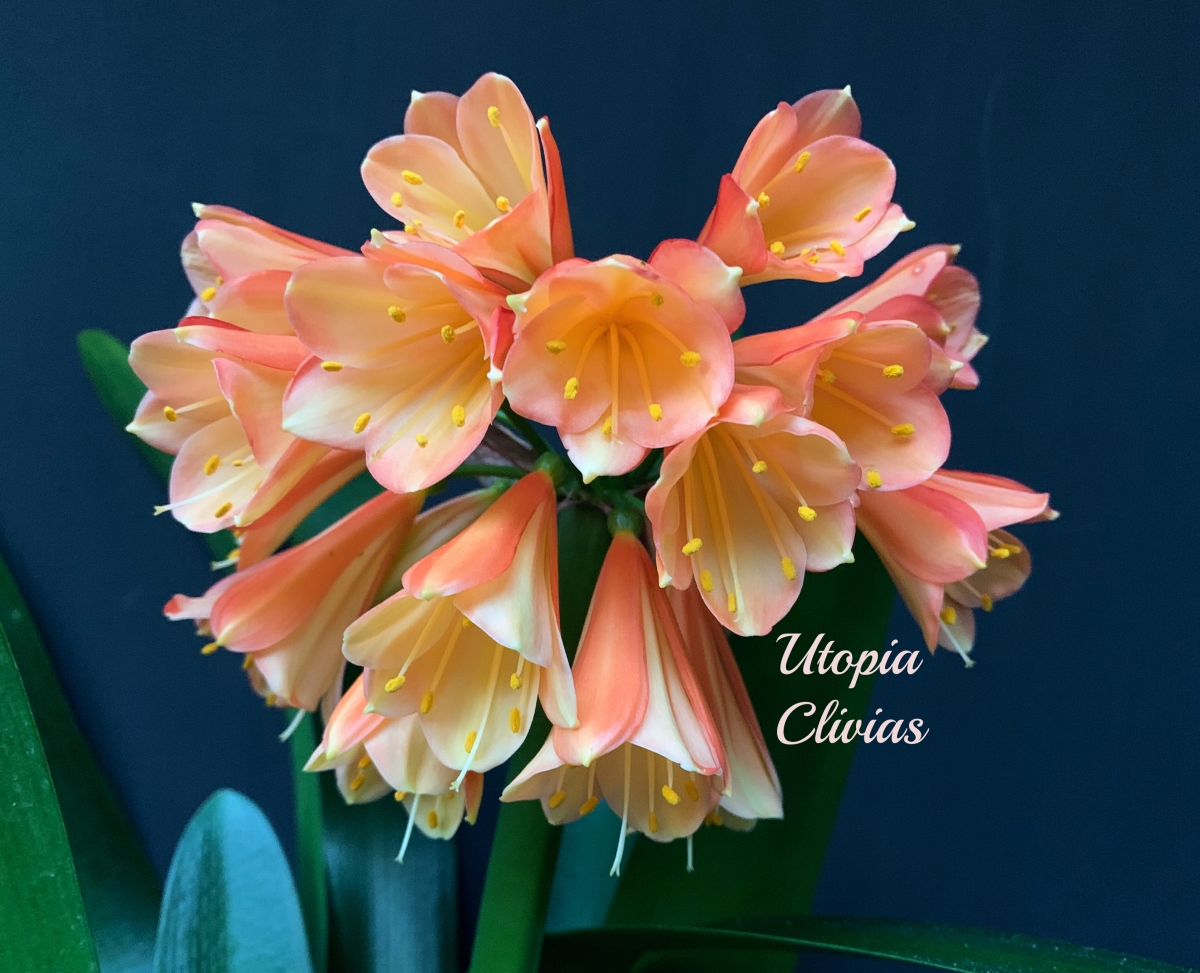
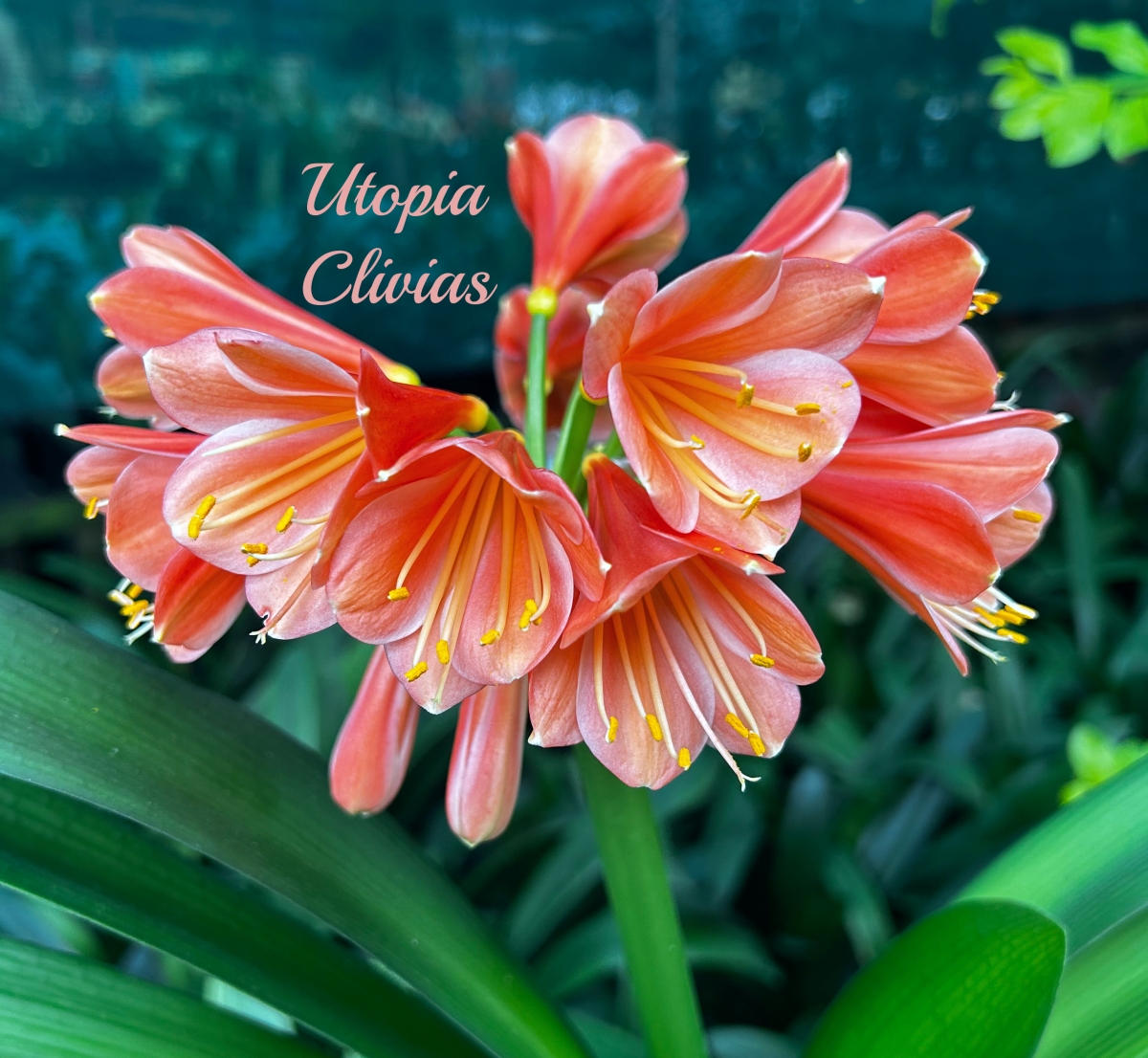
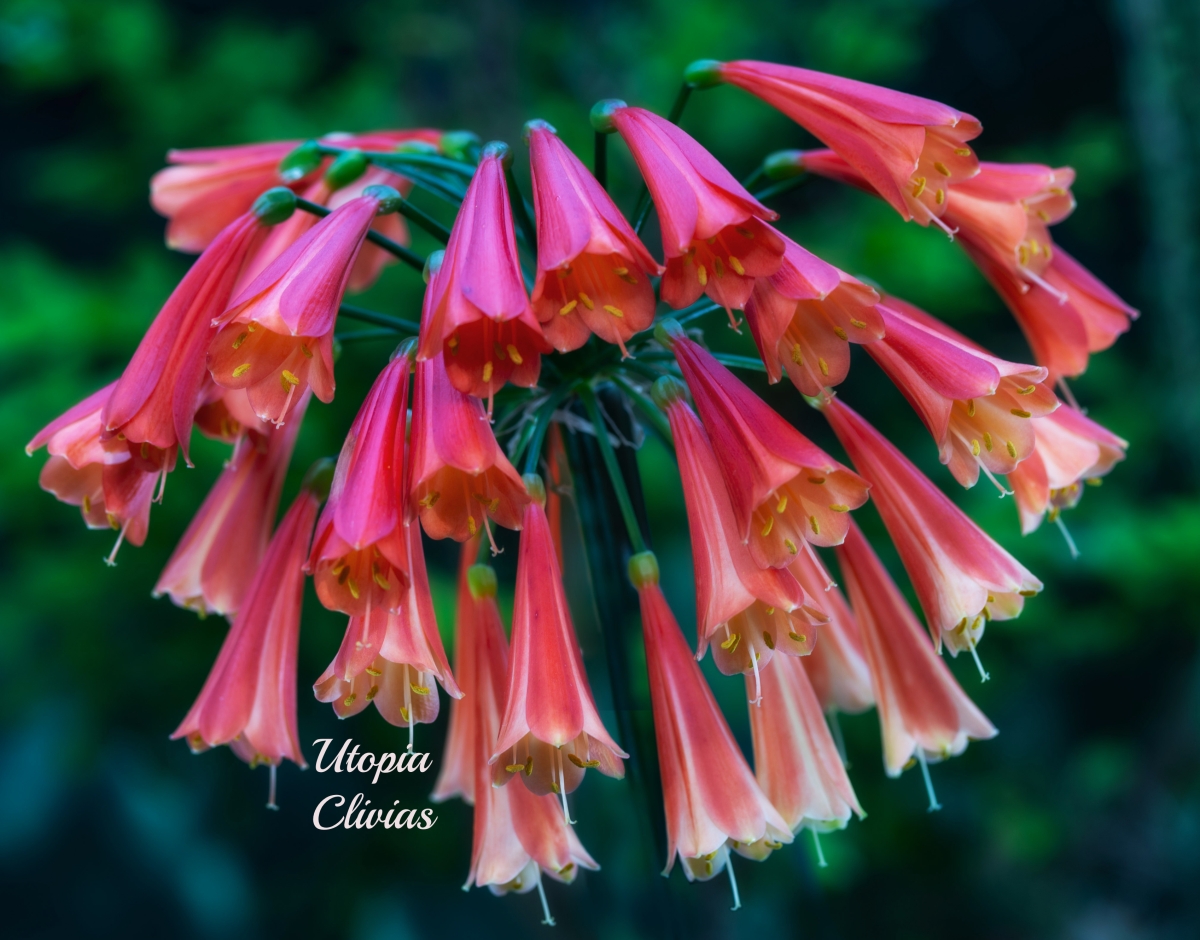
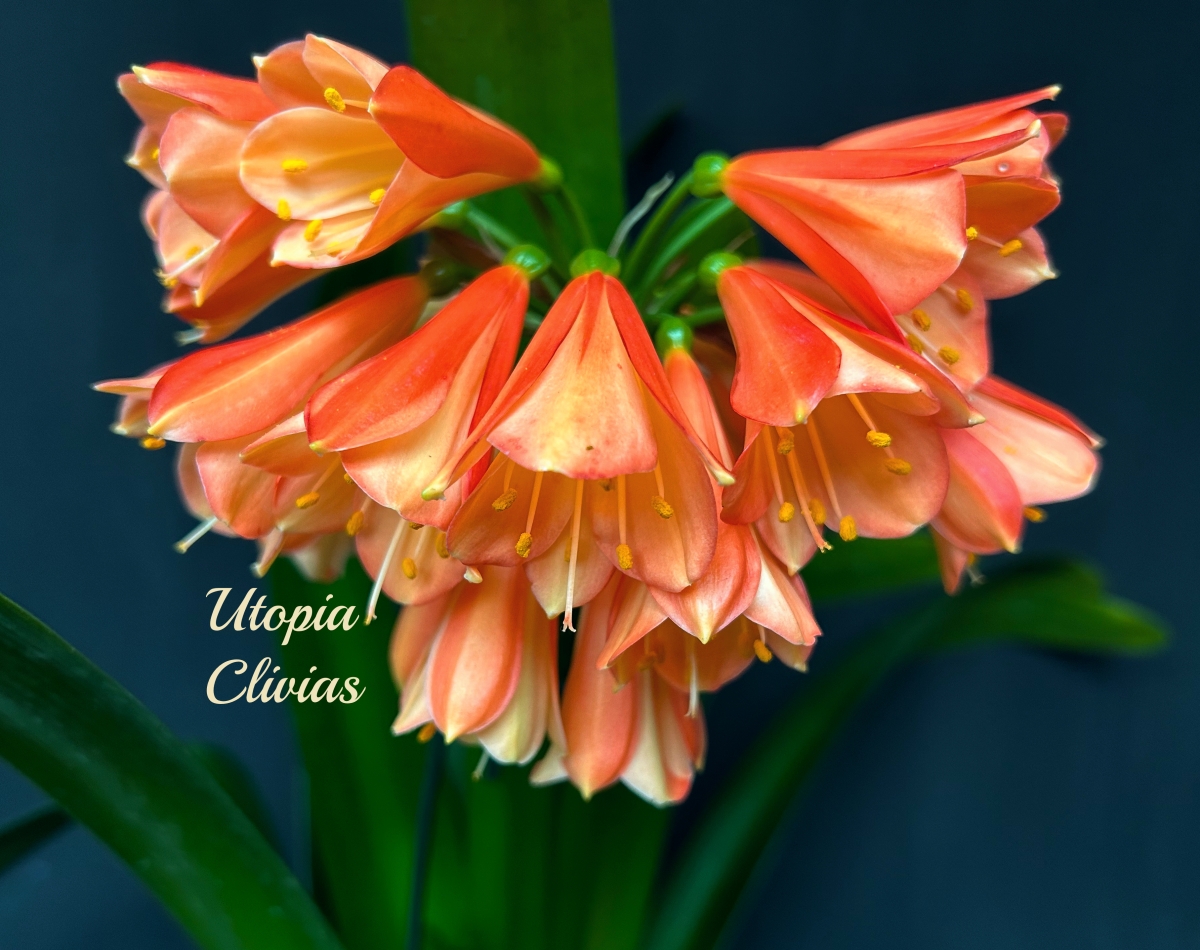
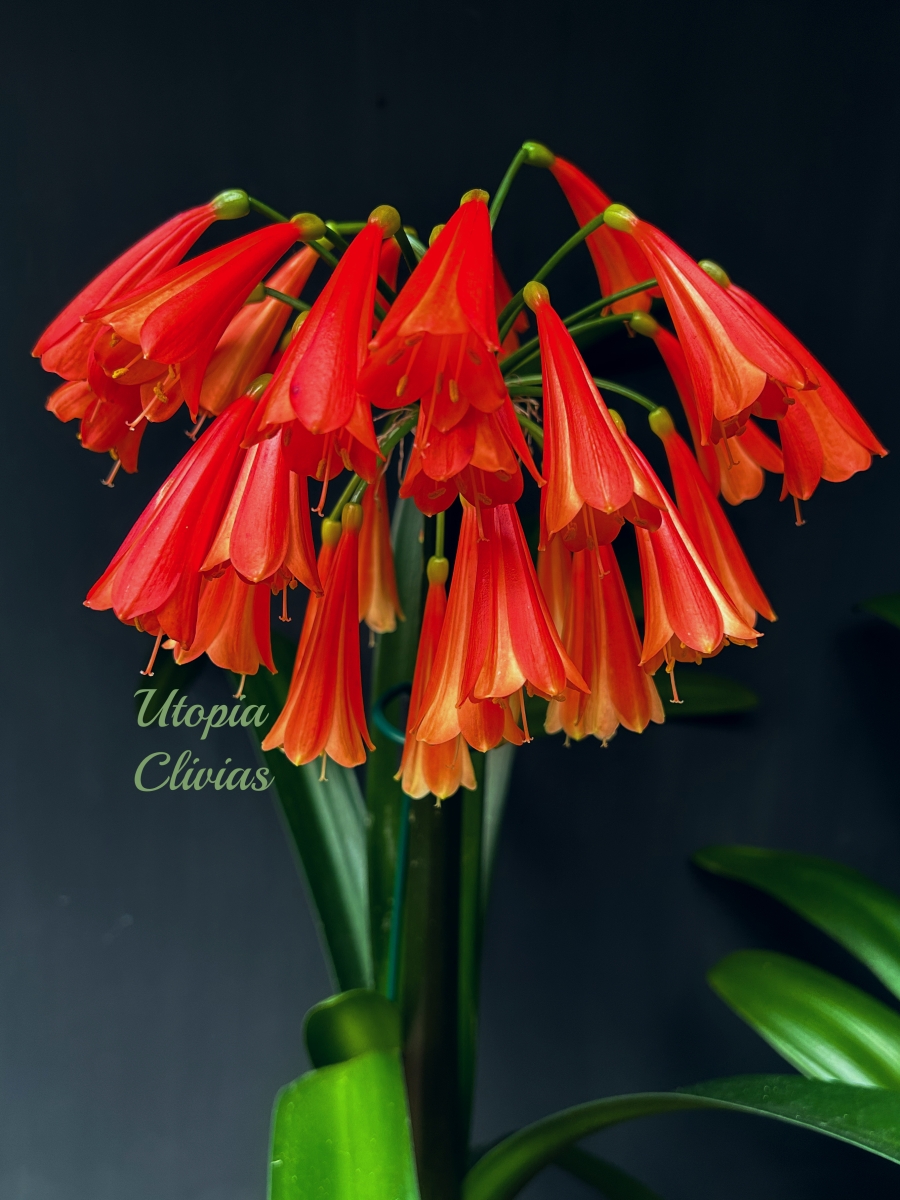
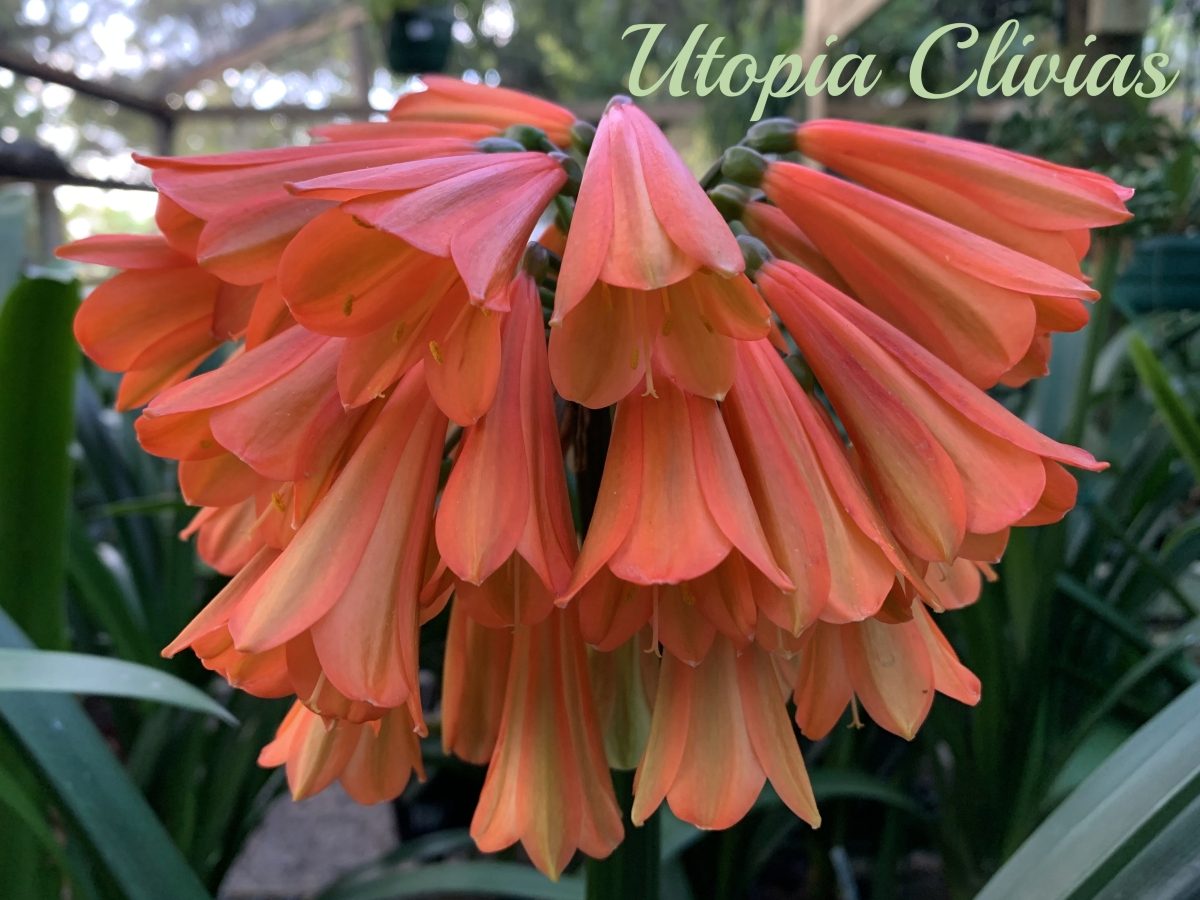
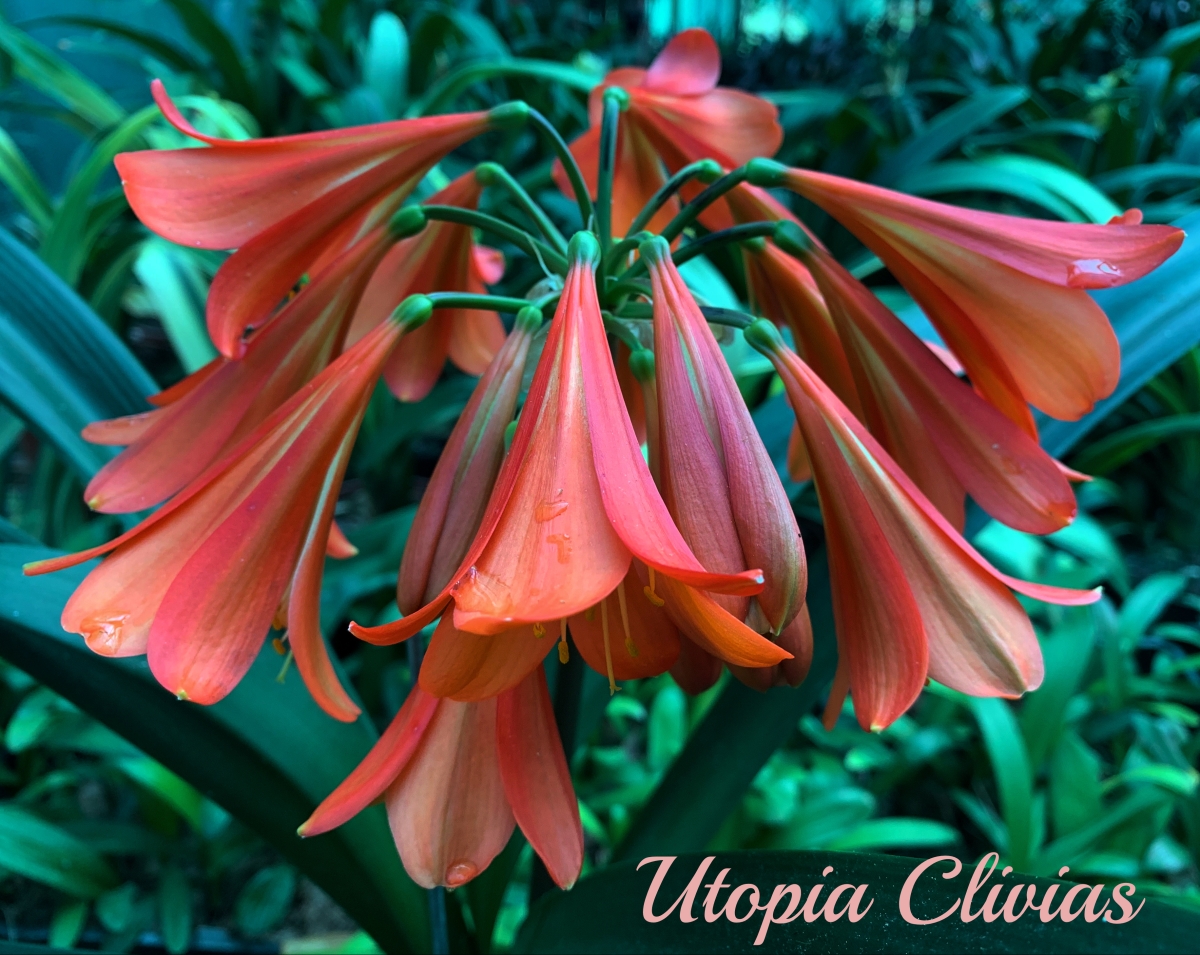
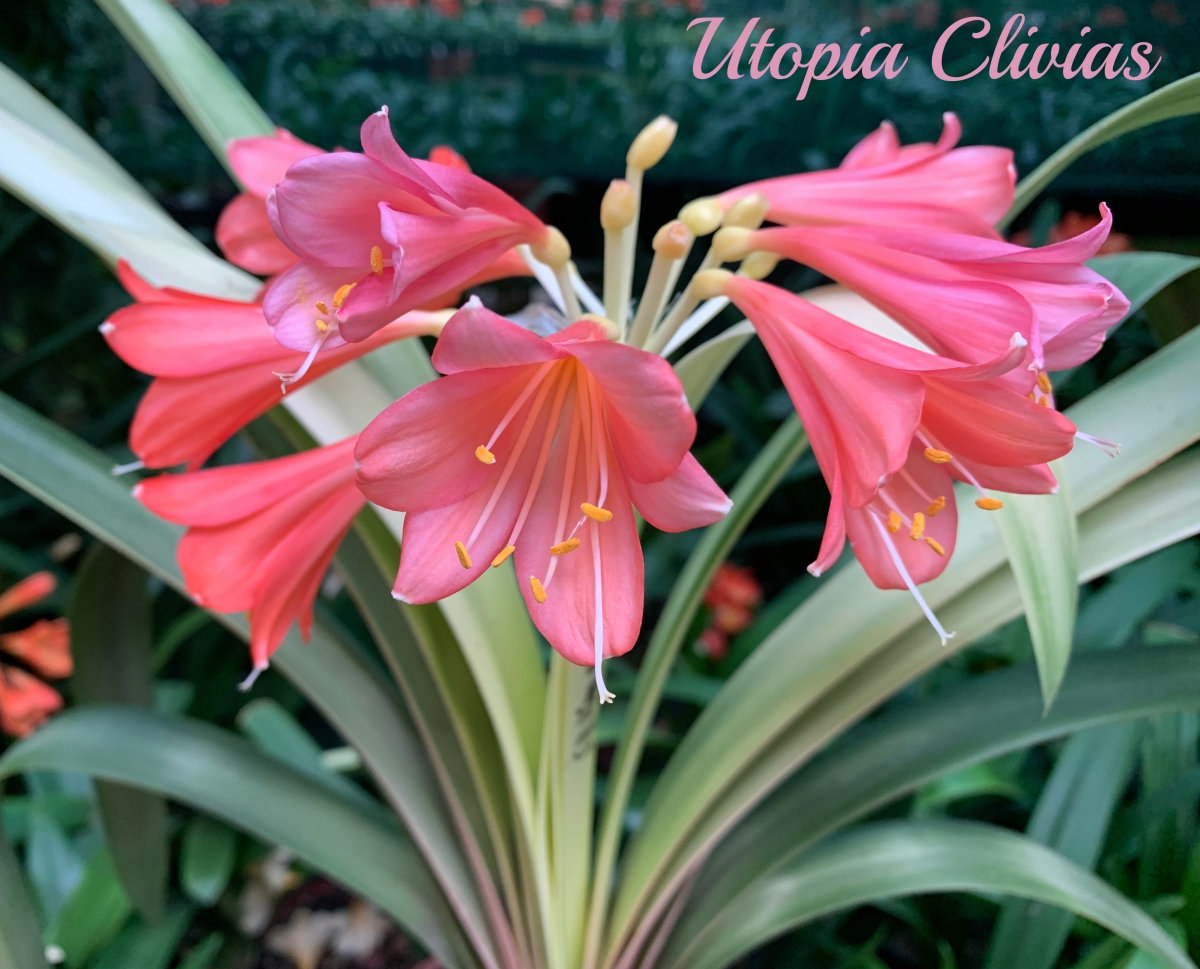
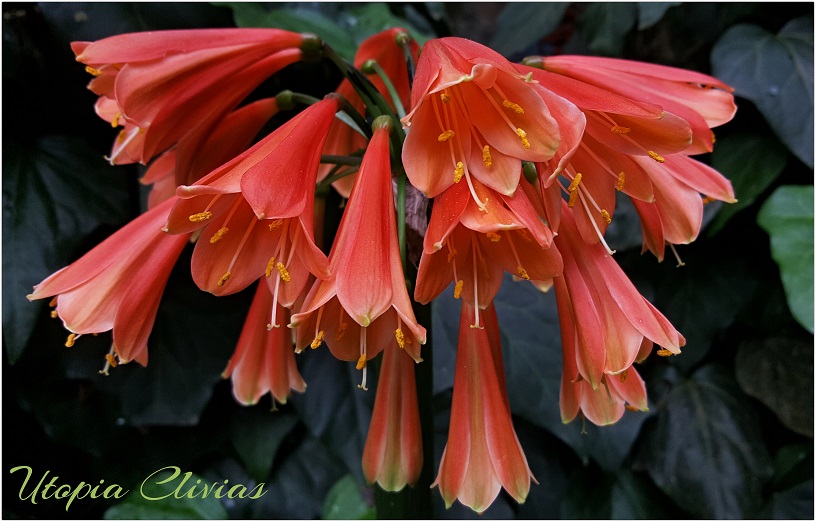
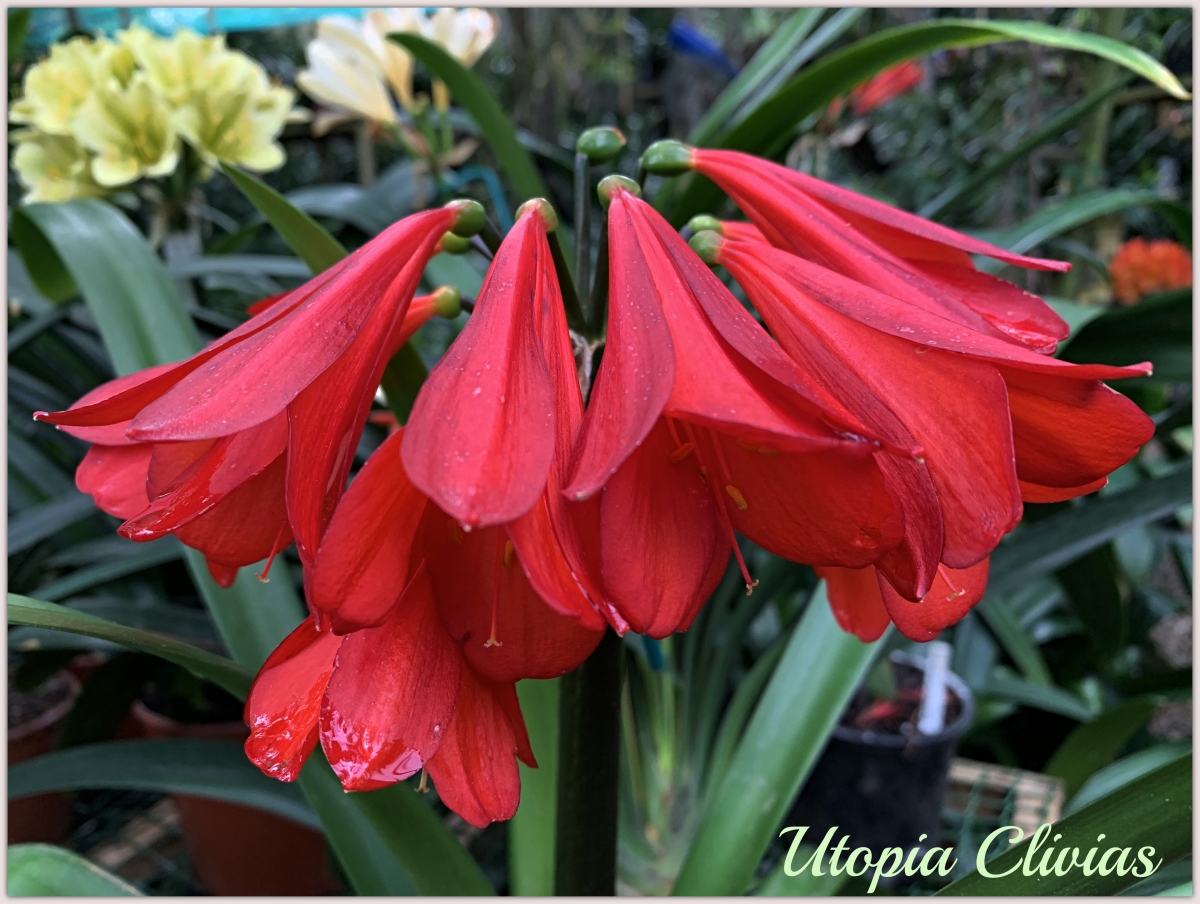
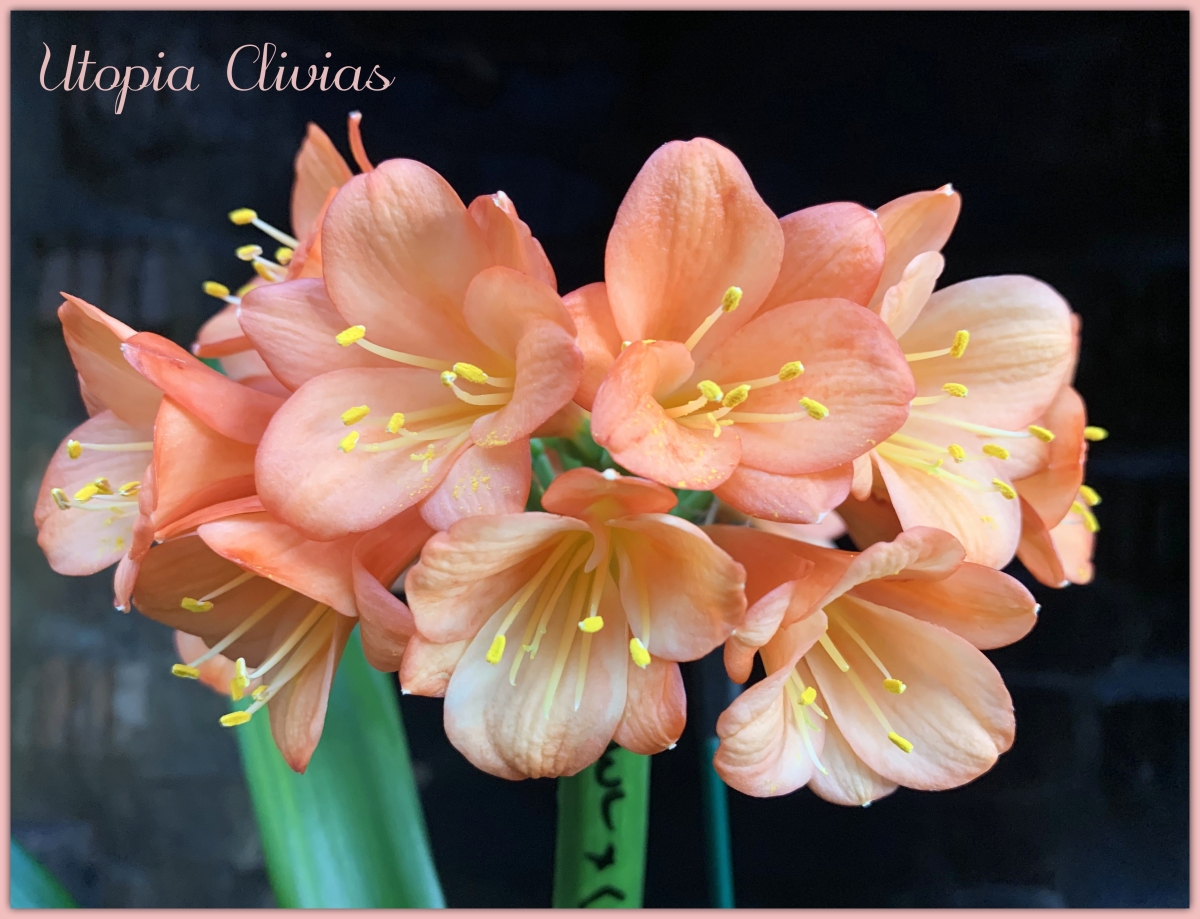
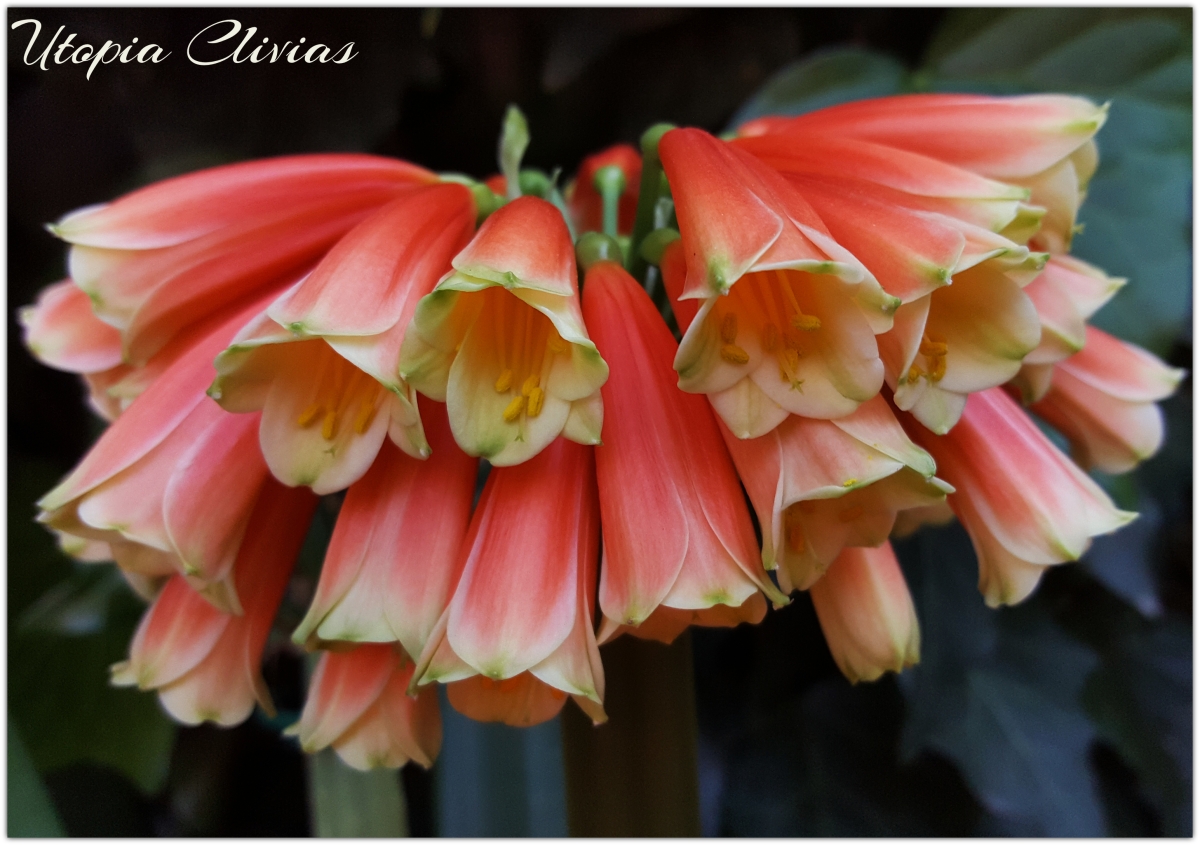
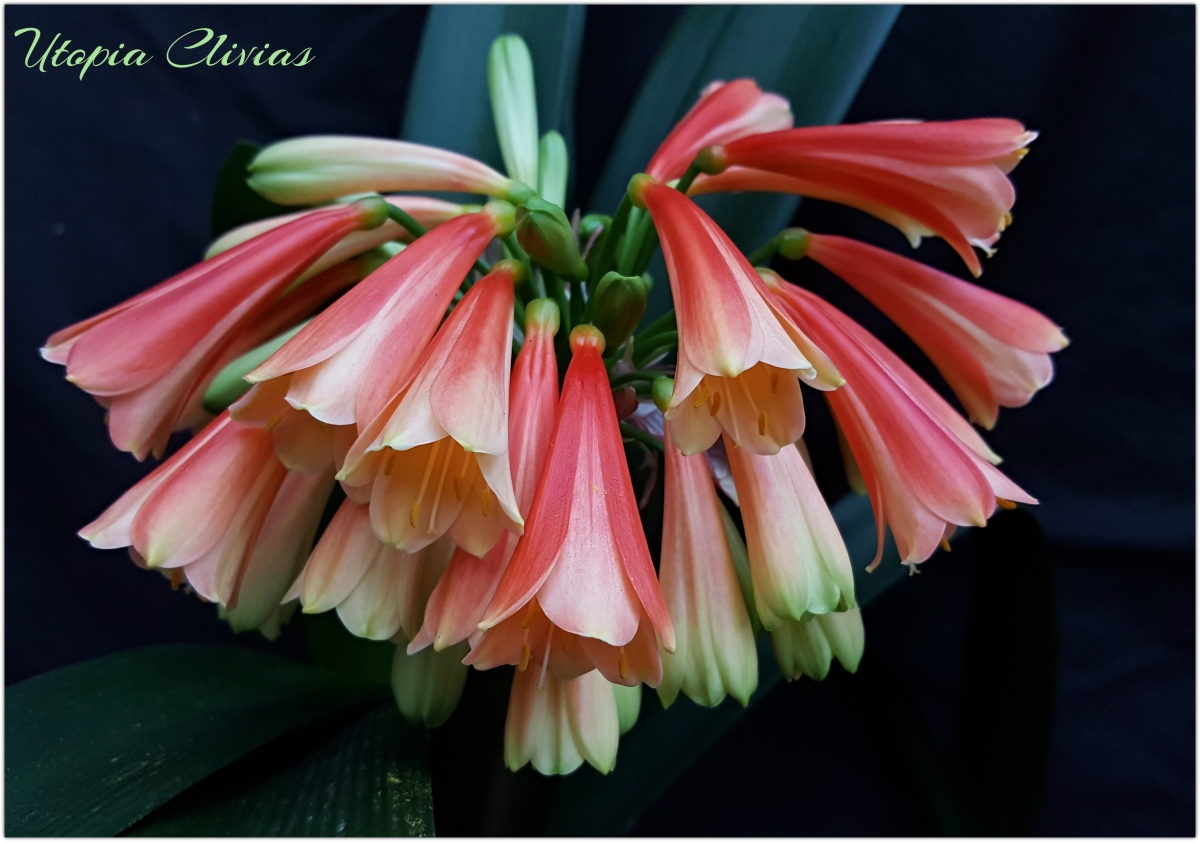
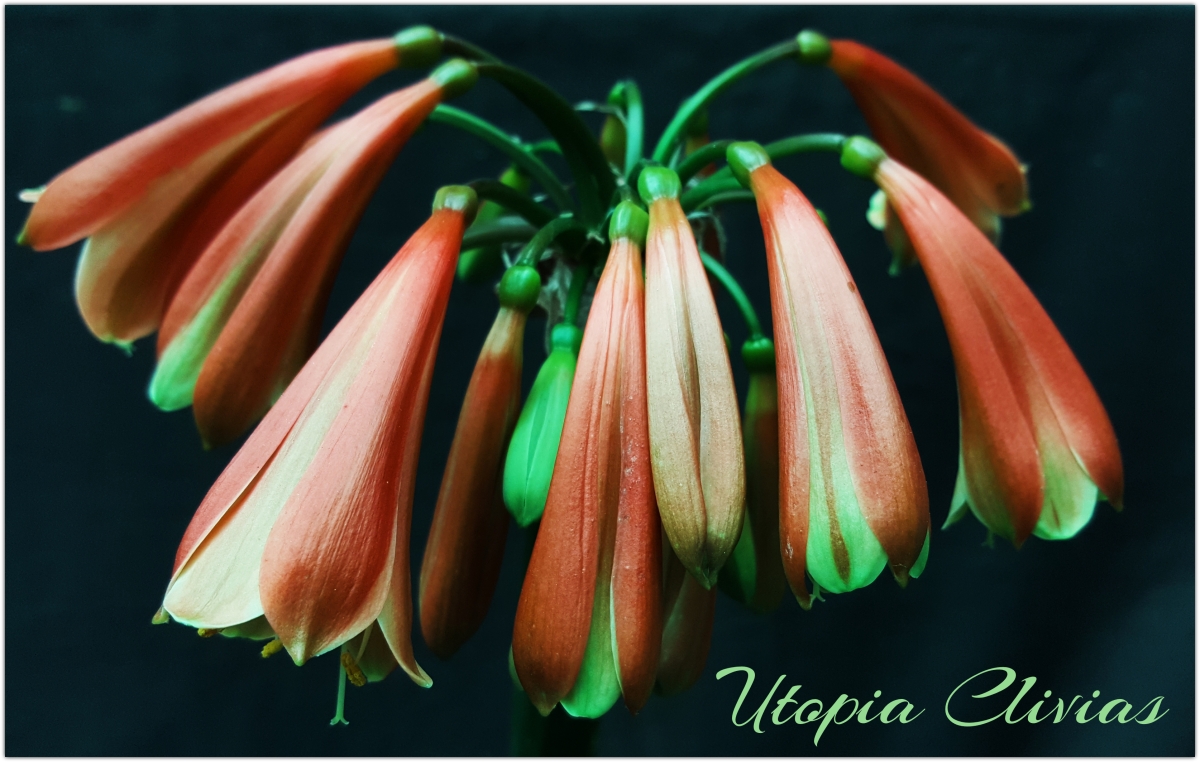
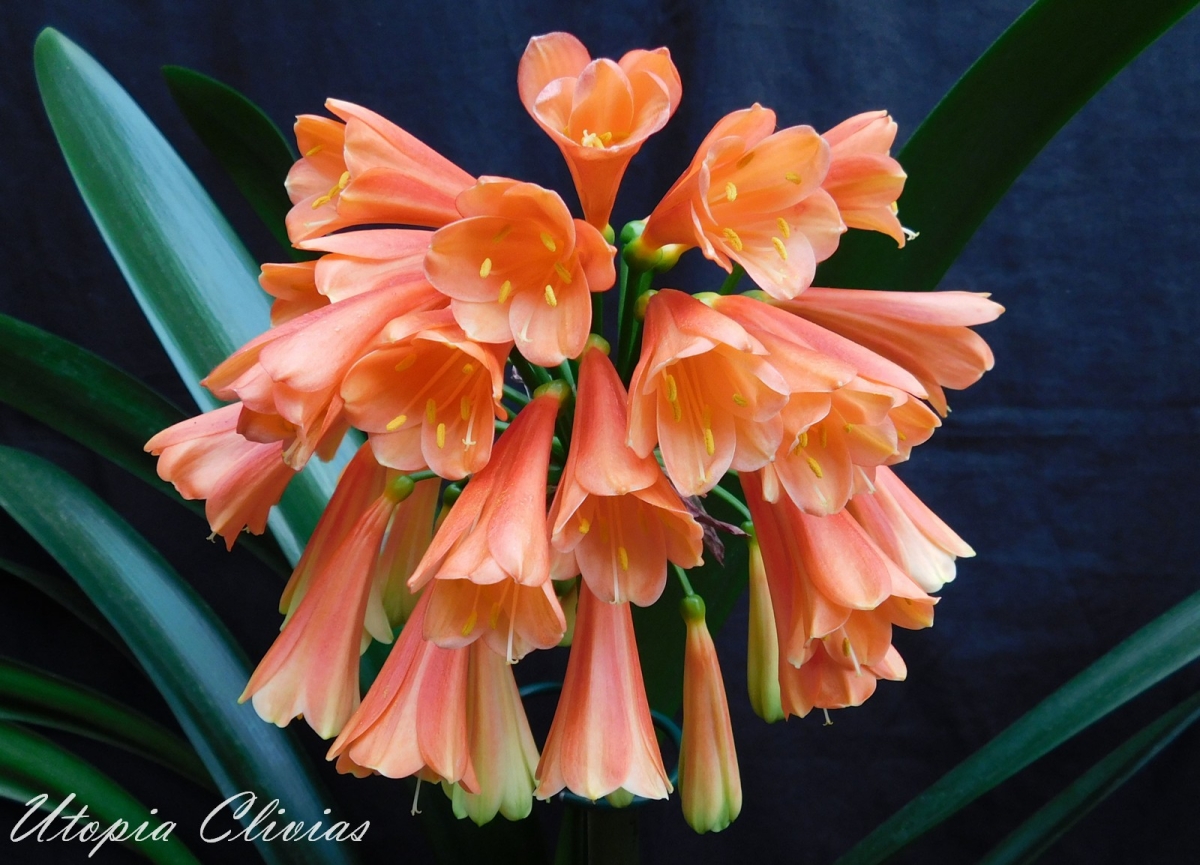
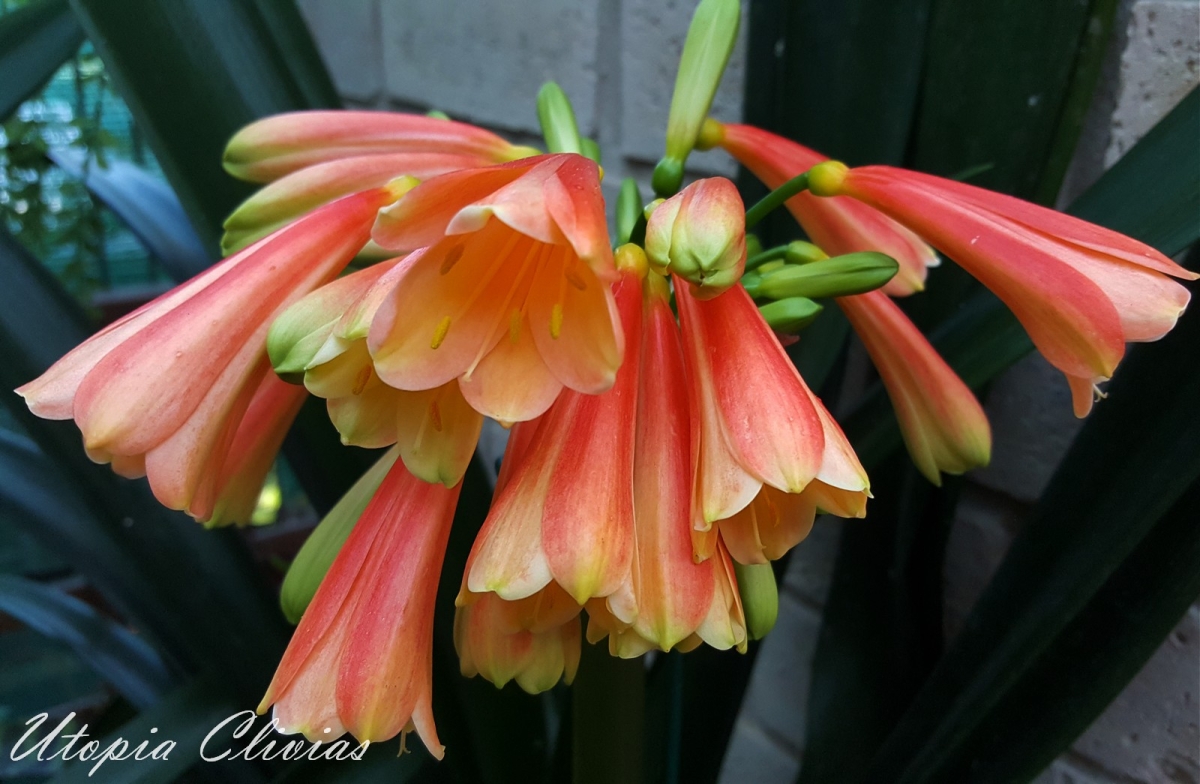
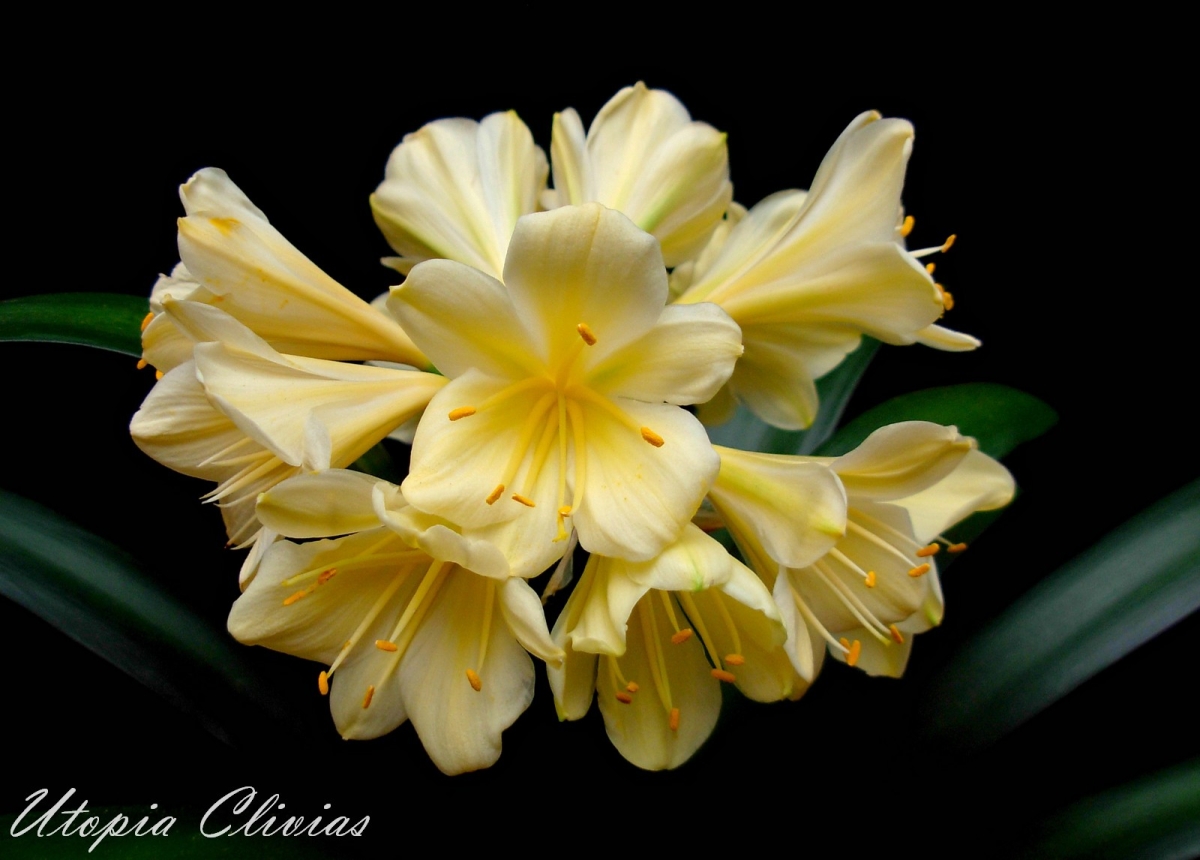
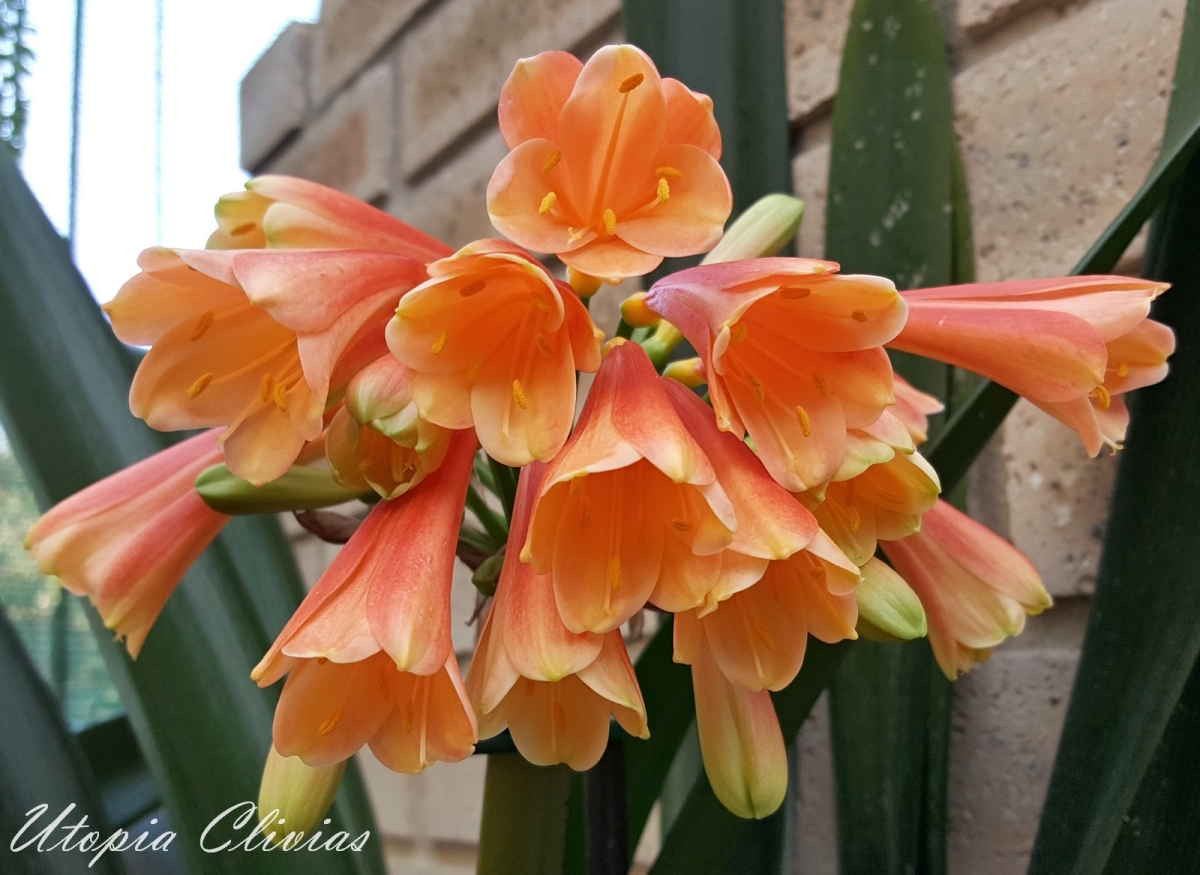
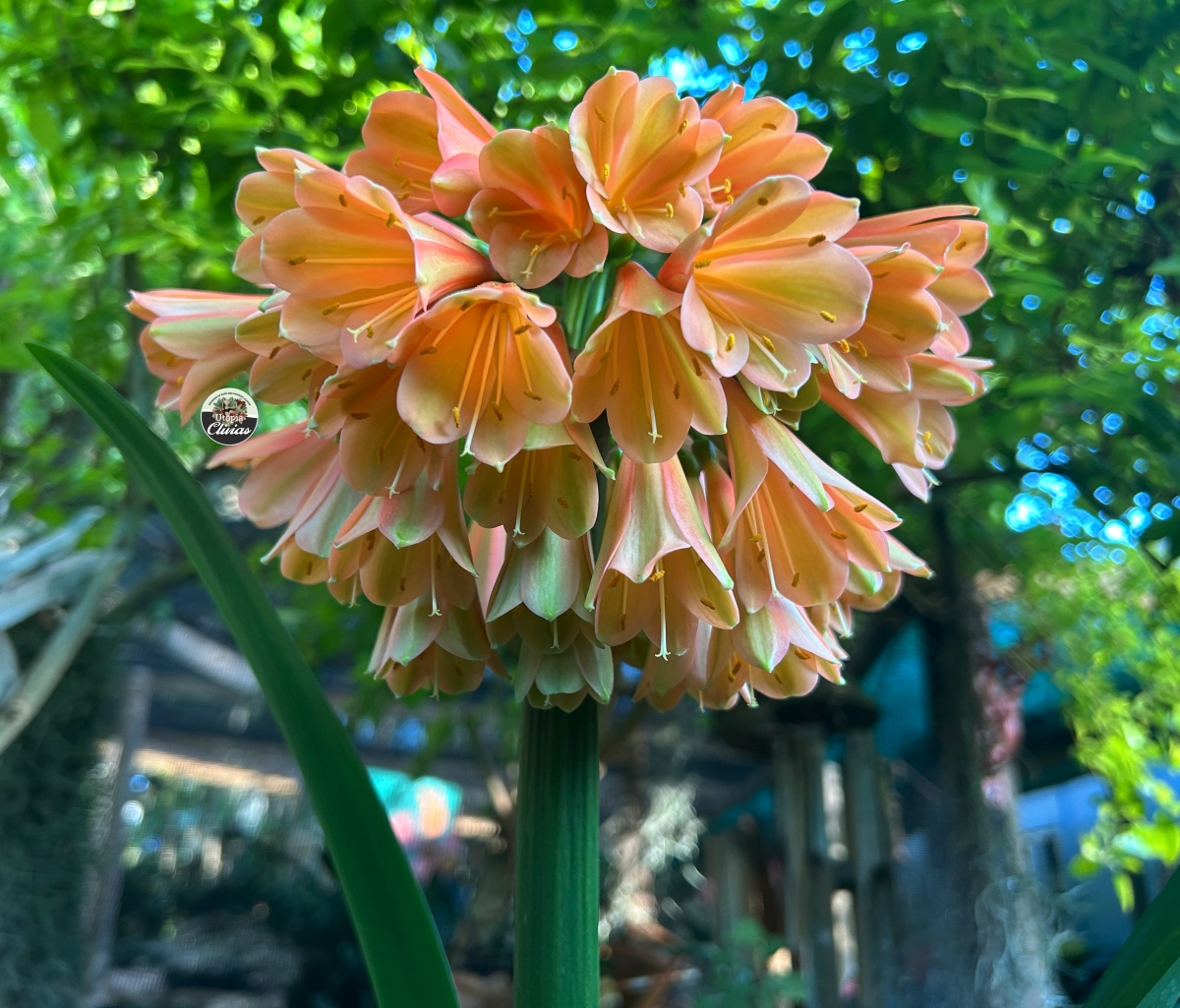
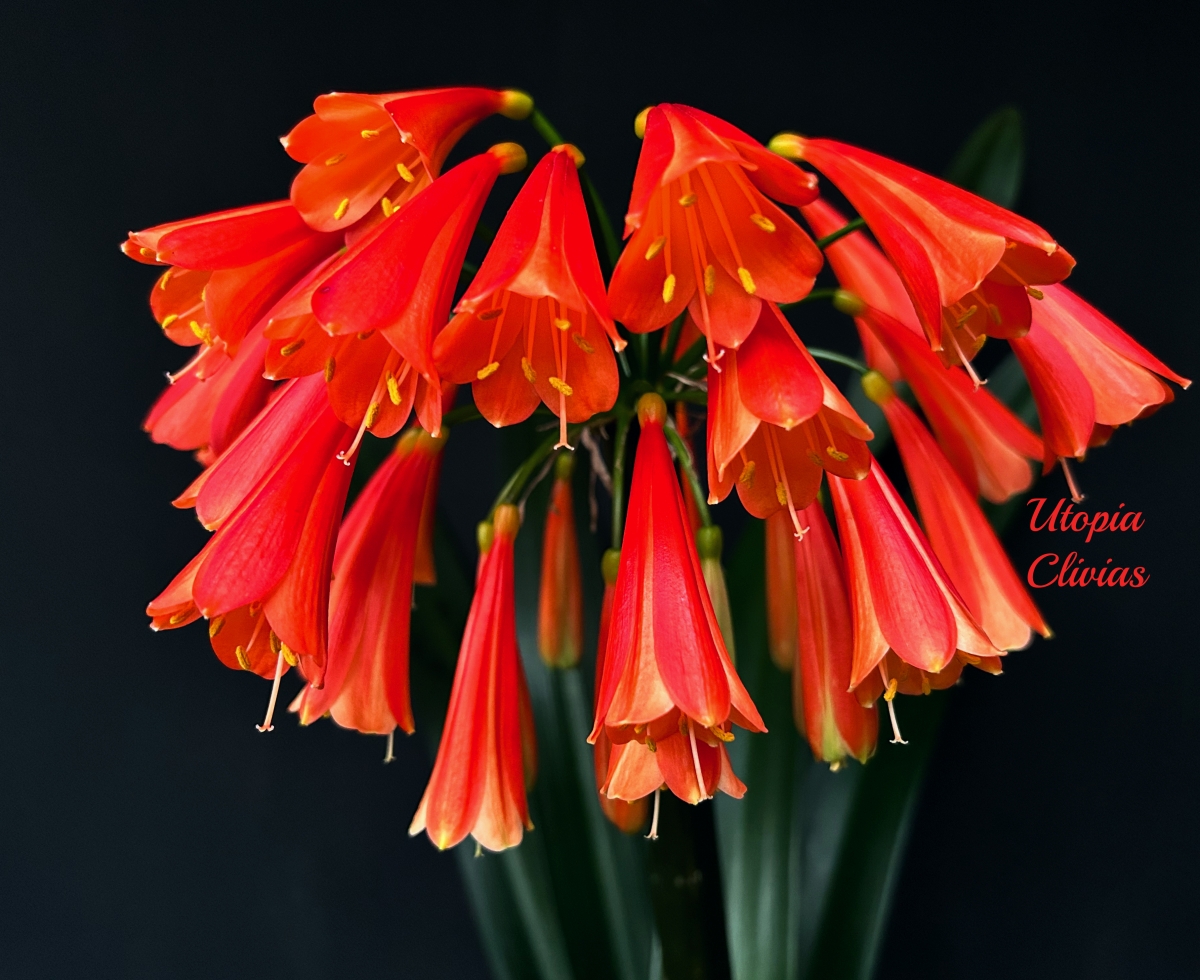
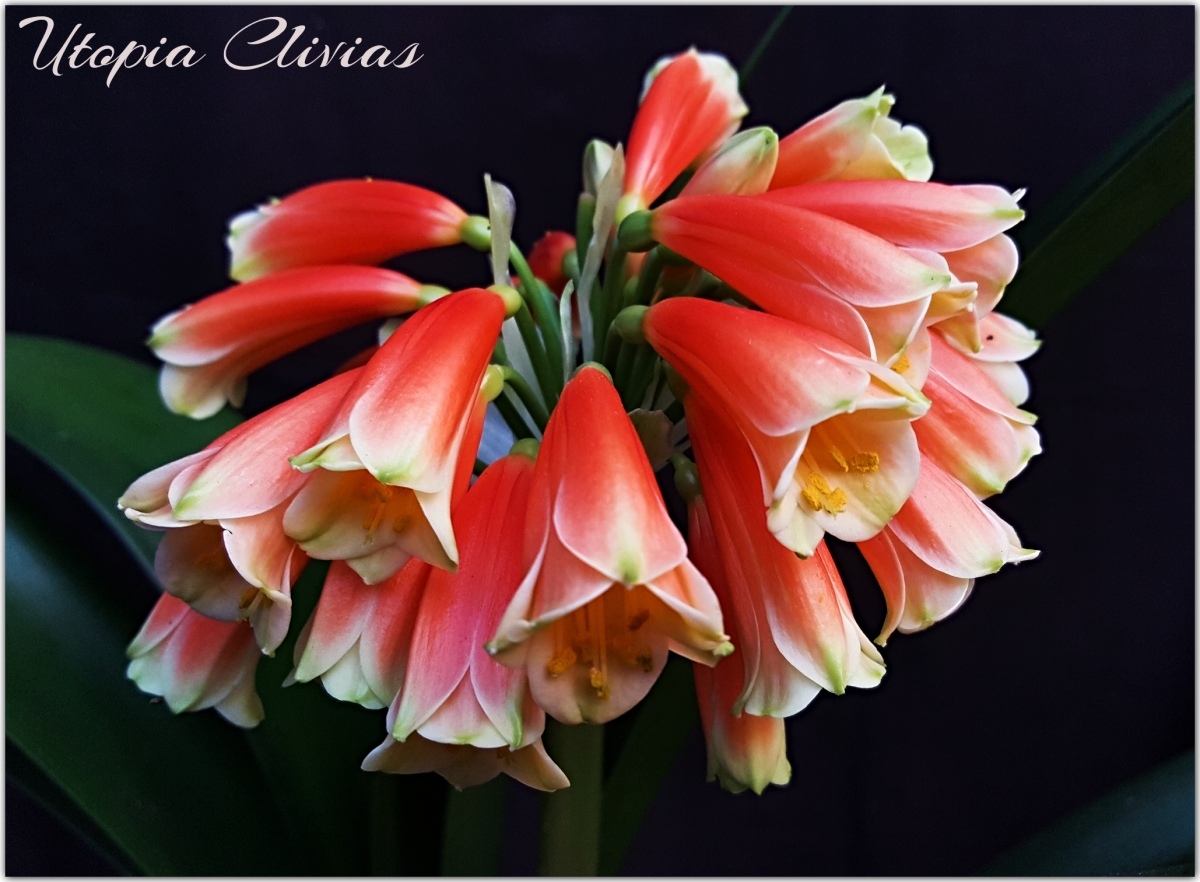
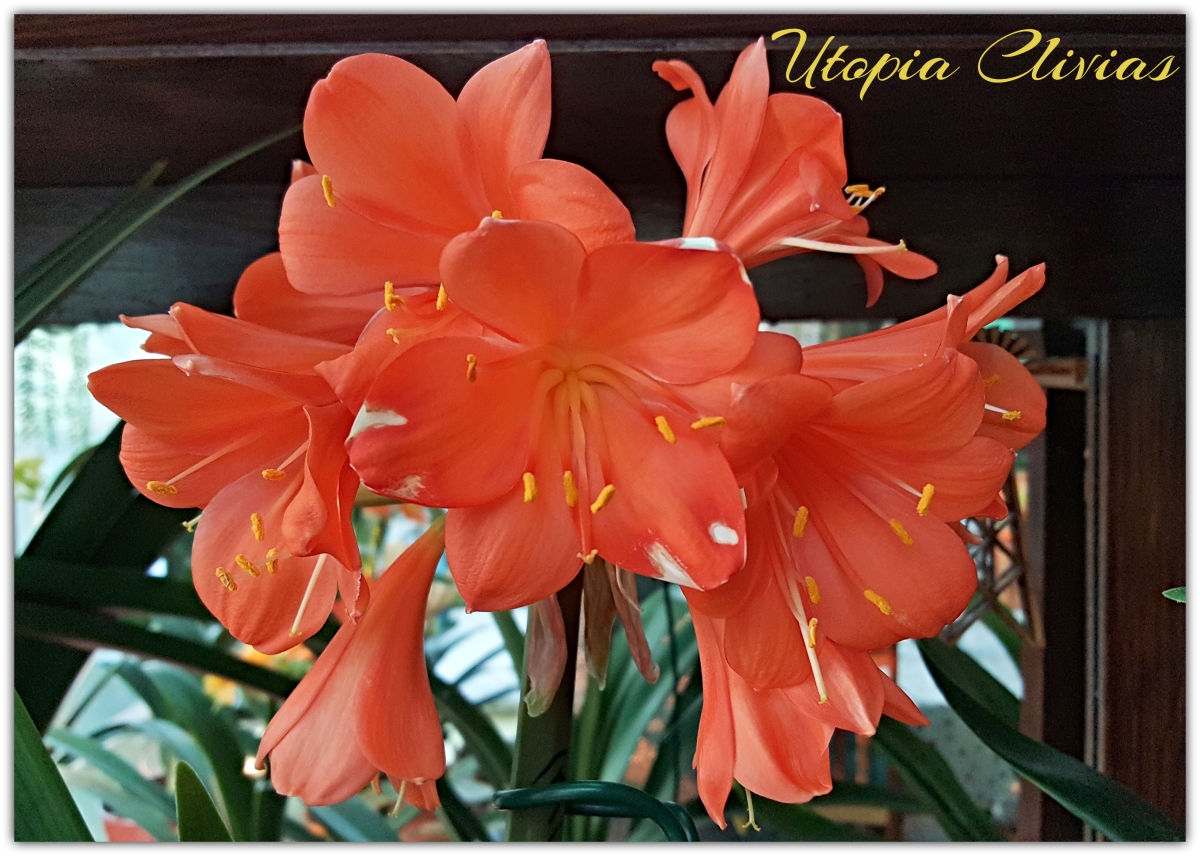
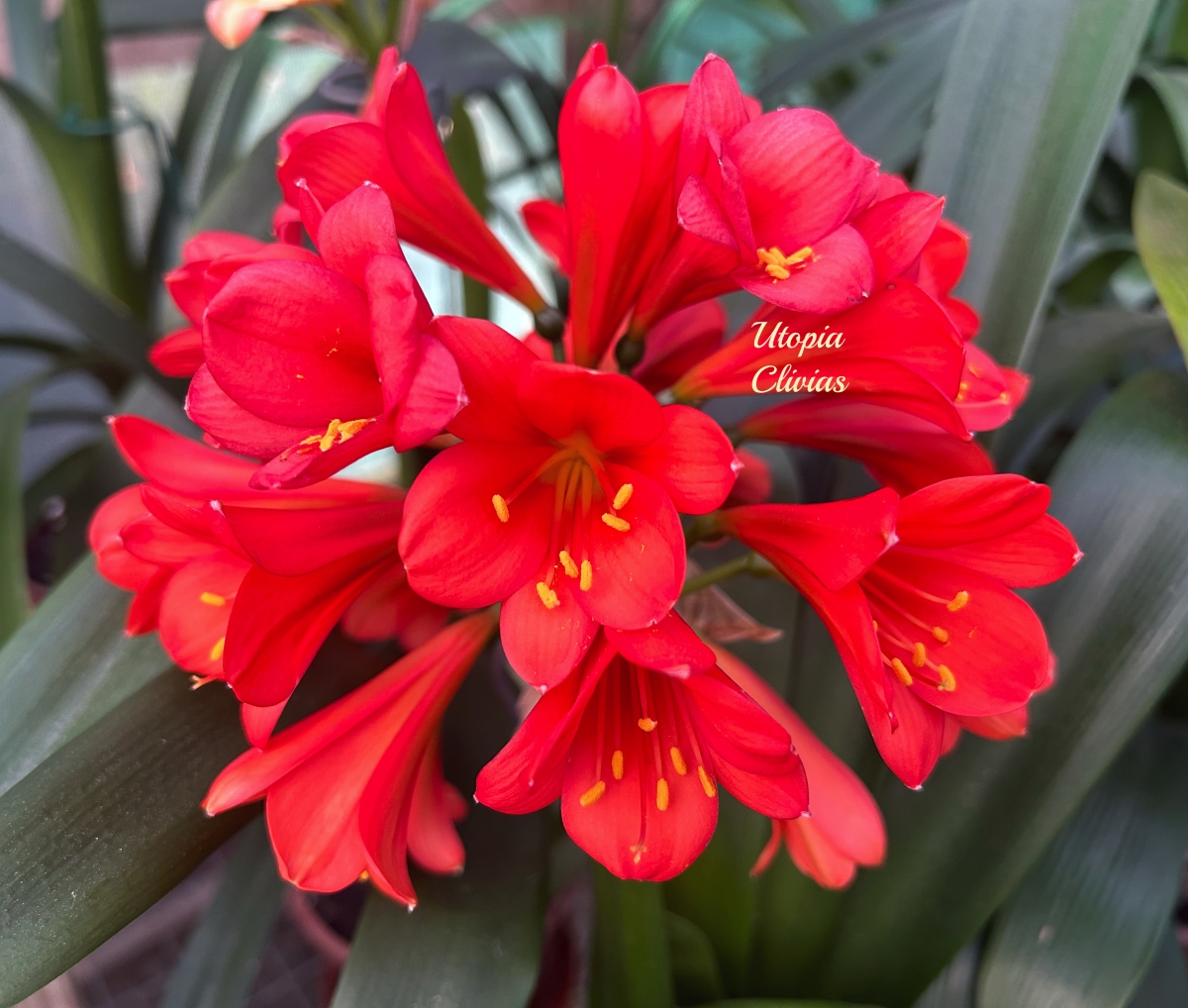
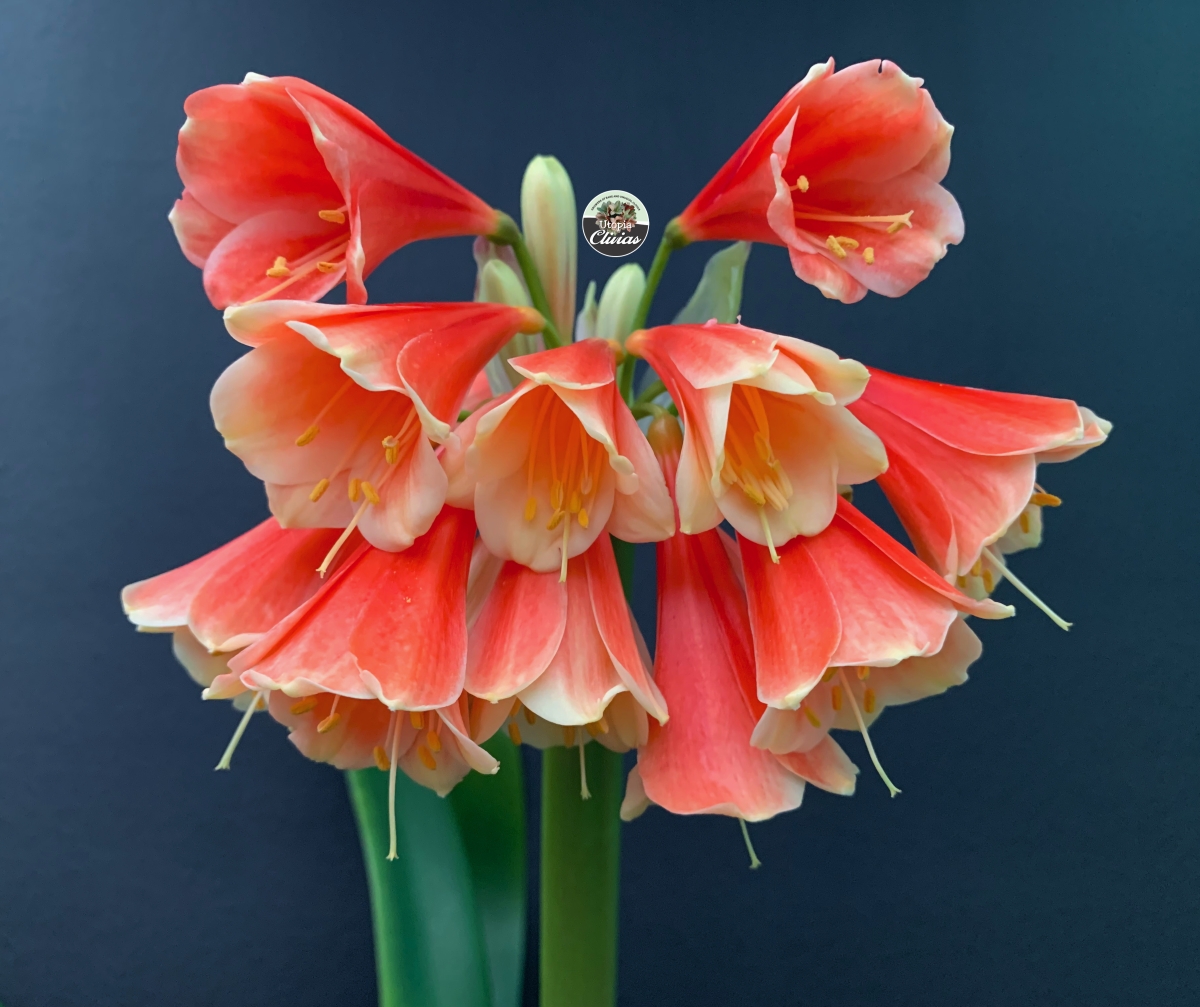
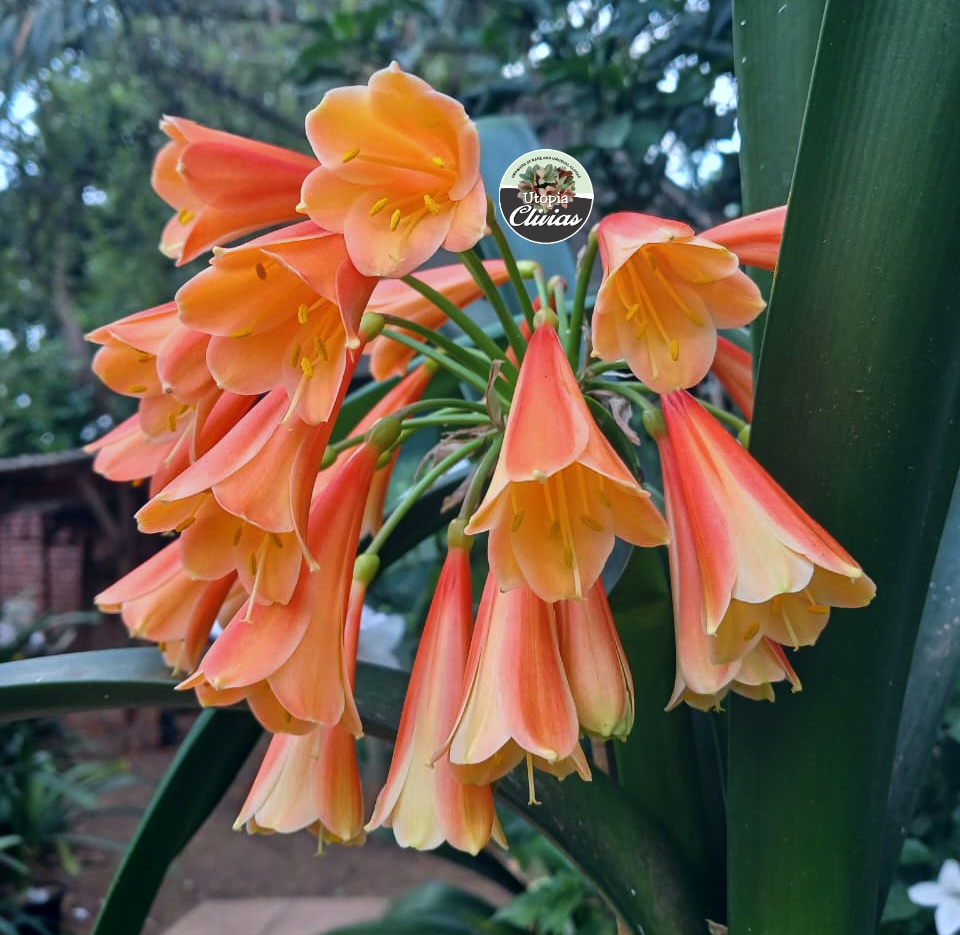
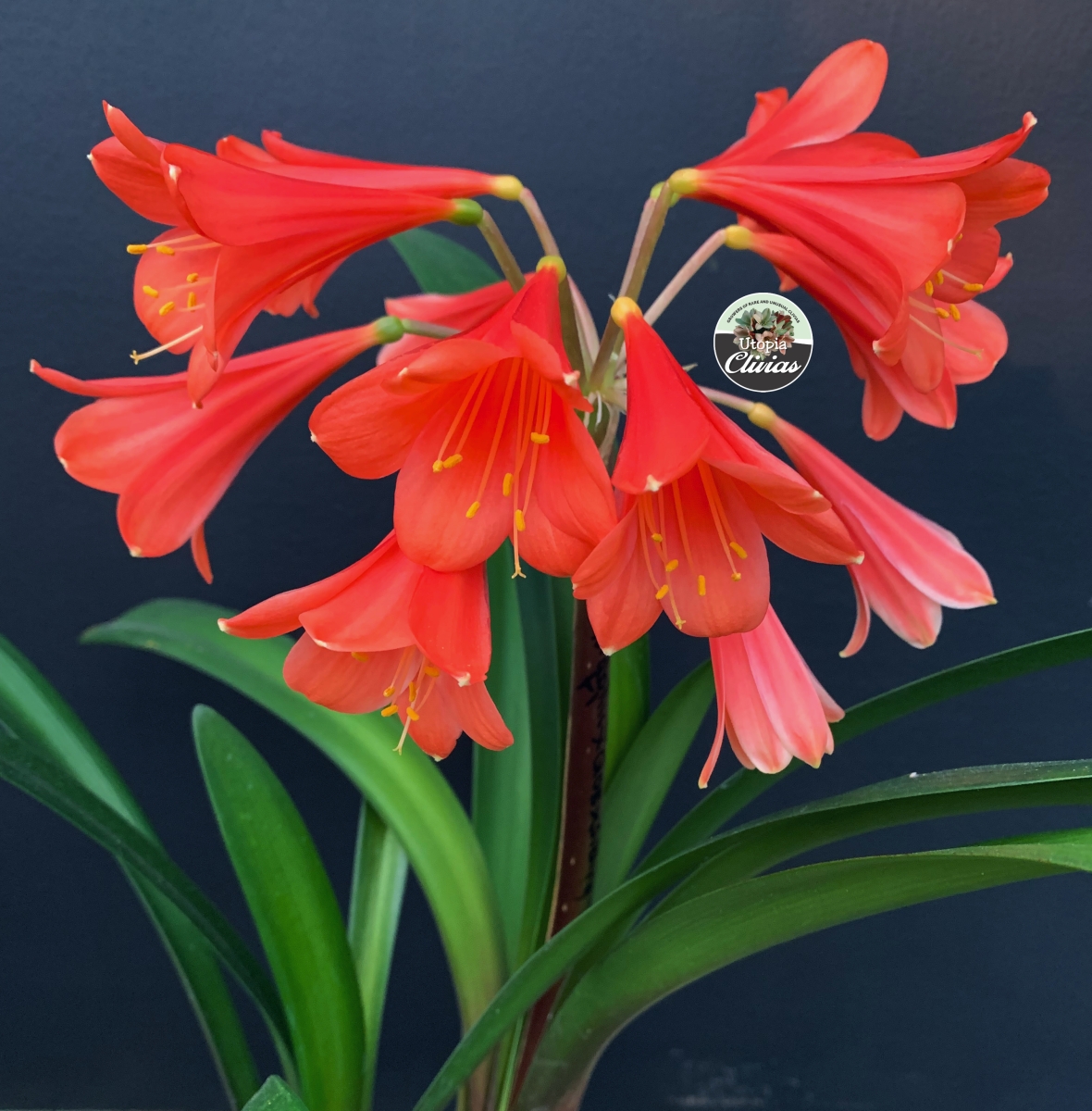
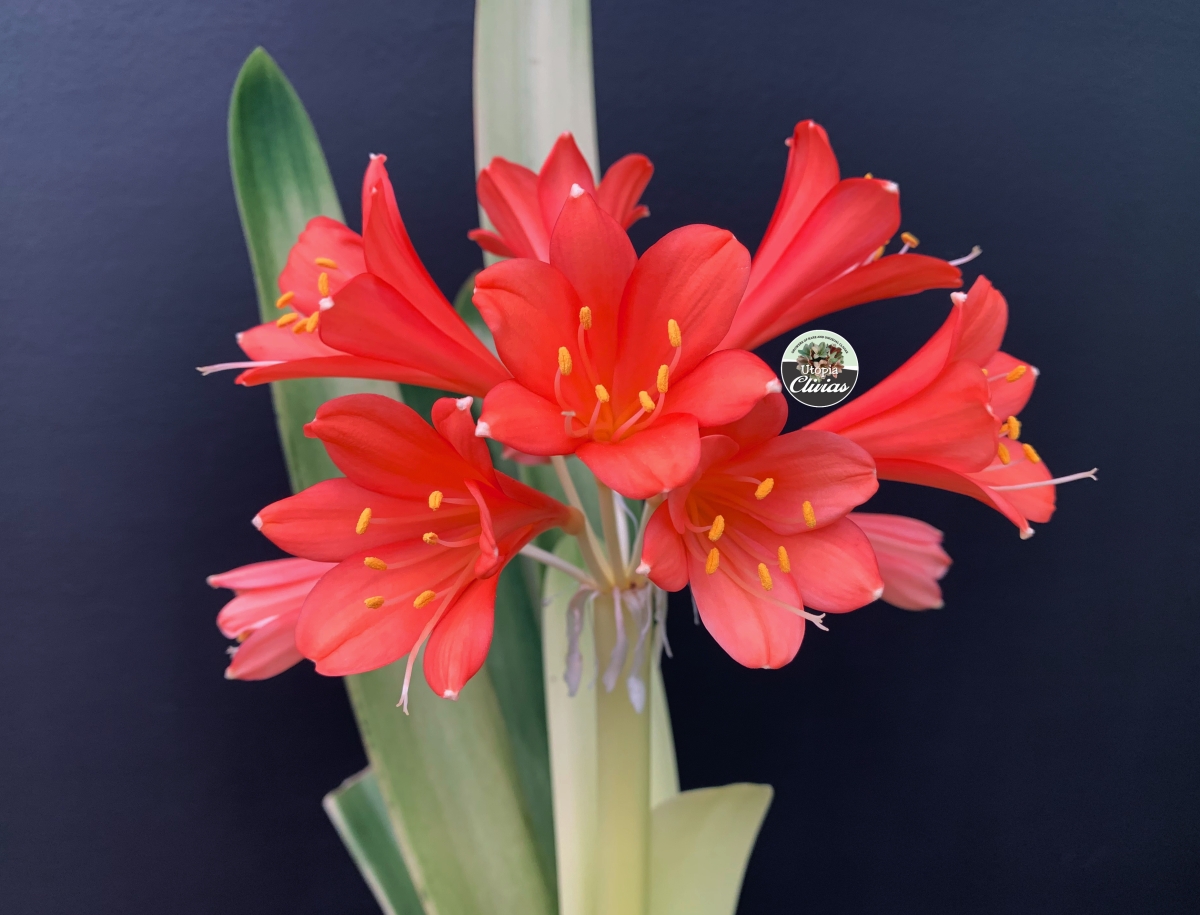
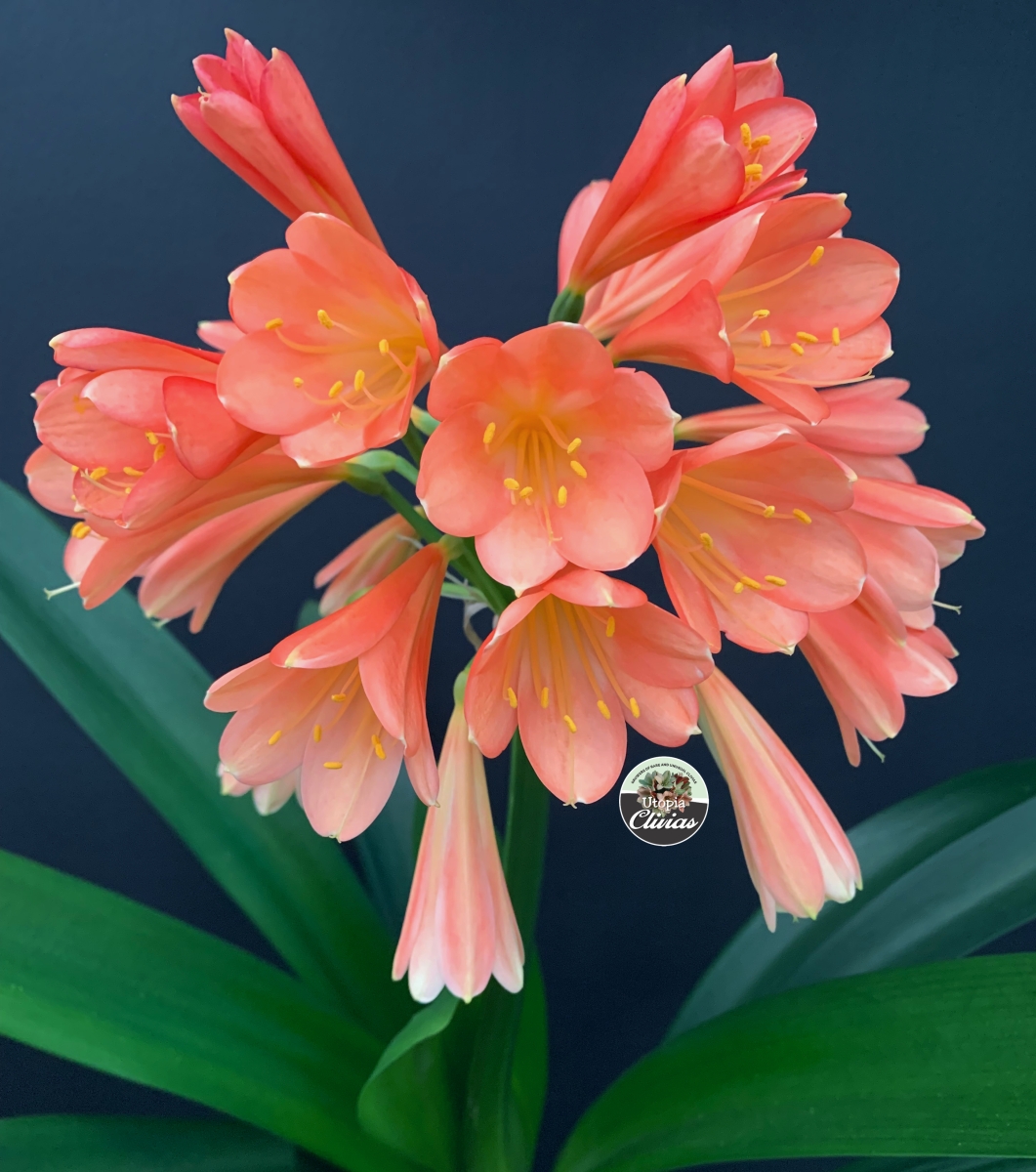
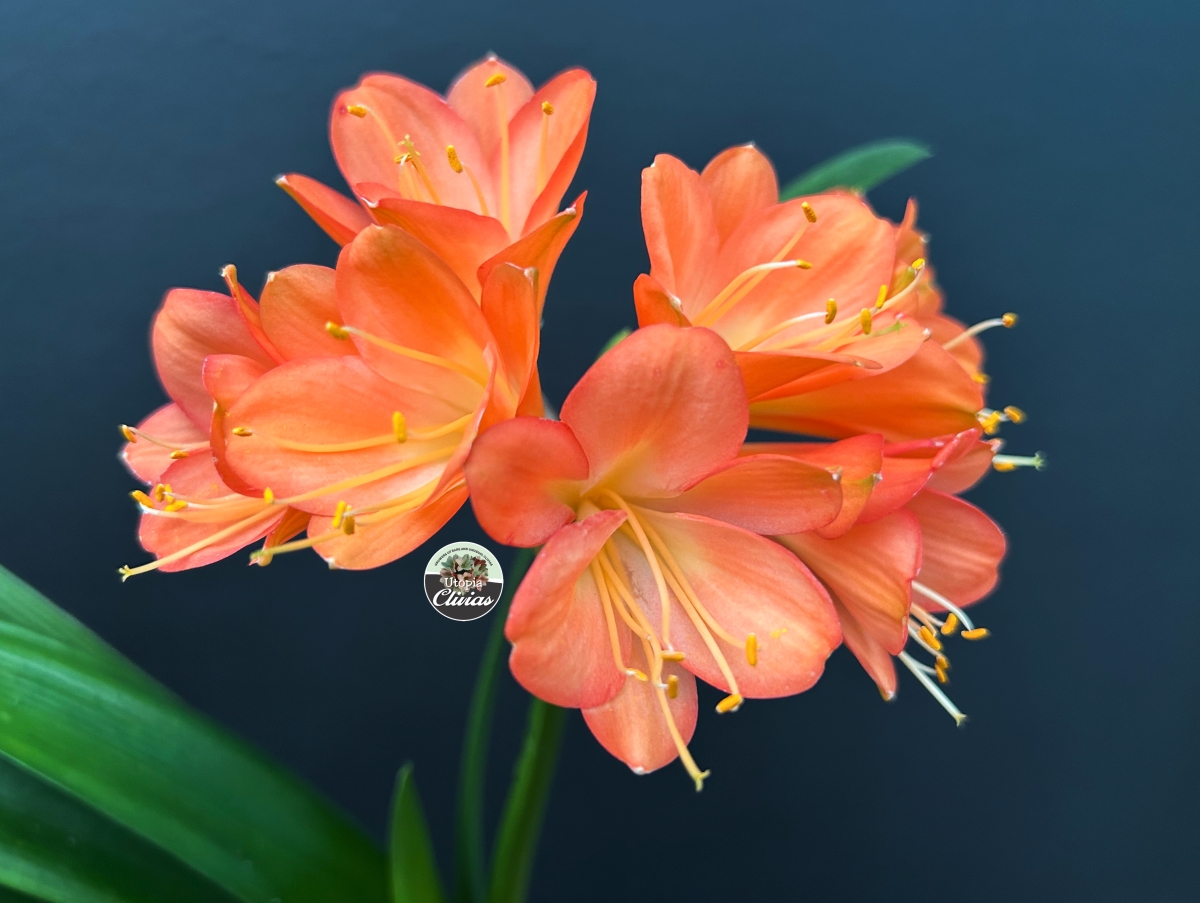
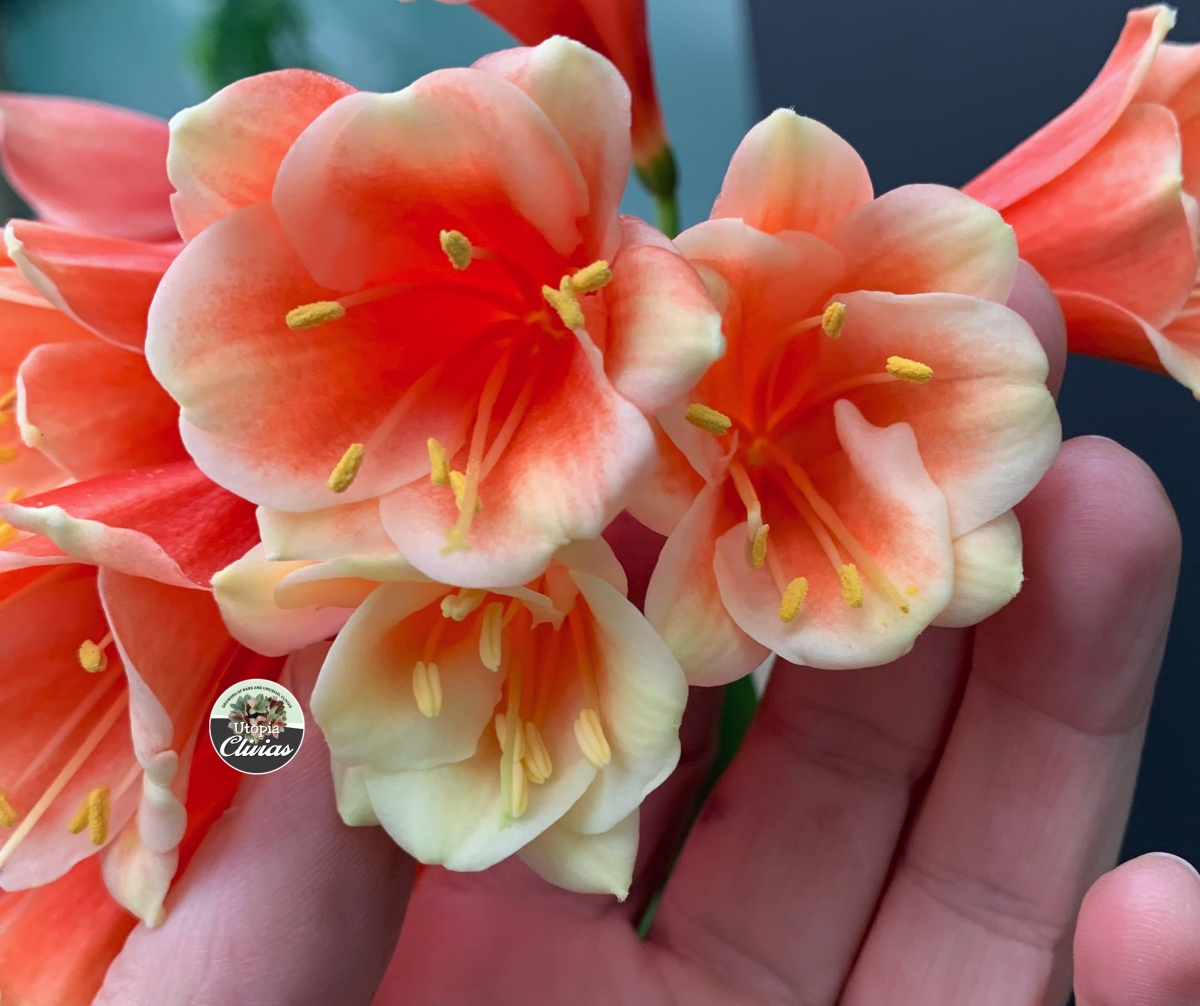
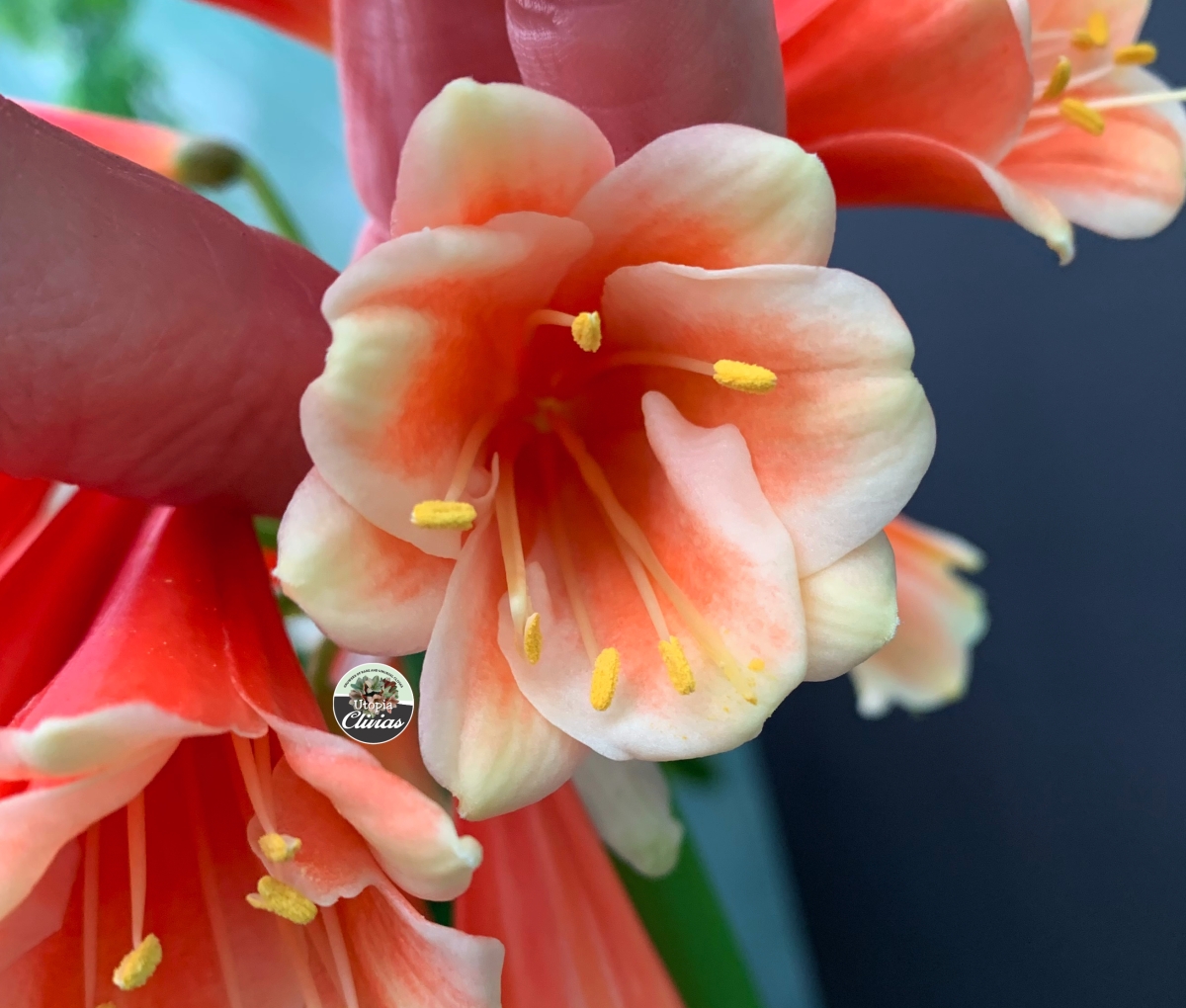
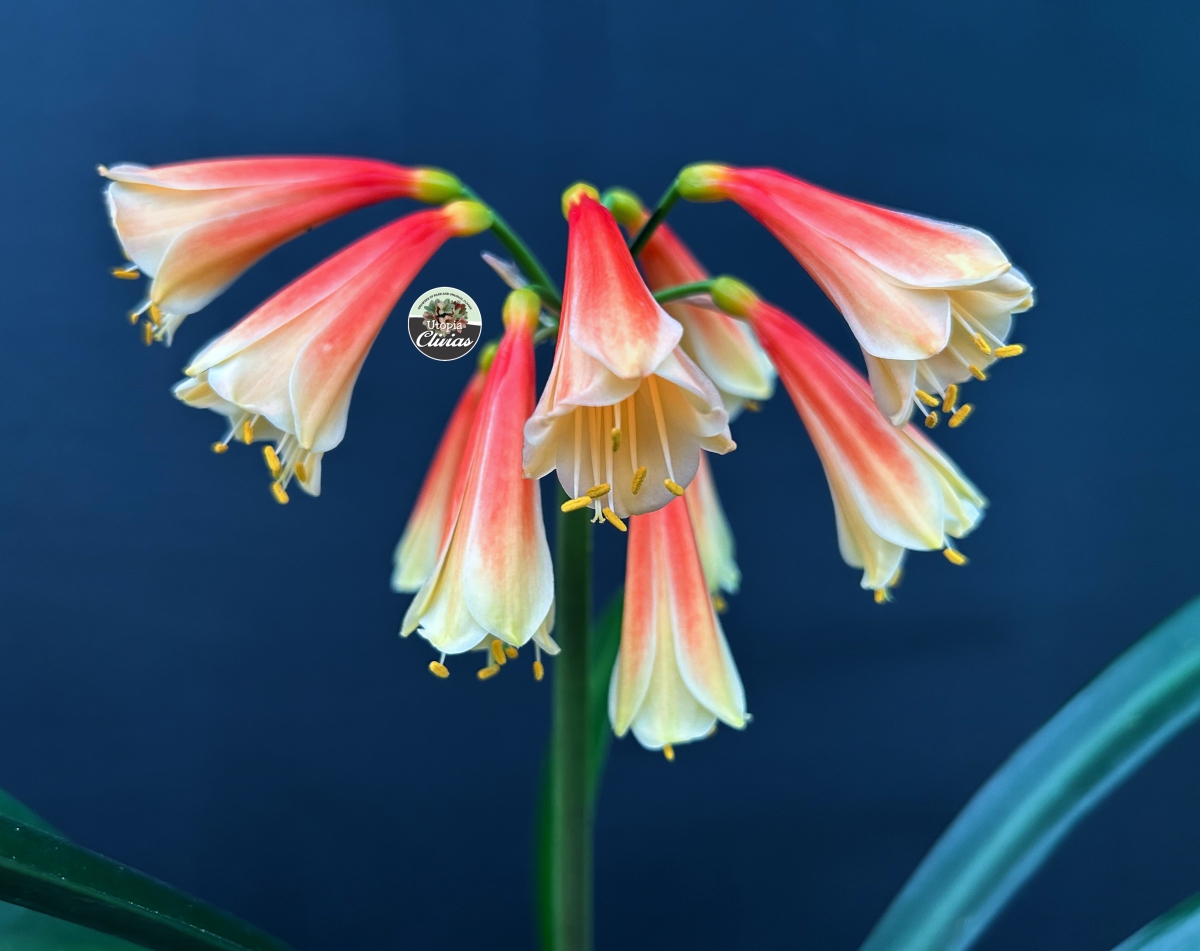
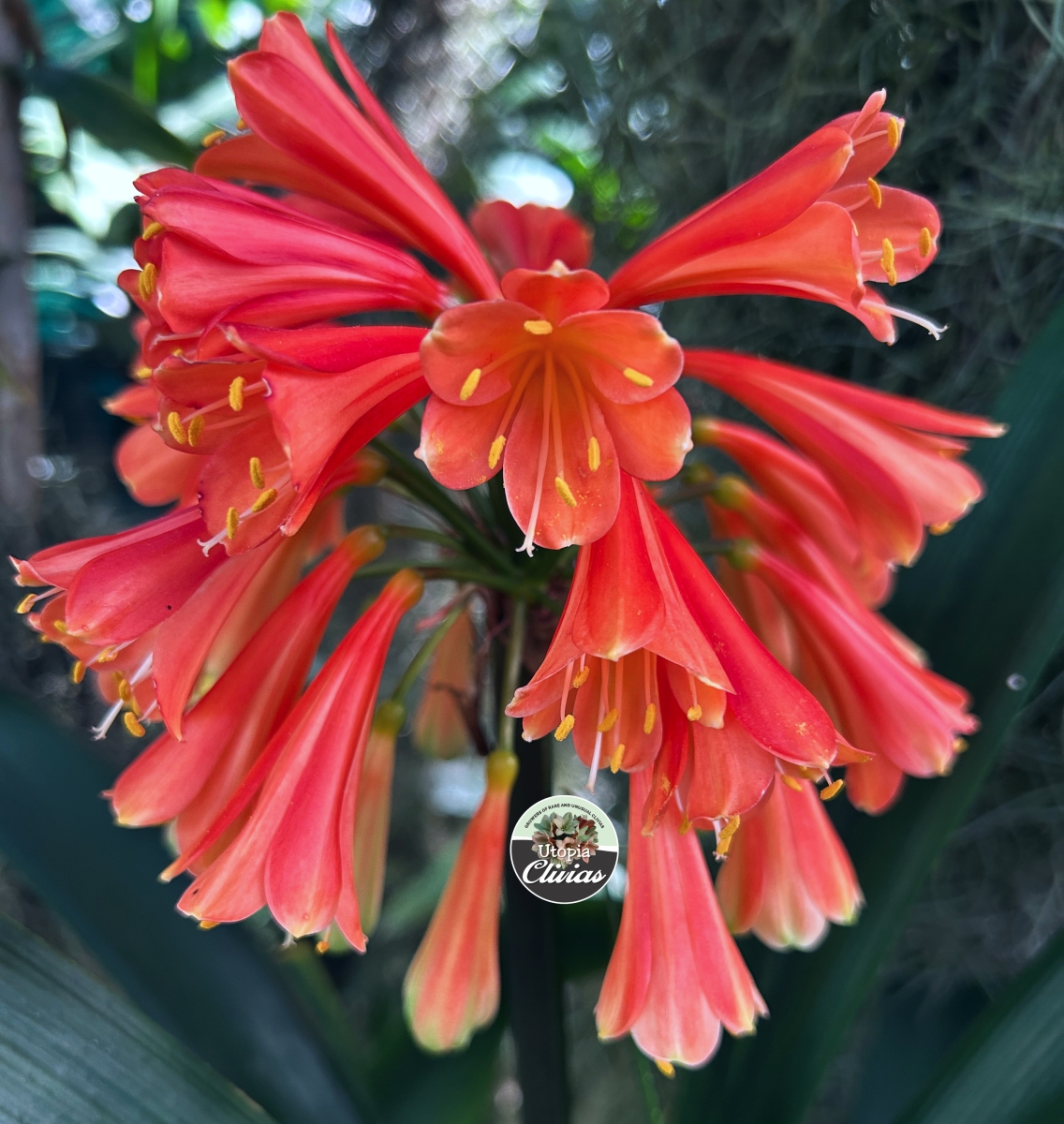
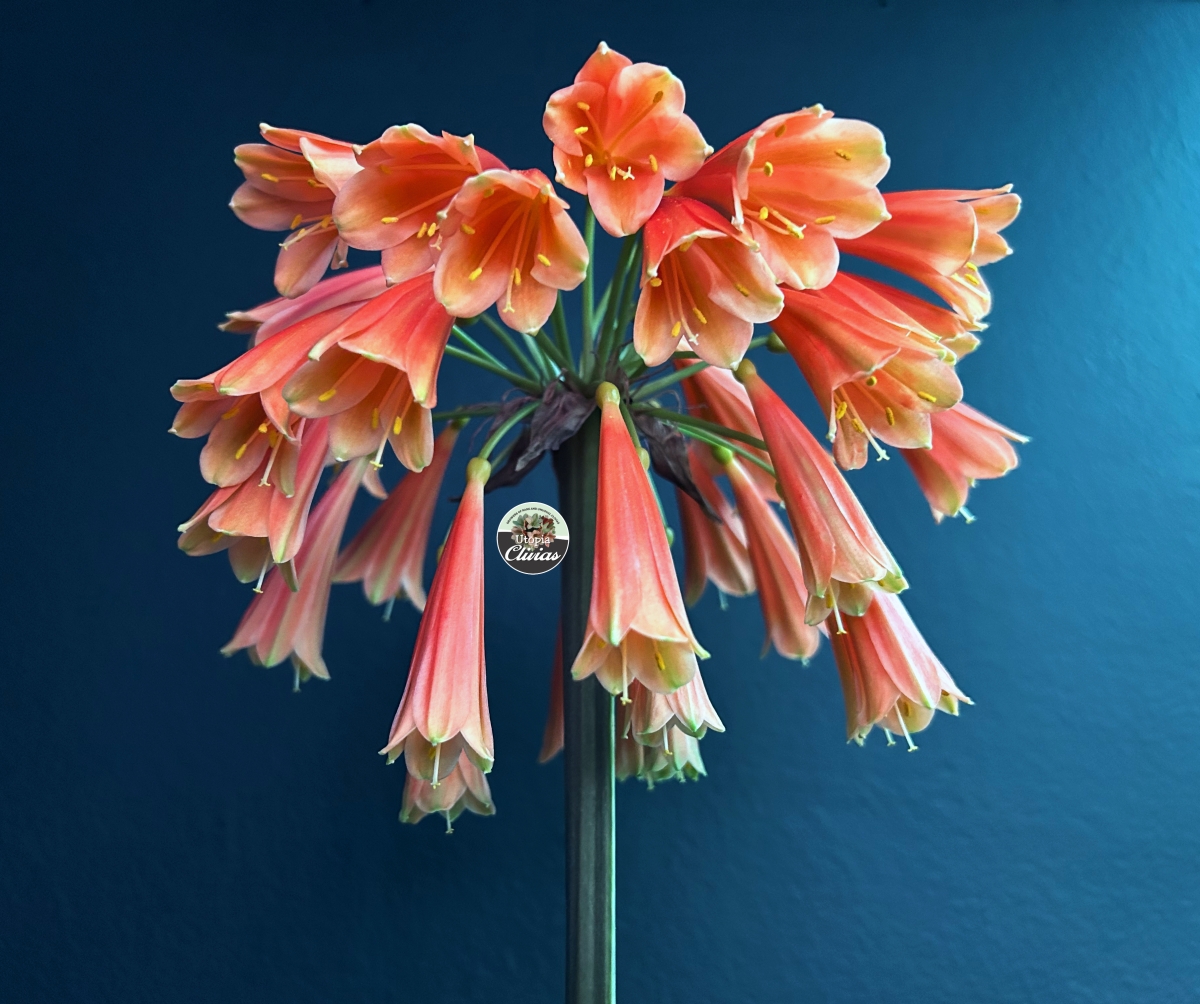
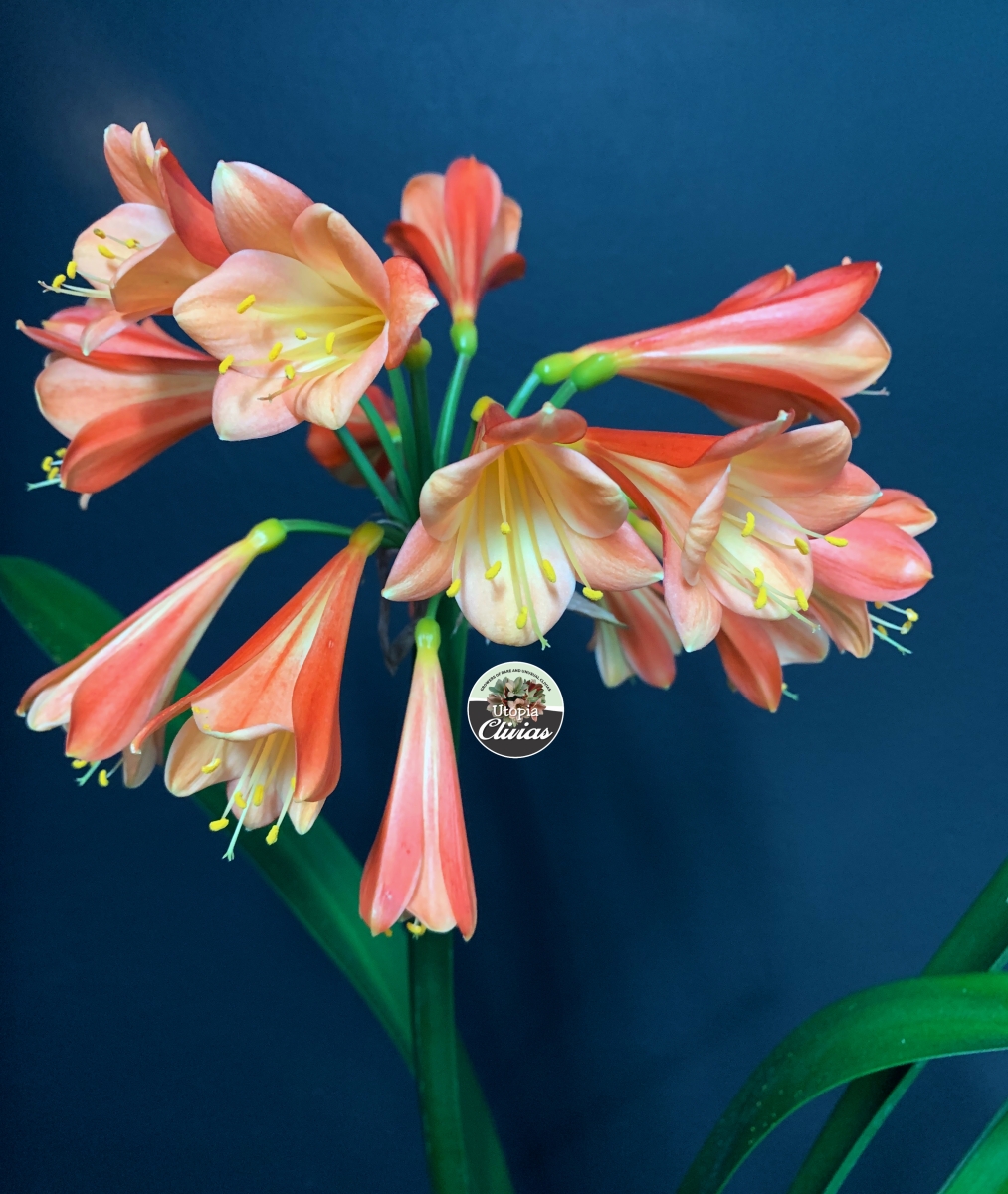
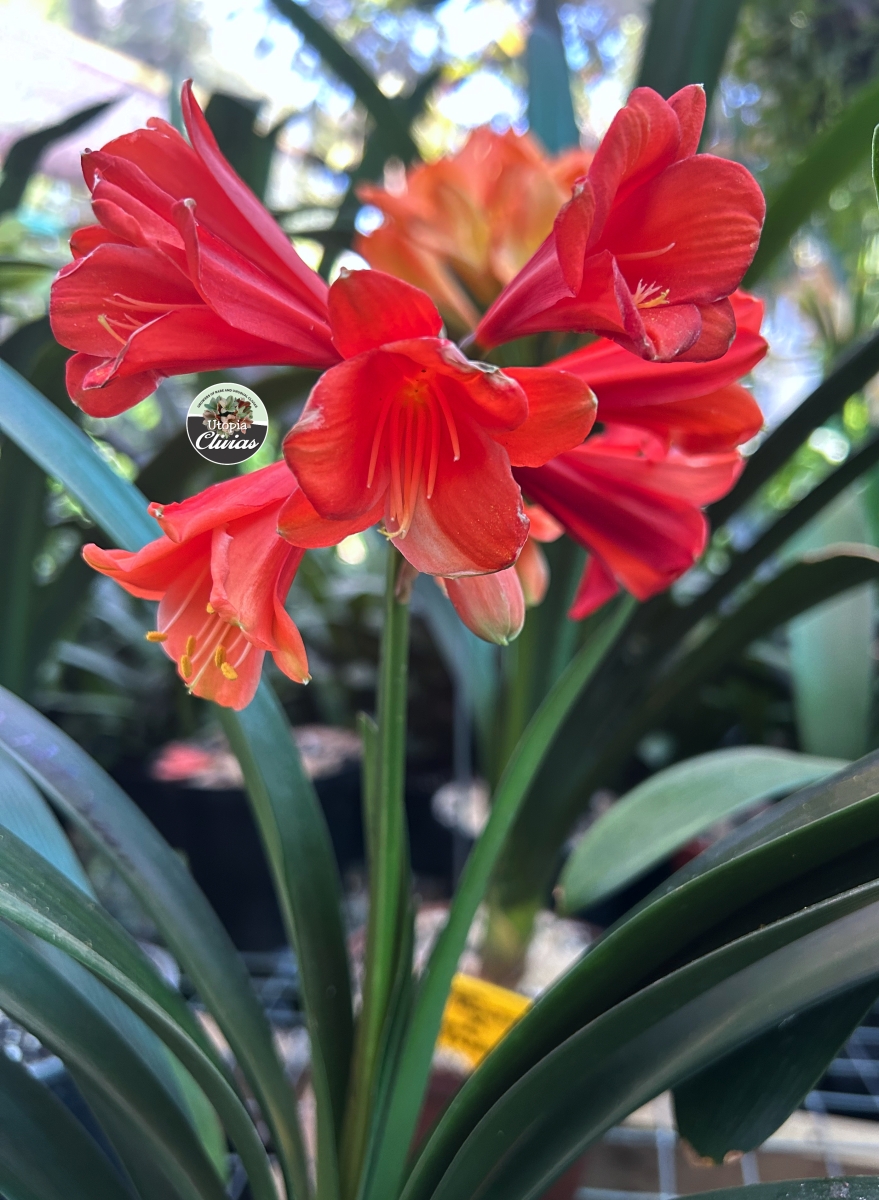
This gallery presents a selection of rare Clivia mirabilis hybrids bred by Utopia Clivias over many years of careful, compliant, and conservation-focused breeding. Often referred to as the “Miracle Clivia,” Clivia mirabilis is one of the most extraordinary and least commonly cultivated species within the genus, valued for its unique genetics and ecological significance.
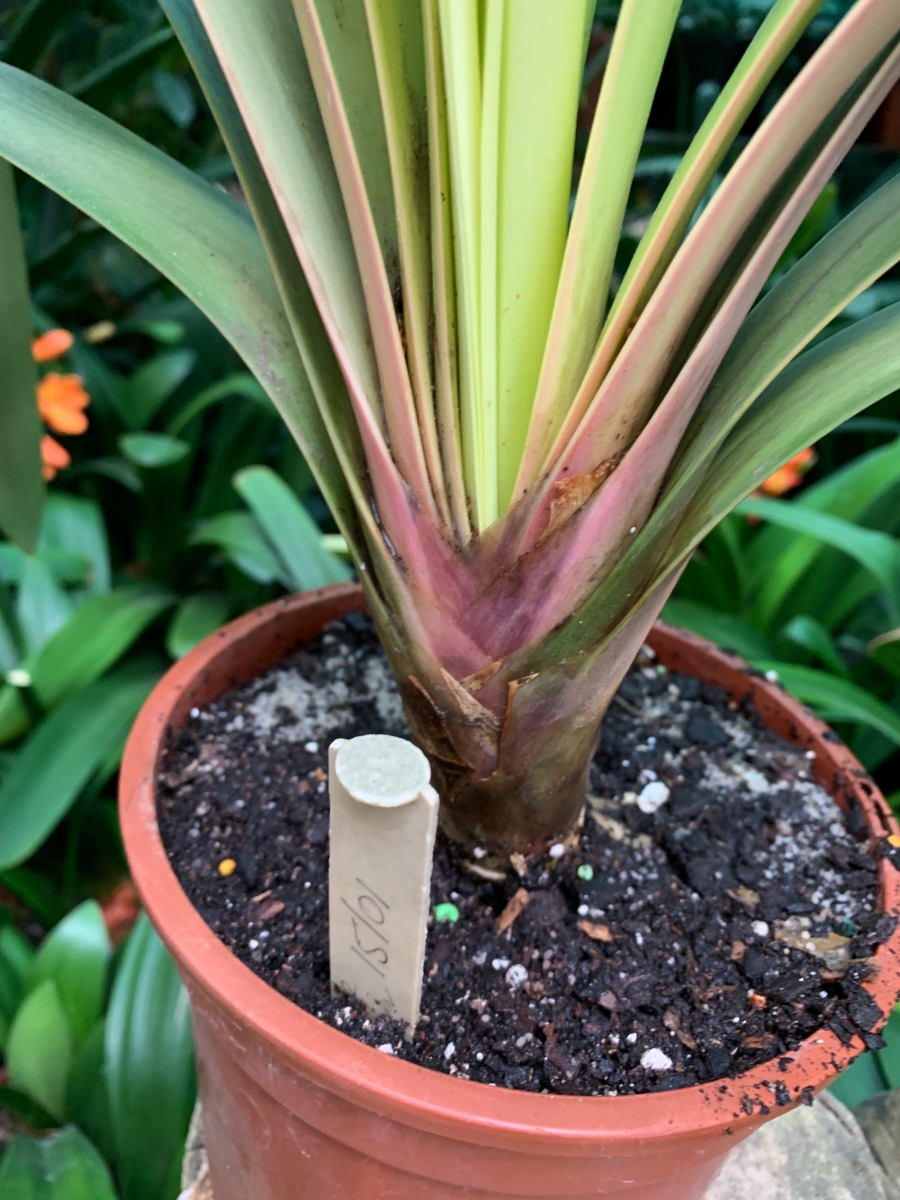
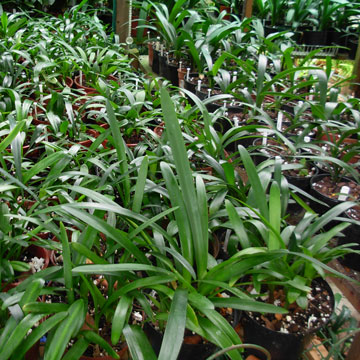
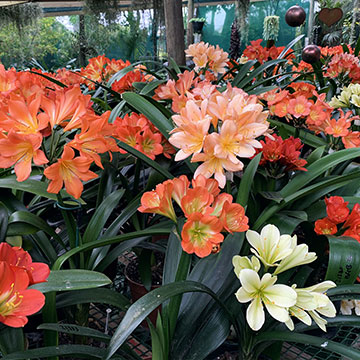
The plants featured here document the progression of our Mirabilis breeding programme, highlighting variation in growth habit, plant structure, and floral expression achieved through disciplined hybridisation and long-term evaluation. Each specimen represents a deliberate breeding decision made with genetic integrity, stability, and horticultural quality as primary objectives.
Why the “Miracle Clivia” Is So Unique
Endemic to a very limited region of South Africa, Clivia mirabilis is uniquely adapted to dry, winter-rainfall conditions—unlike any other Clivia species. Its seasonal growth cycle, drought tolerance, and distinct physiological traits set it apart botanically.
When incorporated into hybrid breeding, Clivia mirabilis introduces rare genetic influences that can affect plant architecture, growth rhythm, and overall expression. These traits require patience and multi-generation assessment, making Mirabilis hybrids both uncommon and highly specialised.
Rare Genetics, Responsible Breeding
Compliance & Legal Disclaimer
All Mirabilis hybrids shown in this gallery have been bred under strict legal authorisation. Utopia Clivias is fully licensed by Cape Nature to breed and sell Clivia mirabilis hybrids. No wild-collected plants are used at any stage of our breeding programme; all parent material originates from legally acquired, compliant sources maintained under controlled cultivation.
This gallery exists not only to showcase rare breeding achievements, but also to promote ethical horticulture and conservation through responsible propagation.
For Collectors & International Visitors
Due to the protected status of Clivia mirabilis, availability and movement of these hybrids may be subject to national and international regulations. Export permissions, phytosanitary requirements, and import rules vary by country. Prospective collectors are encouraged to ensure compliance with local regulations before making enquiries.