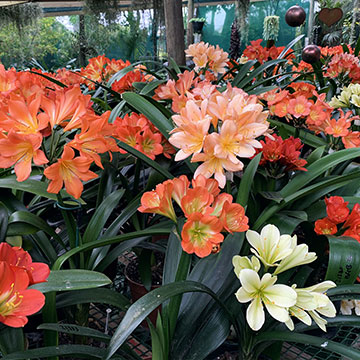
Robusta, My Favourite Autumn Flower
By Carrie Krüger – Utopia Clivias
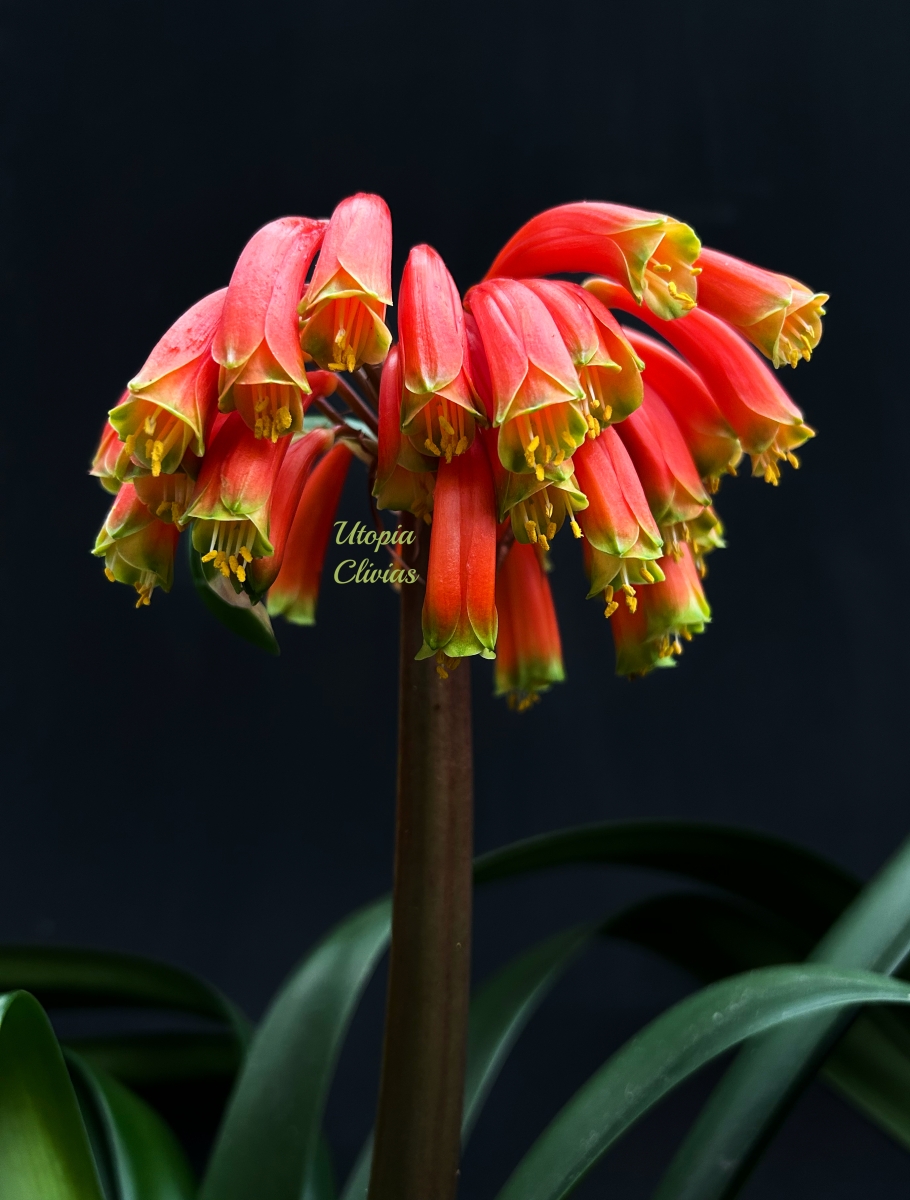
Autumn has always held a special place in my heart. The crisp, fresh breeze after the long heat of summer, the warm earthy tones of falling leaves—and of course, the joy of seeing my Clivia robusta plants come into bloom.
These striking autumn bloomers have not only become one of my favourite species to grow, but also an essential part of my breeding programme at Utopia Clivias.
🌿 A Humble Beginning
My journey with robusta began somewhat unexpectedly in 2004, when I purchased a batch of plants from a local wholesale nursery. The labels read Clivia nobilis ( ? ), and they were intended for a landscaping project. But as soon as I saw them, I knew they weren’t nobilis. Their leaf shape, plant size, and general structure told a different story—something bigger, bolder.
Curious, I held off planting them and waited for them to flower. When they did, I was hooked.
🔍 Discovering the Species
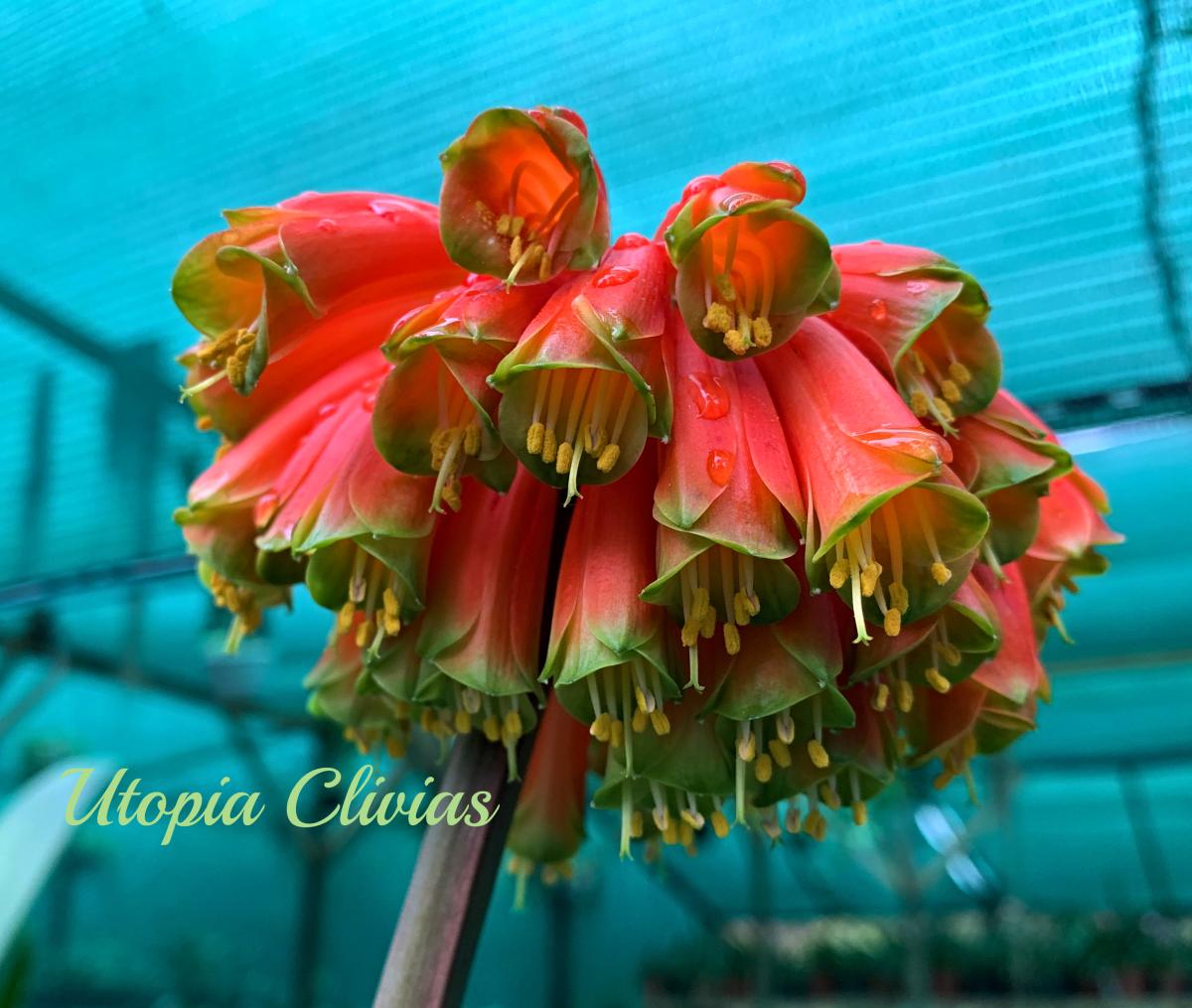
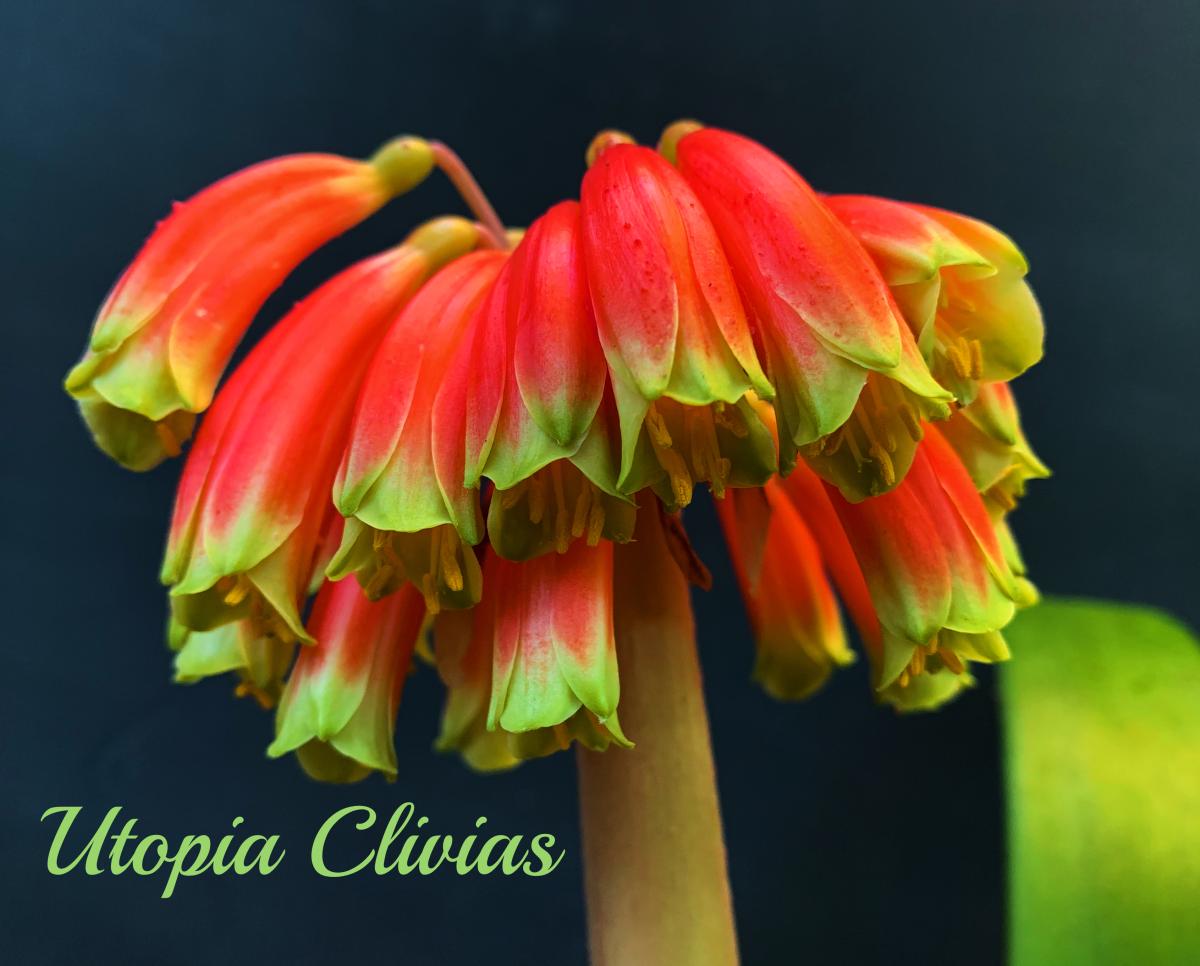
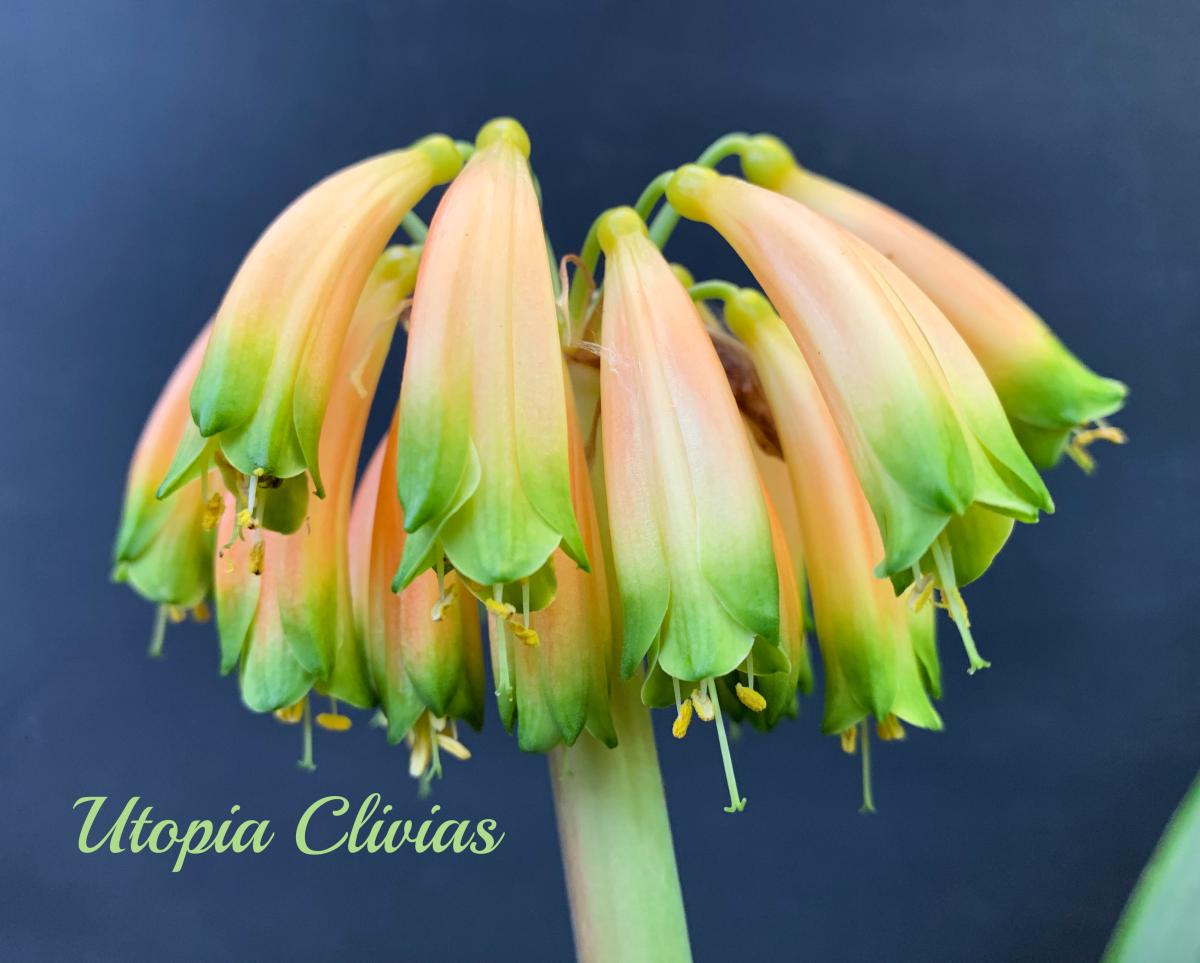
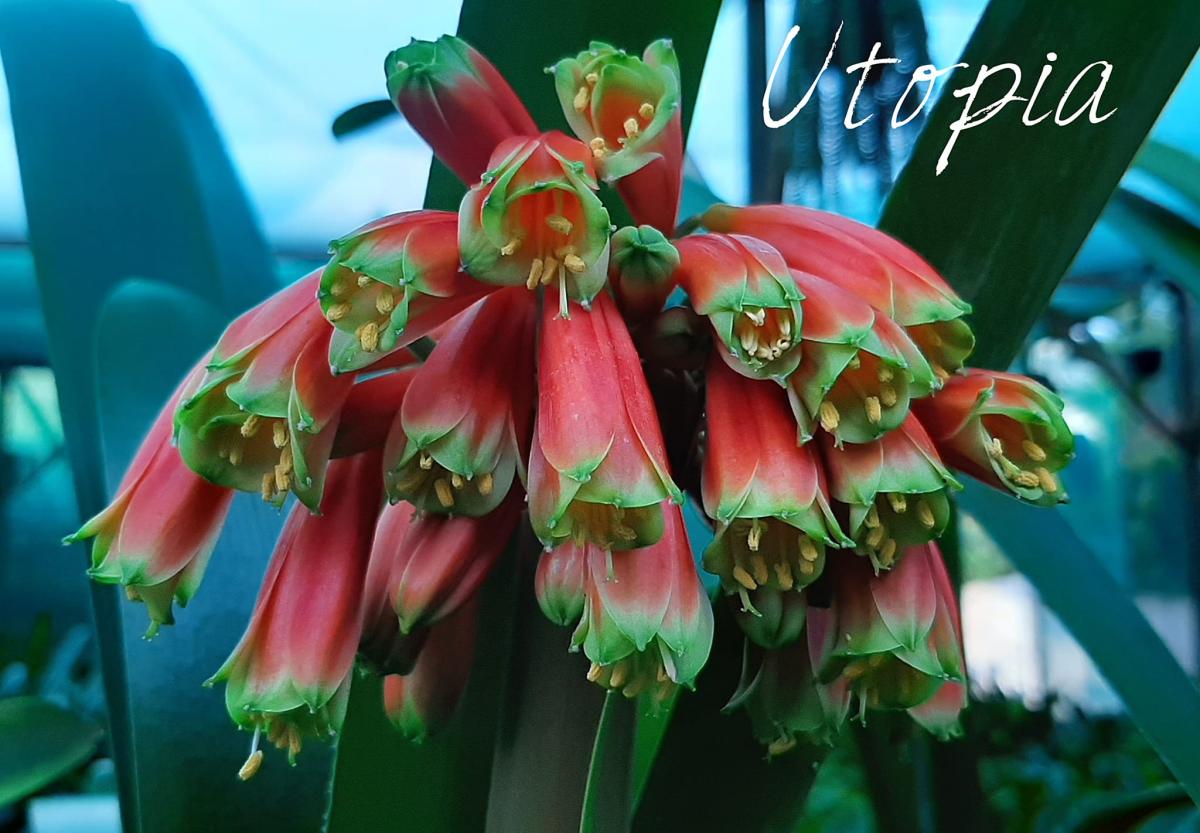
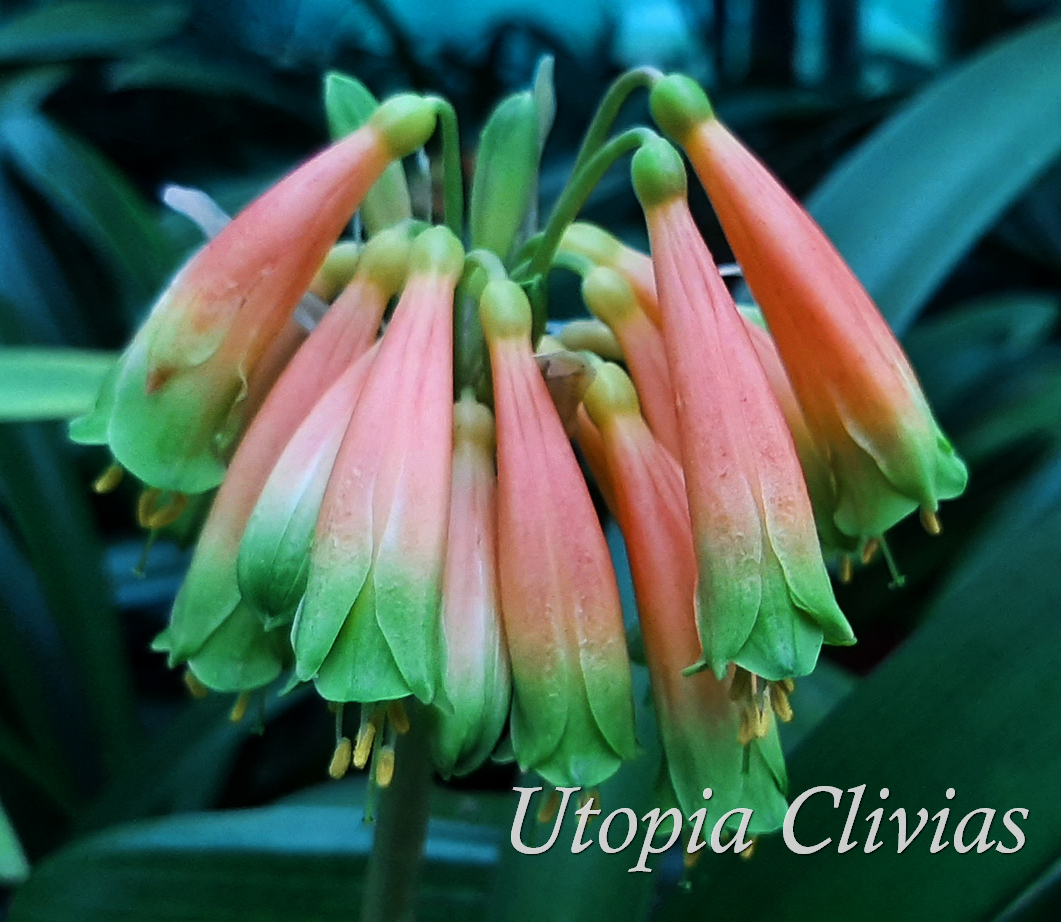
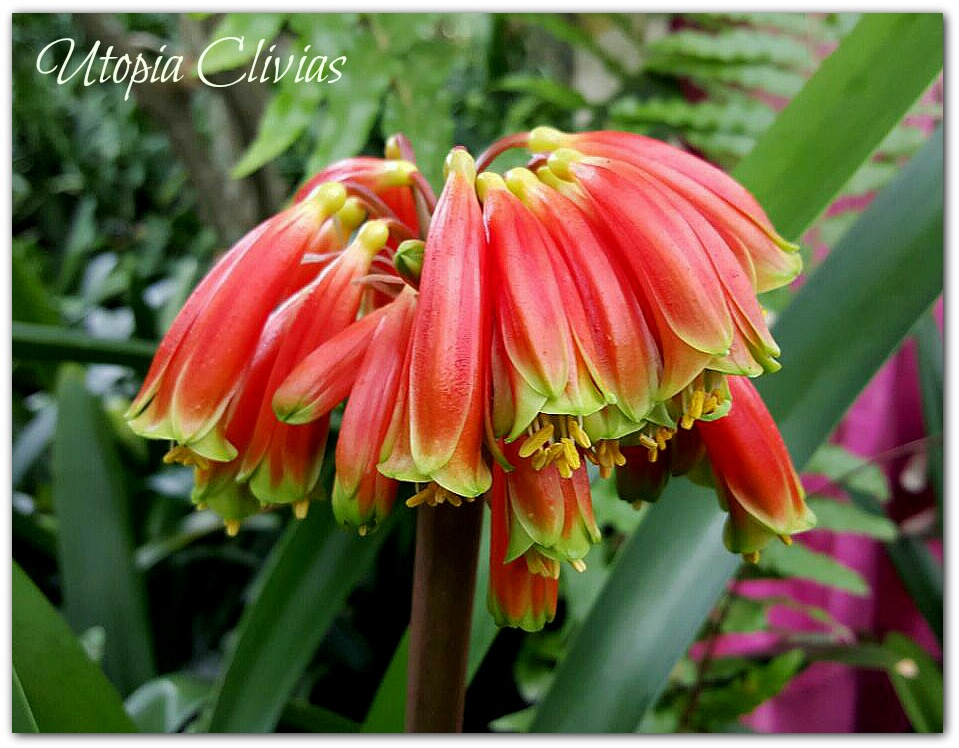
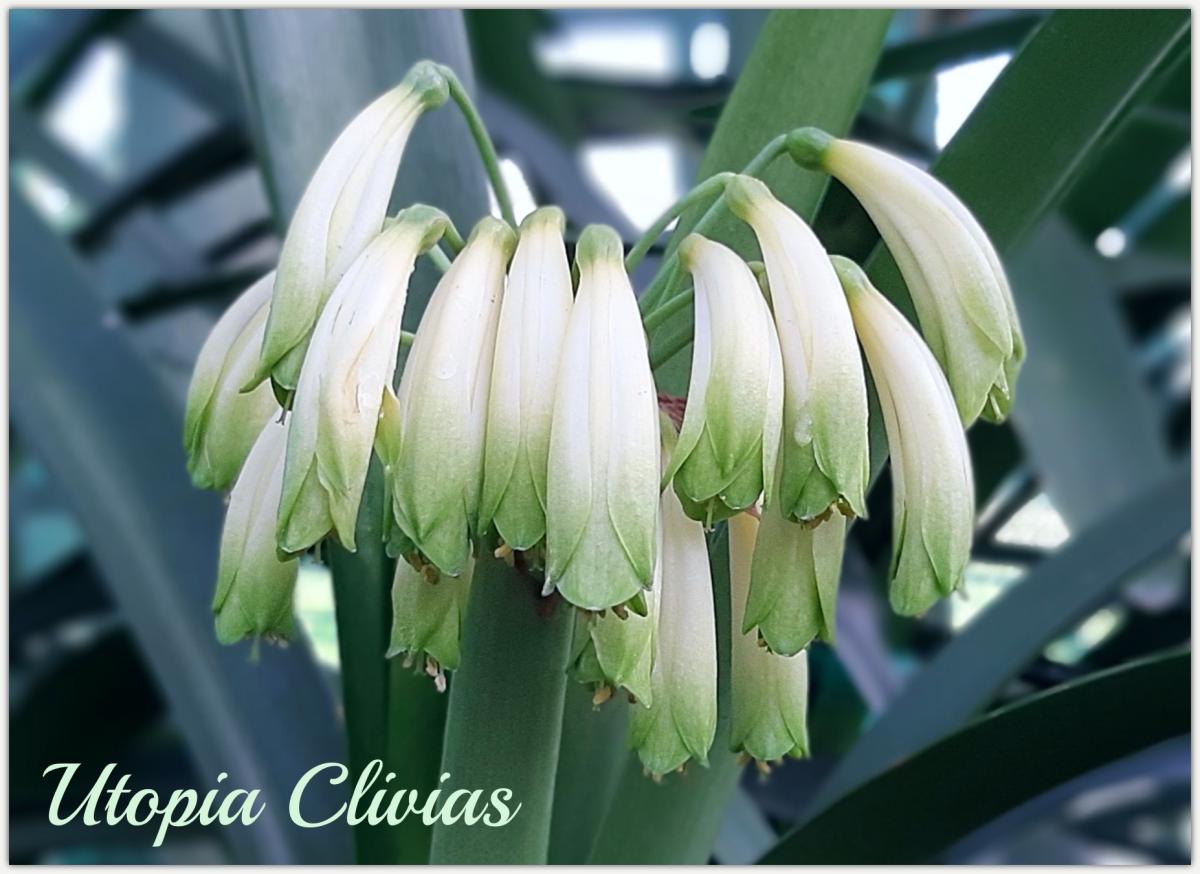
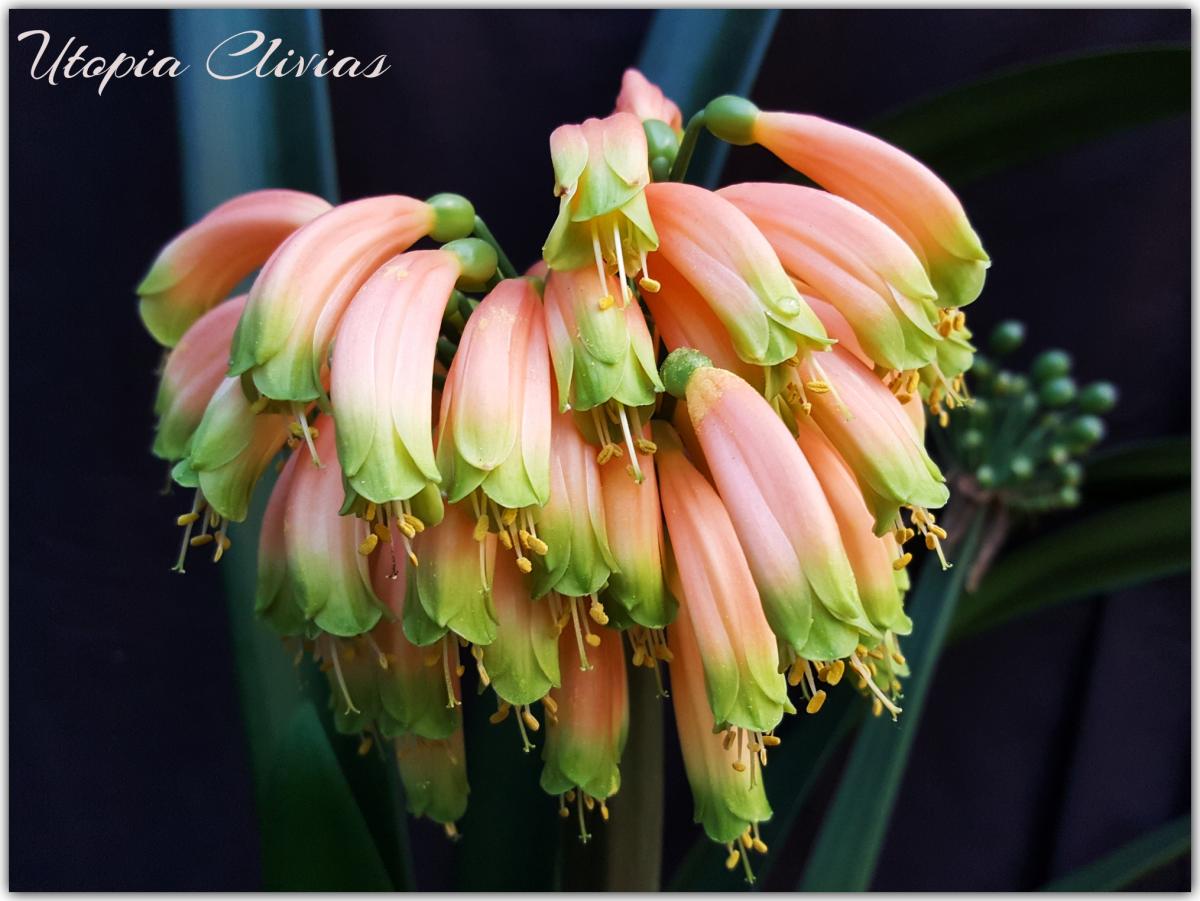
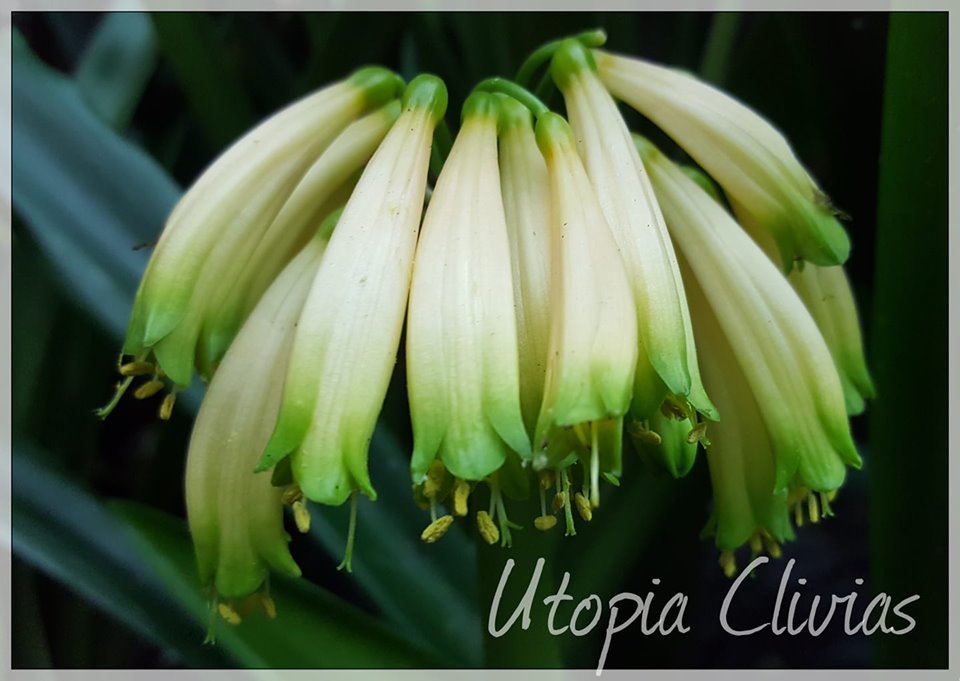
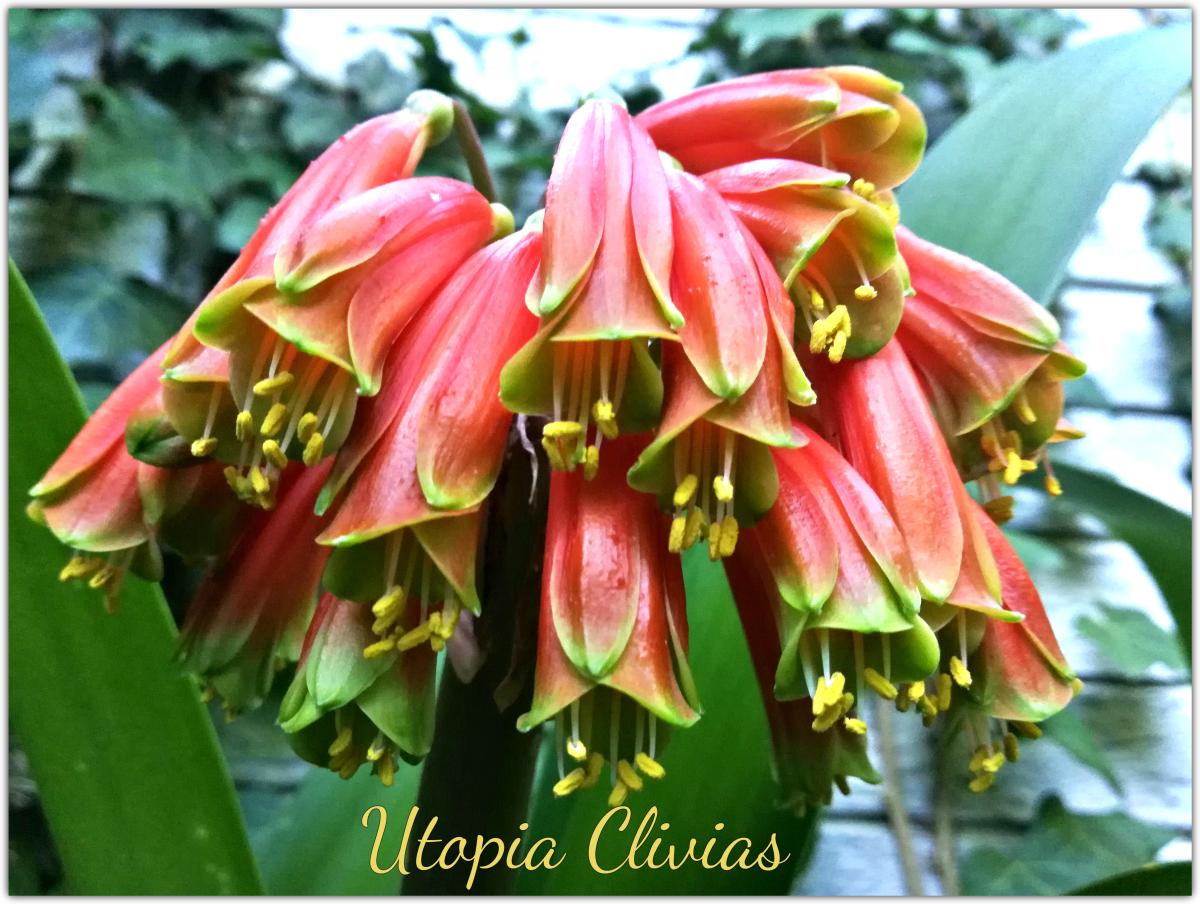
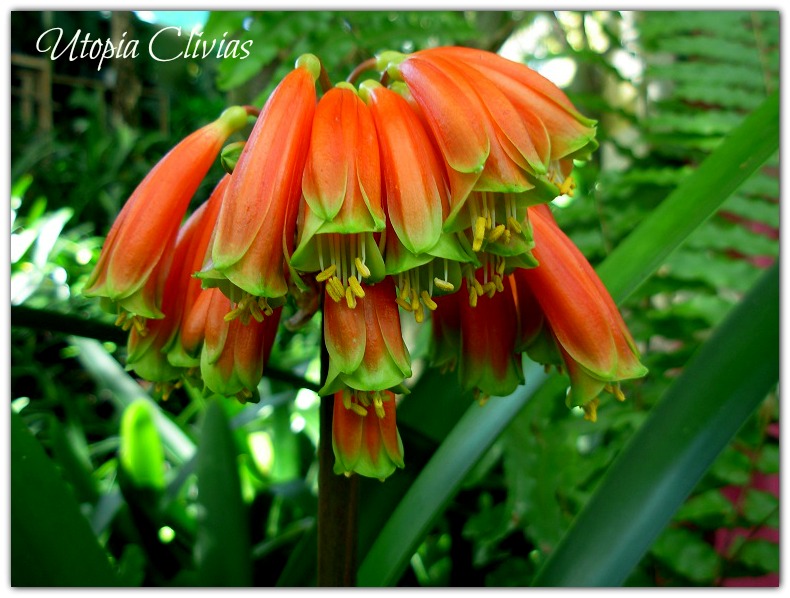
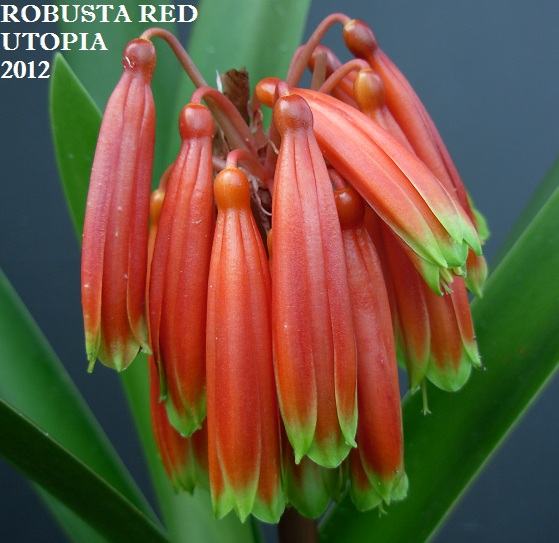
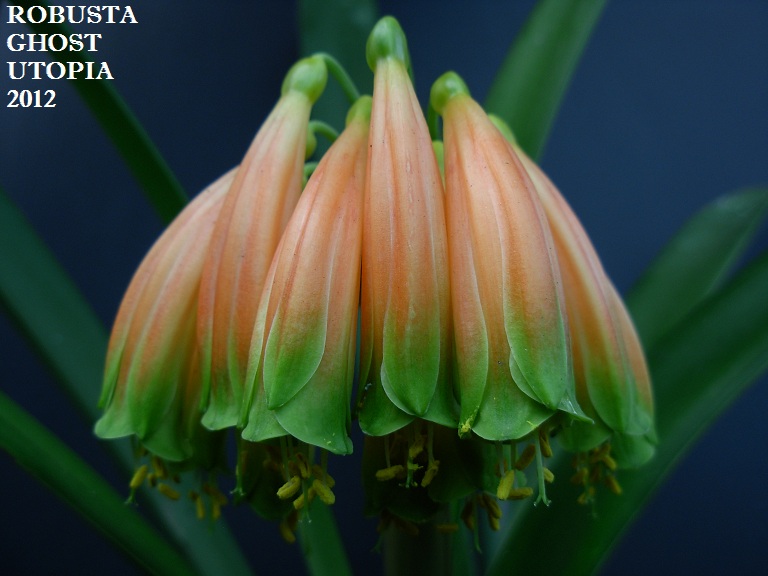
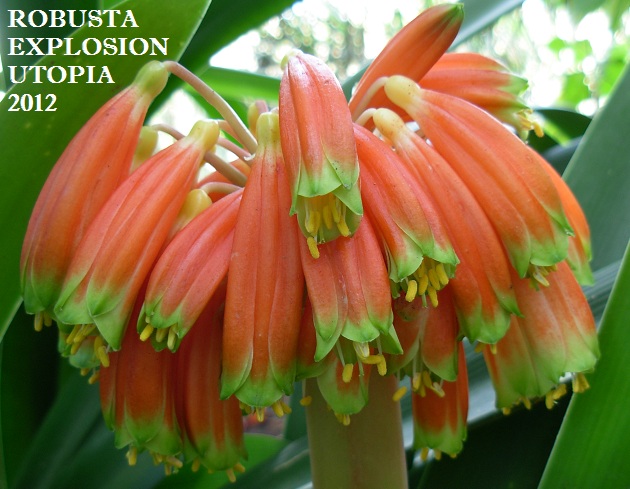
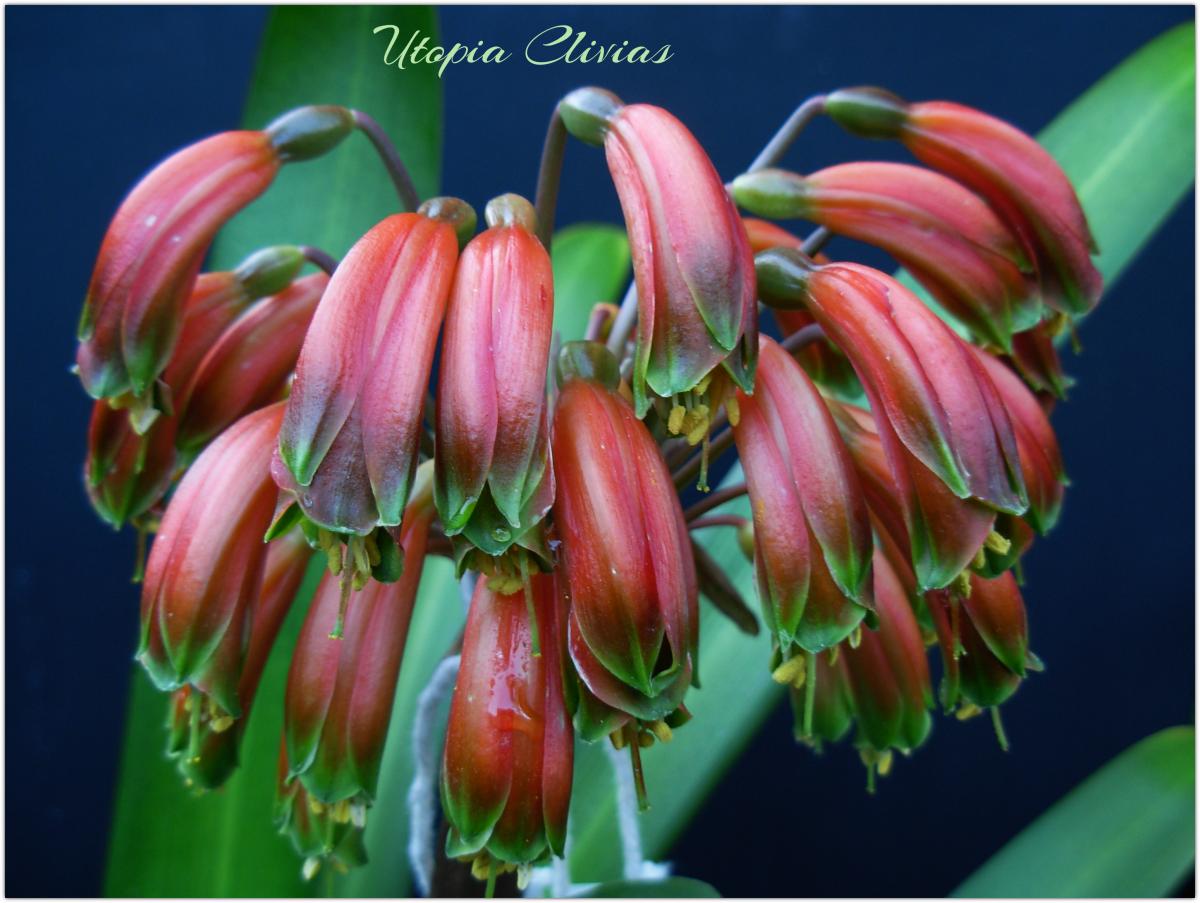
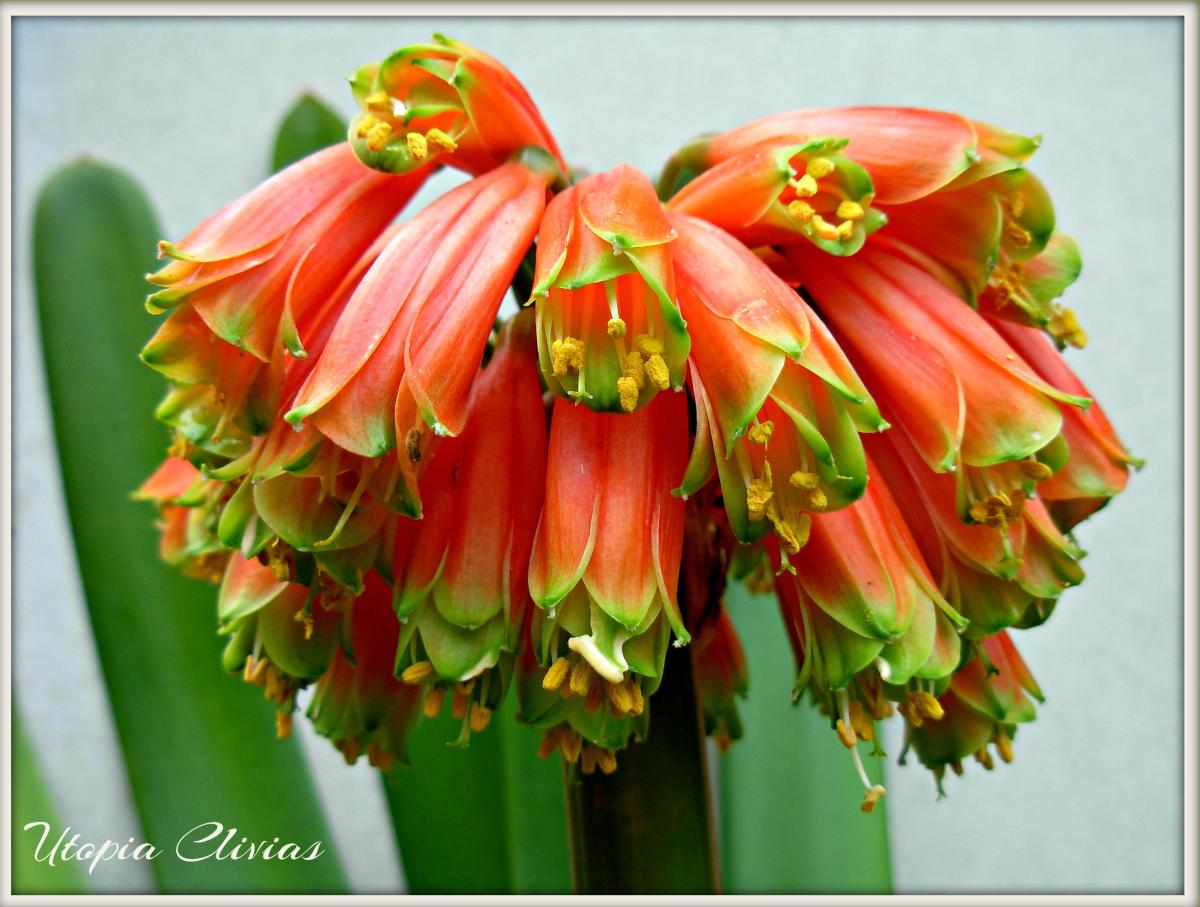
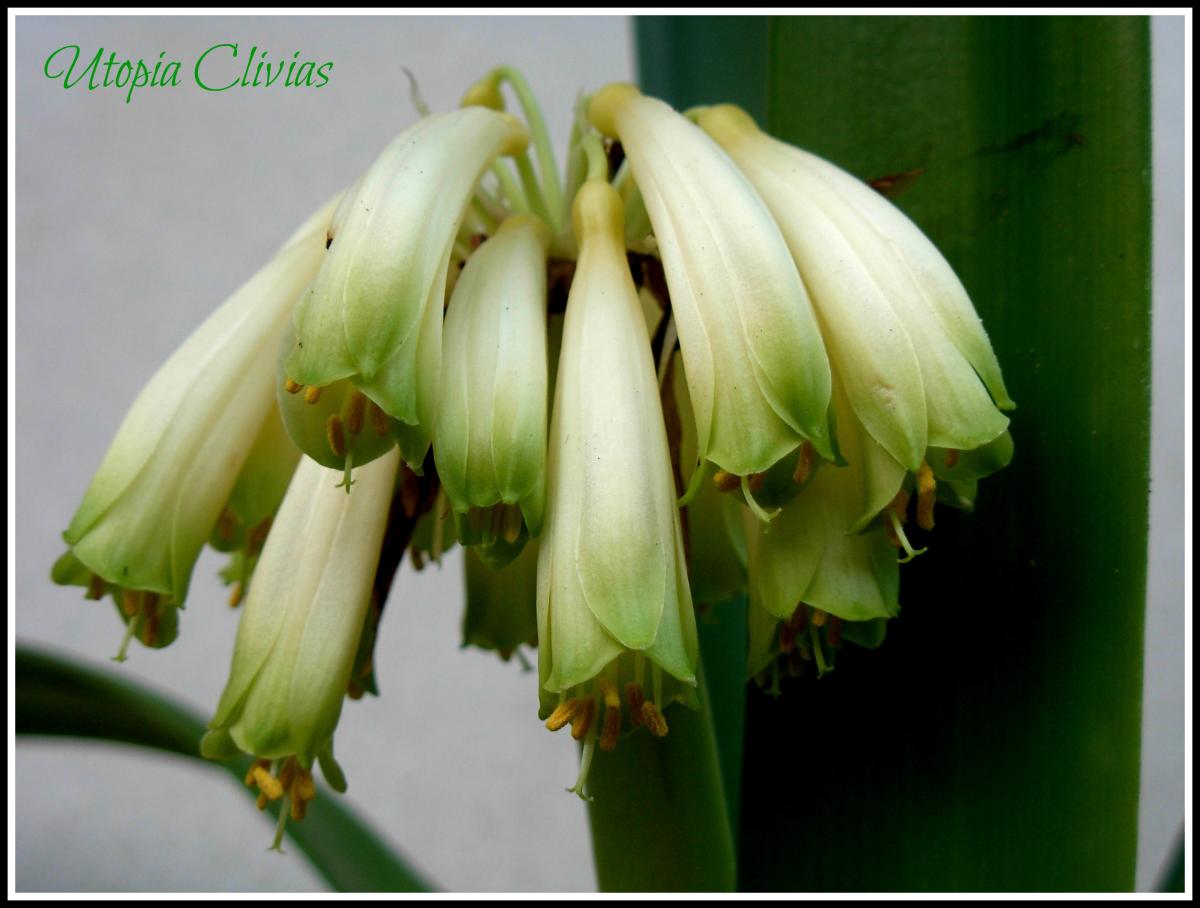
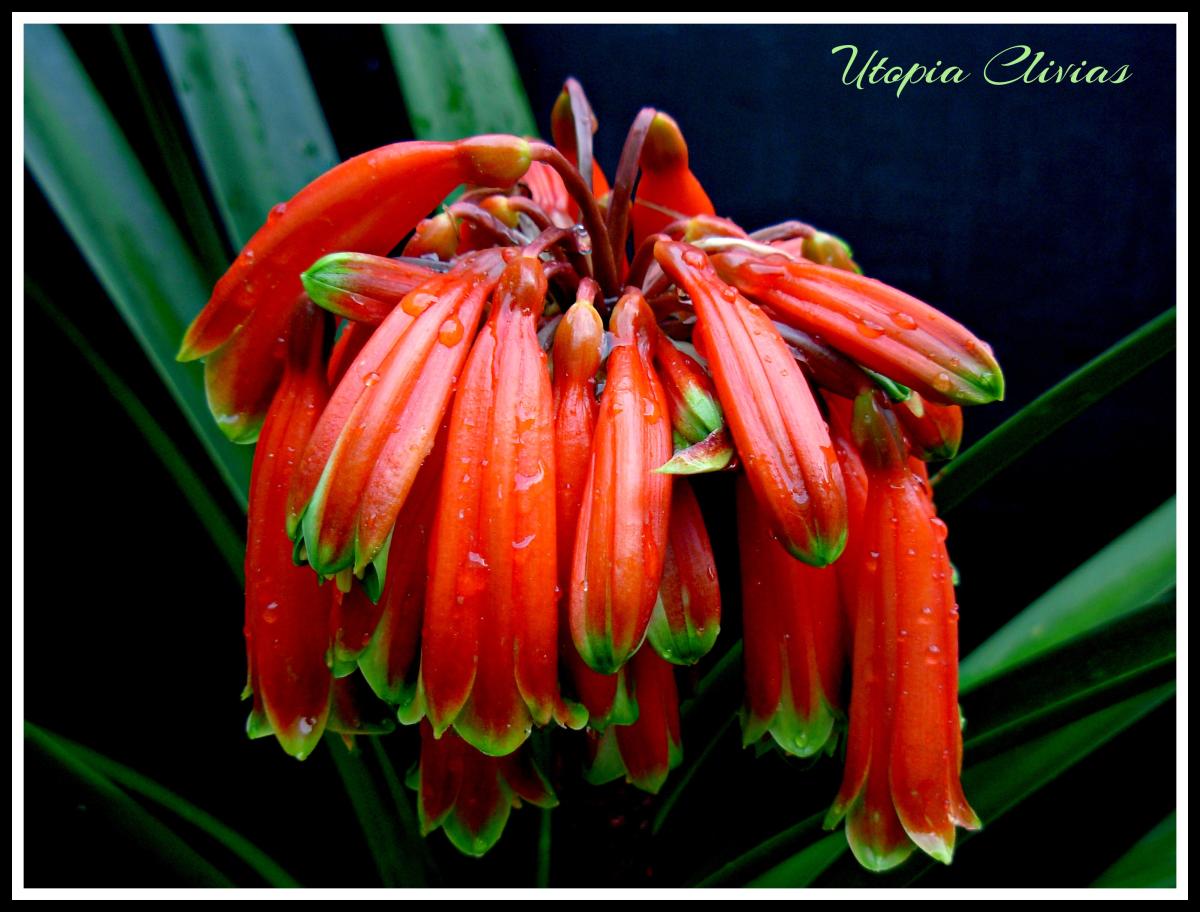
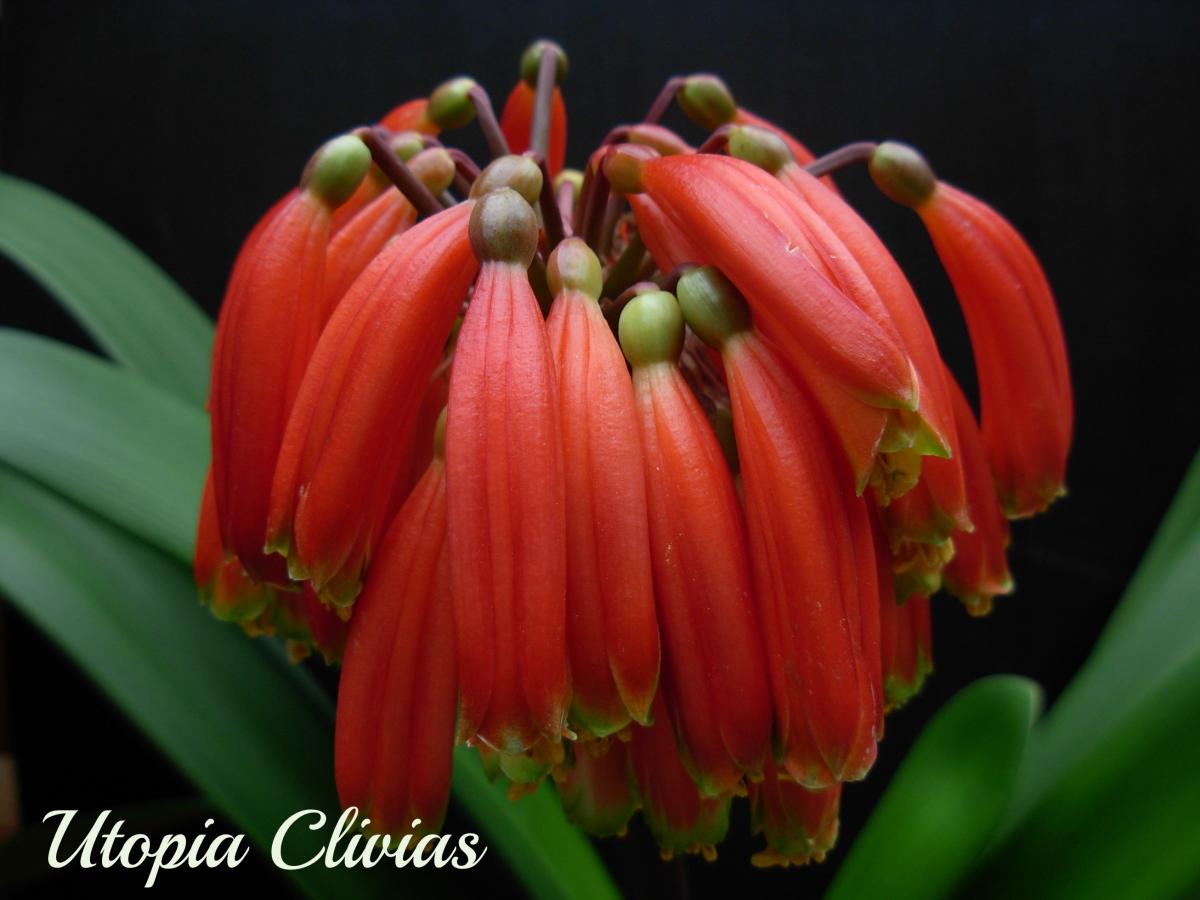
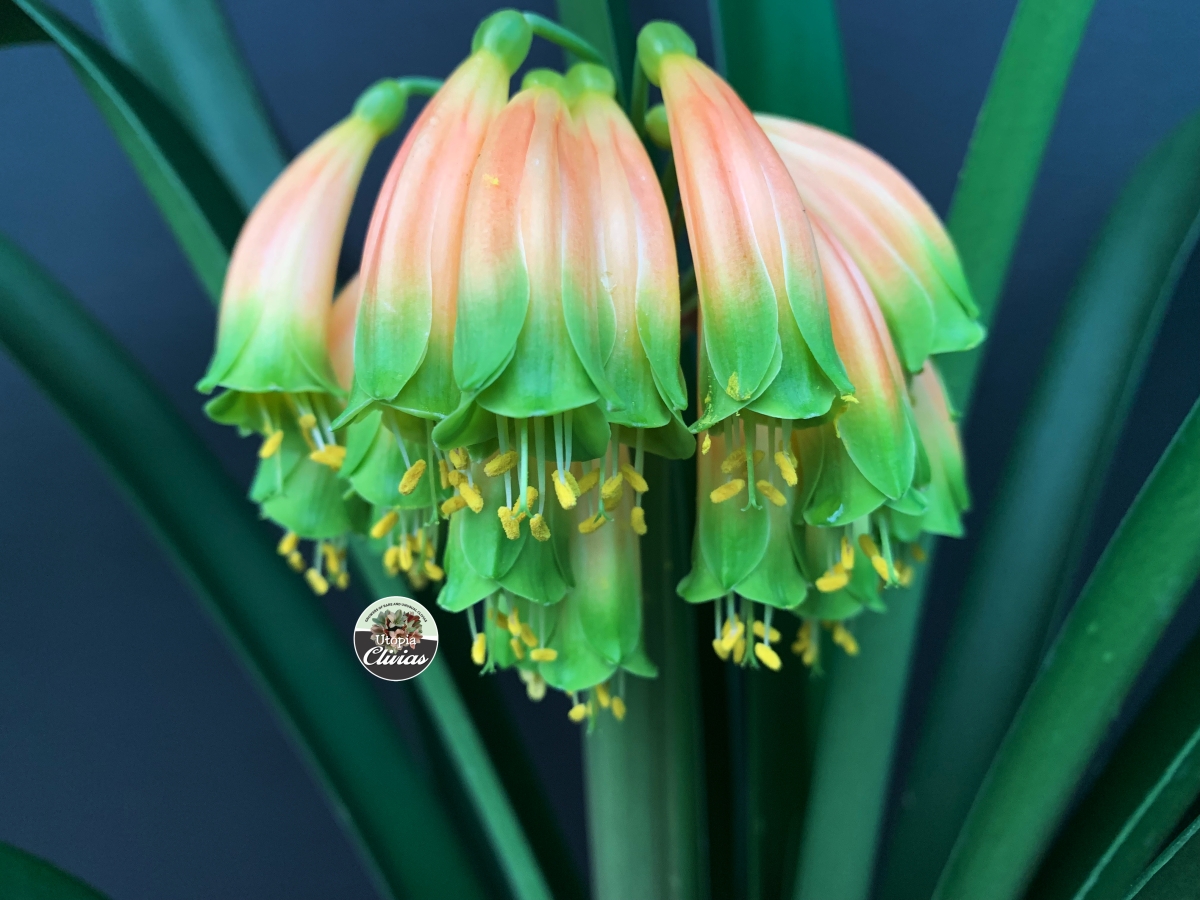
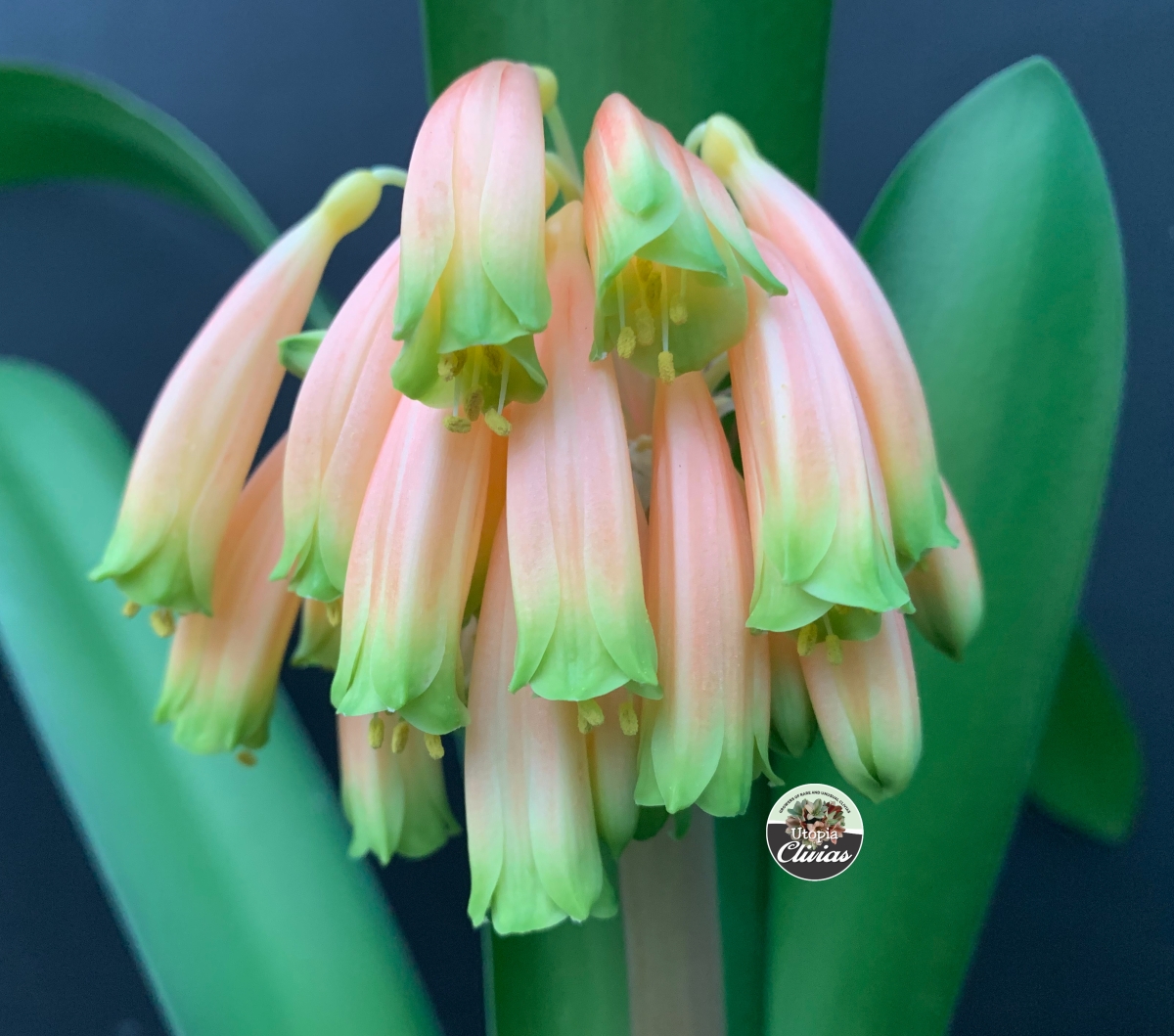
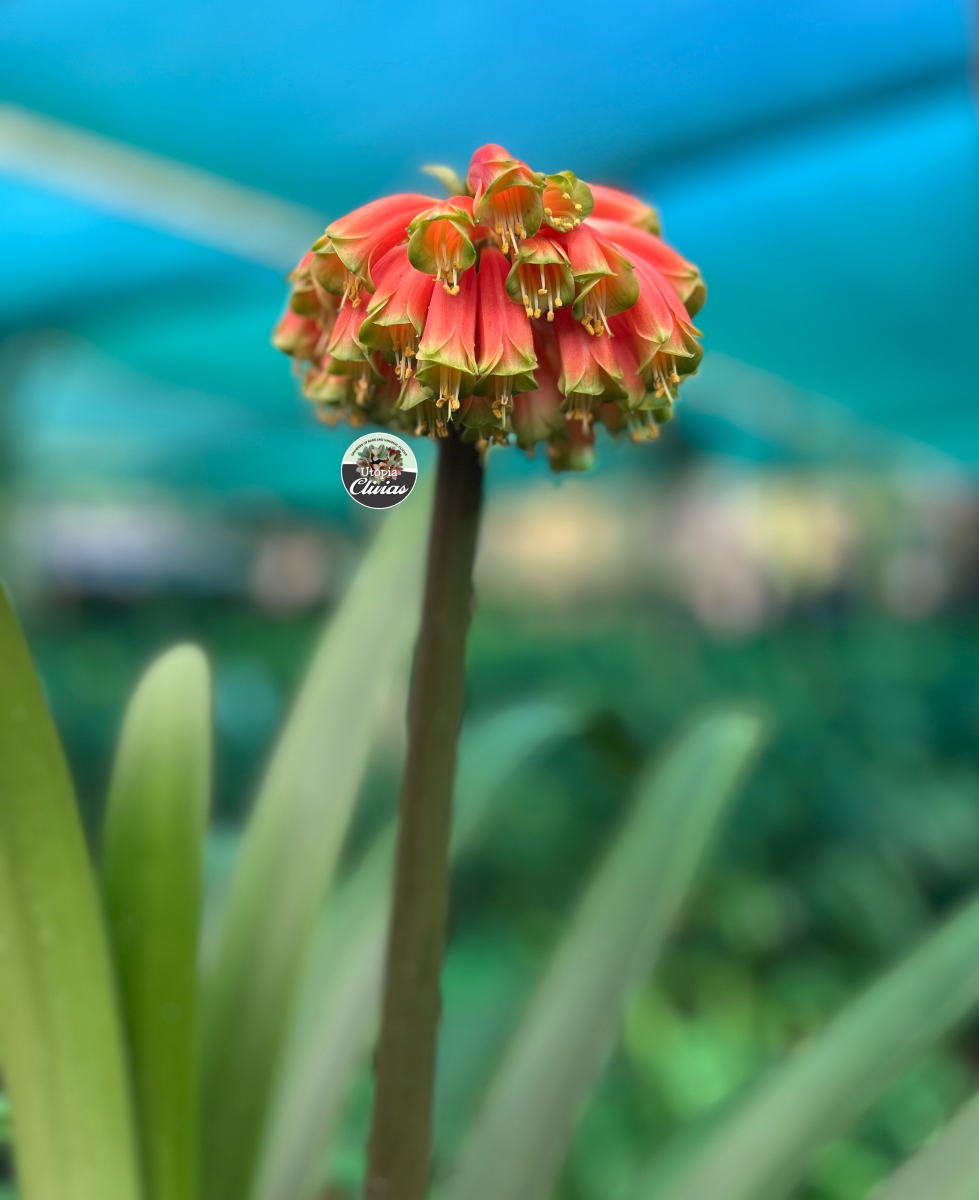
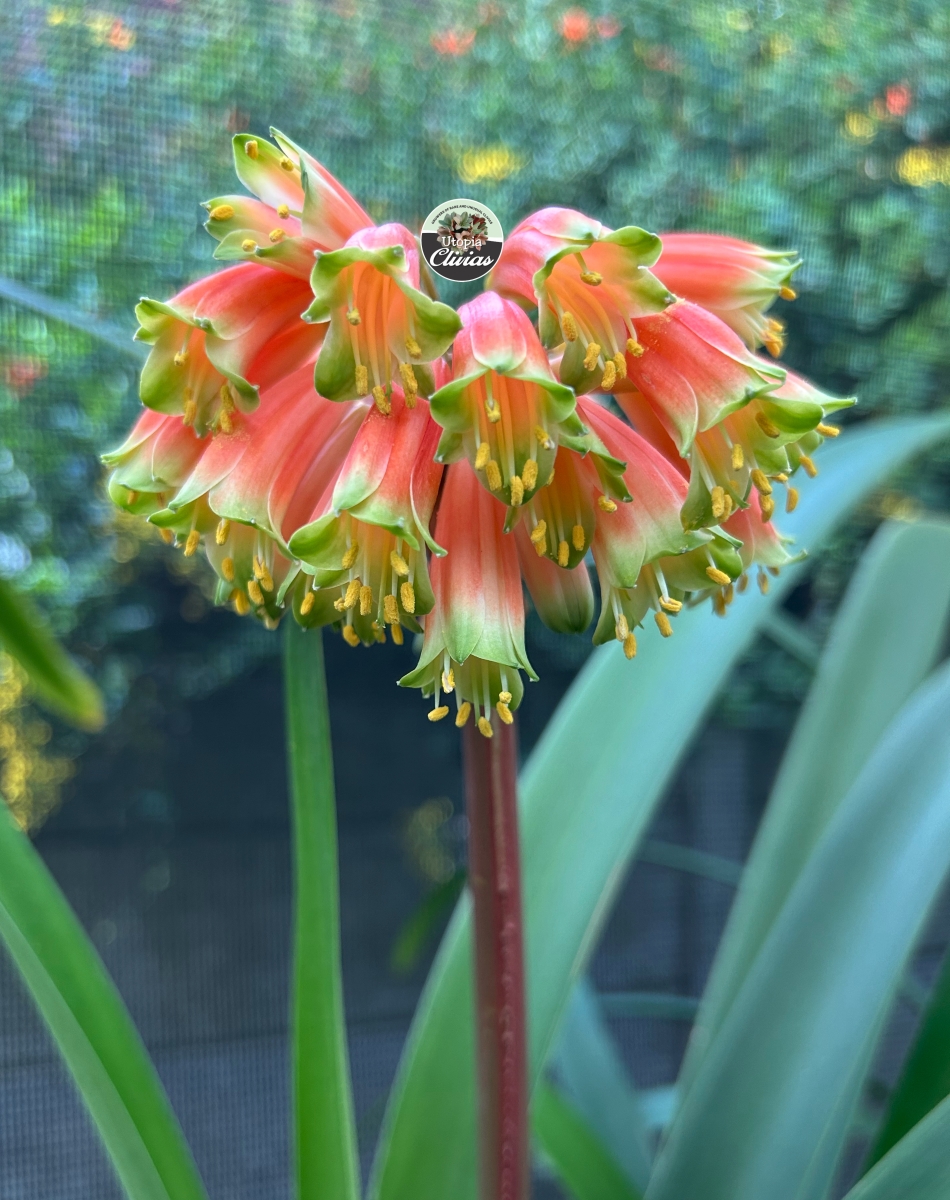
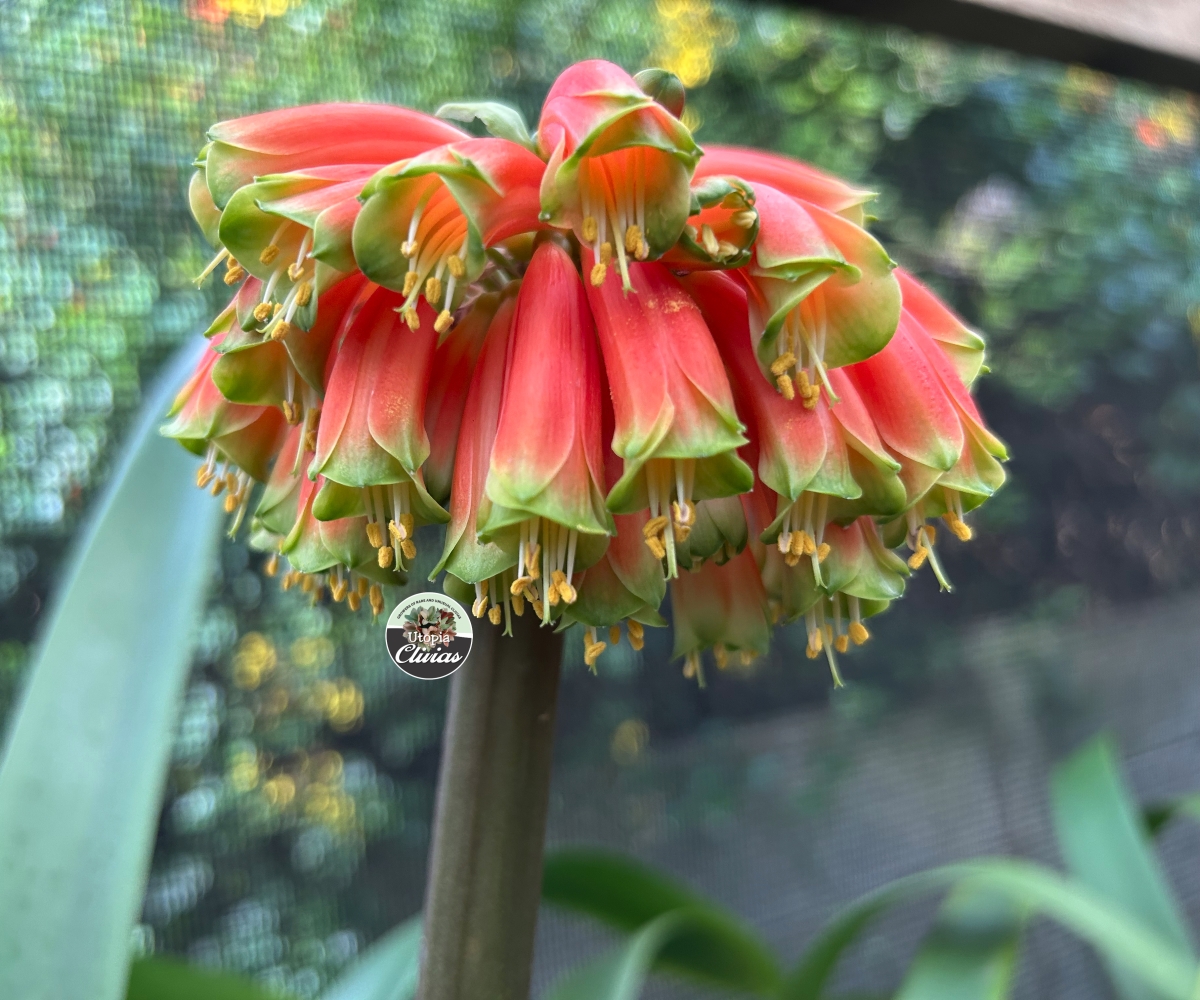
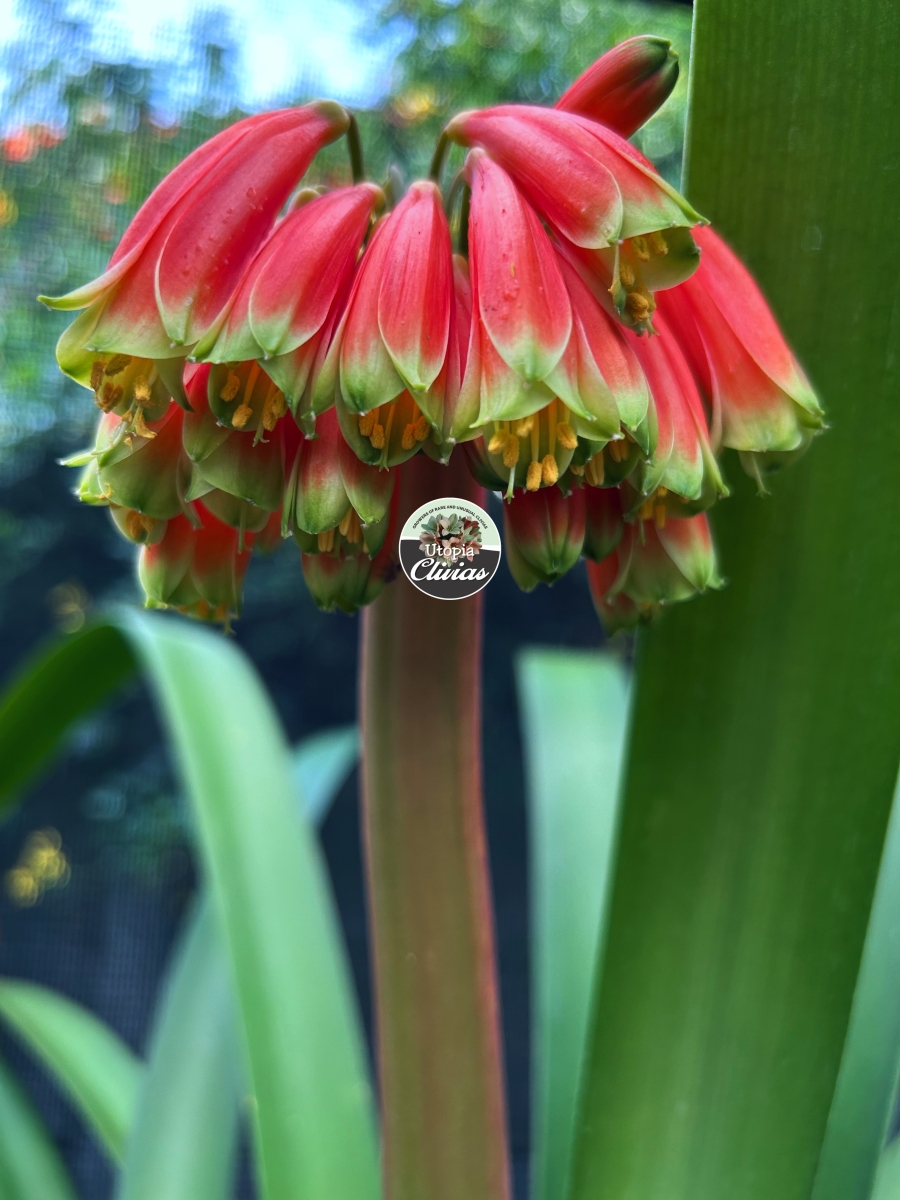
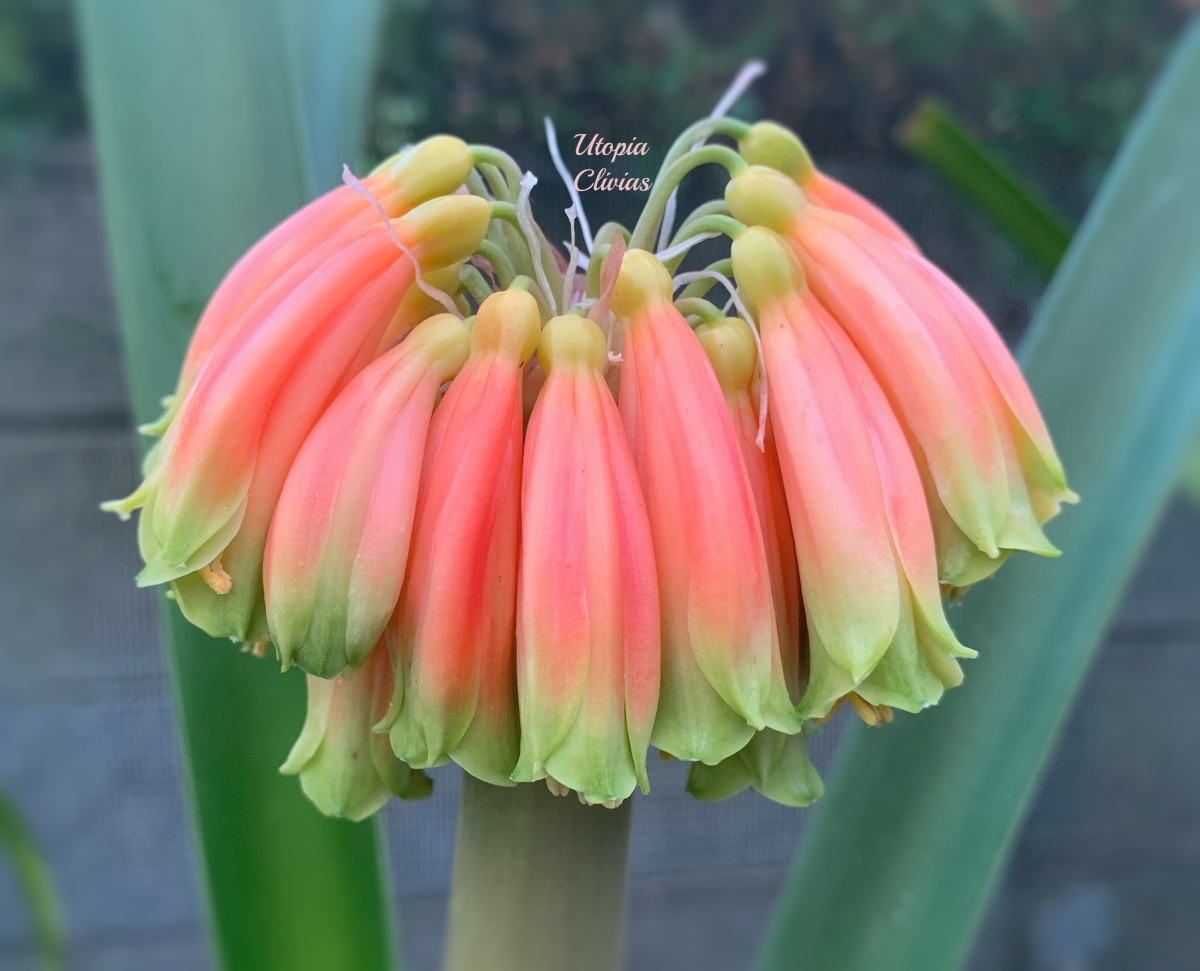
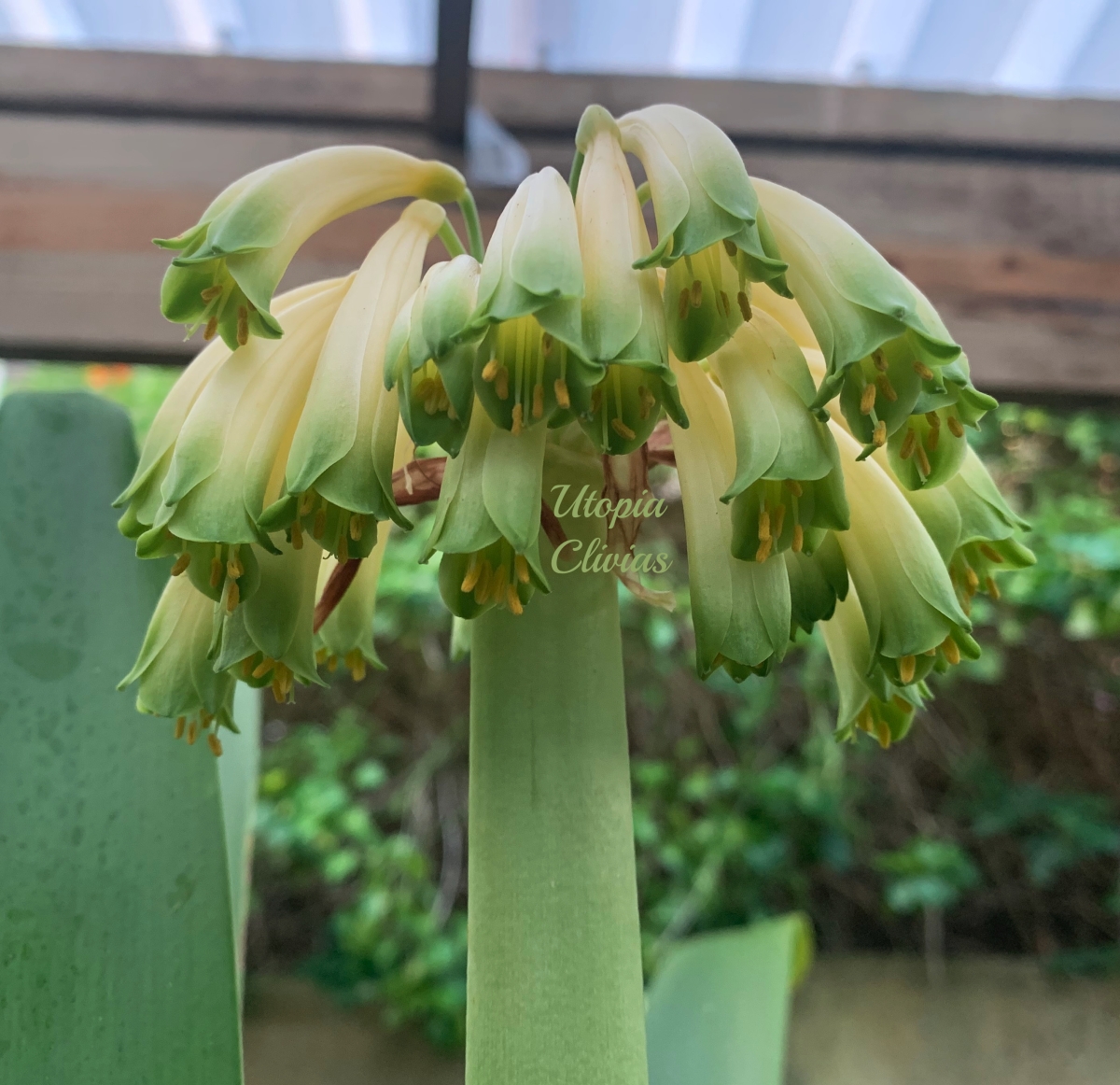
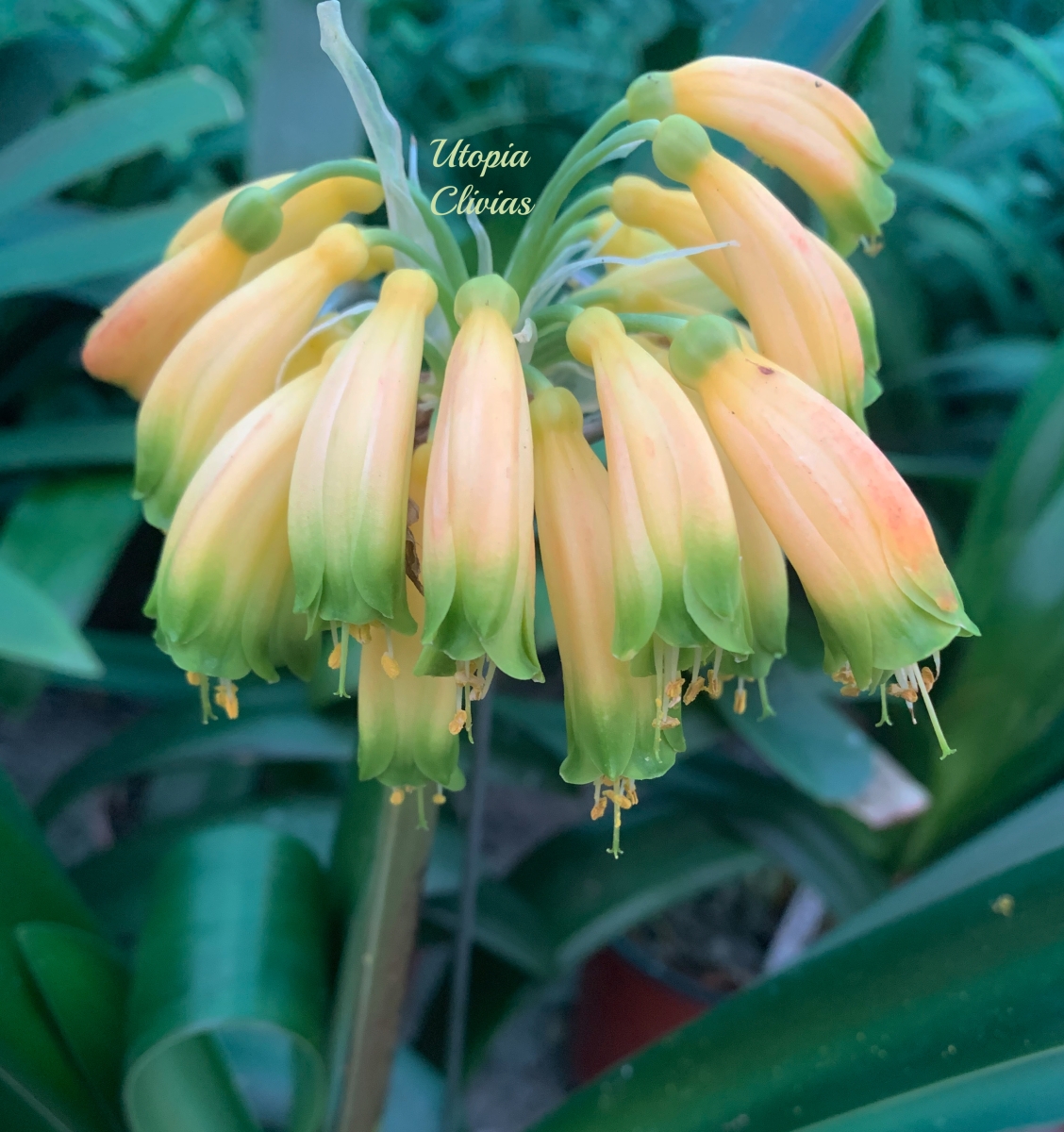
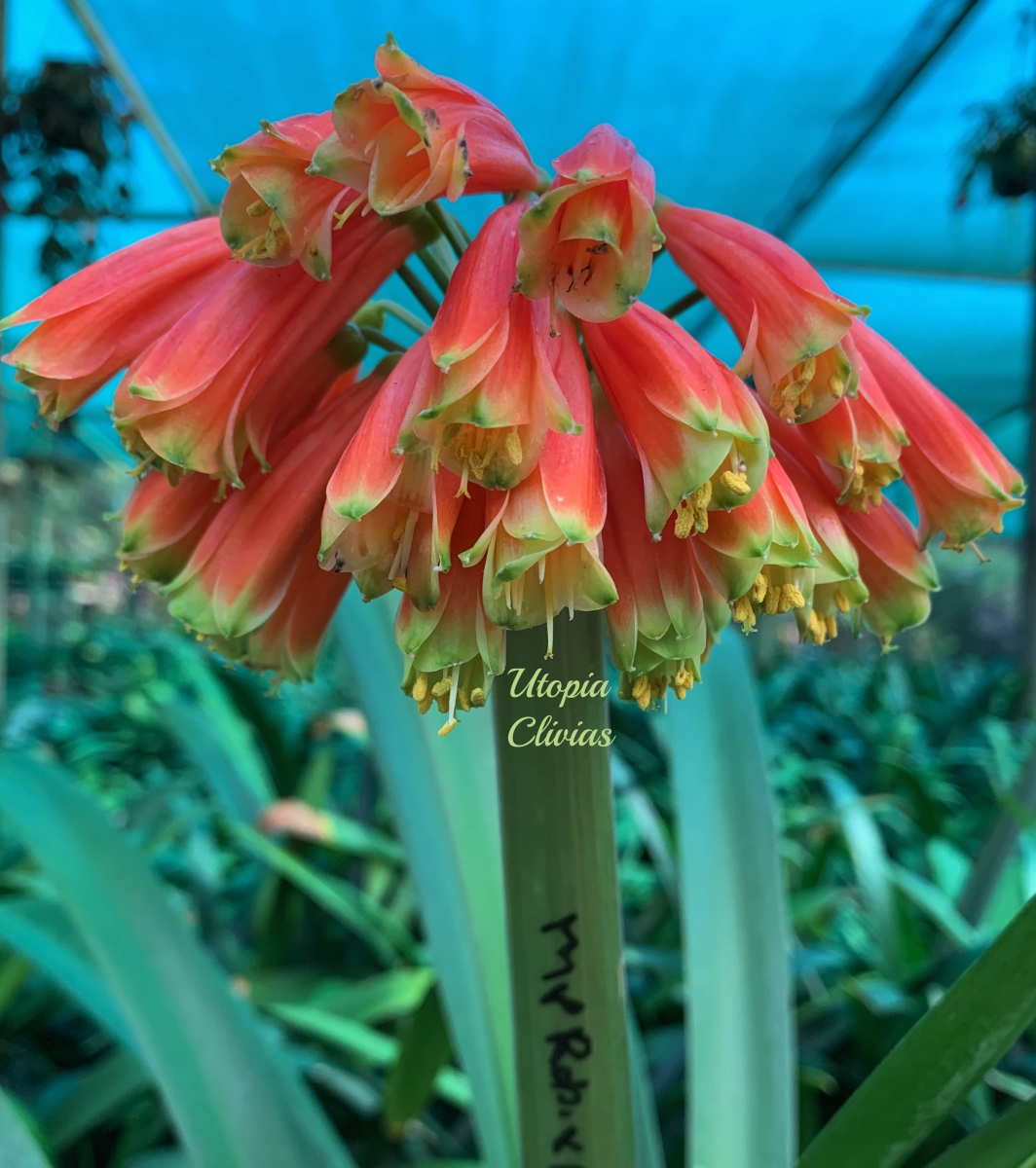
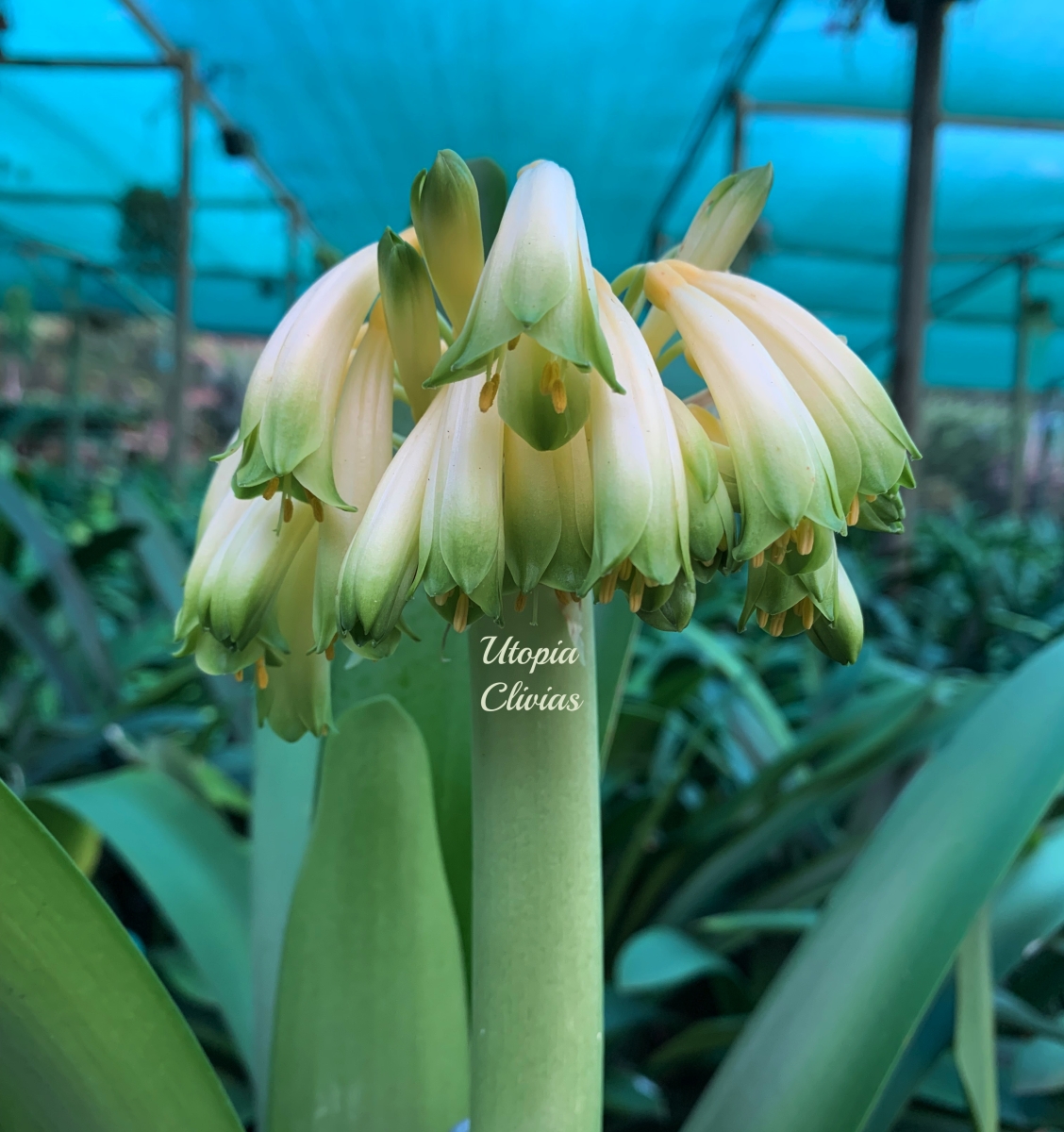
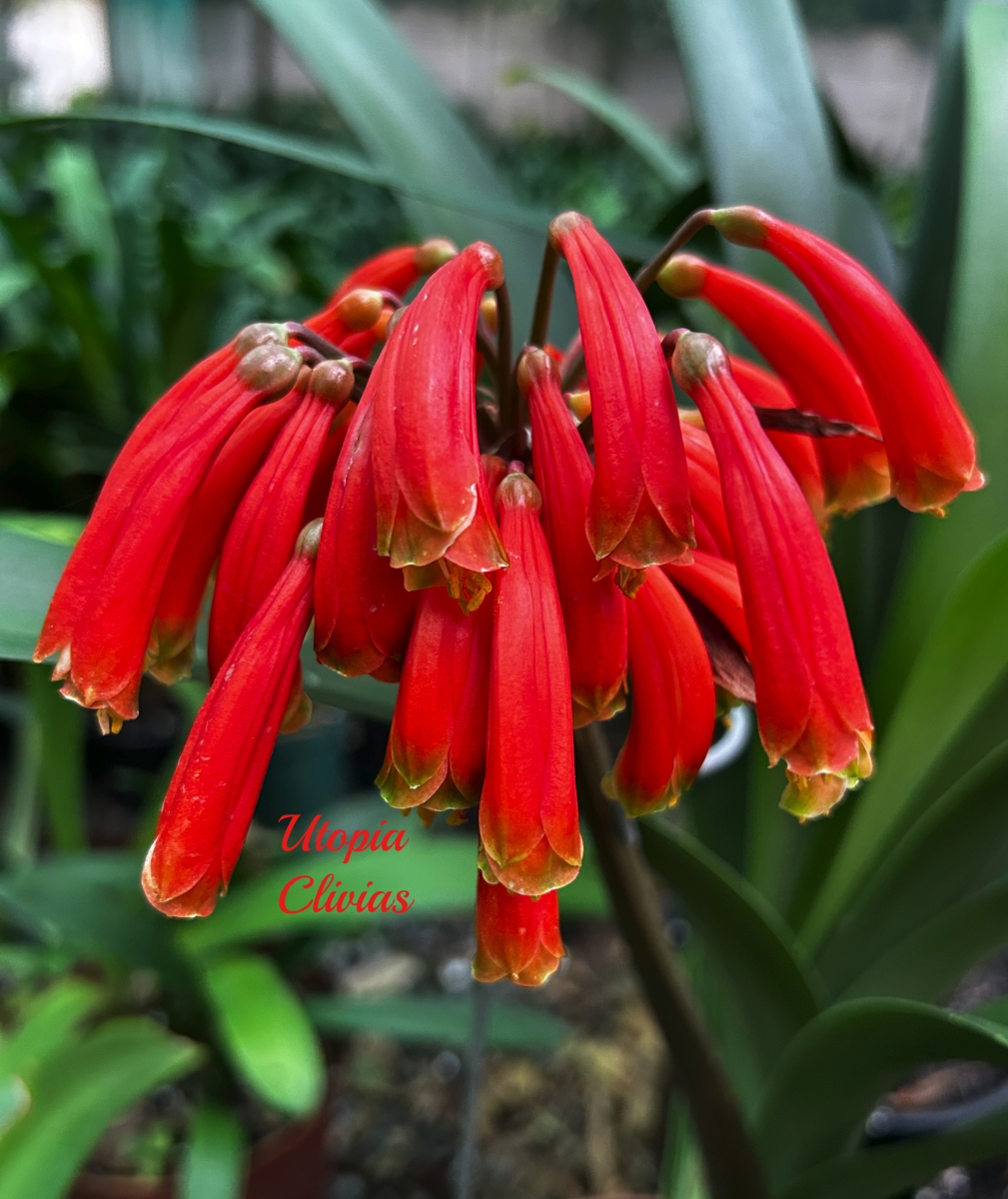
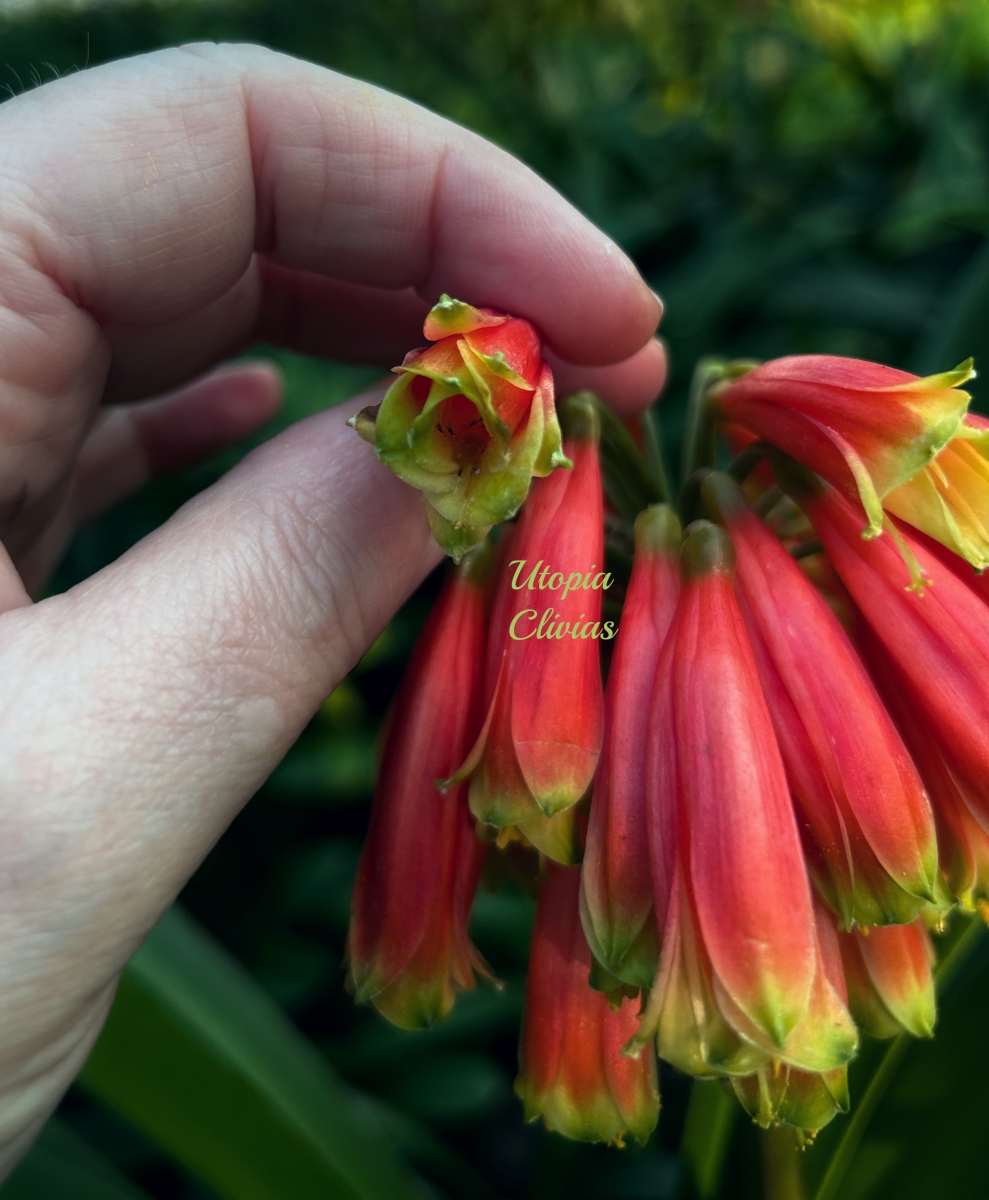
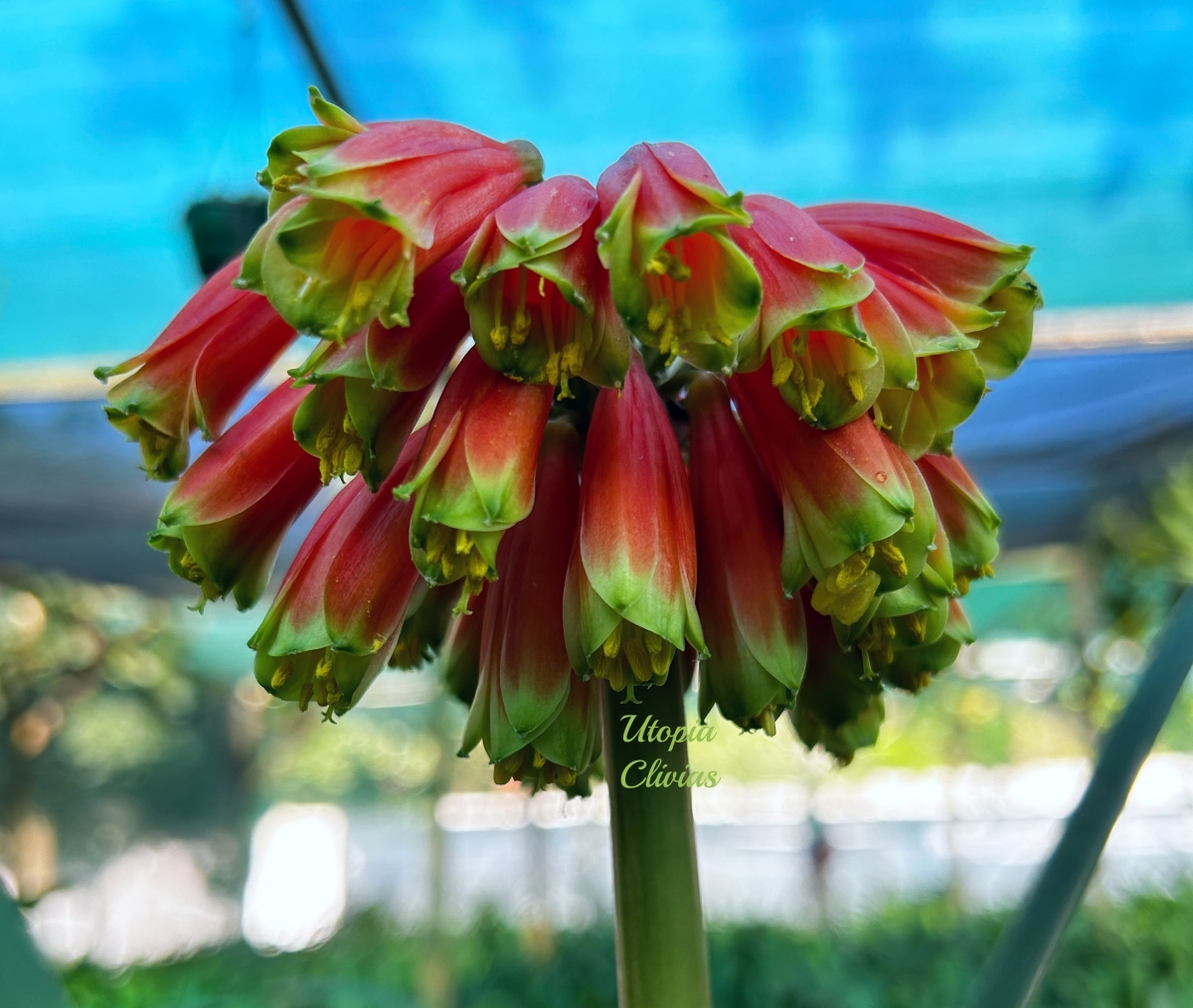
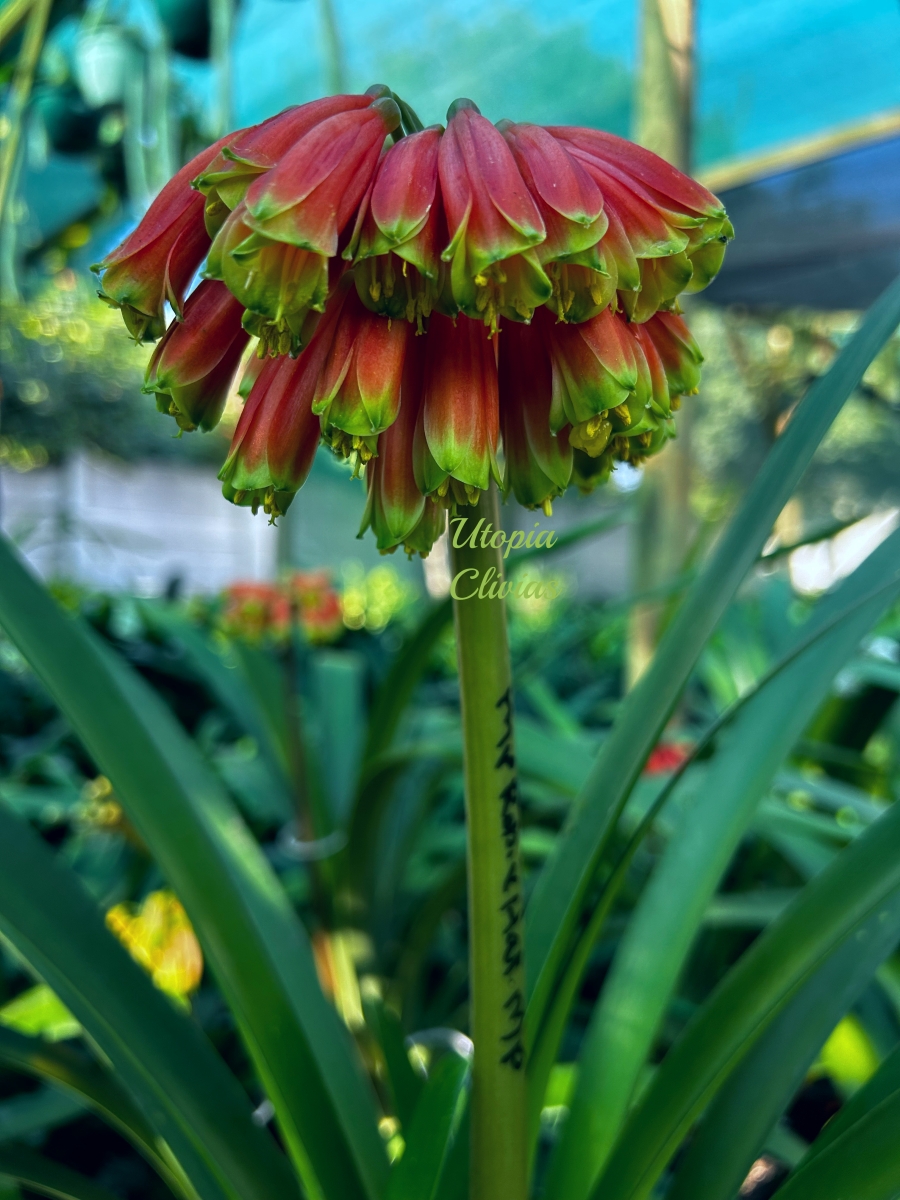
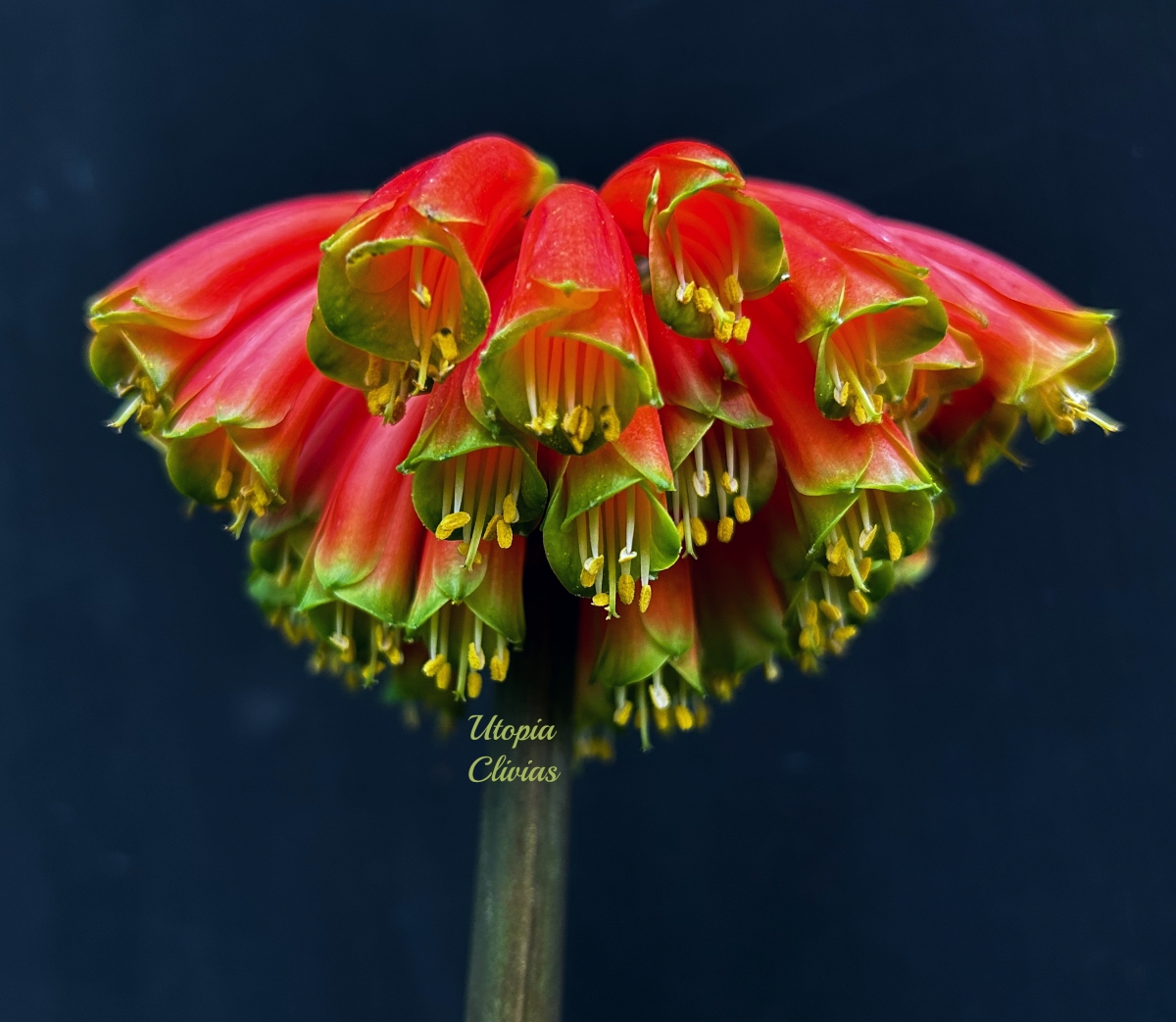
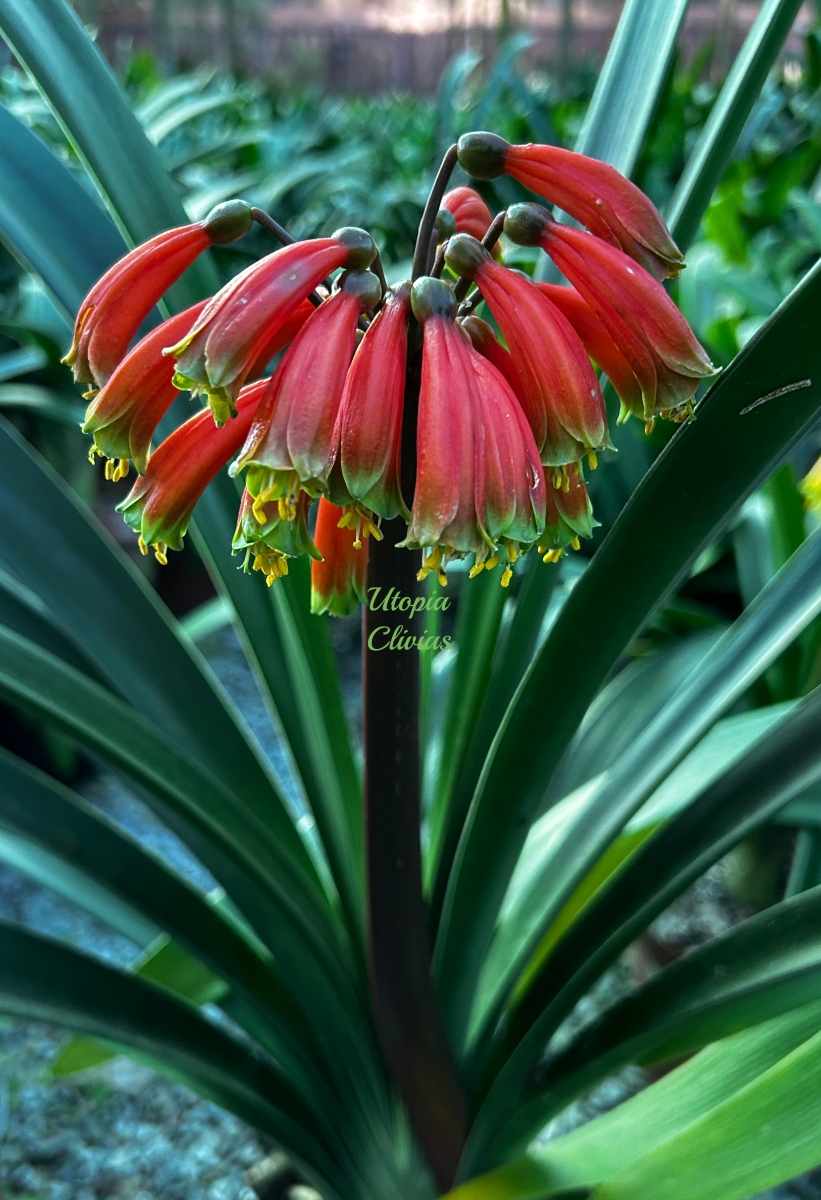
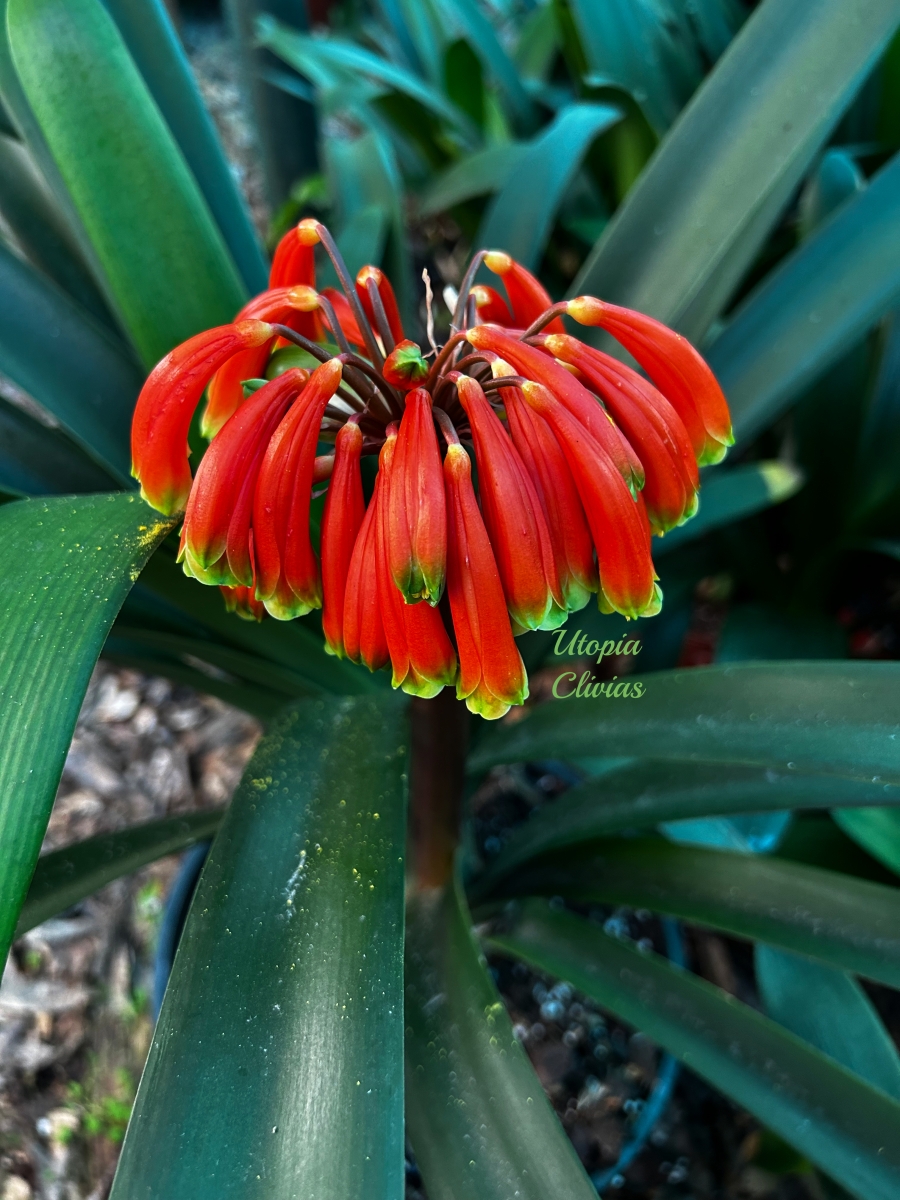
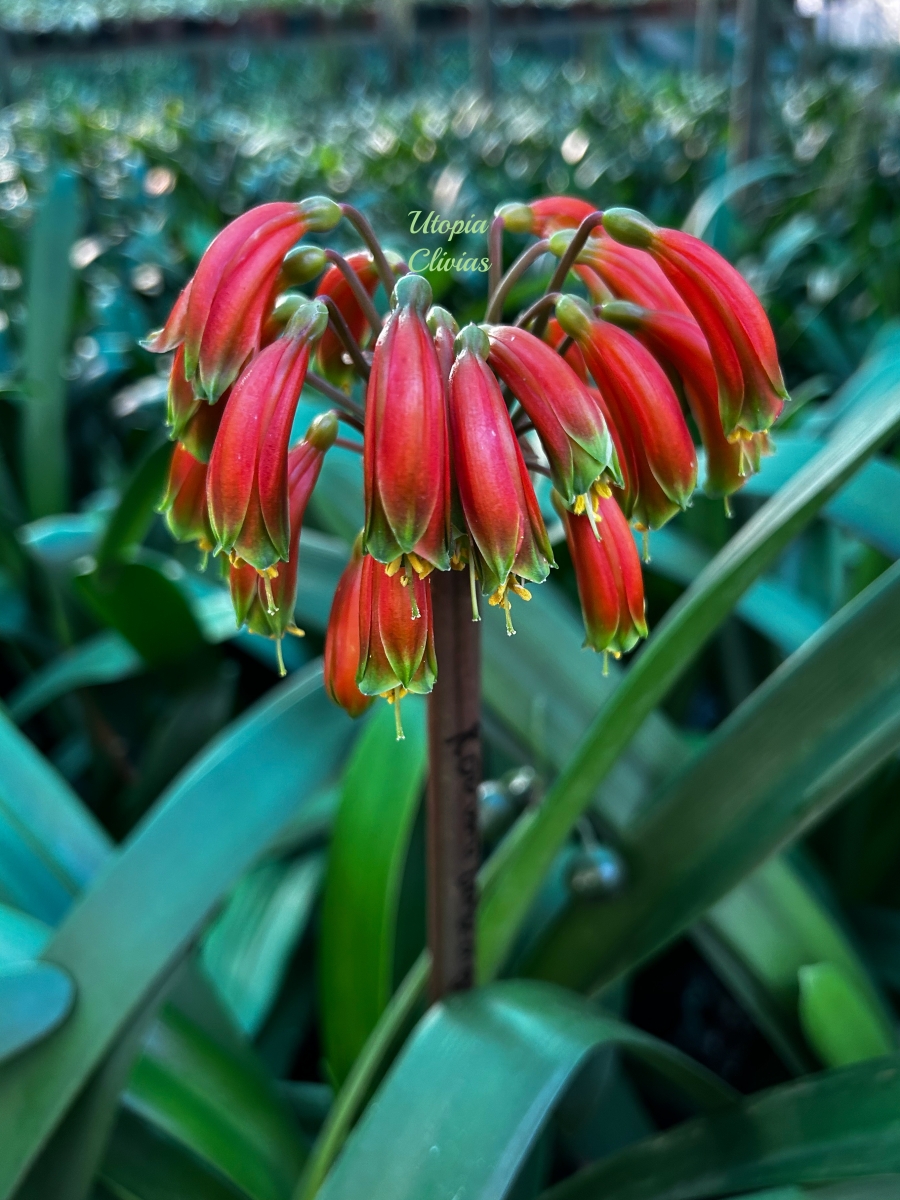
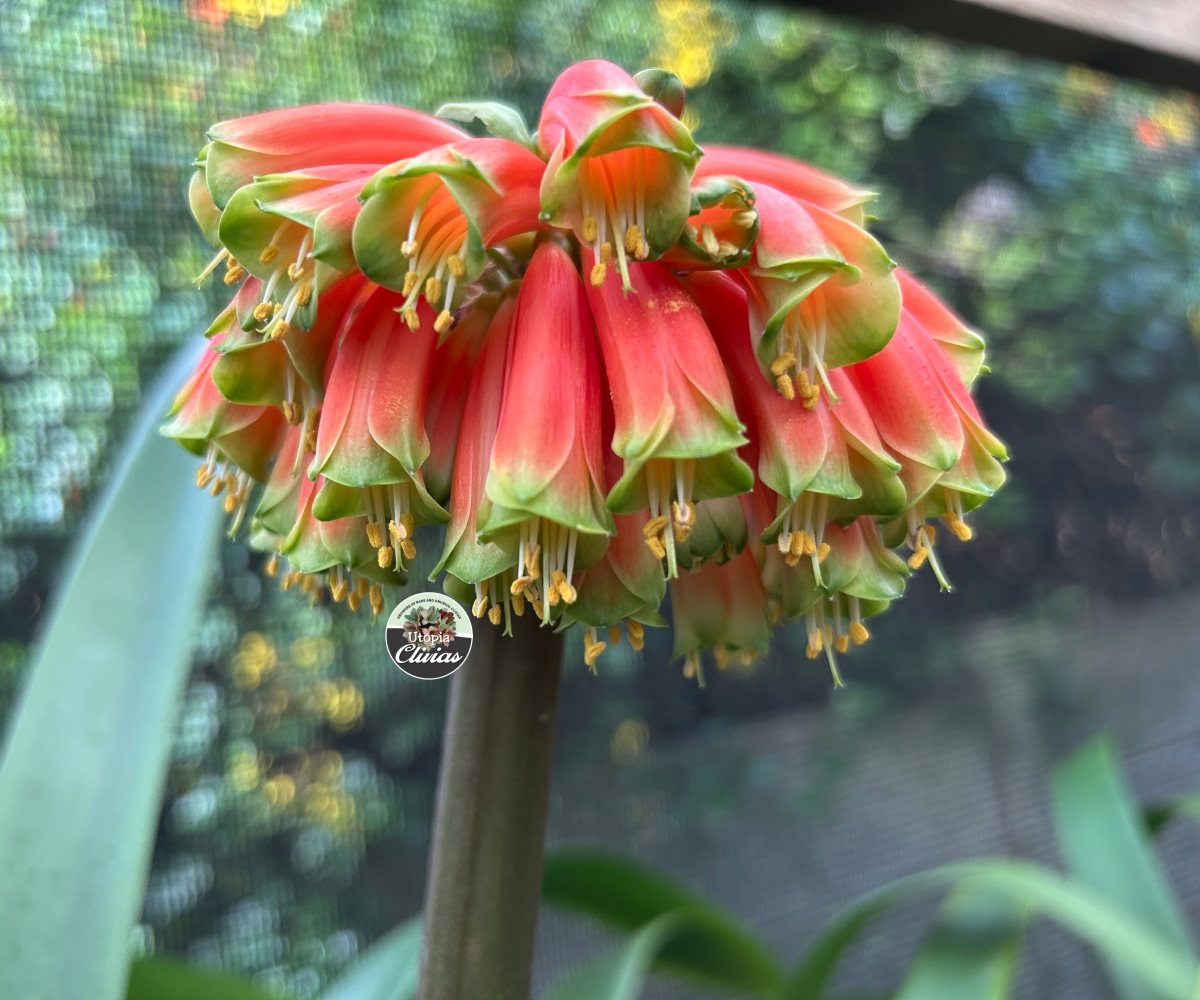
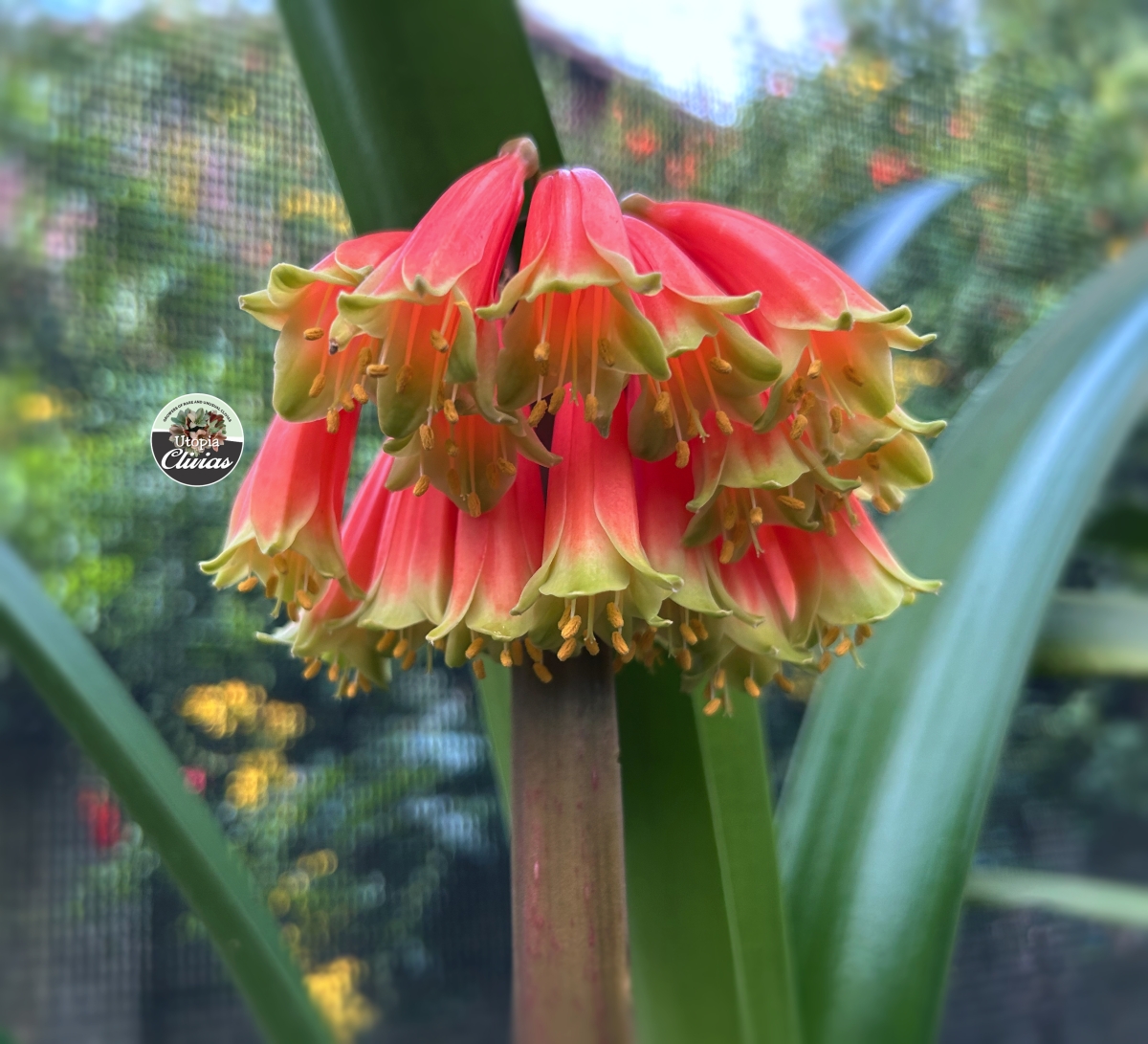
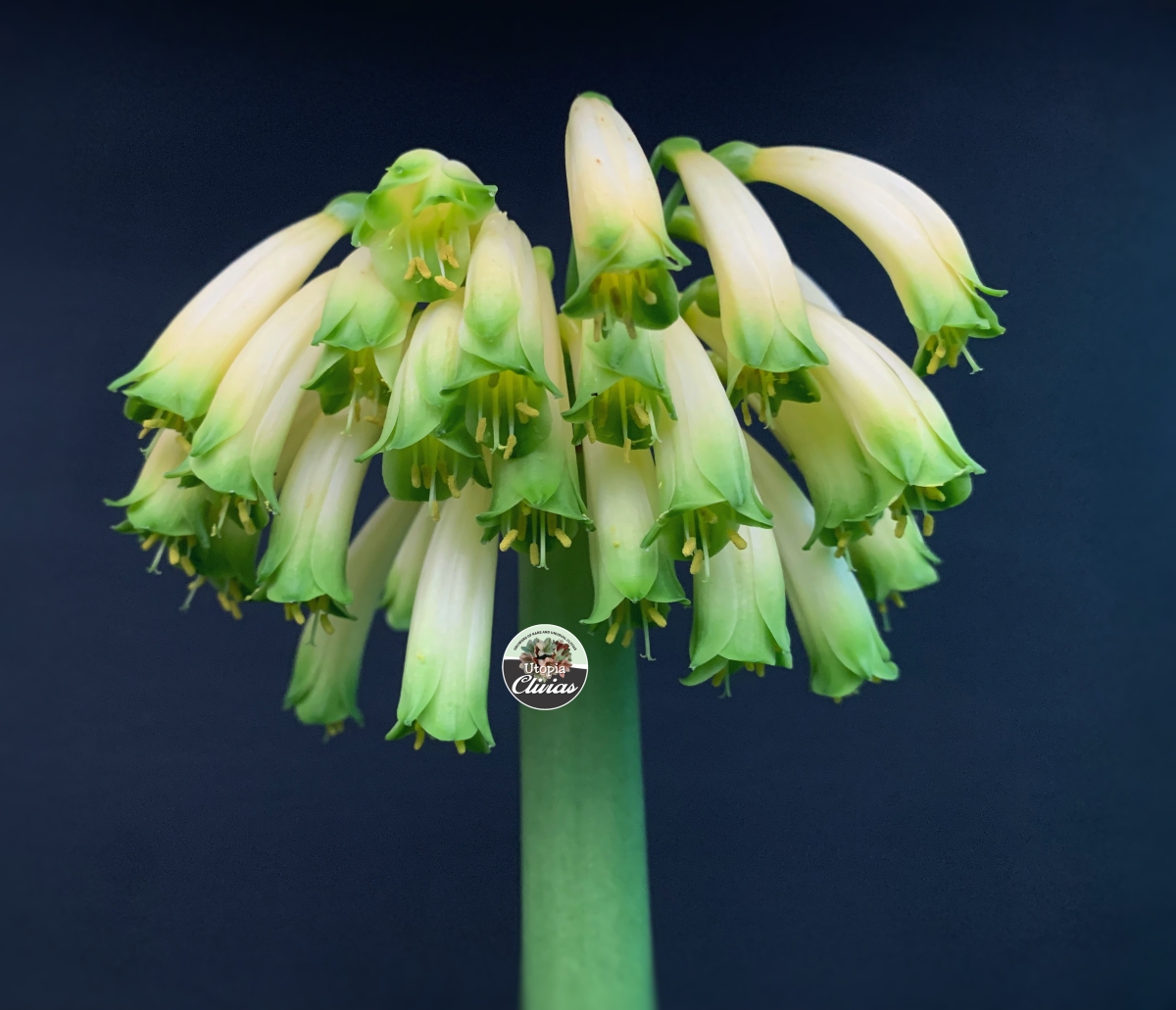
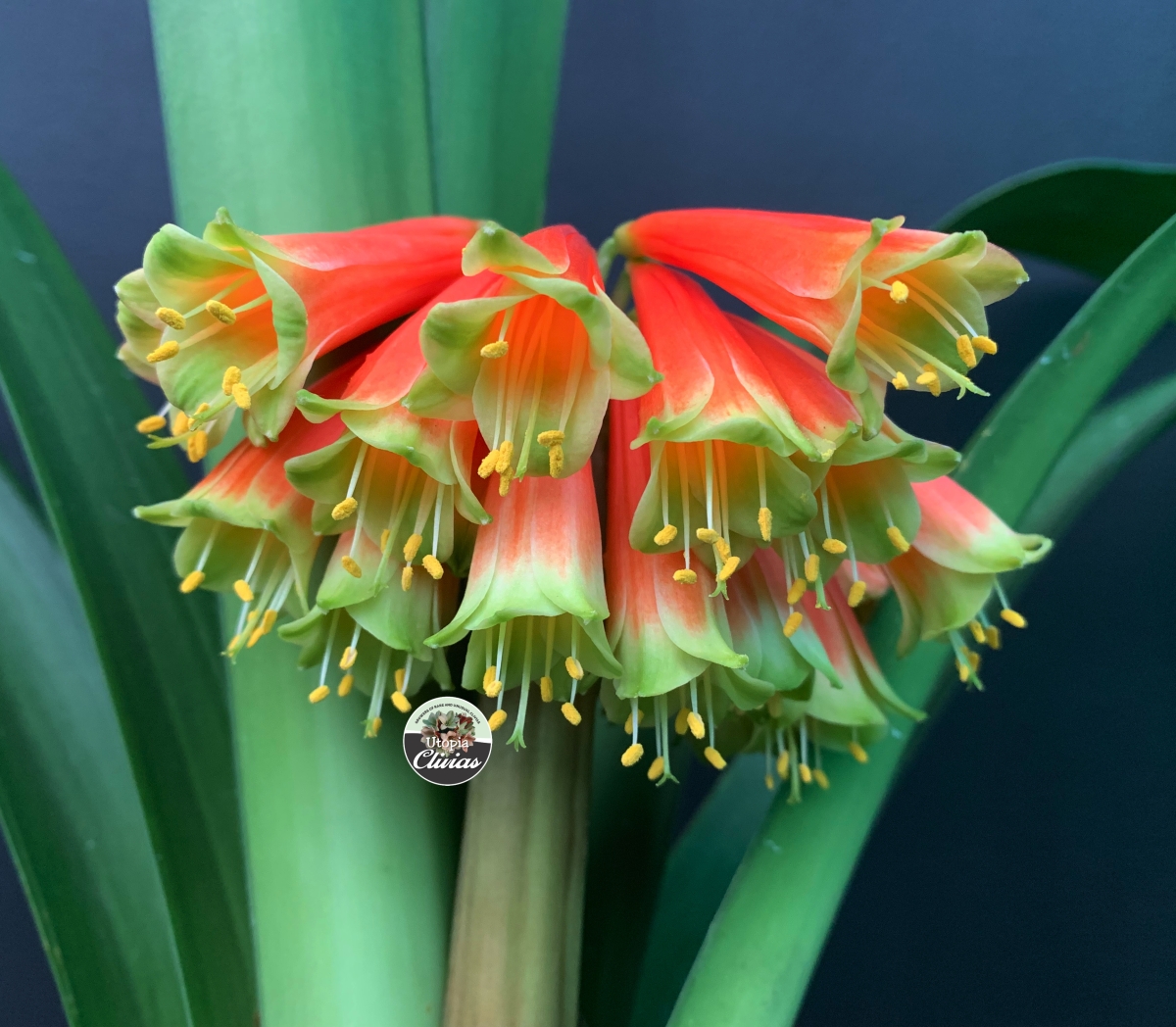
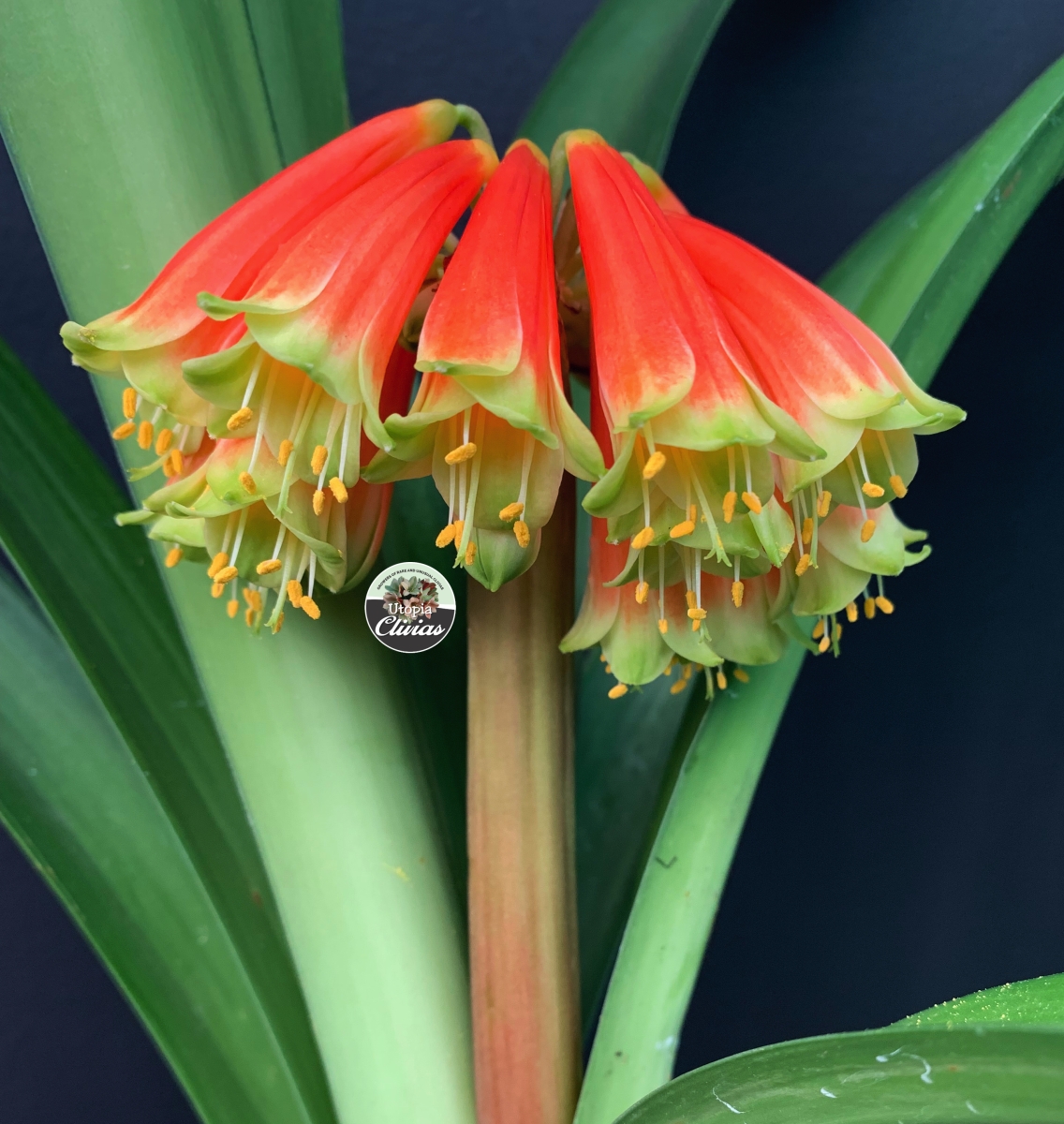
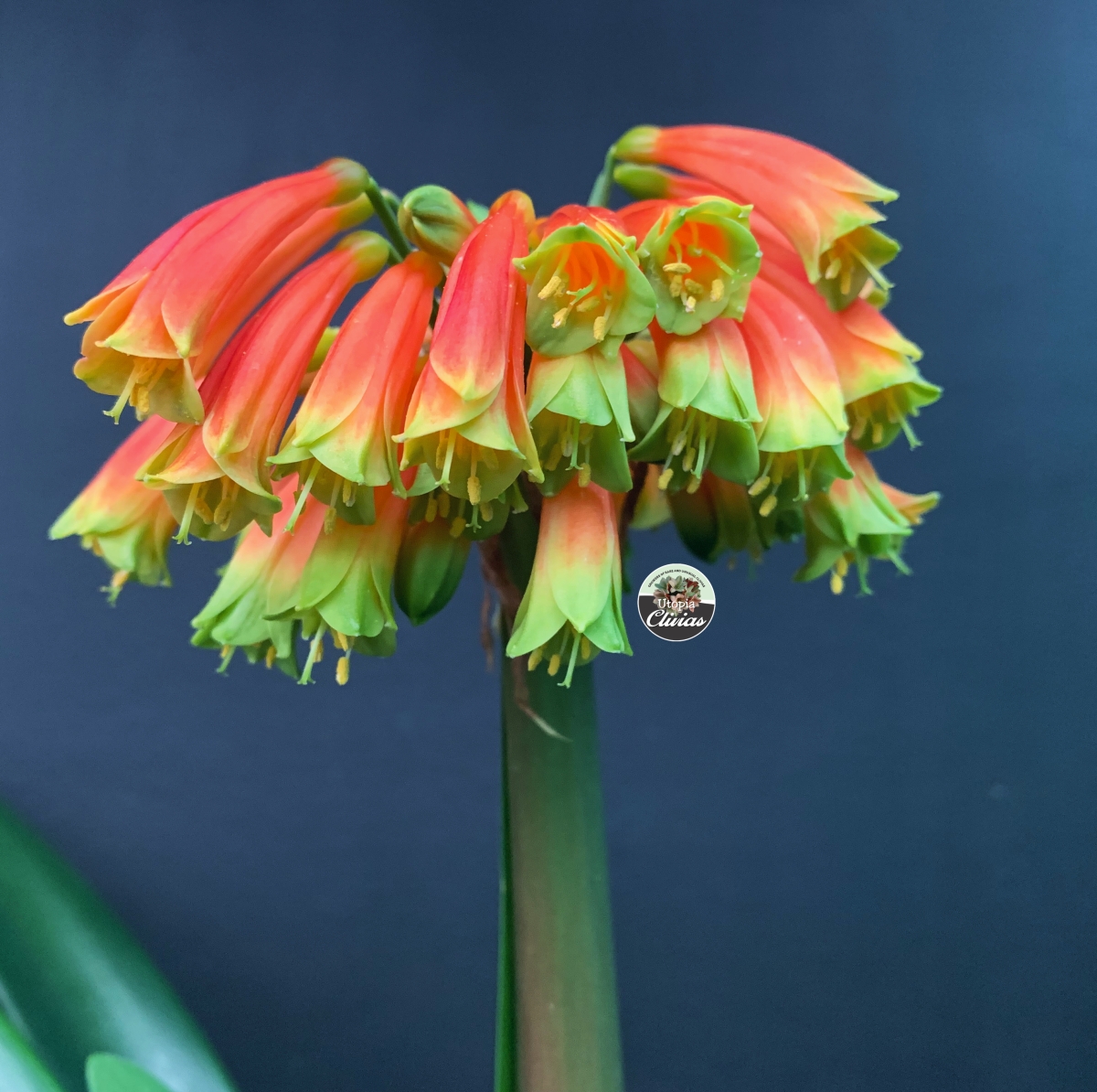
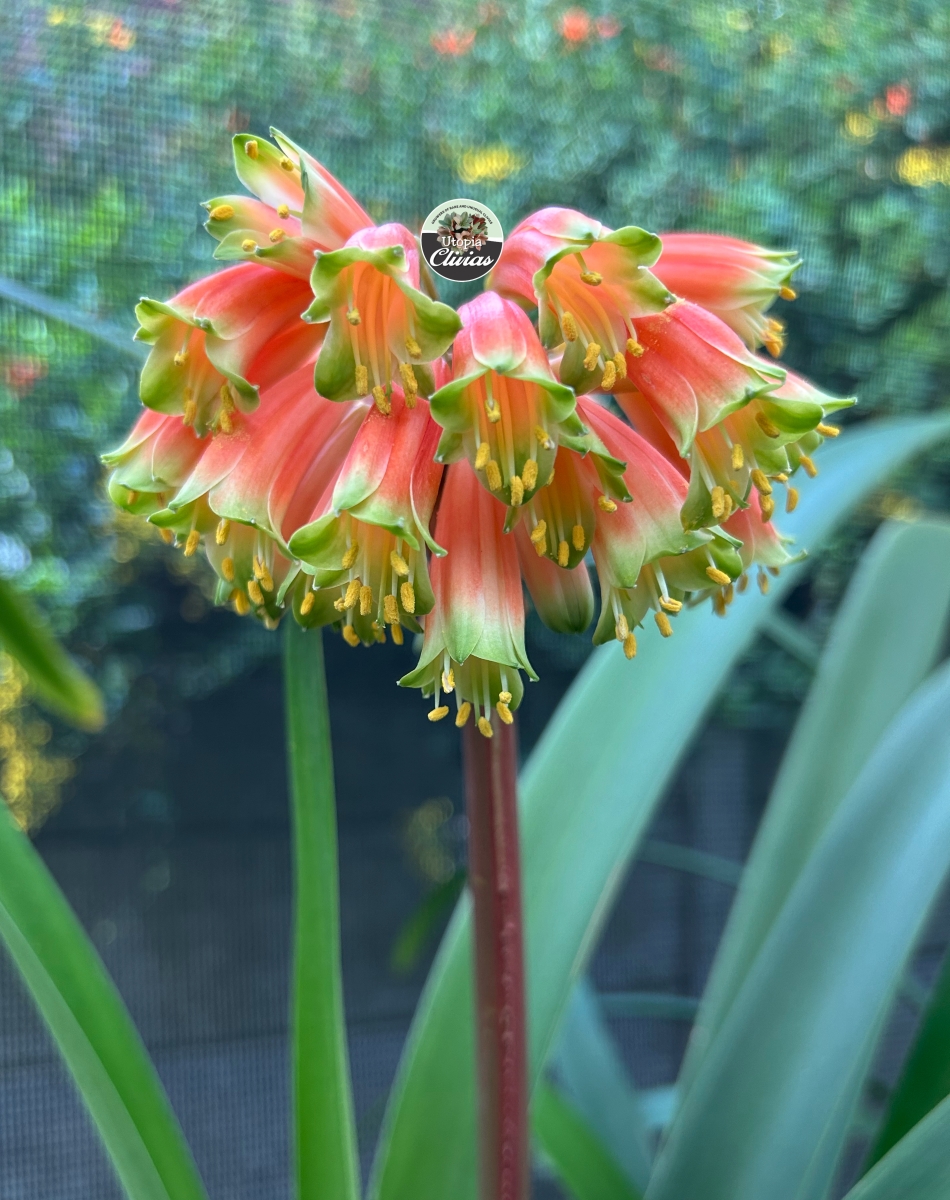
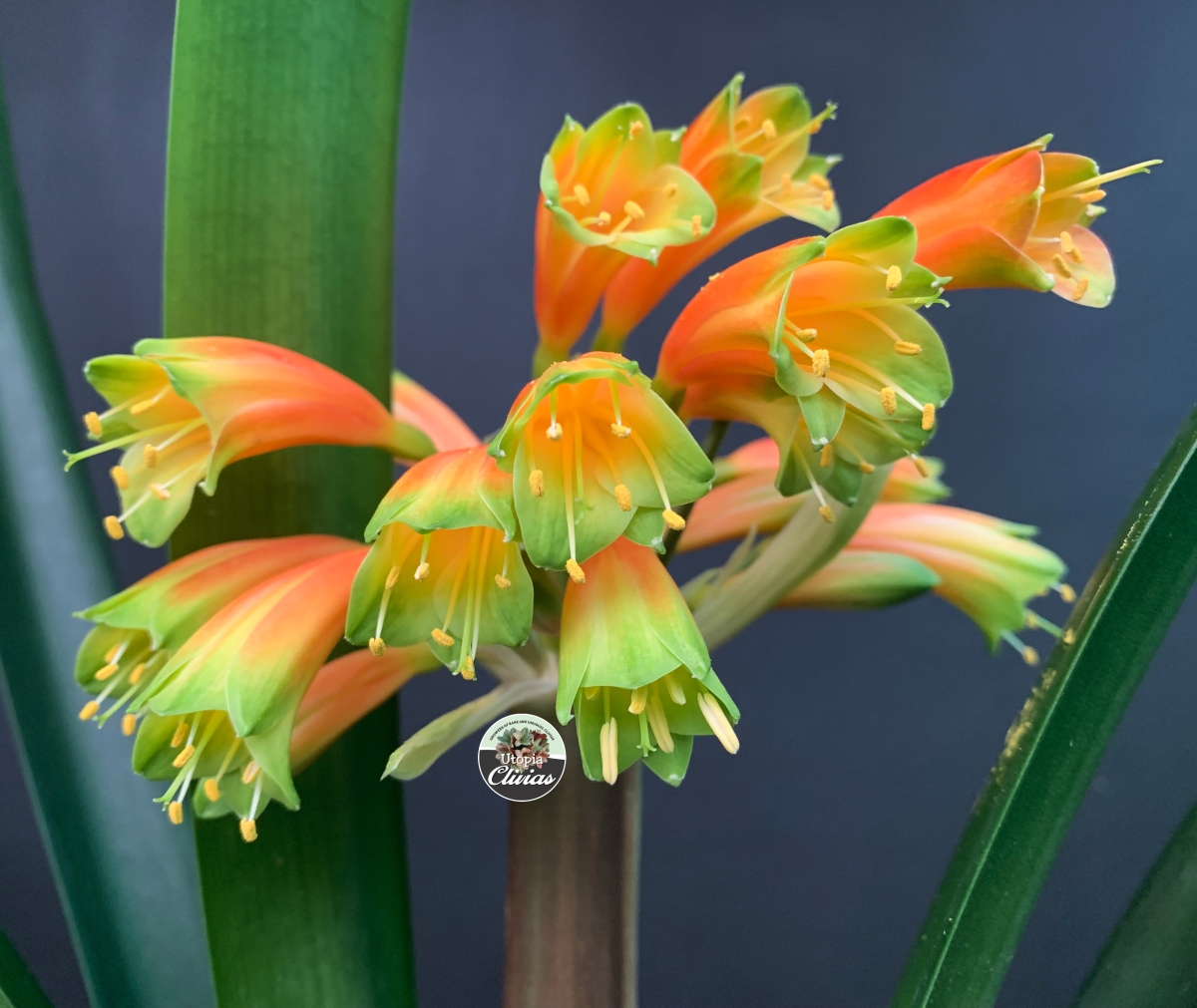
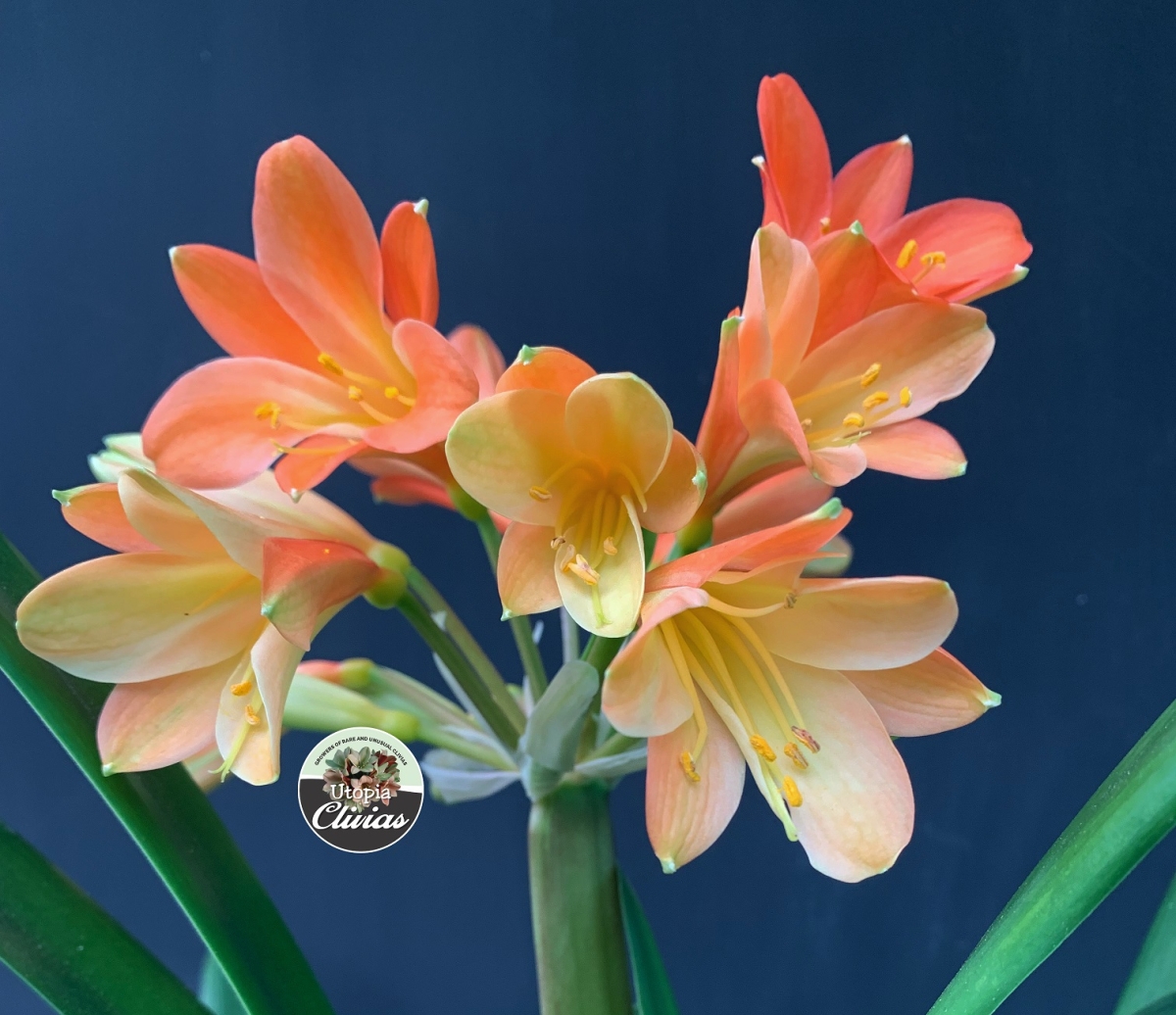
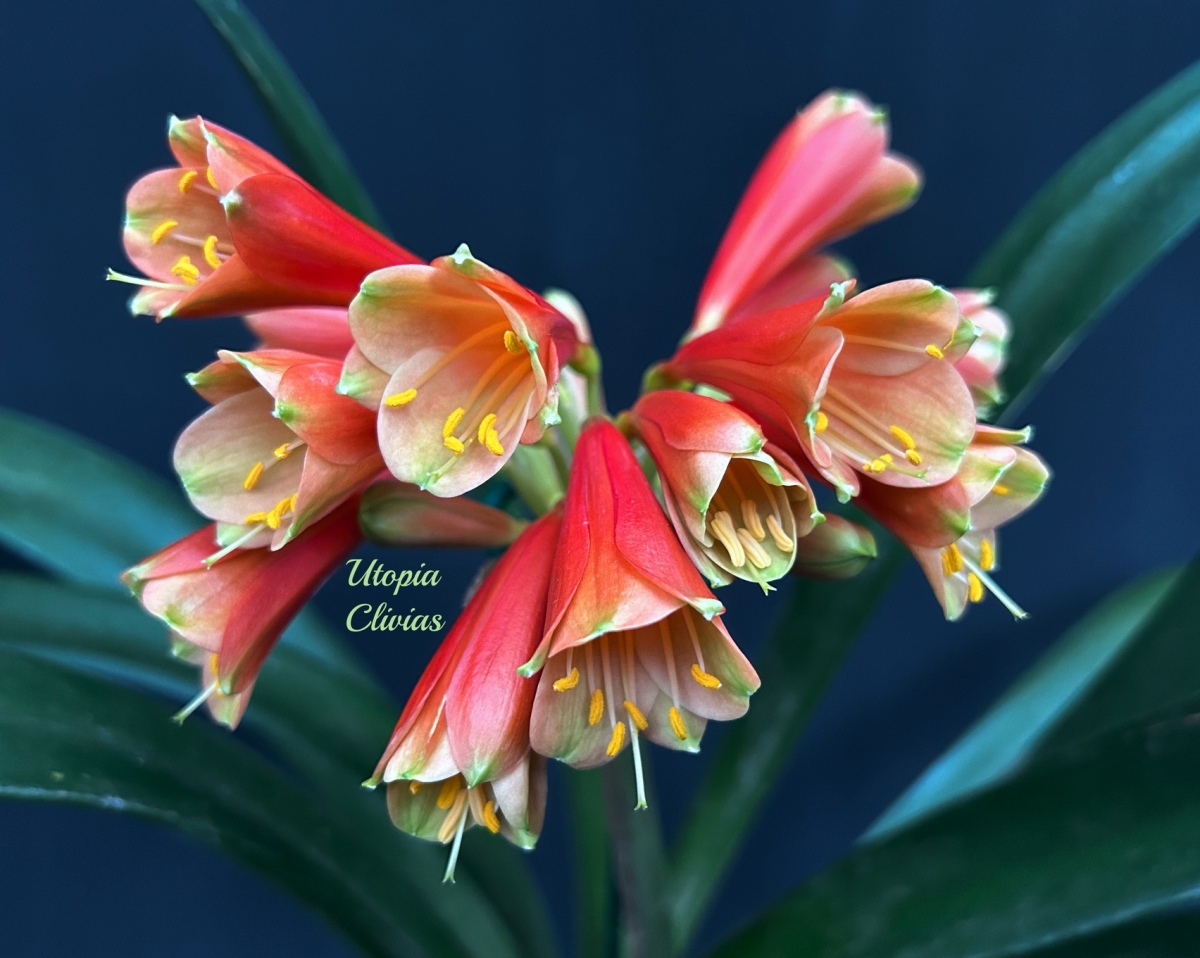
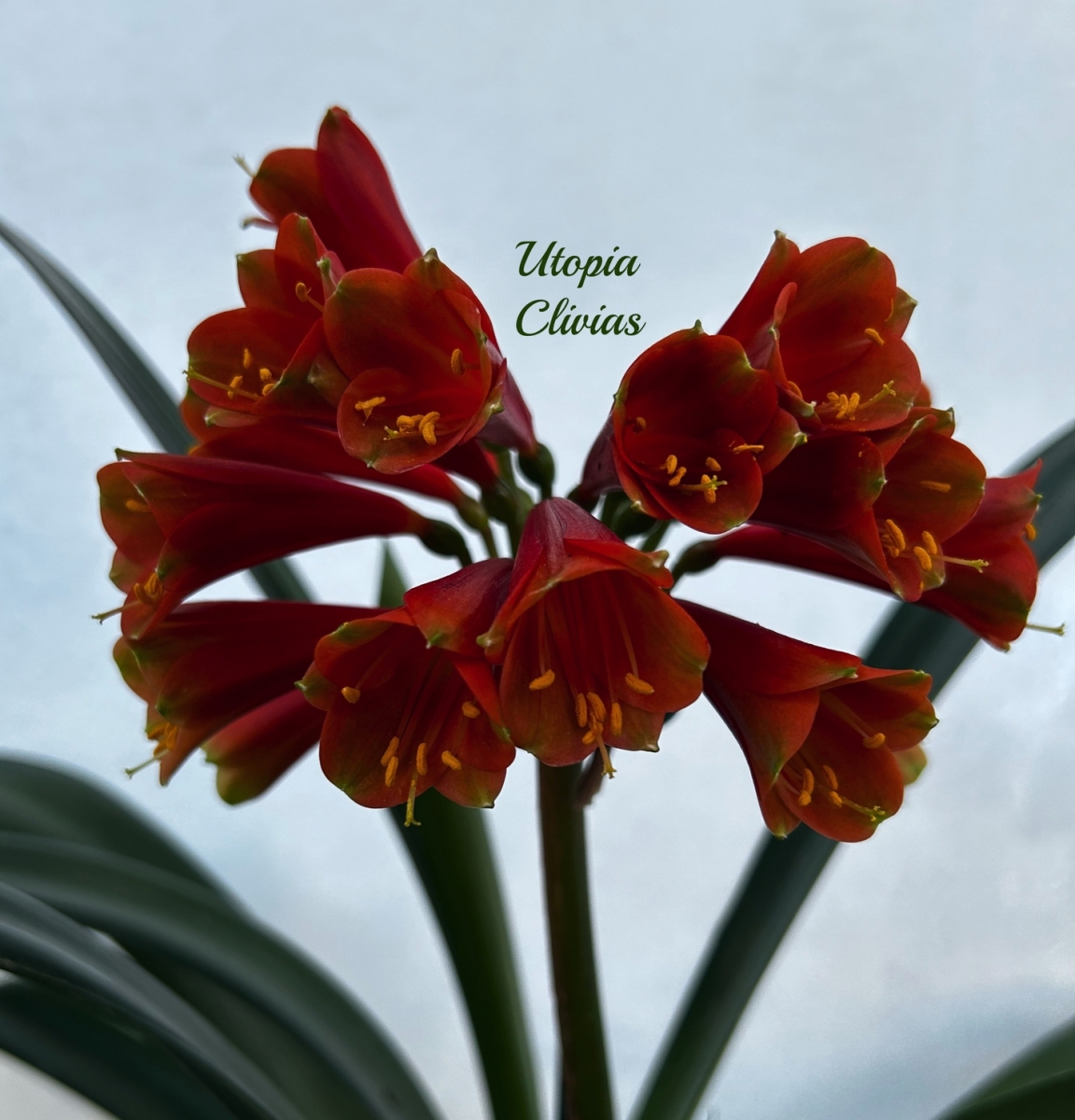
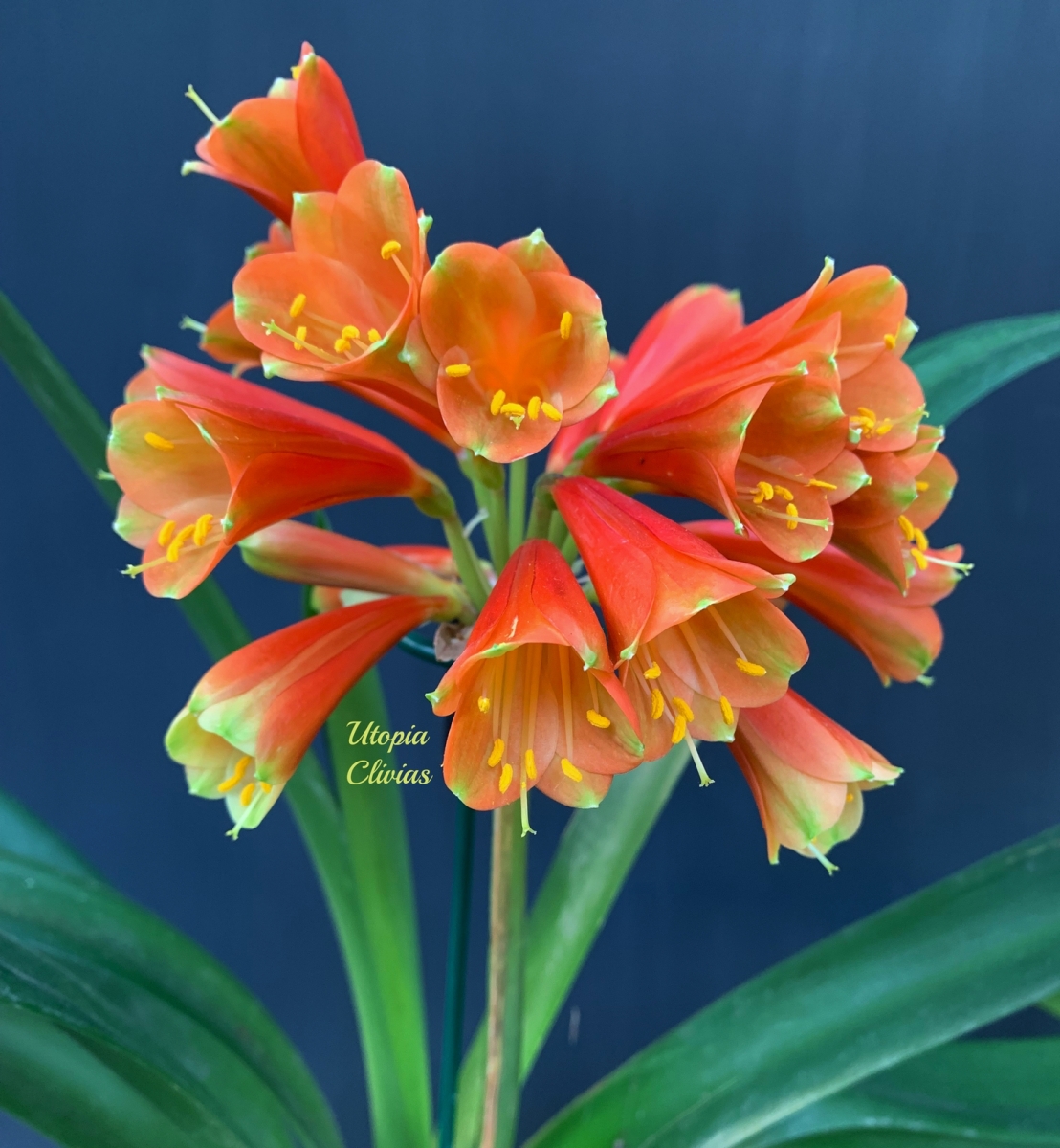
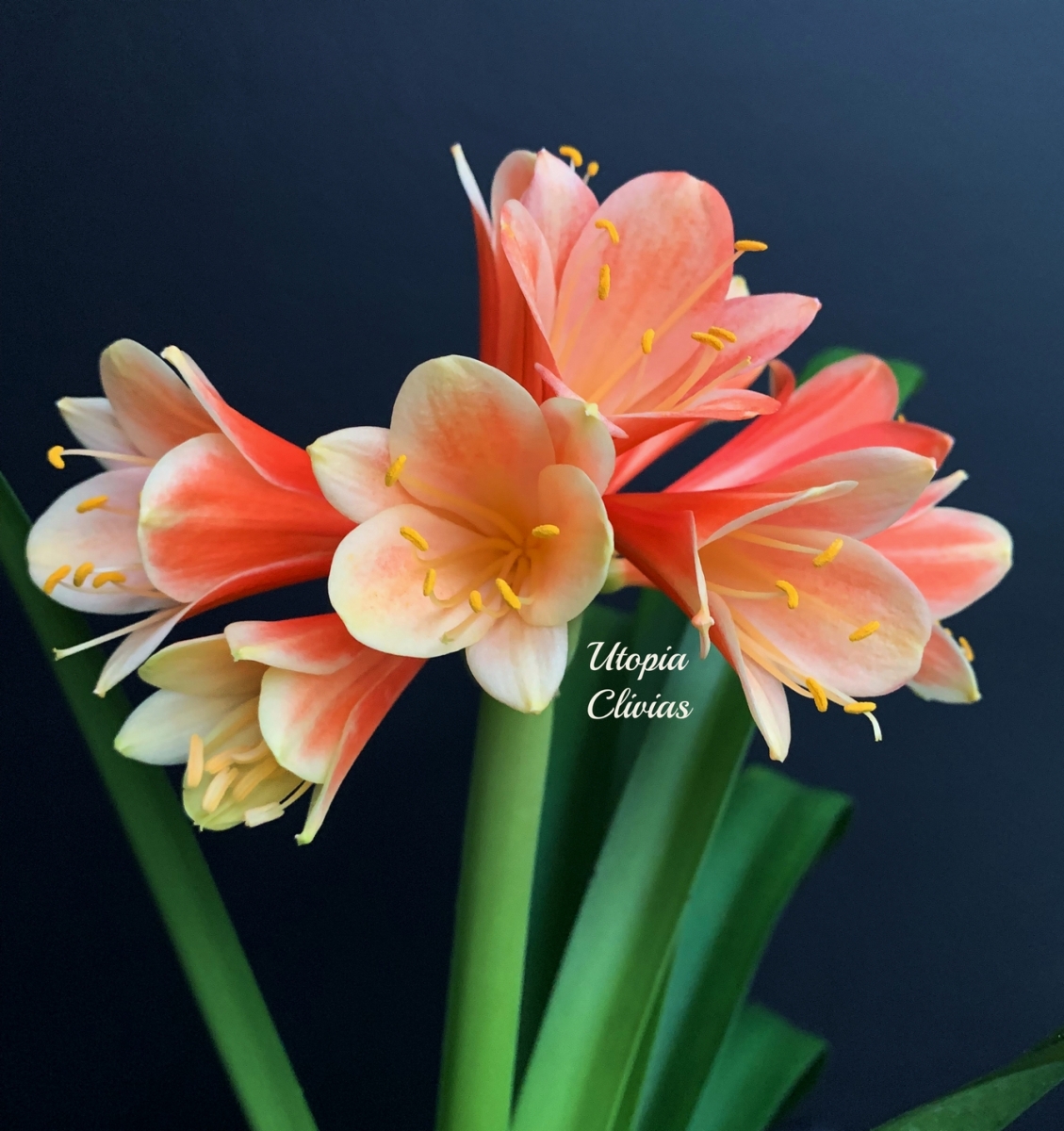
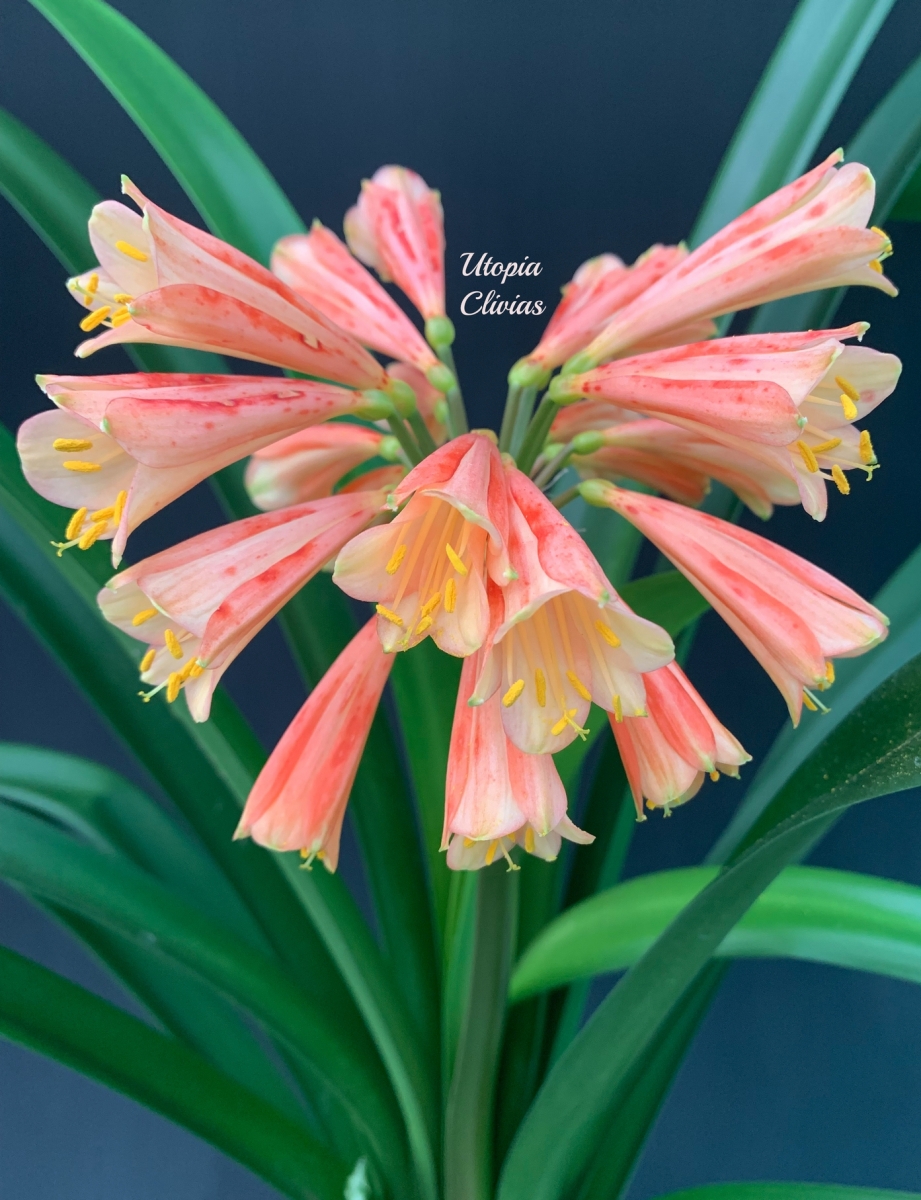
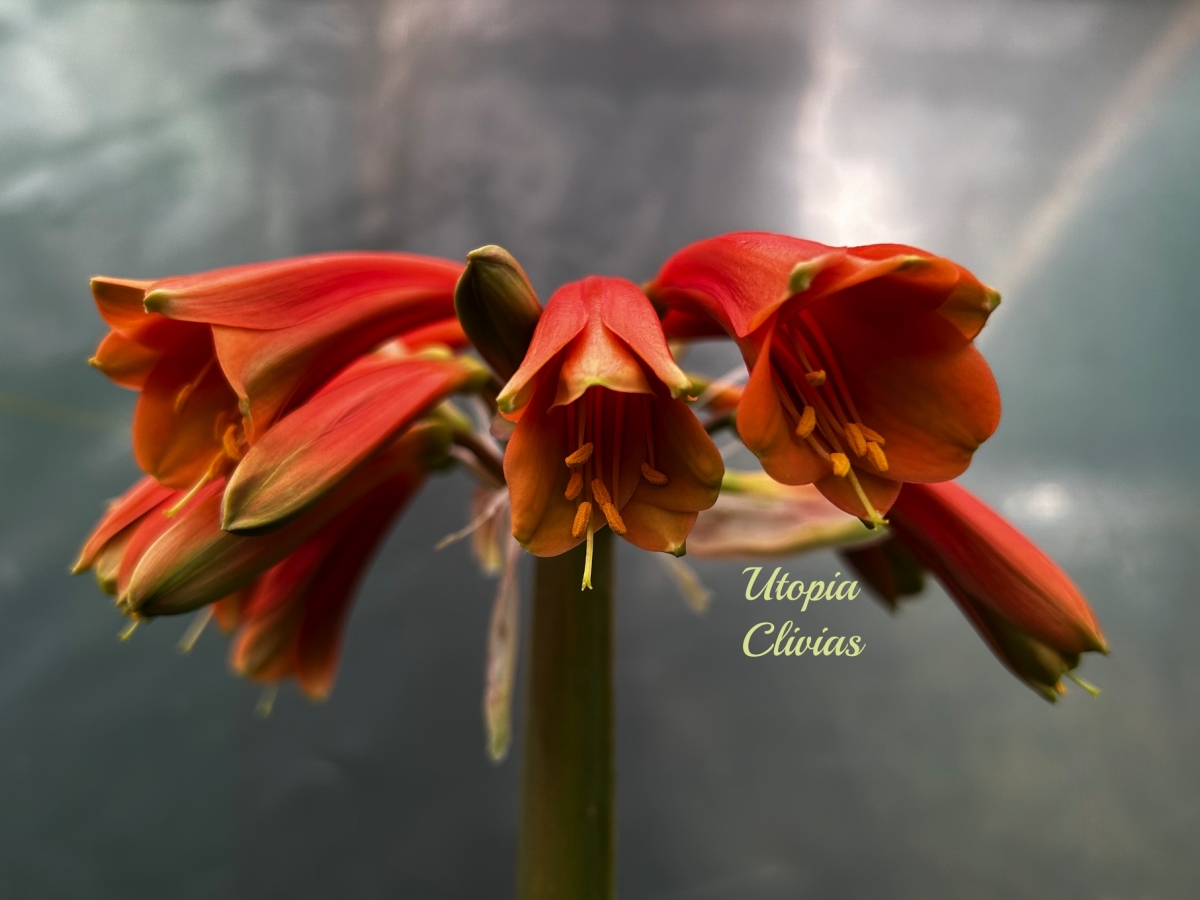
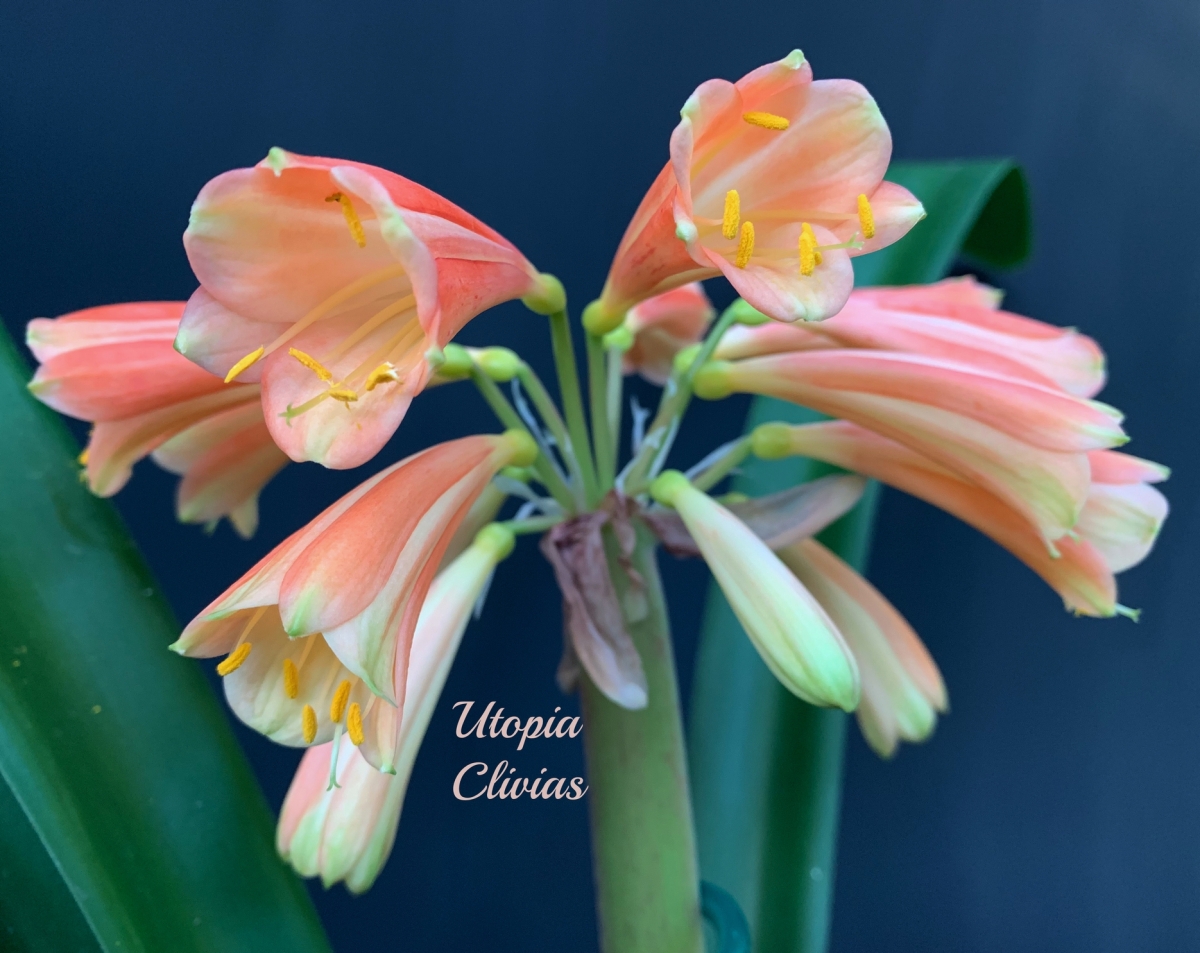
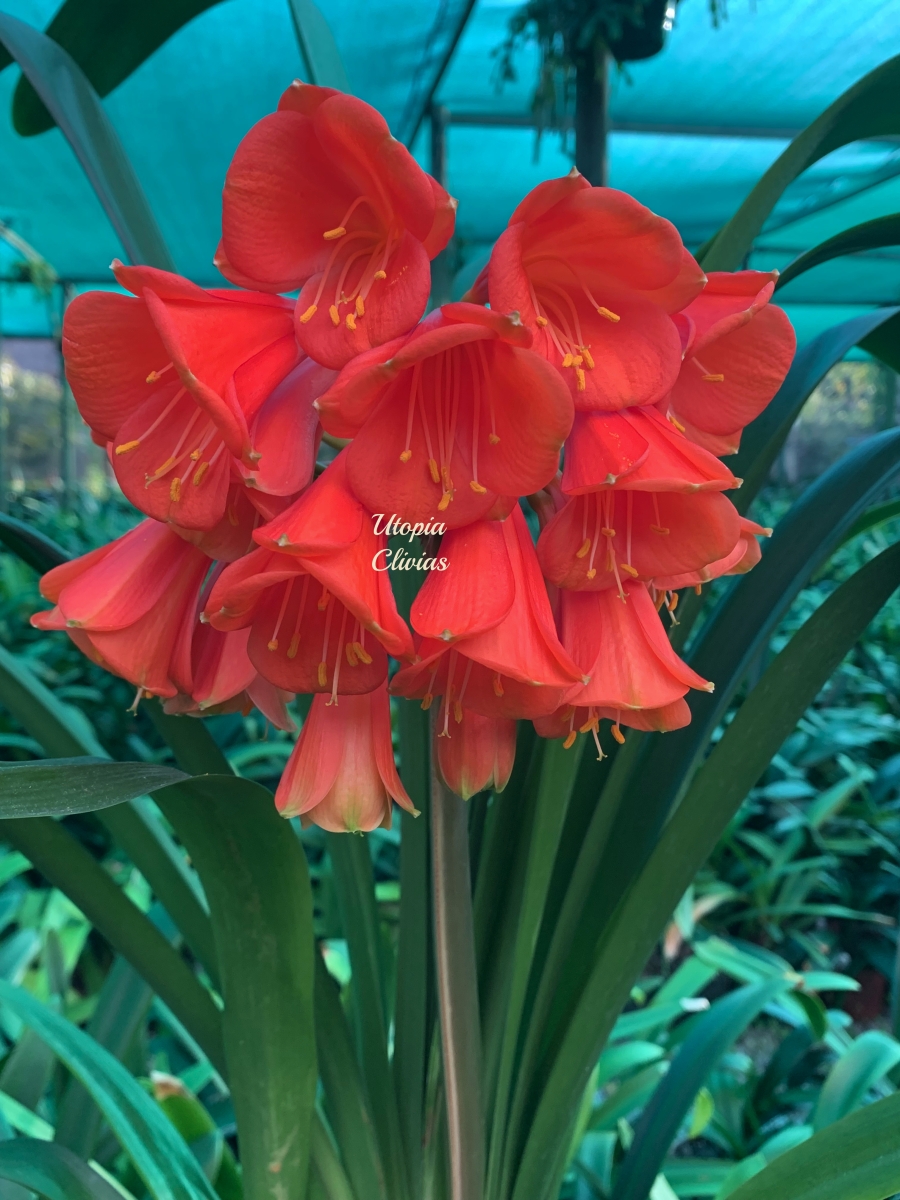
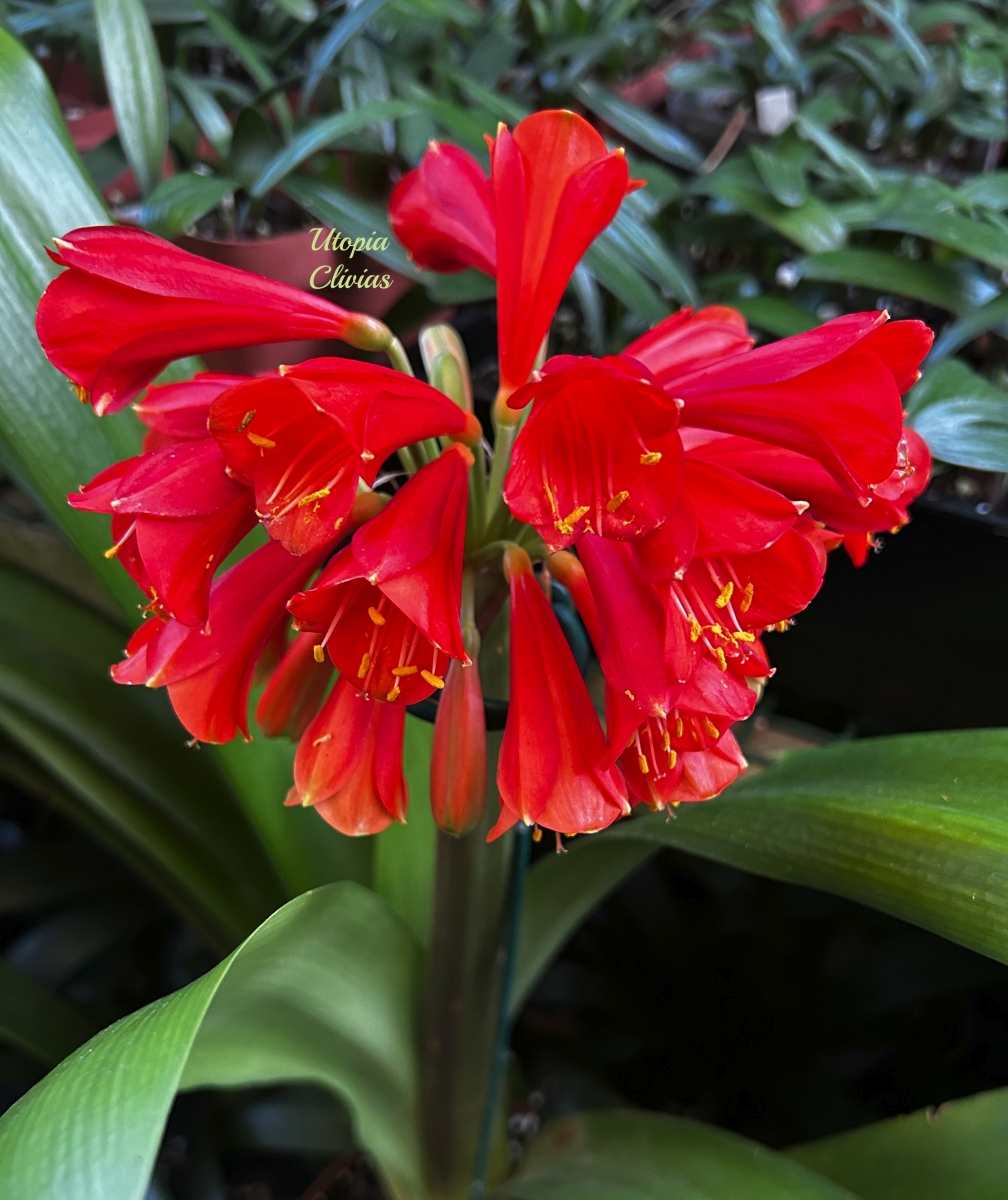
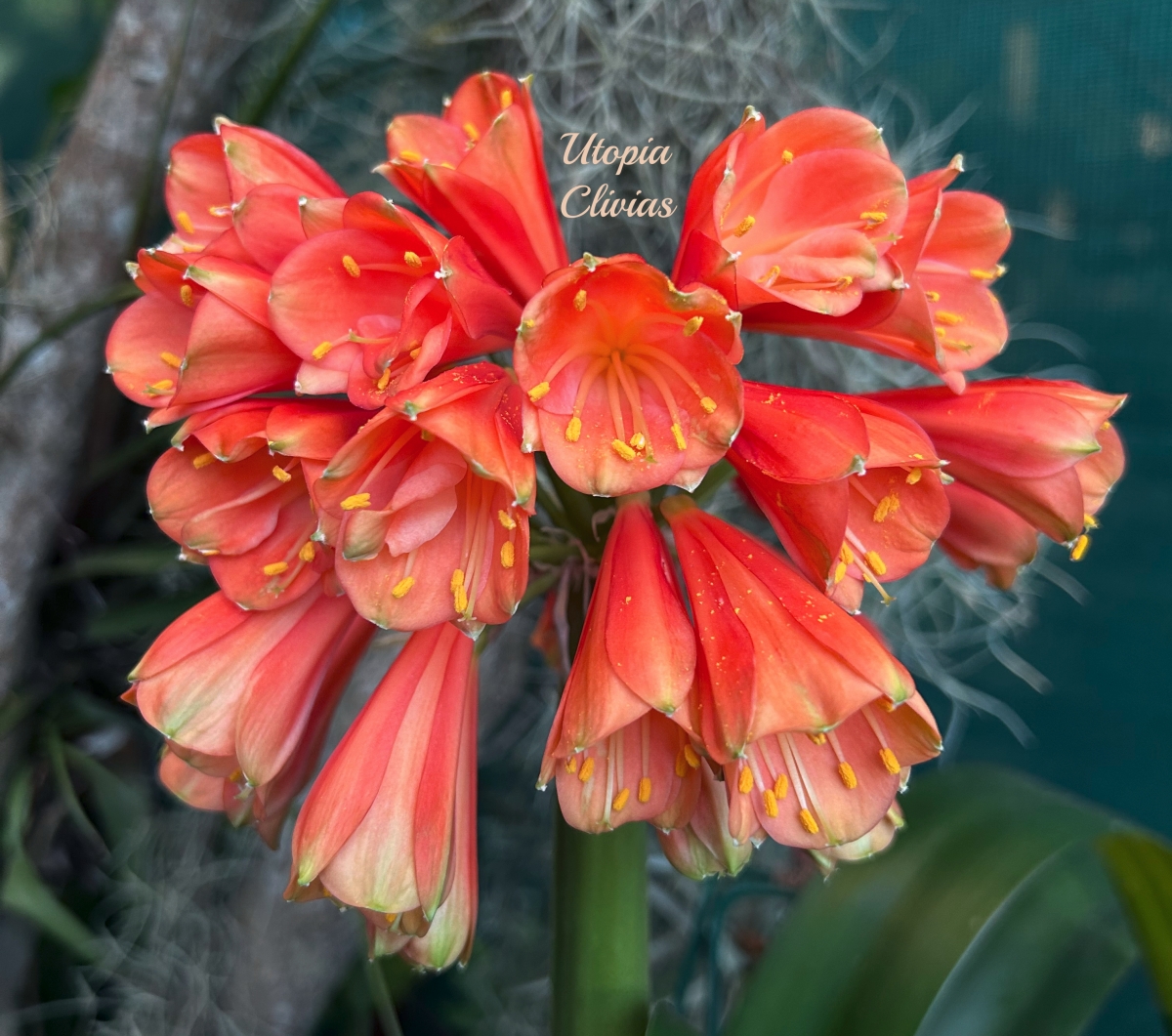
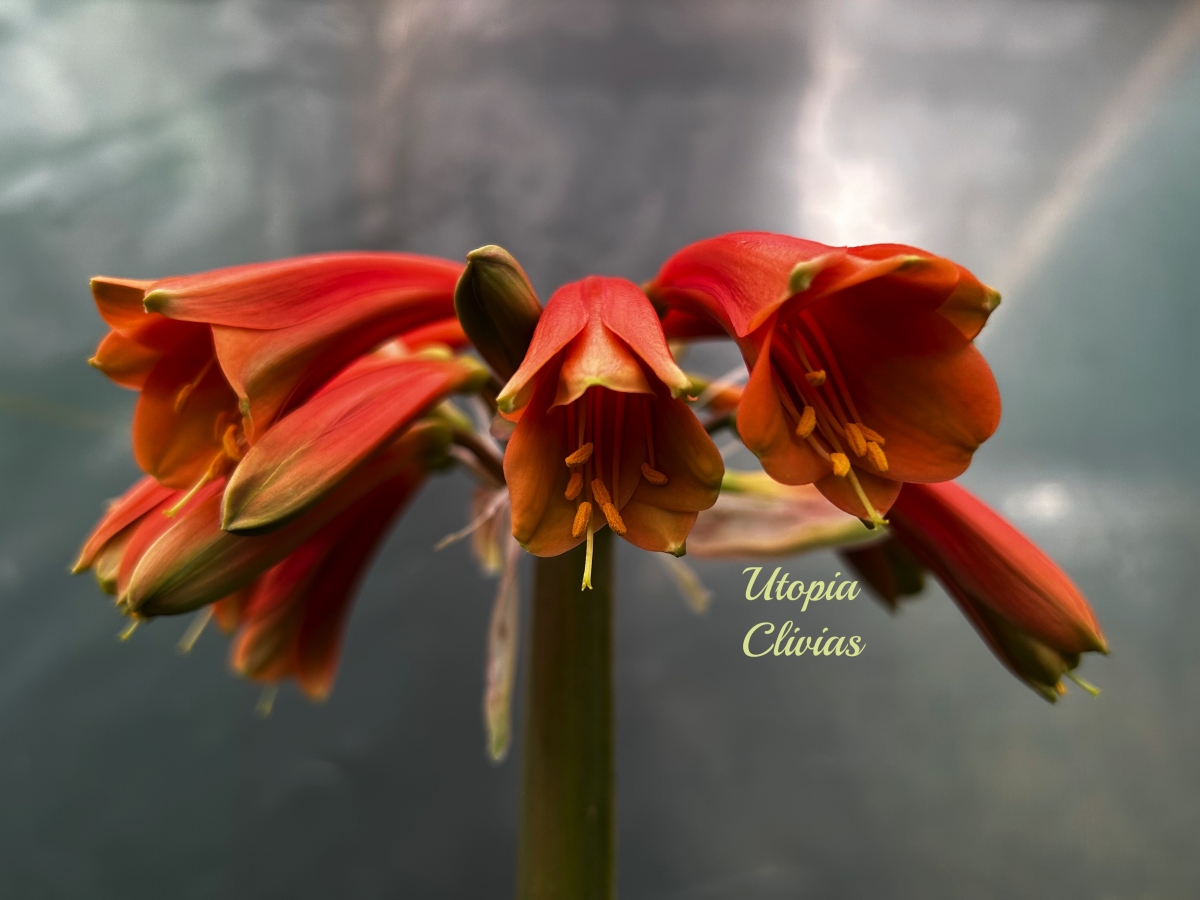
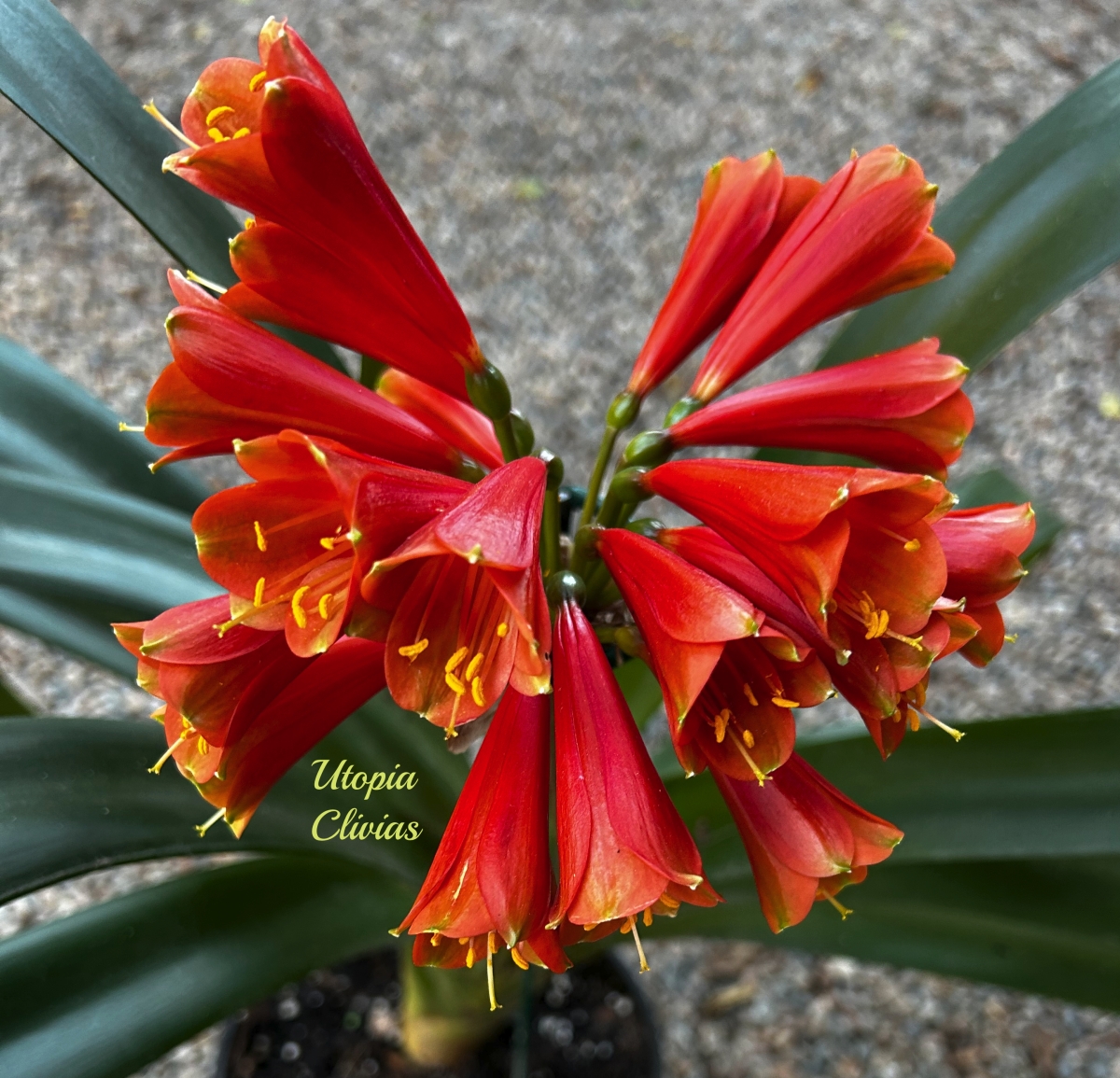
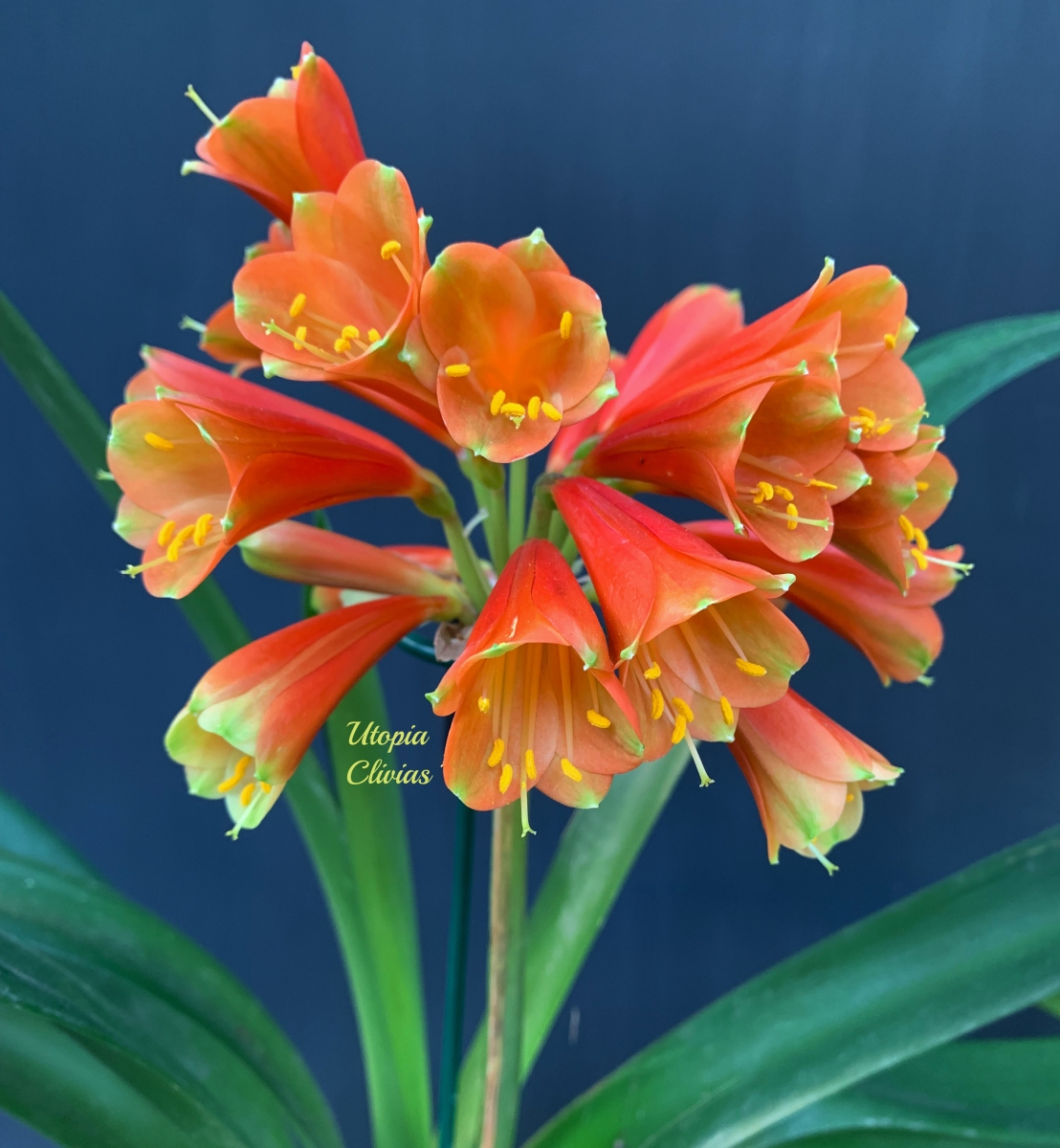
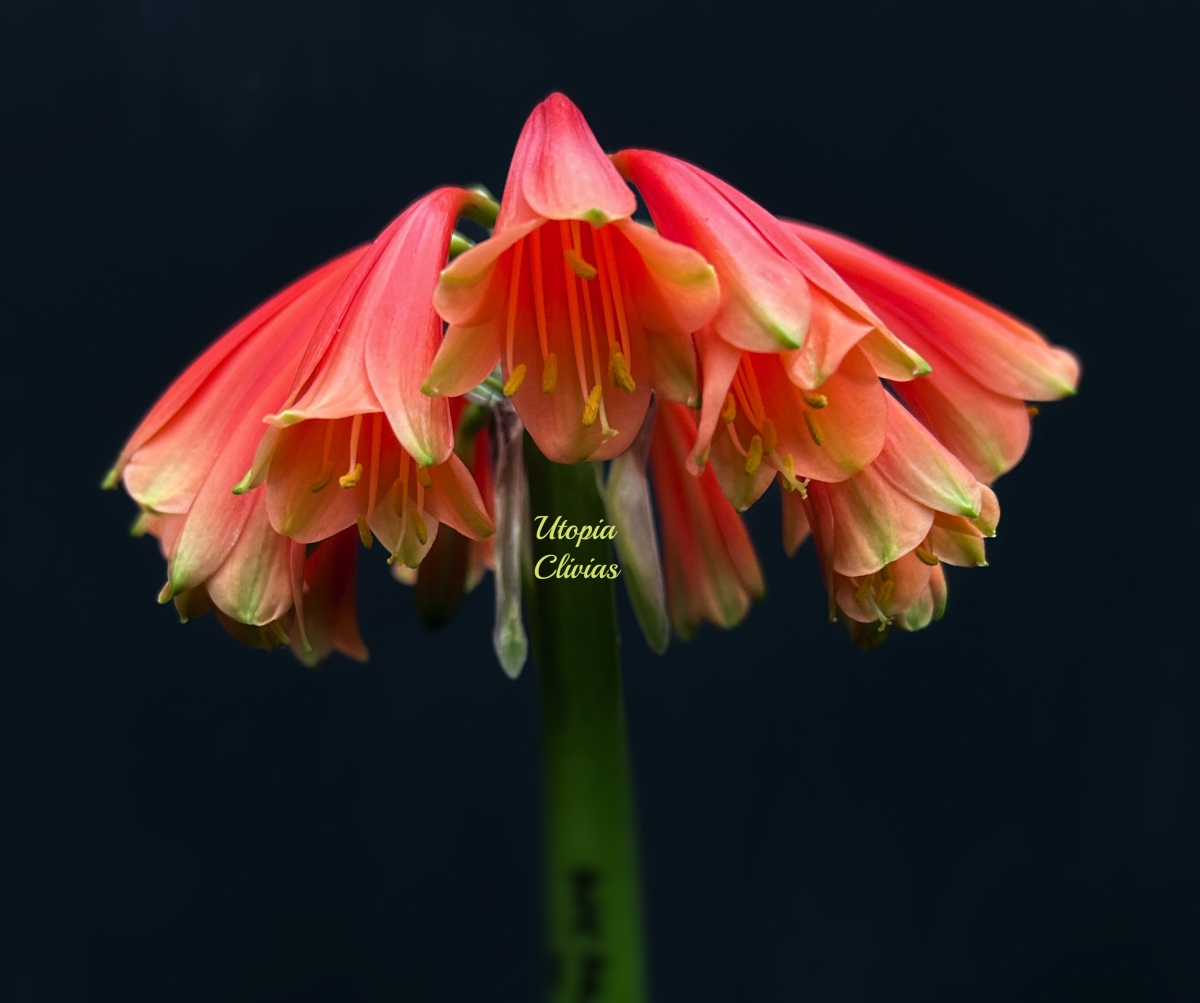
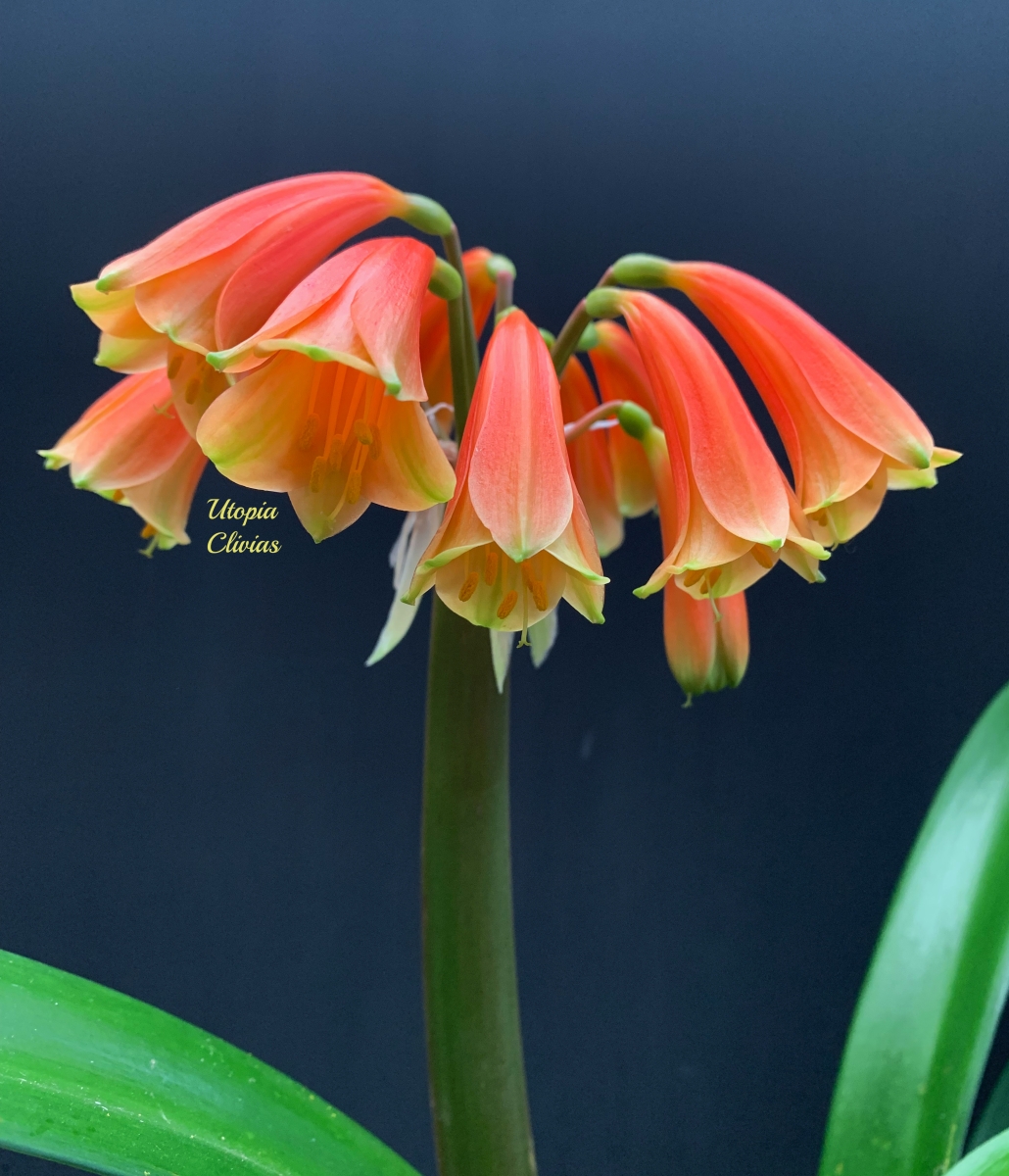
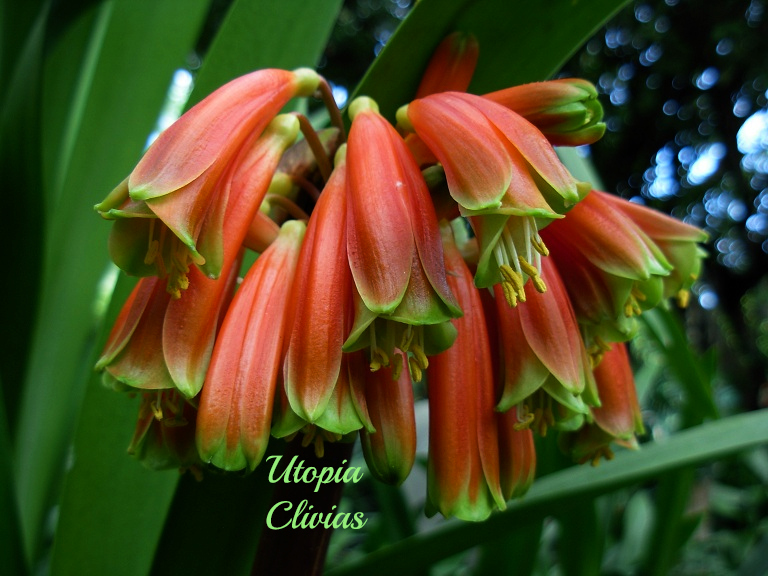
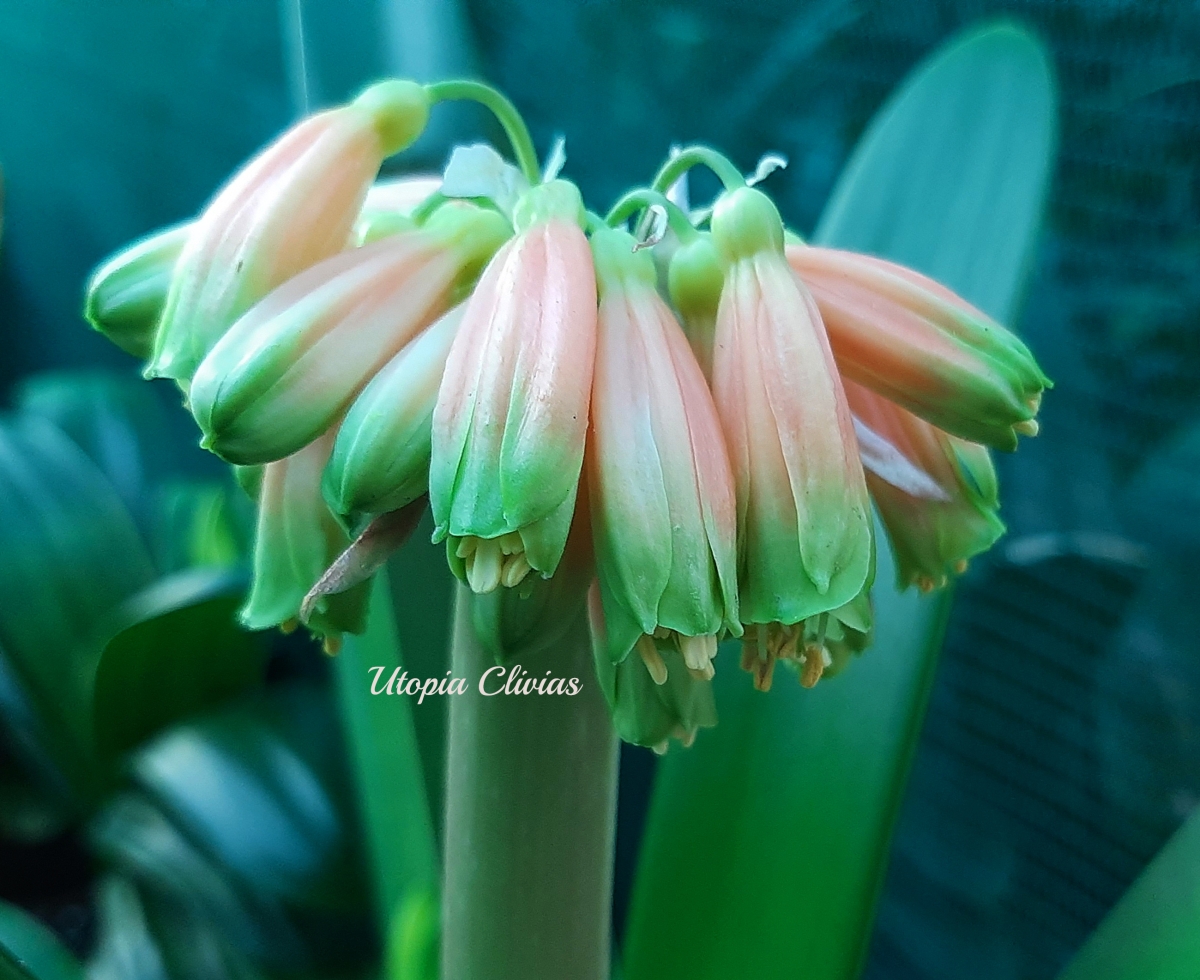
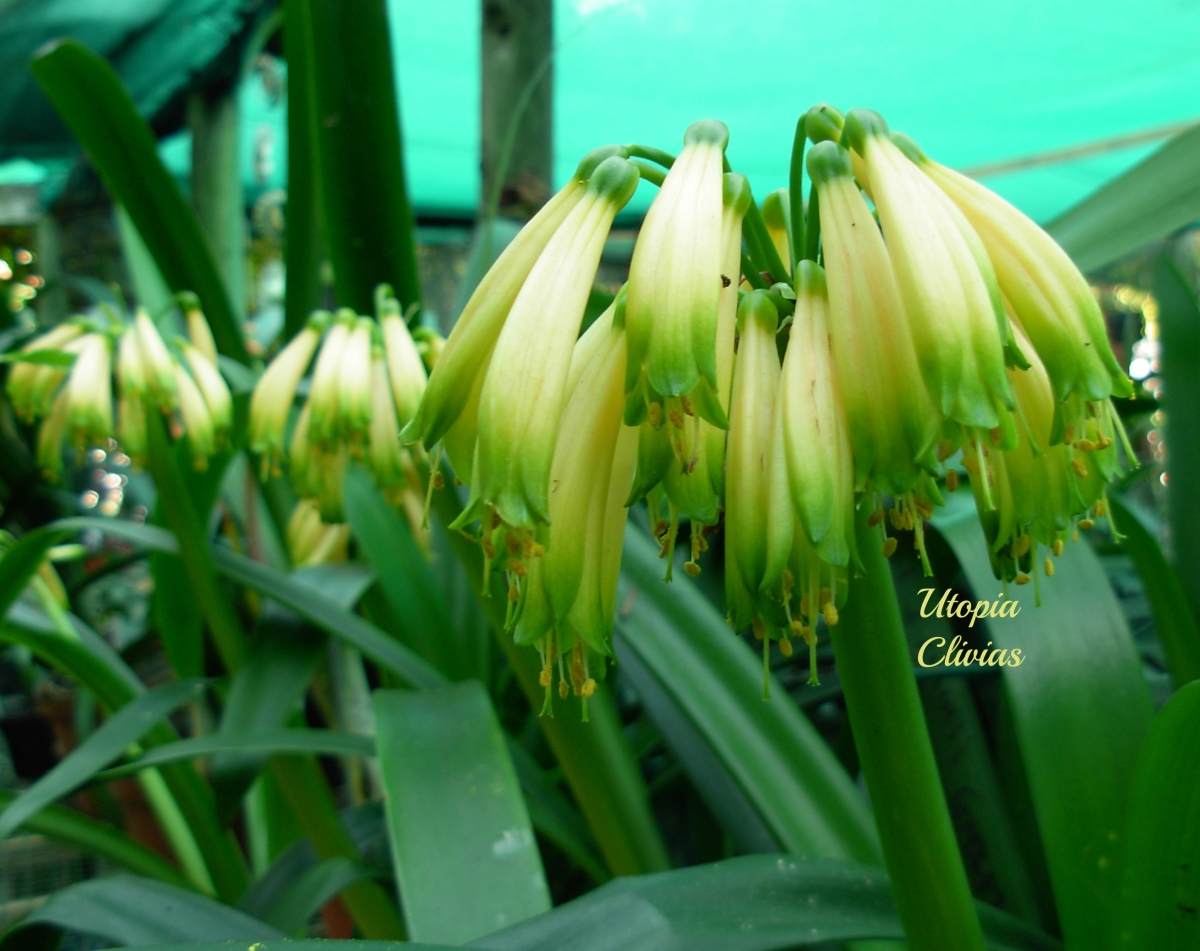
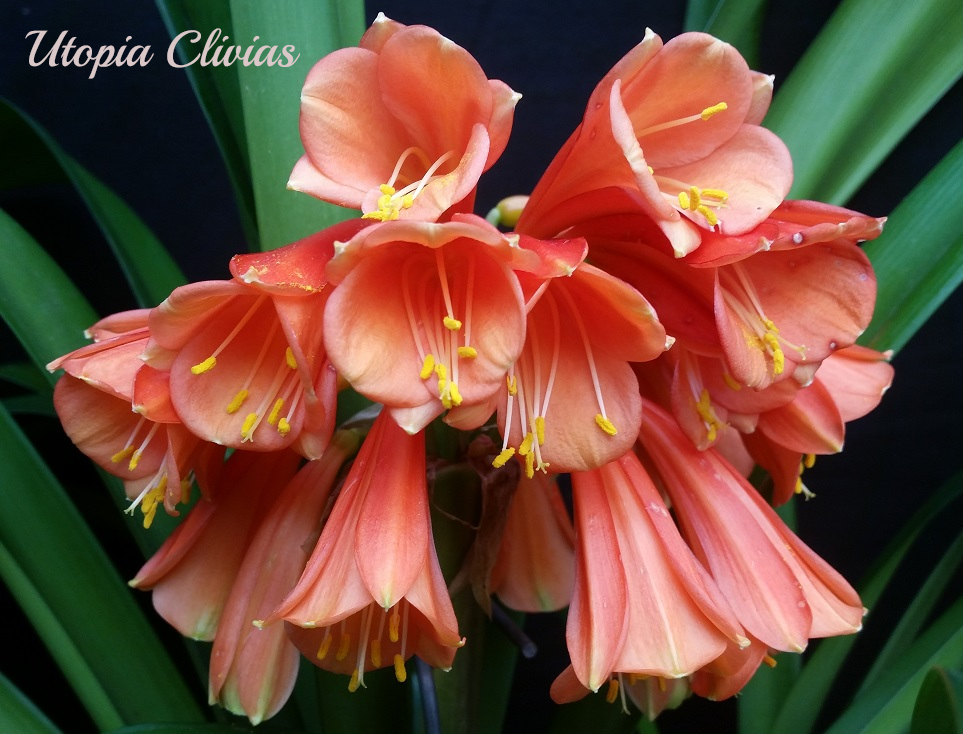
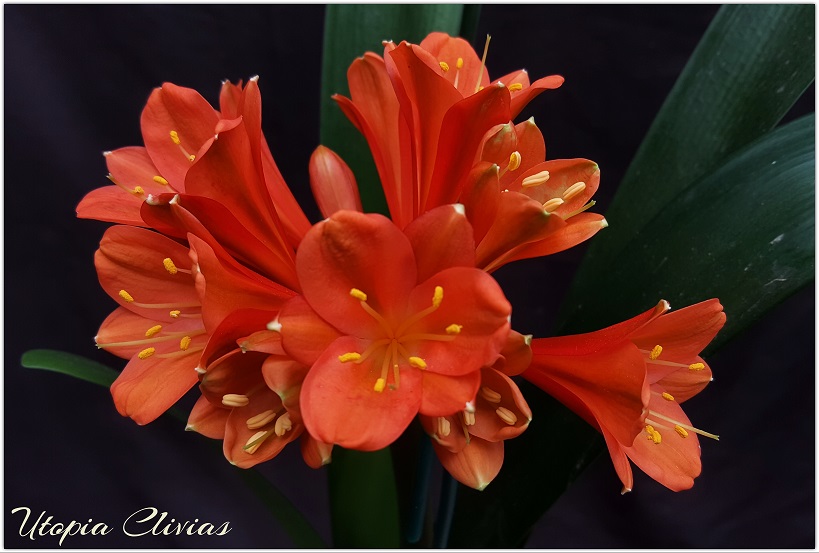
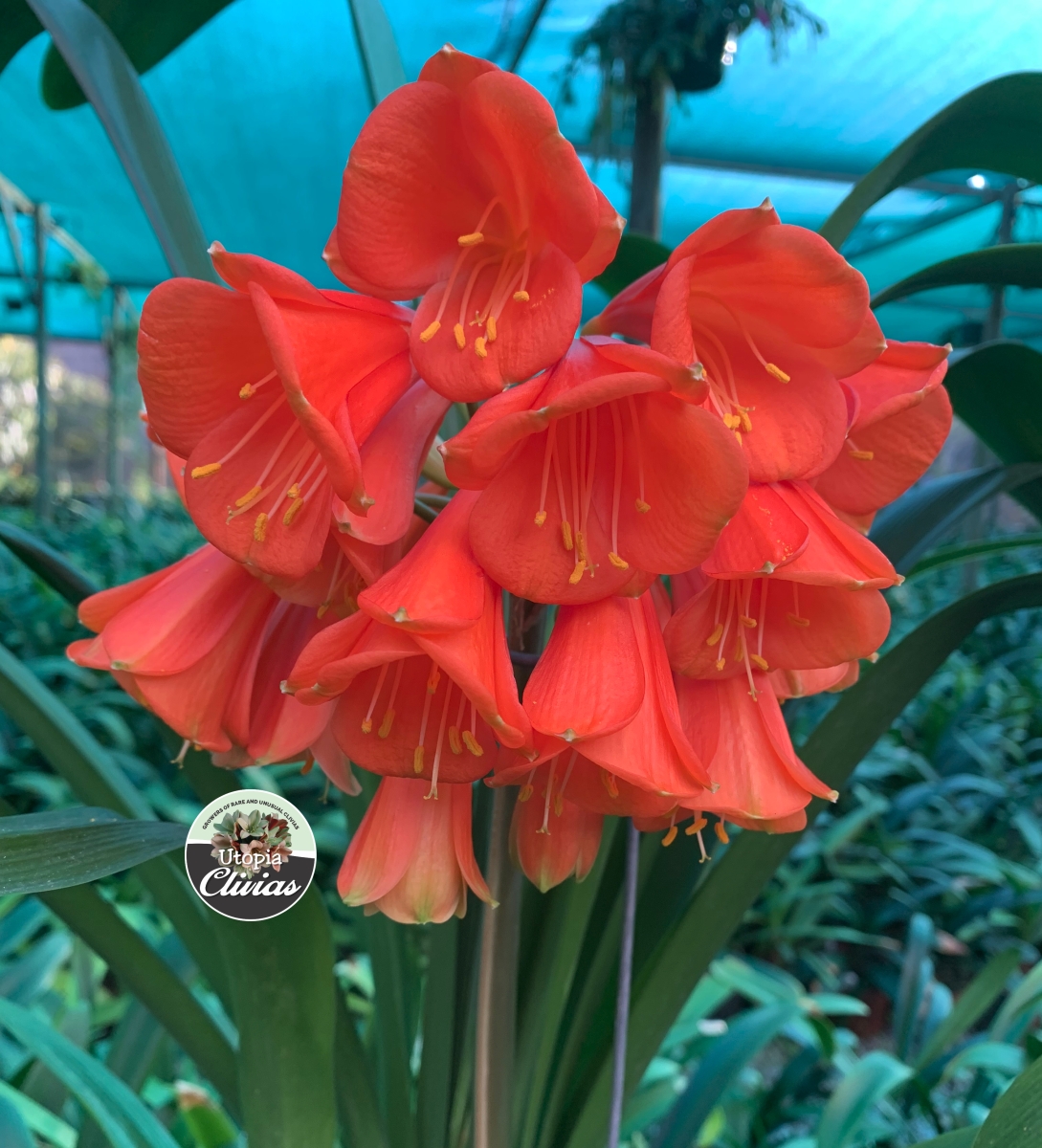
Through research and a conversation with one of the nursery owners, I learned that these plants had been grown from wild-collected seeds in KwaZulu-Natal. They were all Clivia robusta, and once they bloomed, I could see the full potential of this species: strong umbels, varying shades of orange, red, and bronze, and some with truly unusual colours.
I began selecting and marking plants with standout traits—larger flowers, broader umbels, and rare shades. The rest went into the landscape project, but the chosen few became the foundation of something far more exciting.
🌸 Breeding with Robusta
Over the years, I’ve focused on crossing those selected plants with one another. Their seedlings flowered about four years later, and once again, I picked out the best. By simply breeding robusta to robusta, I was able to improve both flower size and form in the very first generation.
These plants are now named, numbered, and form part of our core robusta breeding line.
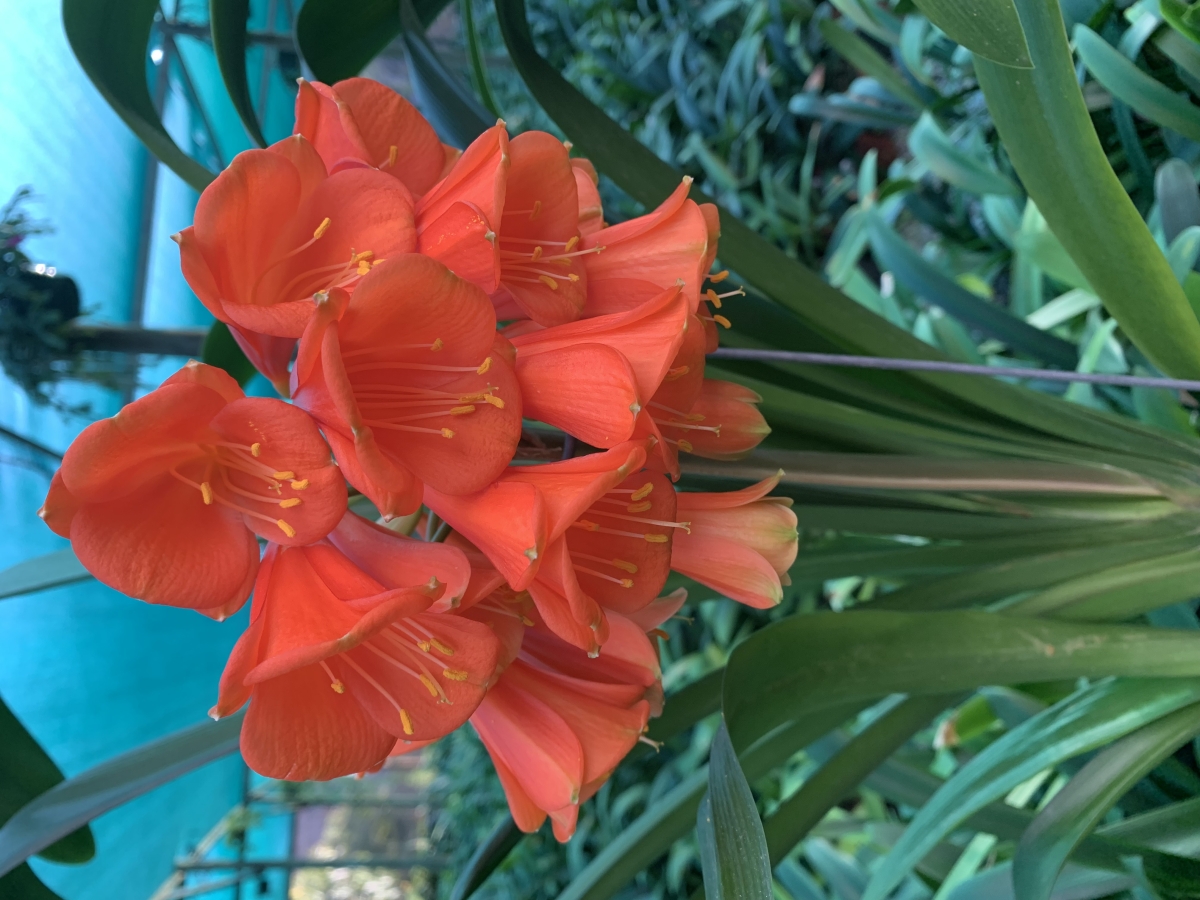
In recent seasons, I’ve started experimenting with crosses between robusta and specially coloured miniata flowers, both as pod and pollen parents. Some of these hybrids have flowered, and I’m incredibly excited. Early signs suggest that robusta crosses tend to produce larger flowers in F1 than similar crosses with gardenii.
🎨 The Vision: Bigger, Bolder, More Colourful
My breeding goals are clear:
Increase flower size
Enhance colour range
Introduce new patterns and forms
Maintain the strong growth habit and high floret count that robusta is known for
It’s a long-term vision—and one that requires patience. But patience is something every clivia breeder must learn to embrace.
🌟 Why Robusta?
What makes Clivia robusta so special?
They are magnificent autumn bloomers, bringing colour when most clivias are quiet.
Their flowers come in a surprising range of colours and forms.
They are strong, tall-growing plants, perfect for the garden or greenhouse.
And most importantly, they are excellent breeding partners—ideal for interspecifics with large umbels and rare colours.
Final Thoughts
My relationship with robusta has grown from chance to deep admiration. These plants have shaped not only my breeding direction but also my love for autumn even more. If you’re a clivia enthusiast, I can’t recommend this species enough—for both its beauty and its breeding potential.
🌿 Explore our robusta hybrids and breeding lines at Utopia Clivias.
Visit us at 20 Crane Walk, Sedgefield or online at www.utopiaclivias.co.za