Third Time "Lucky"
By Carrie Krüger, Utopia Clivias
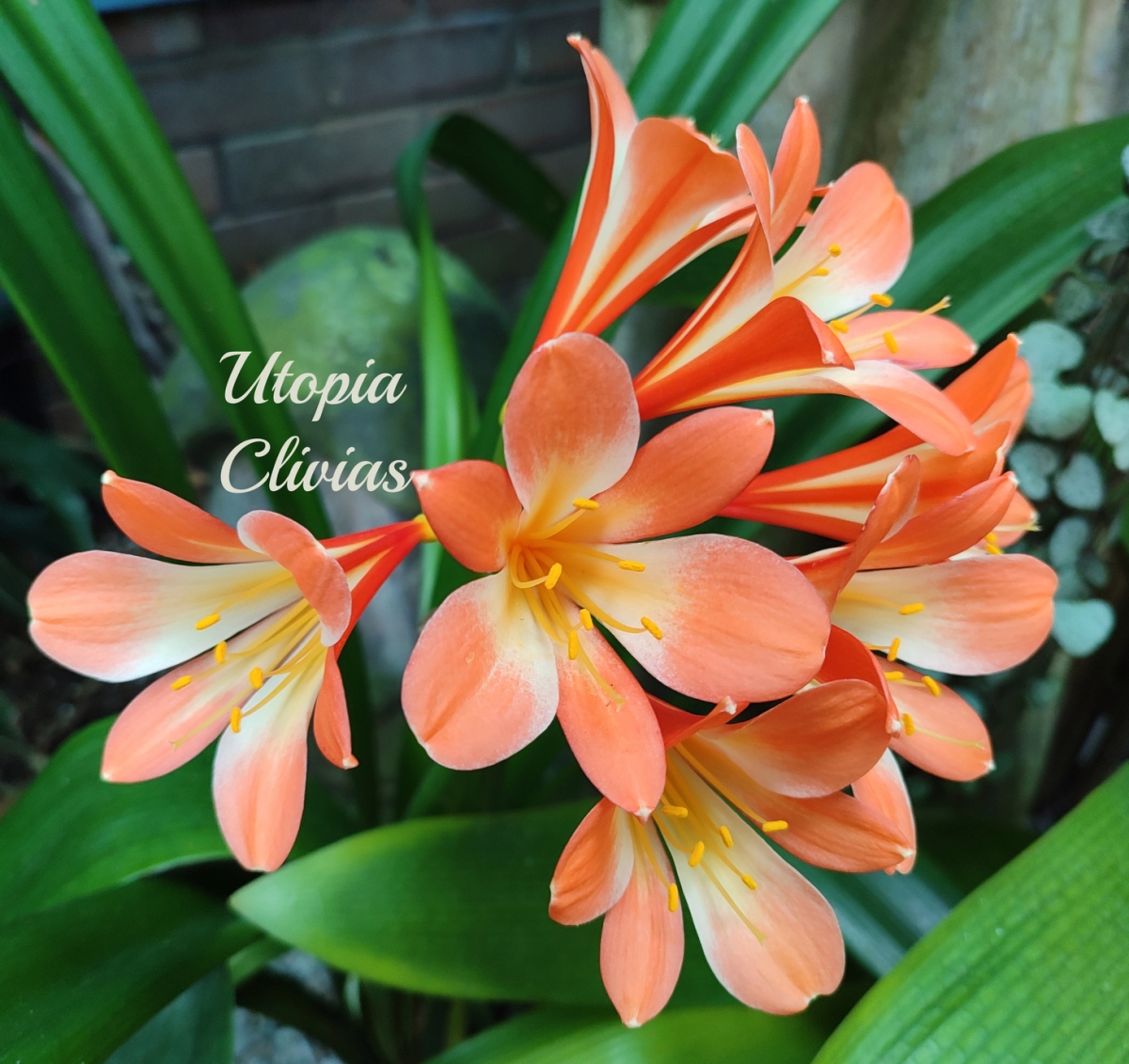
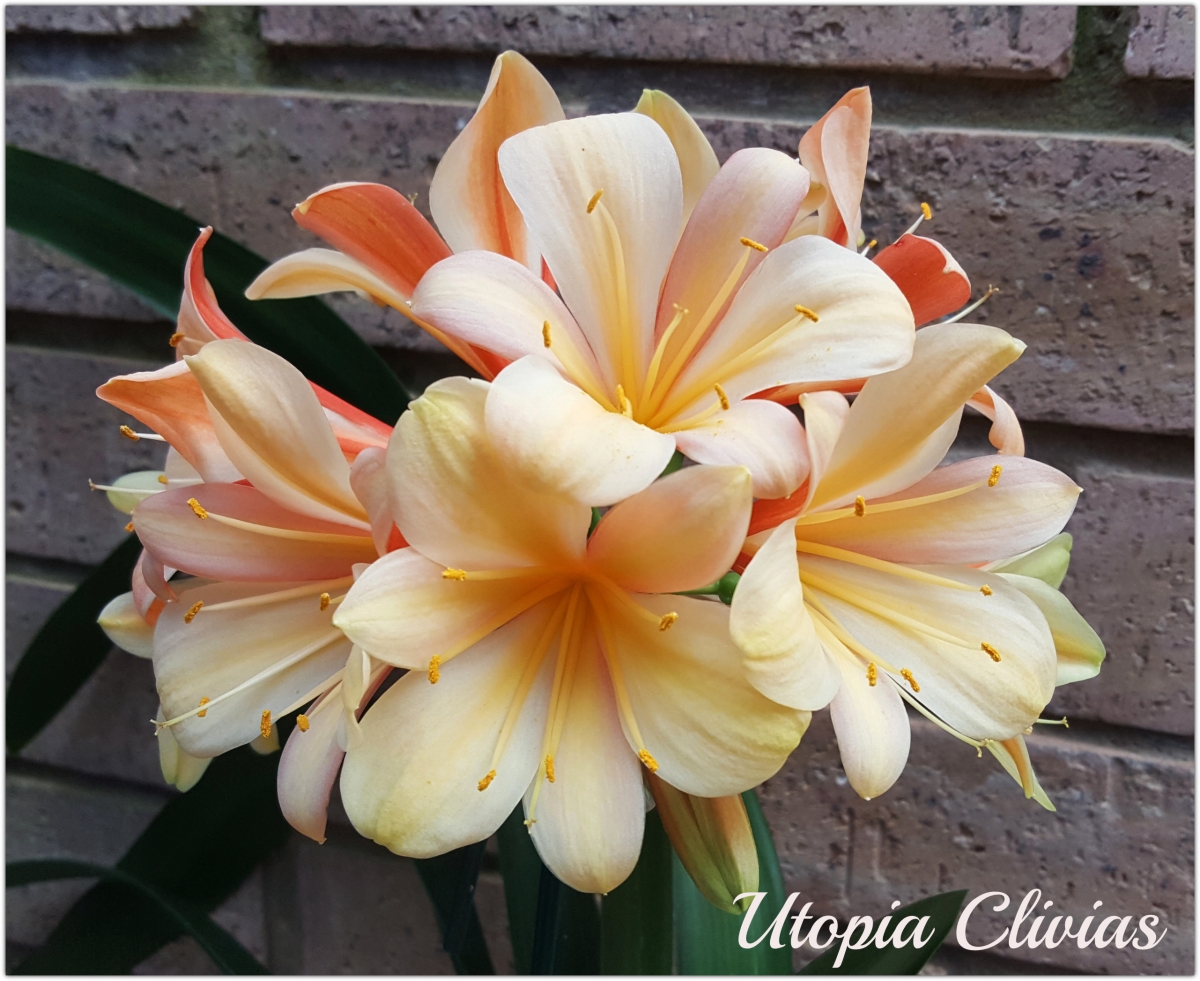
Twelve years ago, I shared a short article about an intriguing, unlabelled plant we obtained from a small nursery in the Eastern Cape. That story was published in Clivia News Vol. 22 No. 4 (2013).
At the time, we had no idea where the plant originated from, nor what it might be compatible with. I ended that article with the words: “Only time will tell.” Well, time certainly has—and today, I’m excited to share some of the breeding results from this unique plant.
In the first year after we acquired her, she produced a handful of selfed seeds. Two of these seedlings flowered in 2012, but unfortunately, neither showed much promise, and both were sold.
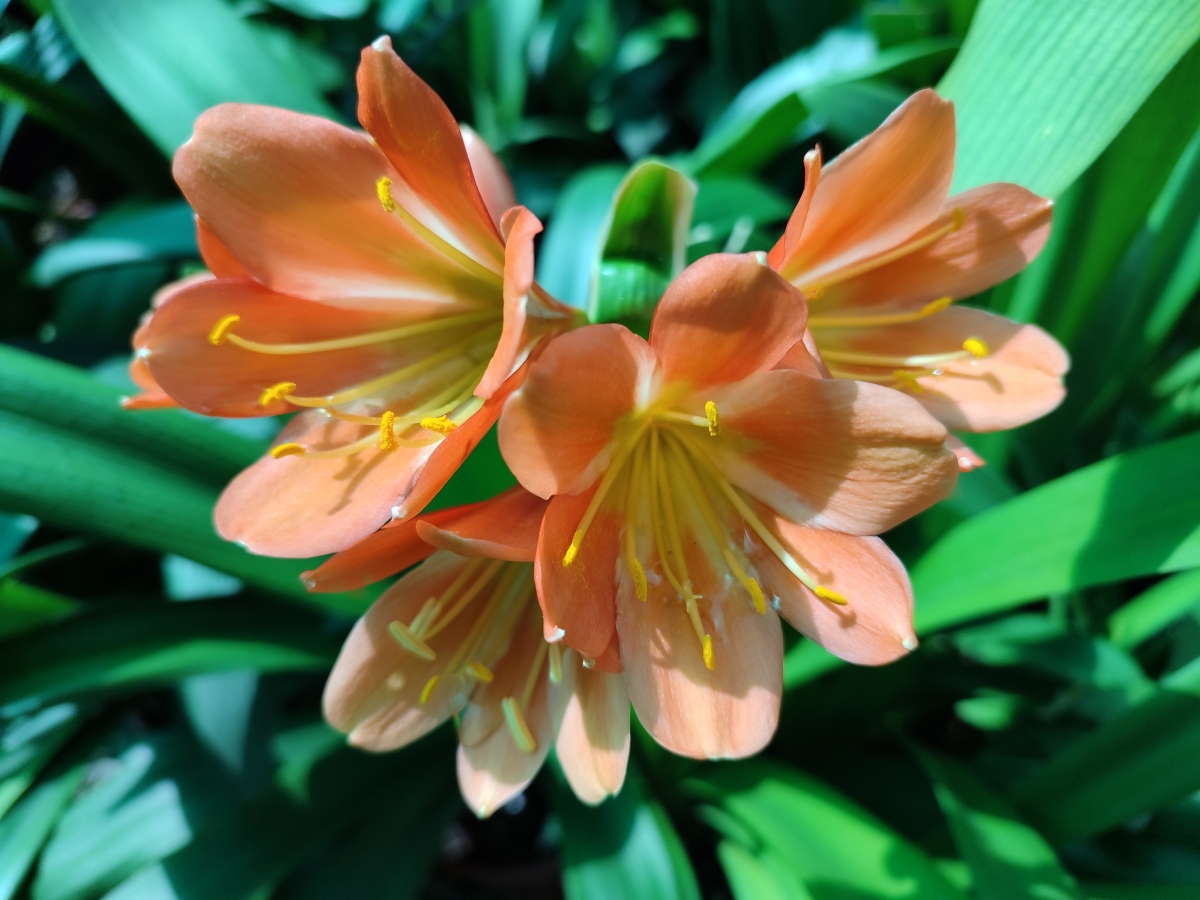
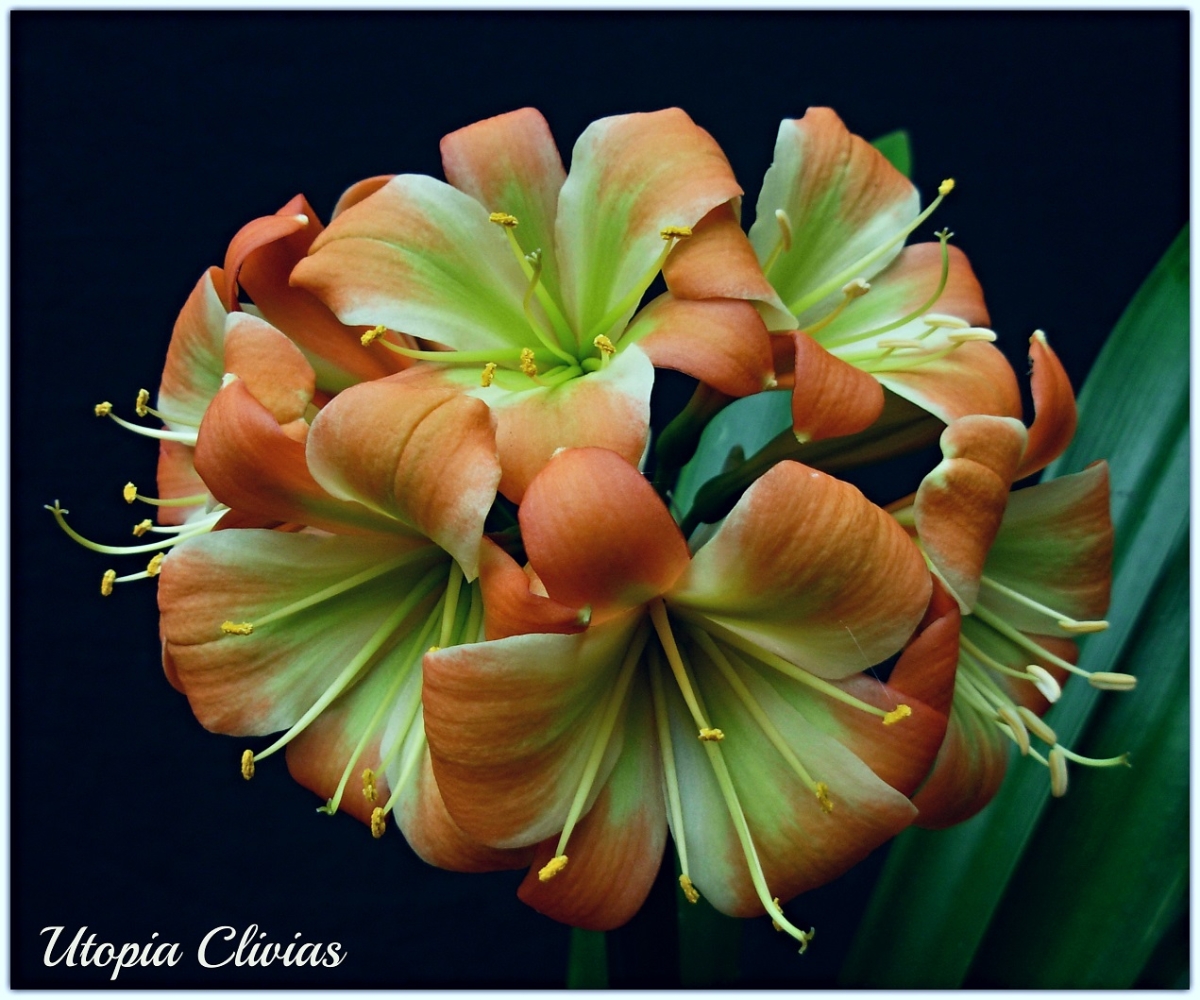
When the mother plant flowered for the first time here at Utopia Clivias, we tested her compatibility by pollinating her with a Super Splash. We only pollinated a few flowers, and the results were mixed—mostly oranges with a few bi-colours—suggesting she was unlikely compatible with the Splash line.
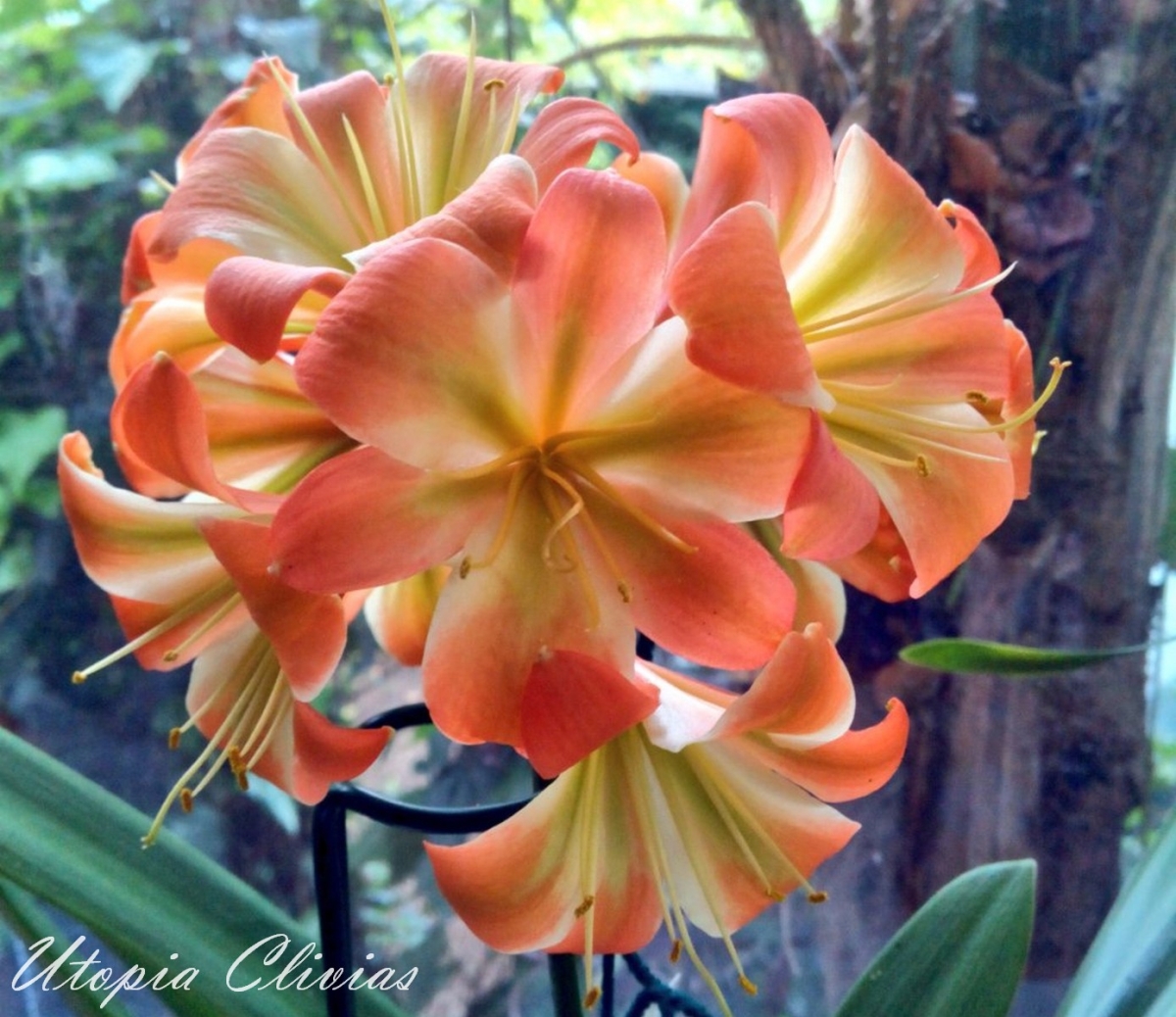
The following year, we tried a different route, using pollen from a multi-coloured flower imported from Kevin Akins, a well-known Clivia grower in the USA. This produced large, recurved pastel pink flowers, with slightly darker outer petals and promising umbels. Unsure how this line would develop, we kept the seedlings to see how they perform on their second flowering, before deciding whether to pursue them further in our breeding program.
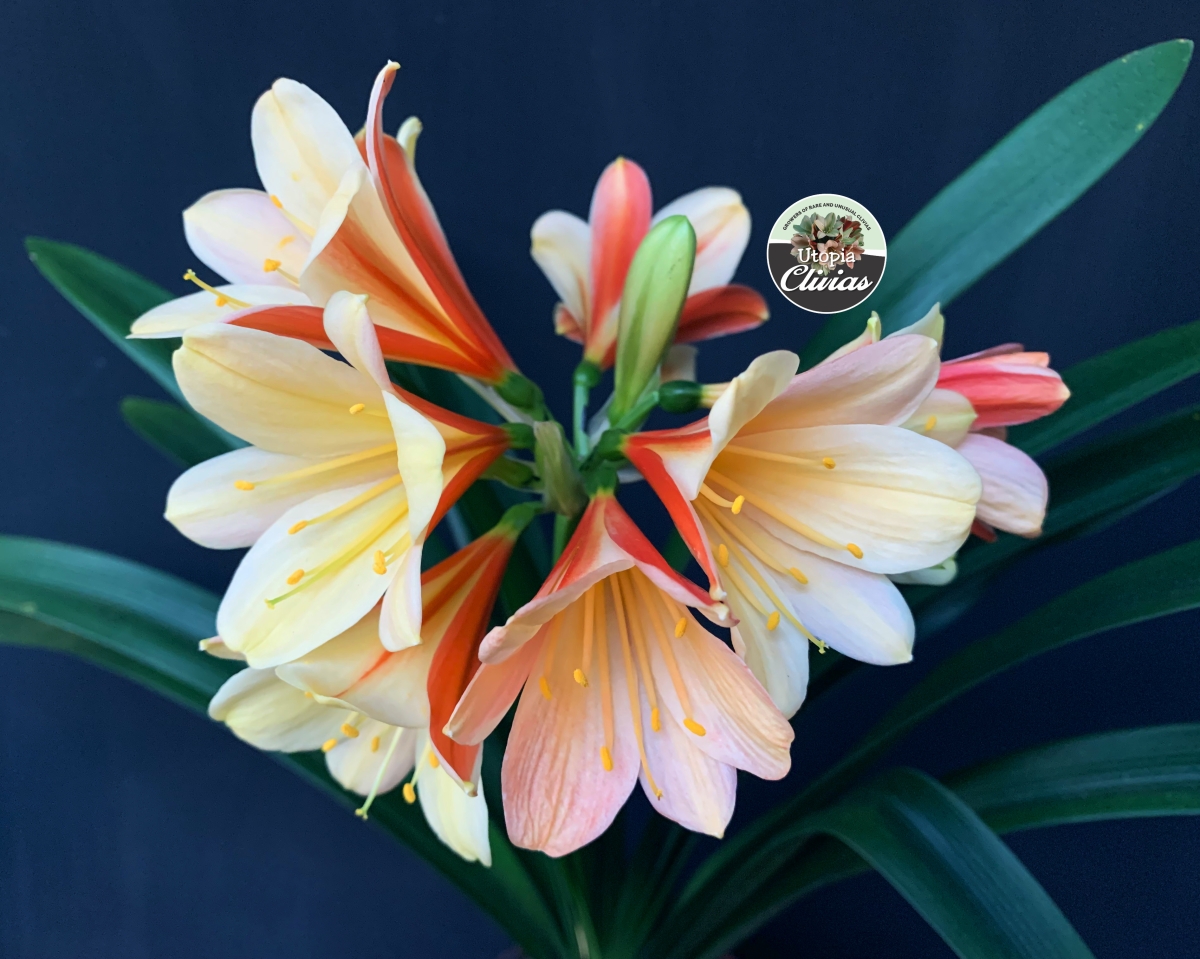
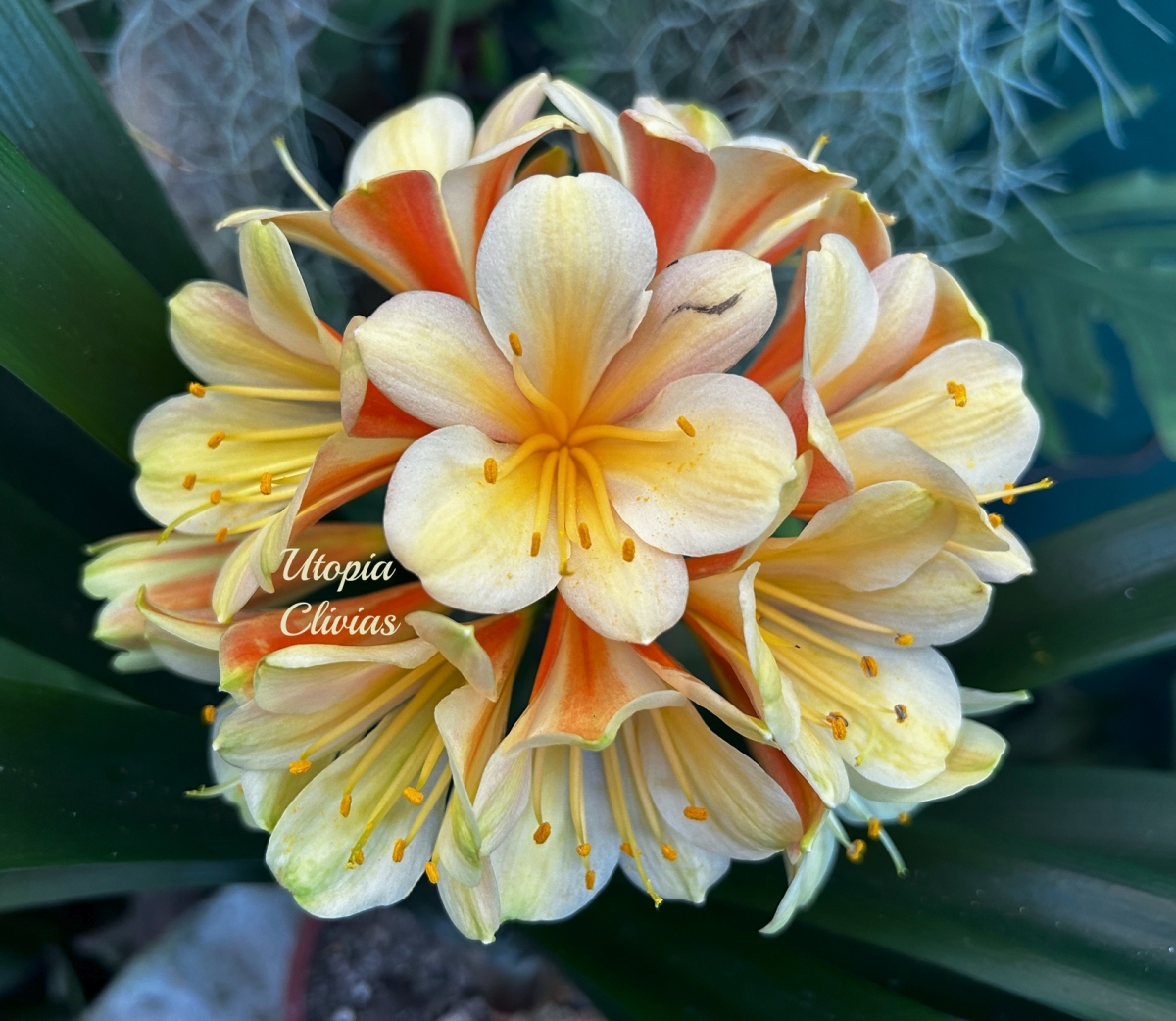
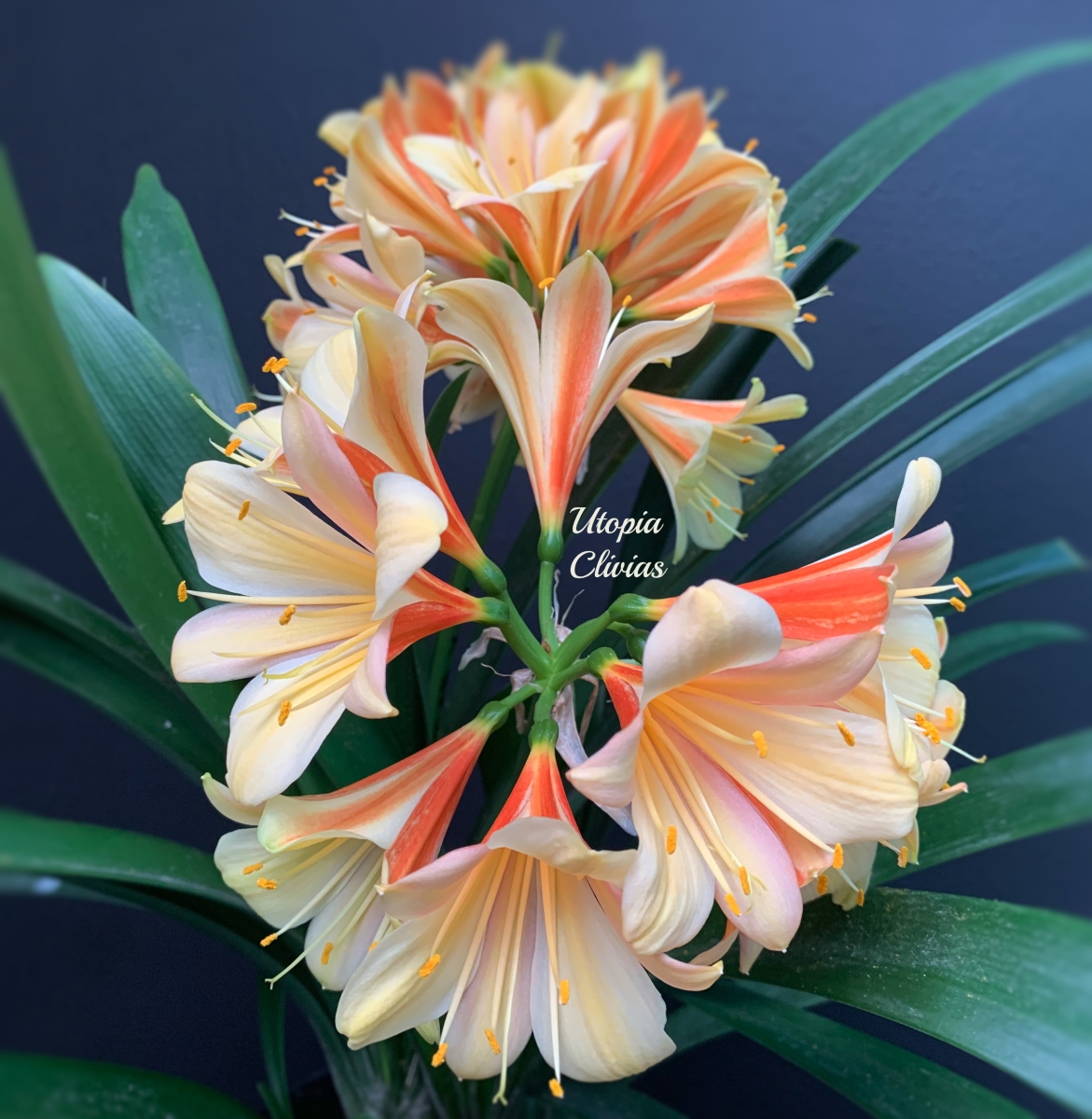
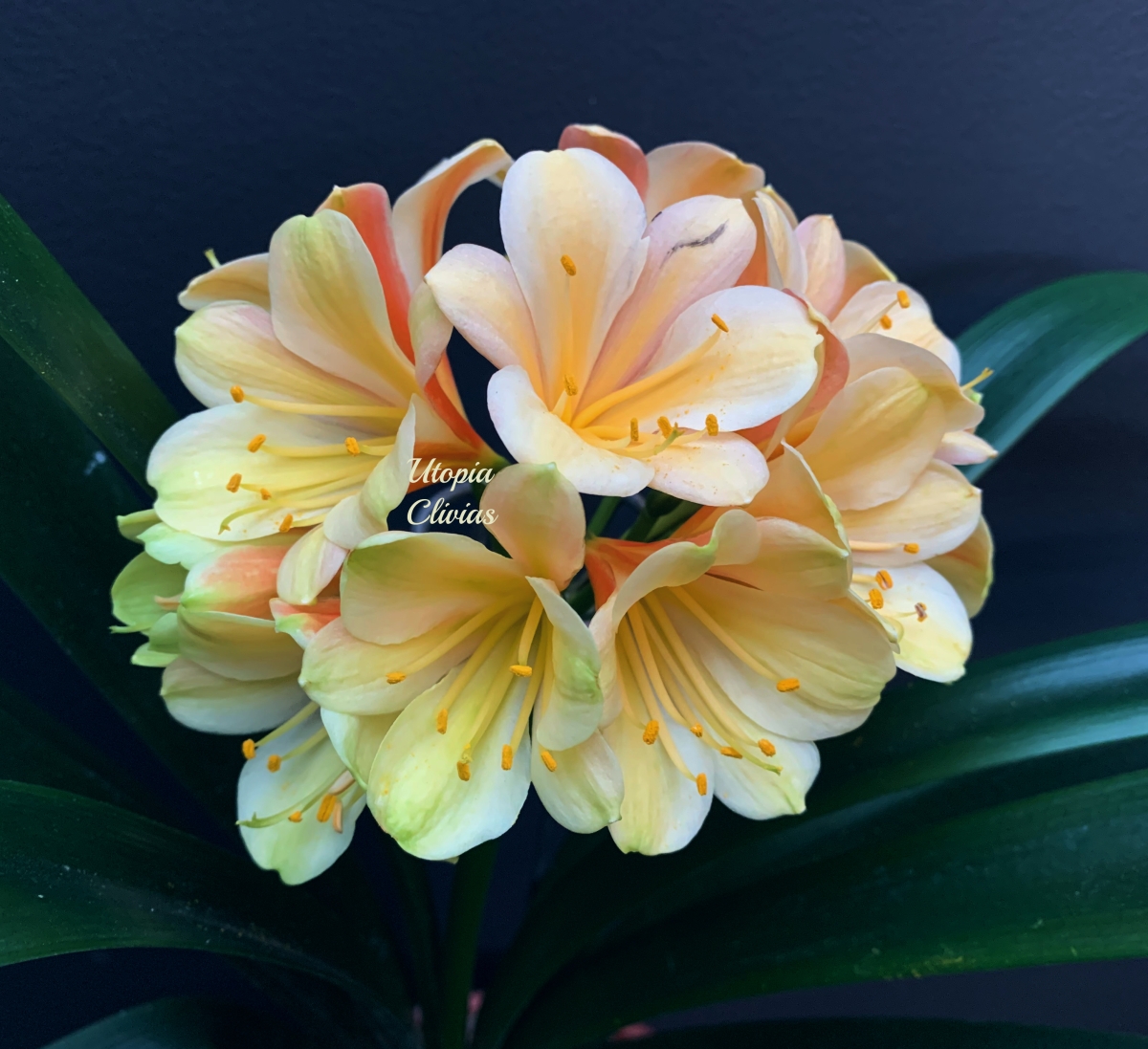
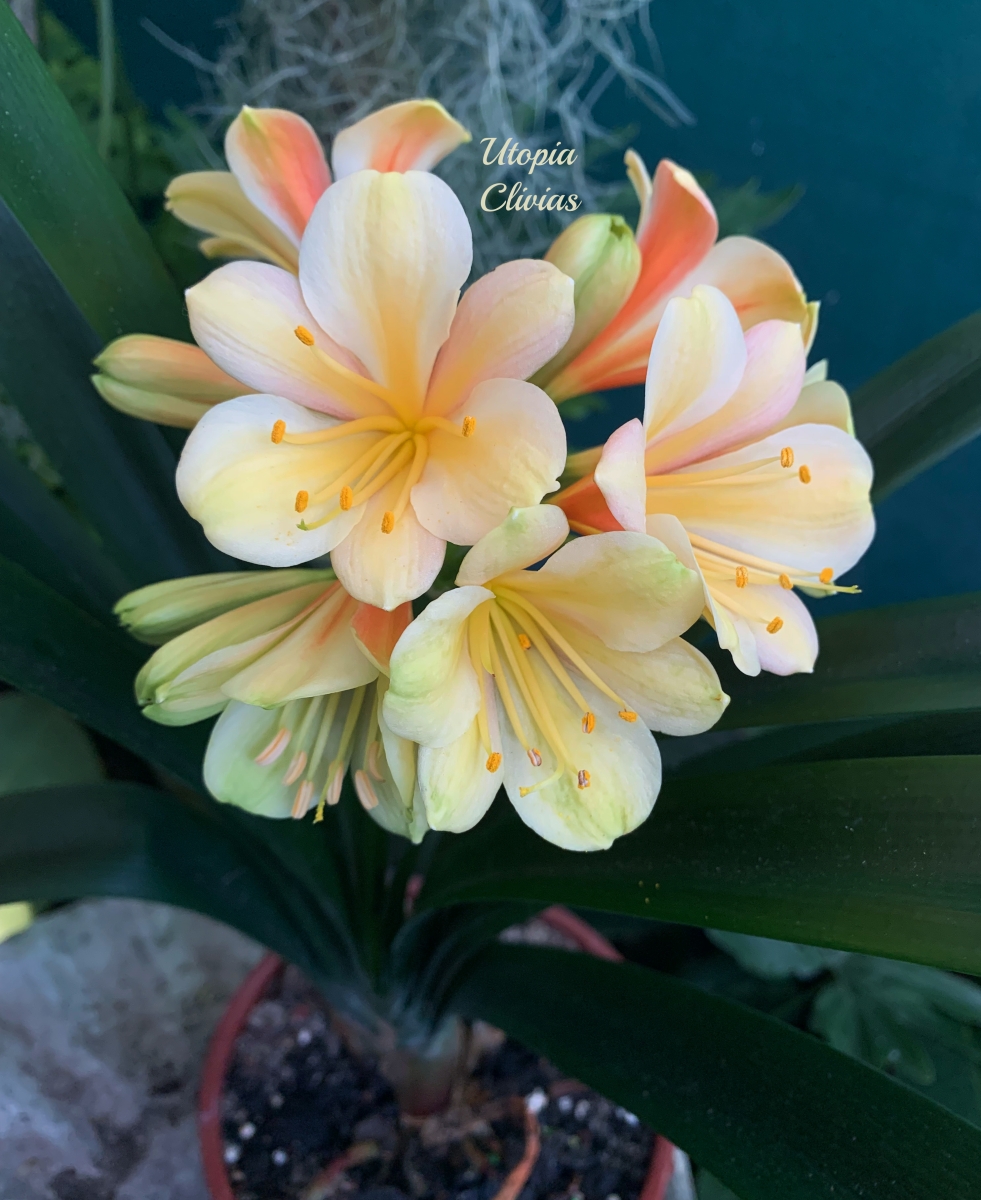
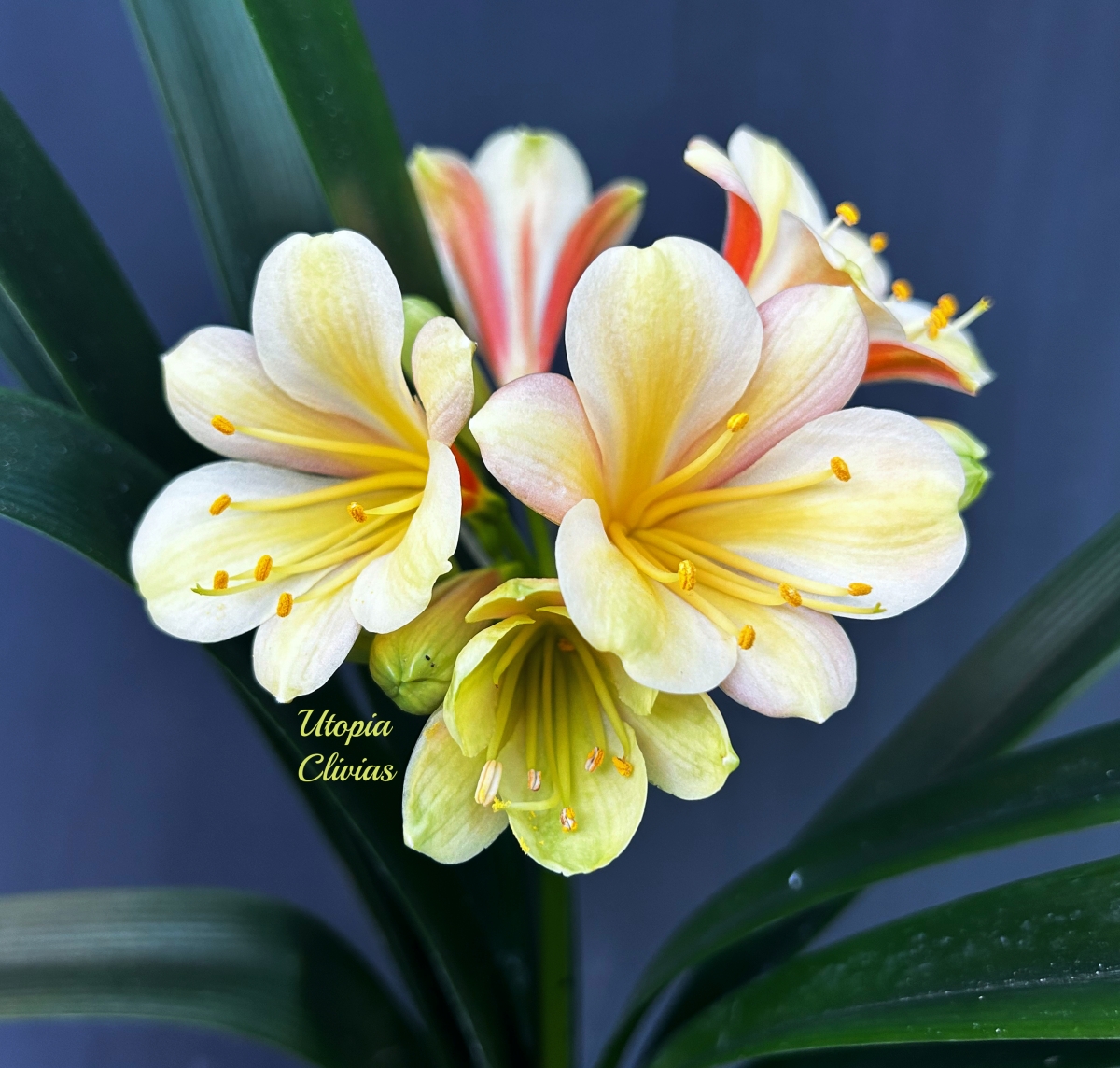
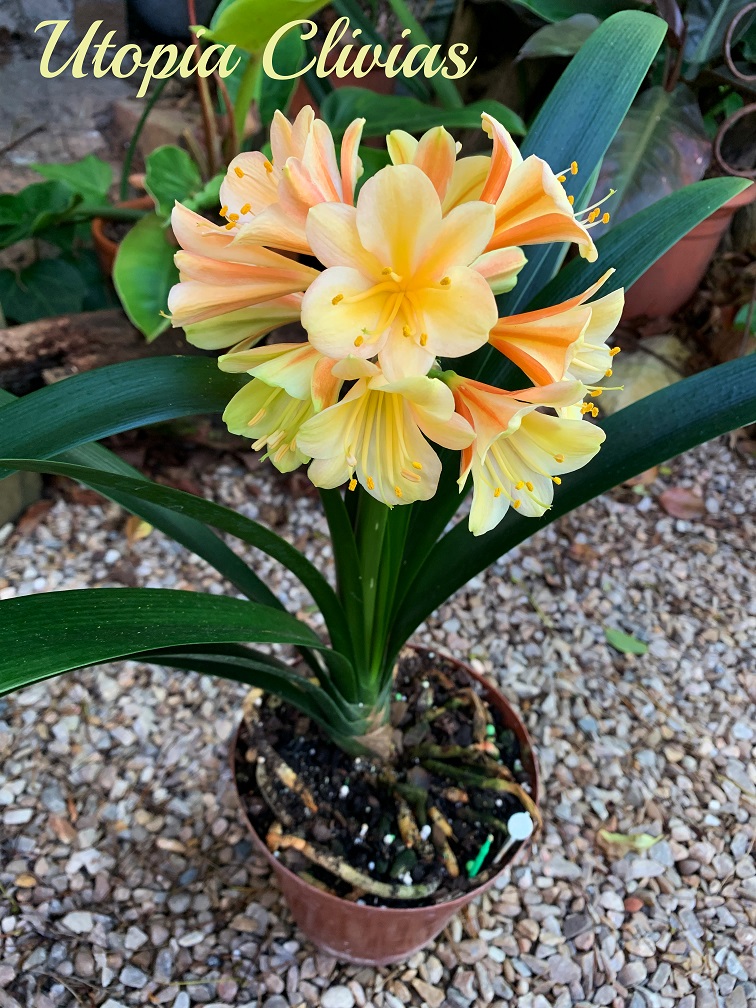
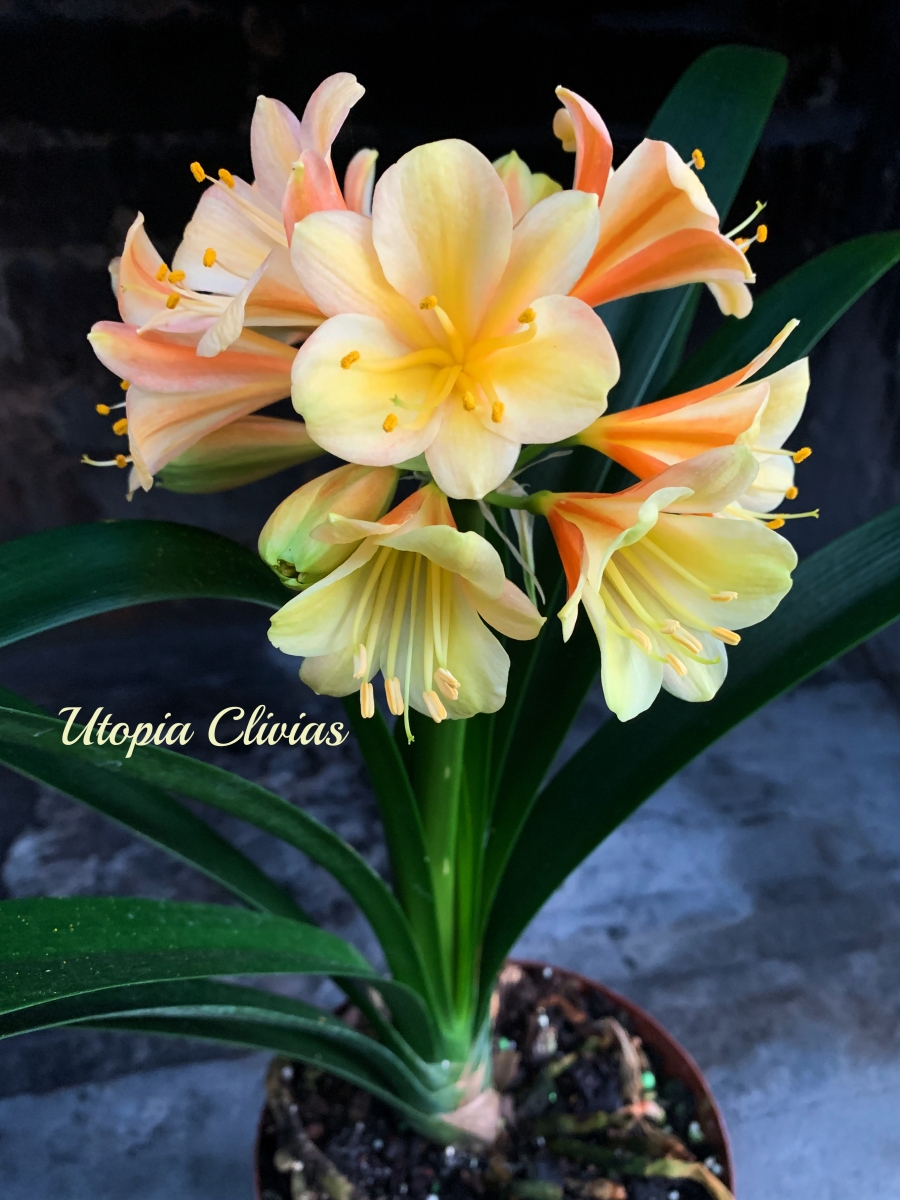
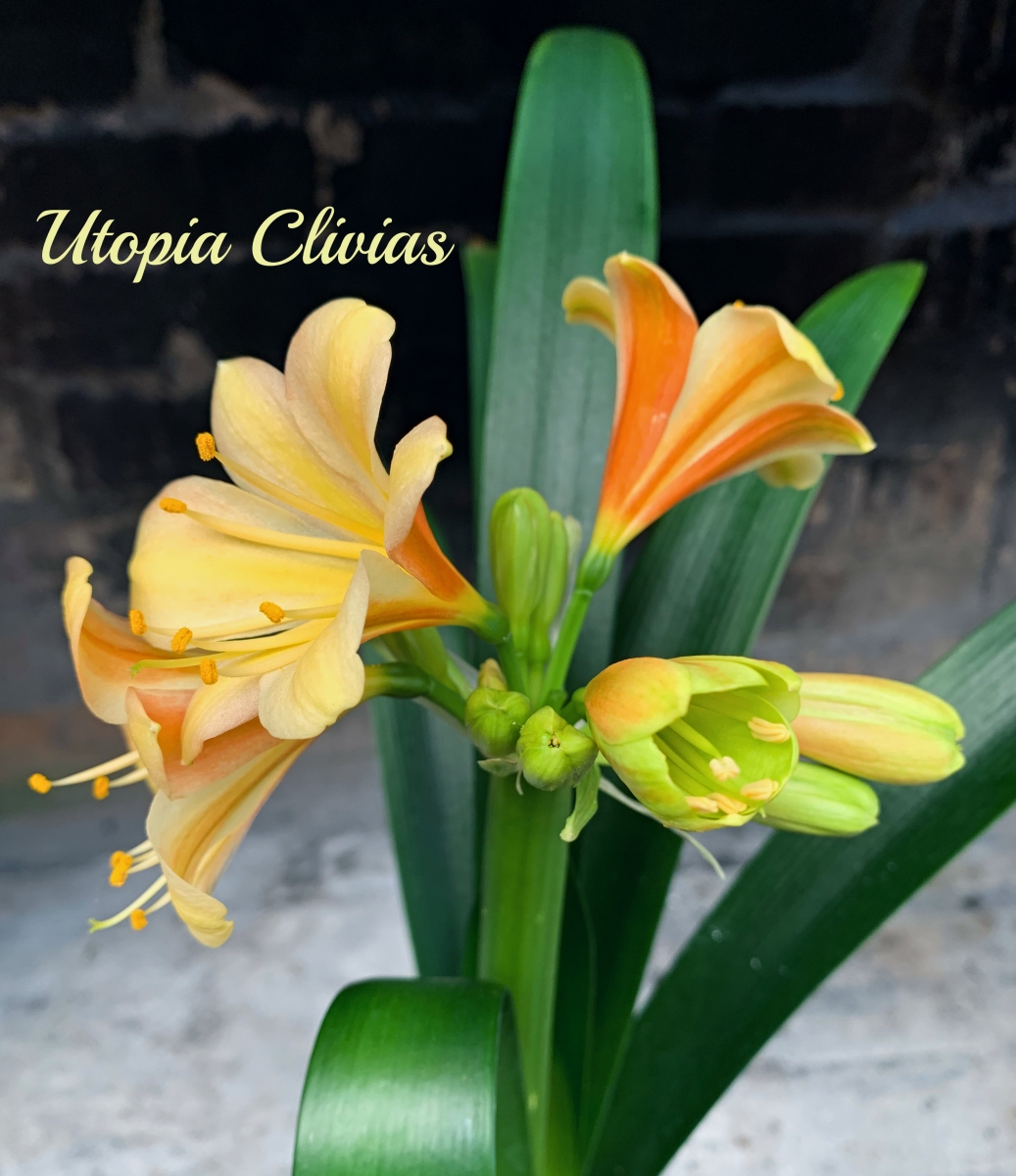
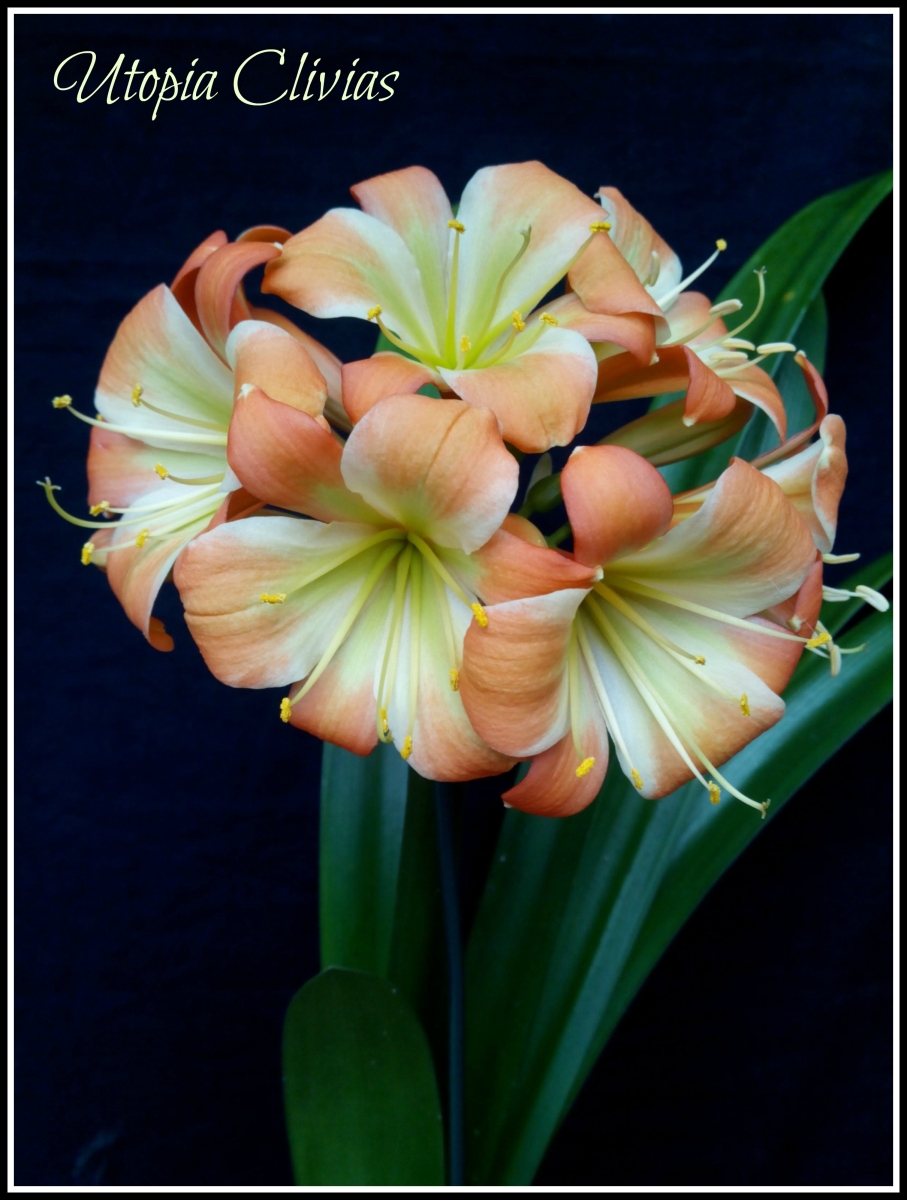
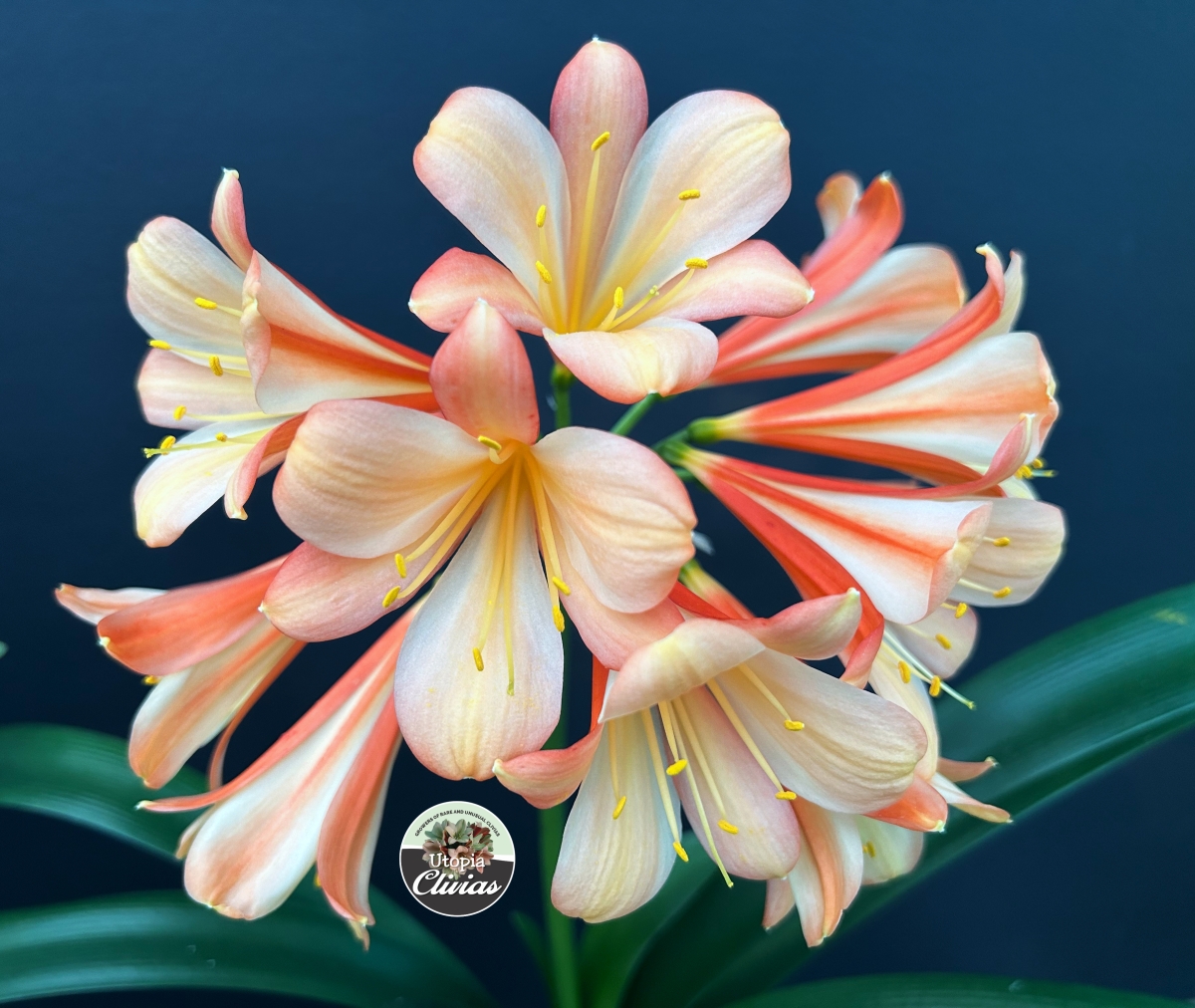
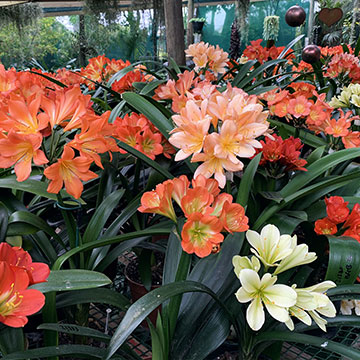
It was the third attempt that finally brought the breakthrough. We crossed her with a versi-colour interspecific plant with large flowers—the renowned Belgian versi-colour QO8, bred by Dirk Lootens. This pairing exceeded all expectations. The seedlings from this cross produced beautiful versi-colours with recurved flowers, broad petals, and consistently full umbels. We’ve flowered three standout plants from this cross and have kept all three for further breeding. Our long-term goal is to produce large, recurved versi-colours with full umbels that still retain a strong miniata-like appearance.
We’ve named these special plants:
Lucky 8
Get Lucky
Good Luck Girl
We have also experimented with BDO genetics and Hotties Hirao on this plant, but those seedlings have yet to flower—another waiting game typical in Clivia breeding.
Since then, we’ve focused almost entirely on versi-colour pollen for her, including selective backcrosses to the mother plant and sibling crosses, knowing this direction works. As every Clivia breeder knows, these experiments require patience, with each generation taking five to six years to mature. Sixteen years after we brought this mystery plant home, we finally feel confident we’ve found the ideal breeding partner for her.
It seems, after all, the third time really was lucky.