Easy Tips for Growing Happy, Healthy Clivias
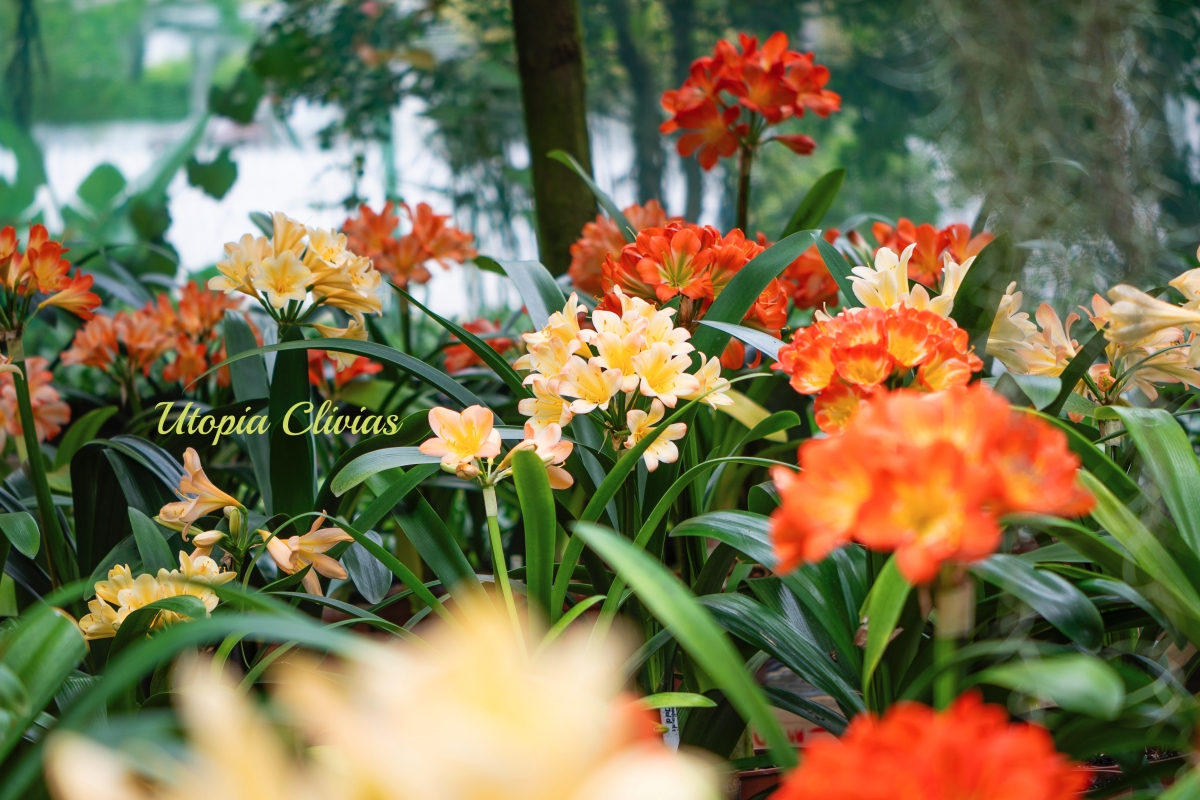
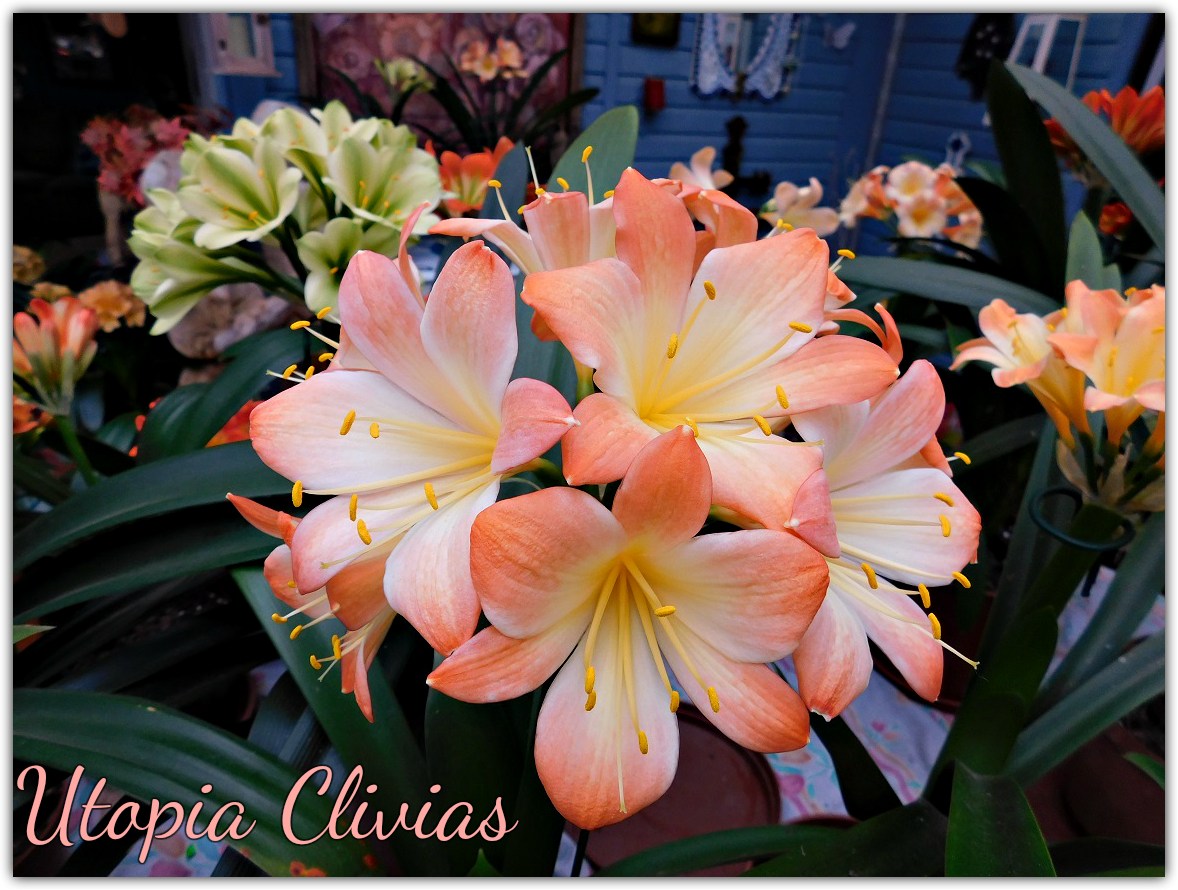
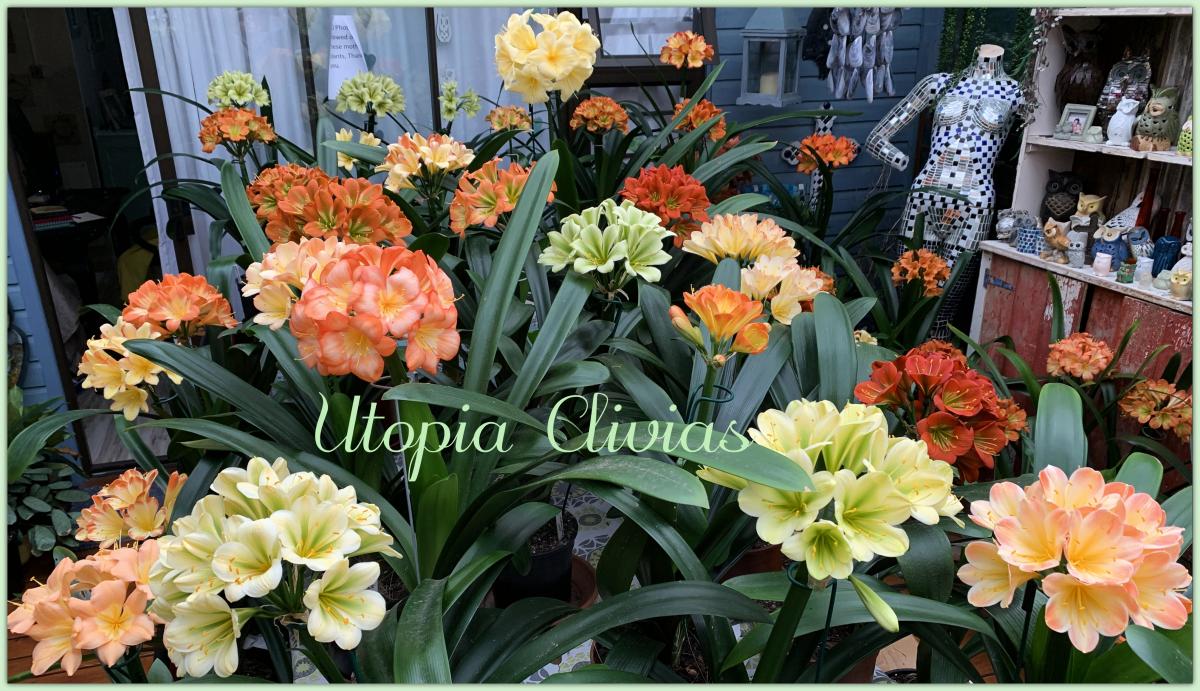
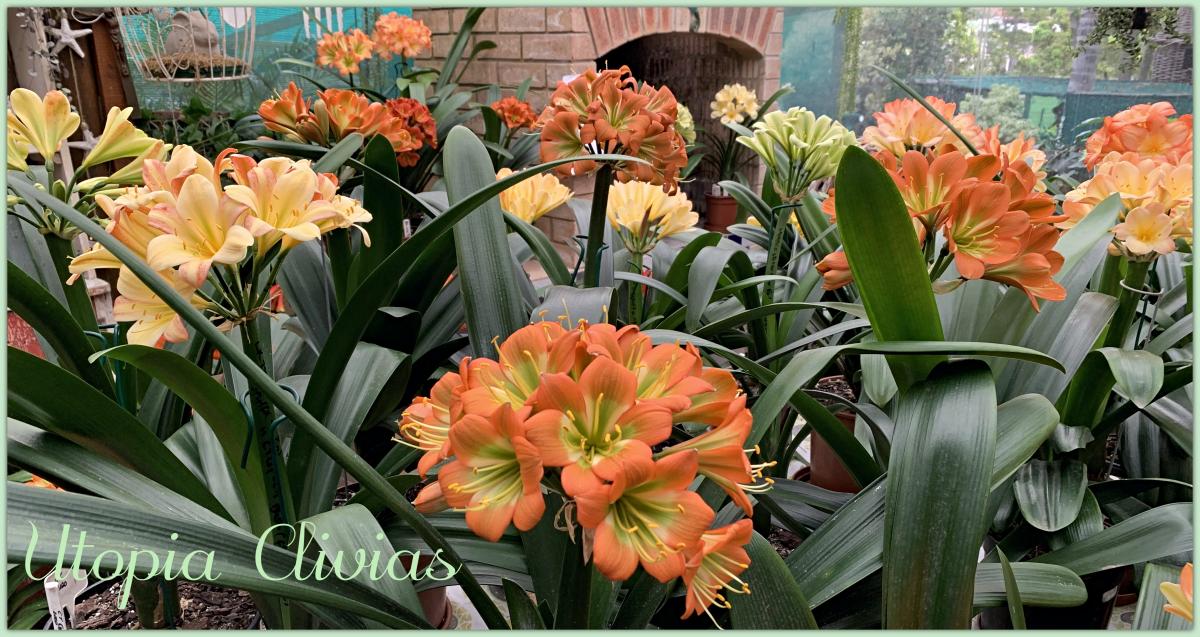
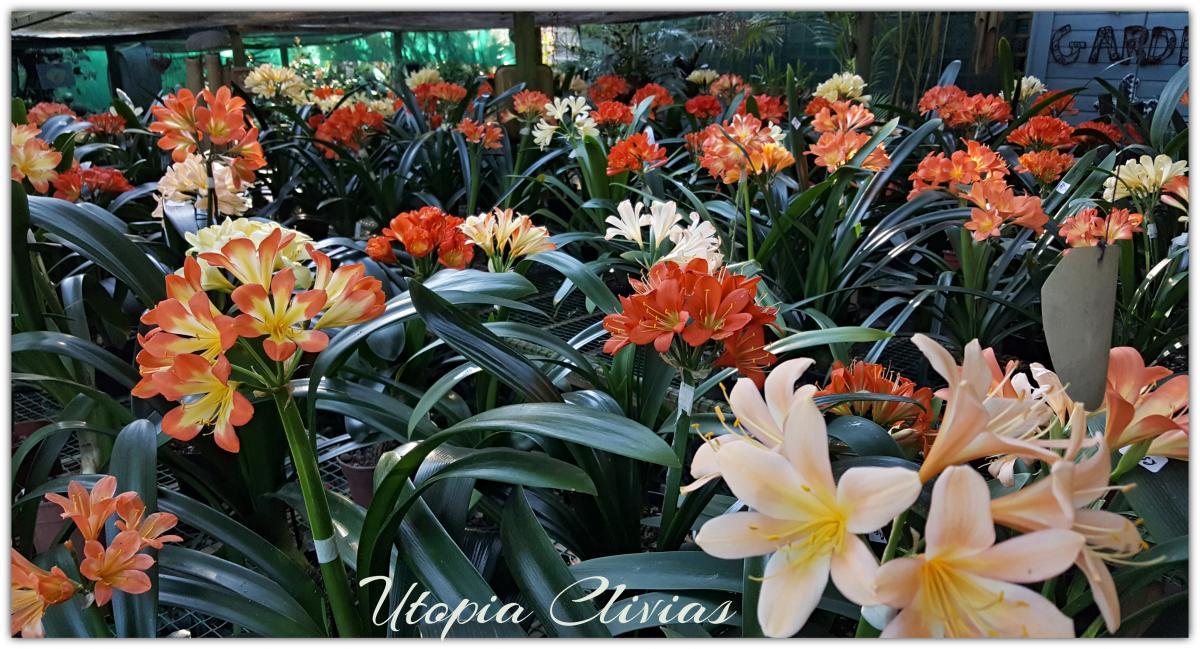
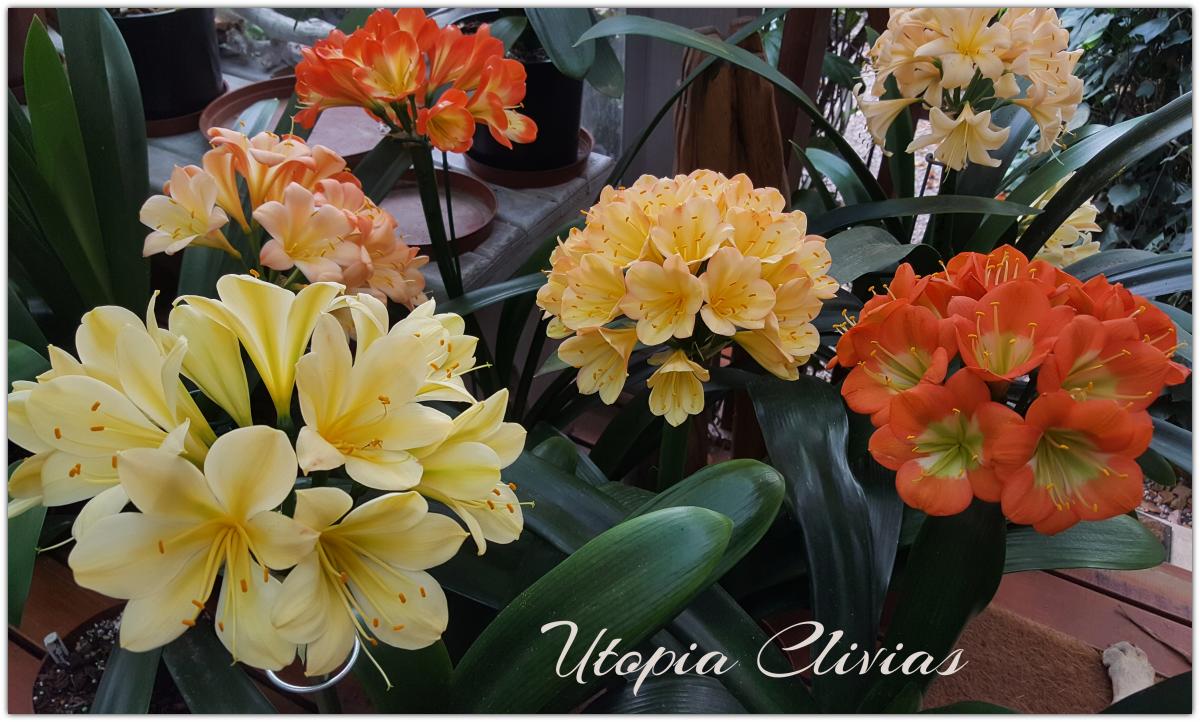
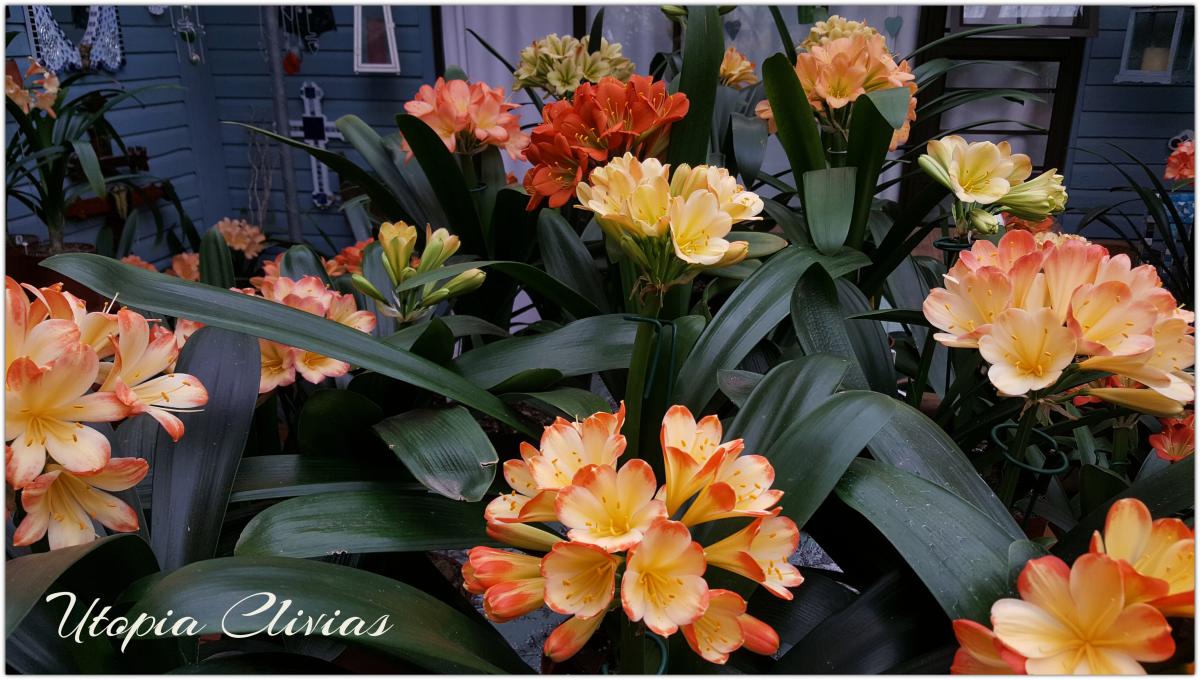
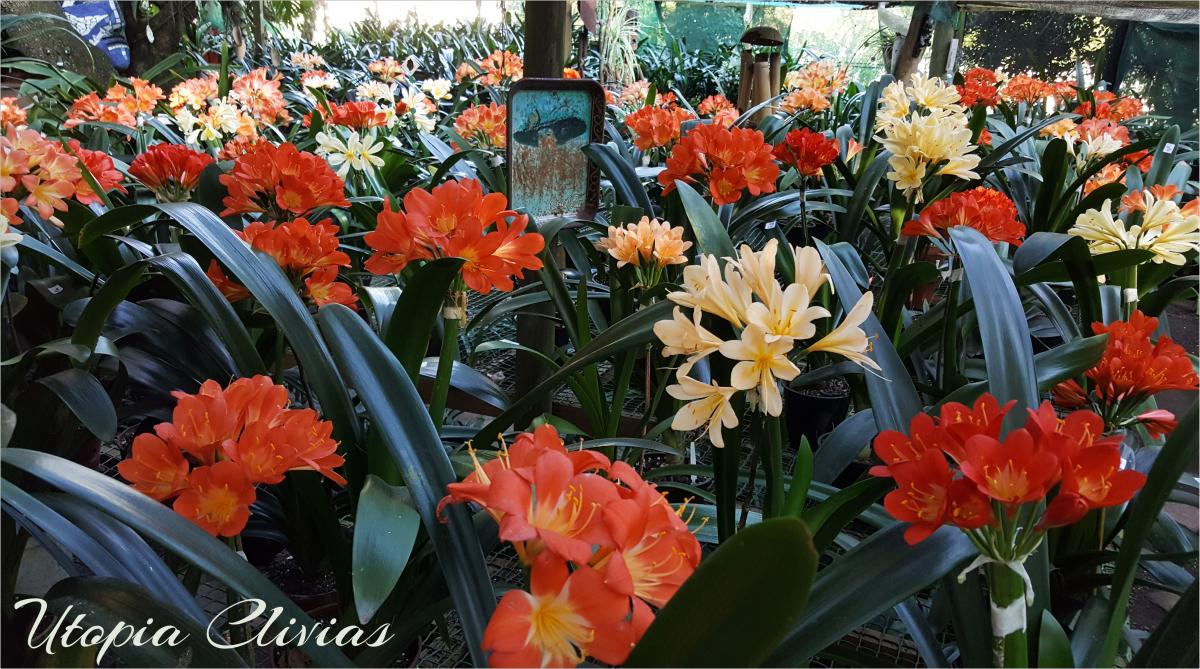
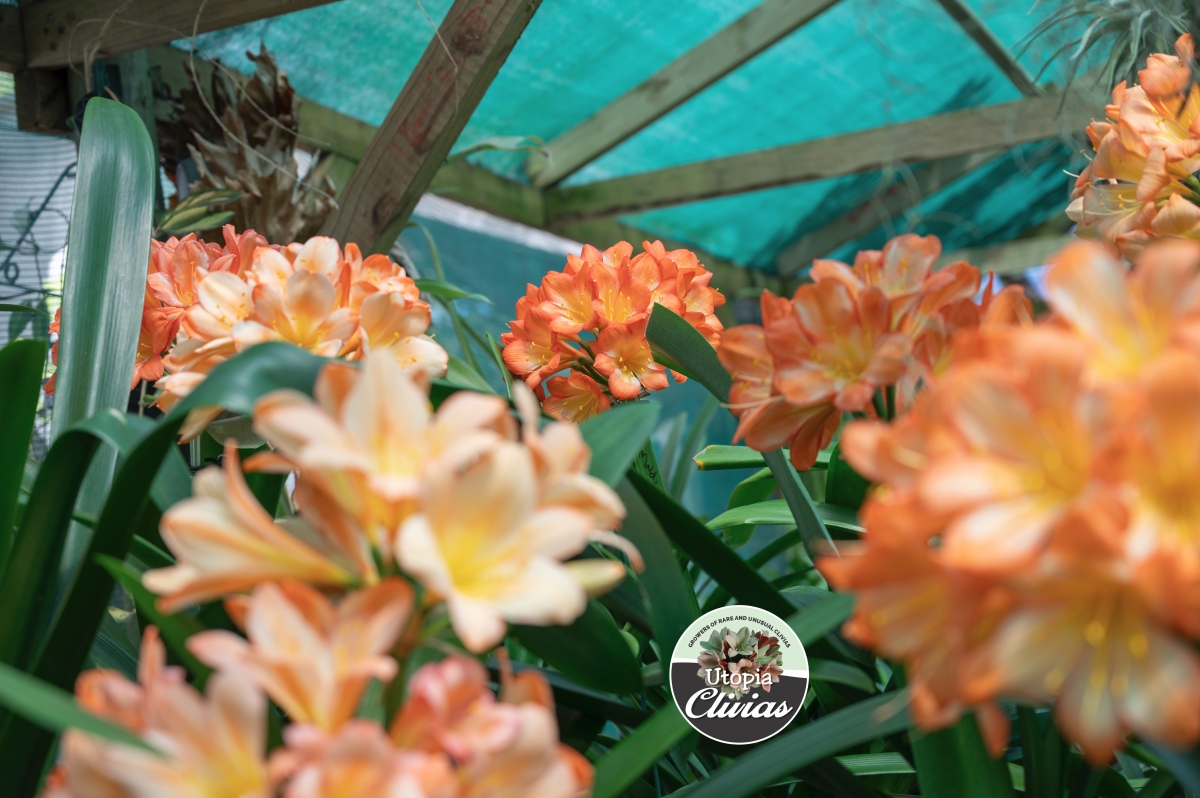
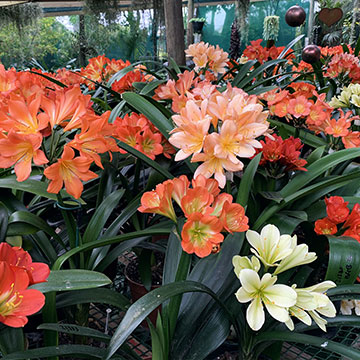
Clivias are one of the easiest ways to add vibrant colour to shady corners of your garden. Their brilliant blooms—traditionally bright orange, but now also cream, yellow, salmon, peach, and bronze—can transform your garden from September to October with minimal effort. Perfect for South African gardens, Clivias are hardy, low-maintenance, and rewarding for both beginners and experienced gardeners.
With just dappled shade, good soil, and a little care, your Clivias can thrive for decades, producing lush foliage and dazzling flowers year after year.
Top Tips for Clivia Care
1. Water Wisely
Clivias are drought-tolerant but don’t like soggy soil.
Summer: Water deeply once a week, allowing the soil to dry slightly between waterings.
Winter: Usually, natural rainfall is sufficient, as the plant is semi-dormant.
Tip: In very hot or dry conditions, mist the leaves occasionally to reduce stress and keep them vibrant.
2. Ensure Excellent Drainage
Poor drainage is the biggest cause of Clivia rot.
Plant in well-drained soil enriched with organic matter to mimic their natural forest-floor habitat.
For pots, always add a layer of gravel or broken terracotta at the base.
Use a soil mix of quality compost, coarse sand, and fine bark to improve aeration.
3. Plant Smart
Do not plant too deep; the crown of the plant should sit just above the soil.
Spread roots horizontally to avoid crowding, which can cause rot.
Keep a mulch layer on top to conserve moisture and regulate soil temperature.
4. Light It Right
Clivias prefer dappled sunlight or morning sun.
Deep shade may reduce flowering but is fine for lush foliage.
Avoid harsh afternoon sun, which can scorch leaves.
5. Feed for Fabulous Flowers
Use a 3:1:5 slow-release fertiliser in spring and autumn.
In pots, apply a liquid feed such as Seagro monthly.
A seaweed-based supplement when buds form can give flowers an extra boost.
Avoid feeding in winter to respect their semi-dormant period.
6. Pest Prevention
Common pests include mealie bugs and snails, which thrive in dense plantings.
Improve air circulation between plants and wipe leaves with a 50:50 water-methylated spirits solution.
Systemic insecticides and fungicides applied every six months help prevent infestations and disease.
7. Monitor Plant Health
Browning leaf tips or light green leaves often indicate poor watering, underfeeding, or stress.
Regularly inspect your plants for early signs of pest or disease damage.
8. Enjoy the Berries
Clivia berries are harmless, attractive, and a natural part of the plant’s cycle.
Leaving them allows for seed collection if you want to grow new plants.
Fun fact: Planting yellow and orange Clivias together doesn’t change their flower colour, but seeds from cross-pollination can produce unique new shades.
9. Divide and Multiply
Mature Clivias benefit from division every 3–5 years.
Keep divisions in clumps of 3–5 rhizomes to encourage flowering in the next season.
Dividing also prevents overcrowding, promotes air circulation, and rejuvenates older plants.
10. Make the Most of Your Shade
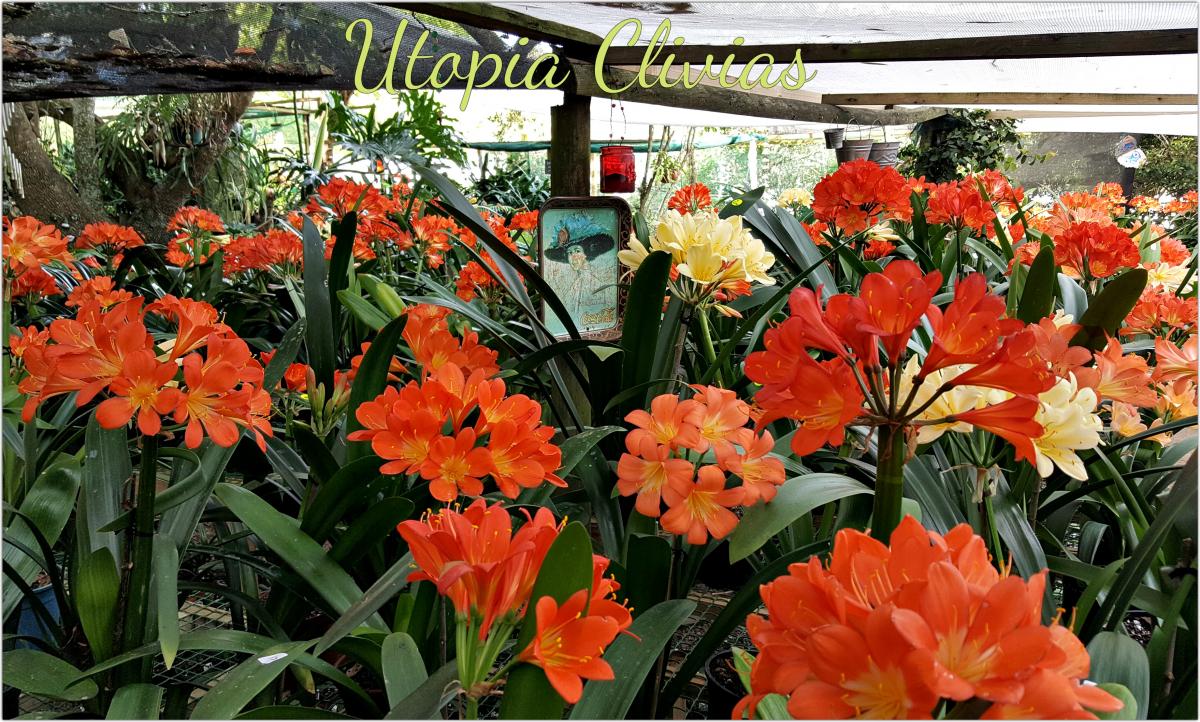
Mass plantings in shady beds can create a stunning display, while single Clivias add a pop of colour in corners or containers.
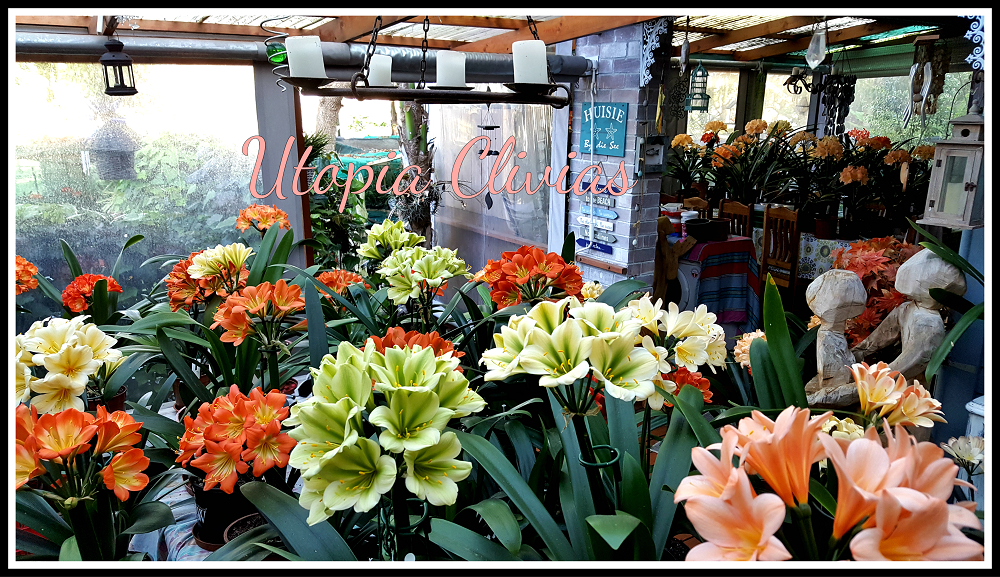
Clivias are versatile—ideal for garden beds, courtyards, or indoor containers, adapting beautifully to your space.
Extra Tips for Happy Clivias
Rotate potted plants occasionally to ensure even light exposure.
Remove dead leaves to improve appearance and reduce pest hiding spots.
Avoid excessive fertiliser, which can encourage foliage growth at the expense of blooms.
Pairing different colours creates a striking visual effect, while cross-pollination may yield exciting new seedling colours.
Conclusion:
Clivias are the perfect combination of beauty and resilience. With the right planting, watering, feeding, and pest care, these South African gems will reward you year after year with lush foliage, vibrant flowers, and long-lasting enjoyment. Even a small shady corner can become a burst of colour and life with these easy-to-grow plants.